What Is Going On
Most of the garages we look at in this part of Waltham went up somewhere between 1938 and 1993, with the median build year landing around 1966. That matters more than people expect. A door built for a 1966 opening is often narrower than what a modern car needs, and the track hardware from that era rarely matches anything a supply house still stocks.
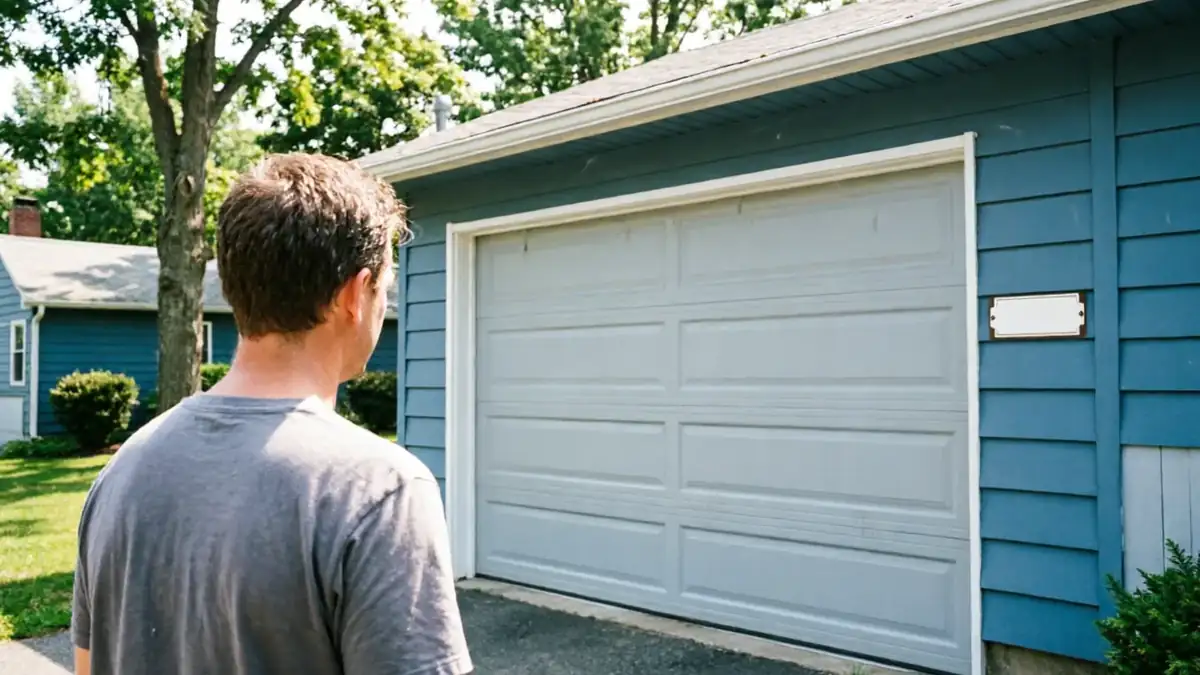
Walk the blocks around a mile north-northwest of downtown a mile south, and you'll see the pattern: original single doors on openings that were sized for cars half the width of what people drive now. Across the 71 named areas this company covers, the stock leans hard into 1960s and 1970s construction, so this isn't a one-street problem, it's the baseline.
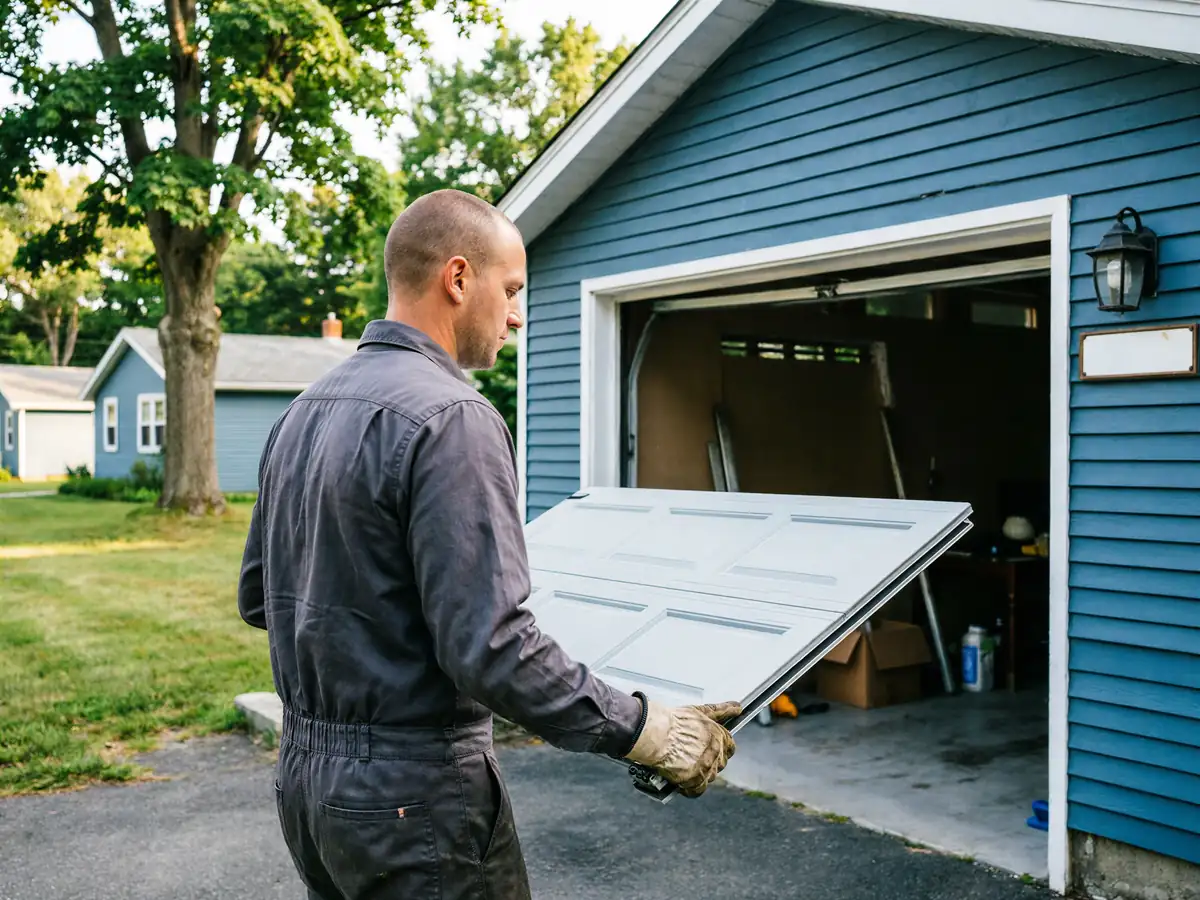
When a homeowner calls about a "broken door," half the time the real issue is that the door is original, the opening is undersized by today's standard, and the spring system on it was never meant to carry a heavier insulated replacement panel. Replacing it right means measuring the actual opening, not assuming it matches a catalog standard width.
What You Pay
We're not going to put a number here that we can't back up
Every opening in this stock is a little different, and a firm quote needs someone standing in front of the actual door, not a guess over the phone. What we can say is this: median household income across the service area runs $150,820, which is high enough that most owners here choose insulated steel or wood-composite doors over the bare minimum, rather than the cheapest option on the shelf.
The service area counts 540,338 households and 243,594 owner-occupied houses
Which tells you the market here supports a range of door grades, not just one price point. If your opening is non-standard - common in homes from the 1938-1993 build window - expect the quote to include a measure-and-fit step before any number gets written down.
- 540,338 households
- 243,594 owner-occupied
The honest limitation
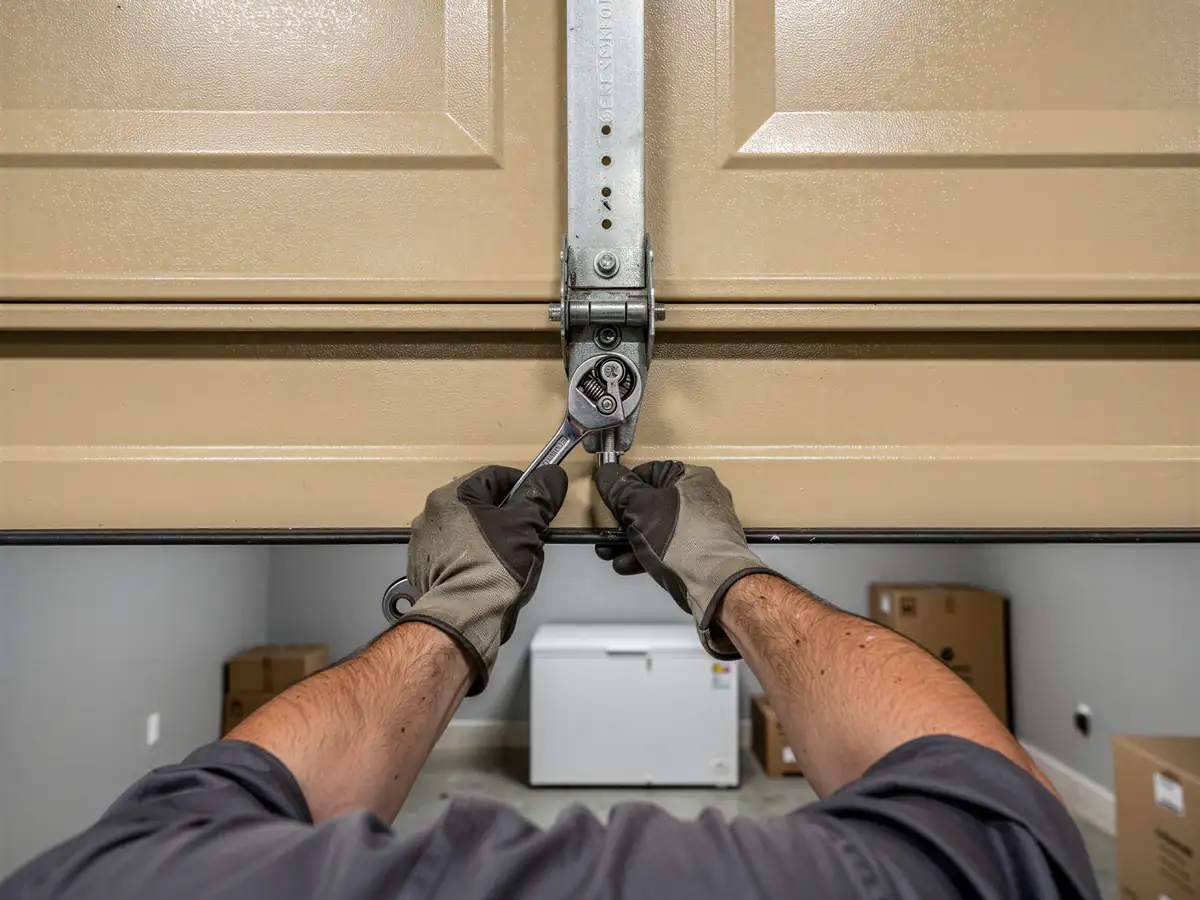
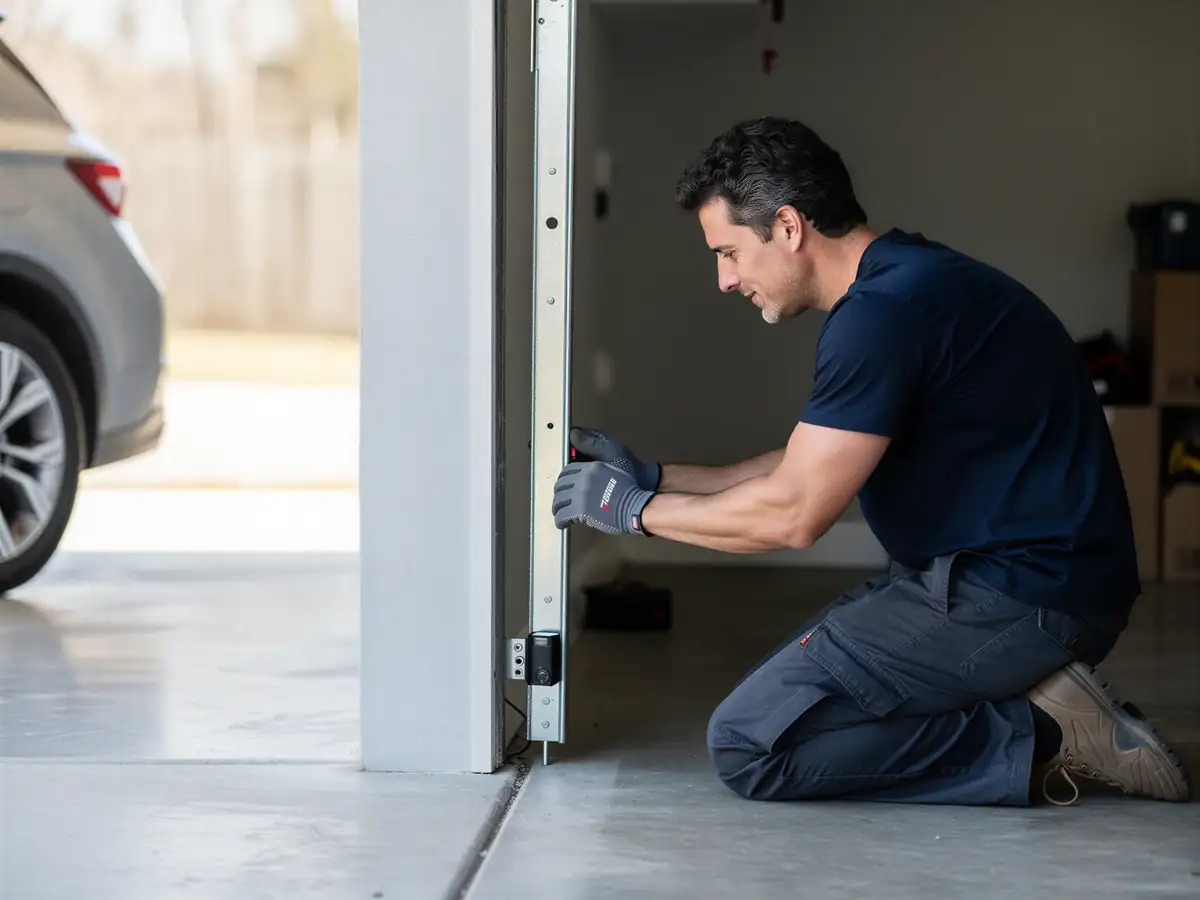
If your current track or jamb is out of square, which happens often in houses this old, a straight swap isn't possible. That adds labor the catalog price never shows, and it's better to know that going in than to get a surprise invoice.
The Seasonal Bit
Waltham sits in a climate band rated cold and severe, and that shapes when a replacement job actually goes smoothly versus when it fights you. Spring and fall are the windows where panel seals cure properly and weatherstripping sets without the material going brittle from cold or soft from heat.
Dead winter installs aren't impossible, but the adhesive on bottom seals and the foam gaskets on insulated panels behave worse below freezing - they don't bond the way they're supposed to, and you end up with a door that looks installed but leaks air at the bottom corners from day one. If you're planning a swap on a house from the 1966-era median stock, where the opening itself may need shimming or re-squaring, cold-weather work just takes longer and costs more in callbacks.
If you're not in a rush, timing the job for a stretch outside the hardest part of winter saves both of us trouble. If the door is broken and unusable now, we're not going to tell you to wait months - but we will flag that any seal work done in deep cold gets revisited once the weather turns.
What the Weather Here Does to It
The cold-severe rating on this climate band isn't just about comfort - it changes how the door itself ages. Steel panels contract in deep cold, and on doors installed without enough reveal at the track, that contraction is what causes binding and the grinding noise people call in about every January.
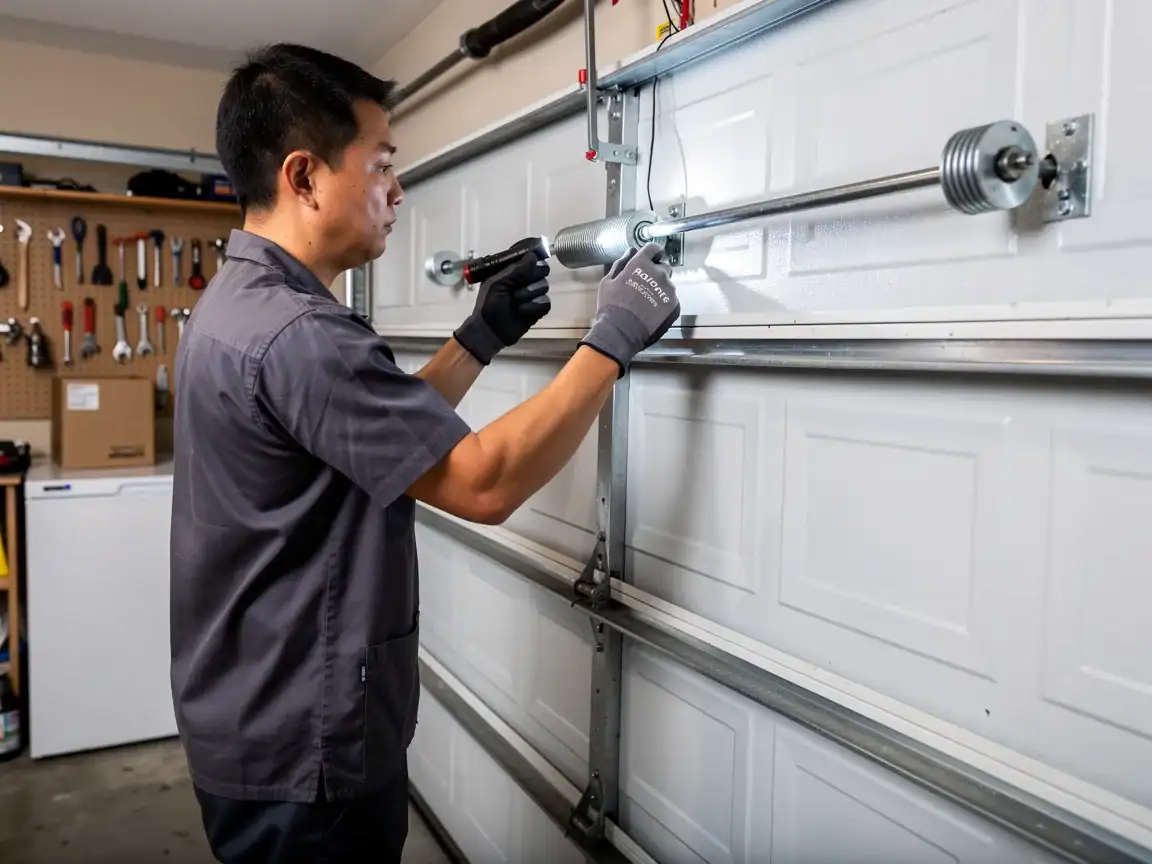
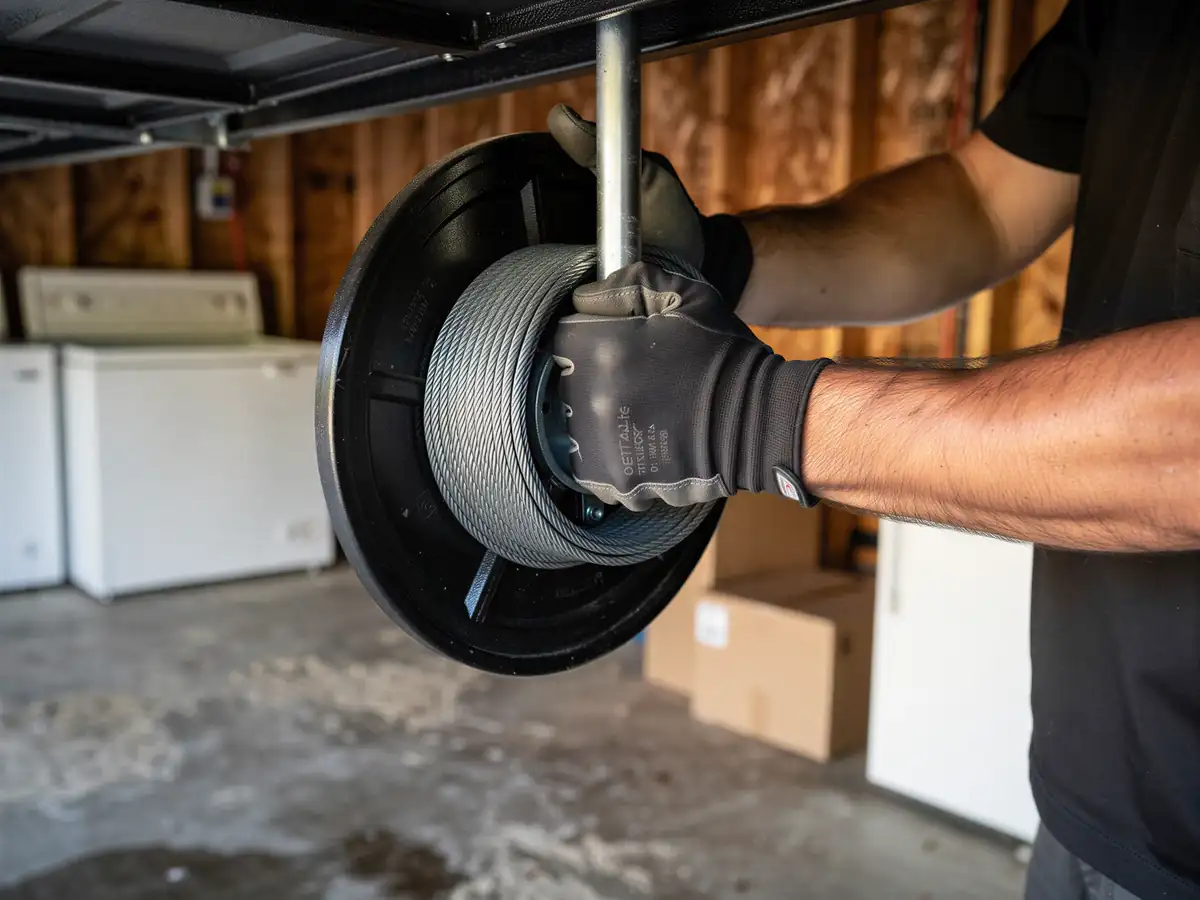
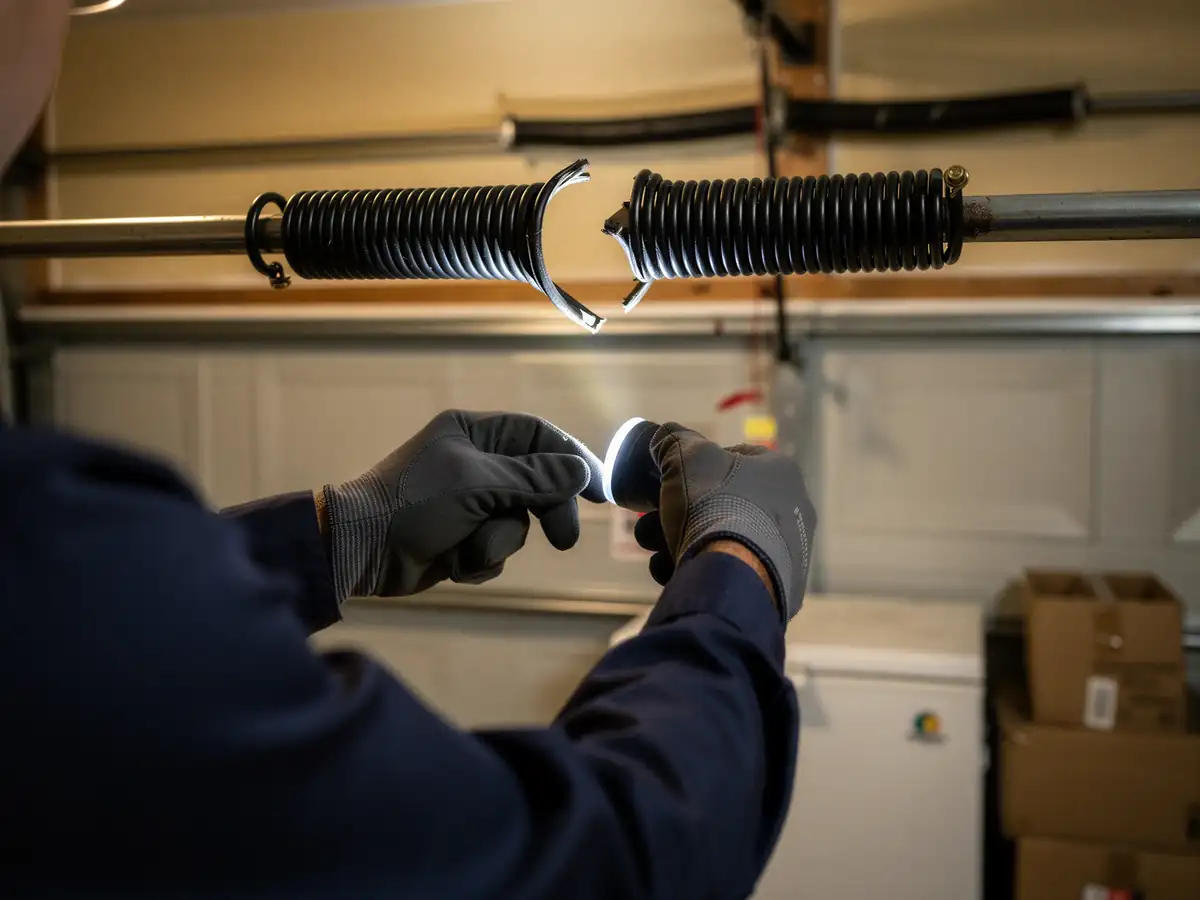
Torsion springs also behave differently cold. The wire tension doesn't change, but the metal gets less forgiving, so a spring that's been slowly failing all summer tends to let go in a cold snap rather than easing out gradually. On the original hardware common to houses from the 1938-1993 build era, that's often the first sign the whole assembly, not just the spring, is due for replacement.
Insulation matters more here than in a mild climate. A single-layer steel door on an attached garage in this area loses enough heat through the panel itself that the wall behind it feels the difference. That's one of the bigger reasons owners in this area upgrade to an insulated door rather than just replacing a broken one with the same grade - the cold doesn't forgive a bare steel skin the way a milder climate would.