What Is Going On
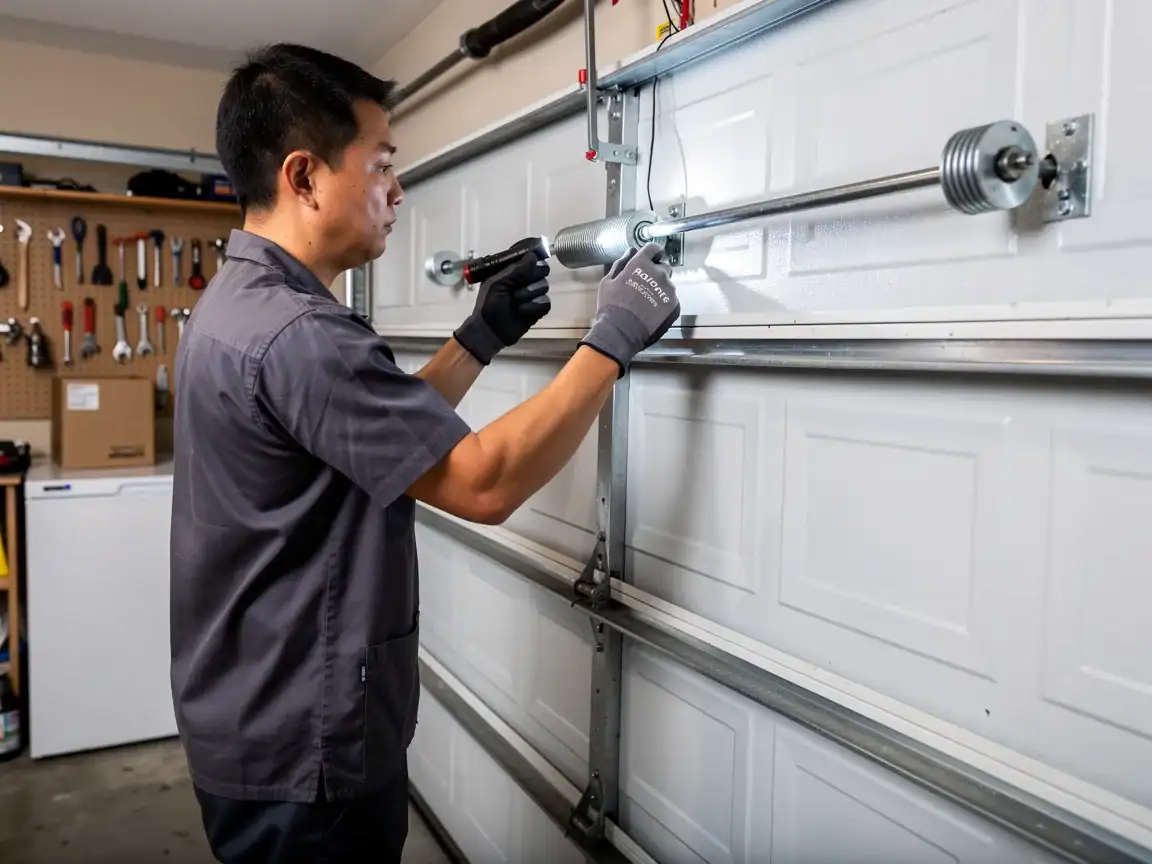
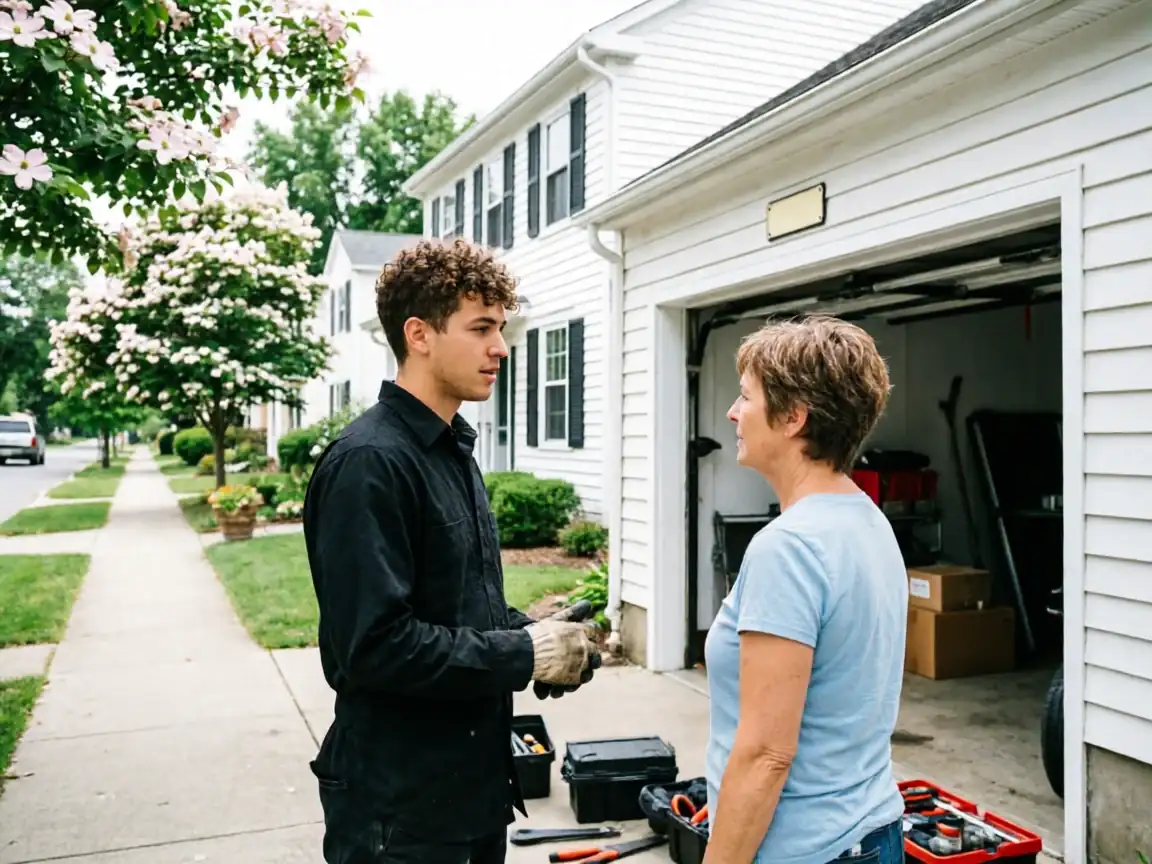
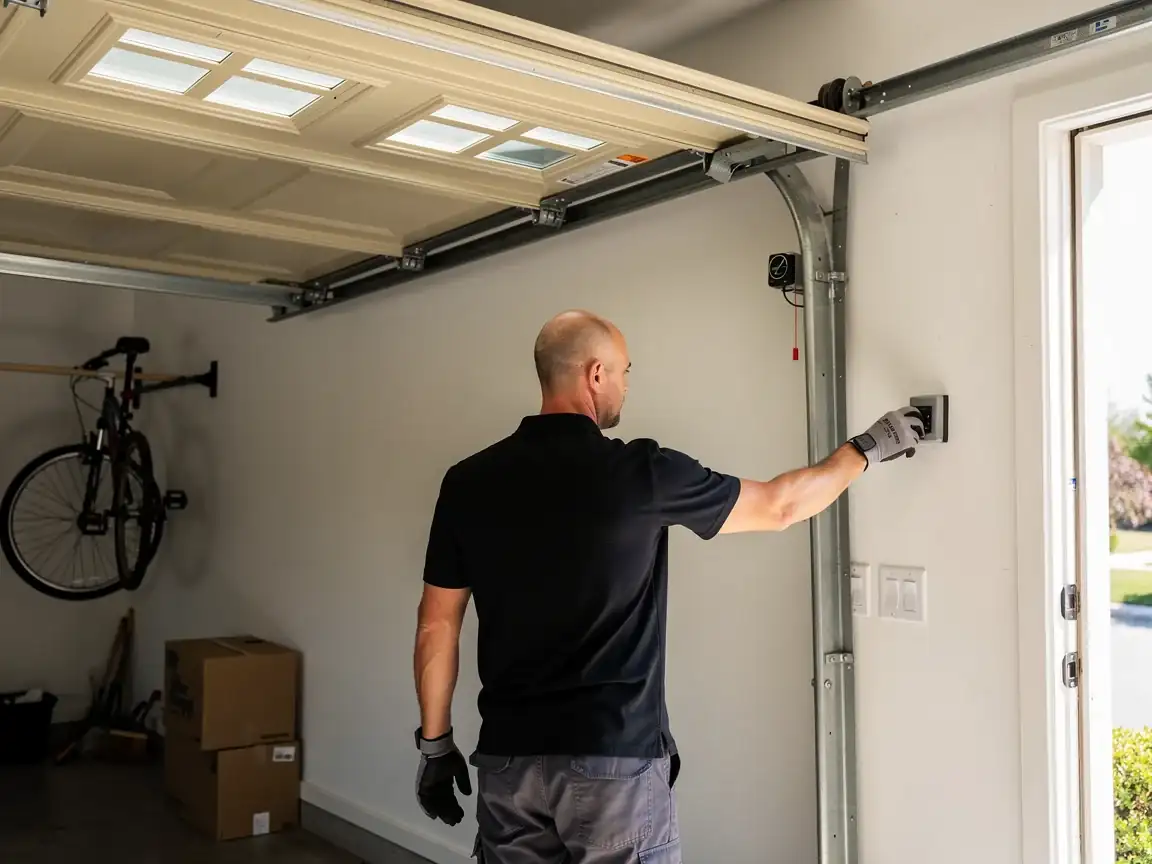
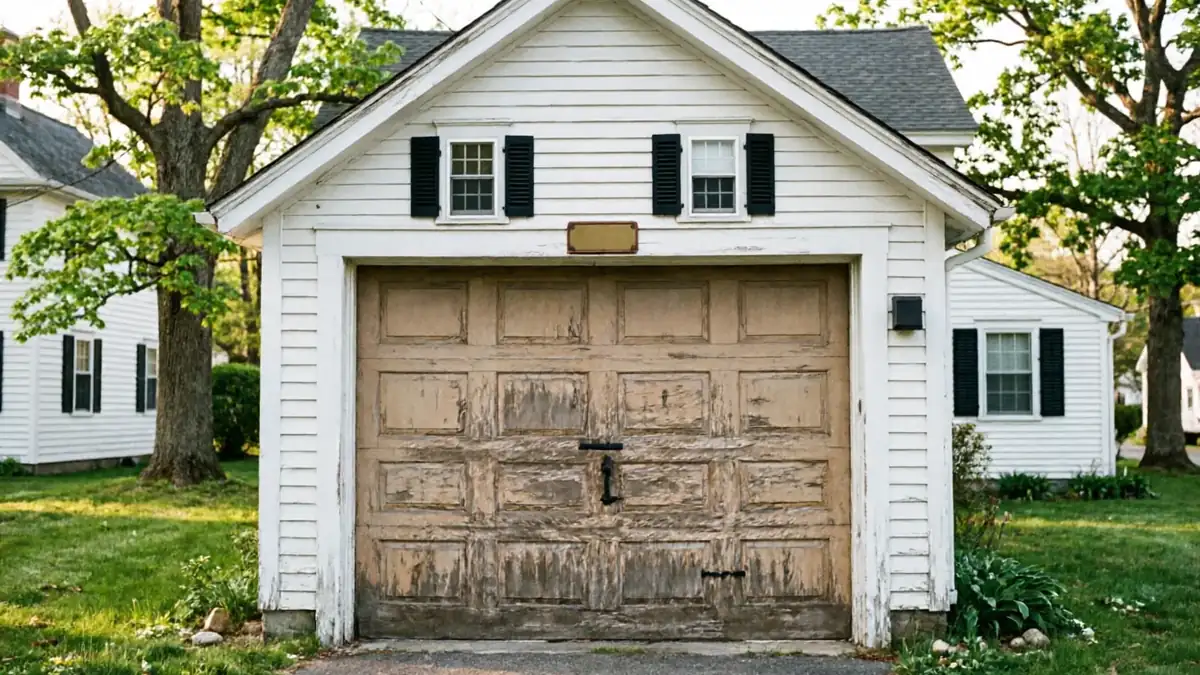
Most of the housing stock around Waltham went up between 1938 and 1993, with the median build year sitting around 1966. That means a lot of garages in neighborhoods like Piety Corner and over toward still have their original doors, or at least the original tracks and hardware under a replacement skin somebody bolted on in the 90s. When we get a call about a door that's binding, sagging, or making a grinding noise on the way up, the first question isn't "how old is the door" - it's "how old is the house," because that tells us what kind of track and spring setup we're probably dealing with before we even open the truck.
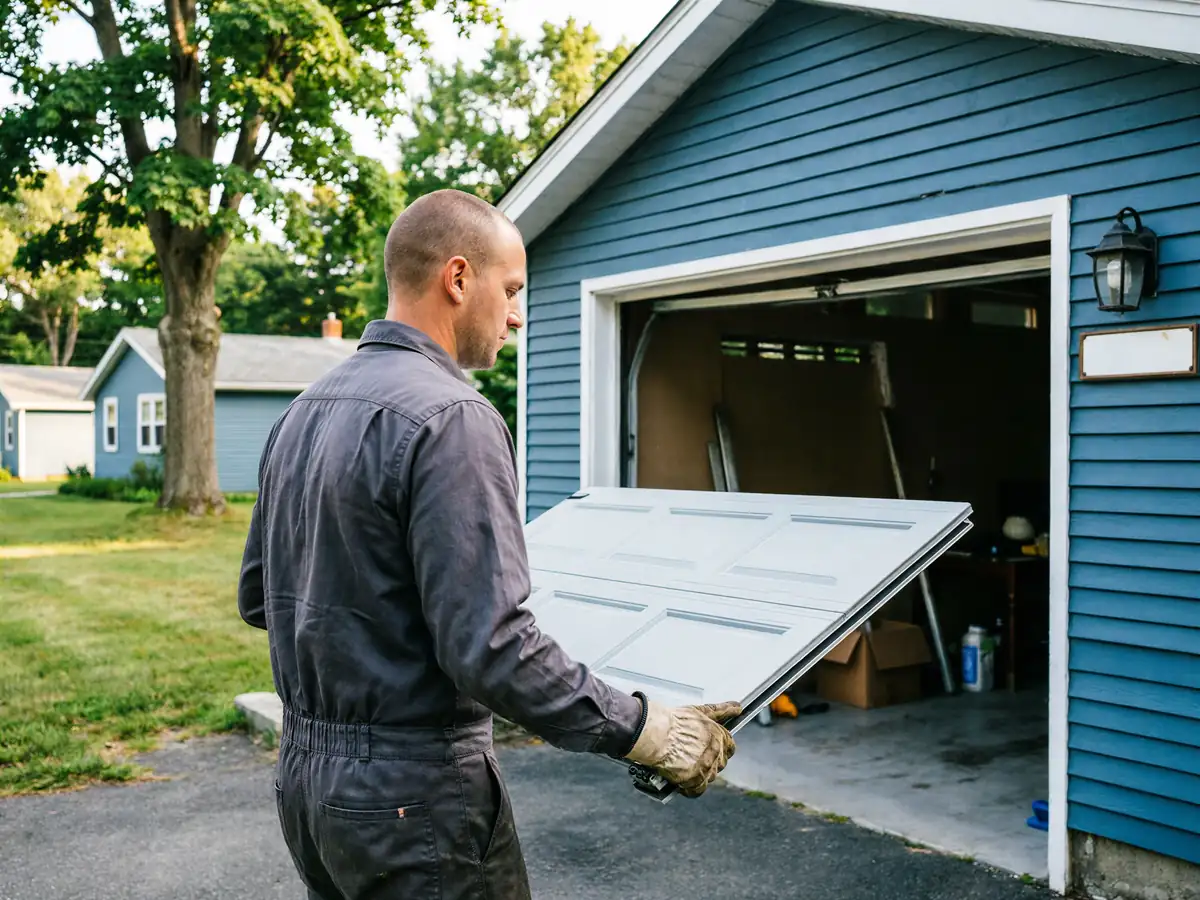
A door from that 1966-ish era was usually built with steel that's heavier gauge than what goes on new doors today, and the hardware was sized for a different set of expectations - nobody was running a smart opener off it. Panels can still be structurally sound even when the finish looks rough, which matters when you're deciding whether to fix or replace.
What You Pay
We're not going to put a number here that isn't backed by anything
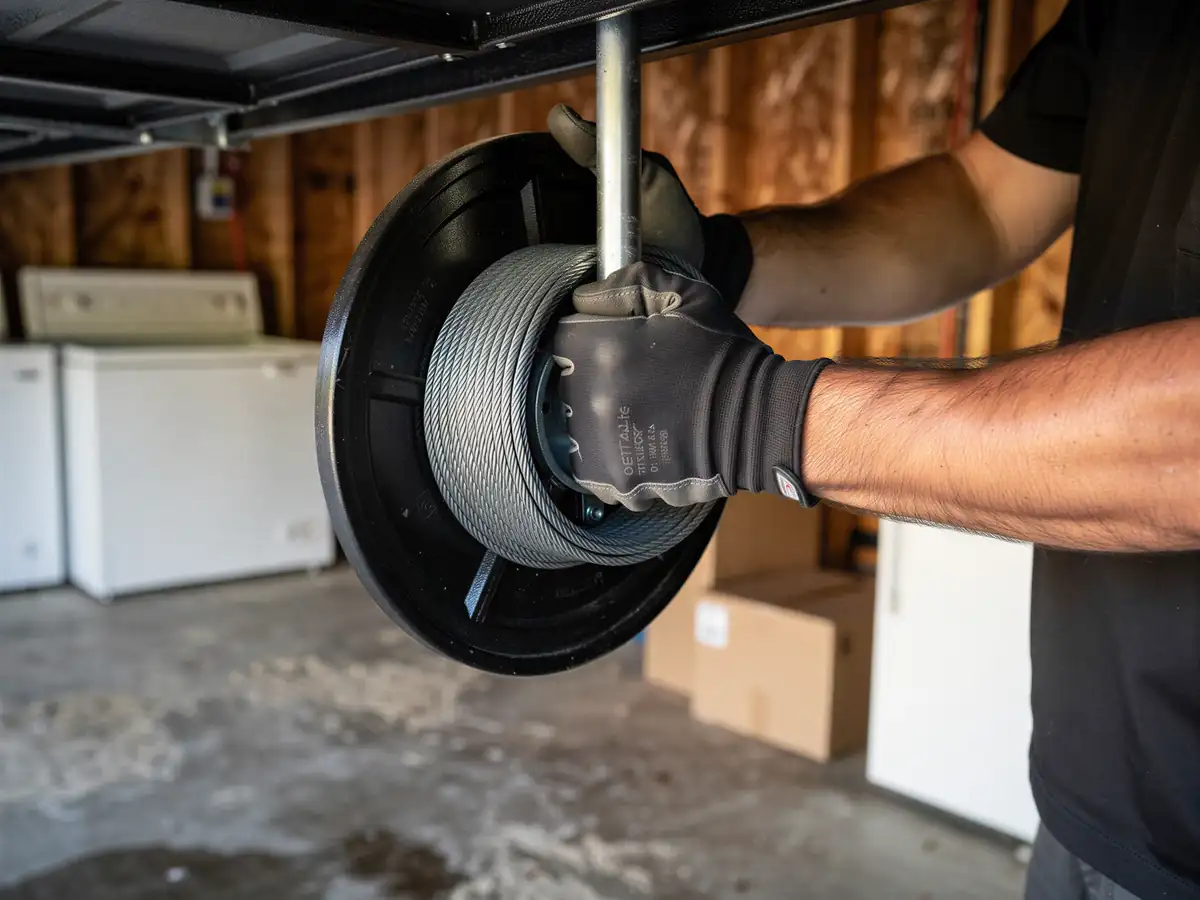
Because the honest answer is it depends on what's actually wrong - a cable off the drum costs a lot less than a bent track or a section that's rusted through at the bottom. What we can tell you is how to think about it: if the door and track are original to a house built in that 1938-1993 window, you're weighing the cost of a repair against a door that's already had 50-plus years of life out of its frame and hinges, versus a full replacement that resets the clock.
One honest limitation - we don't carry every obsolete hardware size on the truck
Some of the older torsion drums and odd-width track from that era aren't something any supplier stocks anymore, so a repair on a door like that can mean a parts delay instead of a same-day fix. That's worth knowing before you commit to repairing something that's genuinely hard to source parts for.
The Seasonal Bit
With a cold climate here, the swing between a warm garage in July and a frozen one in January puts real stress on steel panels and the seals around them. Houses built mid-century, which describes most of the stock in this area, often have doors with thinner weatherstripping channels than what's standard now, so the seal degrades faster and lets more cold air into the garage - and if that garage shares a wall with living space, that's a heating bill problem too, not just a door problem.
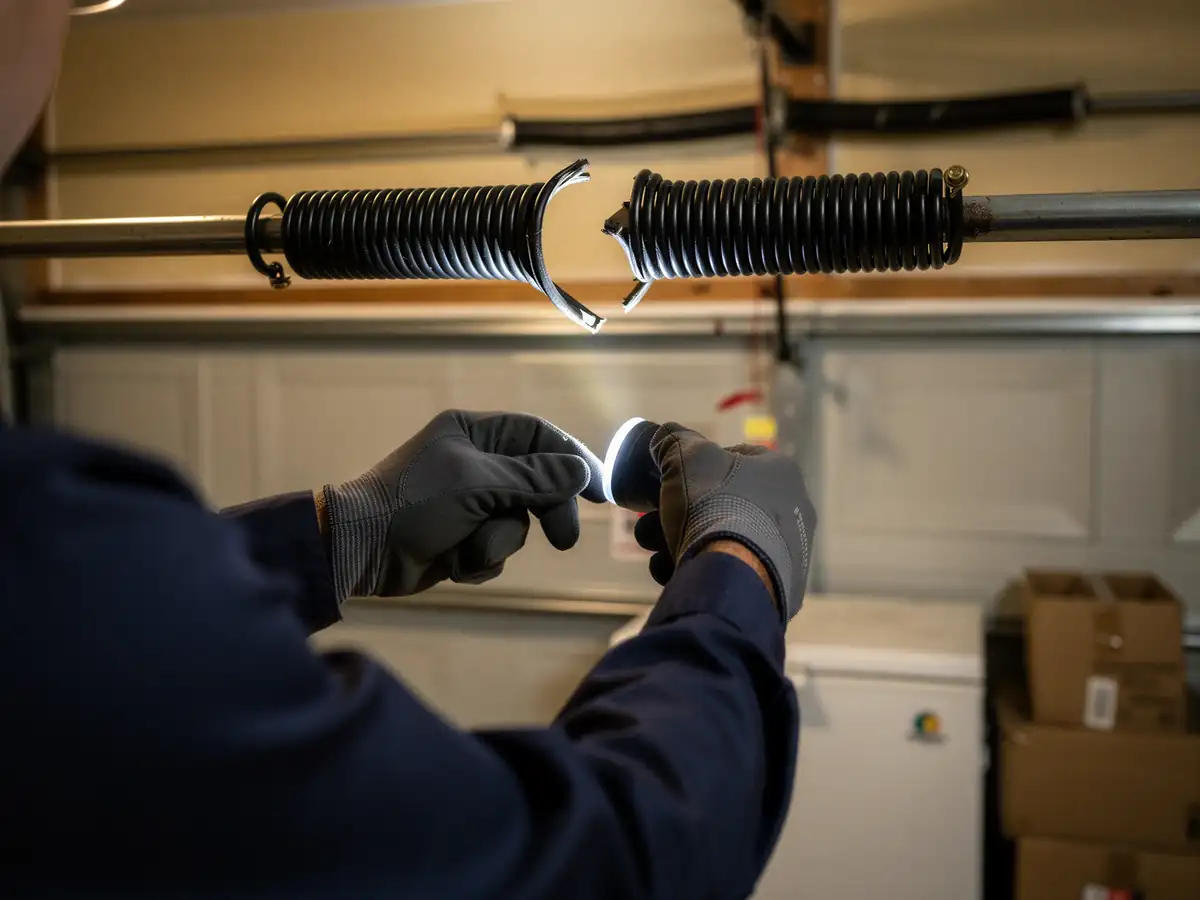
Springs also behave differently across a severe cold season. Steel contracts, lubricant thickens, and a spring that was already near the end of its cycle count is more likely to let go on a frigid morning than a mild one. If your door is original to a house from that 1960s-70s build era and you've never had the spring replaced, winter is when it tends to announce itself.
What the Weather Here Does to It
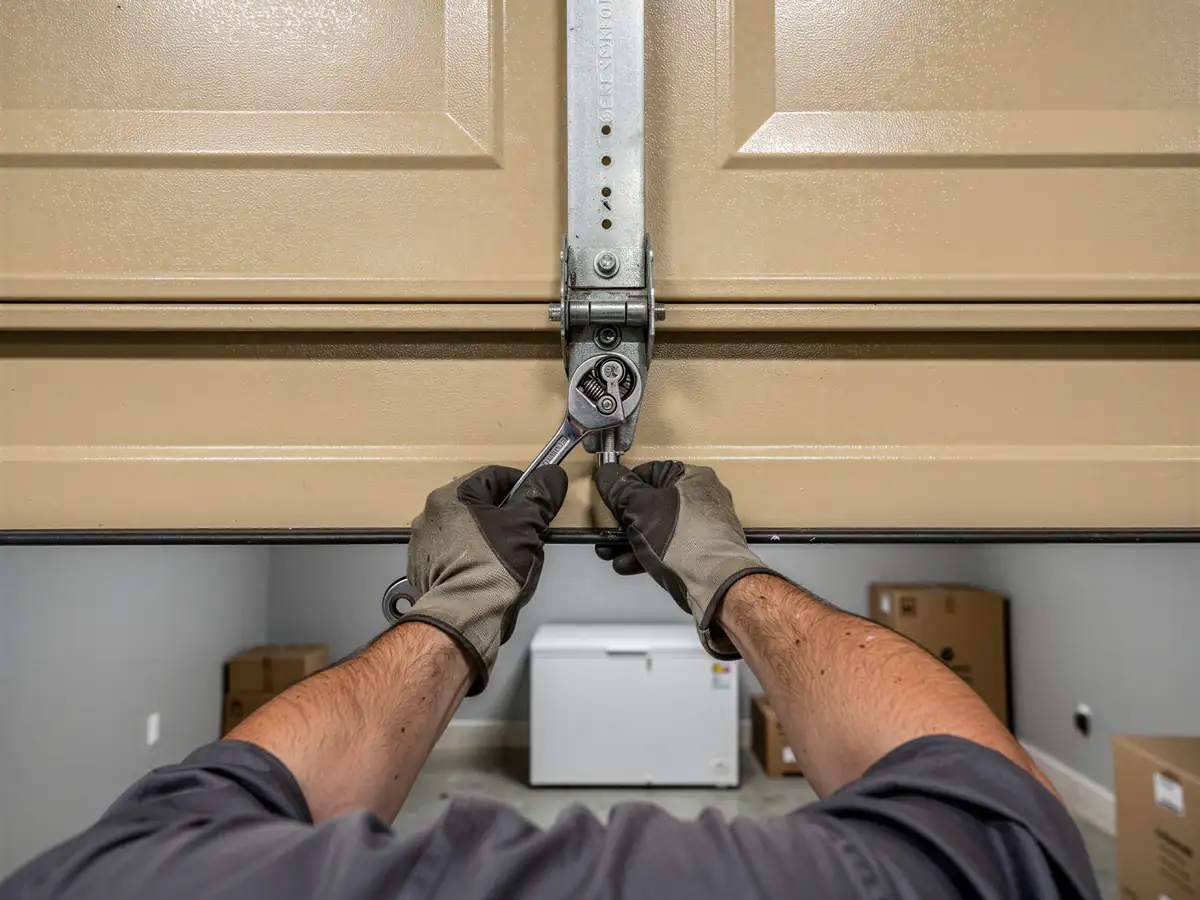
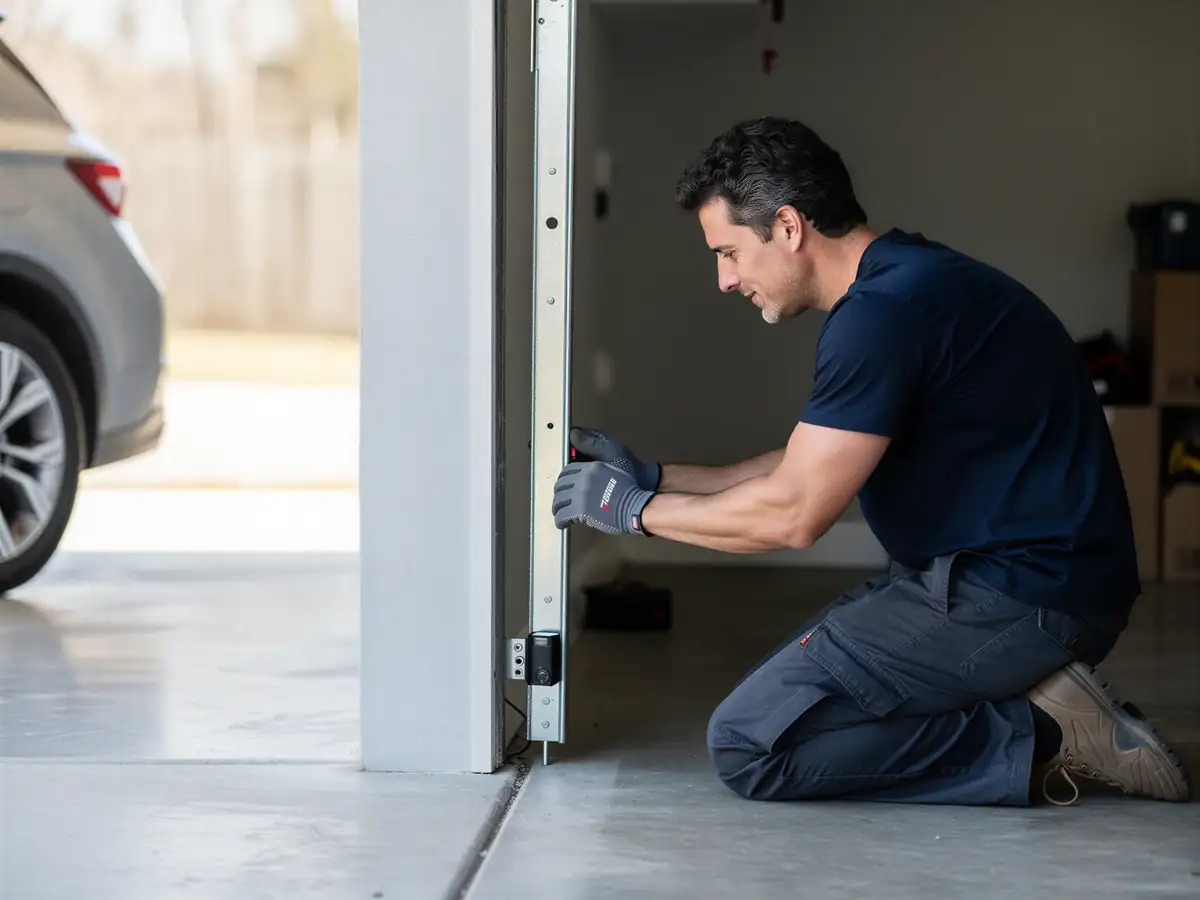
Because the climate band here is classified cold and severe, the freeze-thaw cycle through a typical winter works on anything with a seam or a moving joint - rollers, hinges, the bottom seal, the track bolts. On an older door from the 1938-1993 building era, those joints have already seen decades of that cycle, and the wear shows up as rollers that have gone oval instead of round, or hinges with enough play that the panel rattles against the track on a windy day.
If your door is from that era and it's still running quiet and sealing well, that's usually a sign the hardware was solid to begin with and a repair makes sense. If it's already fighting you - sticking, screeching, letting daylight through the bottom seal - the cold is only going to make that worse, not better, and that's when we start talking replacement instead of another patch.