What Is Going On
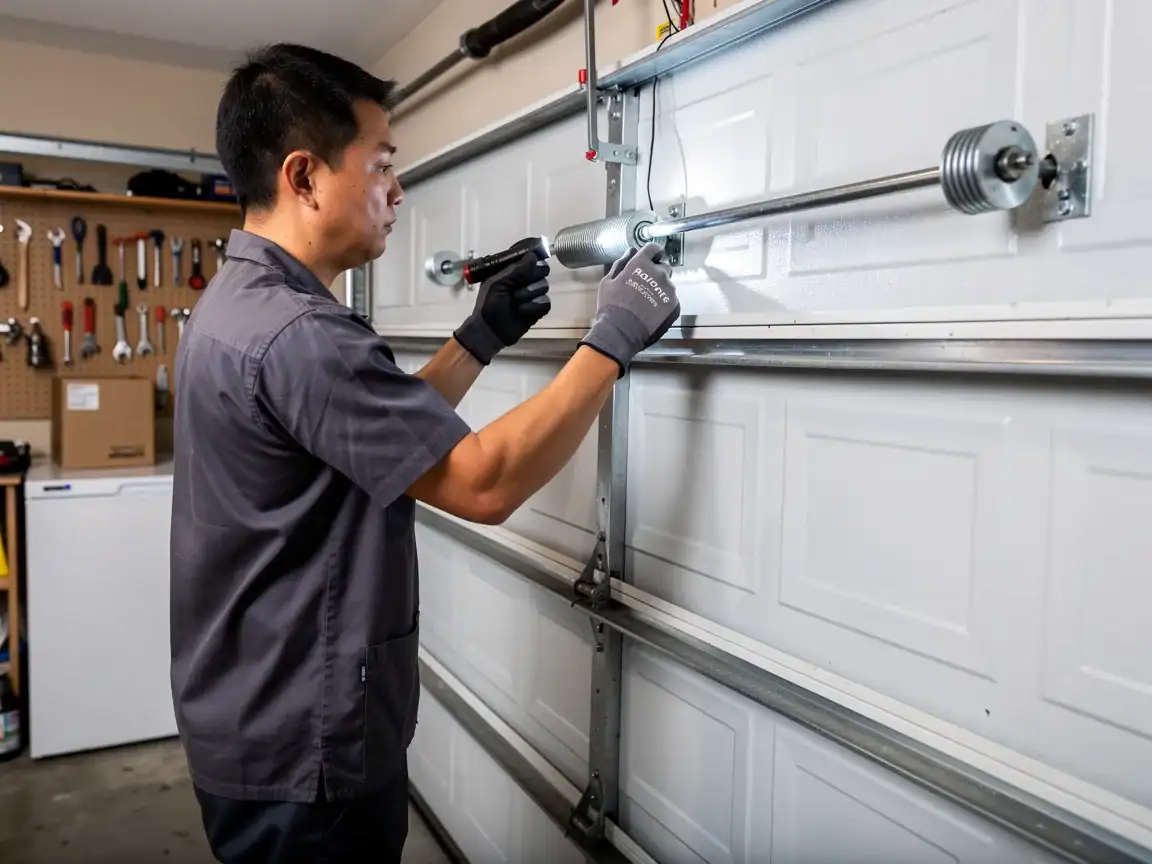
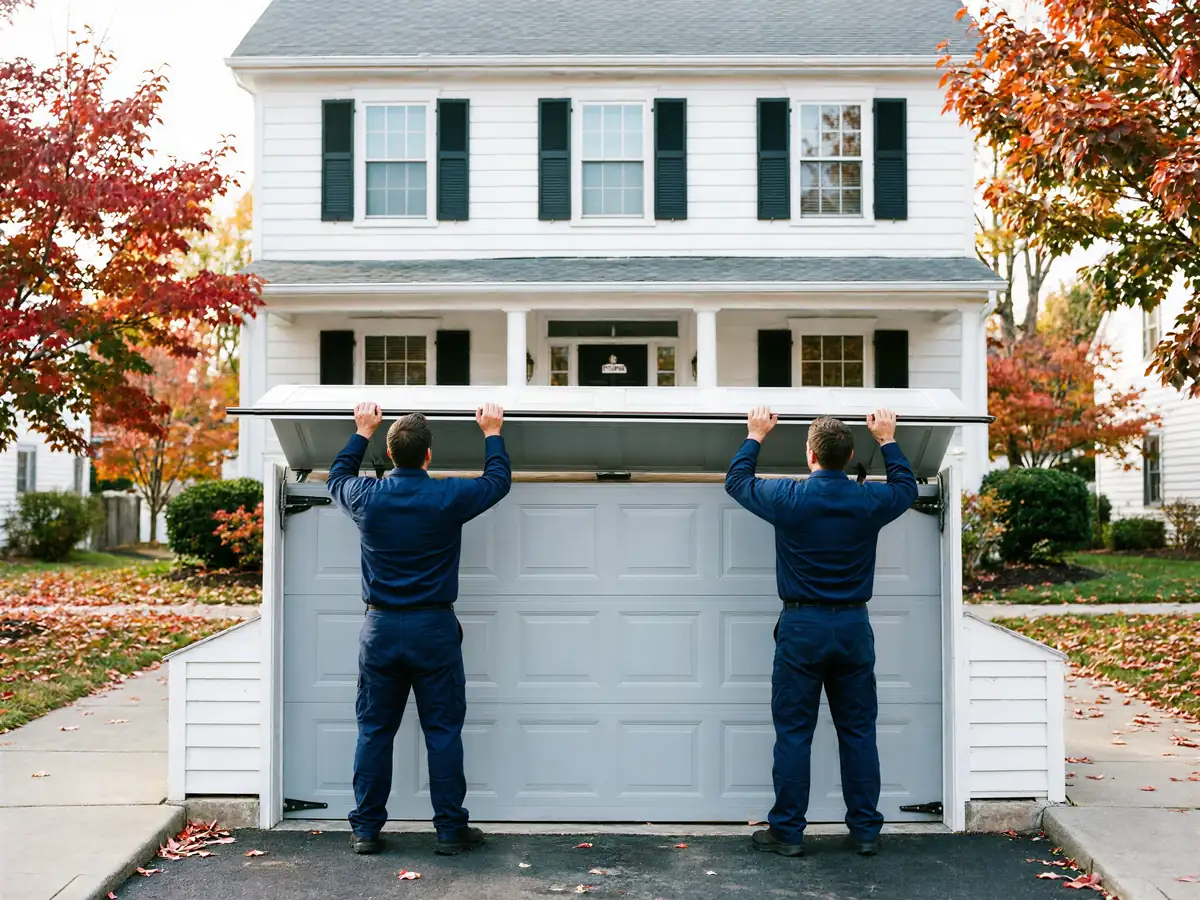
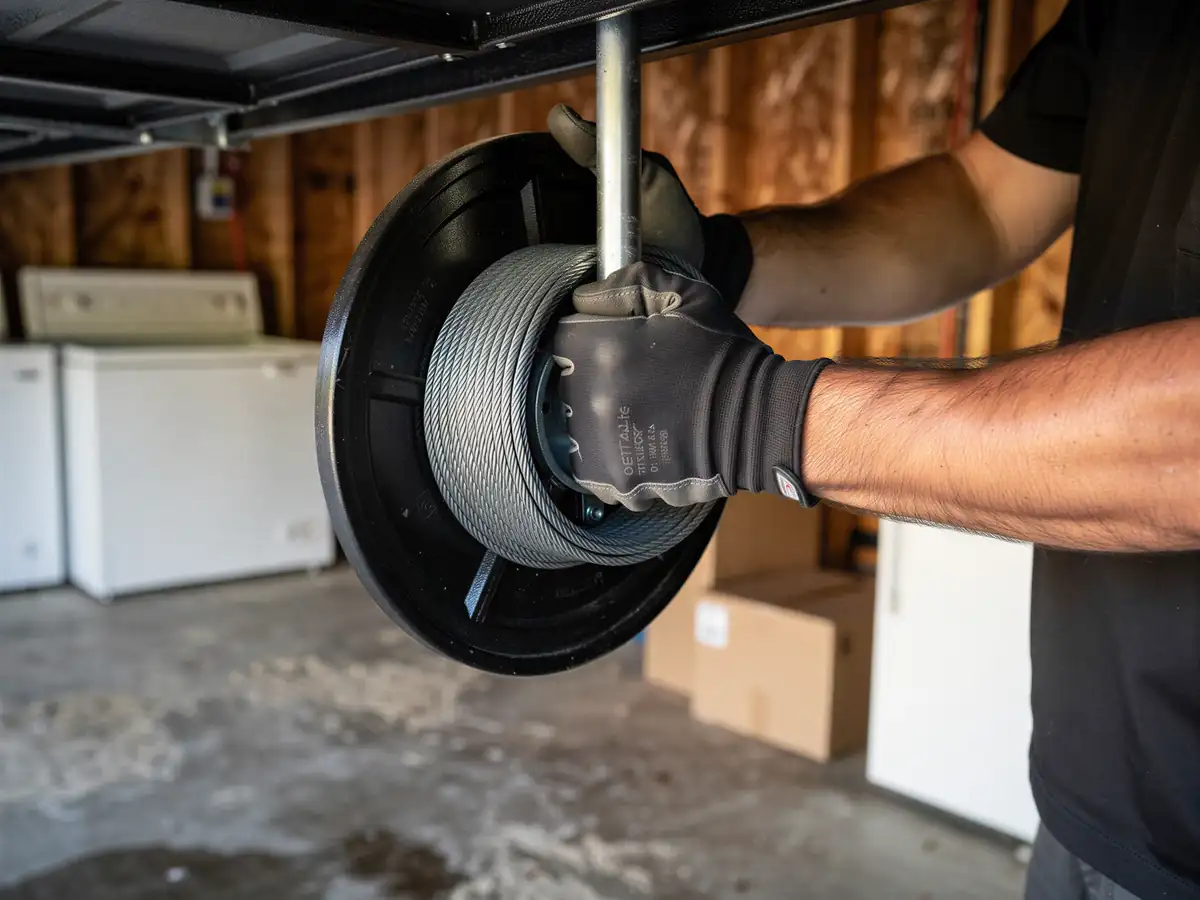
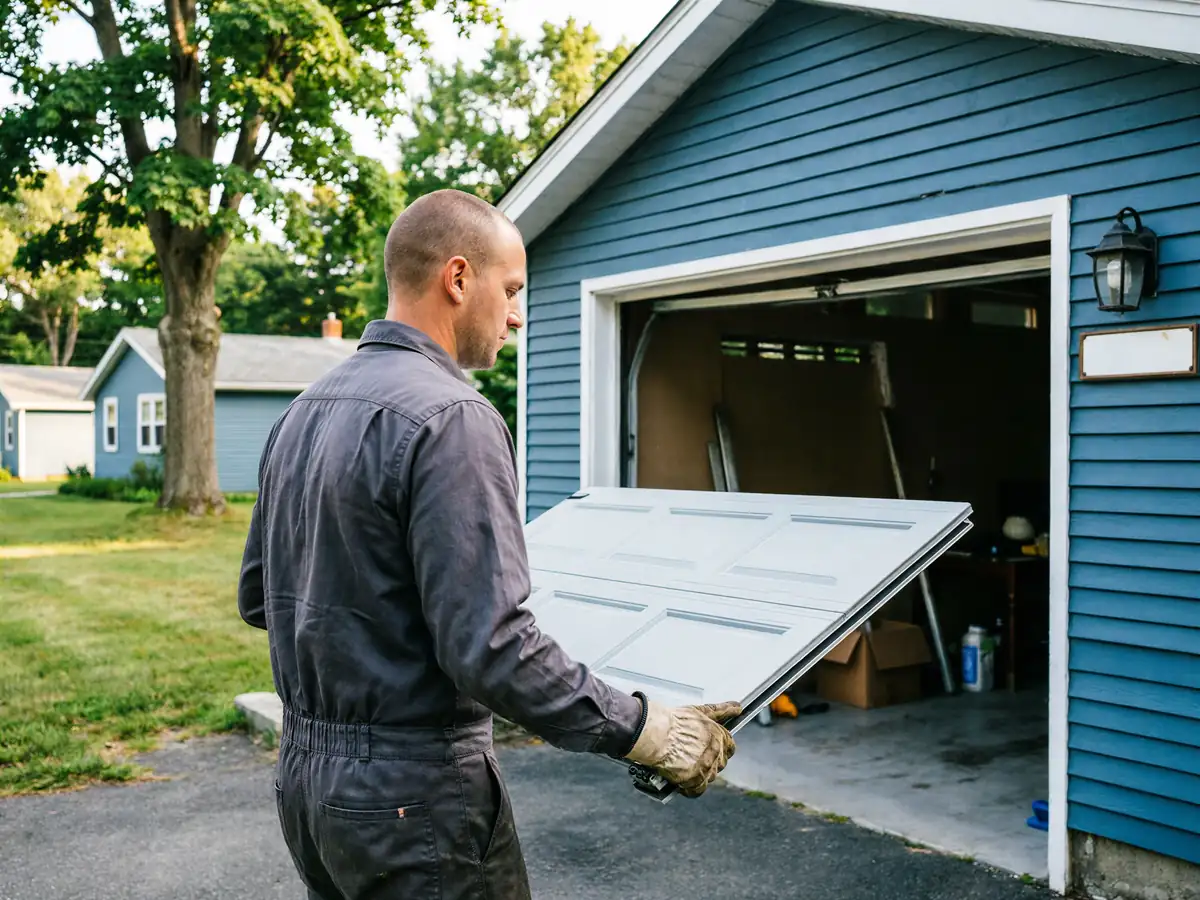
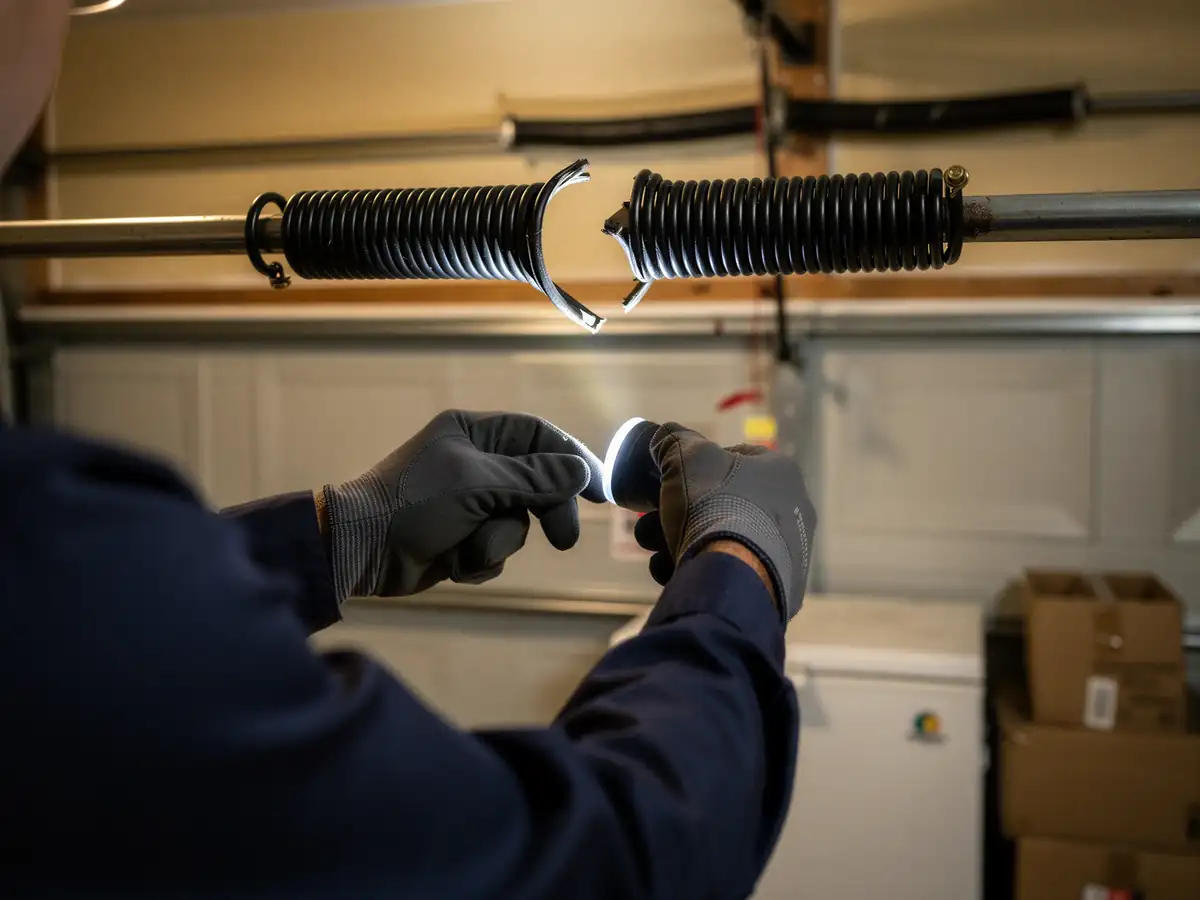
Most of Waltham's housing went up between 1938 and 1993, with the bulk of it clustered in the 1960s and 70s. That means a lot of garage doors in this city are still running on torsion springs that were sized for a door built forty, fifty, sixty years ago - steel, heavier panels, less insulation than what gets installed today. Springs wear out from cycling, not from sitting idle, but cold adds a second kind of stress: steel gets brittle as the temperature drops, and a spring that's already near the end of its coil count is the one that snaps on the first hard freeze of the season. You'll usually hear it before you see it - a bang from the garage, then the door won't lift, or it lifts crooked on one side if only one spring on a double-spring setup let go. Houses in the Piety Corner areas, with their older one- and two-car garages, see this pattern often because the original hardware never got swapped out. If your door is heavy, slow to close, or has started drifting open a few inches on its own, that's usually the spring losing tension before it fails outright - worth a look before it breaks on a night you need the car out.
The Seasonal Bit
Spring failures aren't random through the year here - they cluster hard in the cold months. Steel contracts and stiffens as the temperature drops, and a torsion spring that's been doing fine all fall suddenly has less give right when the first real cold snap hits. If your door was built or last sprung sometime in that long 1960s-70s stretch that covers most of this city's housing, you're closer to the end of that spring's rated cycle count than a newer house would be, and cold is what tips it over. We see the same thing happen in reverse come spring thaw - a door that's been sluggish all winter finally gives out once things warm up and the steel's been working harder than it should for months. Neither end of that cycle is a surprise if the spring's old; it's just a matter of which cold morning it picks.
What the Weather Here Does to It
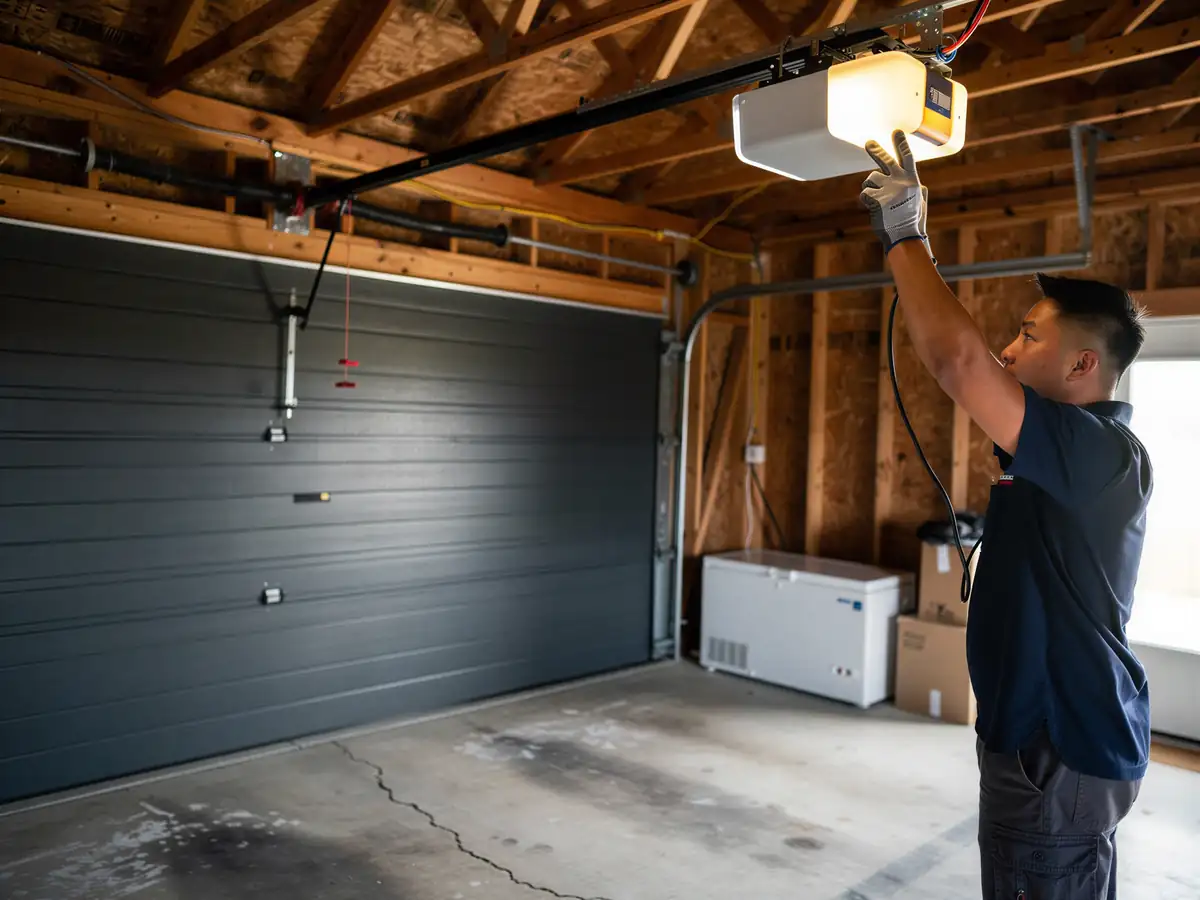
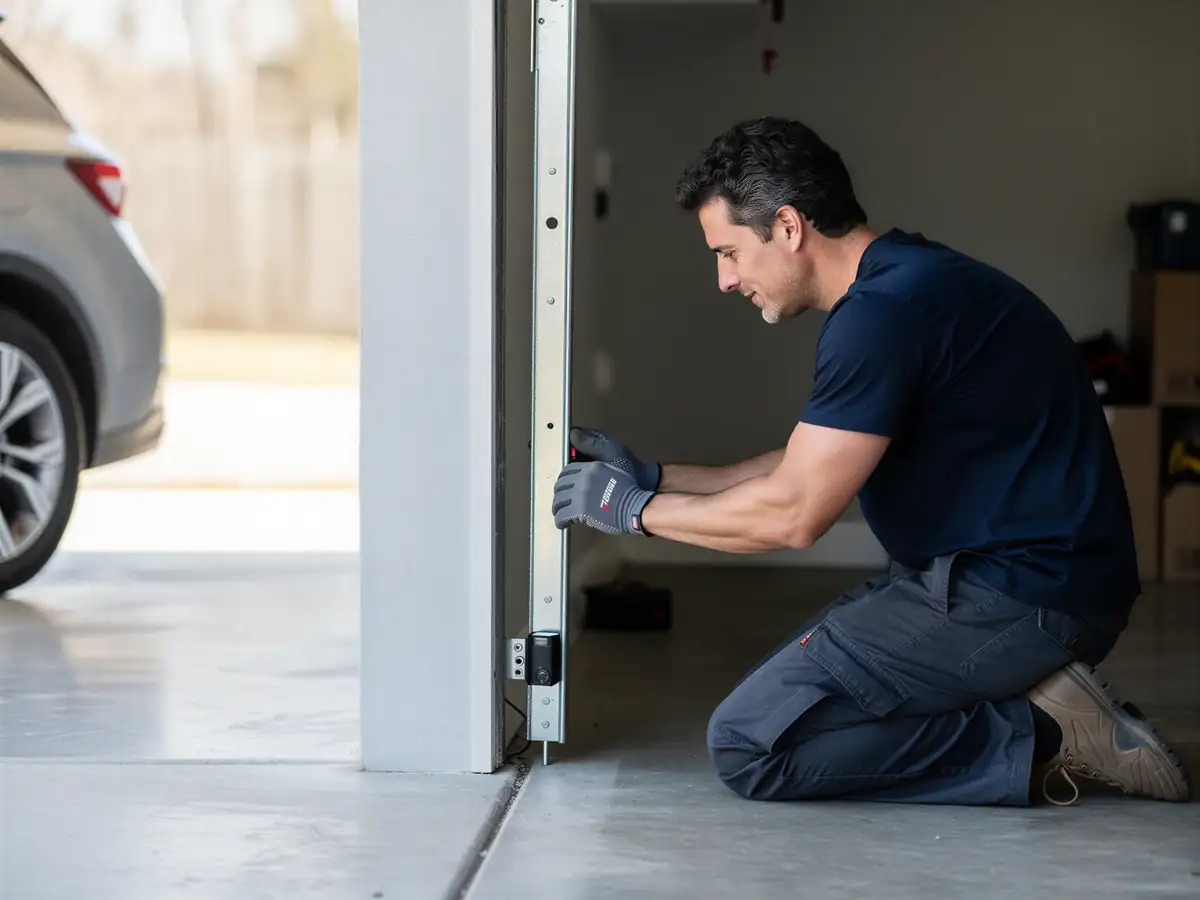
Waltham sits in a climate zone classified as cold with severe winter conditions, which is a bigger deal for a garage door than people assume. It's not just the spring - cold makes the lubricant in rollers and hinges thicken up, which adds drag the opener has to fight through, and that extra strain is part of what pushes a weak spring past its limit. Steel tracks can also contract slightly in deep cold, which is enough to throw an already-marginal alignment out further. None of this is unique to any one house, but it hits hardest on the older doors that make up so much of this city's stock, since original hardware wasn't built with today's heavier insulated panels or modern openers in mind. One honest note: we don't recommend trying to force a frozen or stuck door open yourself in weather like this - it's the fastest way to bend a track or snap a cable on top of the spring you already lost.