What You Are Seeing
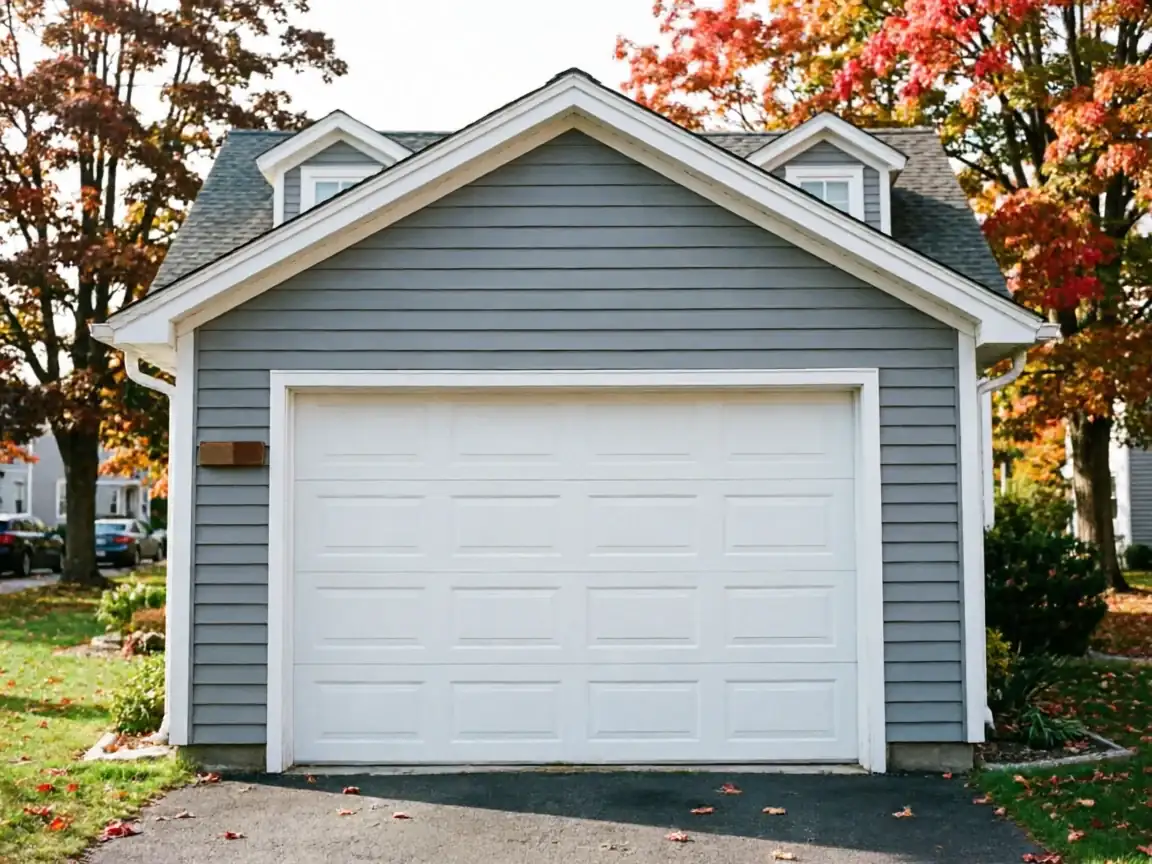
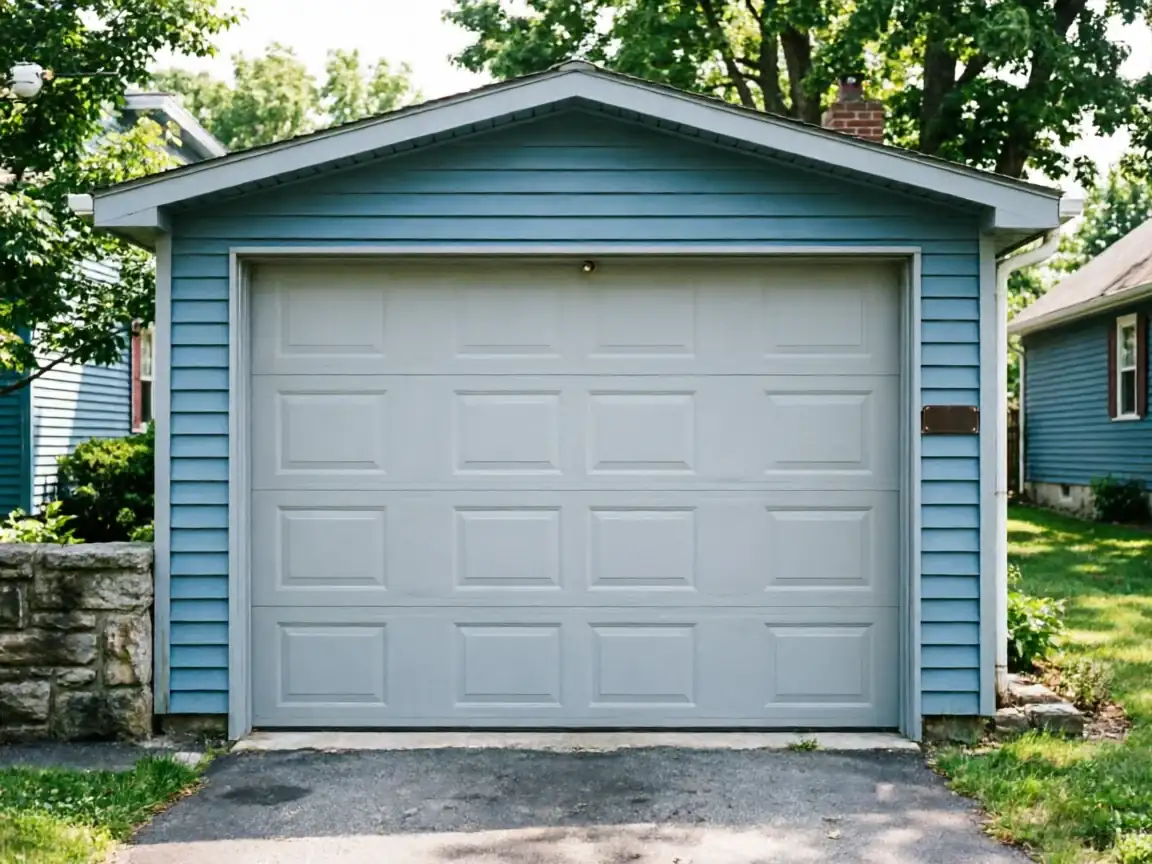
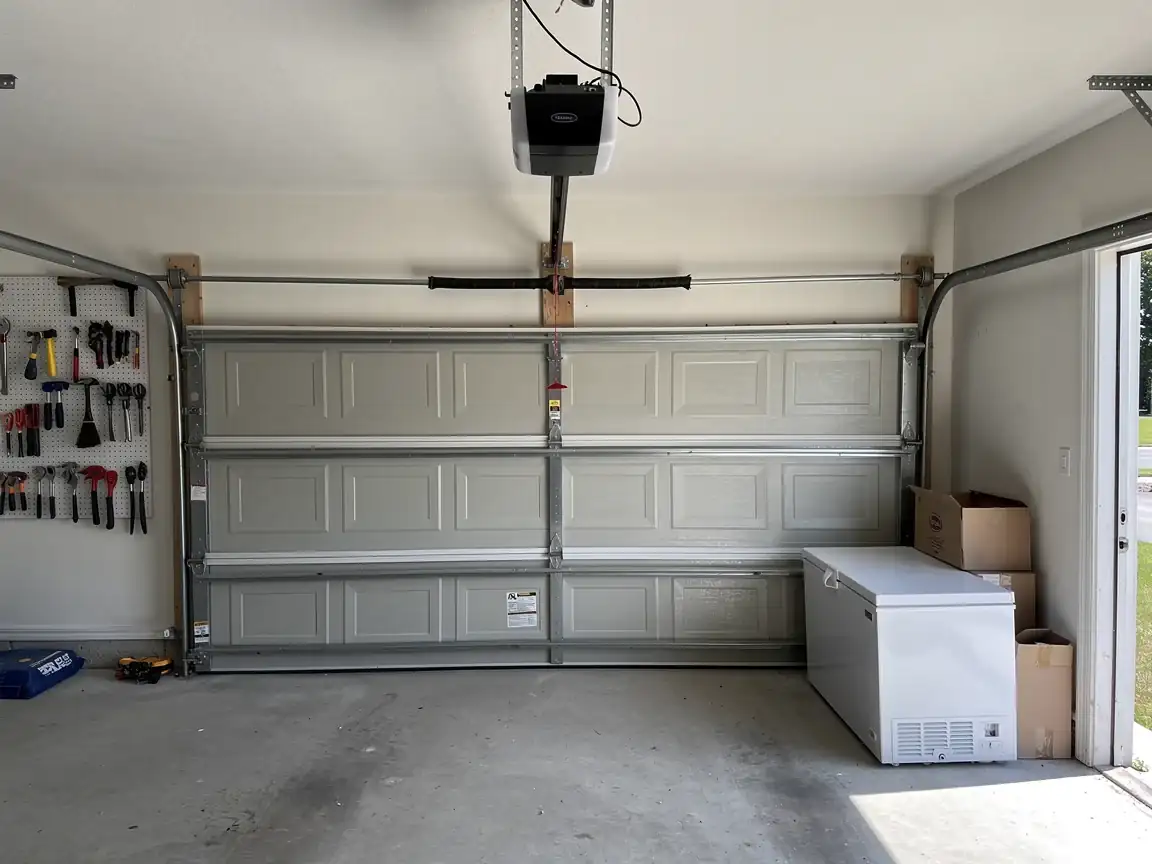
A dented, bowed, or split panel on a sectional door usually starts as one bad section and spreads. On a lot of Waltham houses, that door went in sometime between the 1960s and 1980s, when most of the neighborhood's housing stock was built. The original steel sections on those doors are thinner gauge than what gets installed today, and after a few decades of New England winters they don't flex back the way they did when new. You'll see a panel that's cracked at a hinge point, bowed outward from wind pressure, or rusted through at the bottom where snowmelt and road salt sit against the steel all winter. Sometimes it's one section from a backed-into car or a stuck basketball. Other times it's the whole bottom row, rotted from the inside where moisture got behind the insulation. Either way, a single bad panel throws off the balance of the whole door - the opener strains, the track binds, and a door that worked fine for twenty years suddenly needs a repair call.
Why It Happens Here
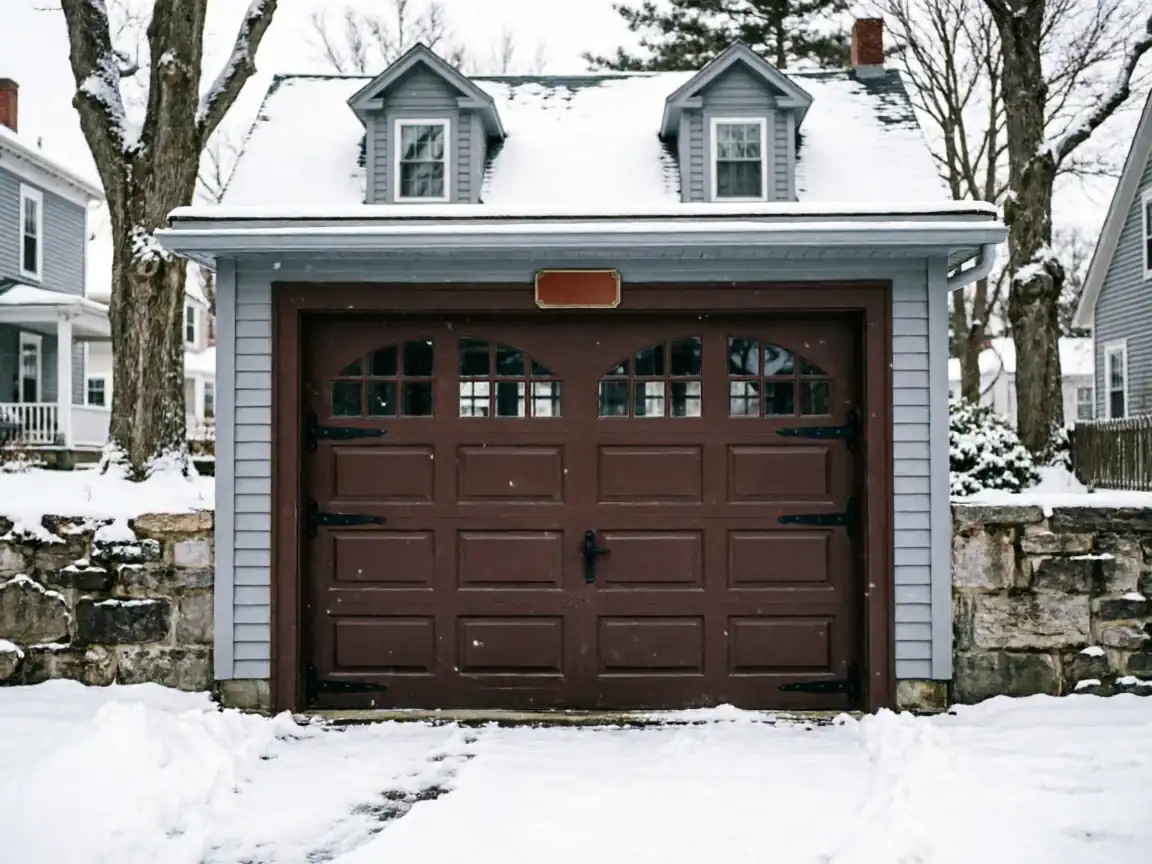
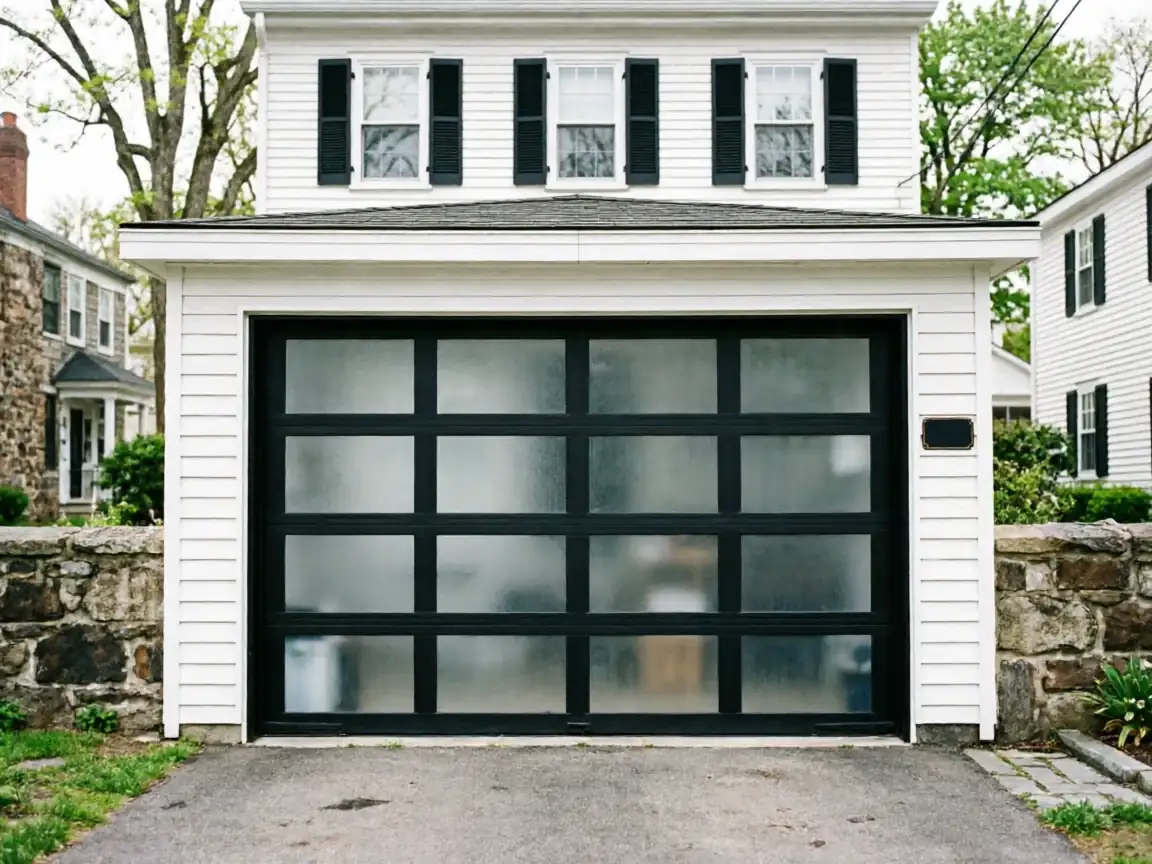
Waltham sits in a cold-climate zone with winters that put real stress on exterior steel. Temperature swings from freezing nights to sun-warmed afternoons make a thin steel panel expand and contract, and that repeated flex is what eventually cracks a seam or loosens a hinge bolt. Add road salt spray from plowed streets and the bottom panel on a lot of these doors rusts from the inside out before the paint even shows damage. Because so much of the area's housing went up in one long building stretch - the median year sits around 1966 - a huge share of garage doors are hitting the same age-related failure points at roughly the same time. It's not bad luck or bad installation; it's thirty, forty, fifty years of a specific climate working on a specific generation of hardware. Newer vinyl-backed steel panels resist this better, which is part of why panel replacement sometimes turns into a conversation about whether to upgrade the whole door instead of patching the old one.
How We Fix It
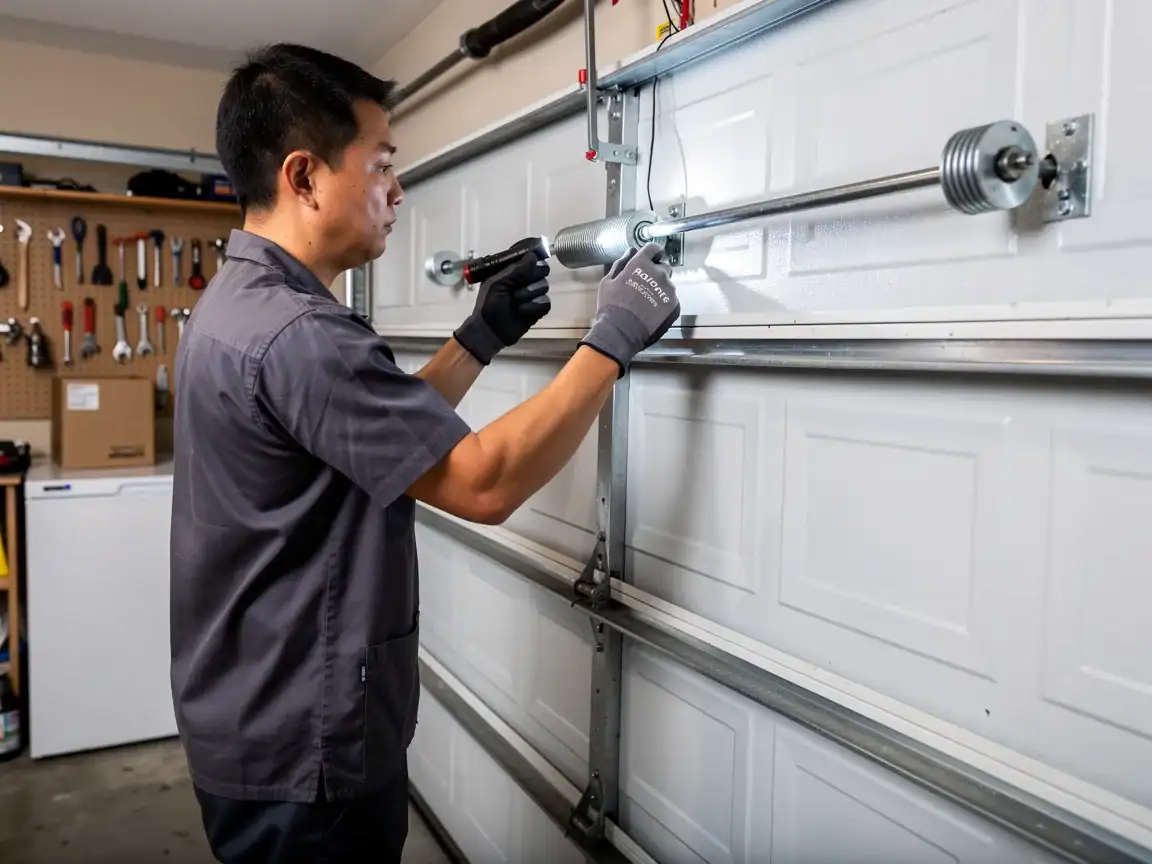
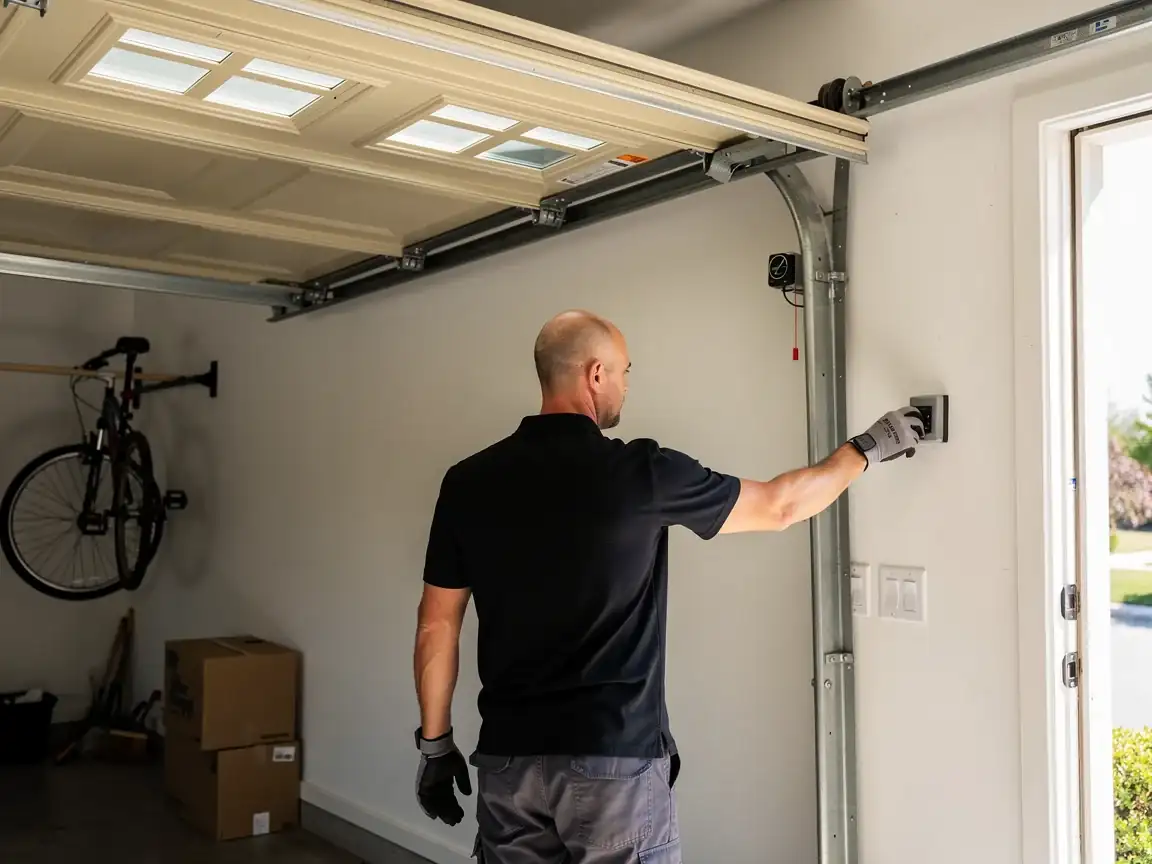
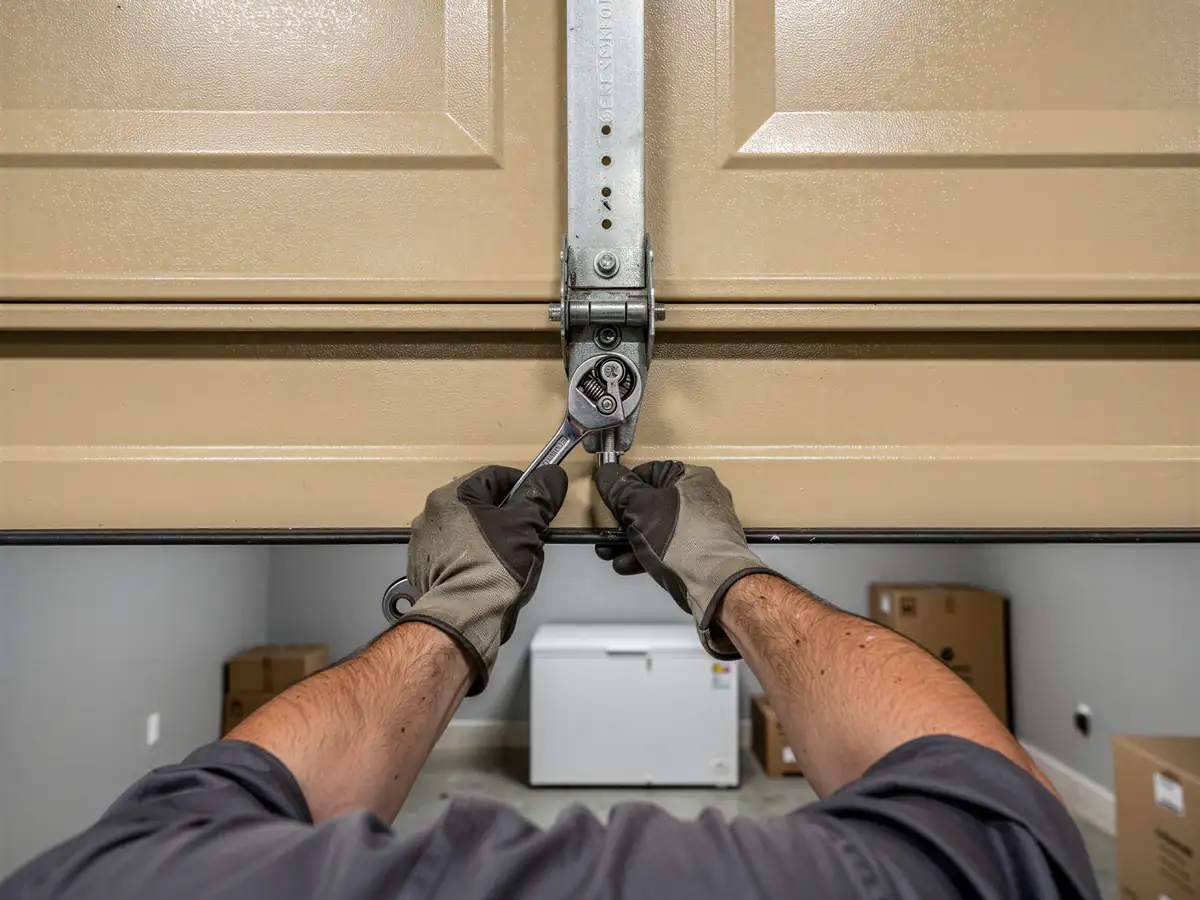
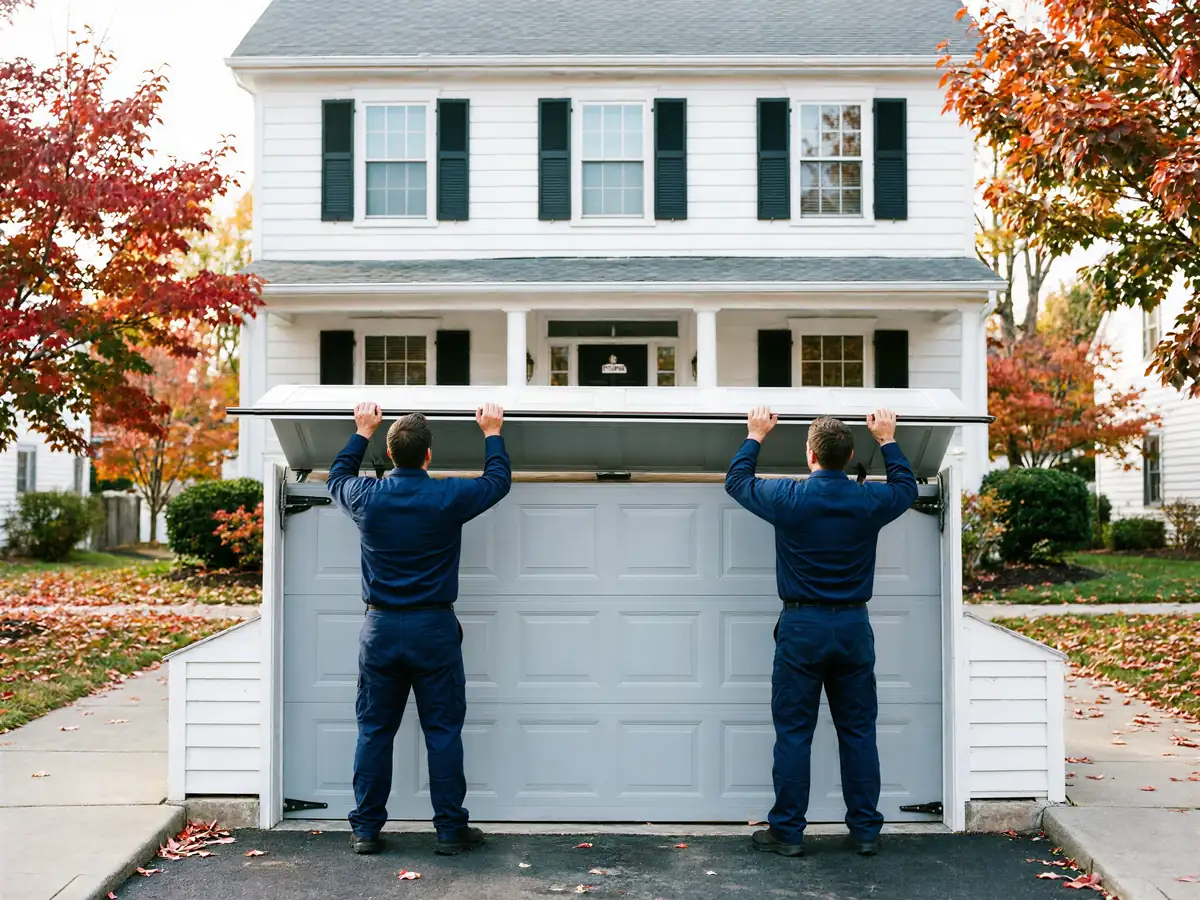
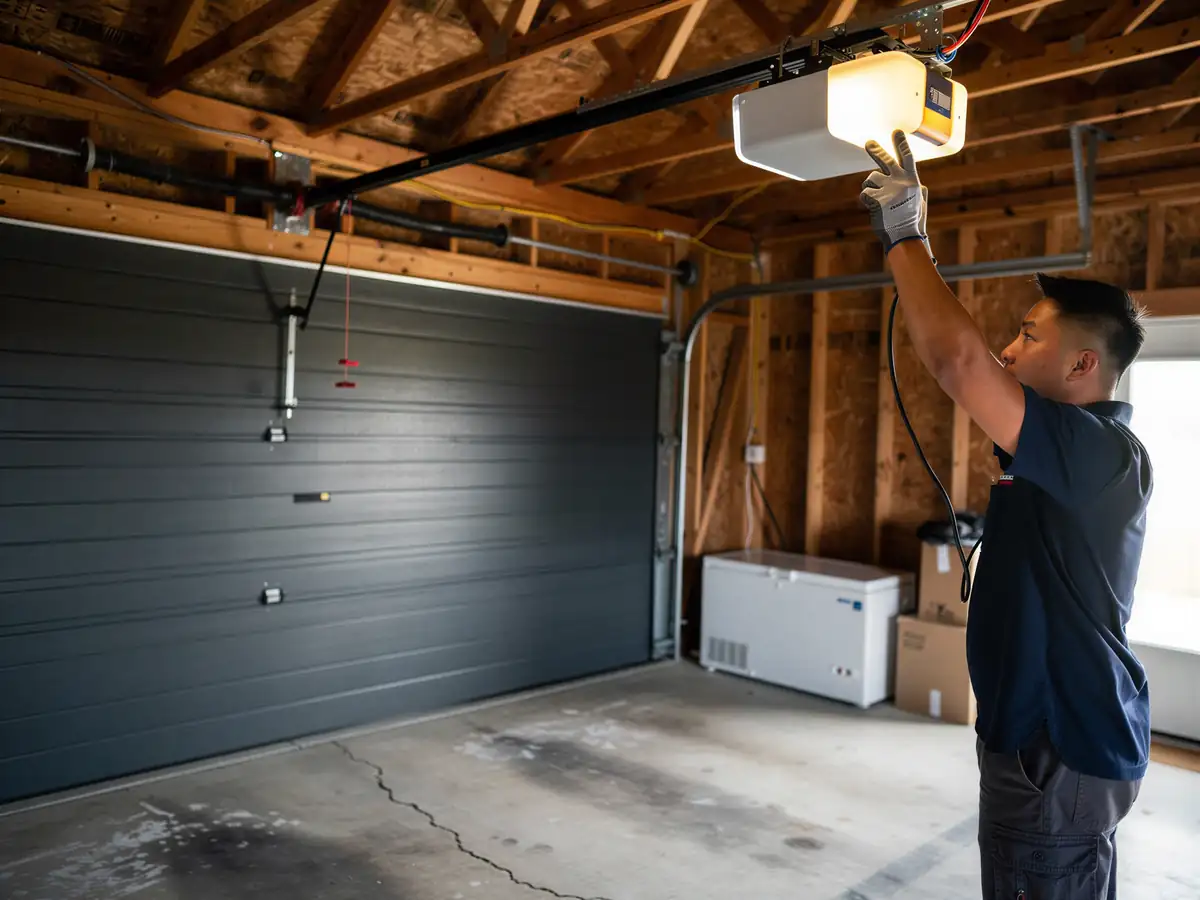
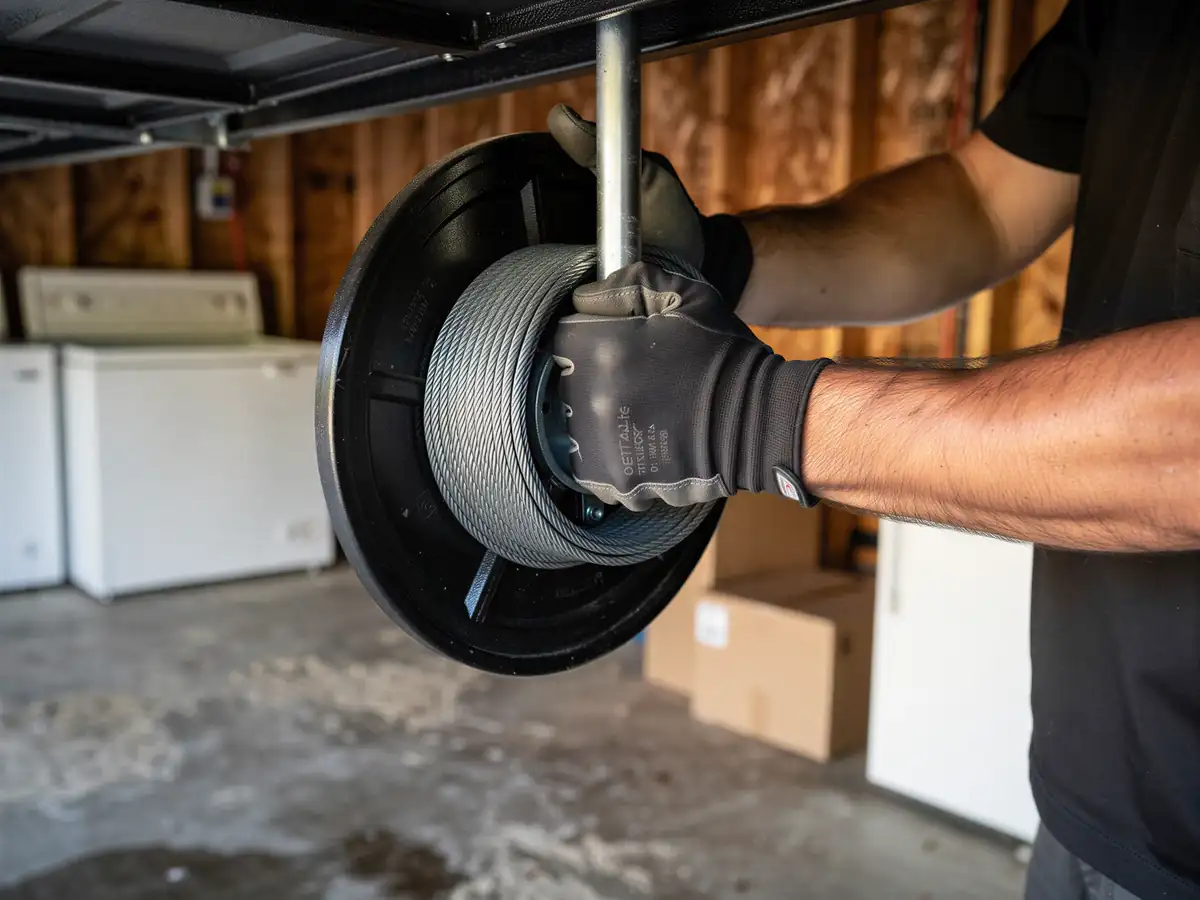
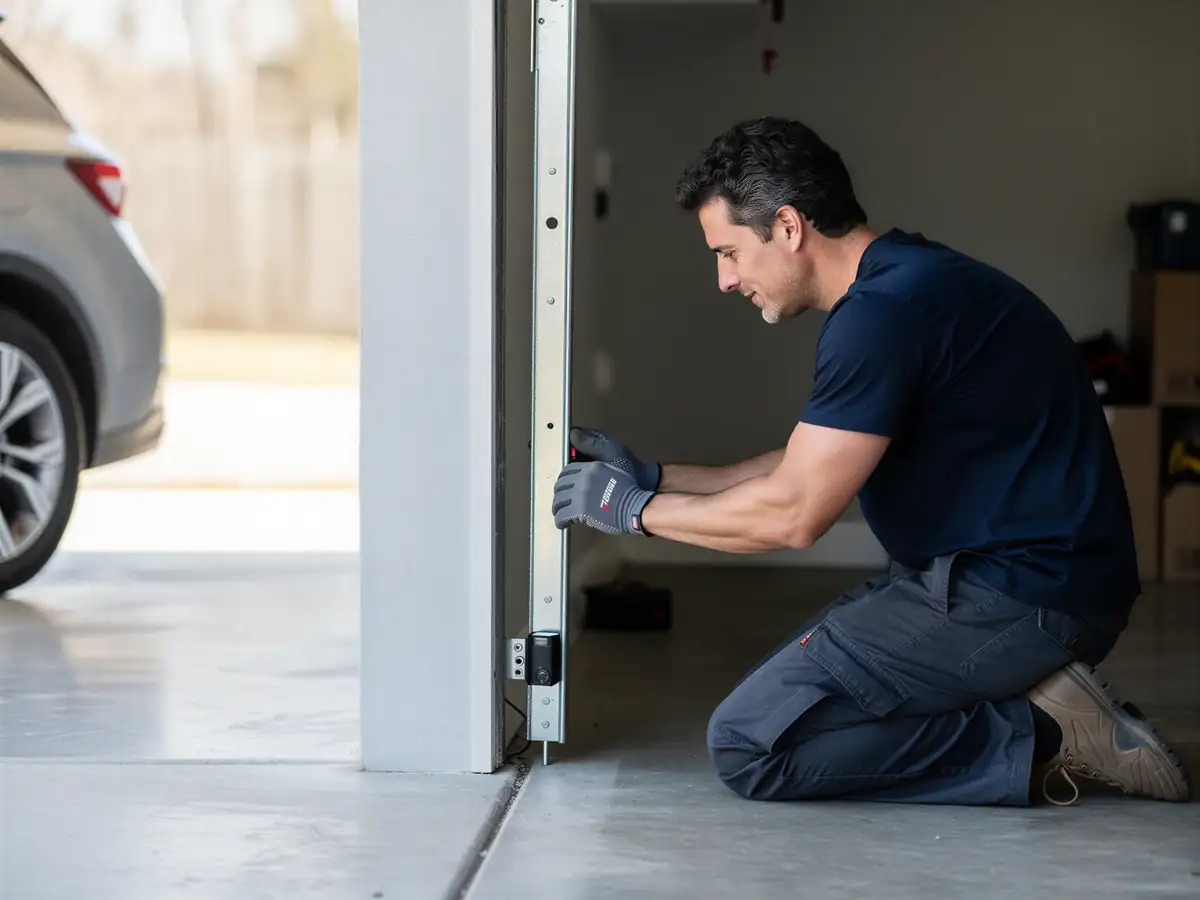
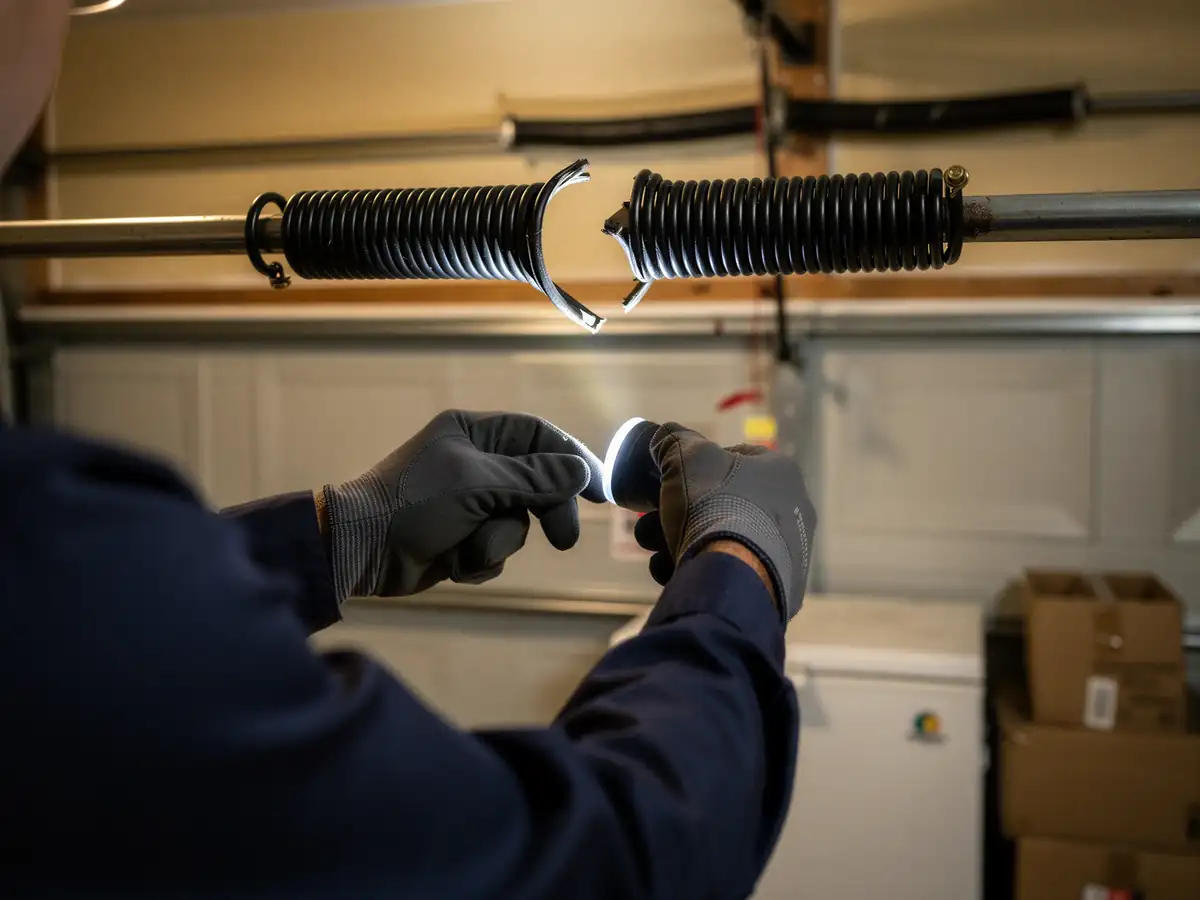
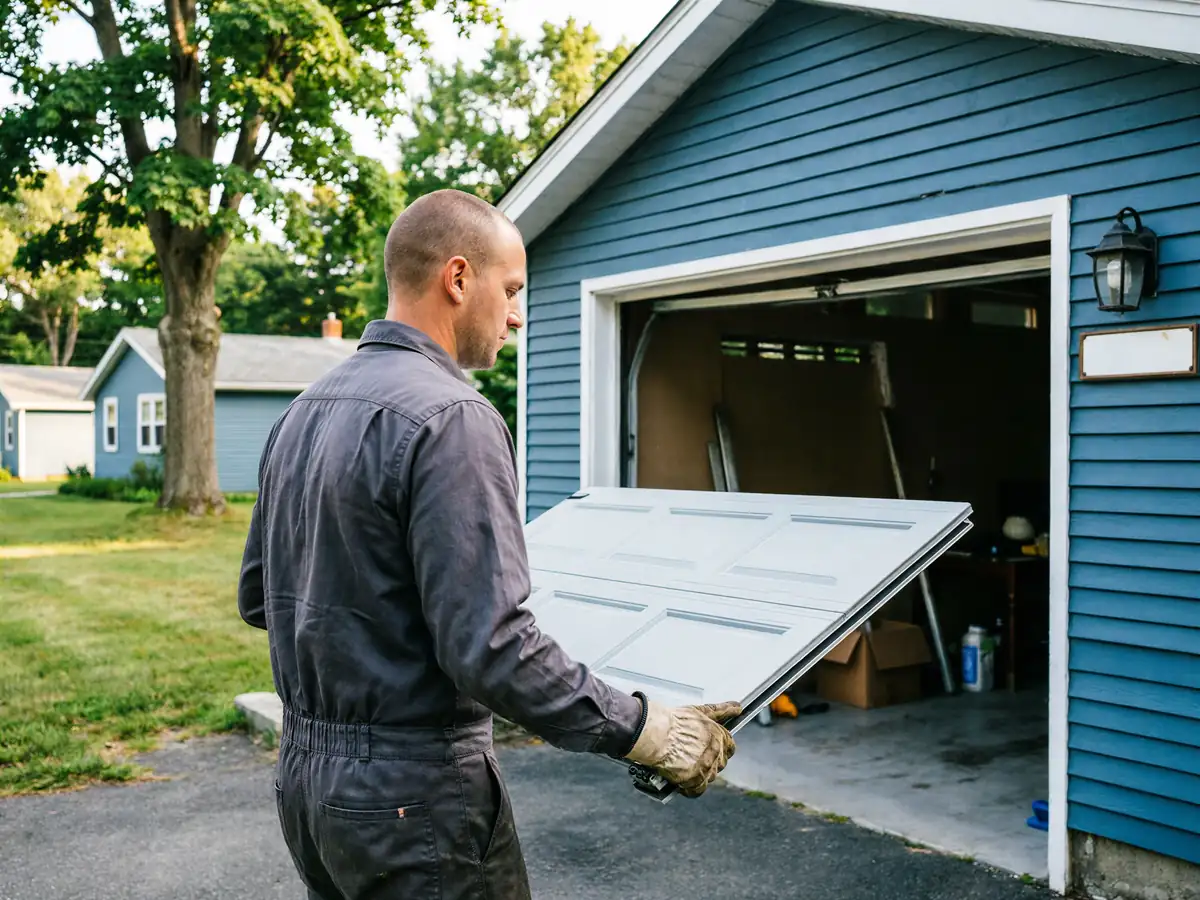
We start by identifying the exact panel section - manufacturer, height, and whether it's insulated or a plain steel skin - because ordering the wrong one wastes a trip for everyone. If it's a common size we carry, we can often do the swap same visit. We disconnect the opener, support the door on the track, pull the damaged section's hinges and end stiles, and set the new panel in without touching the balance of the rest of the door, then reset tension if the spring was carrying extra load from the bent section. If your door is old enough that matching panels aren't realistic, we'll say so before we start - sometimes a full door replacement costs less over time than chasing parts for a 50-year-old frame. You can see the rest of what we handle at /.