What Is Going On
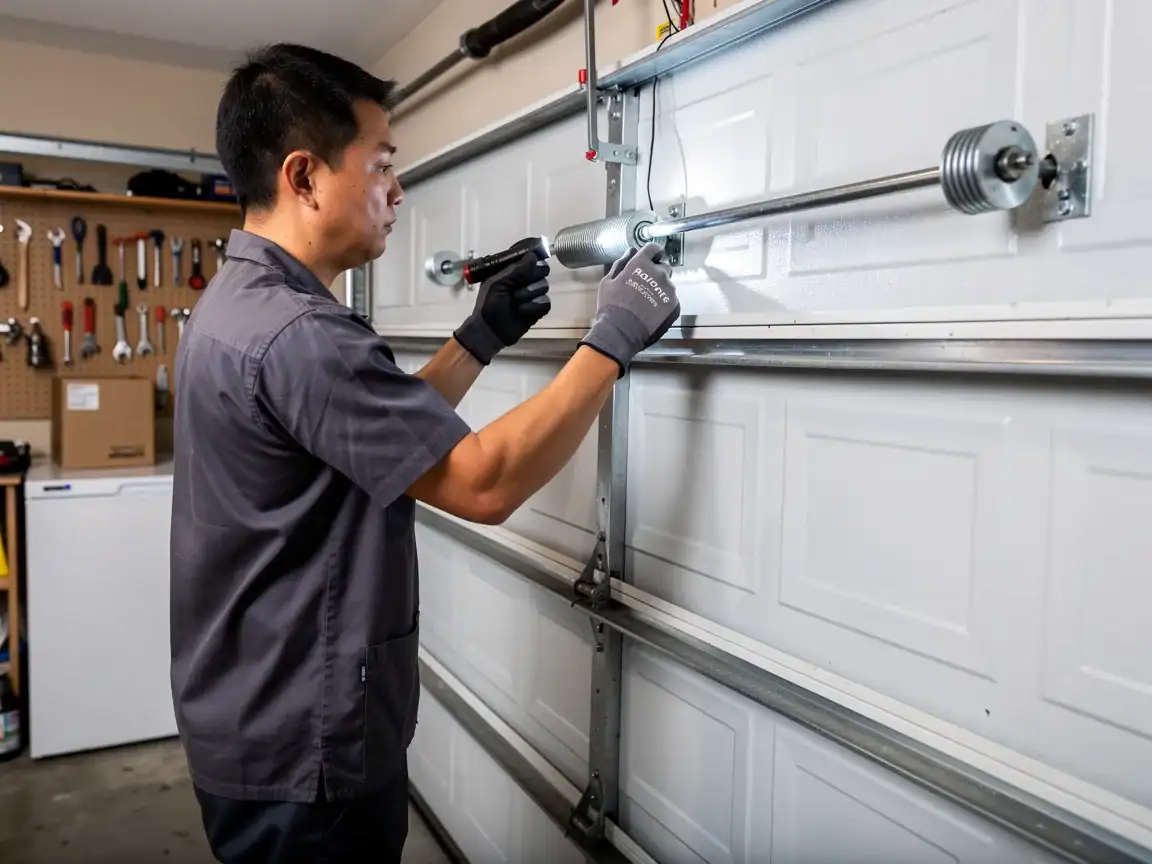
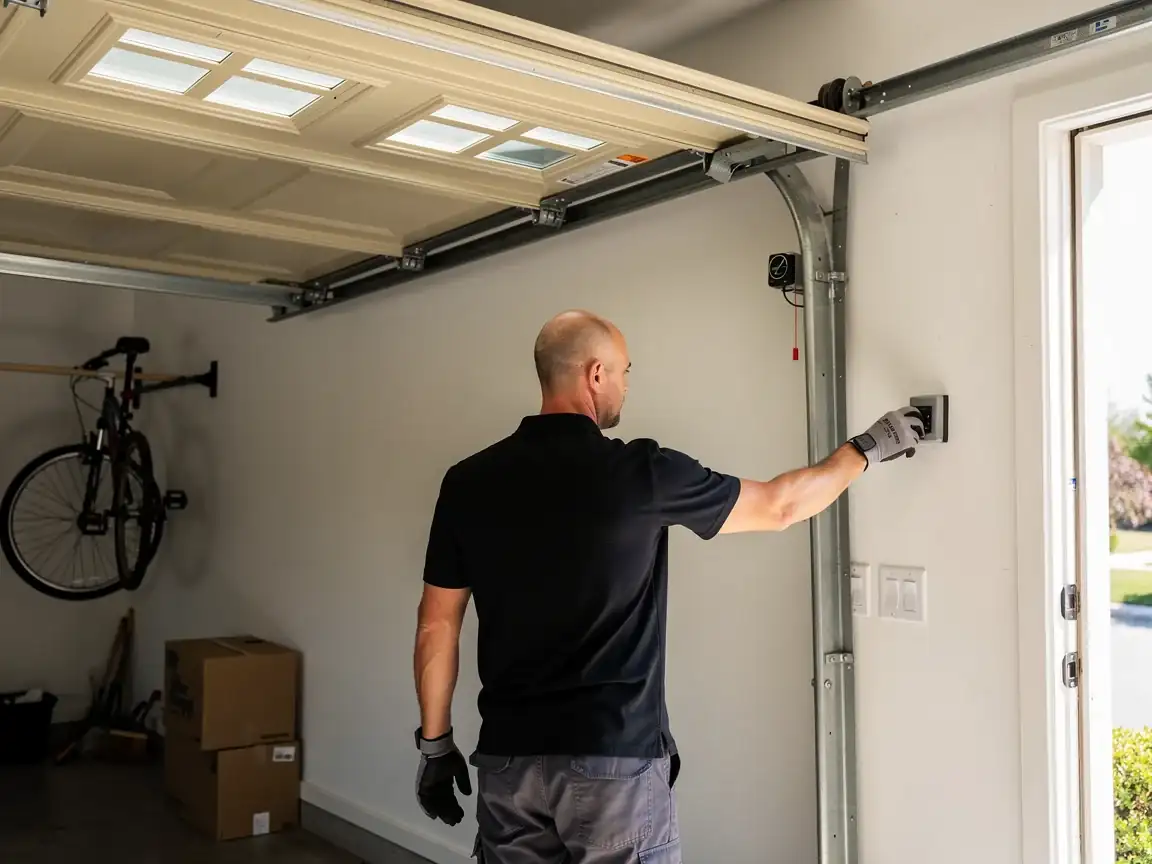
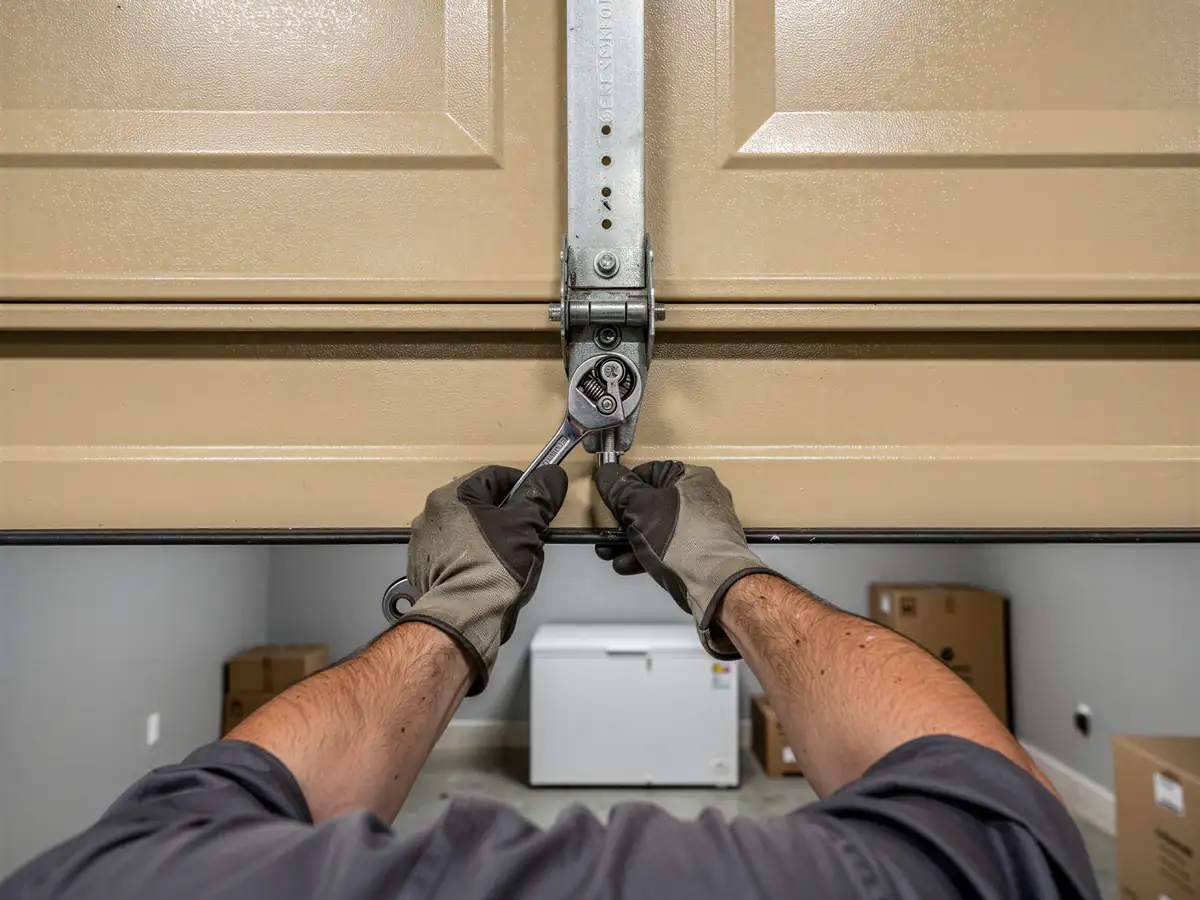
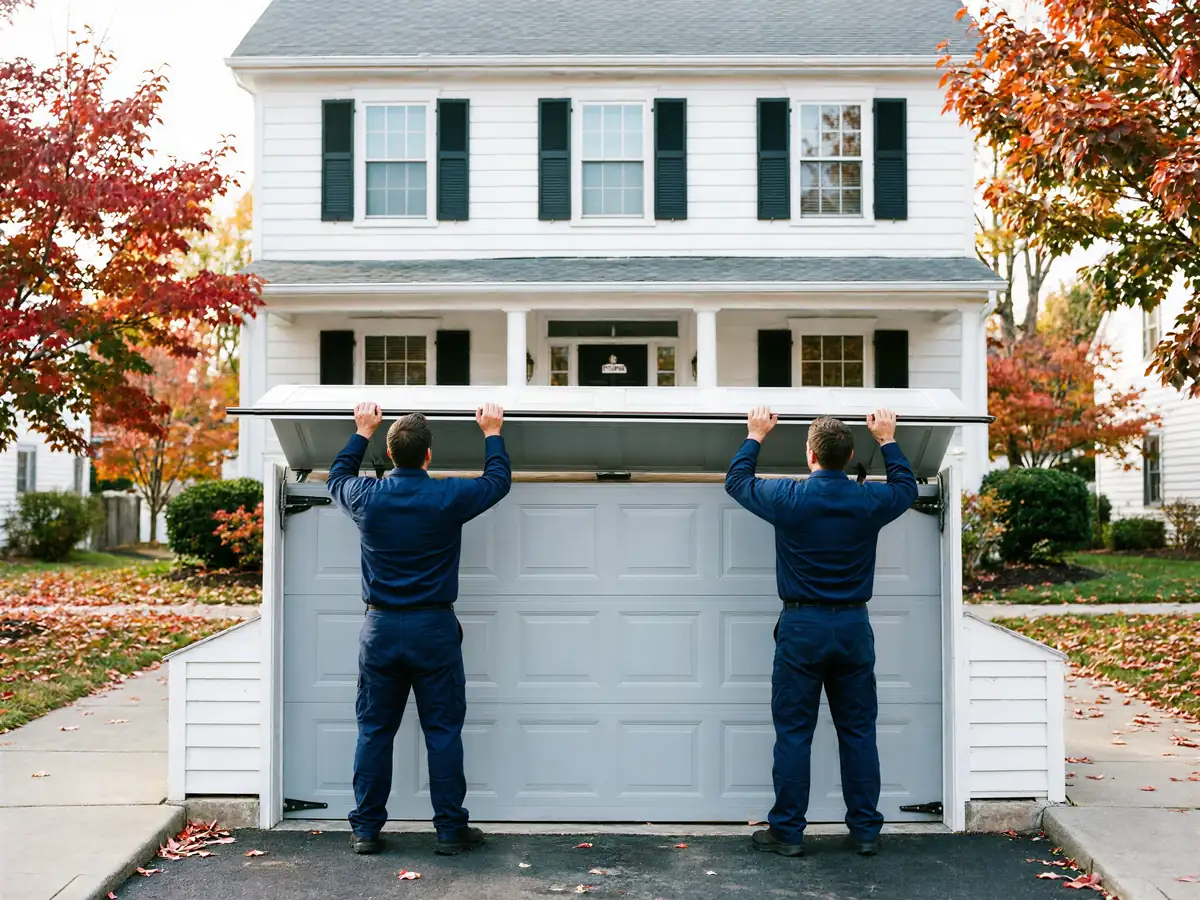
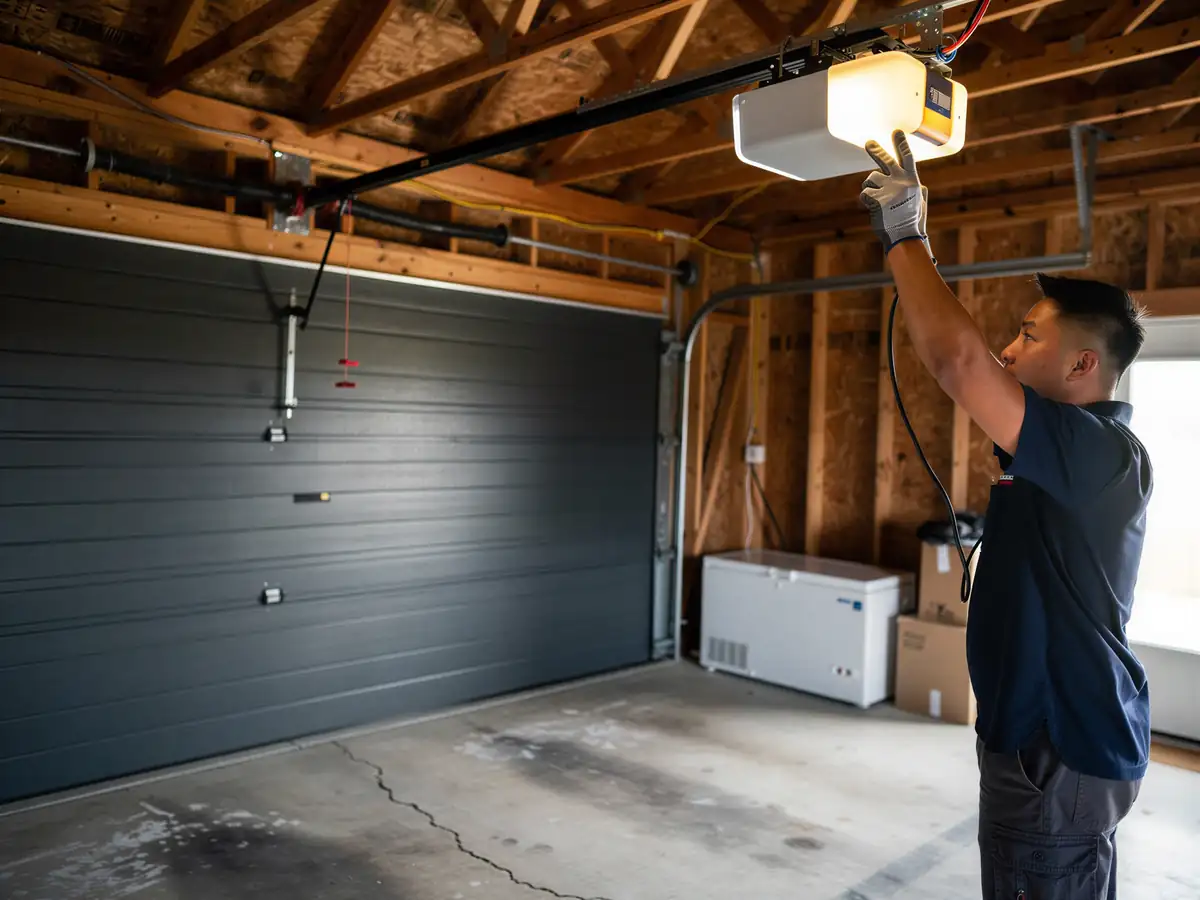
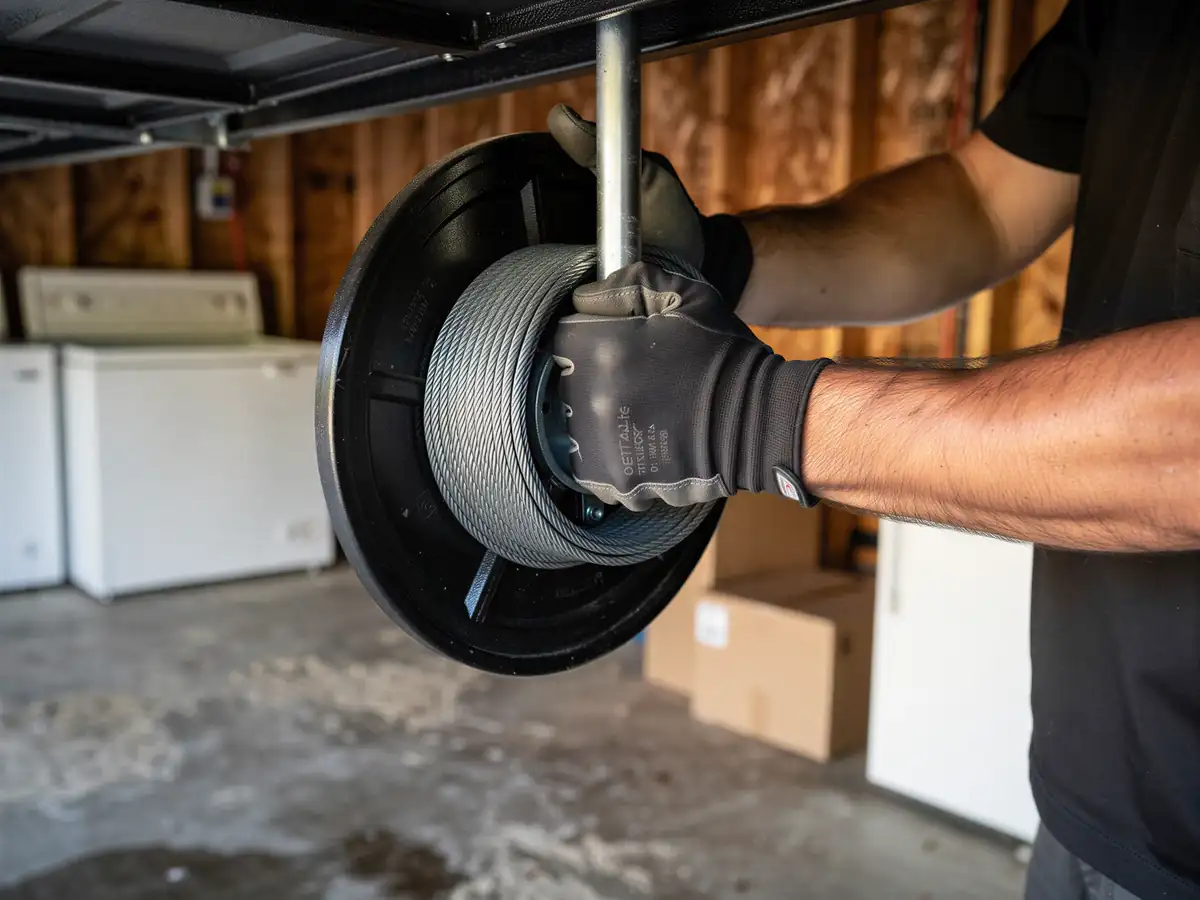
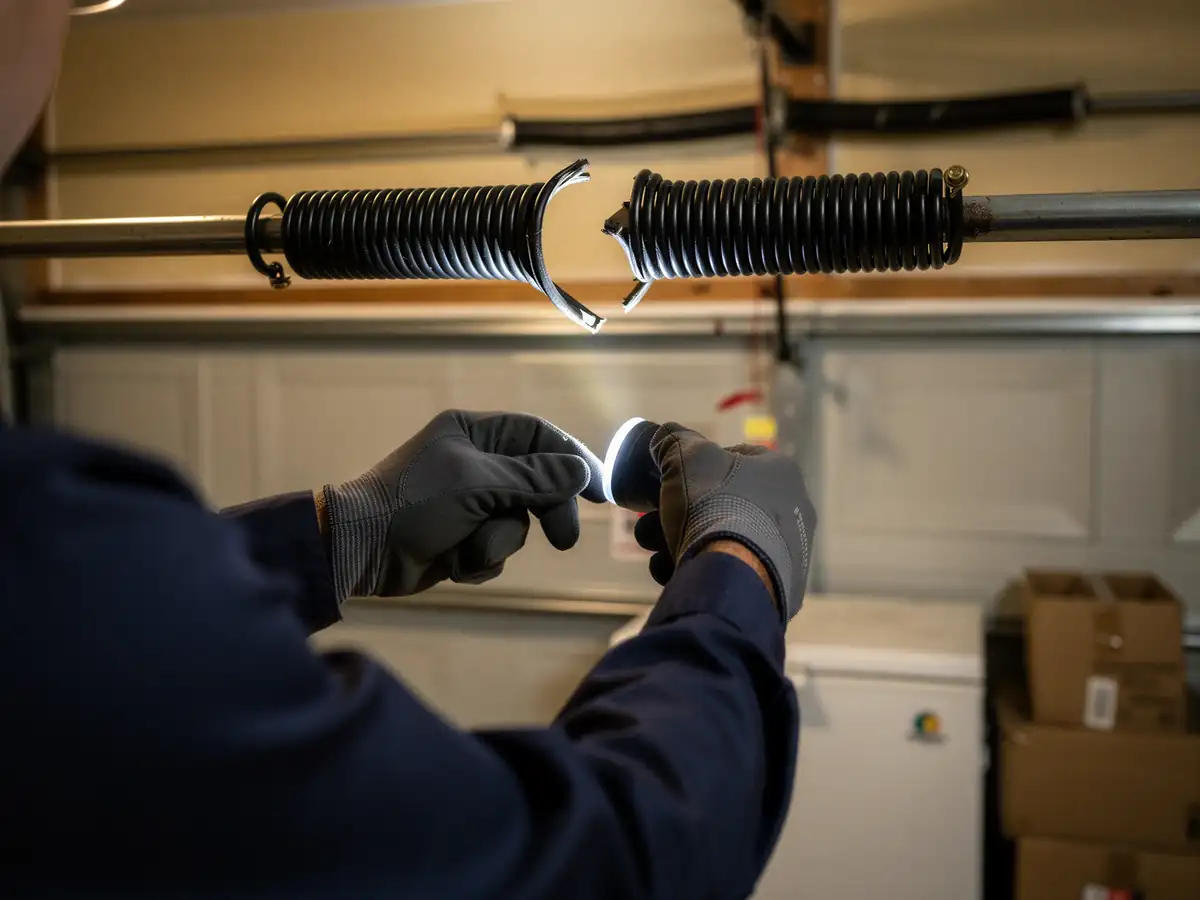
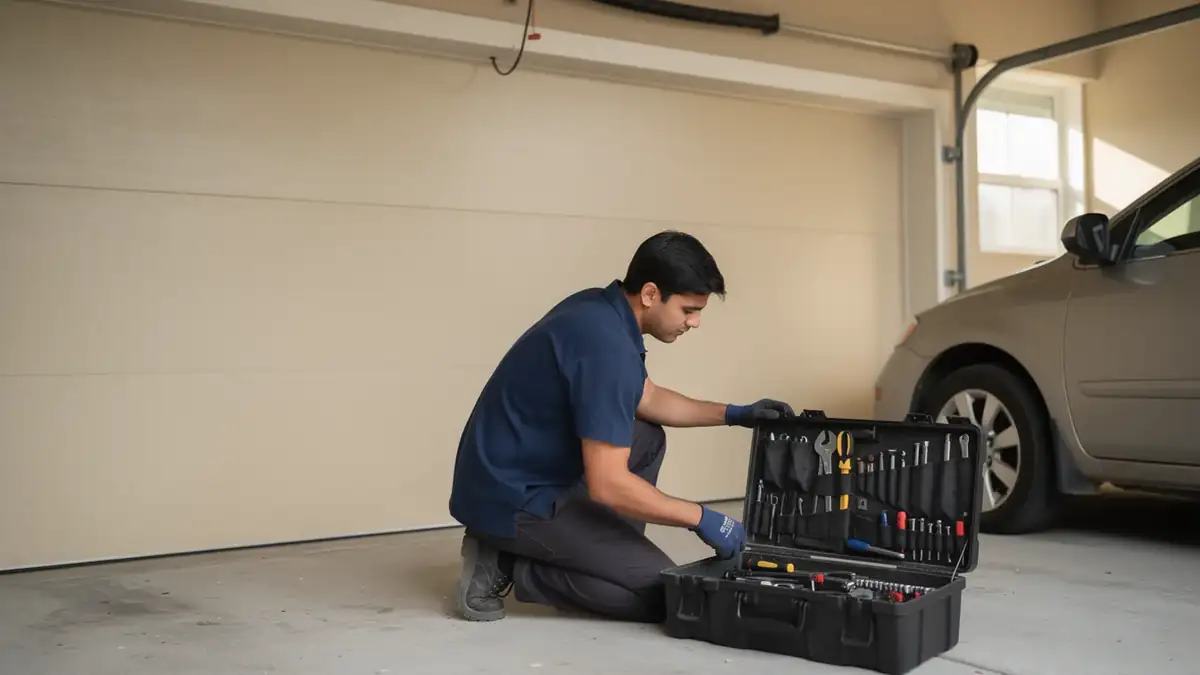
Most calls we run in Waltham start the same way: a door that worked fine last week and now either won't move, moves wrong, or makes a noise it didn't used to make. Given that housing in this area runs 1938 to 1993 with a median build year of 1966, a lot of what we're looking at is original or first-replacement hardware that's simply aged out - torsion springs that have cycled past their rated life, rollers that were steel when the door went in and never got swapped to nylon, openers from a generation before today's safety-sensor standard. In the Piety Corner sections, where homes tend to sit on the older end of that build range, we see more of the original side-mounted torsion setups that newer parts don't always match without an adapter bracket. The visit itself is a diagnosis first: we check spring balance, track alignment, cable wear, and opener function before touching anything, because a door that looks like a spring problem is sometimes a bent track problem instead, and vice versa. We tell you what we find and what it costs before we start, not after.
The Seasonal Bit
A door that's been fine all summer in Waltham can start sticking or dragging the moment real cold sets in, and that's not coincidence - it's the lubrication thickening, the steel contracting slightly in the track, and weatherstripping that's been flexing for a decade finally losing its seal. Given the age of a lot of the housing stock here, median year 1966, insulation and seal upgrades are frequently things that were never done at all, not things that wore out. So the seasonal call we get most is less
What the Weather Here Does to It
placeholder