What You Are Seeing
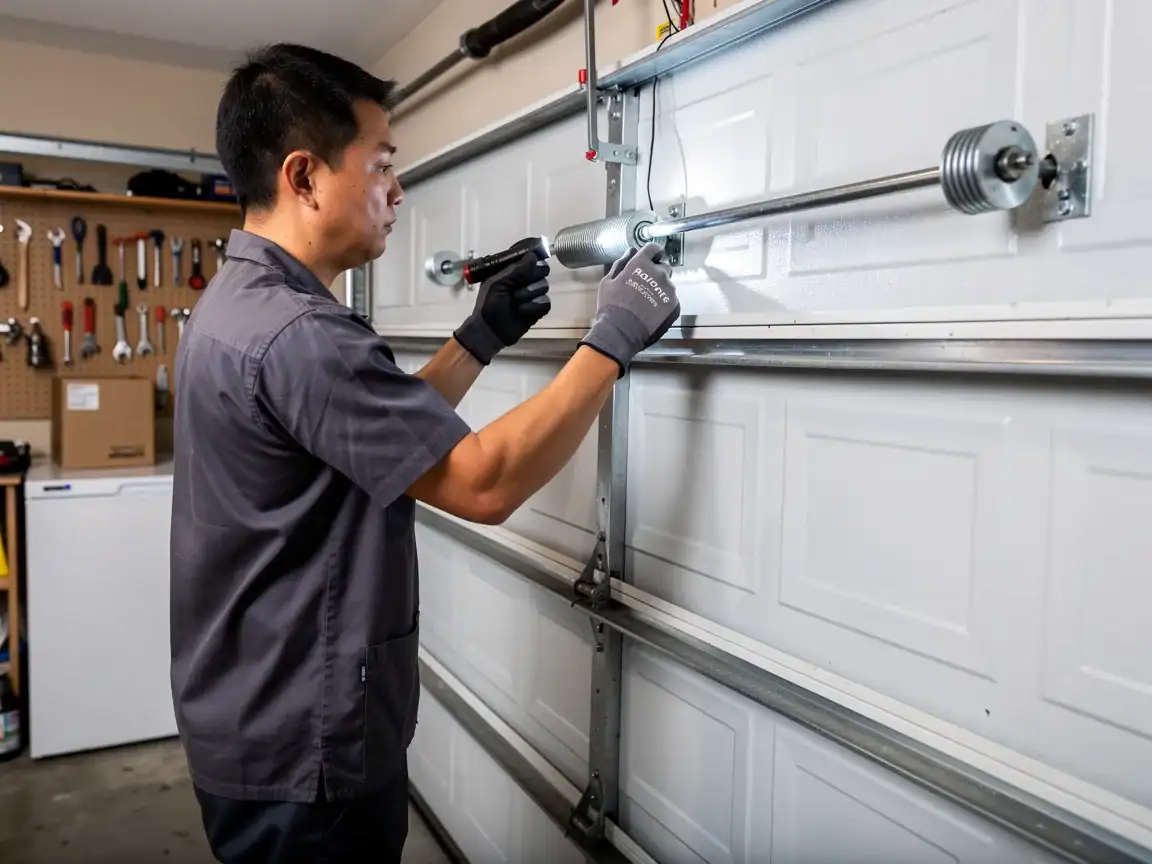
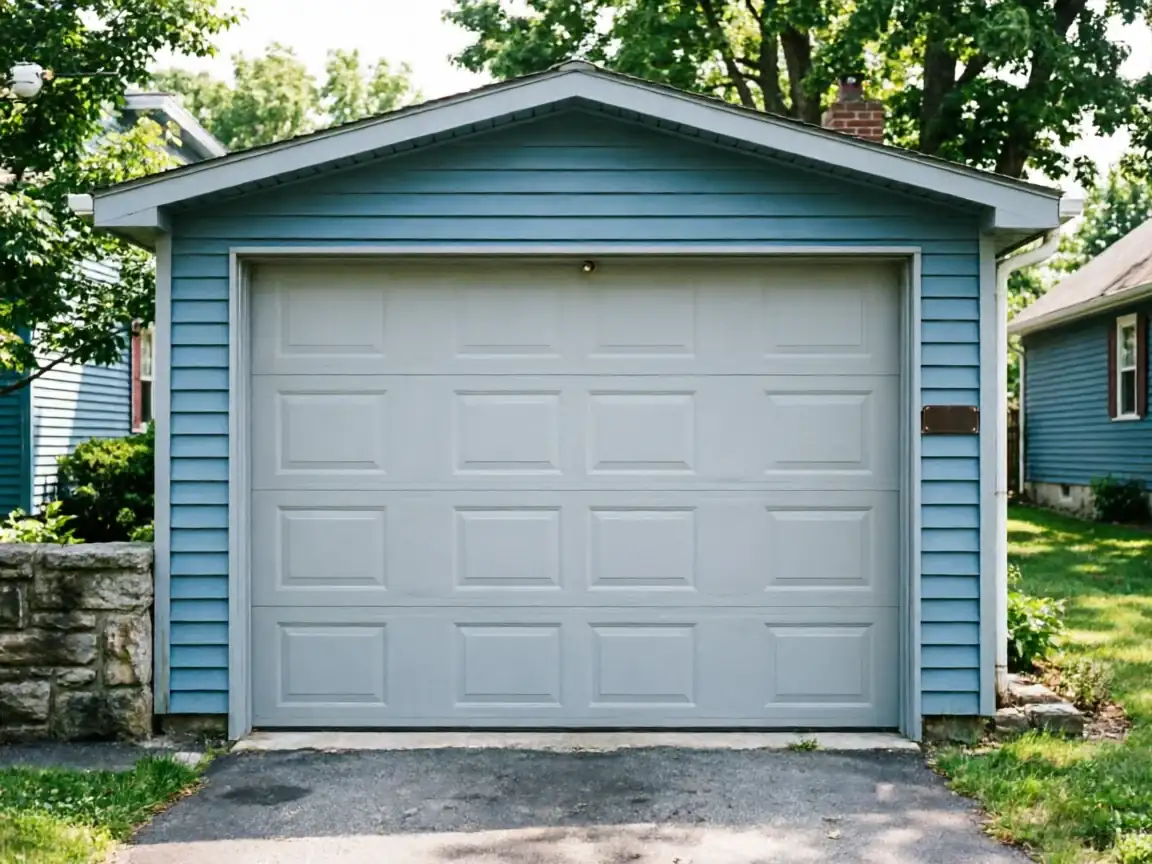
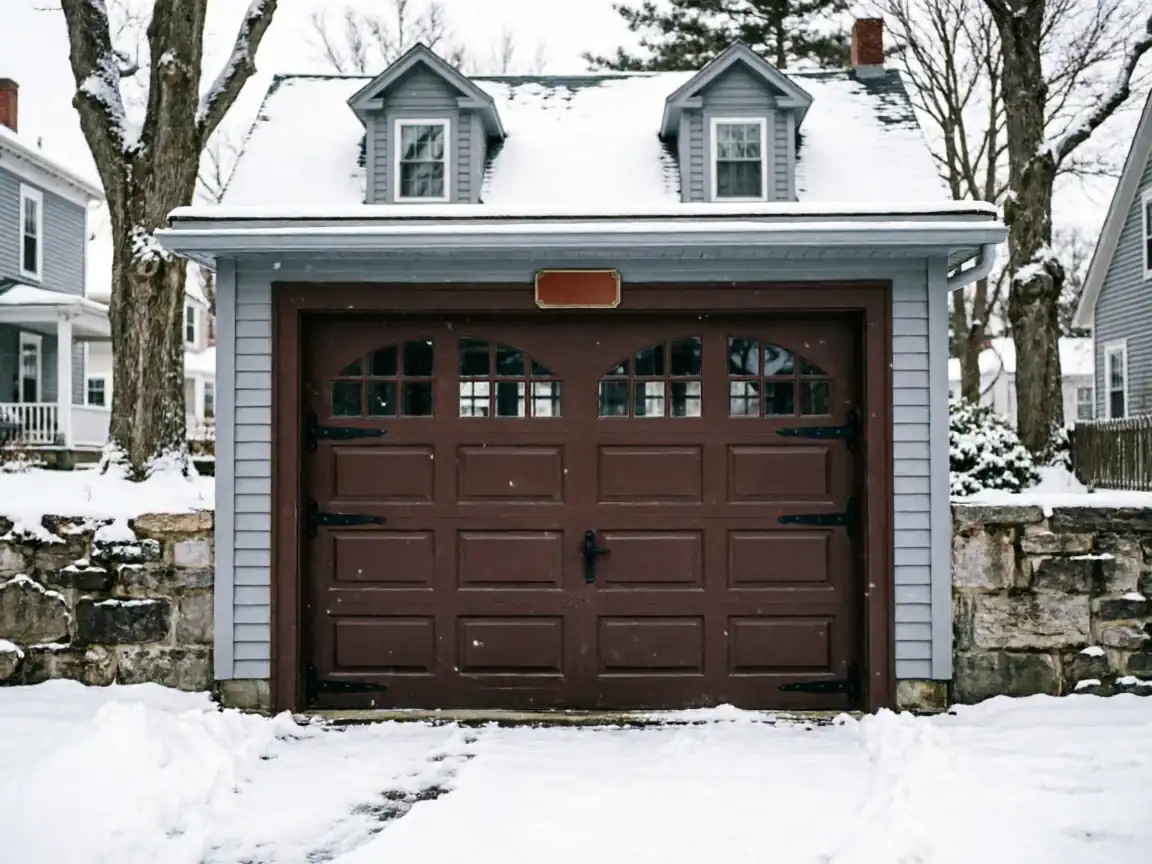
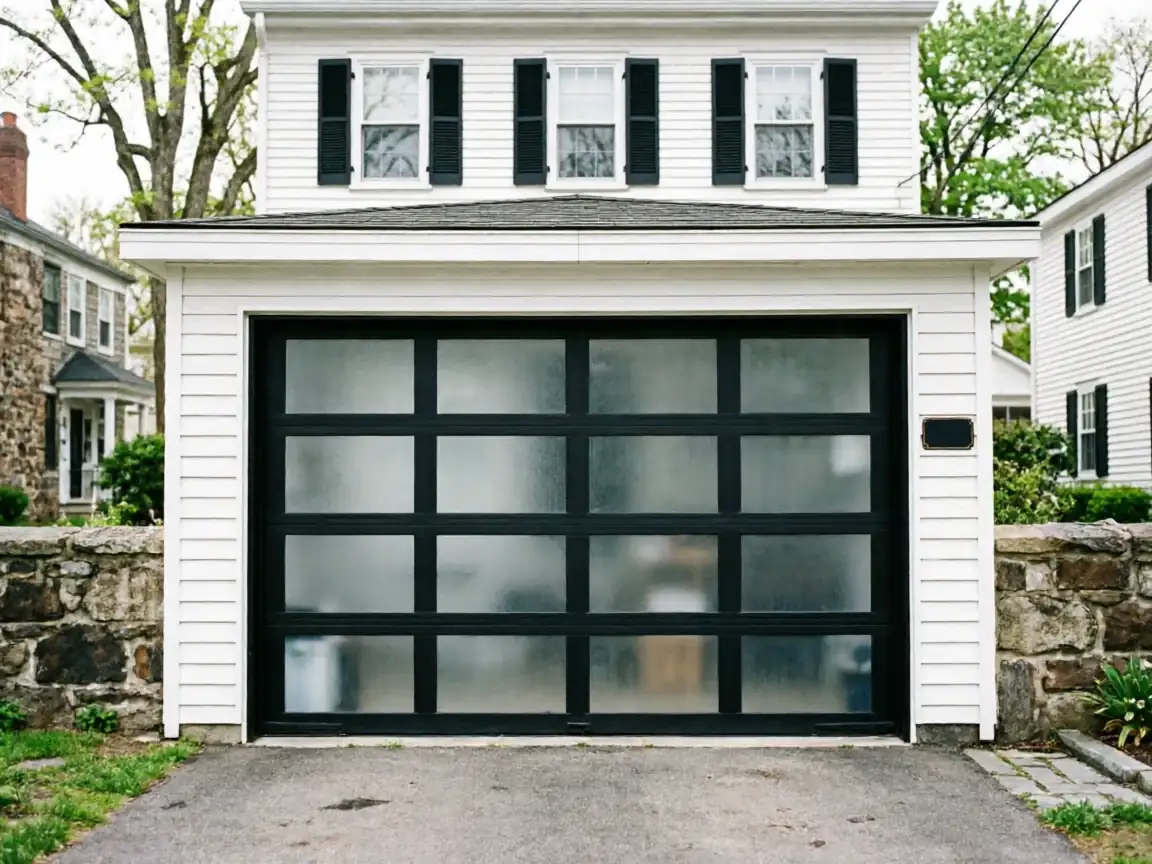
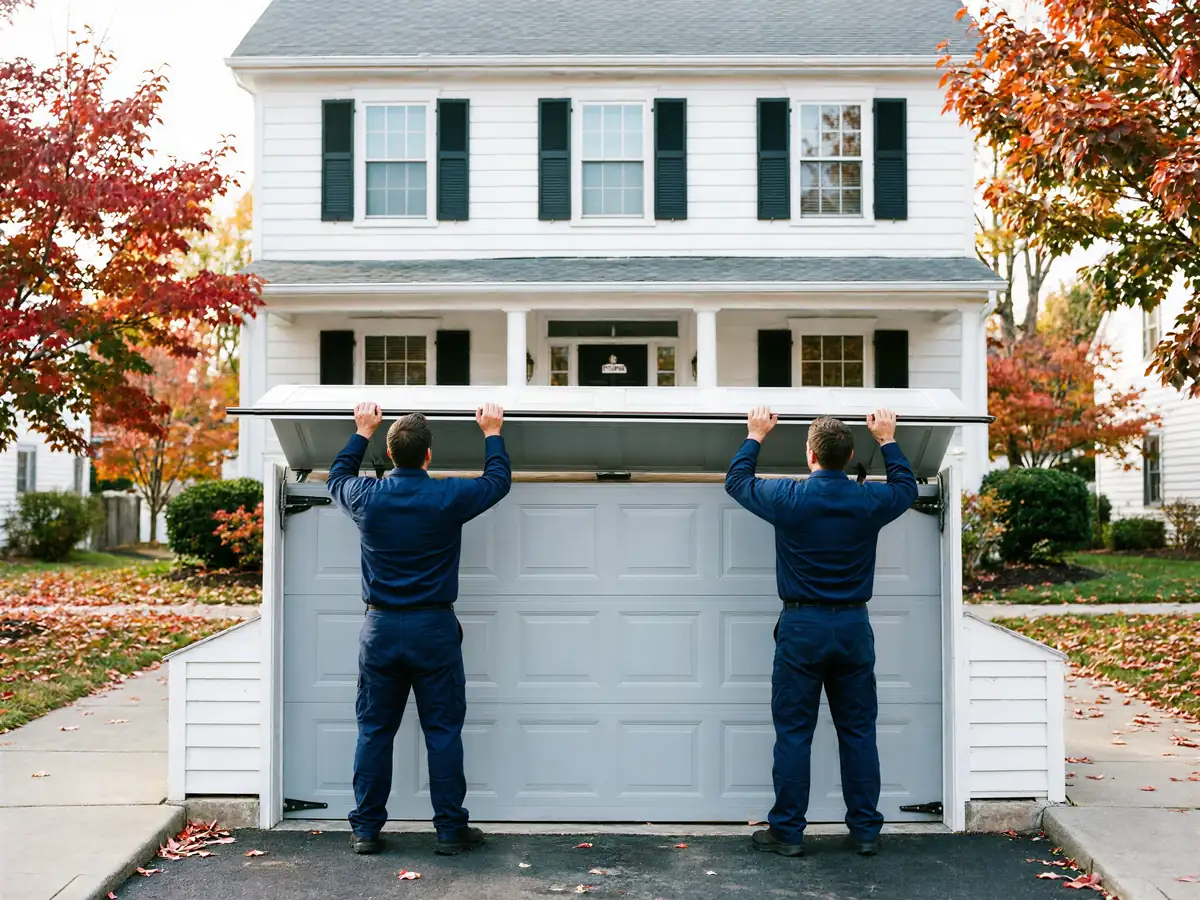
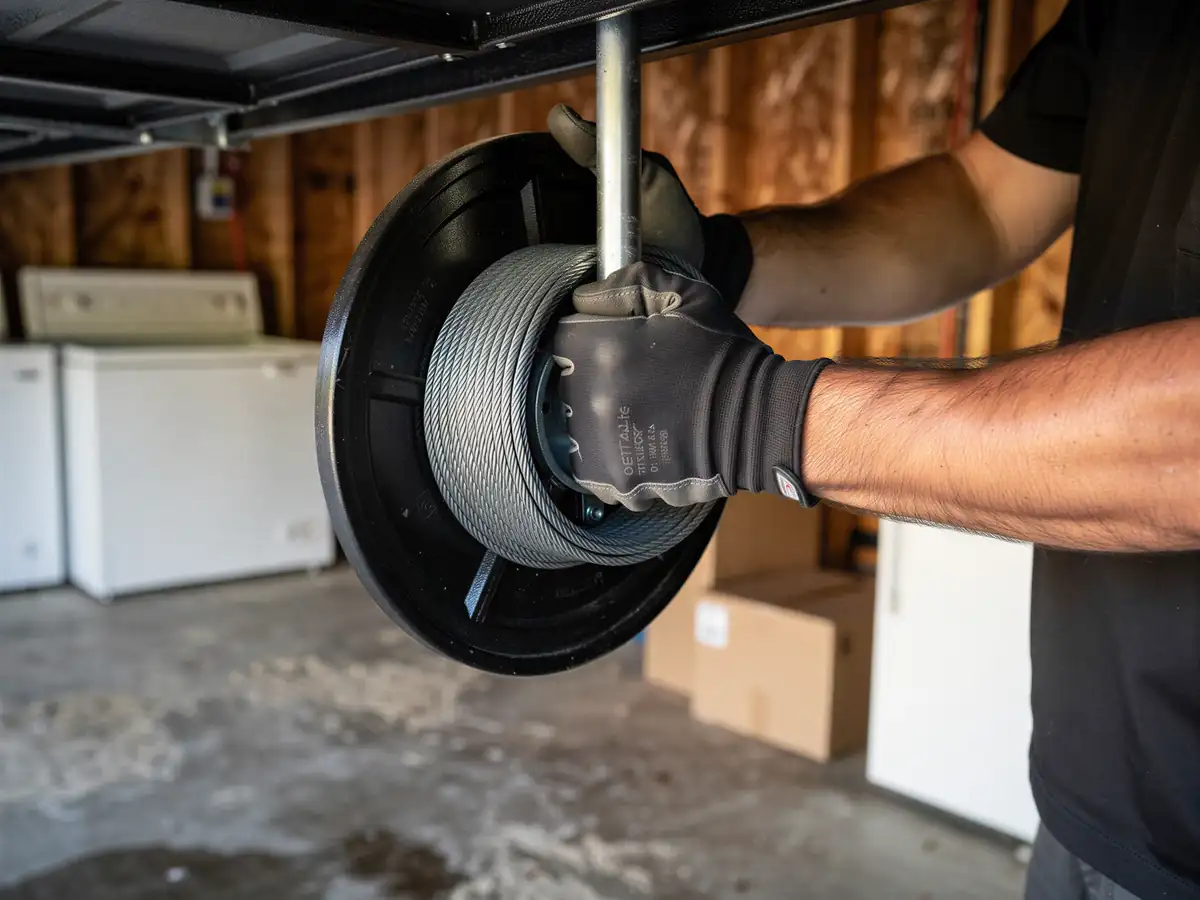
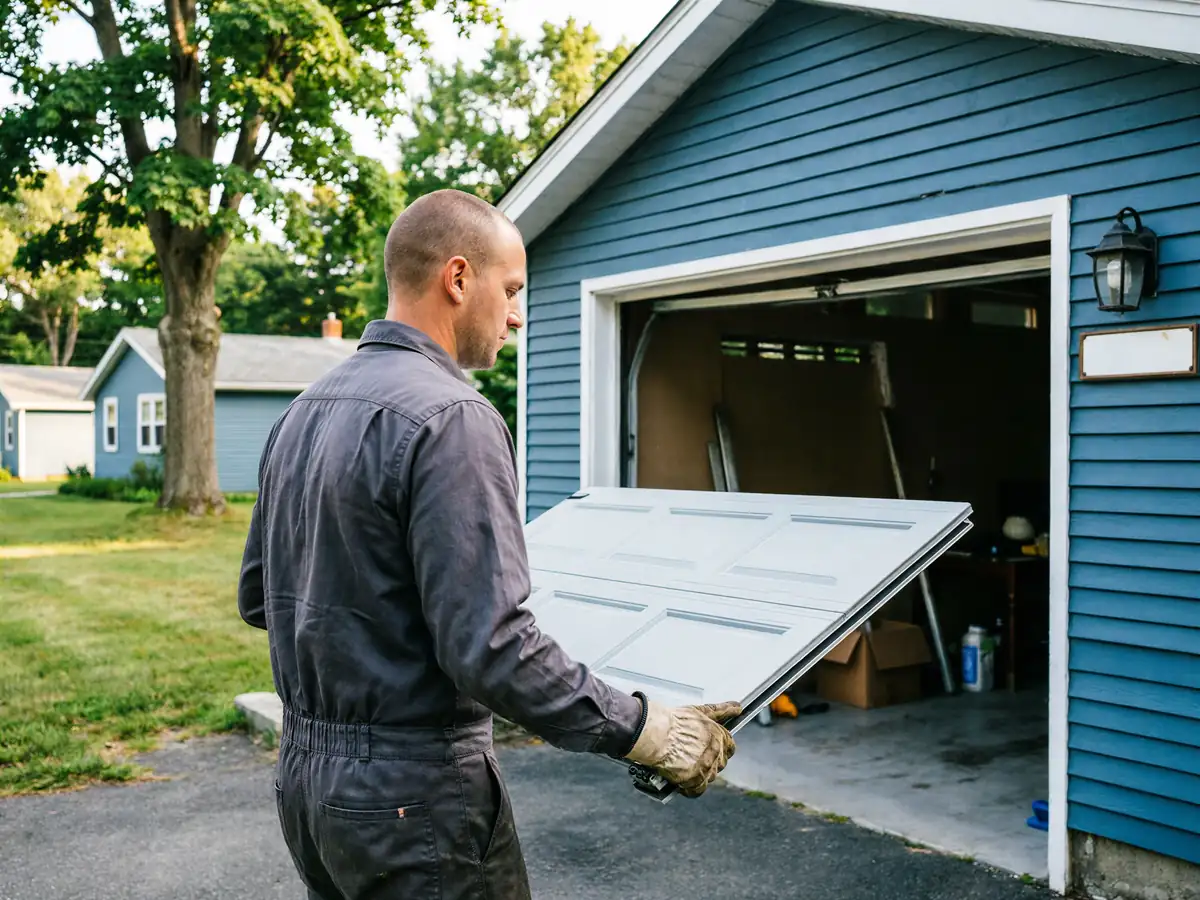
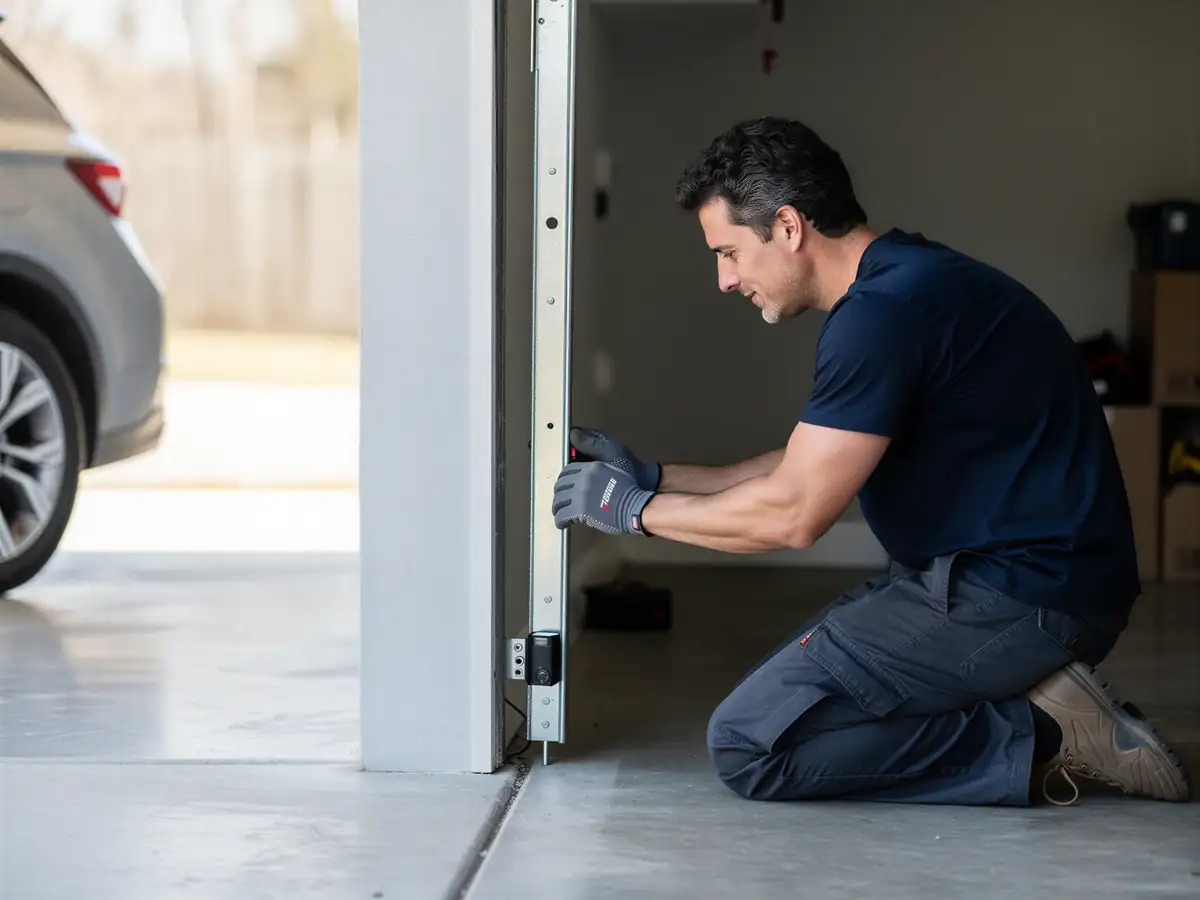
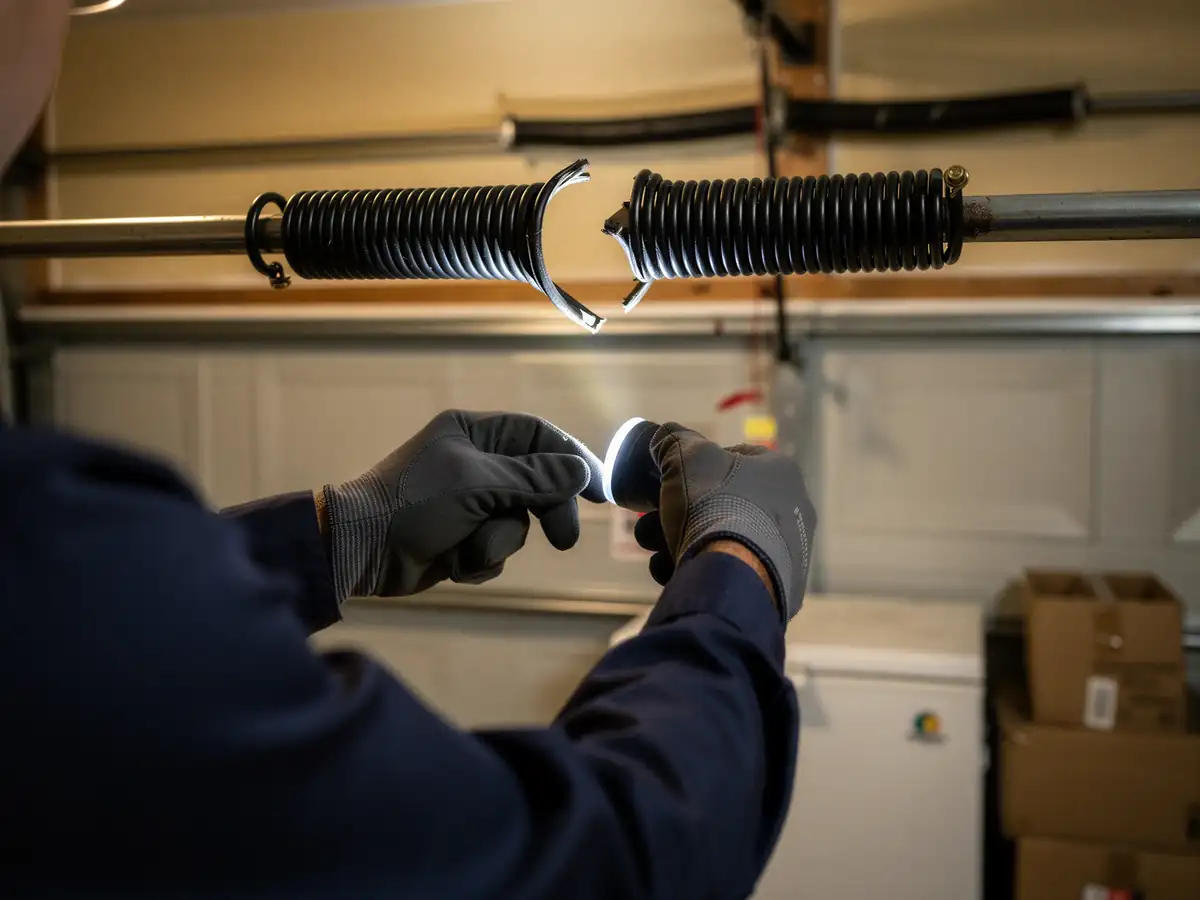
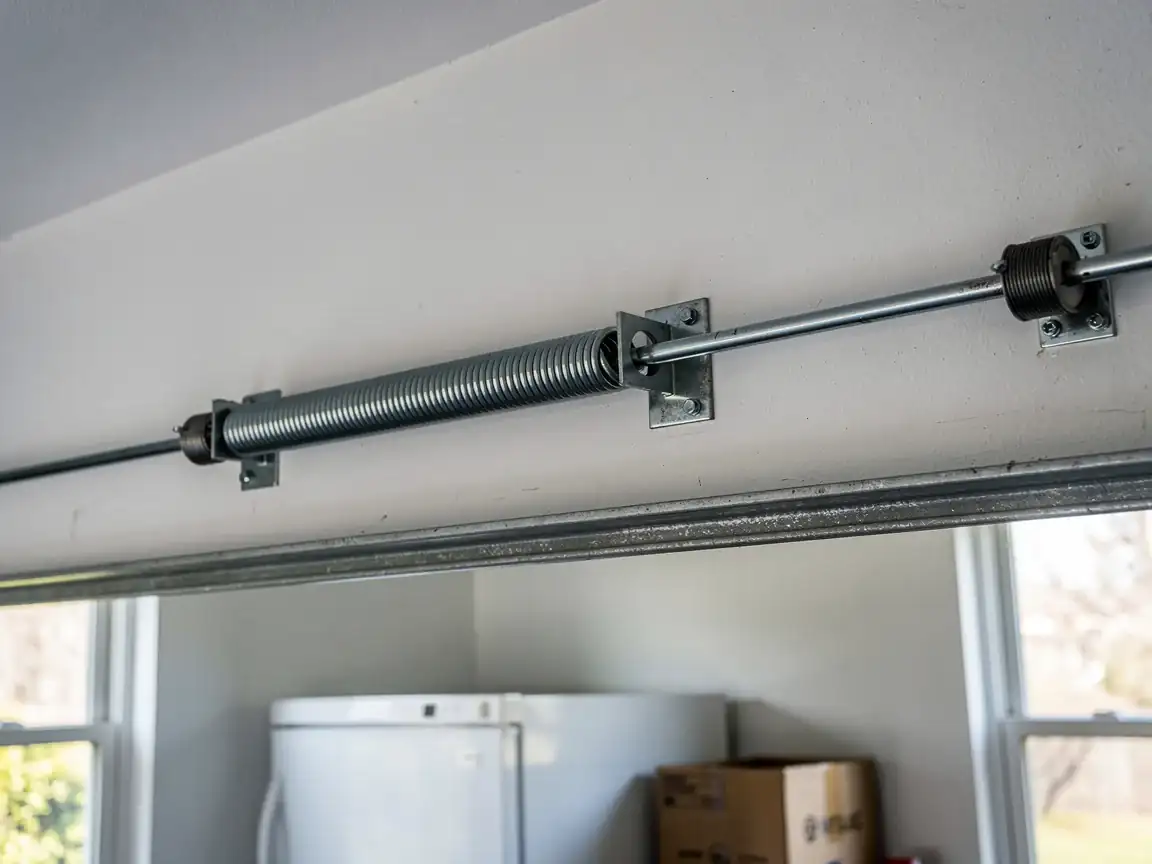
If you're calling about a garage door in Waltham, odds are good you're dealing with one of a short list of problems: a door that won't budge in the morning, a loud bang followed by the door sticking halfway, or an opener that runs but the door doesn't move. In neighborhoods like Piety Corner and where houses commonly date to the 1950s and 60s, we see torsion springs that have simply outlived their coil life, and tracks that have pulled away from the jamb after decades of seasonal freeze and thaw. Some mornings the door looks fine until you hit the button - then it groans, lifts two inches, and stops. That's almost always a spring that's lost tension overnight in the cold, not a dead opener. Other times the door comes off one roller track entirely, which happens more on original steel track that's never been re-shimmed since the house was built. We also get calls where the door closes unevenly, dropping faster on one side - a sign the cable or spring on that side is going. None of this is mysterious once you know what decade your door and hardware actually came.
Why It Happens Here
Waltham sits in a severe cold climate band, and that matters more to a garage door than most homeowners expect. Steel contracts in the cold, grease thickens, and torsion springs - which are under constant load whether the door is open or shut - lose a measurable amount of lift capacity below freezing. On a house built in the 1960s, that spring has already been cycling through forty or more New England winters. The math catches up eventually: the spring that held fine in October can't manage a January morning. Original track hardware from that era was also installed with looser tolerances than current code calls for, so cold-season contraction pulls rollers just far enough out of alignment to jump the track on a hard stop. None of this is a Waltham-specific defect - it's what happens when 1960s-era steel hardware meets a cold-climate winter decade after decade. Houses in this same build era across Belmont, Lexington, and Arlington see the identical pattern, which is exactly why the fix is well understood rather than a mystery.
How We Fix It
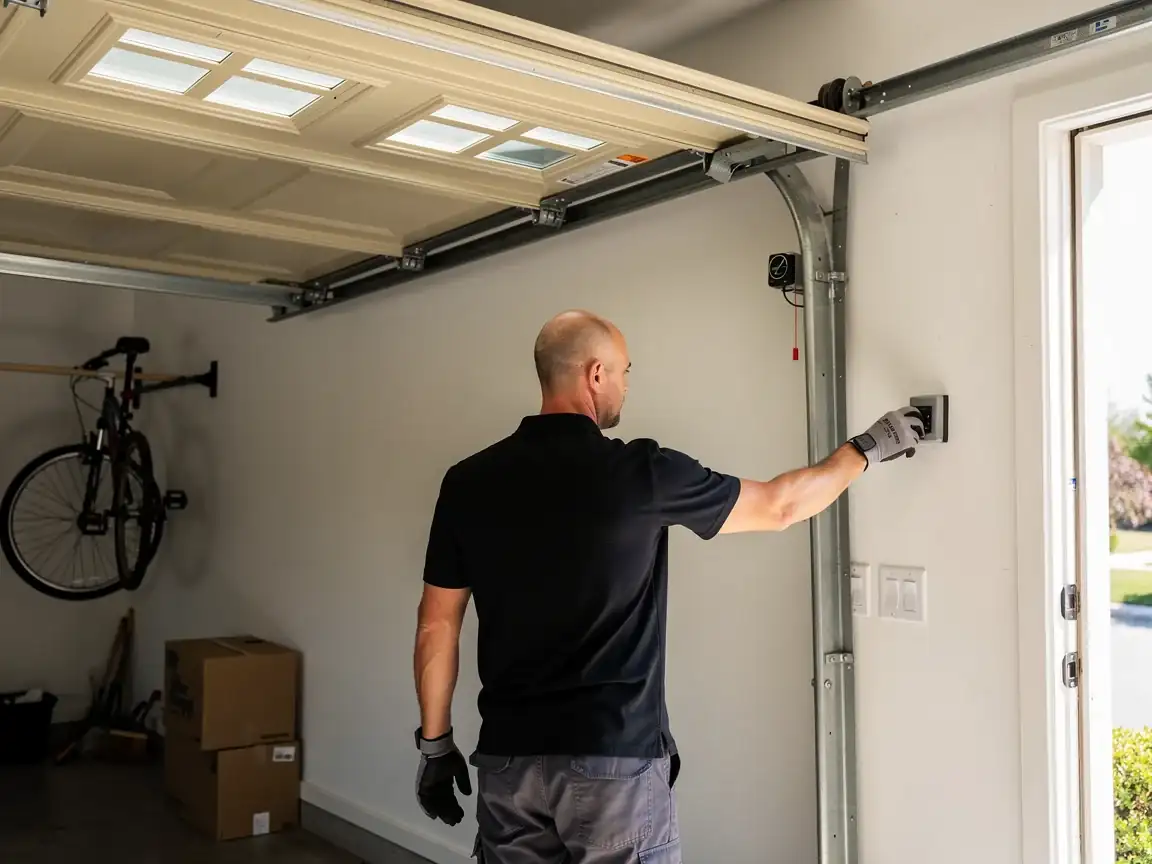
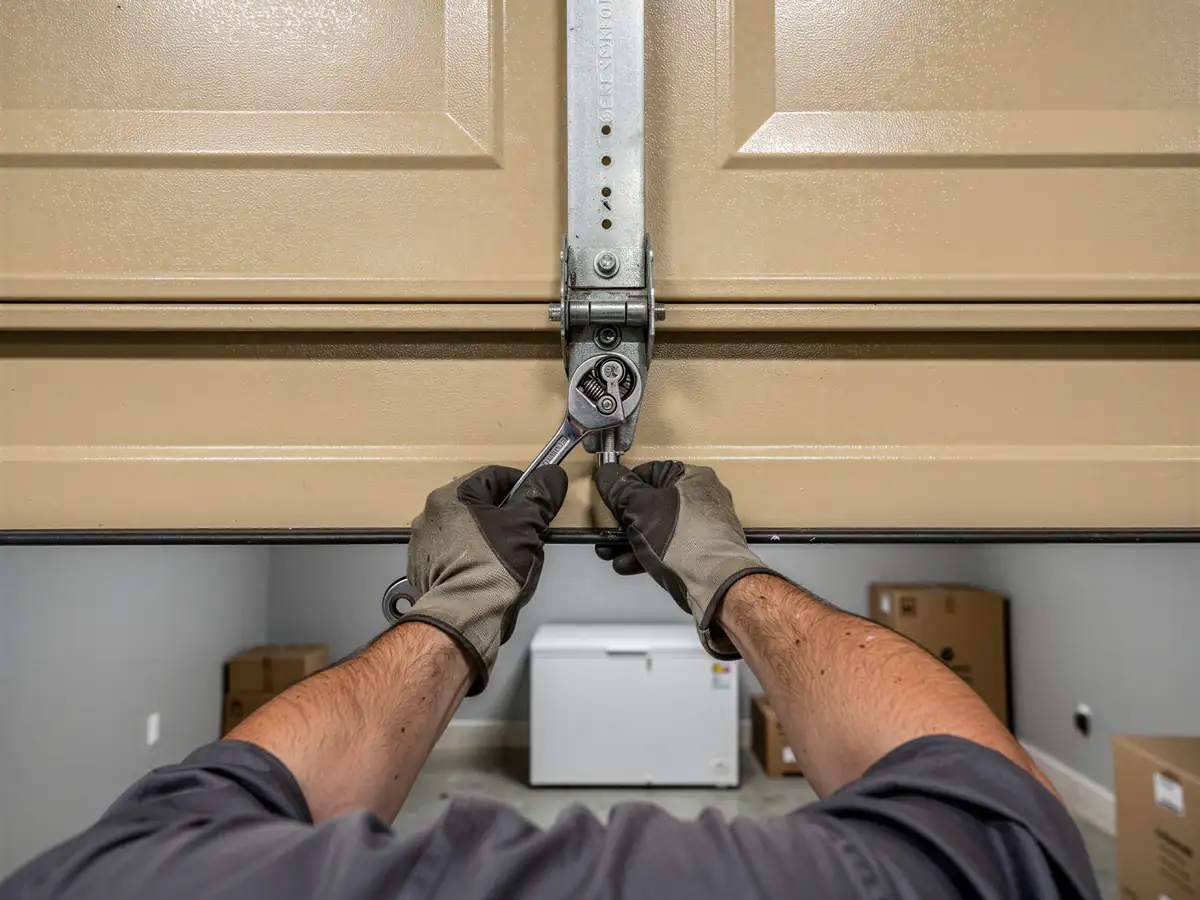
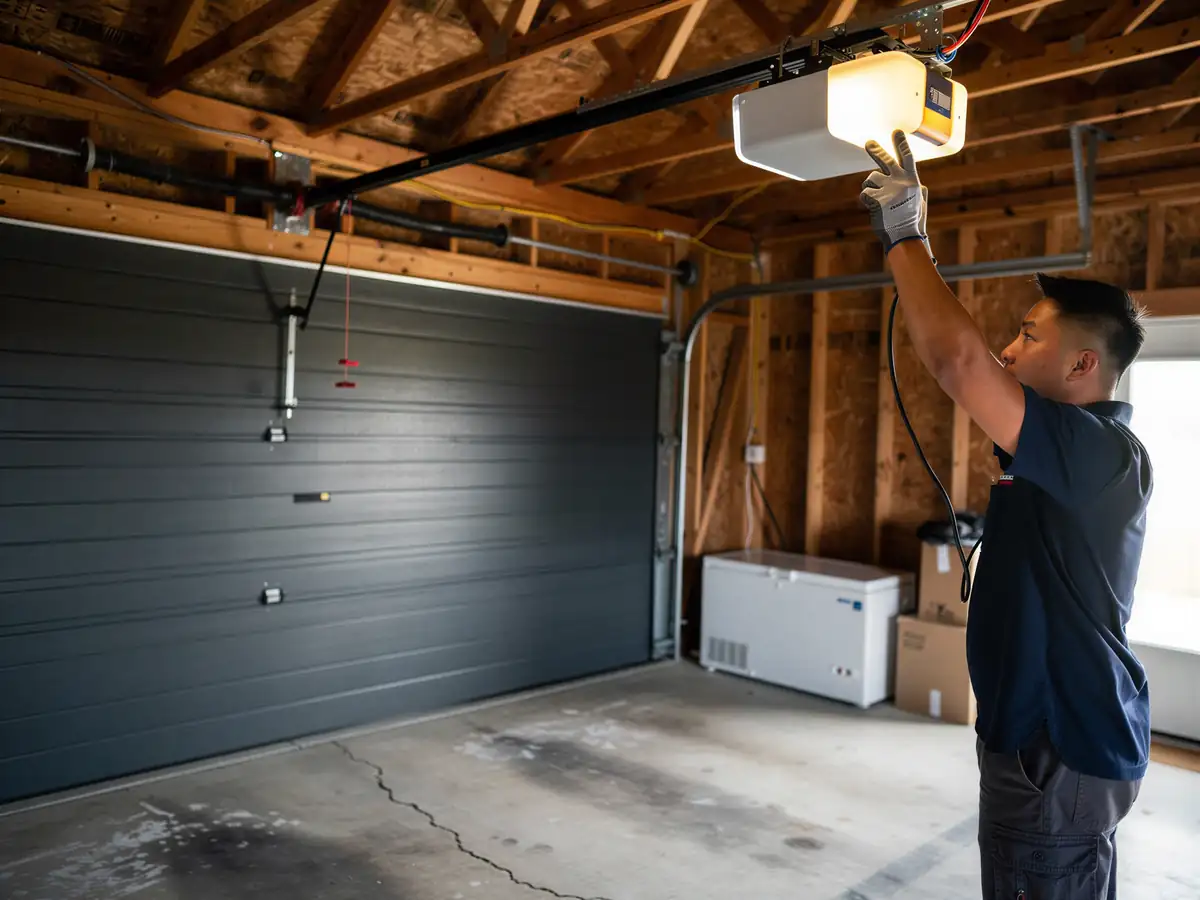
For a spring that's lost tension, we don't patch it - we replace both springs as a pair, sized to the door's actual weight, not a generic one-size spring that'll just fail again next winter. For a door that's jumped track, we check whether the track itself has bent or just slipped; bent track gets replaced rather than hammered back into shape, because hammered track fails again within a season. If the opener logic board is cold-faulting, we test it under load before replacing it outright - sometimes it's a sensor that's iced over, not the board. We re-tension and lubricate with a cold-rated grease rather than standard white lithium, since standard grease gums up below freezing on an older track. If your door is original to a house built before the 1970s and the frame itself has shifted with the foundation, we'll say so plainly: sometimes a full replacement costs less over five years than chasing parts for hardware that age and weather have already worn past the point of a clean fix.