What You Are Seeing
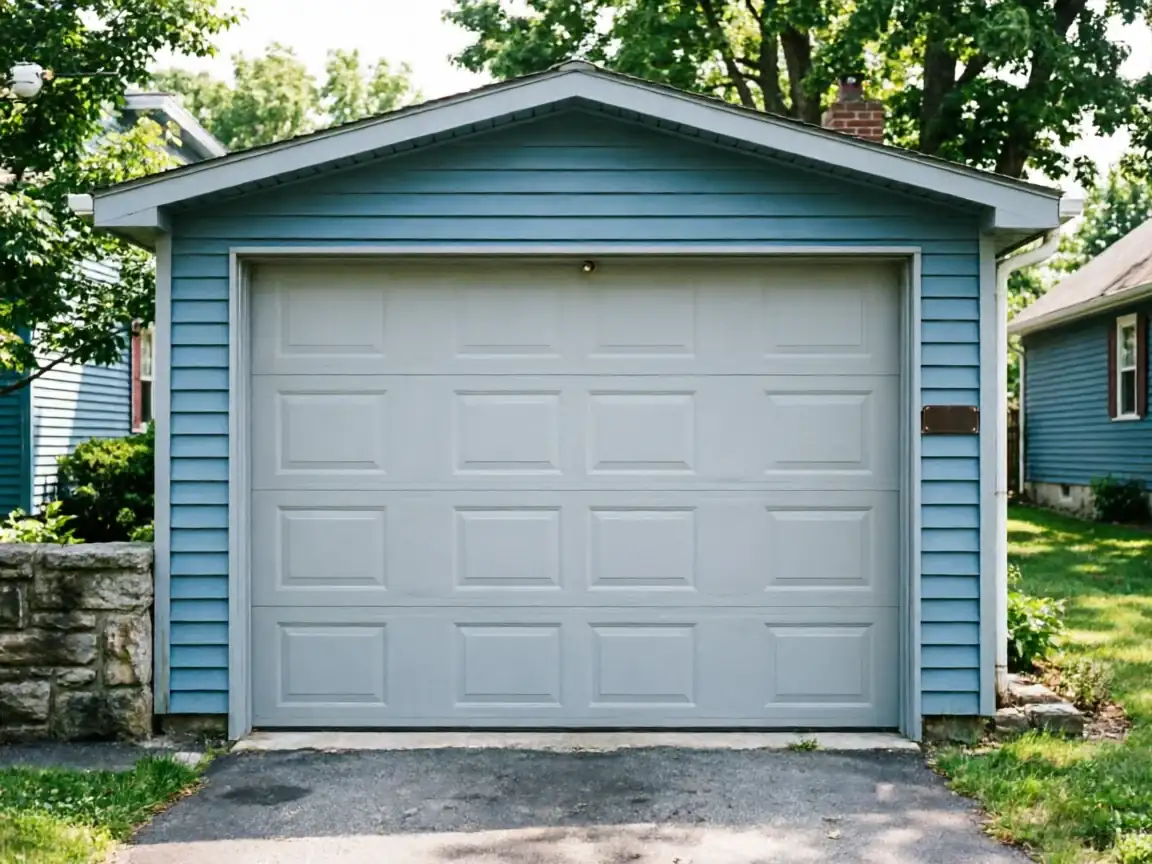
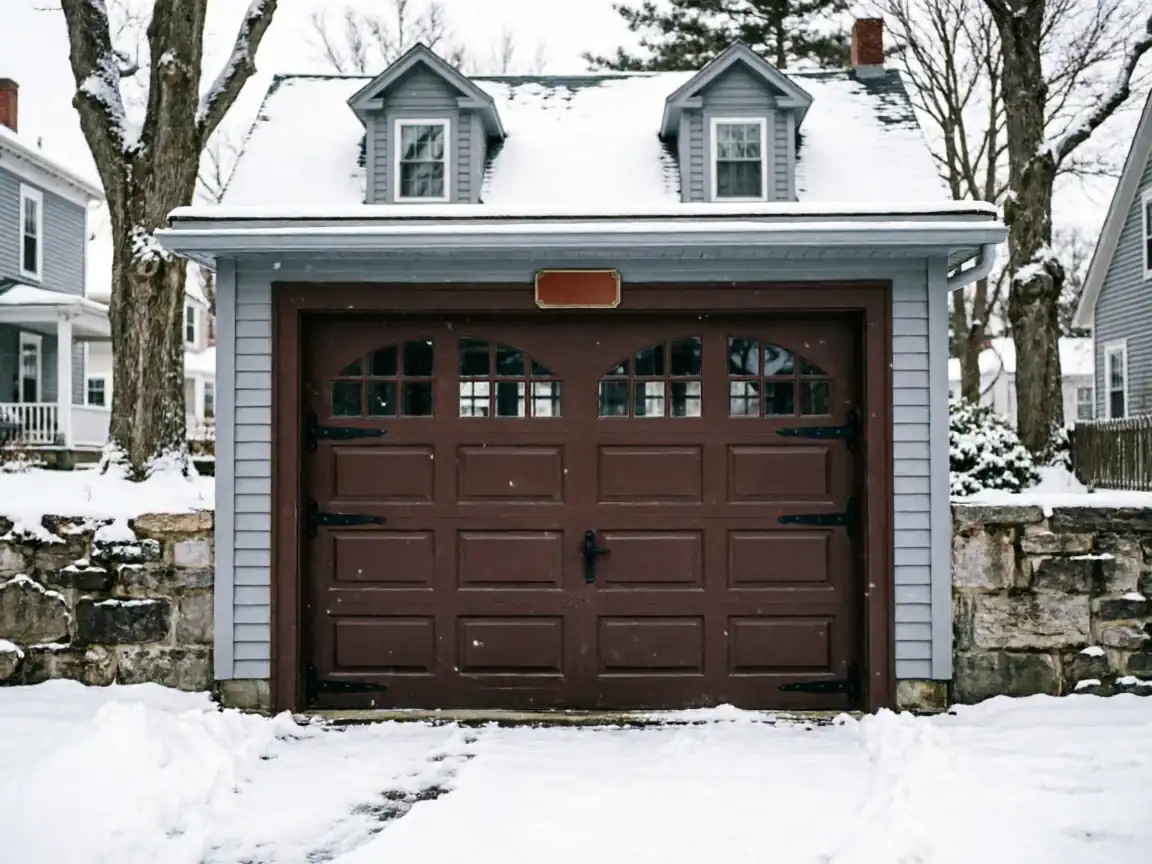
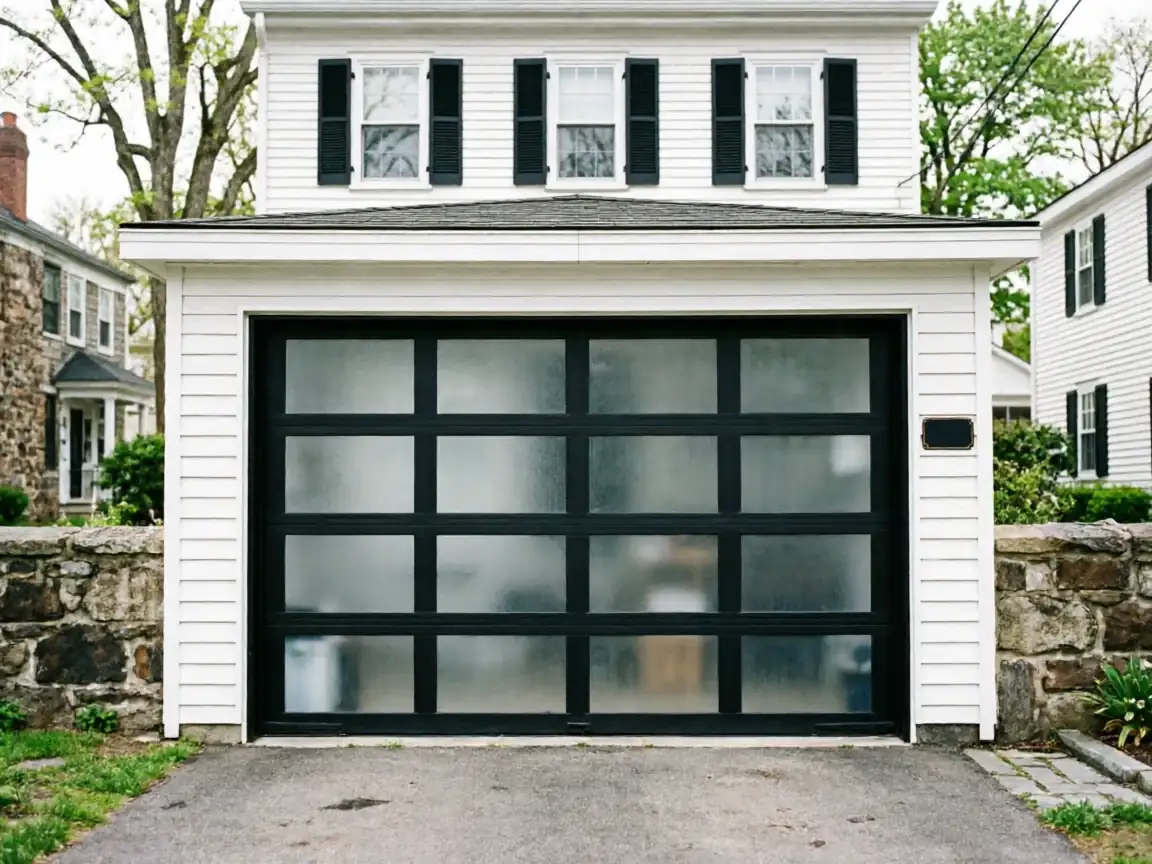
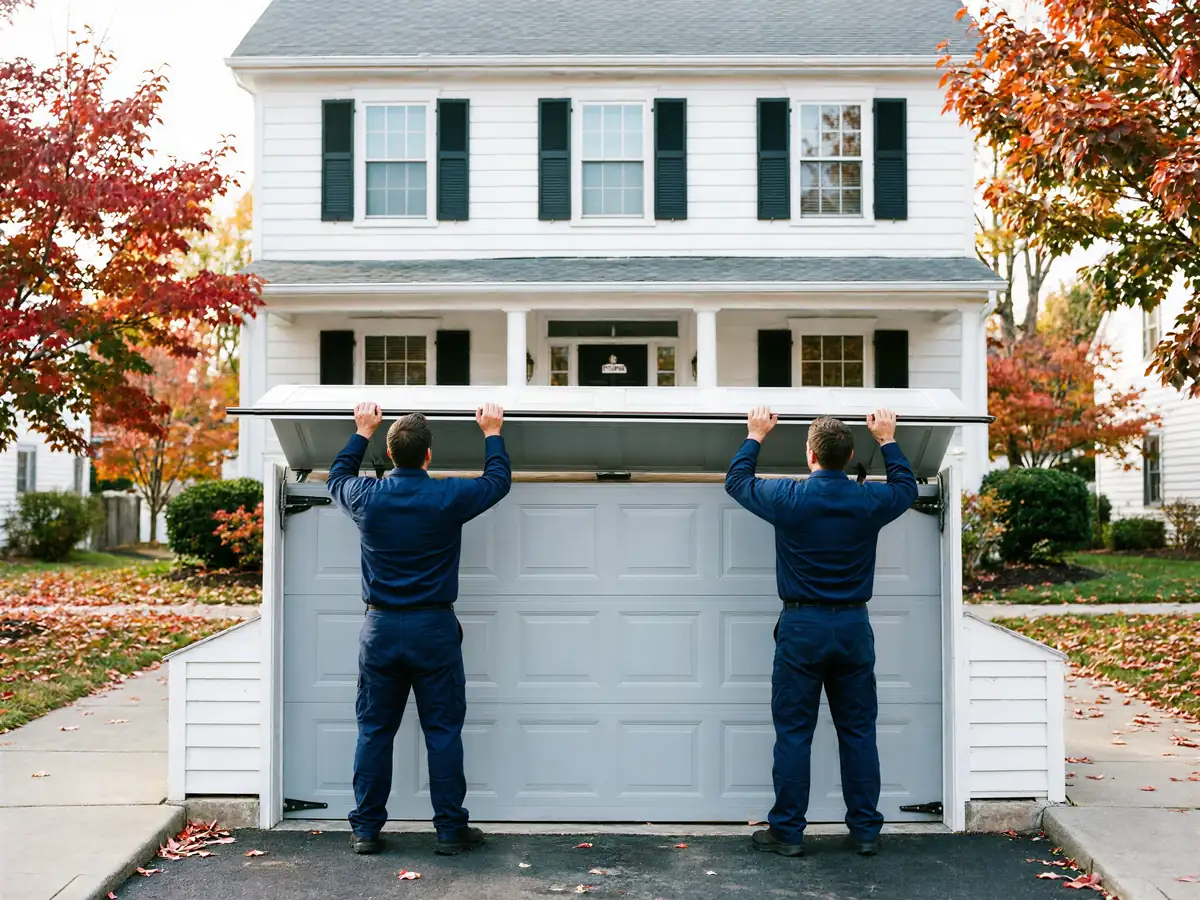
Most calls we get in Waltham start the same way: the door hesitates halfway up, or it slams the last six inches instead of settling. Sometimes it's a grinding noise from the rollers, sometimes the opener strains and clicks off before the door clears the floor. None of that is random. Waltham's housing stock runs from 1938 to 1993, with the median build year sitting around 1966, which means a huge share of garage doors and openers in this city are either original hardware from that era or a straight swap-in replacement that never got upgraded past the original track and spring setup. A door that old has had decades of thermal cycling, and in a cold-climate city like this, that cycling matters. Steel springs lose temper faster in wide swings between a warm afternoon and a 10-degree night. Tracks that were level in 1970 have shifted with the slab. We see the same three or four failure patterns across Piety Corner again and again, because the houses went up in the same twenty-year window and the weather has been working on all of them the same way.
Why It Happens Here
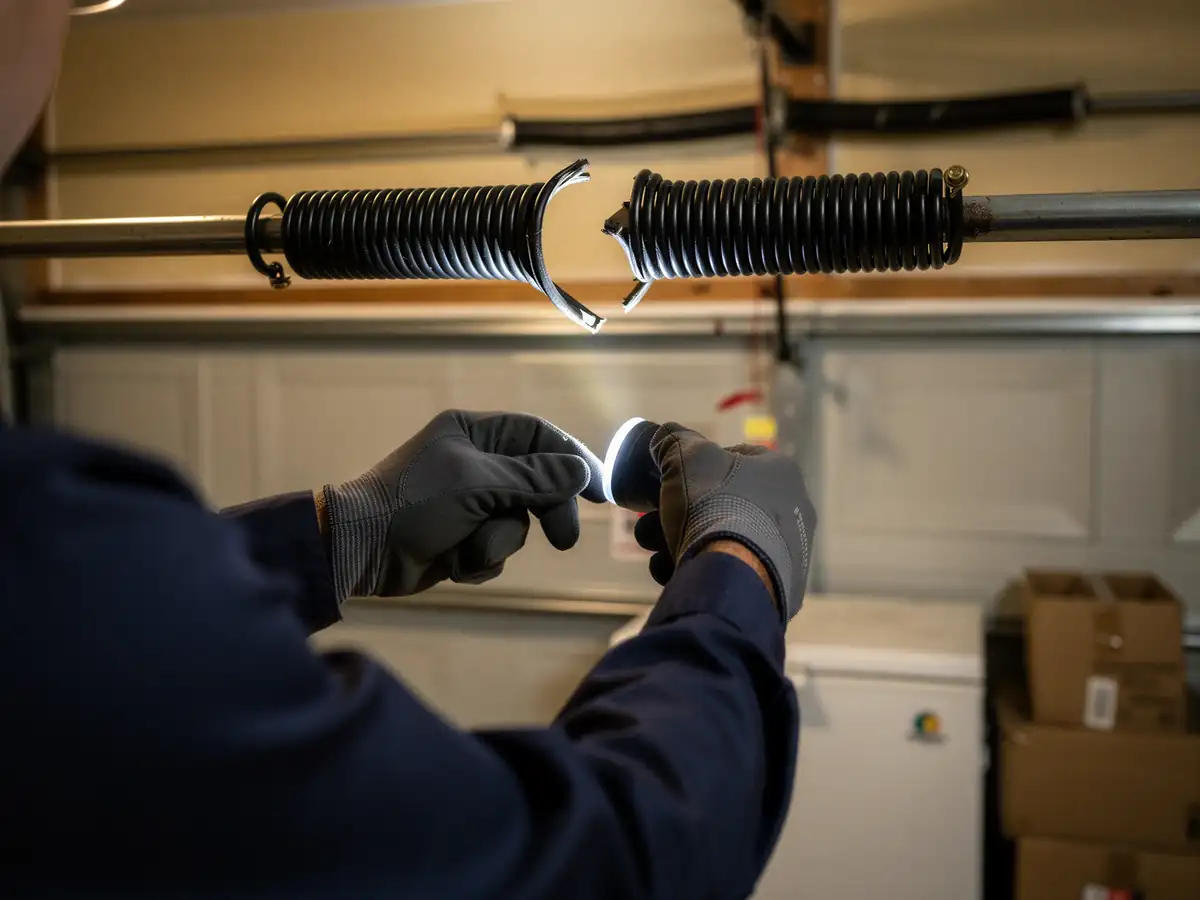
Waltham sits in a severe cold climate band, and that's the part most maintenance guides skip. Cold doesn't just make steel brittle - it changes the weight balance of the door itself. A torsion spring calibrated for a door at 55 degrees behaves differently at 15 degrees, which is why winter is when borderline springs finally snap and openers that have been straining quietly all year finally give out. Combine that with housing built mostly between the late 1930s and early 1990s, median 1966, and you've got a lot of doors running original or first-generation replacement hardware that was never designed with fifty-plus years of seasonal swing in mind. Across the broader service area - 243,594 owner-occupied houses among 540,338 households - this pattern repeats block by block wherever the build era lines up. It's not that Waltham homeowners neglect their doors. It's that the hardware and the weather are both working against the same aging parts at the same time.
How We Fix It
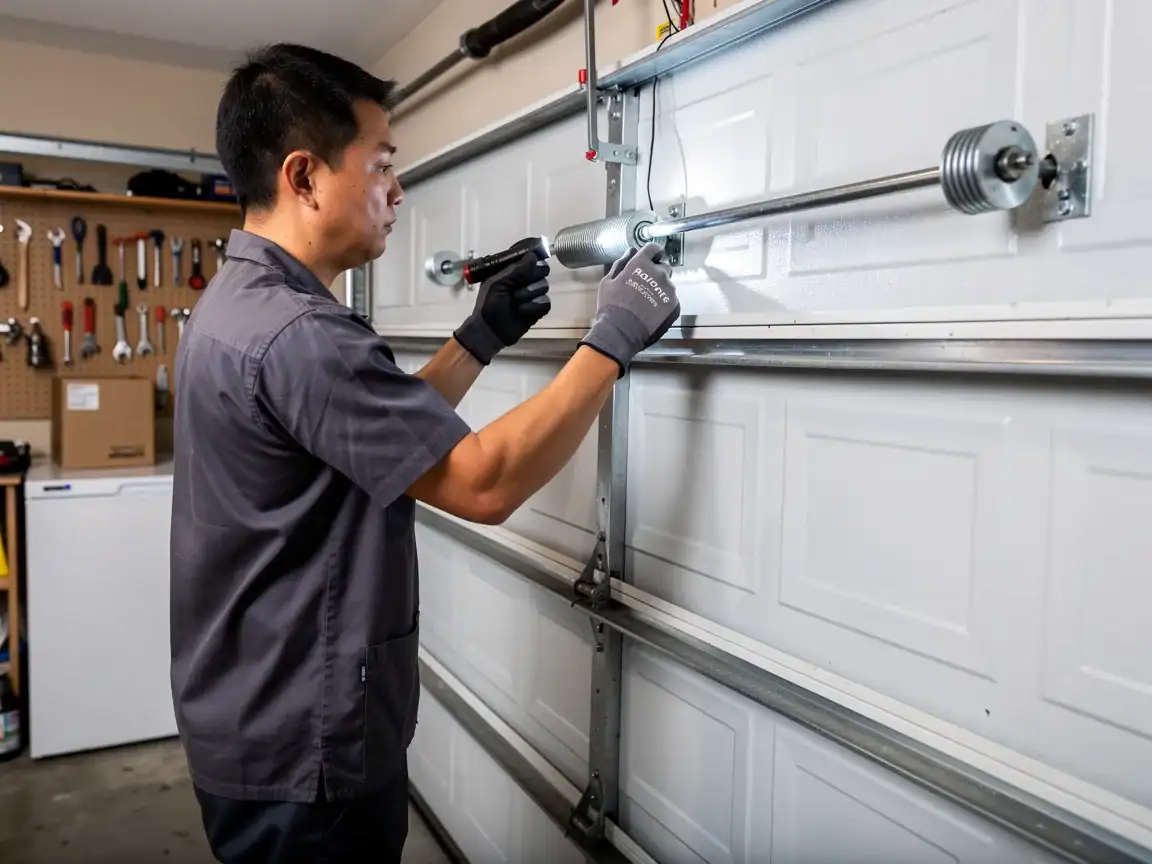
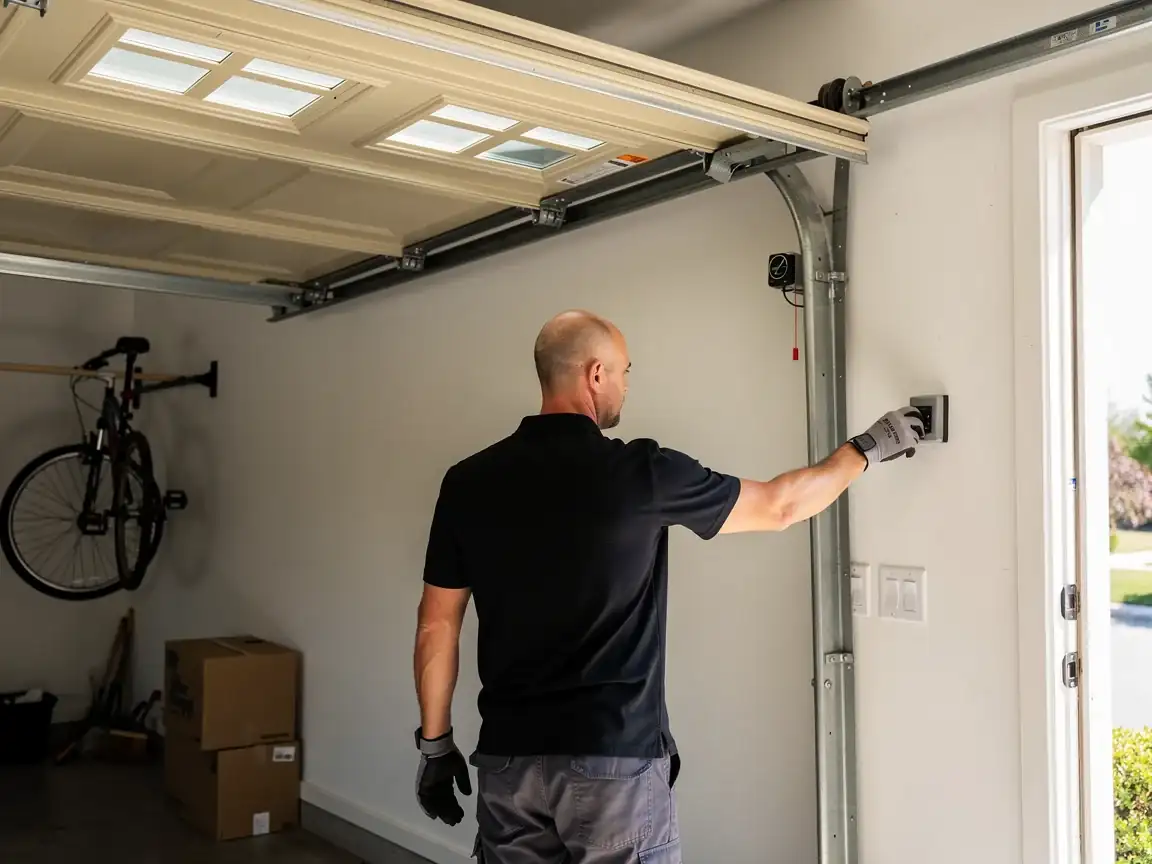
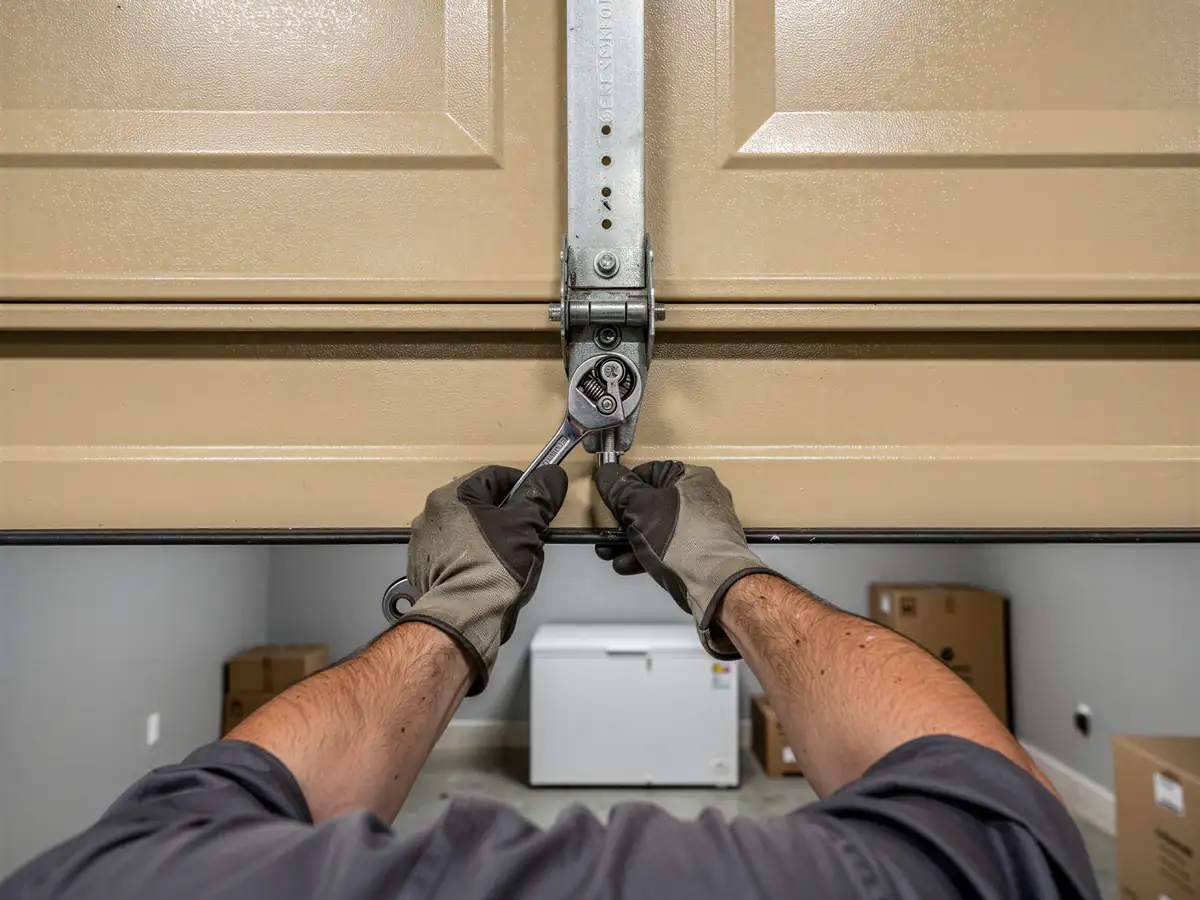
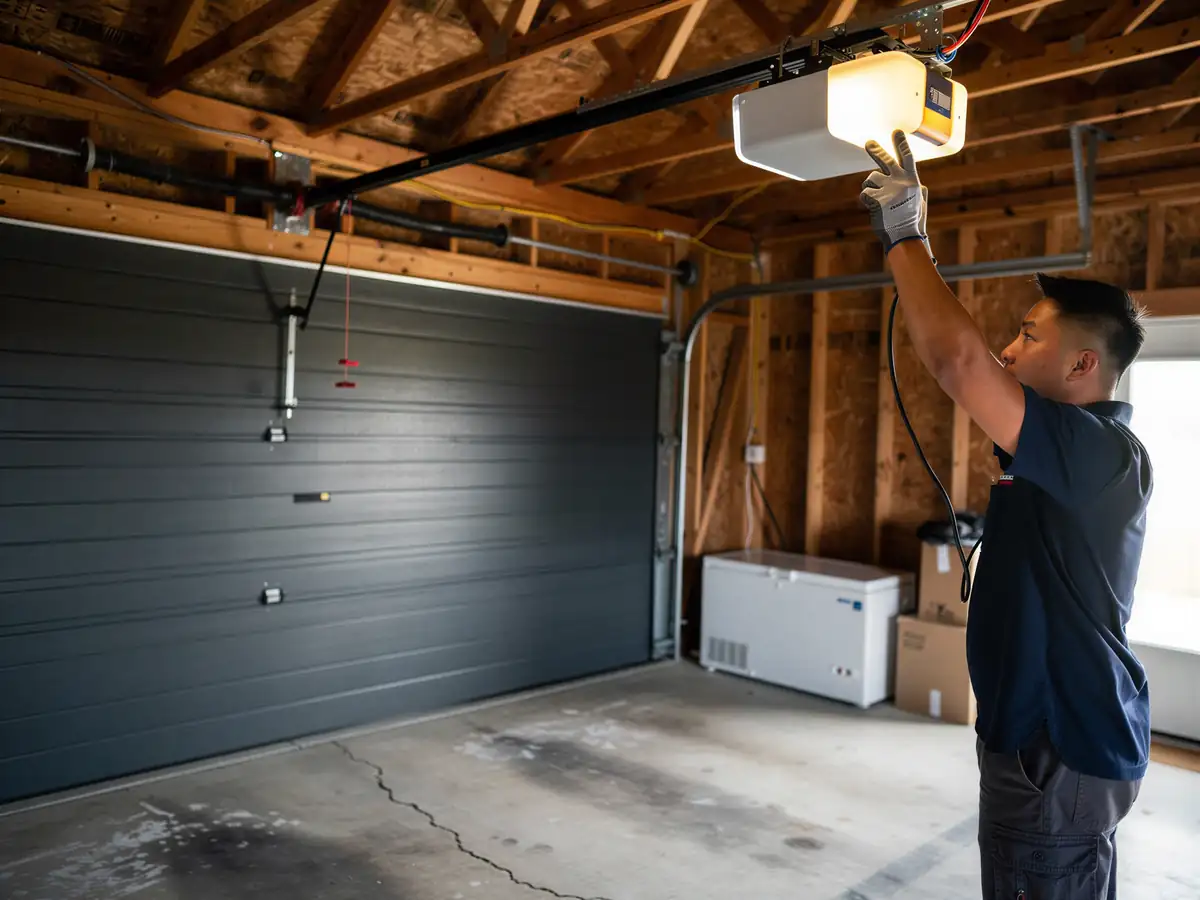
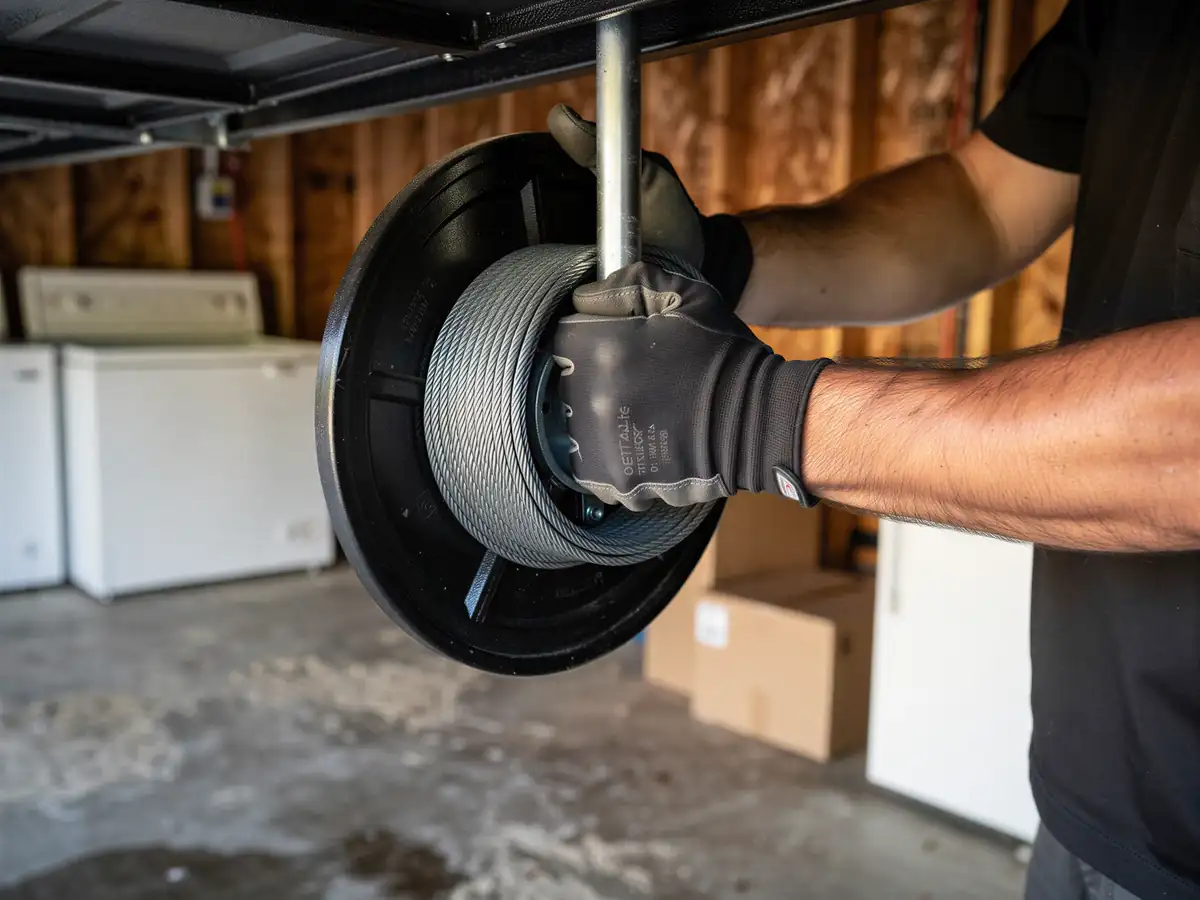
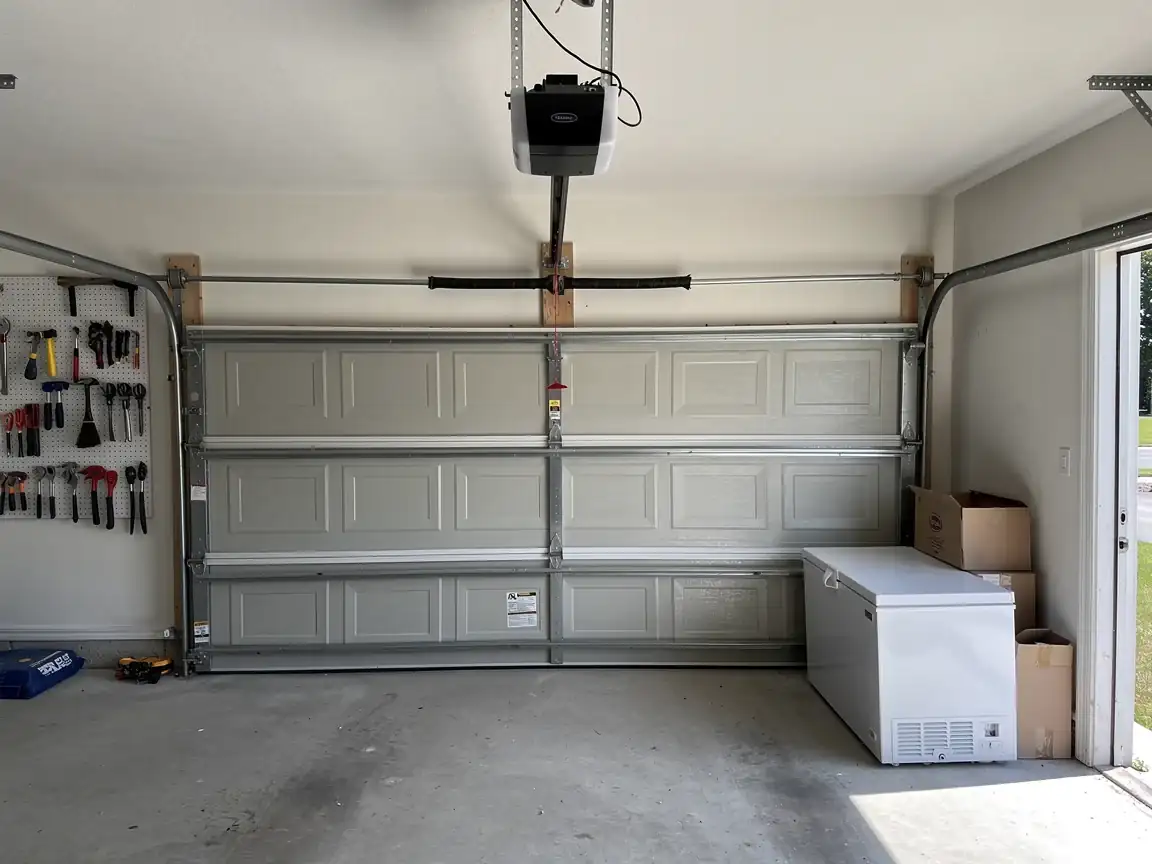
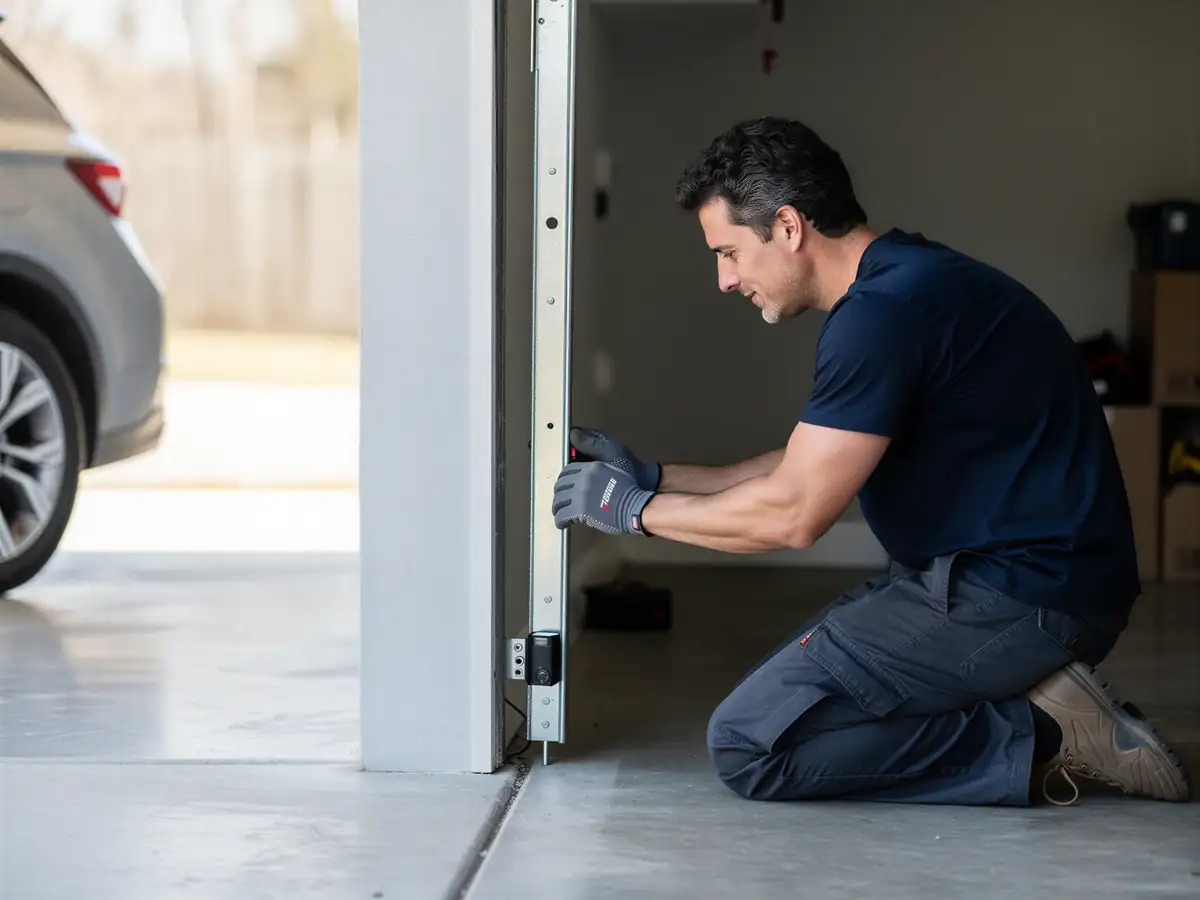
A maintenance visit starts with the spring, since that's what fails hardest and fastest in cold weather. We check wind count and wire gauge against the door weight, not just visually inspect it, because a spring that looks fine can be a season away from snapping. From there we go through rollers, hinges, and track alignment, lubricate what needs it, and tighten the hardware that's walked loose from years of vibration. We test the opener's force settings, since a door that's gotten heavier with age - swollen wood panels, added insulation, a sagging section - will make the opener work harder than it should, and that's what burns out gears and belts early. If we find a part that's failing, we'll tell you whether it's worth repairing on an older door or whether you're better off putting that money toward a full door replacement instead. On a door from the 1960s with multiple issues, sometimes a repair postpones the real conversation rather than solving it, and we'd rather say that than sell you a patch.