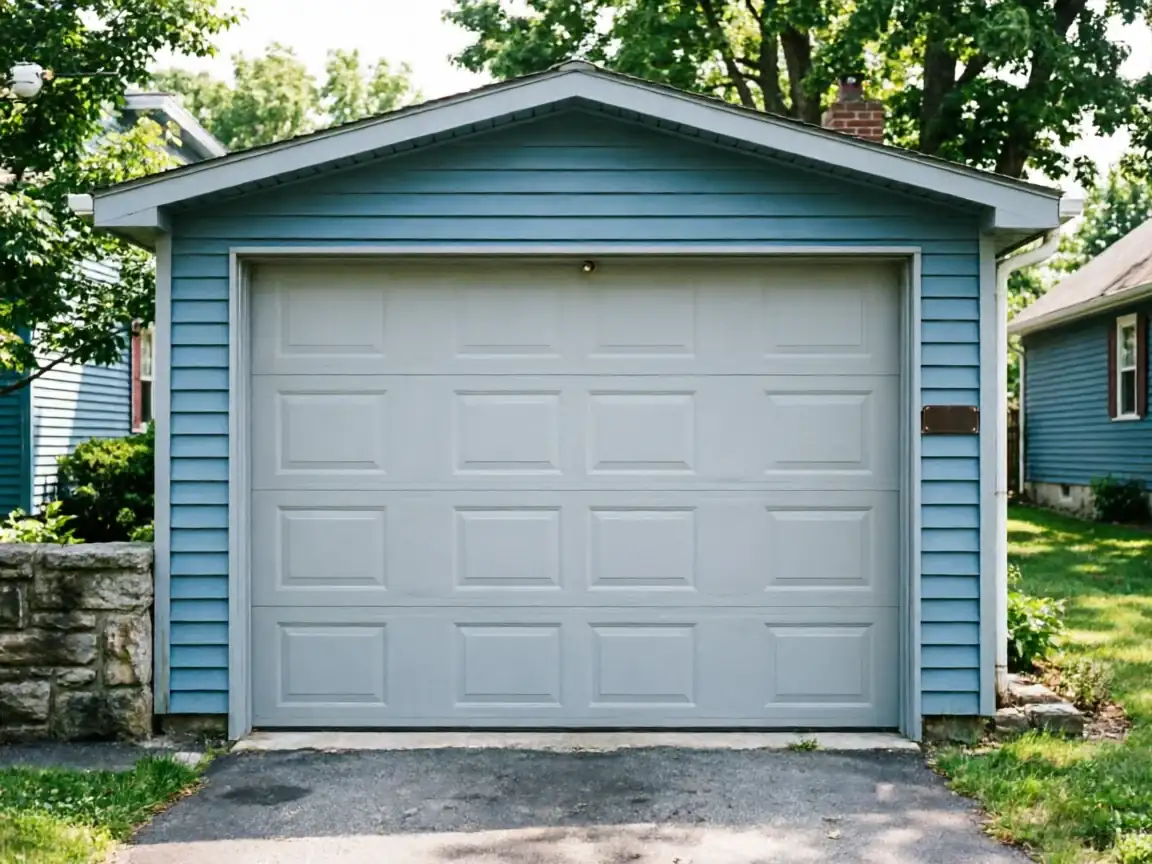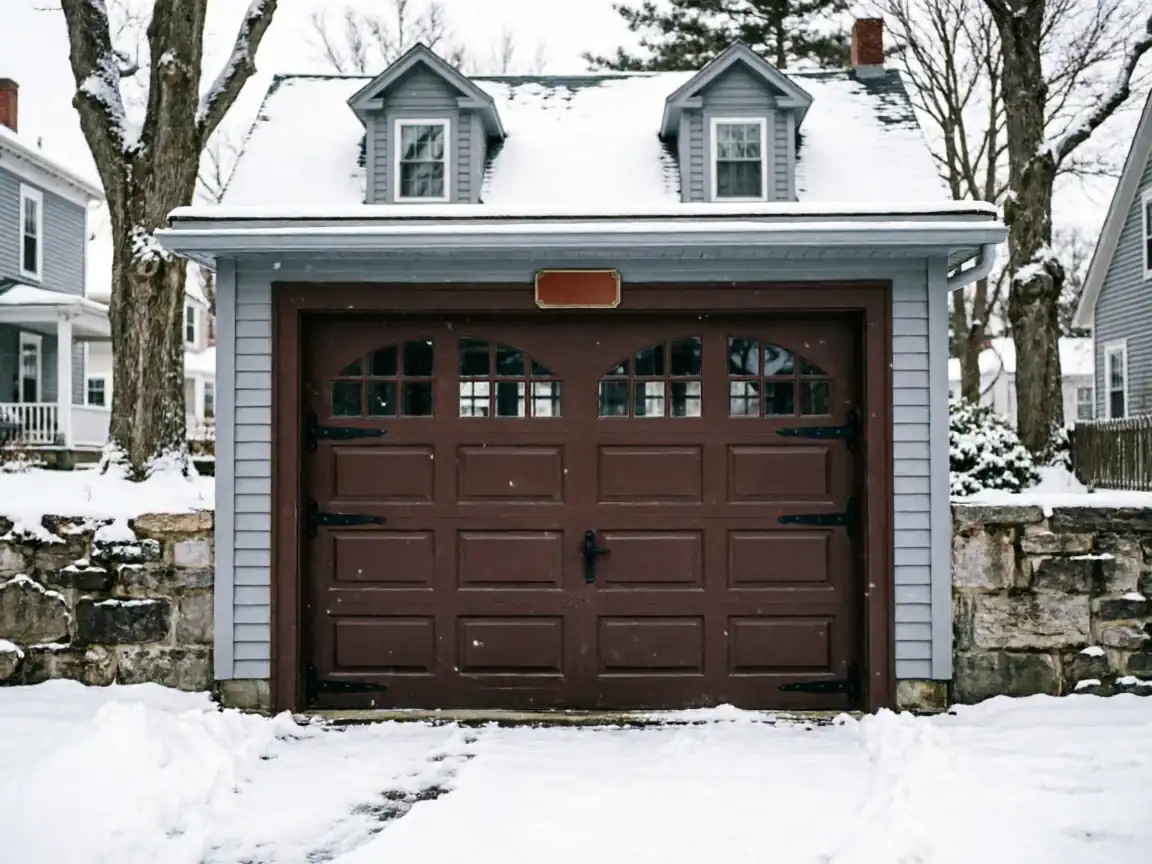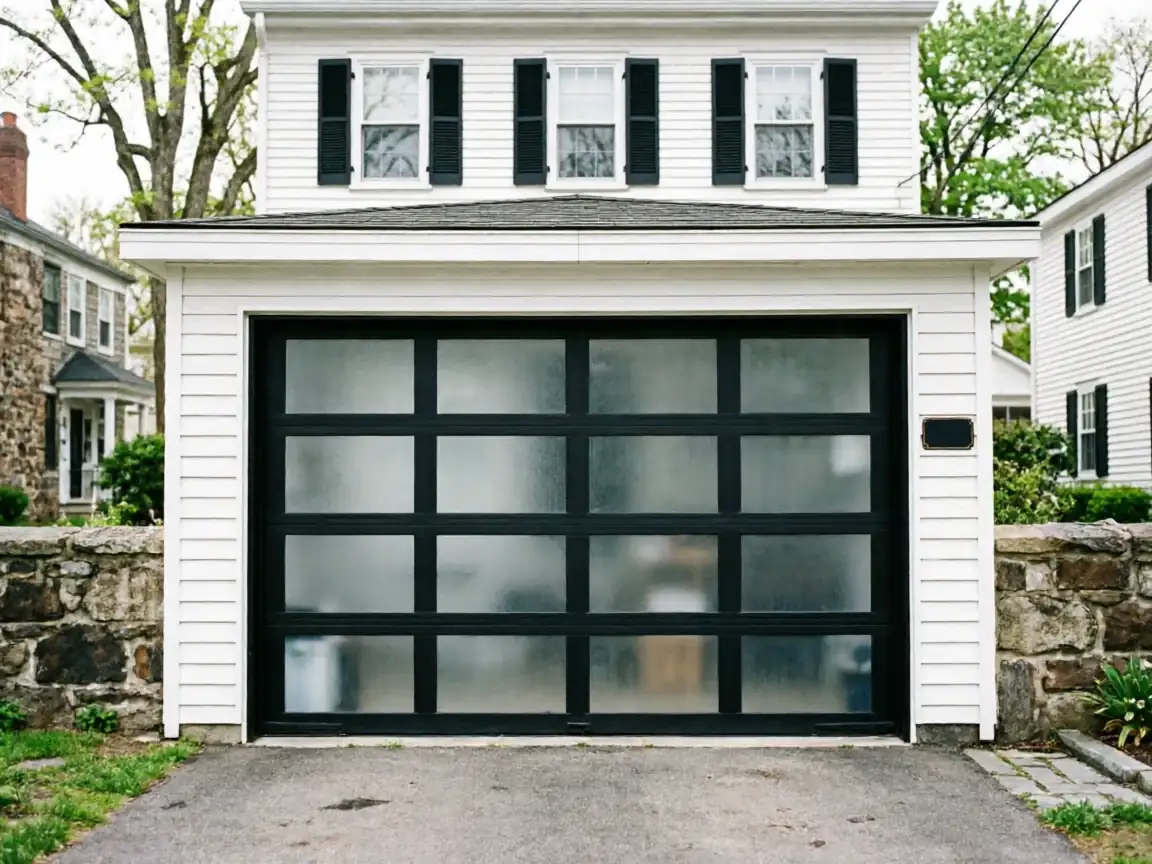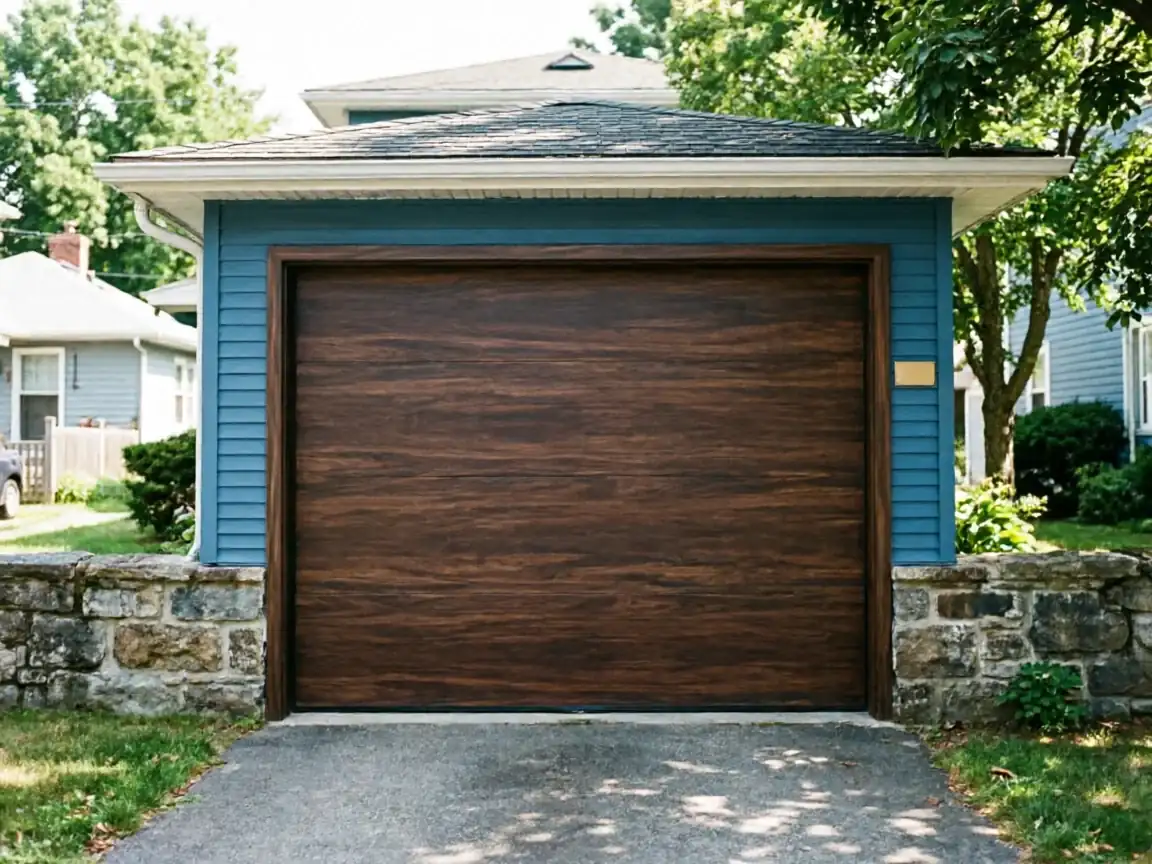
What You Are Seeing
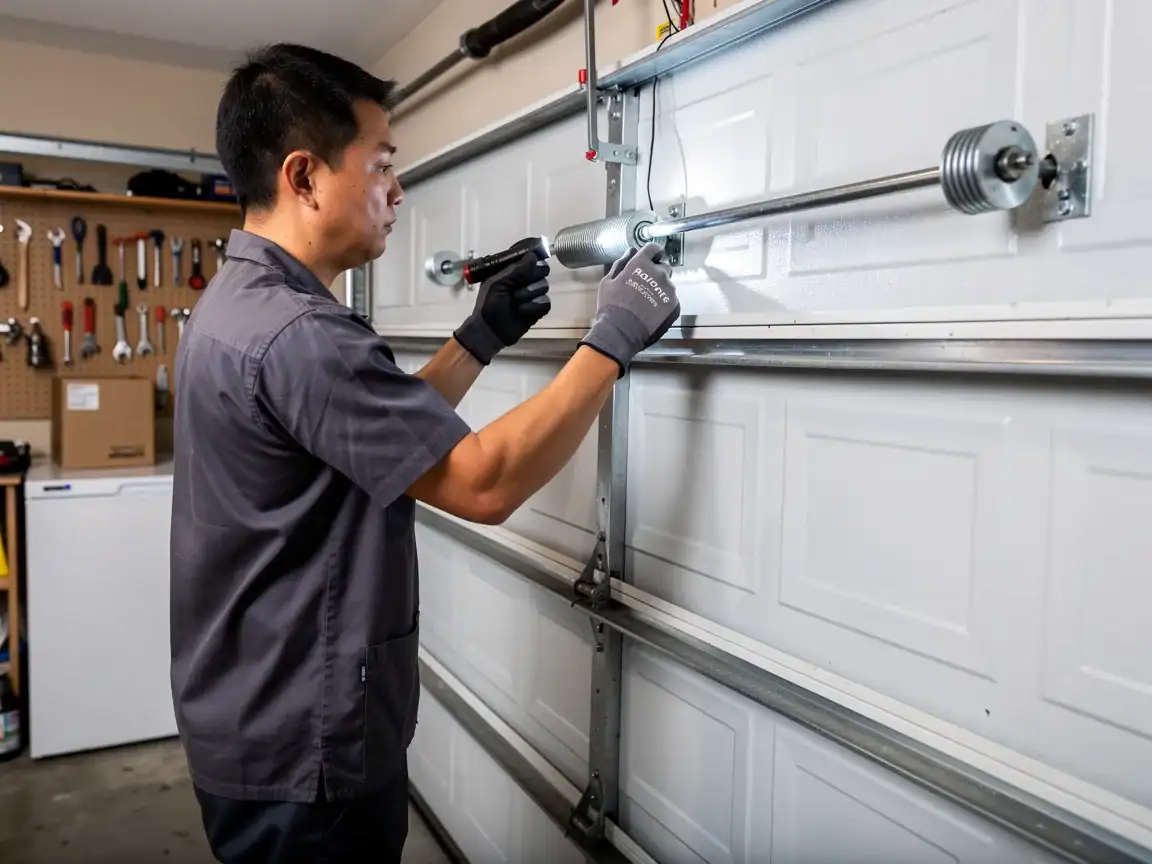
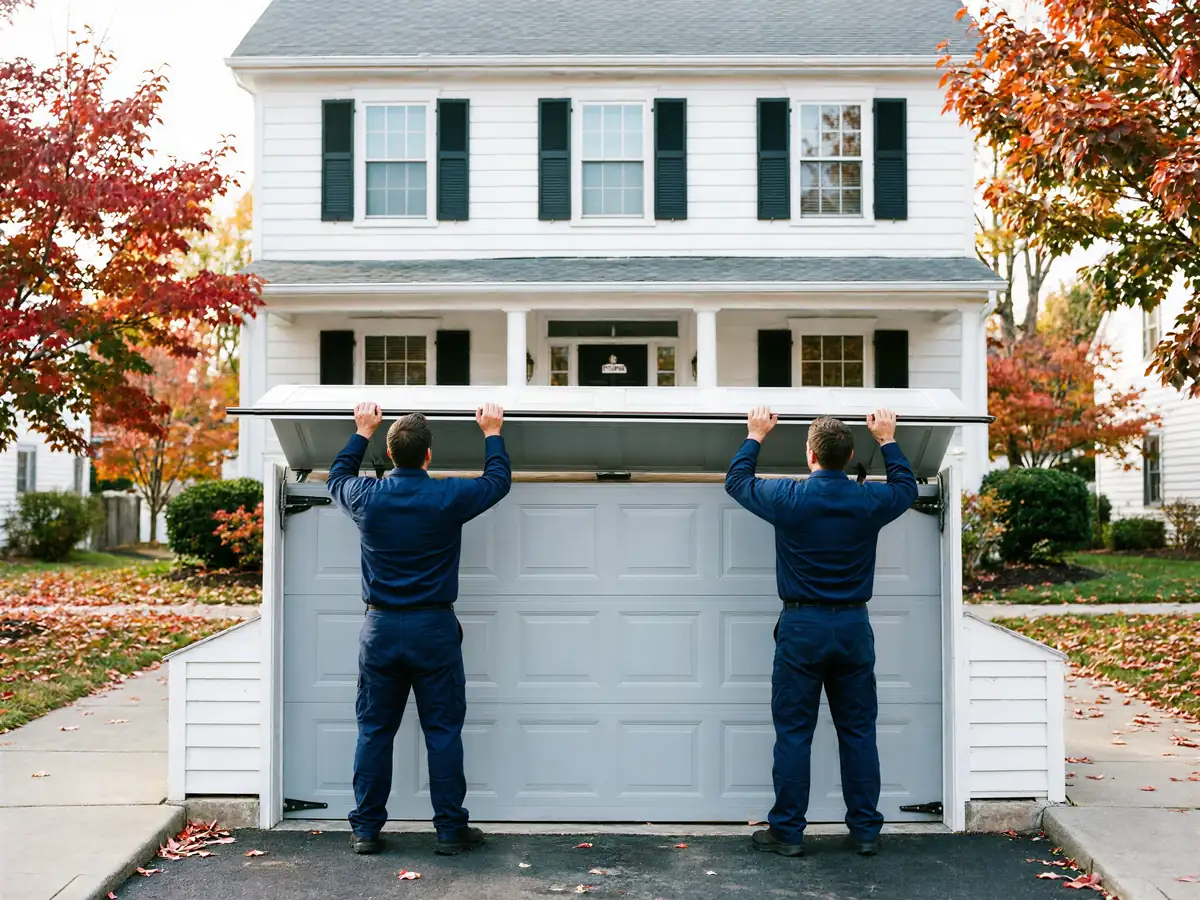
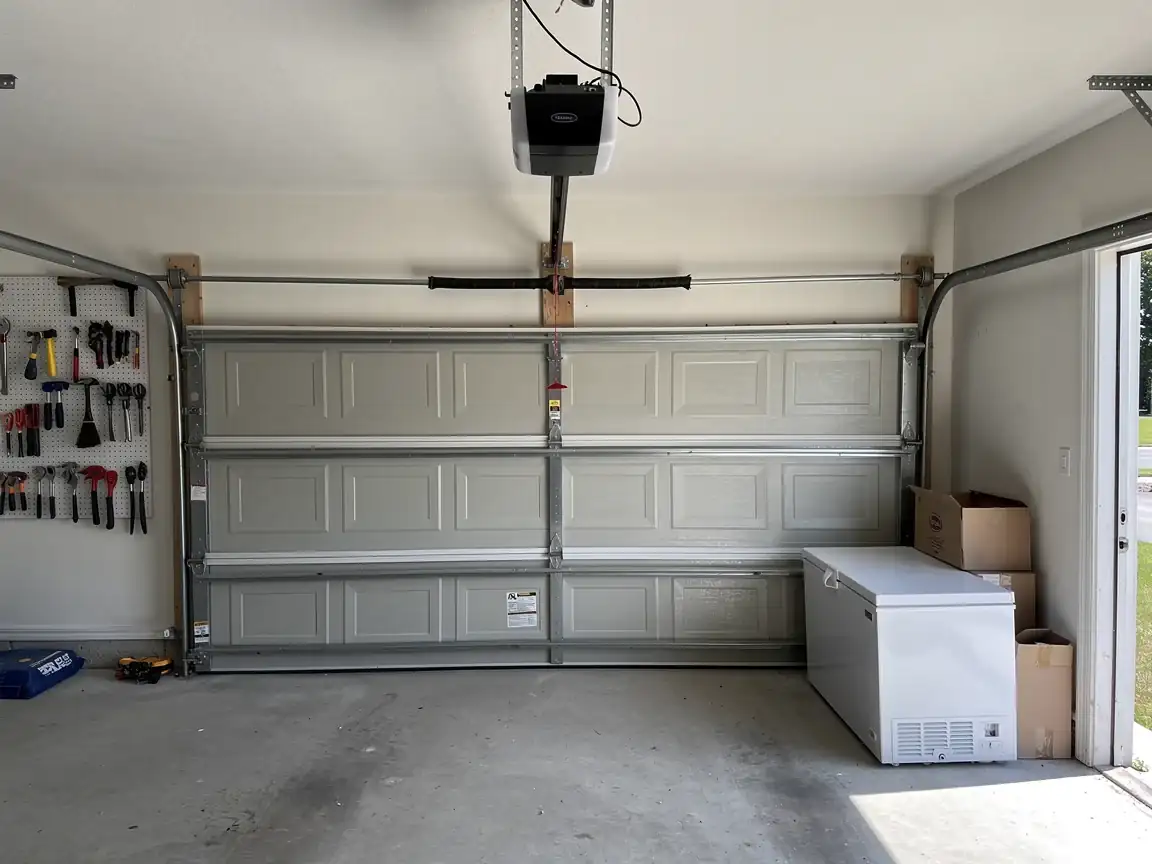
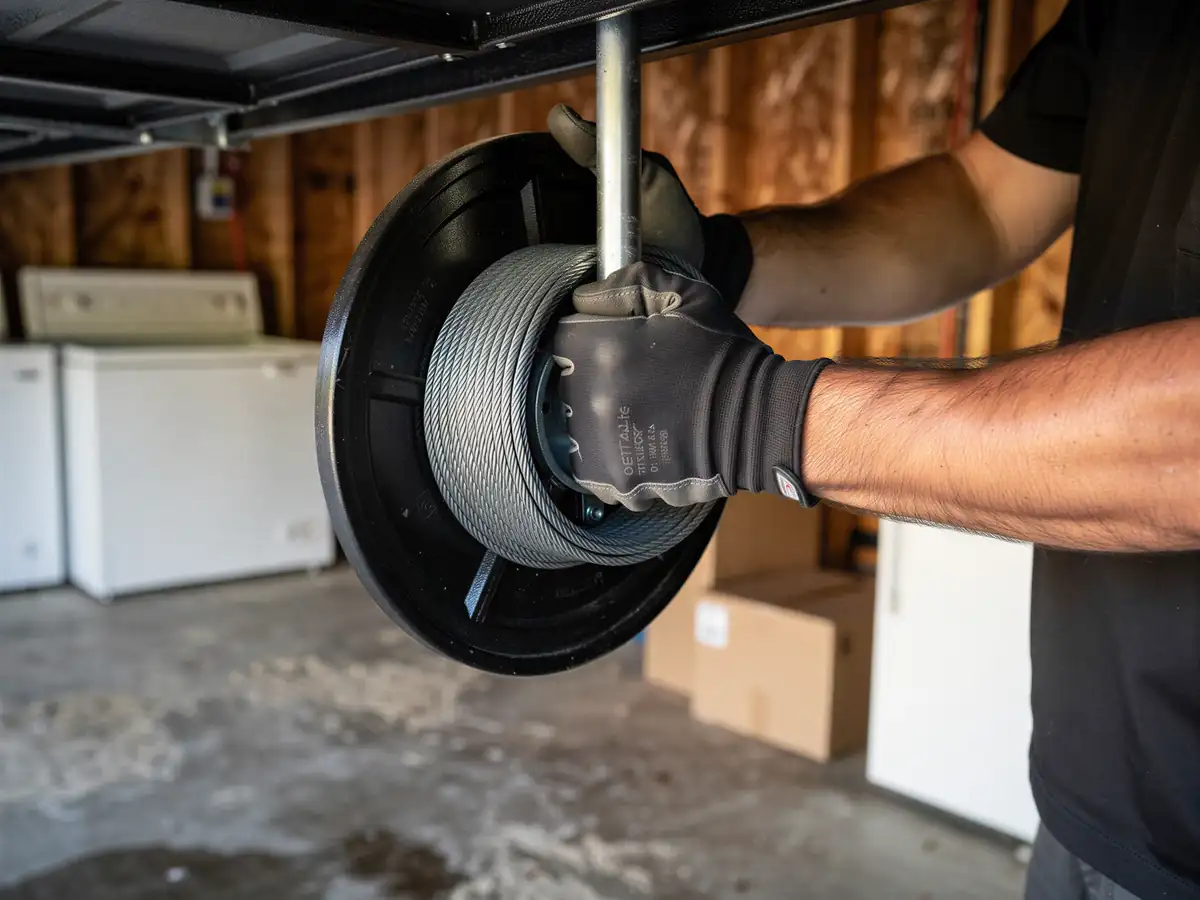
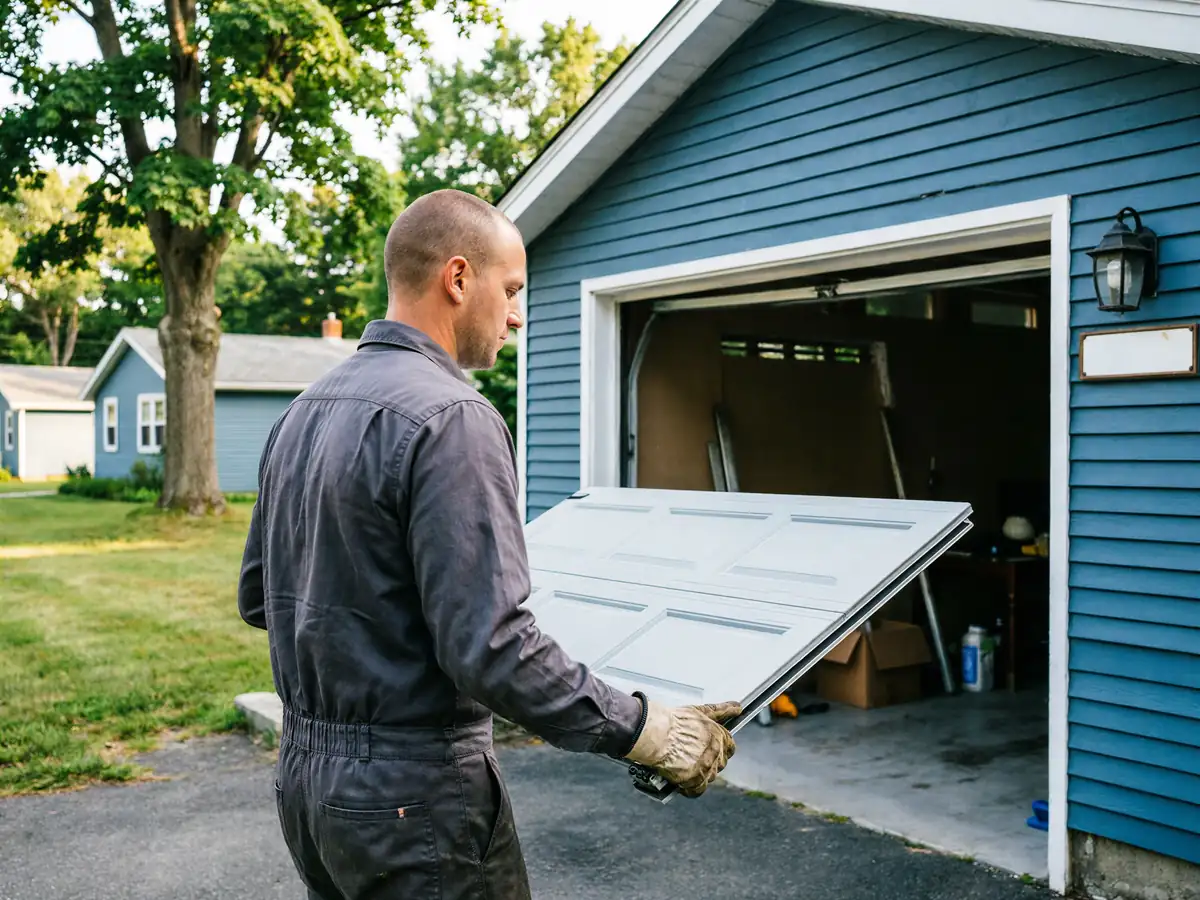
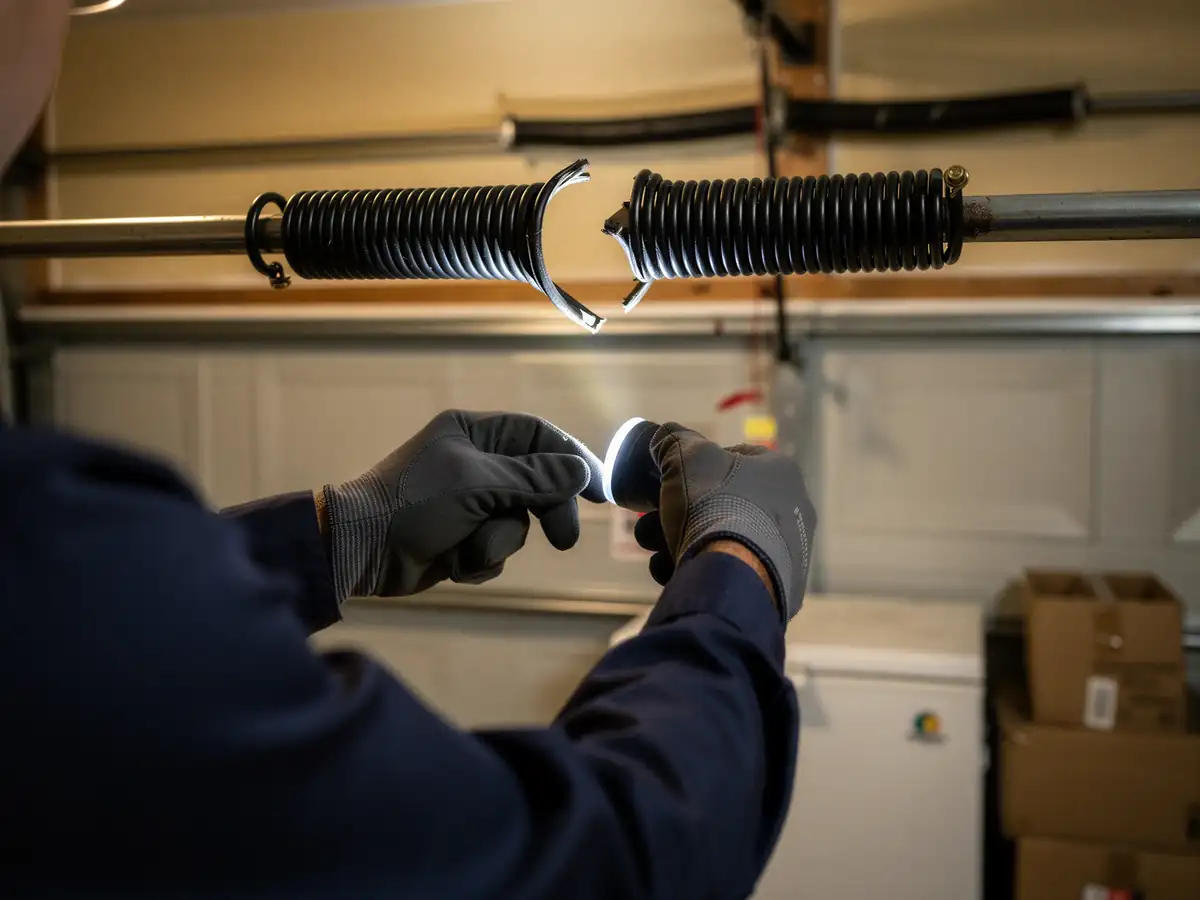
If your door won't lift, slams down the last foot of track, or the opener strains and reverses, you're probably dealing with a torsion spring that's done flexing. Waltham houses mostly went up between 1938 and 1993, with the median build year around 1966, so a lot of garages still have the original side-mounted torsion hardware from that era - not the newer center-mounted jackshaft setups you see in new construction. That old hardware doesn't fail gracefully. A cable frays on a worn drum, a roller seizes in a track that's rusted at the bottom from decades of snowmelt runoff, or a panel on a steel door develops a crack where cold has made the metal brittle. In Piety Corner and where a lot of the postwar single-family stock is concentrated, we see the same fatigue pattern on doors that have never had a spring swap since the house was built. A door that bangs or drifts closed on its own usually means a spring has lost tension gradually, not suddenly - by the time you notice, it's close to snapping.
Why It Happens Here
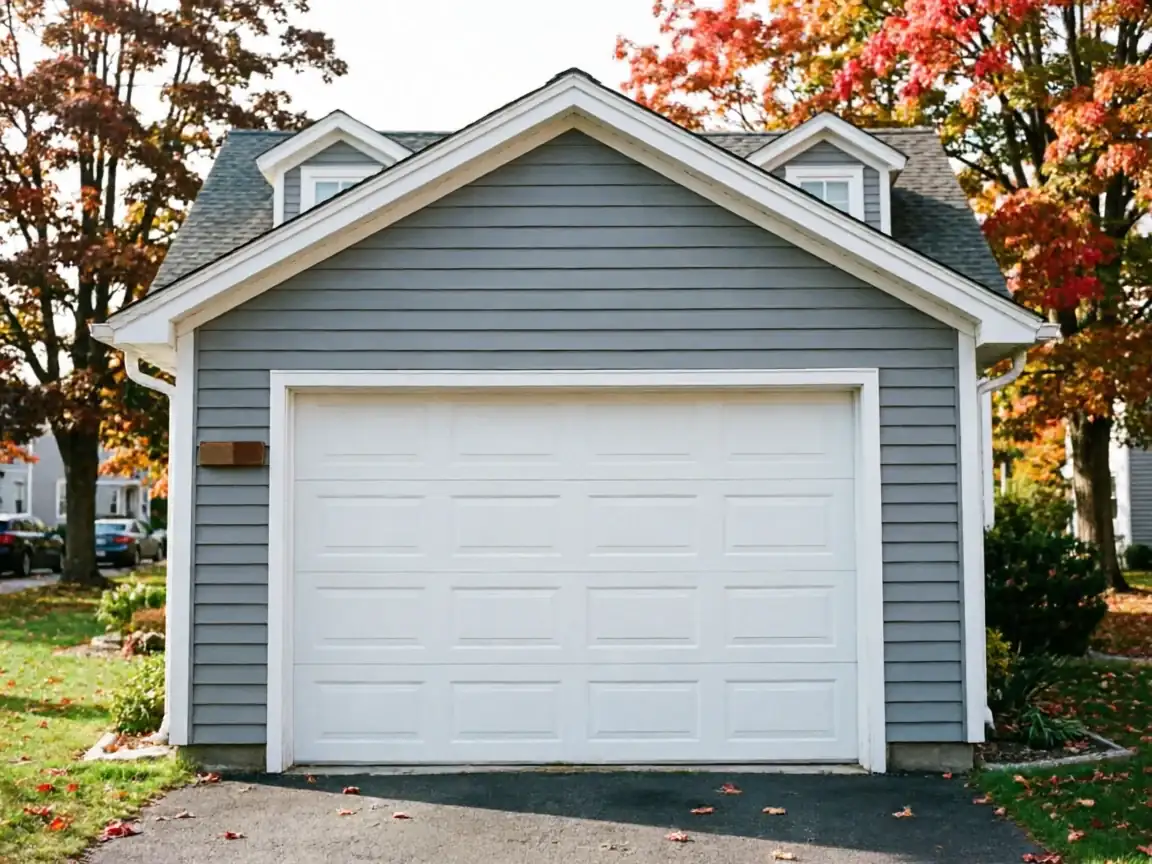
Waltham sits in a climate band that runs cold and severe through the winter months, and cold is what actually kills steel springs and cables - repeated contraction and expansion fatigues the metal faster than steady temperatures would. Combine that with housing stock where the median build year is 1966, and you get a lot of springs and cables that are original or close to it, well past the point where a torsion spring's rated cycle count has been used up. Across the 71 named areas in this part of the service territory, the pattern repeats: postwar capes and colonials with garages added or built at the same time, all carrying the same era of hardware. In the blocks around it, that means doors from the same few construction years are failing in the same few ways, almost on a schedule. It's not bad luck - it's steel that's been cycling through New England winters for fifty-plus years finally giving out.
How We Fix It
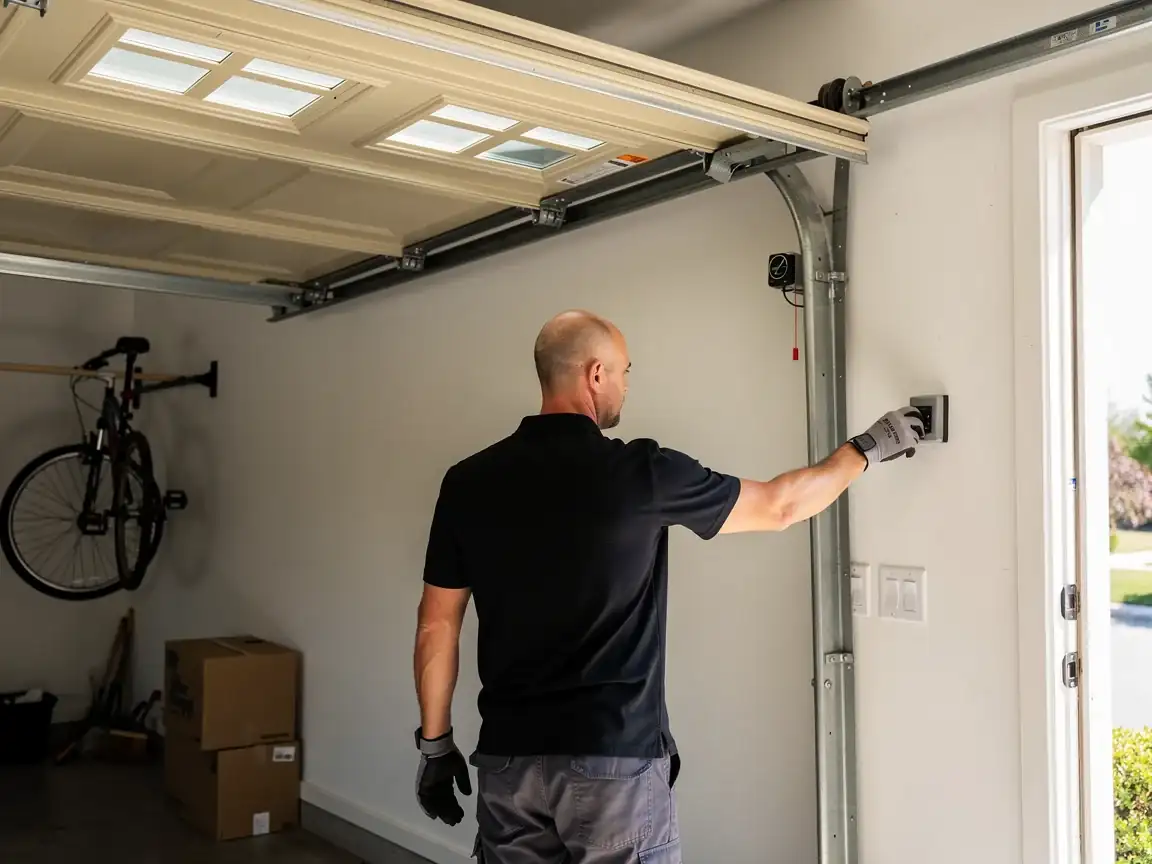
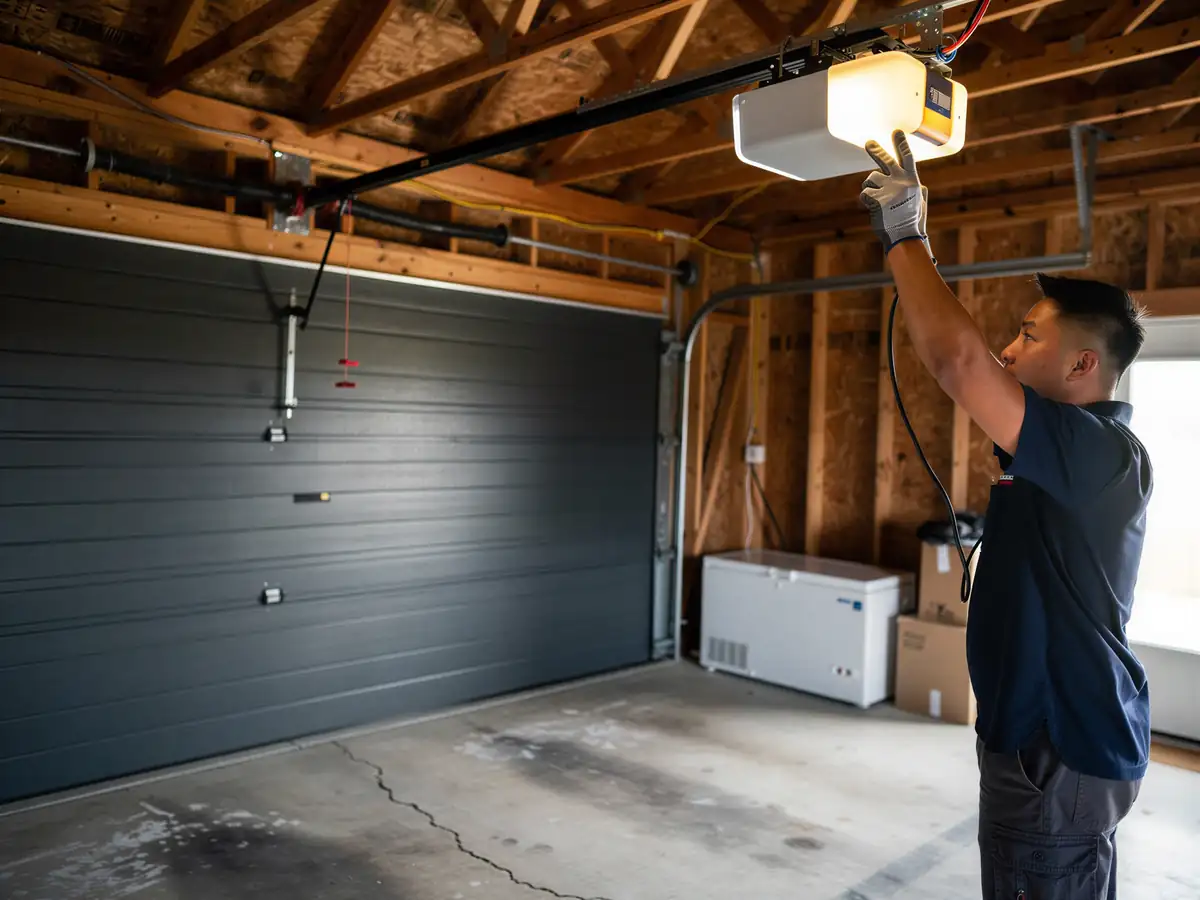
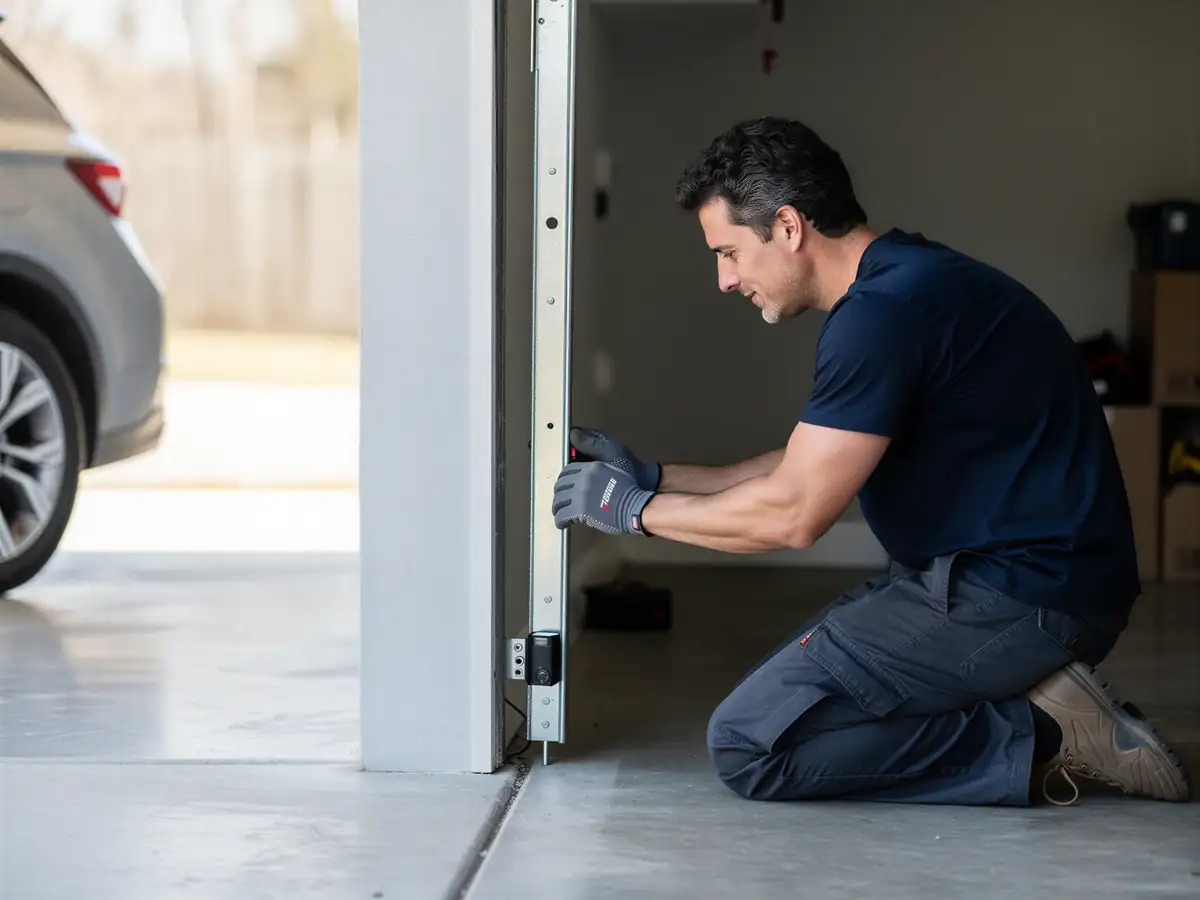
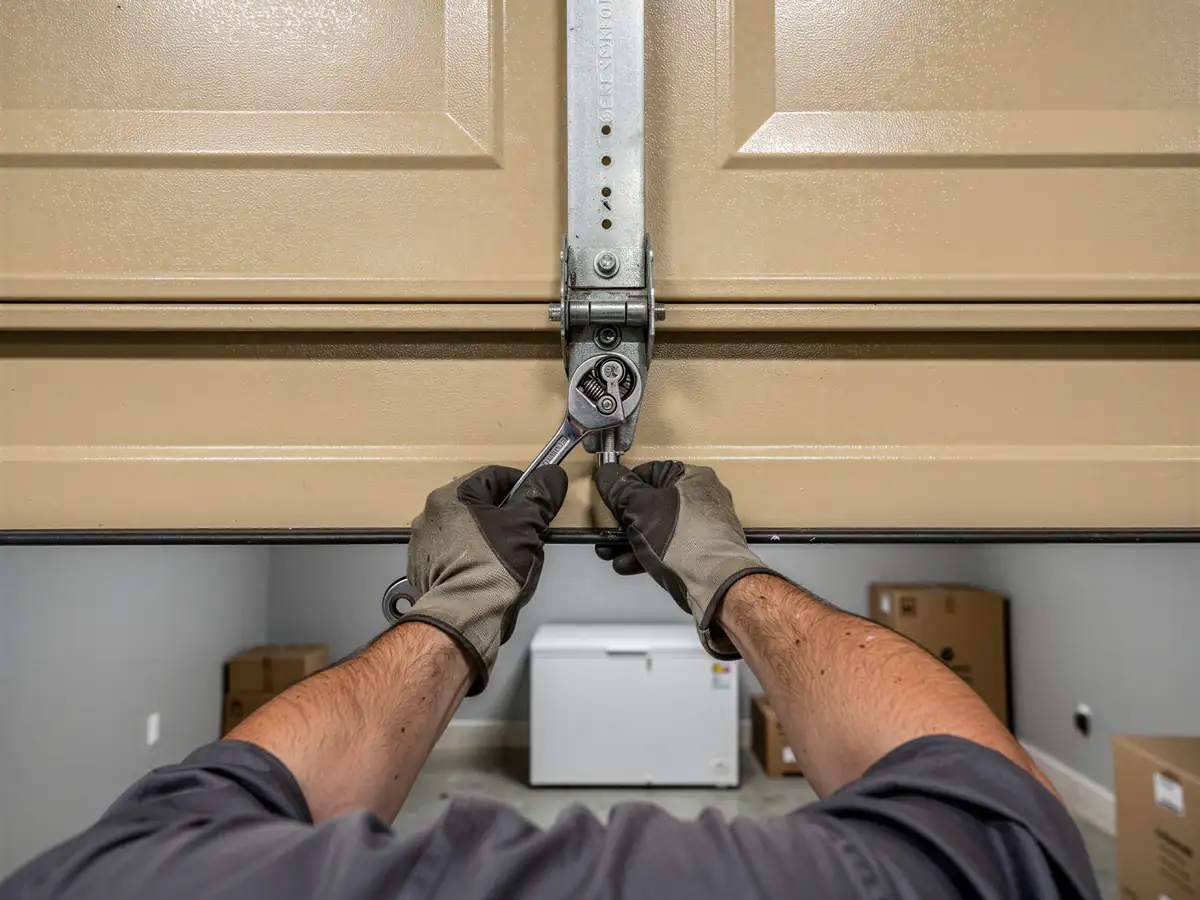
We start by checking the spring size and wind against the door weight and track type rather than assuming a generic replacement will work - on older torsion setups that's the step that gets skipped and causes a second failure within a year. If it's a spring job, we replace in pairs even if only one has broken, because the other one is on the same clock. Cables, rollers, and drums get inspected at the same time since they wear together. For openers, we check whether the issue is the unit itself or the door binding on a bent track, which is common once a cable has been dragging unevenly for a while. If the door and track are original to a house from the 1938-1993 building era and the frame has shifted or rusted, a straight repair sometimes isn't worth it compared to replacing the section - we'll say so instead of patching something that'll be back in six months. Most repair work on a jammed or dropped door gets done the same visit once we've got eyes on the hardware.