What Is Going On
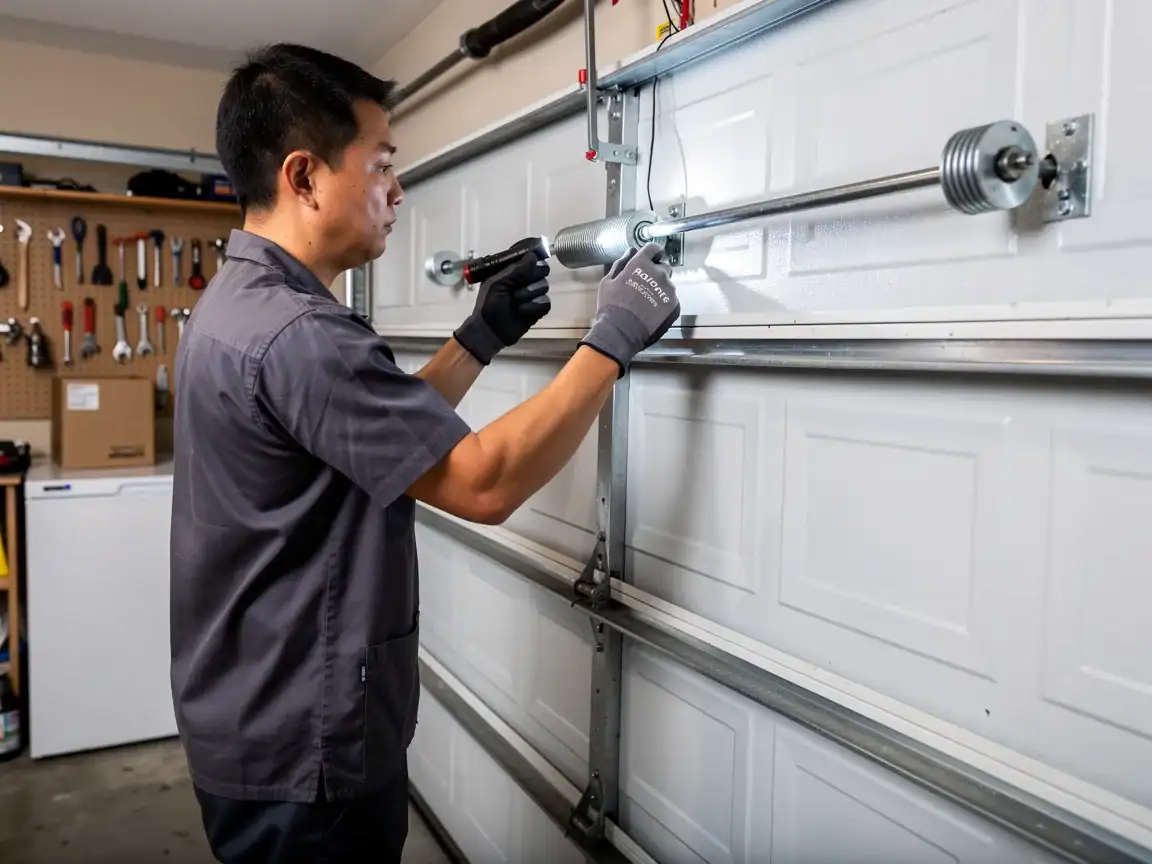
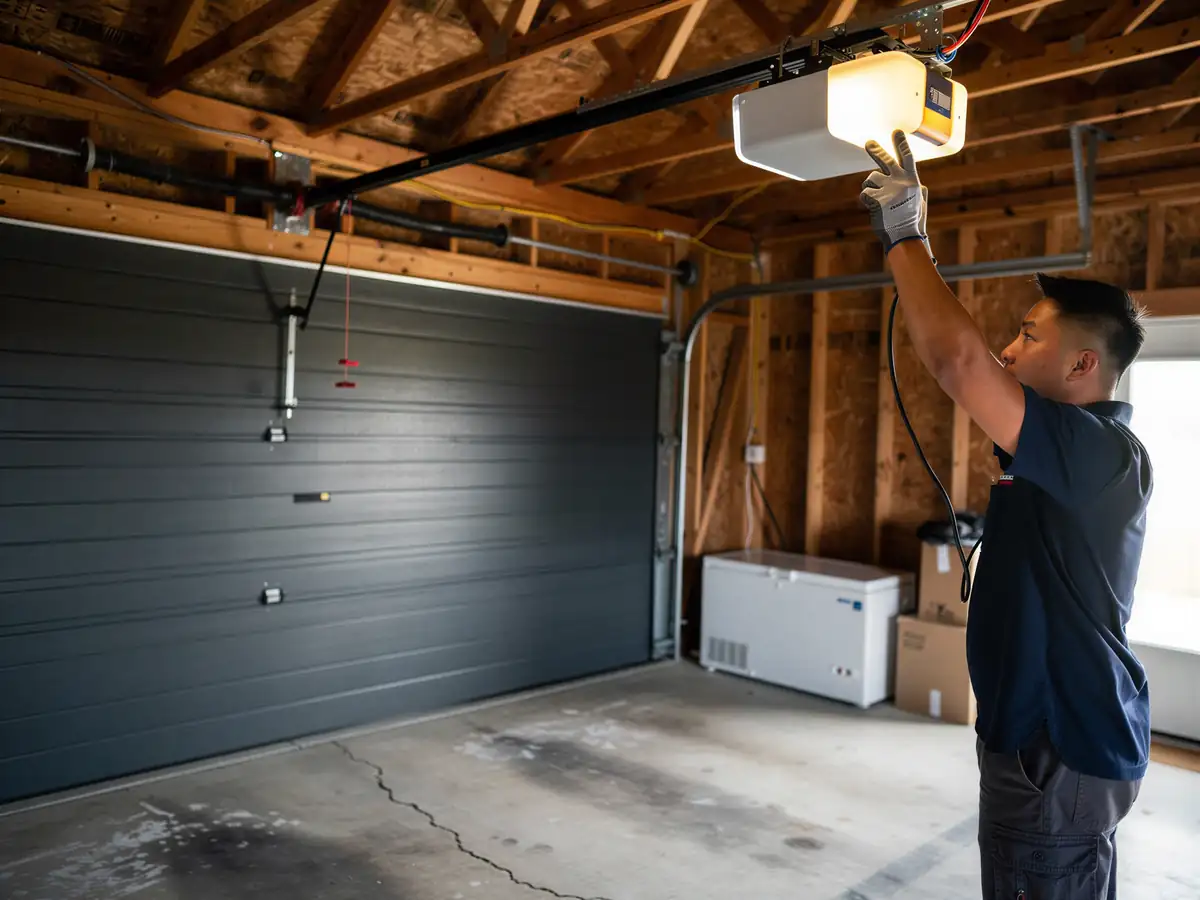
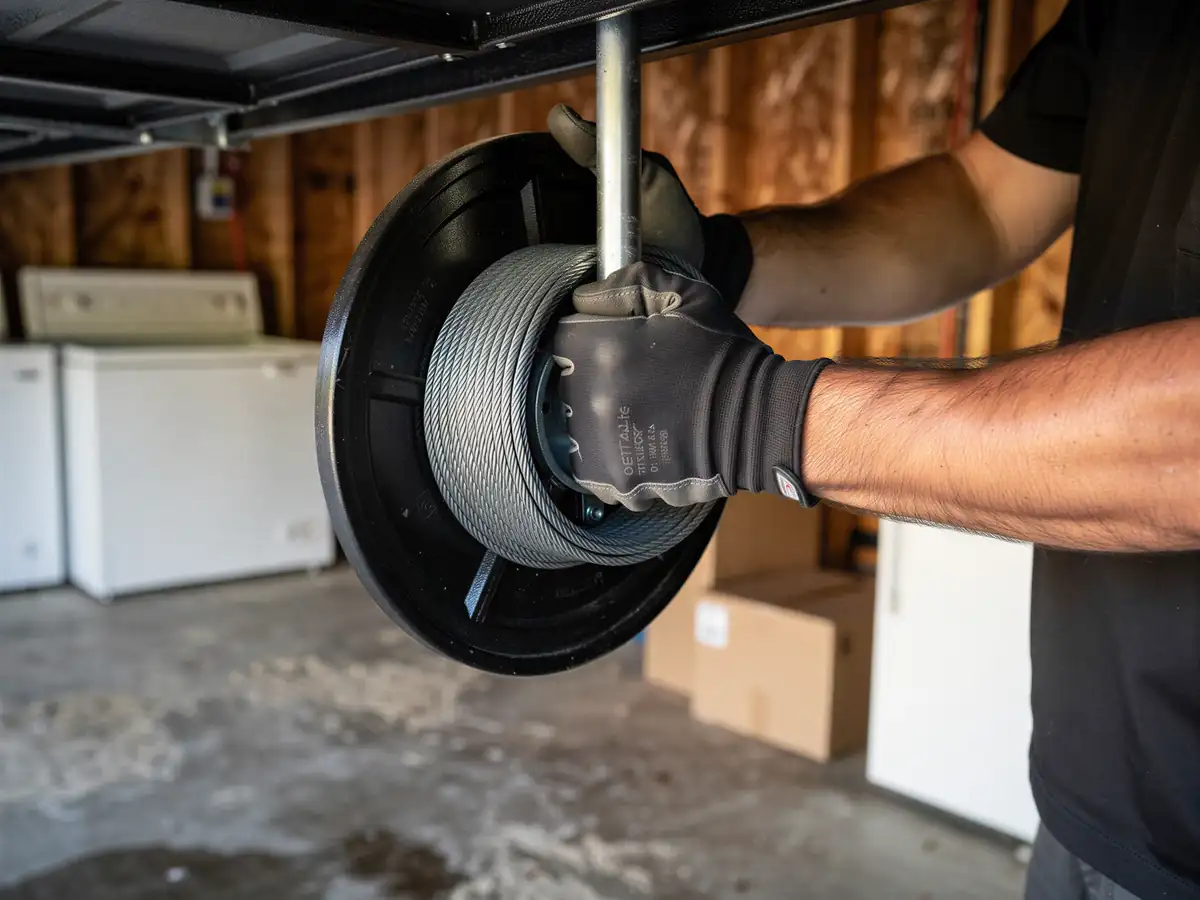
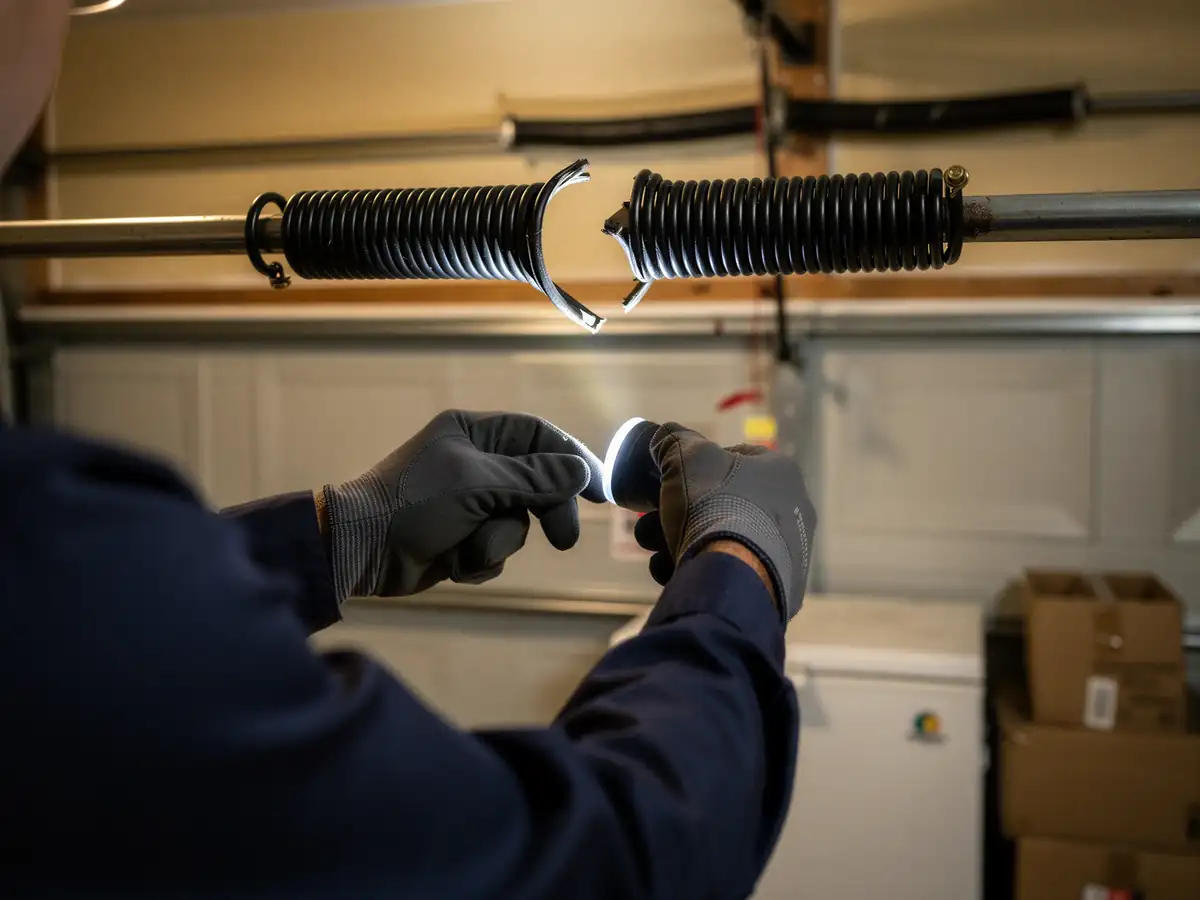
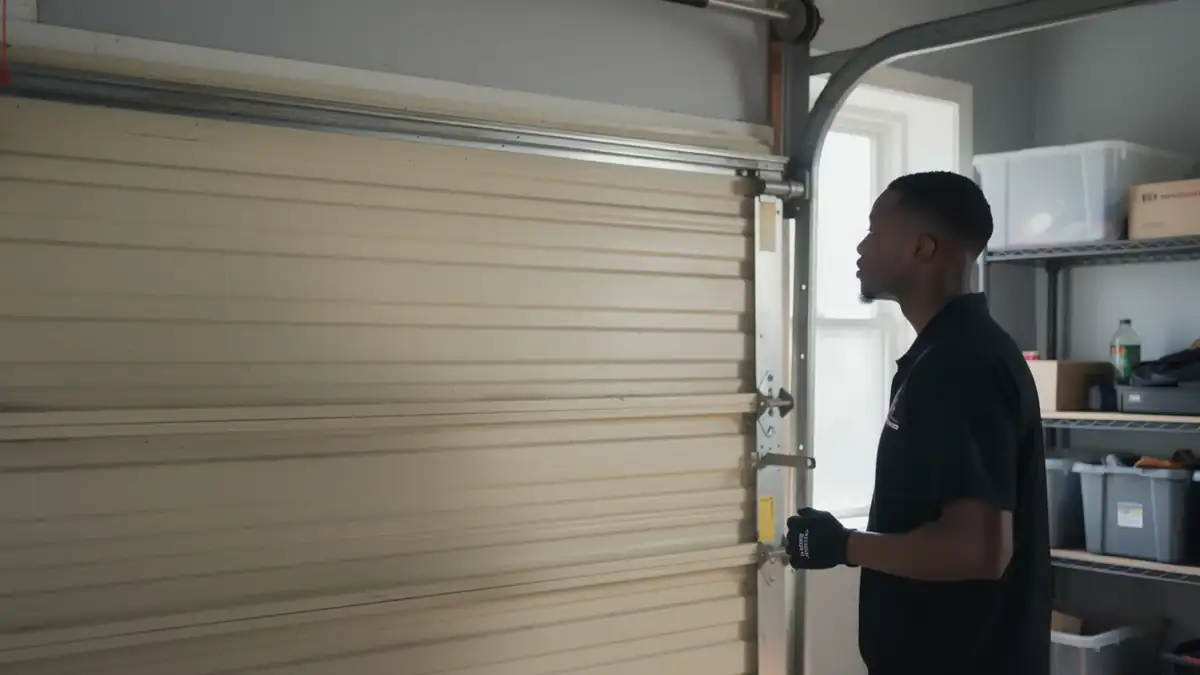
Most of the houses we get called to in Waltham went up between 1938 and 1993, with the bulk from the 1960s and '70s - that's F1 and F2 territory, and it shows in the doors. A grinding sound usually means a roller that's worn flat on one side, common on doors from that era that still run steel rollers in a track that's never been swapped. A sharp bang, usually right as the door opens, is almost always a torsion spring letting go - on a house built in the Piety Corner years, that spring has had decades to fatigue even if nobody's touched it. A rhythmic thump every few feet points to a bent track section or a hinge pulling loose from a panel that's taken repeated expansion and contraction. None of these noises fix themselves, and none of them get quieter with WD-40 and hope. If your door is original to a house from the 1960s build wave, the hardware inside it is original too, and original hardware wears out whether or not it's been making noise yet.
The Seasonal Bit
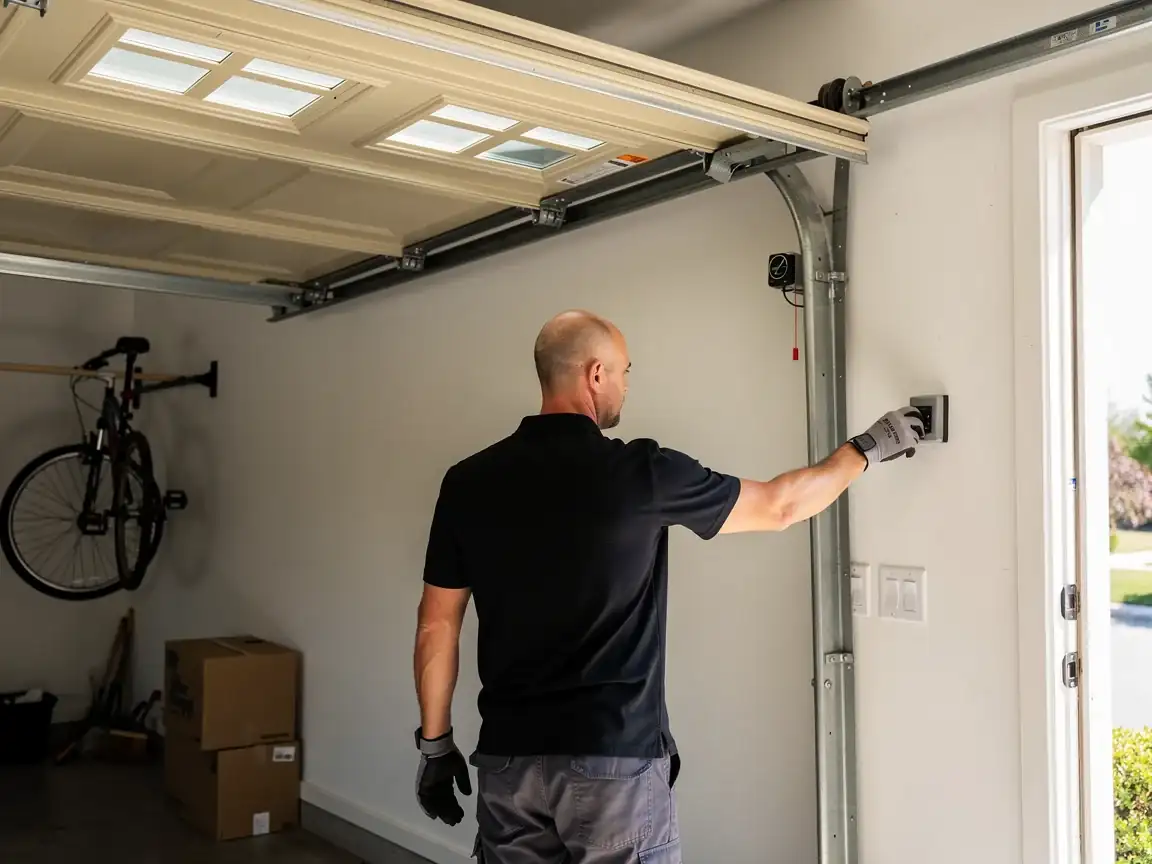
Waltham sits in a severe cold climate band, and that matters more for noise than most homeowners expect. Steel contracts in the cold, and a torsion spring that was tensioned correctly in July can sit tighter or looser come January, which is when a lot of the popping and groaning starts. Lubricant that was fine in warm months thickens up in a cold garage, so a door that ran quiet all summer can start grinding through the track the first real cold snap. If your house dates to the 1960s or '70s build wave common across this area, the hardware wasn't speced for the temperature swings we get now with modern openers pulling against it - that mismatch is where a lot of the seasonal noise complaints come from.
What the Weather Here Does to It
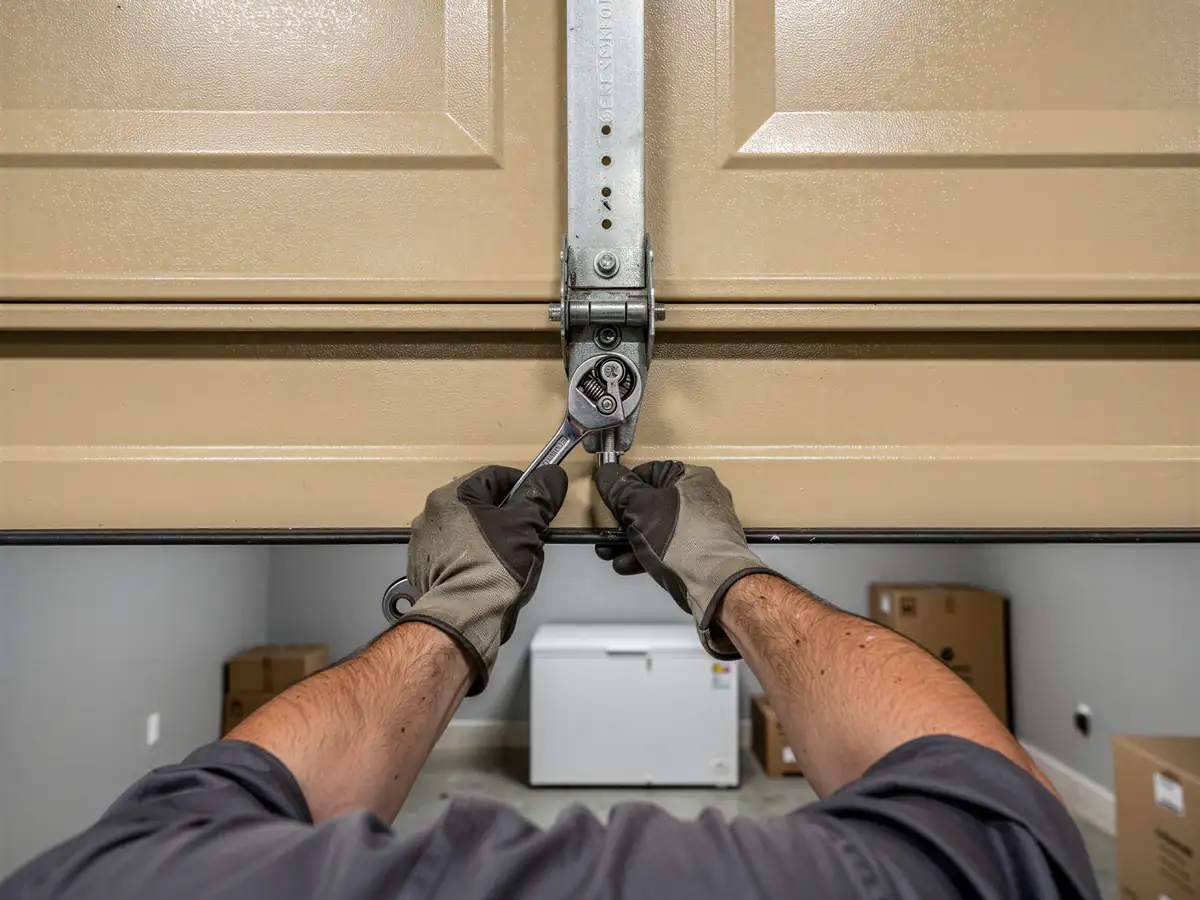
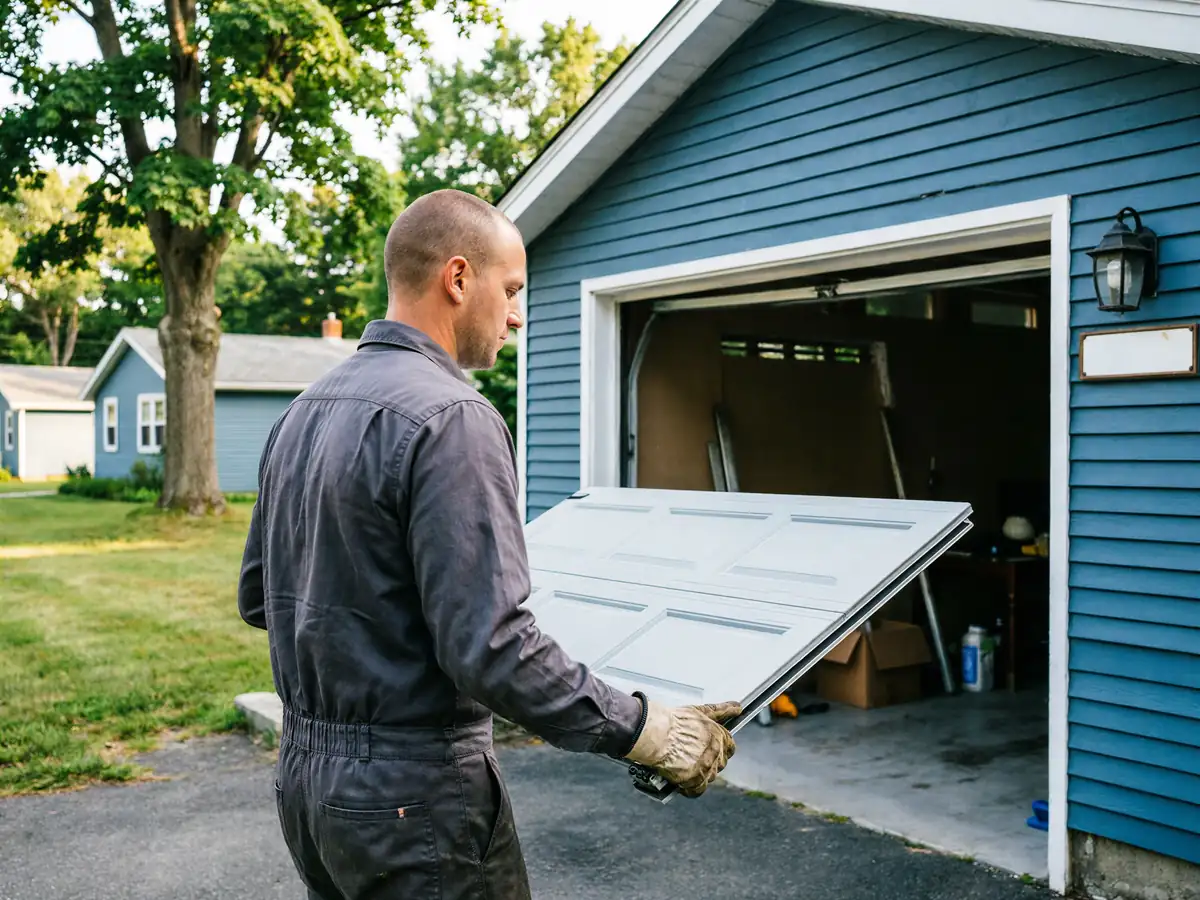
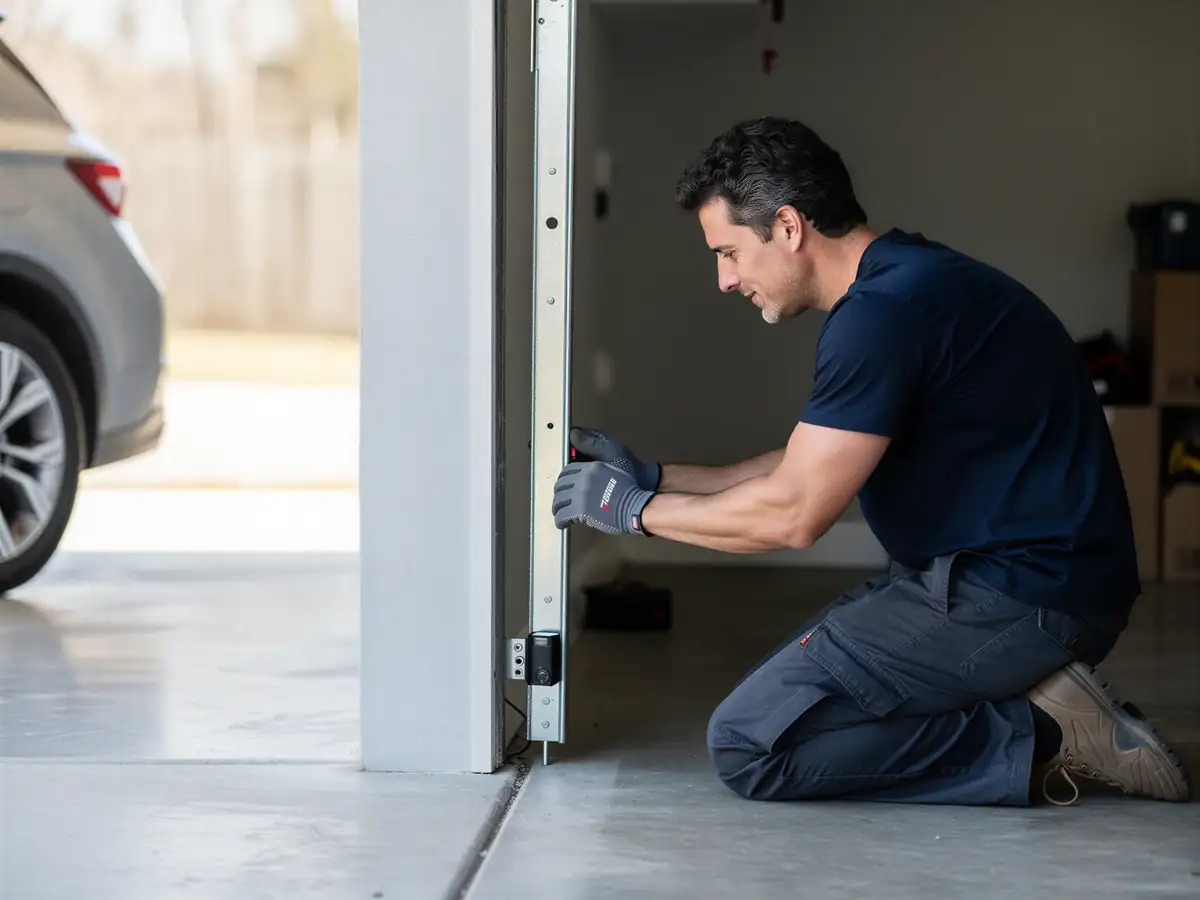
Cold-climate wear doesn't announce itself all at once - it's cumulative, and a door built for a milder era feels it first in the moving parts. Hinges and rollers on original 1960s-era doors were set with clearances that don't account for the metal shrinking in a hard winter, so you get a slightly bent track or a hinge working loose a quarter-inch at a time. That's the thump-thump-thump you hear on the way up. Panels themselves can warp slightly in houses that pre-date better-insulated garage construction, which changes how the door sits against the track and adds a scrape that wasn't there last season. None of this is dramatic on its own, but on a door that's already decades old, cold-weather stress is usually what turns a quiet worn part into a noisy failing one. If your garage faces an exposed side of the house and gets the brunt of a Waltham winter, expect the noise to show up there first.