What the Housing Means for Your Door
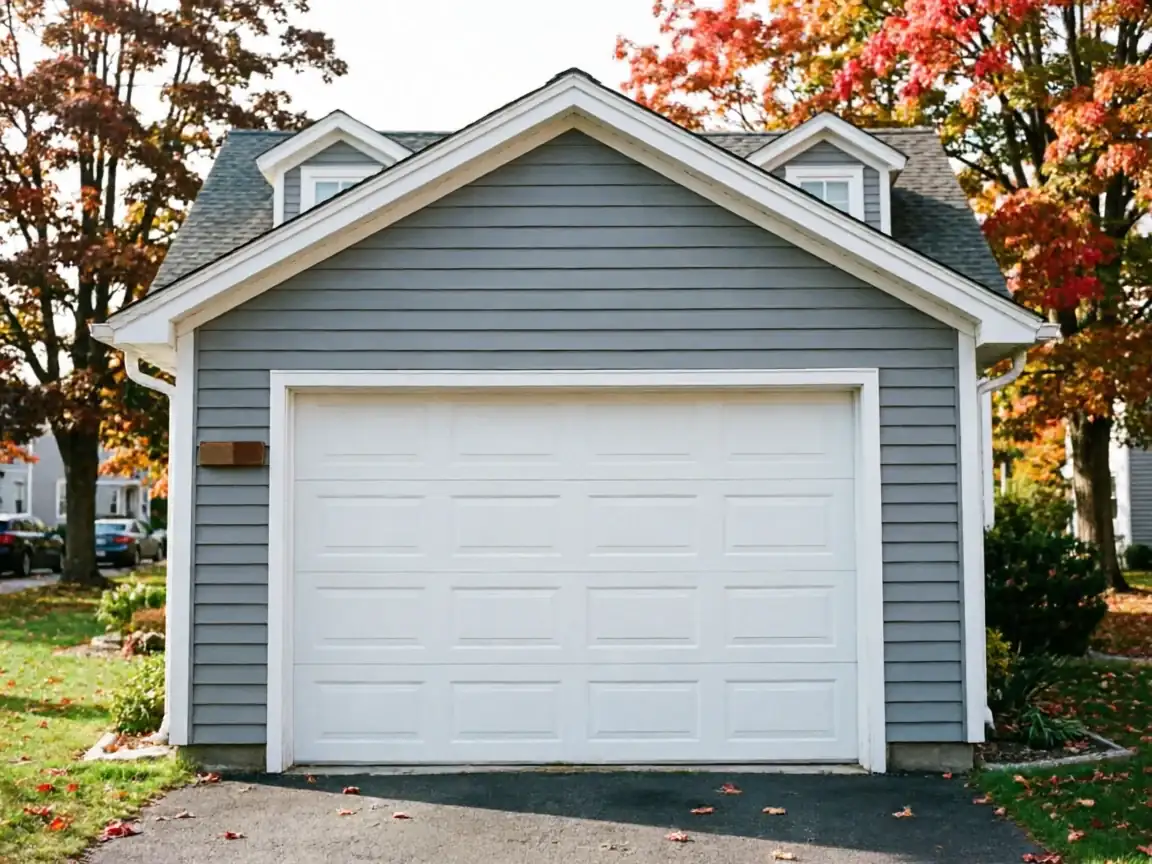
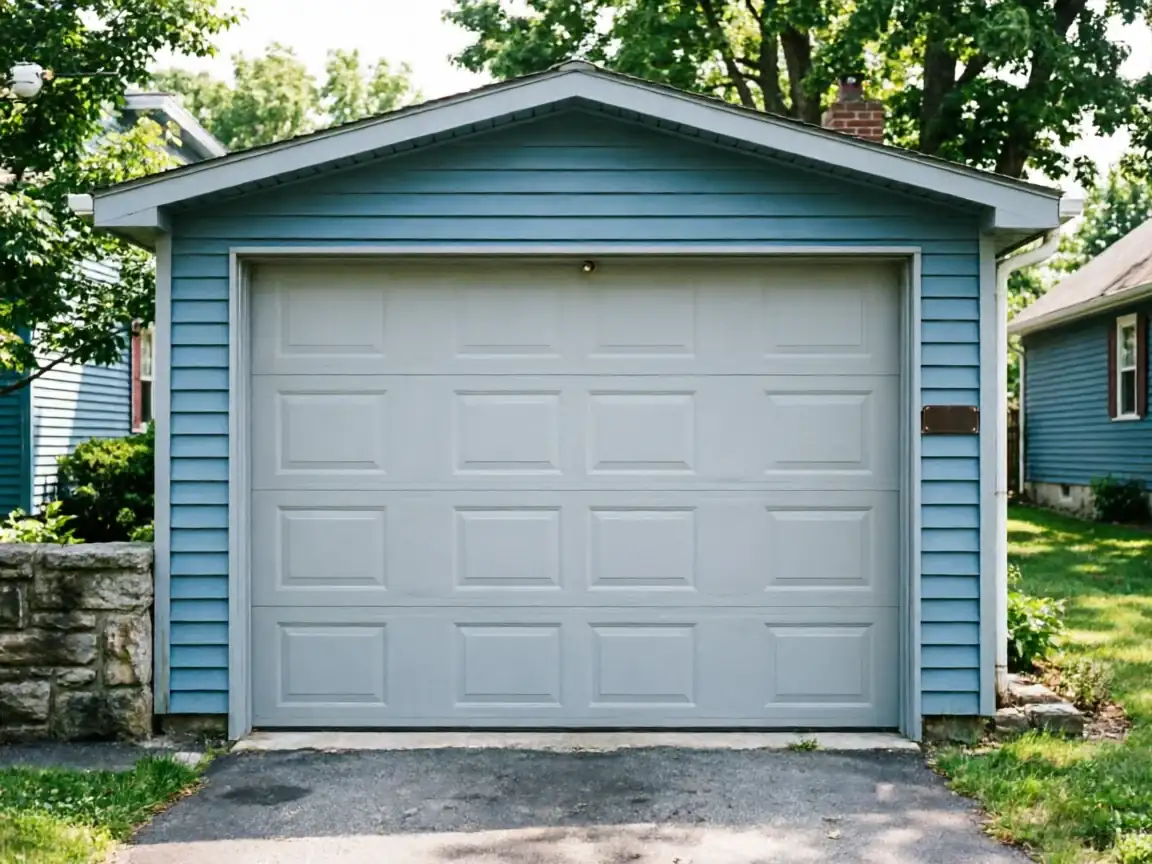
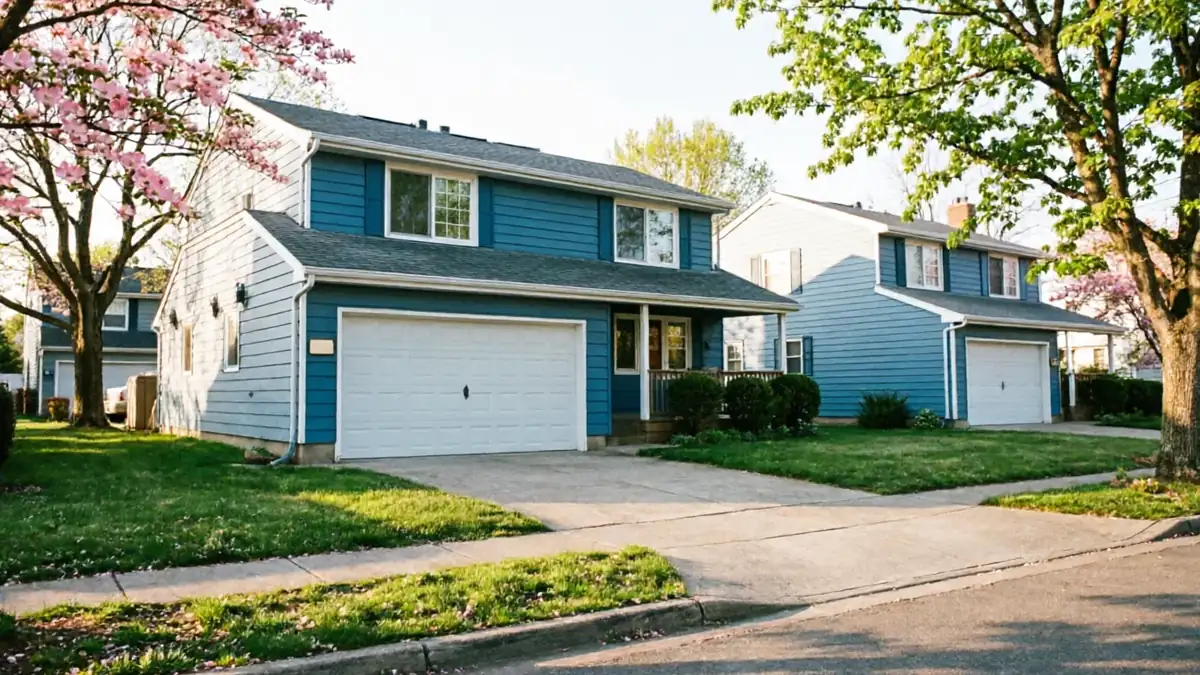
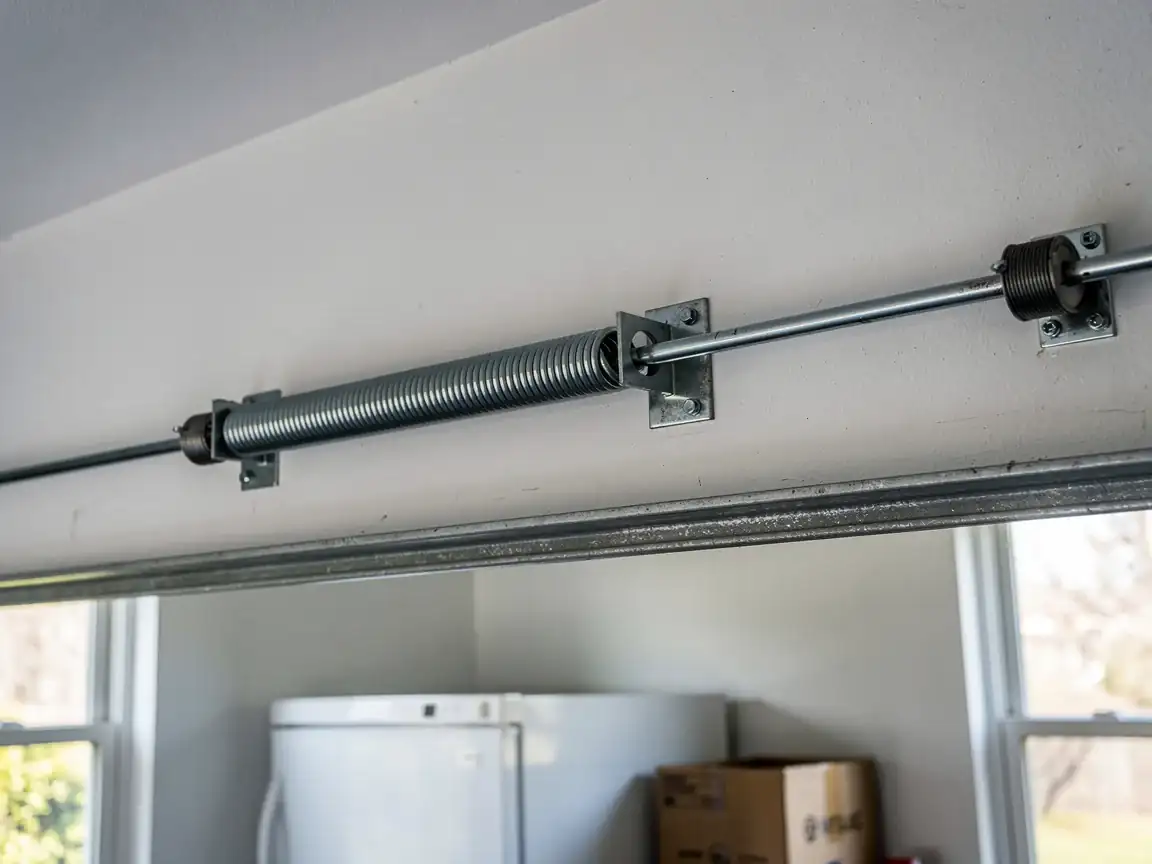
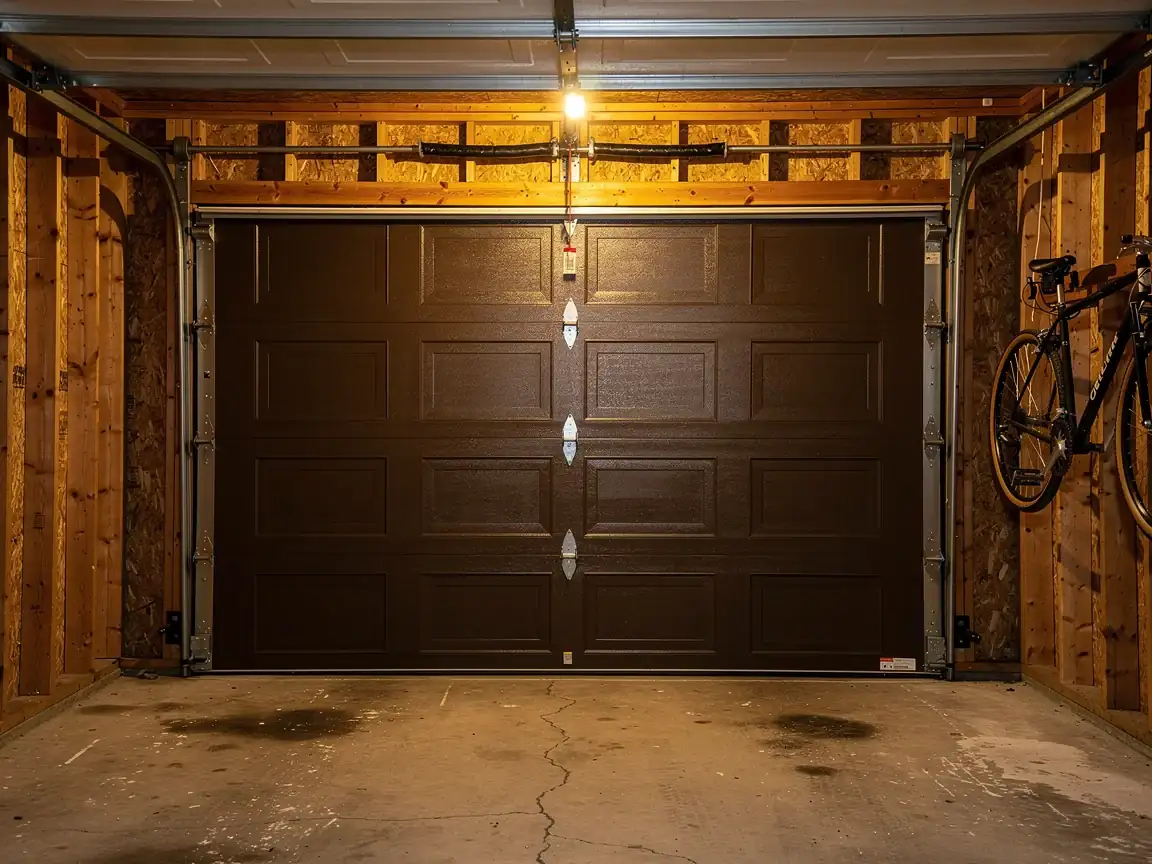
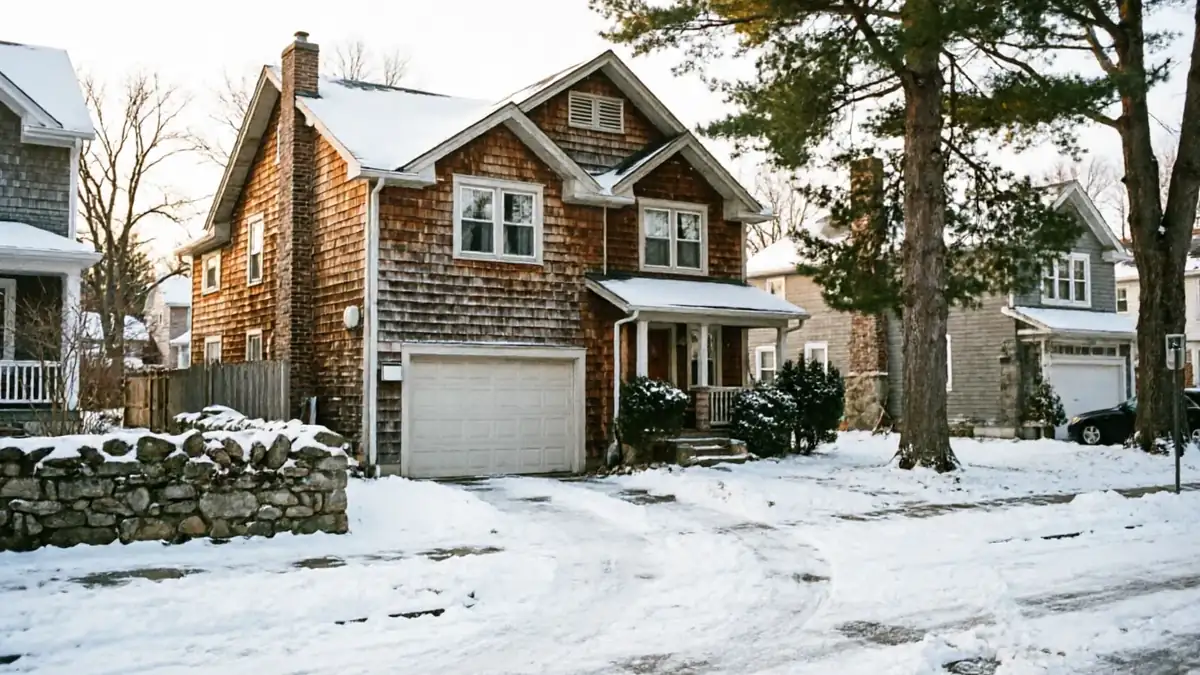
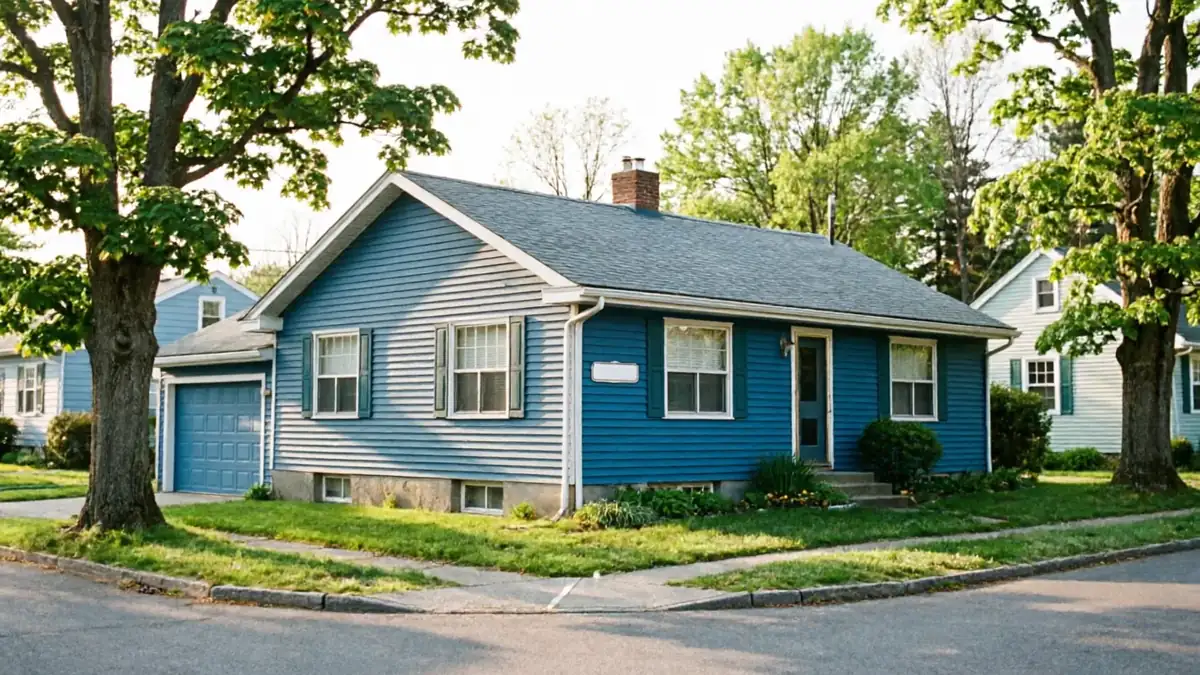
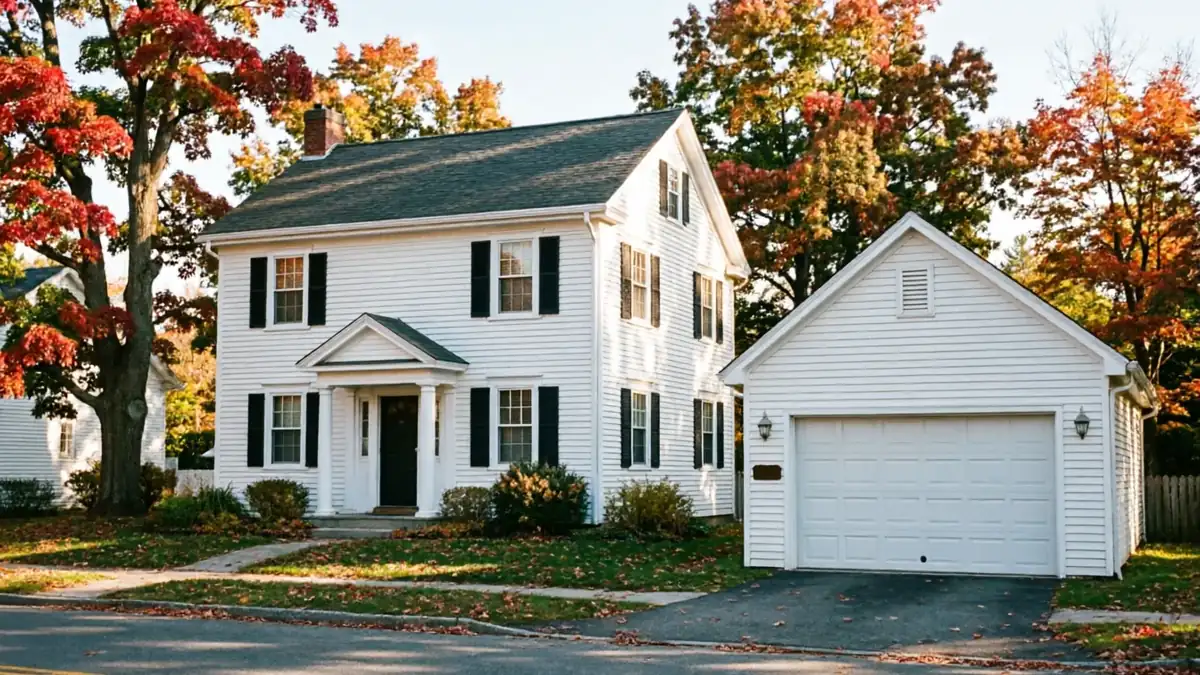
Belmont's median year built sits at 1938, well ahead of the 1966 median across the rest of our service area. That gap matters more than it sounds. A door and track system installed in a house built in the late 1930s or 1940s was almost never designed for the torsion springs and extension hardware that came standard by the 1960s and 70s. A lot of these garages were converted or widened once, sometimes twice, and the header framing above the opening doesn't always match what a modern door assumes it will find. We see more odd-width openings here than in the newer pockets of town, and more doors that were replaced once already without anyone touching the original track brackets. If your opener struggles to find a square path, or the door binds on one side only, that older framing is usually why, not a bad motor.
We're not going to pretend every Belmont garage is a museum piece. Plenty of houses here have had full door and track replacements since. But when a call comes in from an address with an older build year and the owner says the door has always been a little stubborn, we come expecting non-standard dimensions and plan the job around that before we even load the truck.
Timing on This Area
We run out of Waltham, and Belmont is a 3-mile drive
Which keeps us close enough that scheduling a visit here doesn't eat into the day the way a farther call might. We don't carry a satellite location in Belmont and we're not going to claim one. What we can say is that the short distance means we're not burning half a service window just getting to you and back.
With around 10,358 households in Belmont
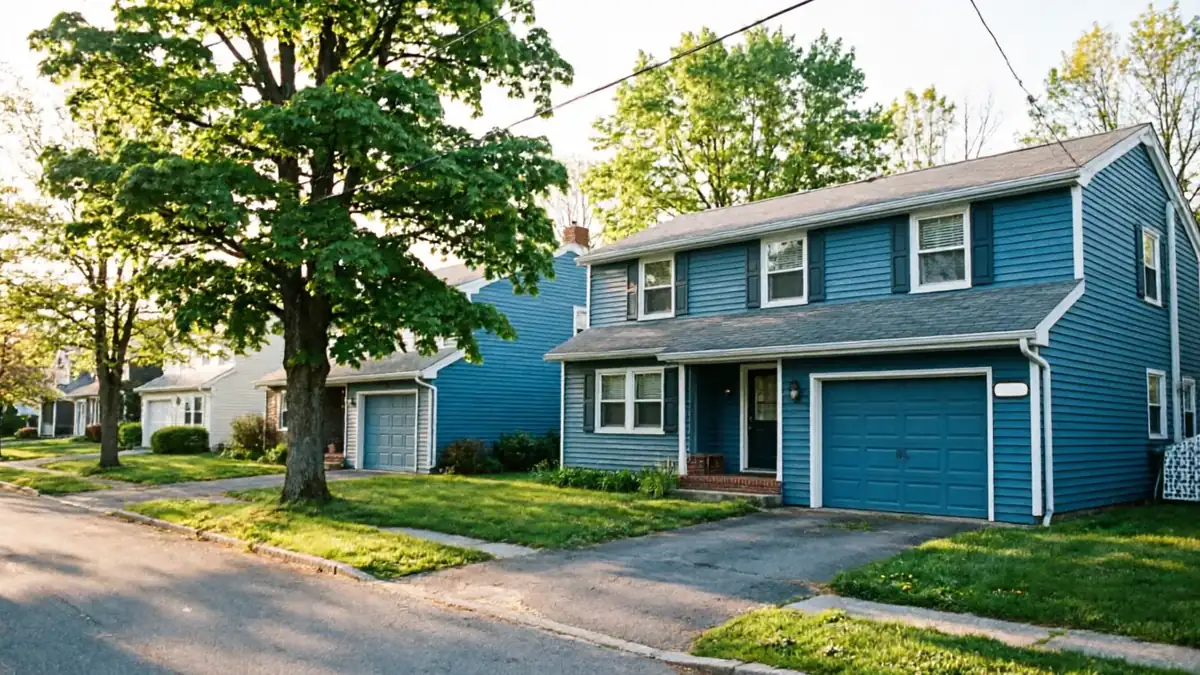
We're dealing with a town that's dense enough to have real variety street to street - older torsion setups next to houses that got a full door swap in the last decade. We don't quote a response time here because we haven't been handed that number, and guessing at one is worse than saying nothing. What we will tell you plainly: call first with the door's symptoms and we can usually tell you over the phone whether it's a same-visit fix or something that needs a part ordered first.
- 10,358 households
The Drive Over
Three miles is close enough that we treat Belmont calls the same way we'd treat a call from our own street in Waltham - no separate dispatch, no second crew, just the same truck making a short trip. That's worth saying because some companies pad out their coverage list with towns they barely service; we're not doing that here. Belmont sits near the top of our area list by distance, alongside towns like Lexington and Arlington at 4 miles and Lincoln at the same distance, which tells you roughly how compact this whole stretch of coverage is.
The short drive doesn't change the work once we're there. It just means less time spent in transit and more time on the actual spring, cable, or opener board that brought us out. If a job needs us to run back to the truck for a part we didn't expect, that's a few minutes, not a trip across town.
This Area's Housing
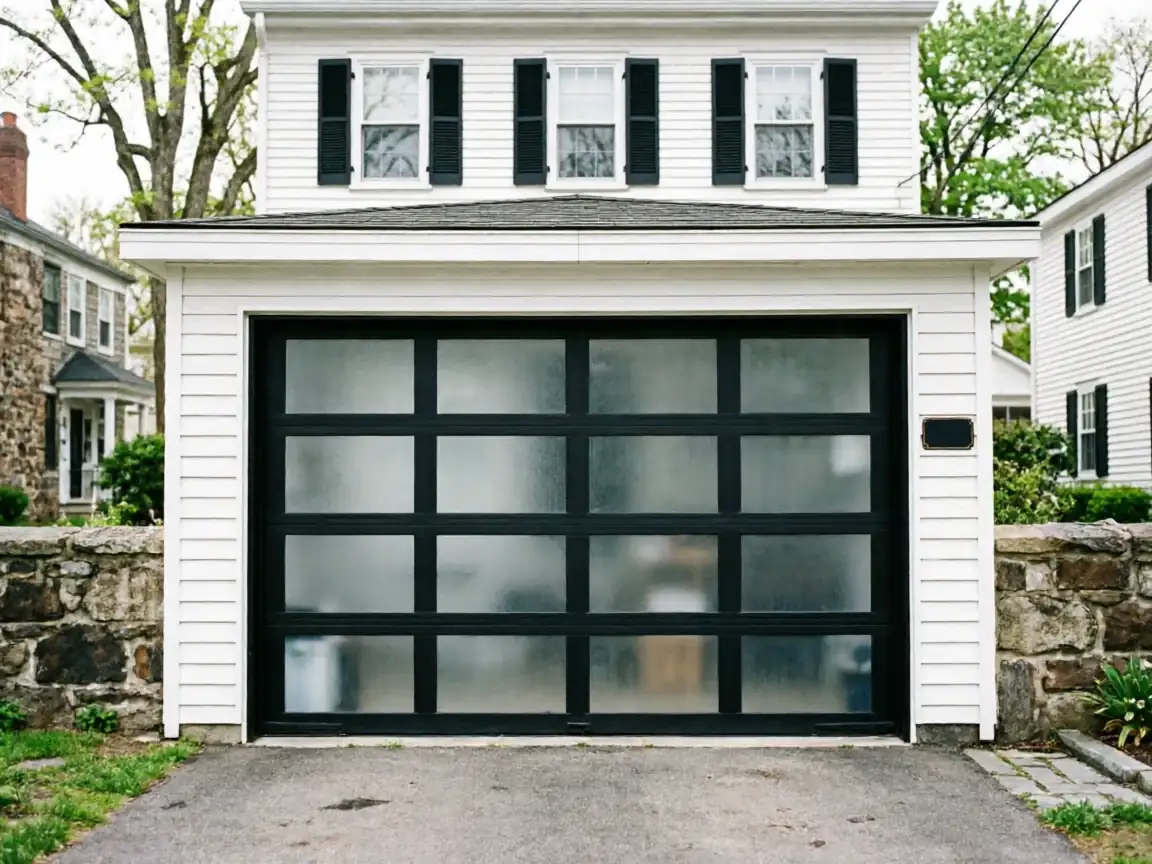
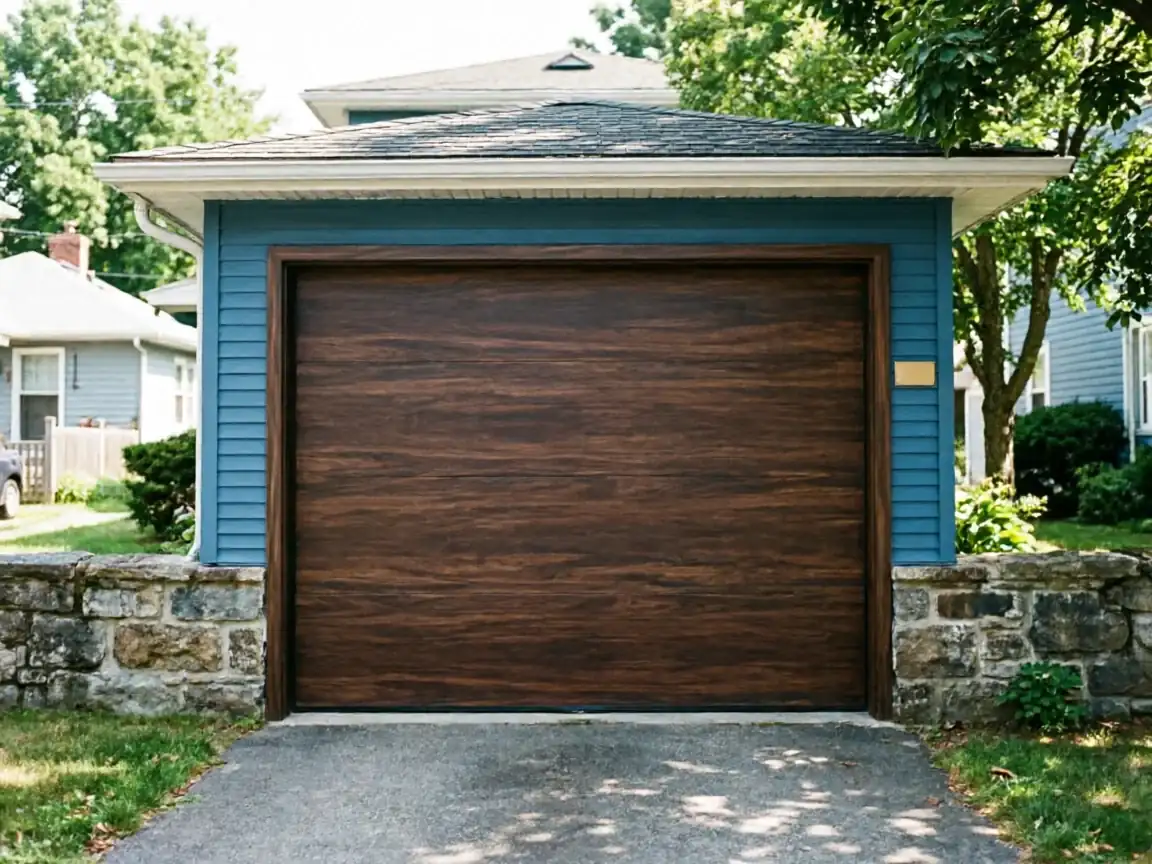
Belmont's household income runs higher than the broader service-area median - $178,188 against $150,820 across the wider footprint - and that shows up in the kind of door replacements we get asked about here. More owners are choosing insulated steel or wood-composite doors with upgraded hardware rather than patching an old one more time, especially once they learn the original 1930s-era opening doesn't take a stock-width door off the shelf.
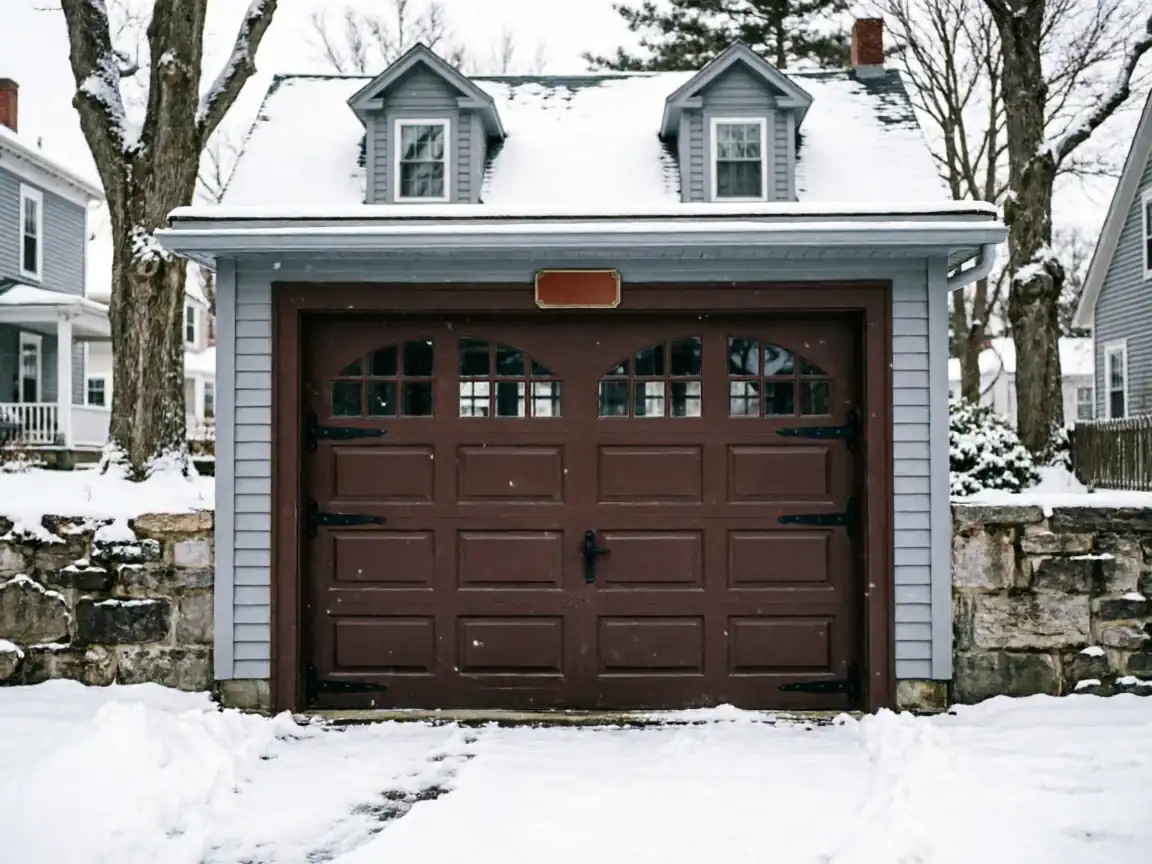
The region overall runs a severe cold climate, which means insulation and weatherseal matter for every door in this area, not just Belmont's older stock. A door that was fine on a mild fall day can bind hard once the cold sets in and the old seals shrink. That's true everywhere we work, but it hits harder on a Belmont door that's already fighting a non-standard frame. One honest limit: if your opening is genuinely custom width from a 1930s build, we may need to order the door rather than pull one off a truck, and that can add a few days to the job.