What the Housing Means for Your Door
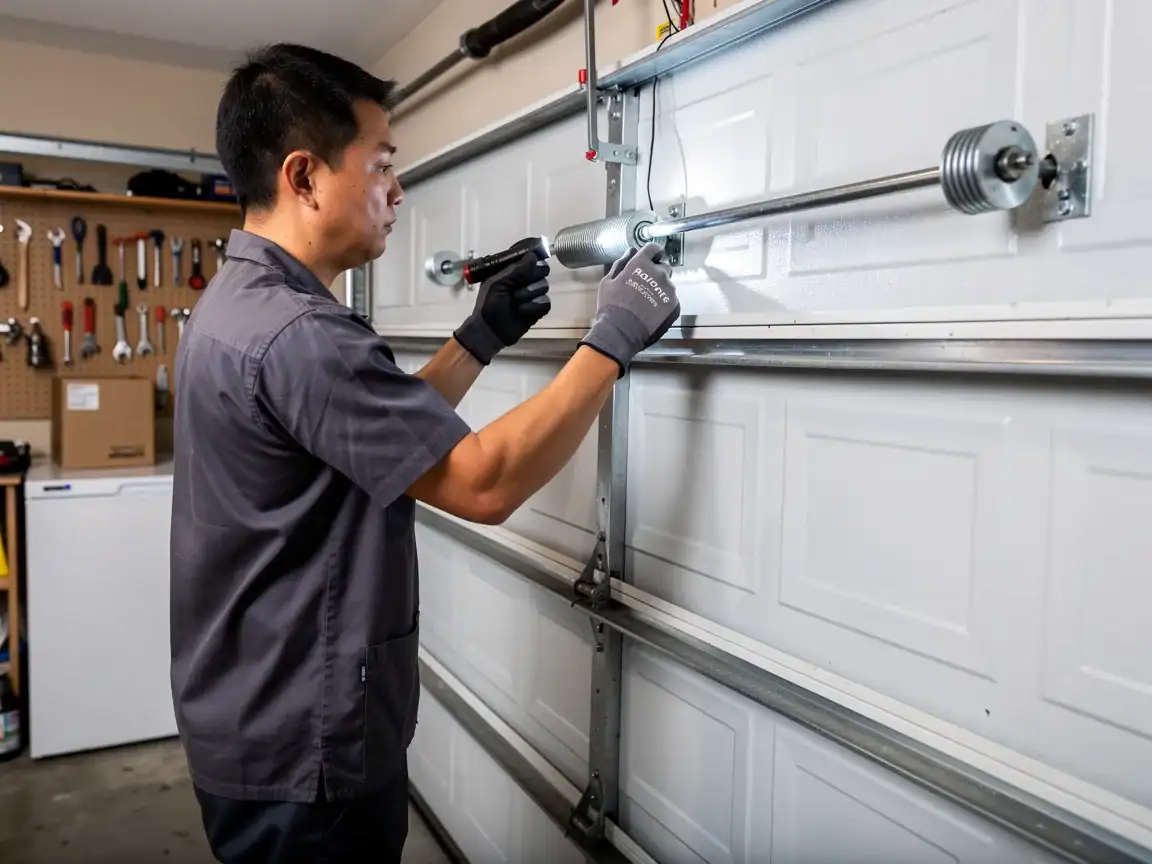
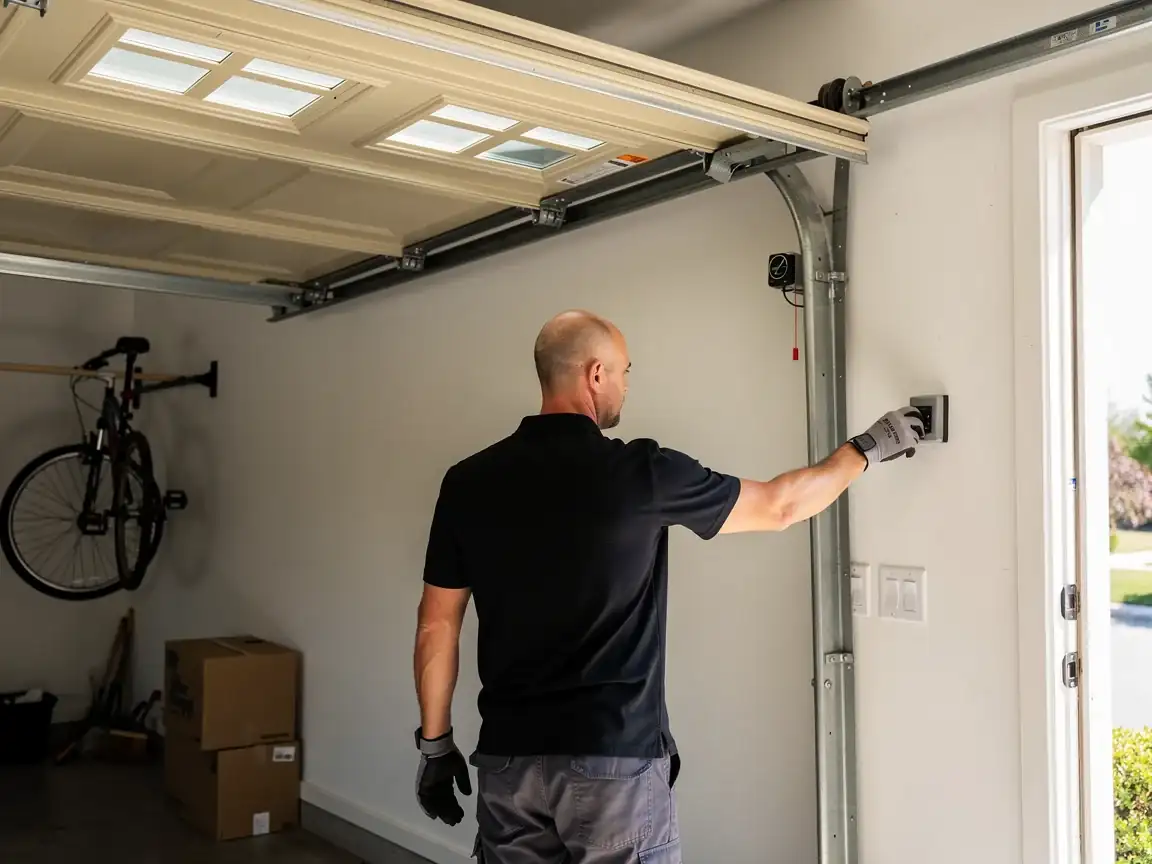
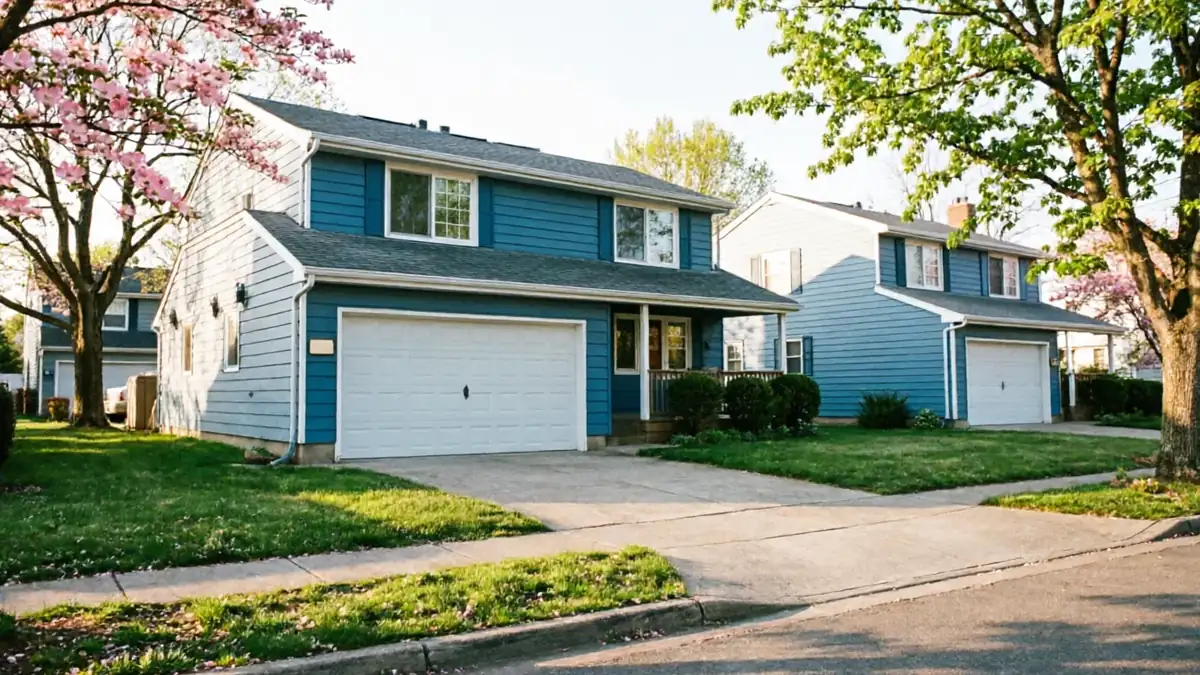
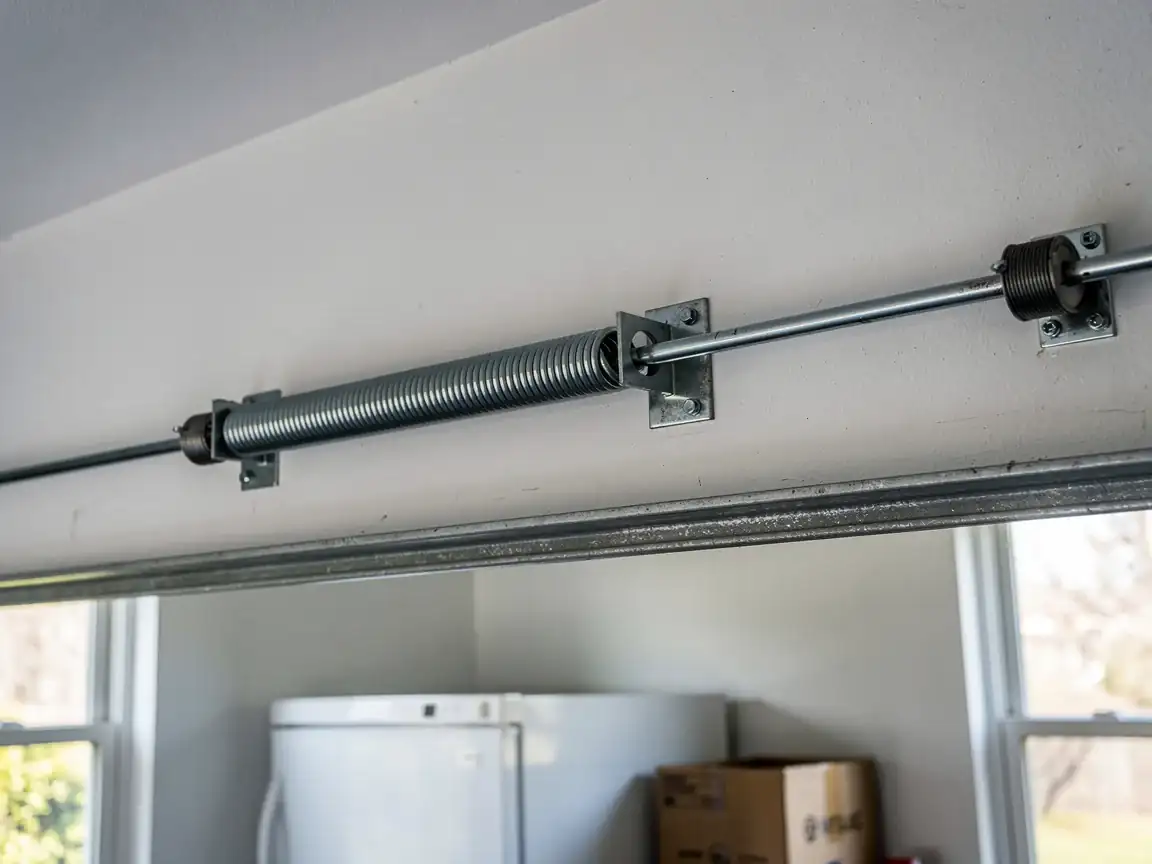
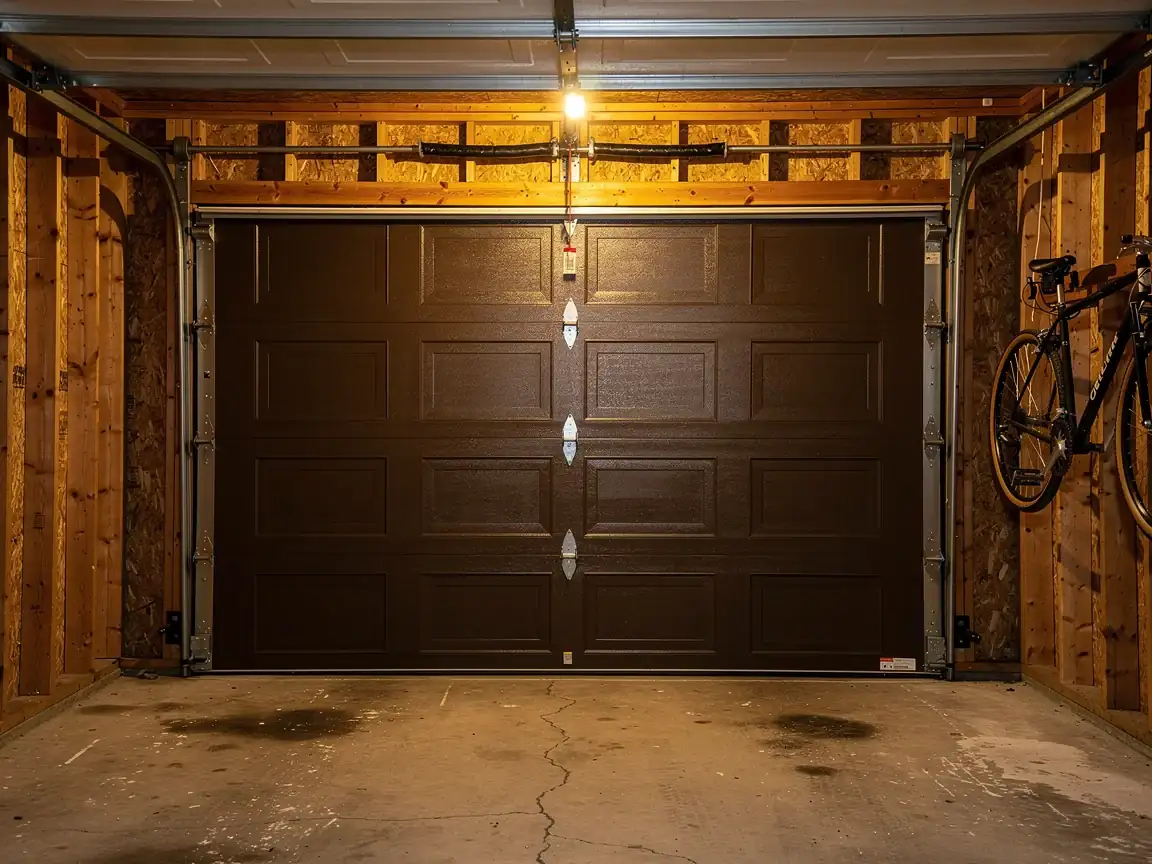
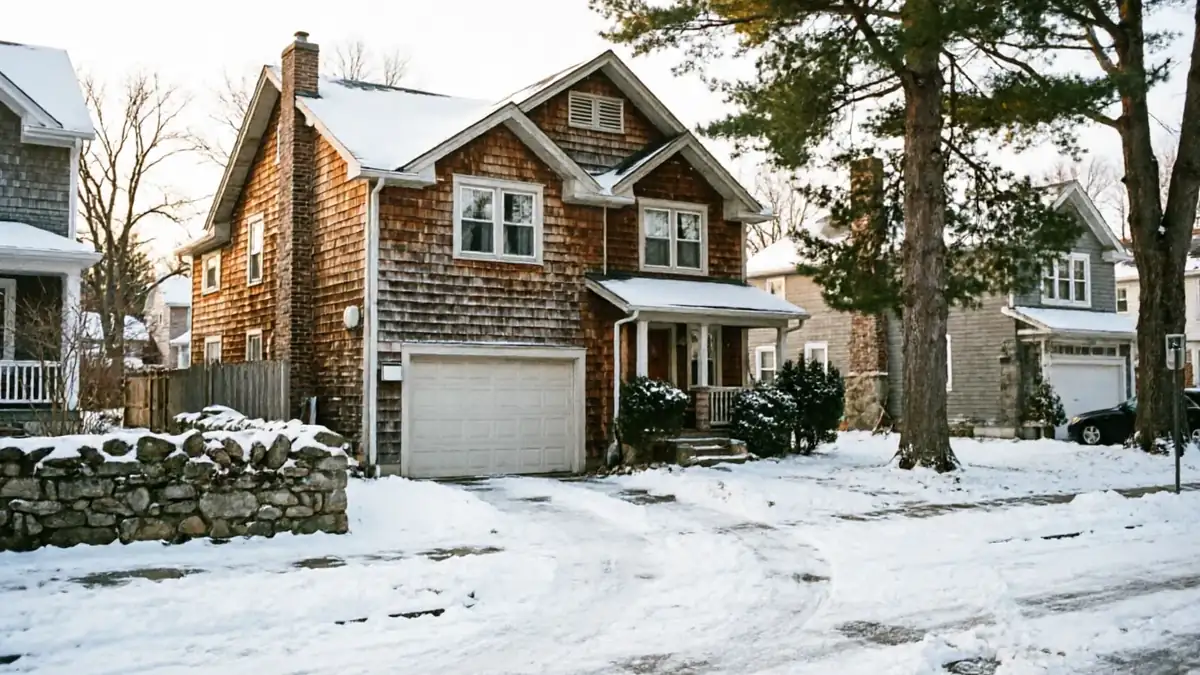
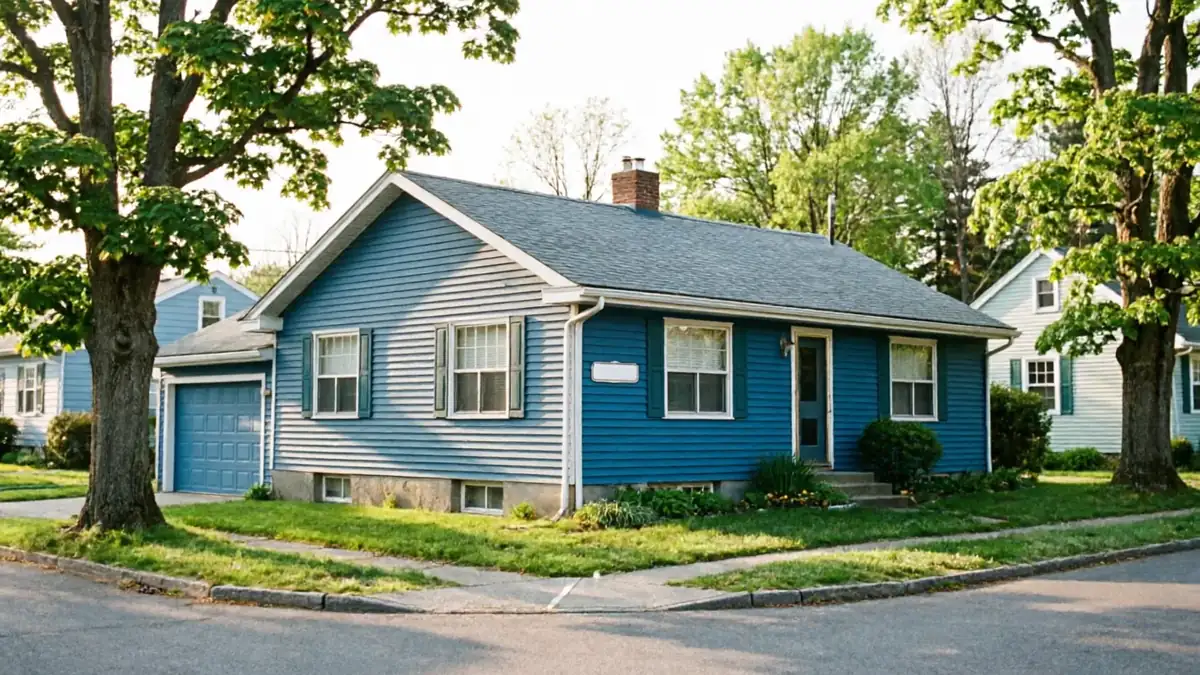
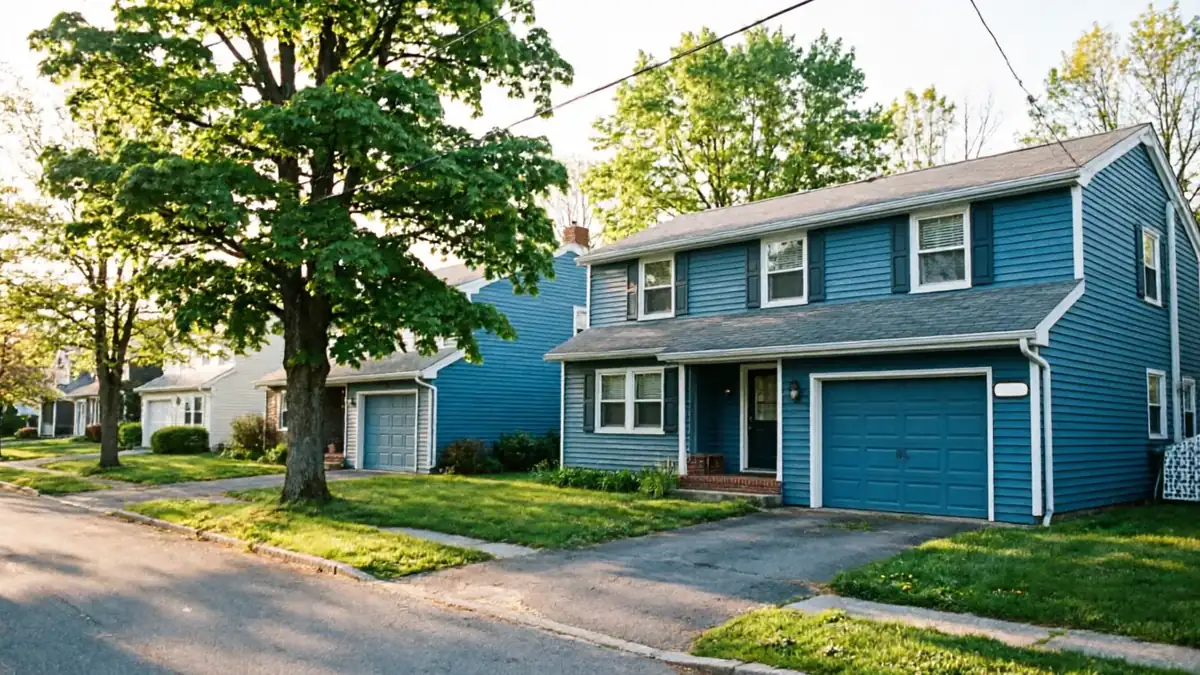
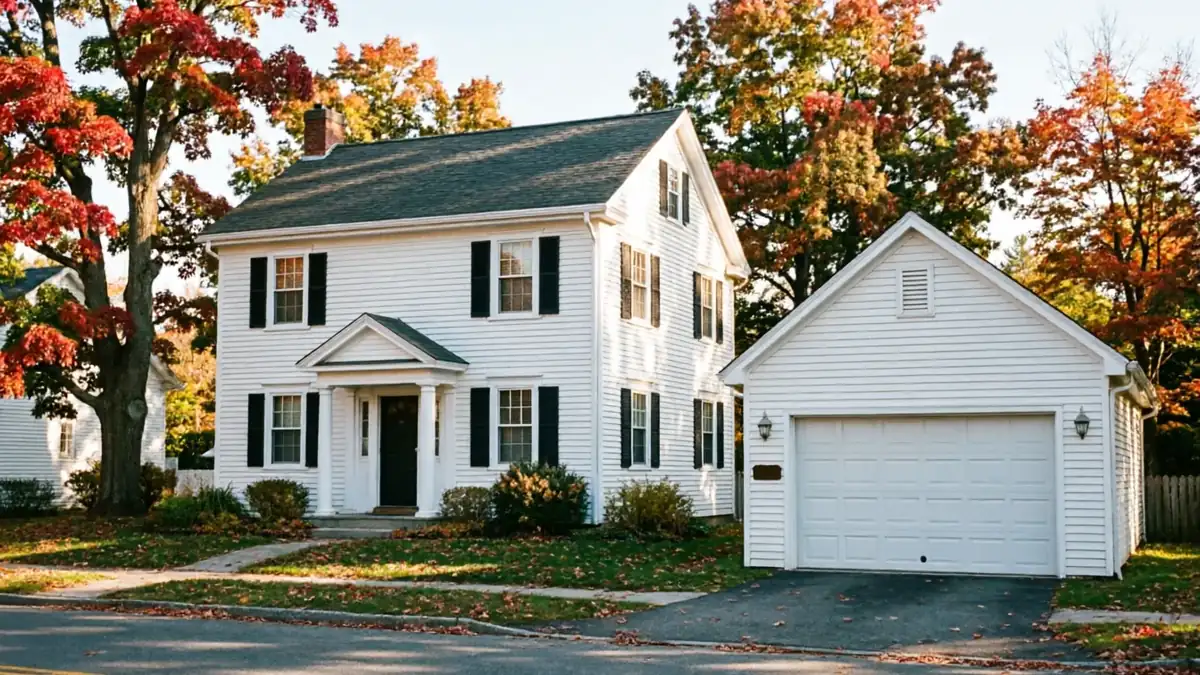
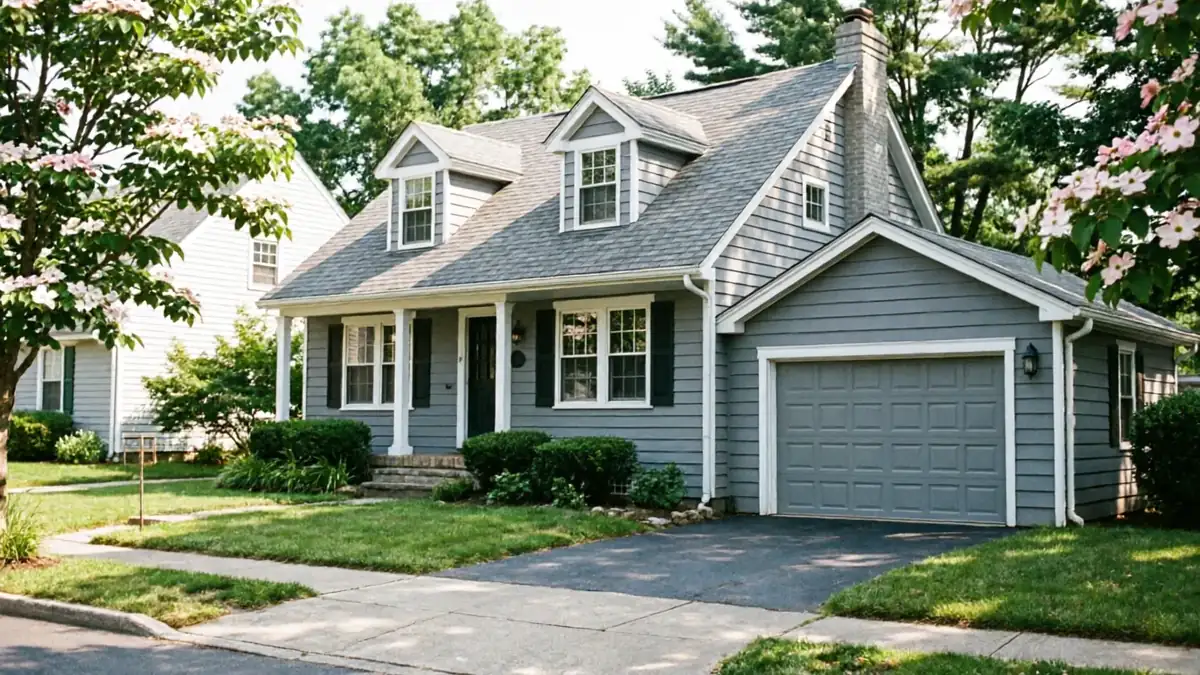
Weston's housing stock centers on 1964, right in the middle of the 1938-1993 range we see across this whole service area, and it tracks the 1960s-70s building wave that shaped most of these towns. That matters more than people think. A door hung in 1964 almost never has the hardware you'd find on something built in the 1990s. You're more likely looking at a single torsion spring on a heavier wood or early steel panel, mounted to a header that wasn't engineered with today's spring sizing in mind. Extension springs with no safety cables are common in this era too, and we still find them on original tracks that were never upgraded. None of this means the door is unsafe by default, but it does mean a repair call here is rarely a simple like-for-like part swap. We check the header framing, the spring sizing against the door's actual weight, and whether the opener - if one was added later - was ever matched correctly to the spring tension. Weston also sits in the same cold-climate band as the rest of the area, so insulation gaps around a 1960s frame show up as real heat loss, not just a comfort complaint. If your door is original to the house, expect us to spend real time on diagnosis before we quote anything.
The Drive Over
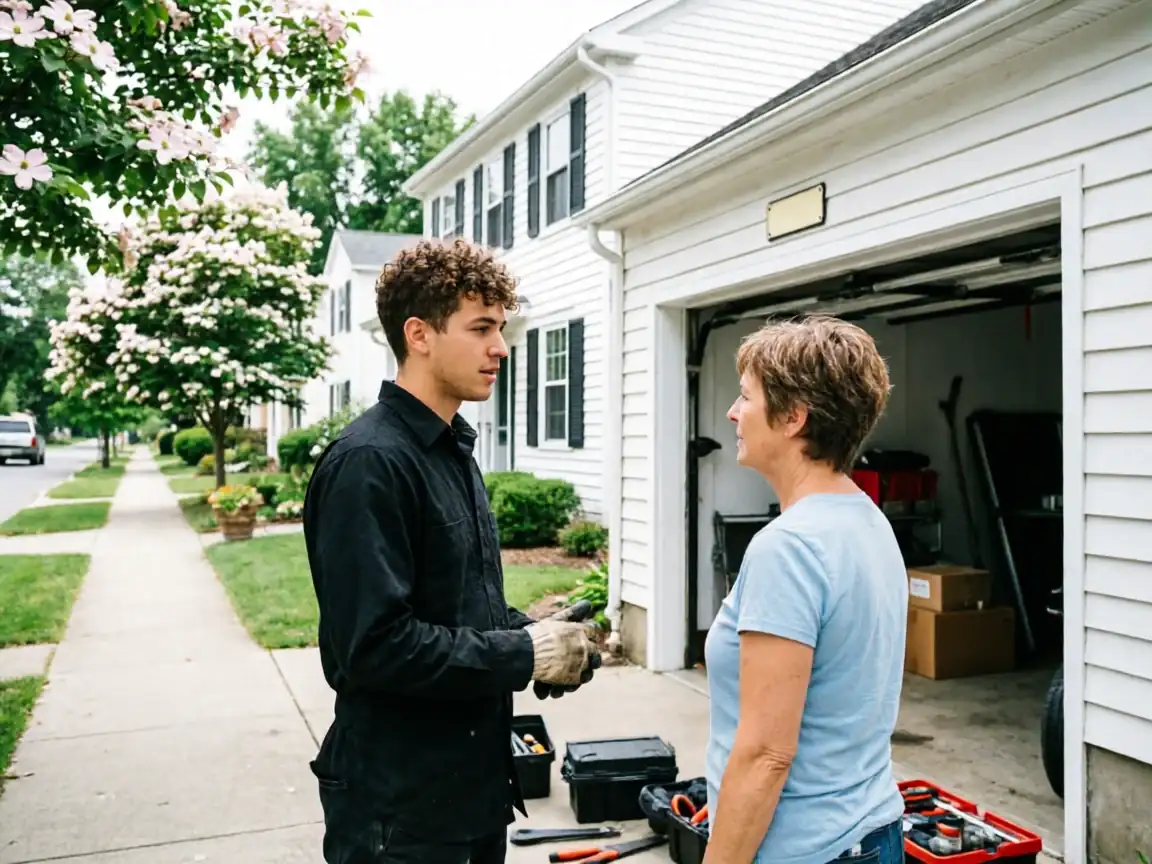
Weston is about 4 miles from our shop in Waltham, which puts it closer than most of the towns we cover - Belmont and Lexington sit at roughly the same distance, with Lincoln and Arlington also around 4 miles out. Wellesley and Wayland run a bit farther at 6. None of that changes what we charge or how fast we move, but it does mean Weston isn't a stretch job for us the way a 10- or 12-mile town might be. We're not claiming a depot or a dedicated crew in town - there isn't one - just that the trip from Waltham is short and we make it regularly as part of covering this stretch of the area.
This Area's Housing
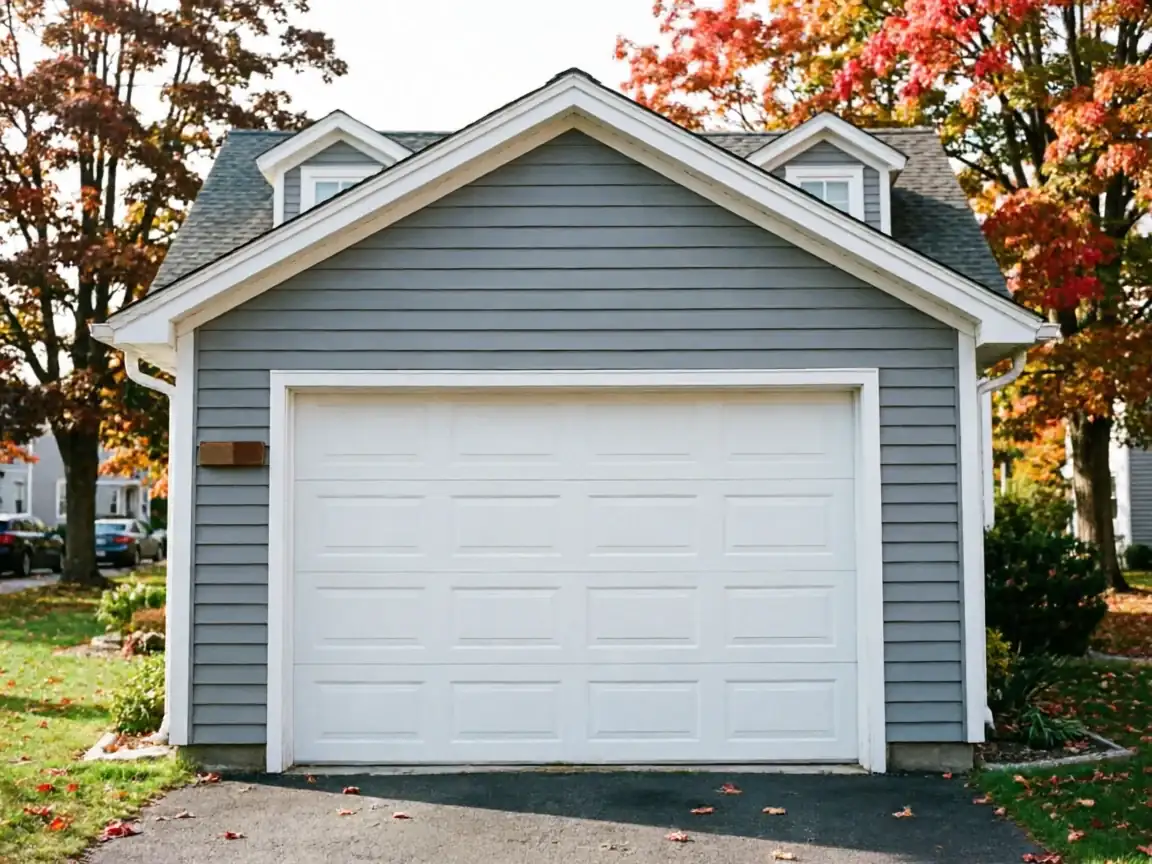
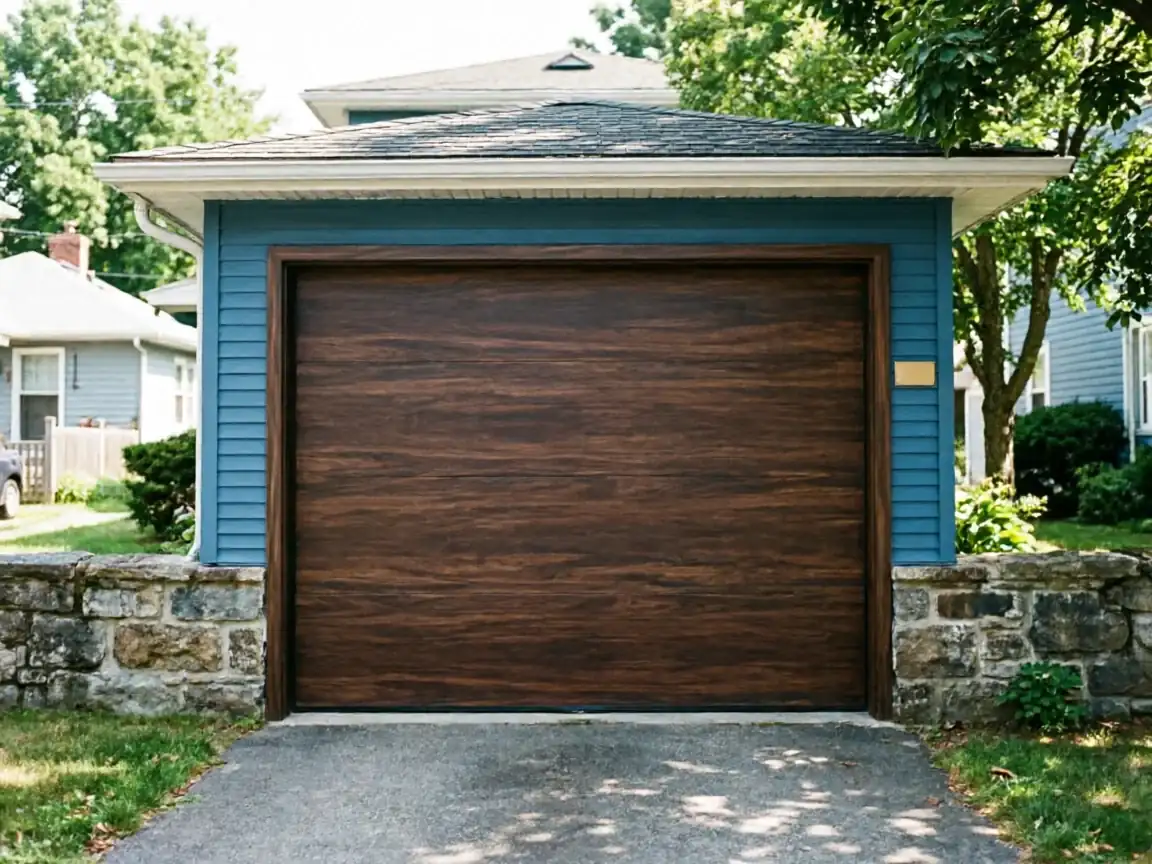
At 3,532 households, Weston is a smaller town than some of what we cover, and the median household income here, over $250,000, is well above the roughly $150,820 median across the full service area. That income profile tends to mean more owners who've already replaced an original door or opener at some point rather than patching it repeatedly, but it also means more custom or higher-end doors - real wood, oversized carriage-style panels - that don't take a generic off-the-shelf part. When we do get a call on an original 1960s door that's never been touched, the fix usually isn't exotic: it's spring sizing and track alignment that was never right for the door's actual weight. We'll tell you straight if a repair is cheaper than replacement, or if the door's old enough that sinking money into obsolete hardware doesn't make sense anymore.