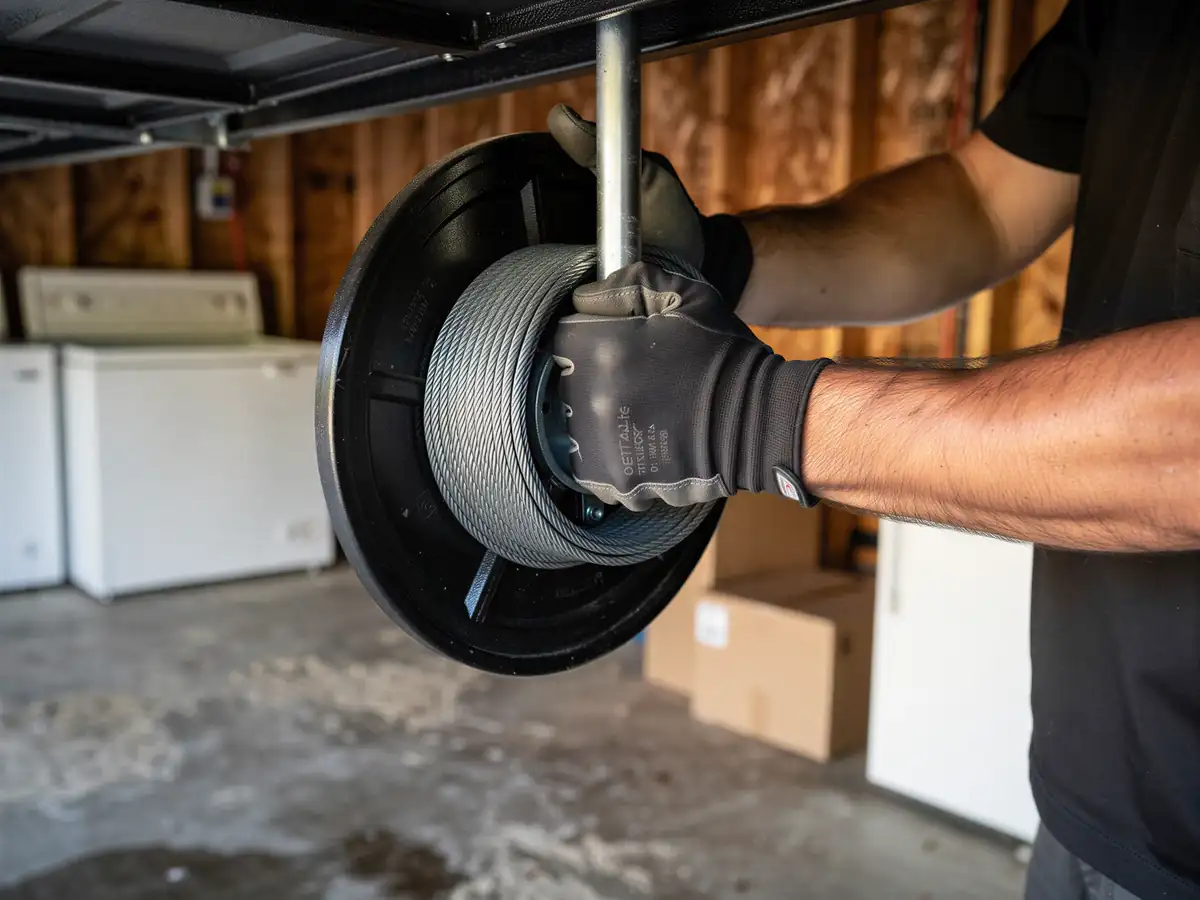
What You Are Seeing
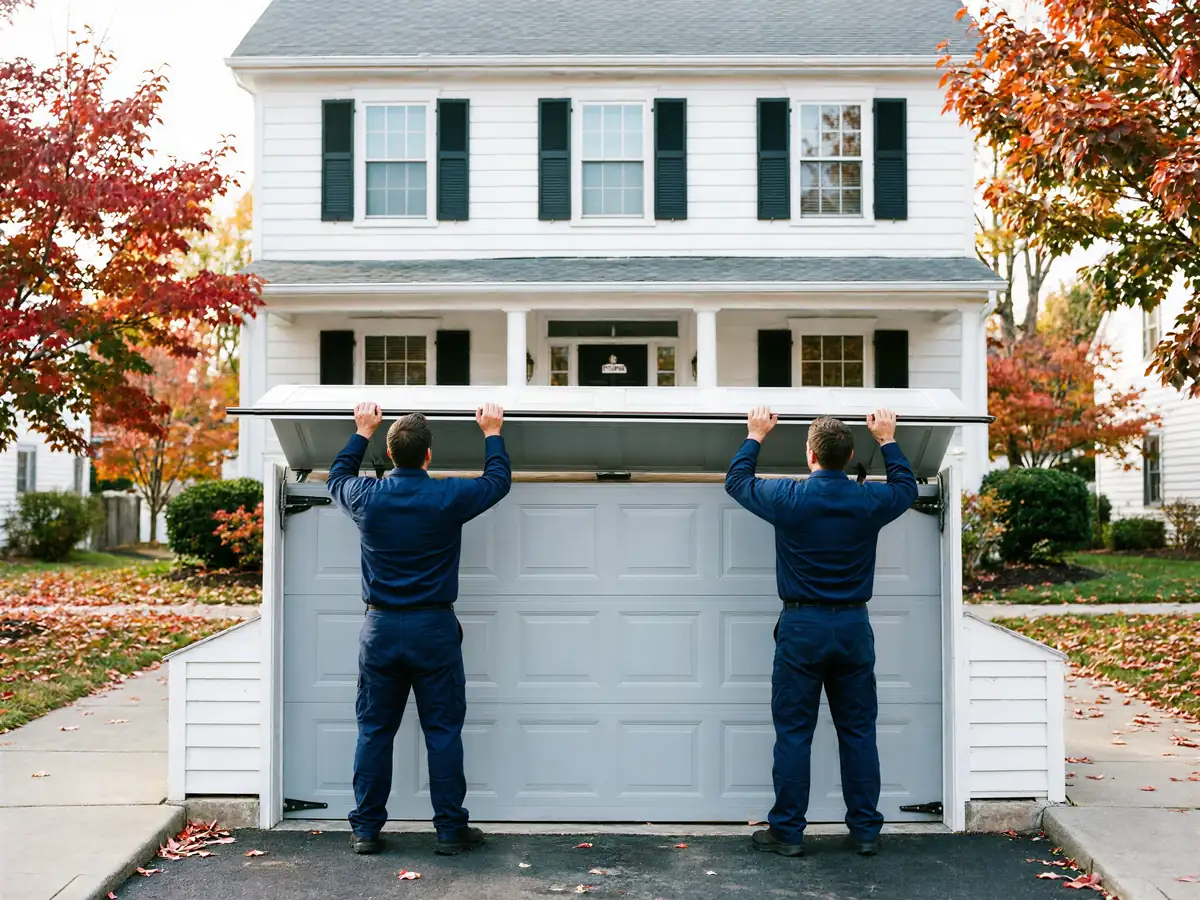
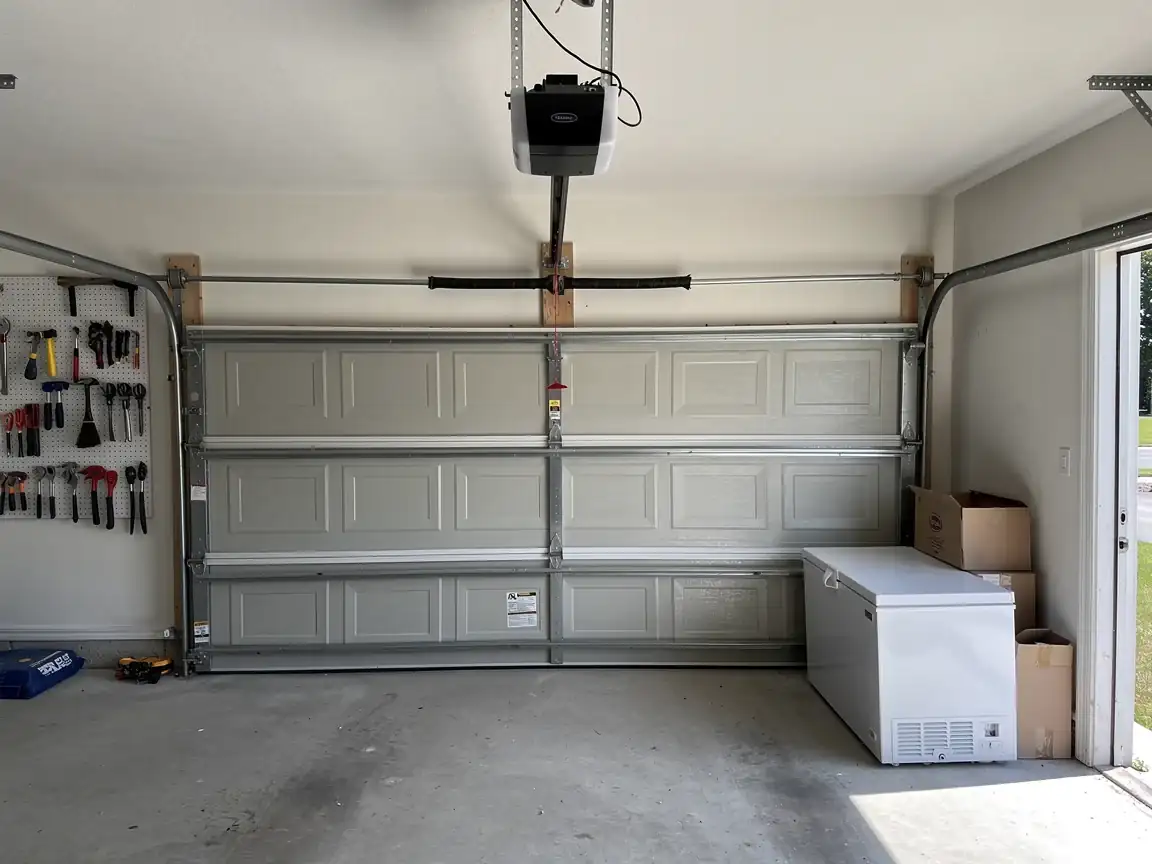
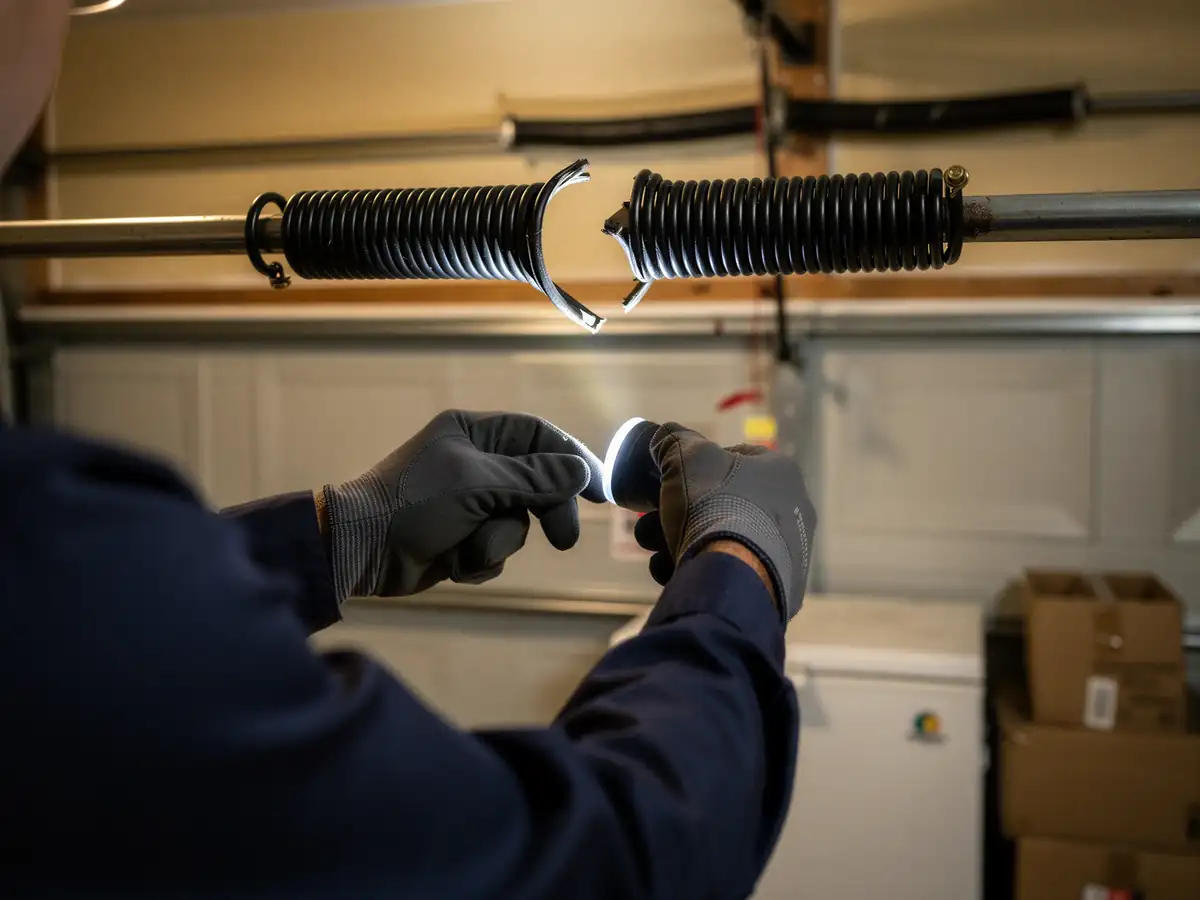
A garage door cable failure almost always looks the same: one side of the door drops lower than the other, or the whole door hangs crooked in the opening and won't close square. You might hear a sharp bang from the garage as the cable lets go under tension, followed by the door refusing to move, or moving but binding hard against the track on one side. Sometimes it's slower - a cable frays strand by strand near the bottom bracket or where it wraps the drum, and you notice loose wire strands before the thing actually snaps. On a two-car door, a single broken cable can twist the whole panel section, which is why a door that 'just needs a cable' can also need a new bottom bracket or a straightened track by the time we get there. If the door came down fast and hard, do not try to force it up by hand - a cable under load can whip, and a door without both cables holding it is not safe to crank on. Unplug the opener and leave it where it sits until someone can look at the drums, the cable gauge, and whether the spring side is still intact. We handle this call across the whole service area, and the failure pattern is consistent enough that we usually know what we're dealing with before we pull up.
Why It Happens Here
Housing across this service area was mostly built between 1938 and 1993, with the typical house dating to 1966, and the bulk of that stock went up in the 1960s and 70s building boom. Garage doors from that era were sized and sprung for the door weights and hardware standards of the time, and a lot of them are still running on cable that's decades past its service life because nobody thinks about a garage door cable until it breaks. Add a climate that sits in the severe end of the cold band, and you get a specific failure chain: cold makes steel cable brittle and less forgiving of the small nicks and rust spots it picks up over the years, while repeated freeze-thaw cycles work moisture into the strands at the drum and the bottom bracket, the two spots where a cable flexes the most and rusts from the inside out first. That combination - old cable, cold-brittle steel, moisture cycling at the stress points - is why cable snaps are one of the most common calls we get, more so on doors that have never had the cables replaced since the house was built.
How We Fix It
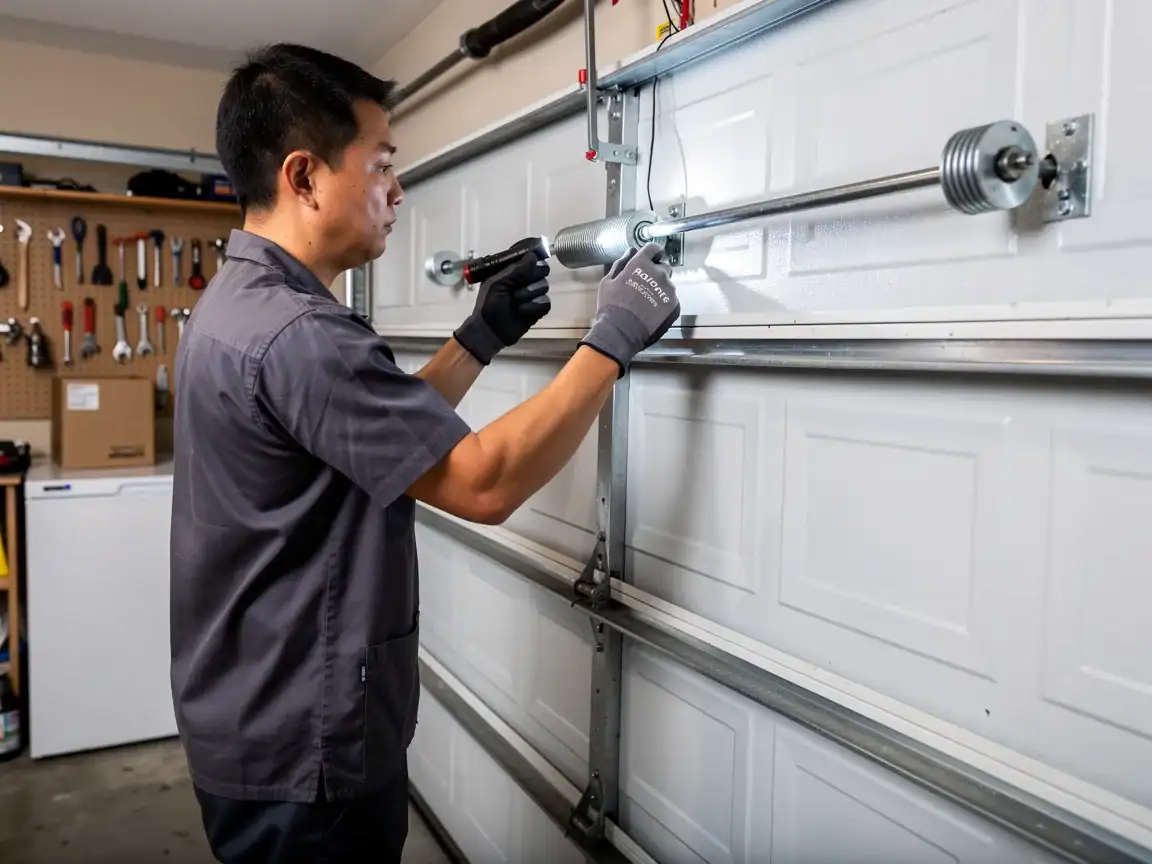
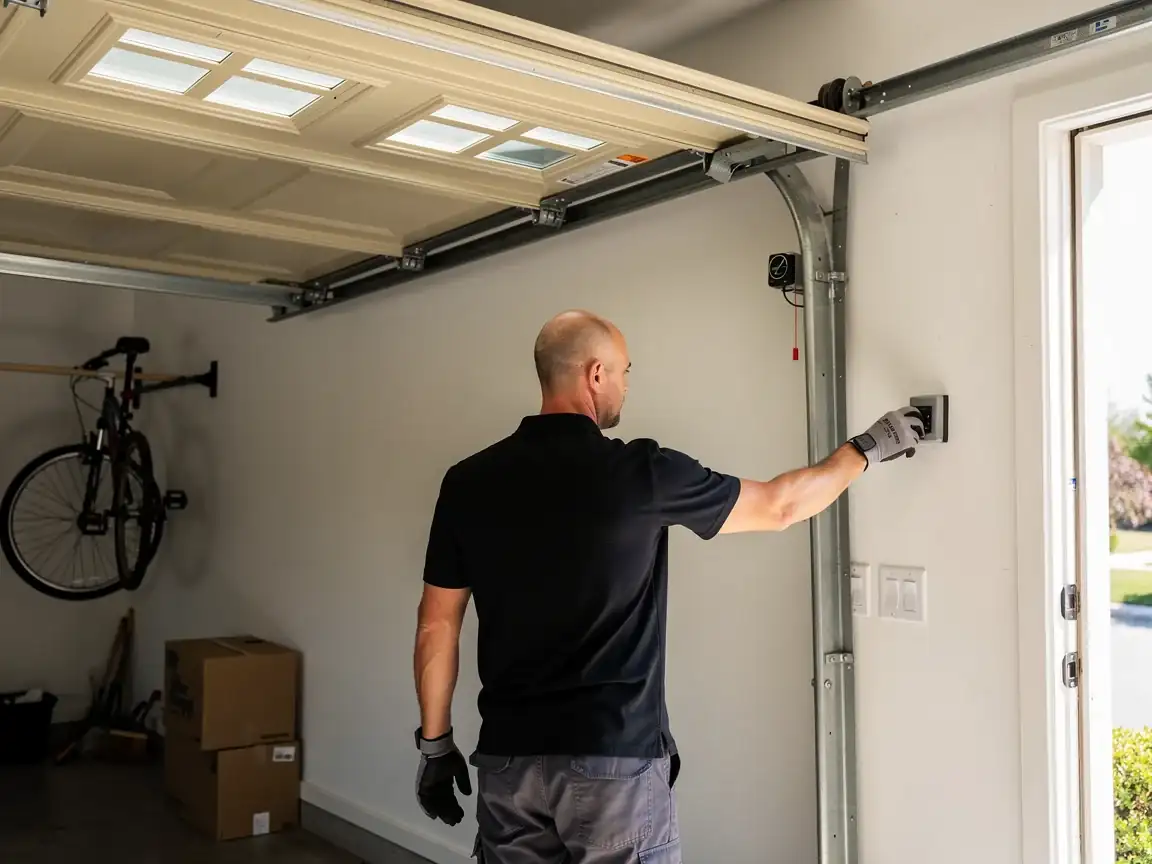
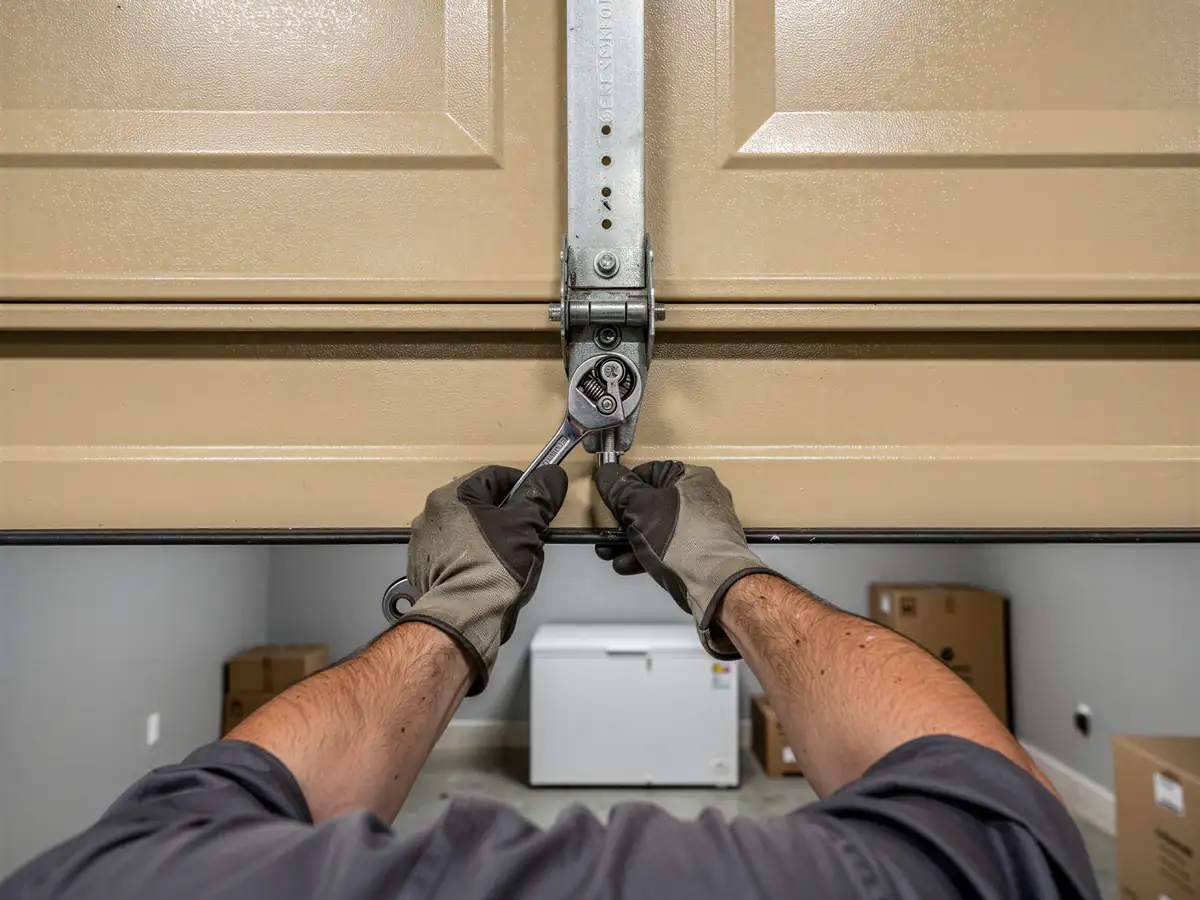
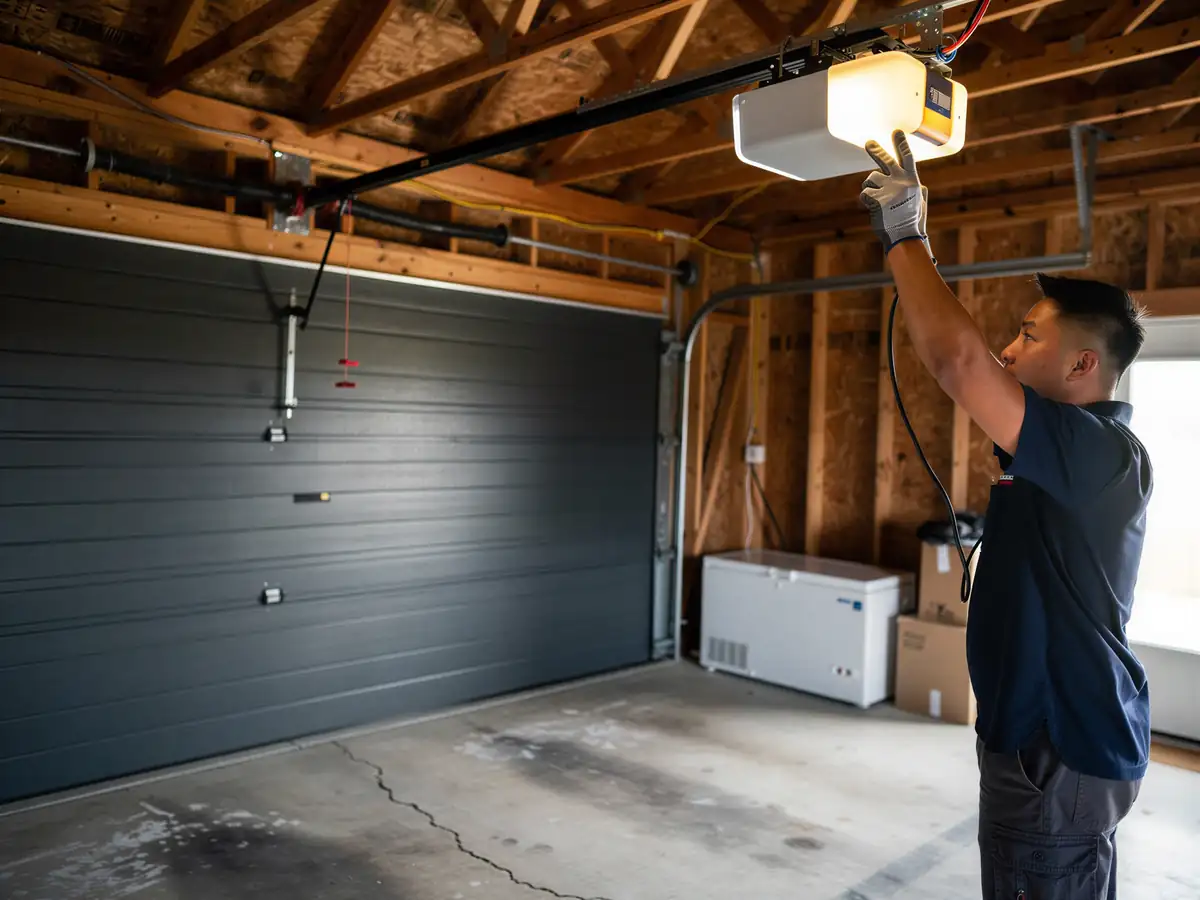
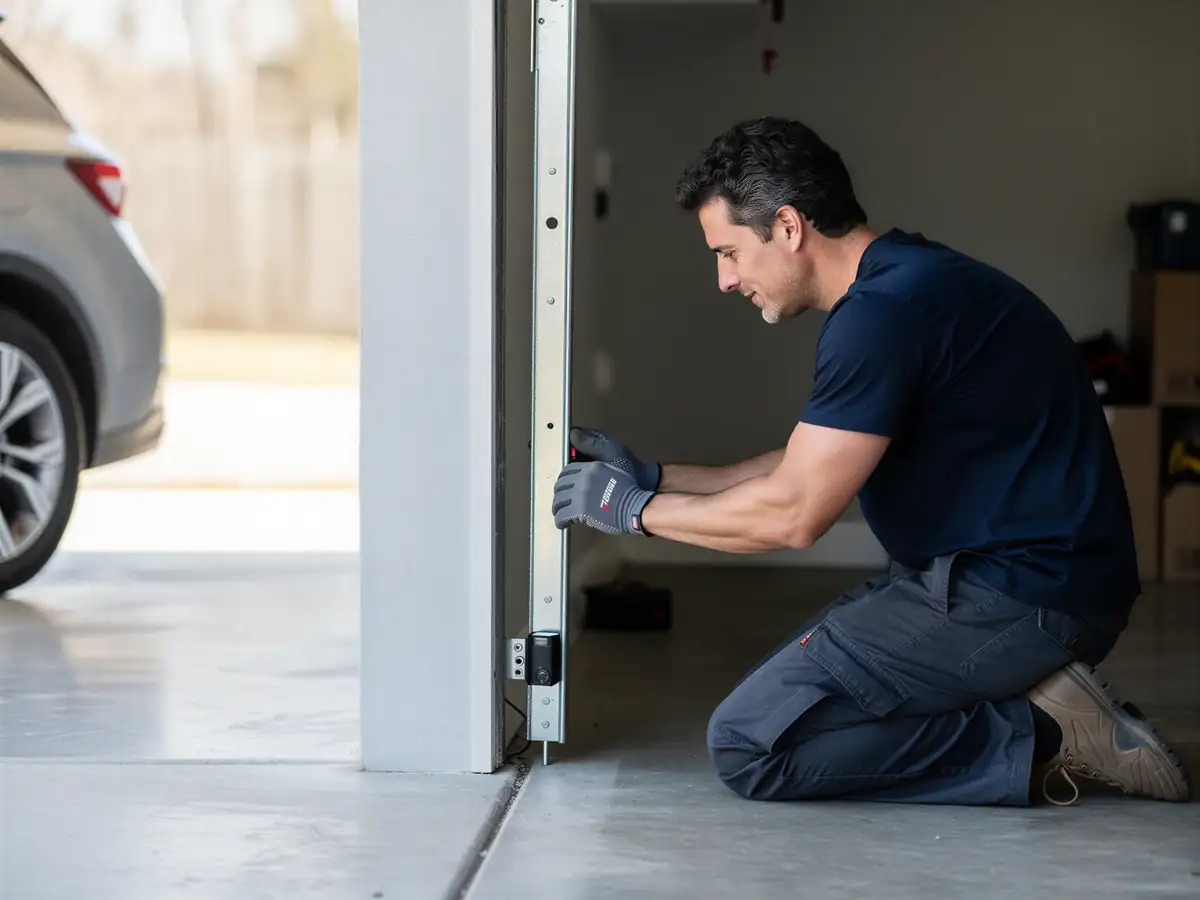
We start by checking both cables, not just the one that broke, because a cable that's frayed enough to snap on one side has usually stretched or thinned on the other side too - replacing one and leaving the other is a callback waiting to happen. We measure the drum size and cable gauge off the door itself rather than guessing by door age, since doors get swapped or upgraded over the years without the cable hardware being updated to match. Once we've got the right cable and drum on hand, we release the spring tension safely, pull the old cable and bottom brackets, set the new cable and seat it correctly on the drum, and re-tension. Then we run the door through a full open-close cycle and check that it tracks straight, that the cables stay seated under load, and that the opener's travel limits still match the door's new balance point. If the bracket or track took damage when the cable let go, we straighten or replace what's bent before we call the job done - a cable fix on a door with a bent track just moves the next failure down the road a few weeks.