What Is Going On
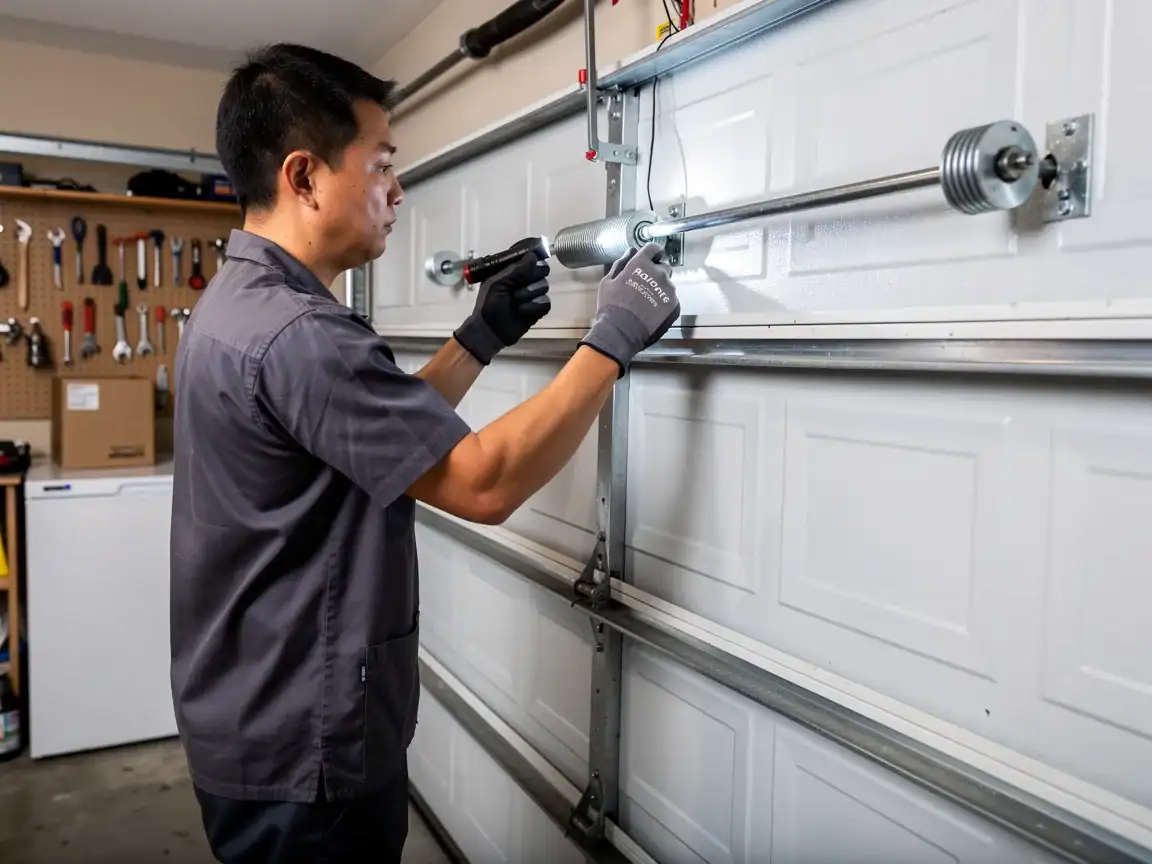
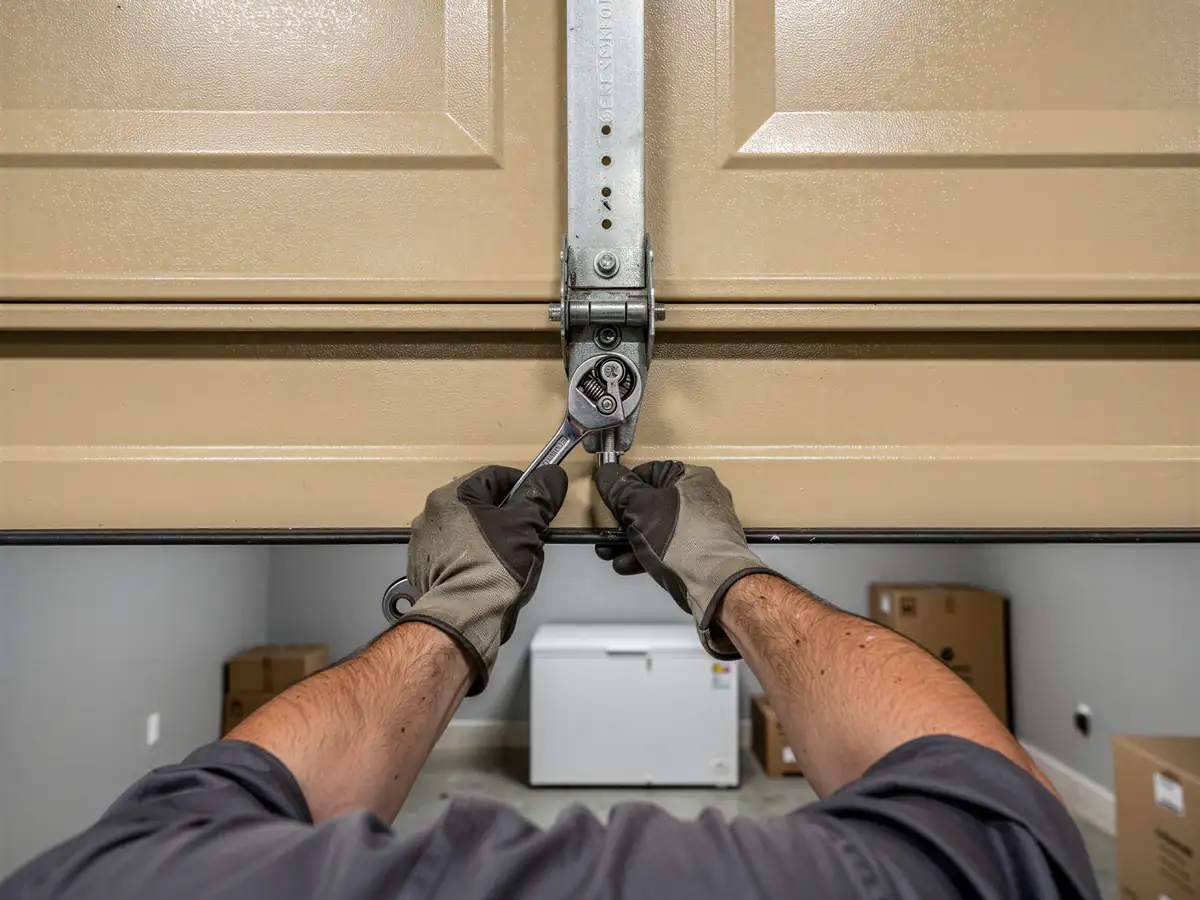
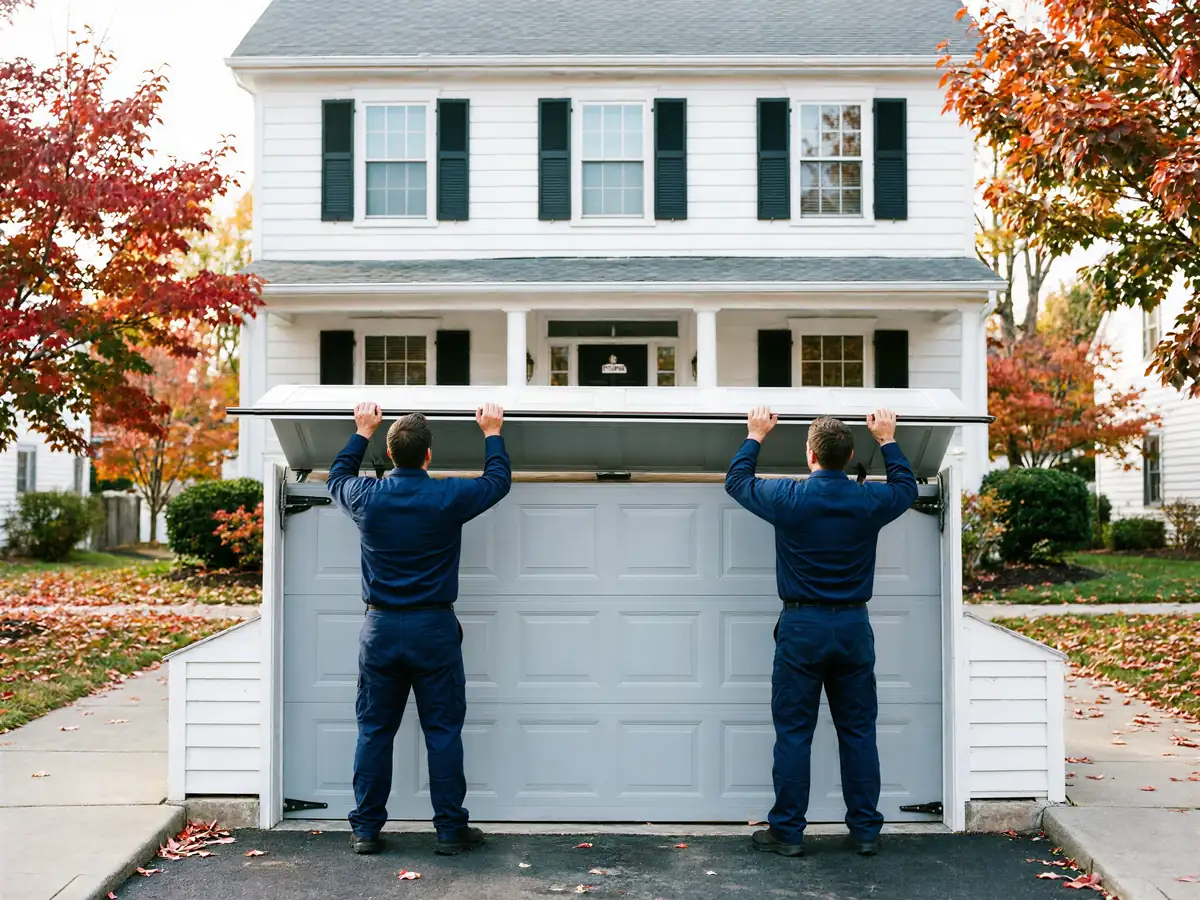
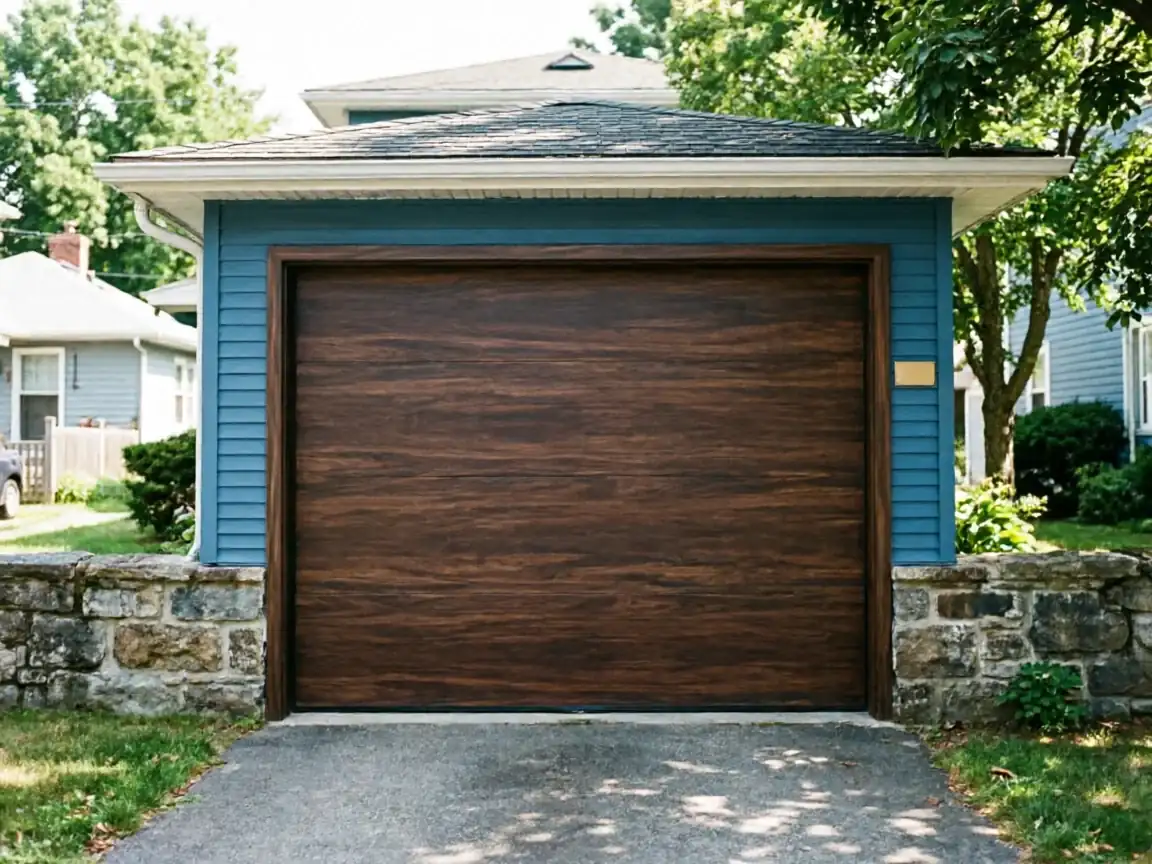
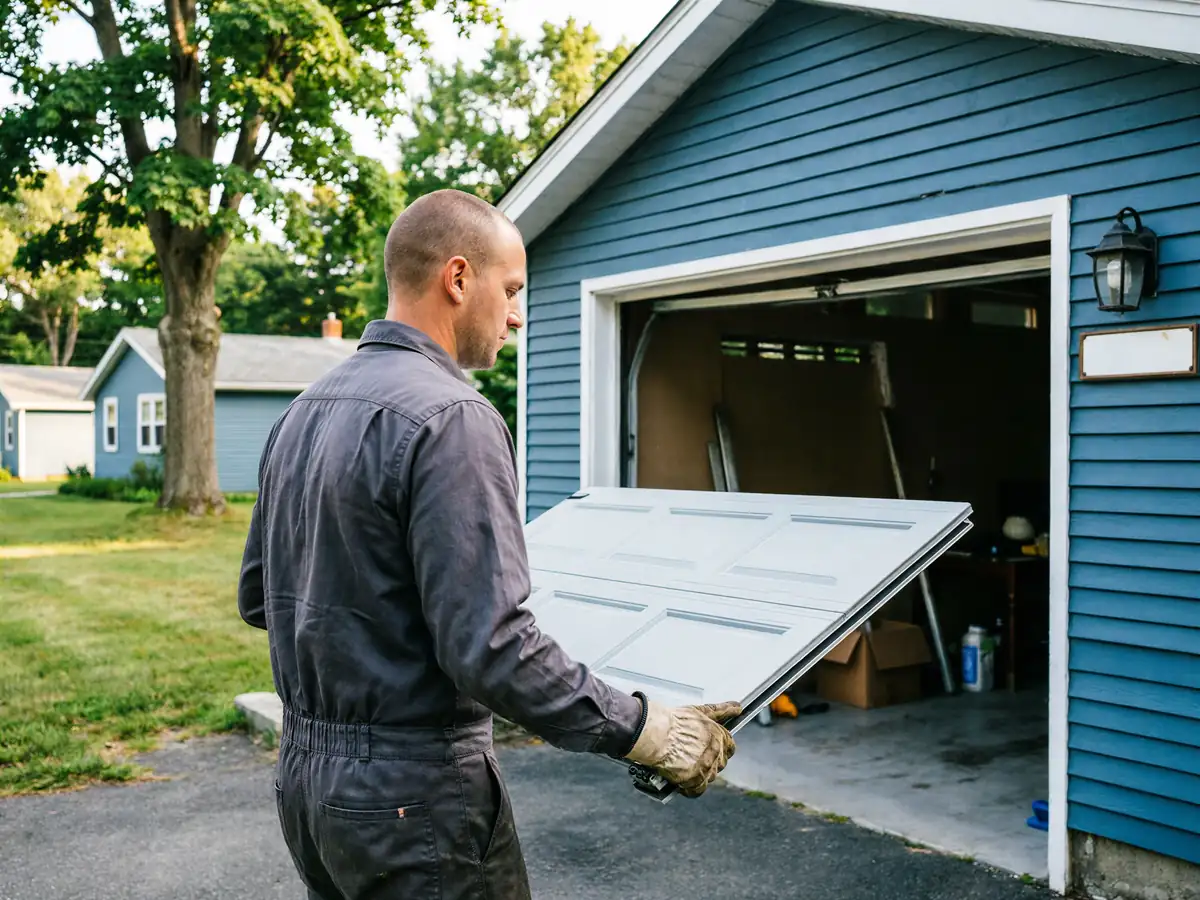
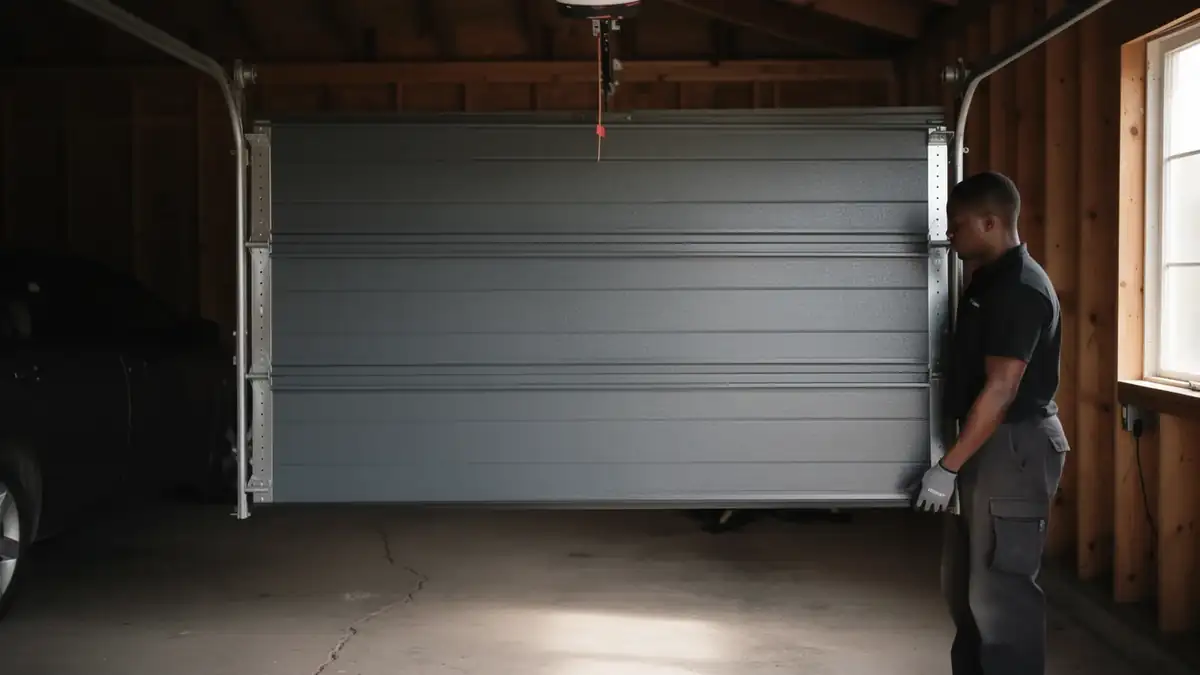
Before a technician touches a wrench, they're looking at the door itself, because in Waltham that tells most of the story. Housing here mostly went up between 1938 and 1993, with the median build year around 1966, and that stretch covers a lot of what you see in Piety Corner. A door that old has probably been serviced by three or four different people over the decades, which means mismatched hardware is common - a newer opener bolted to an original torsion setup, or a replacement spring sized for a different door weight. So the first check isn't the symptom you called about. It's whether the spring, track, and opener actually match each other, because on houses from this era they often don't. A tech will also check the panels themselves for the kind of warping and seam separation you get on original steel doors from the 1960s and 70s - lighter gauge, less insulation, and 50-plus years of expansion and contraction. None of this is a guess. It's what shows up again and again on calls across this stretch of 1960s-70s housing stock, and it's why the inspection starts at the door and hardware before anyone touches the opener logic board.
The Seasonal Bit
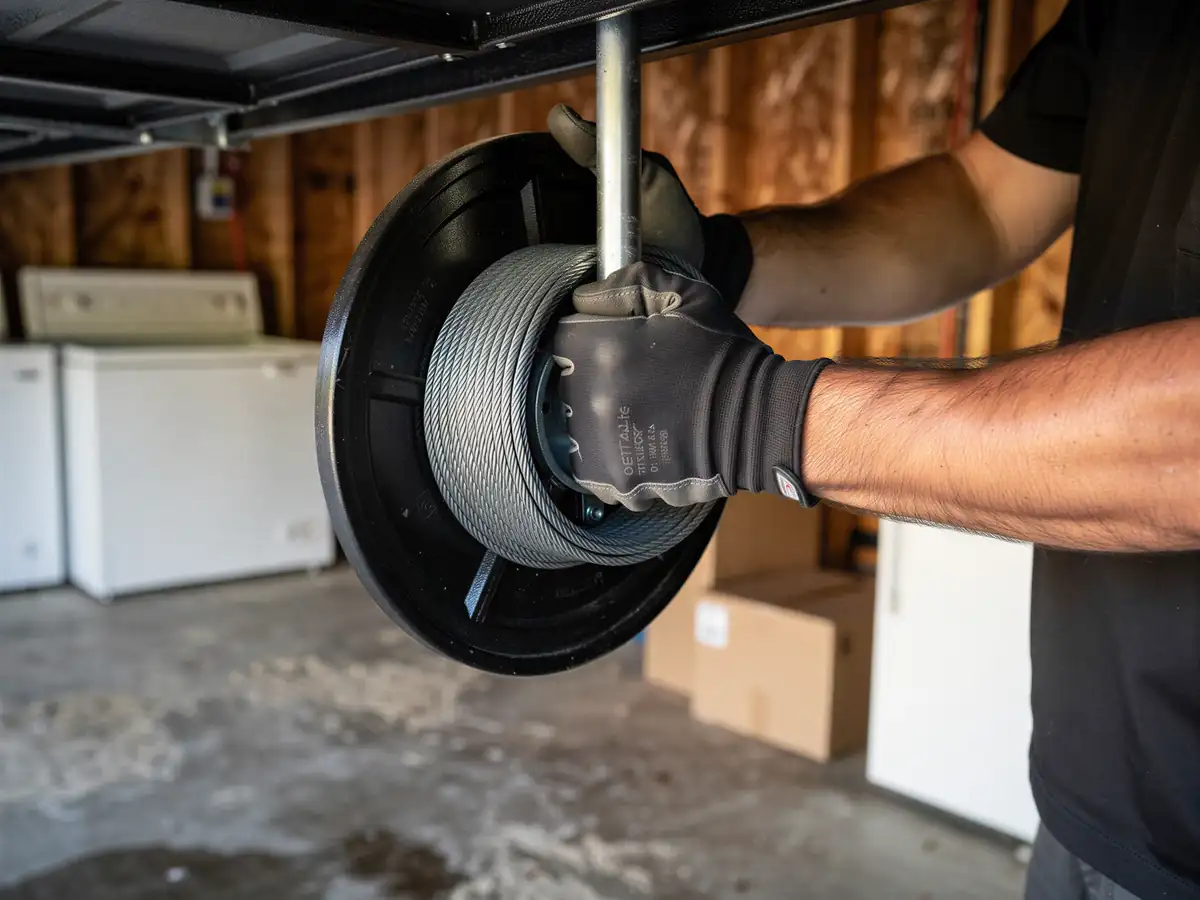
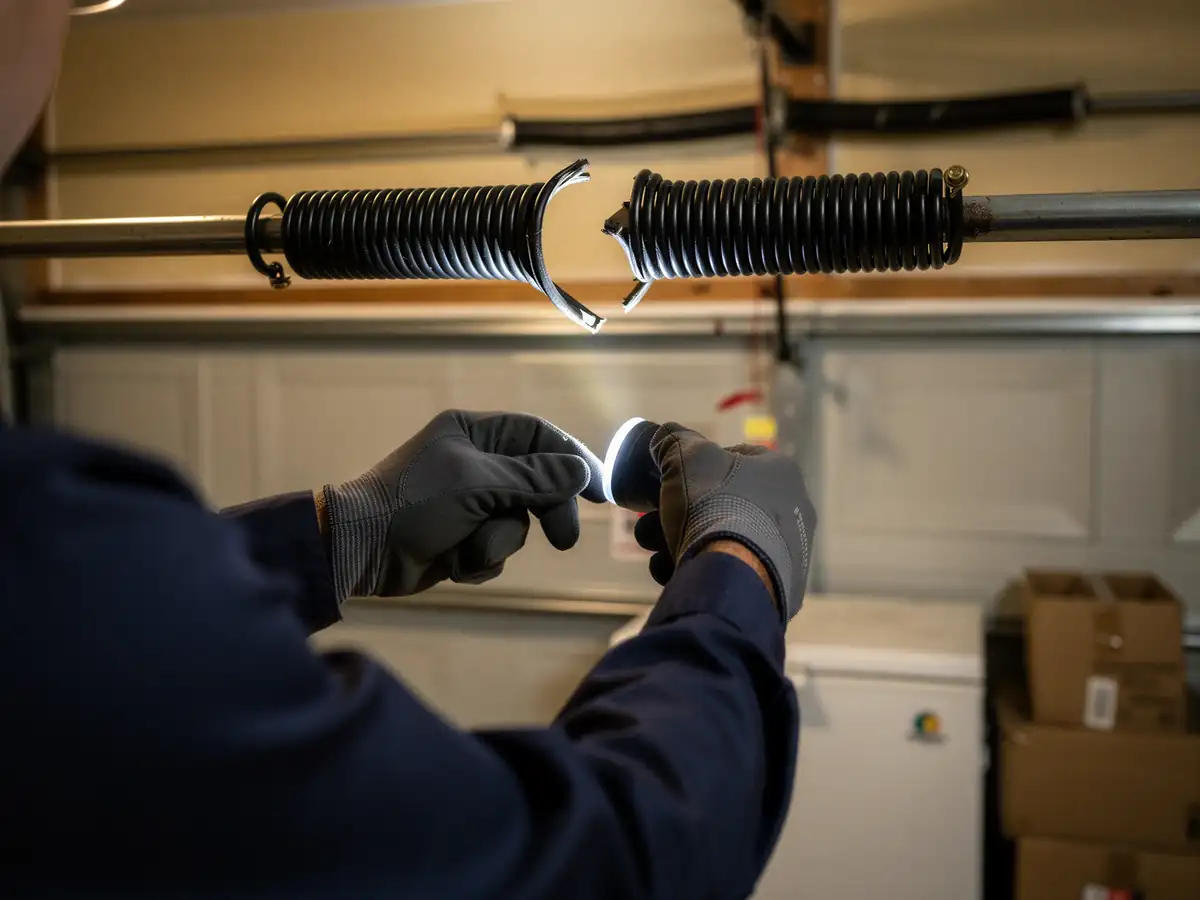
Waltham sits in a cold-climate band with severe winters, and that changes the order of what gets checked depending on the time of year. Heading into cold weather, a tech checks spring tension first, because steel contracts in the cold and a spring that was fine in August can be noticeably tighter or looser by December - and on a door that's been running on original or near-original hardware since the 1960s, that shift matters more than it would on newer coated springs. Lubrication is the second check, since cheap or old grease on rollers and hinges thickens up and drags in cold weather, which shows up as a door that groans or hesitates on the way up. Coming out of winter, the order flips: tracks get checked for the grit and salt residue that builds up over a Massachusetts winter and works into roller bearings. None of this is a once-a-year job in a climate this seasonal - the severe cold-to-warm swing here is hard on hardware twice a year, not once, and a tech who only checks in spring is missing half of what this climate does to a door.
What the Weather Here Does to It
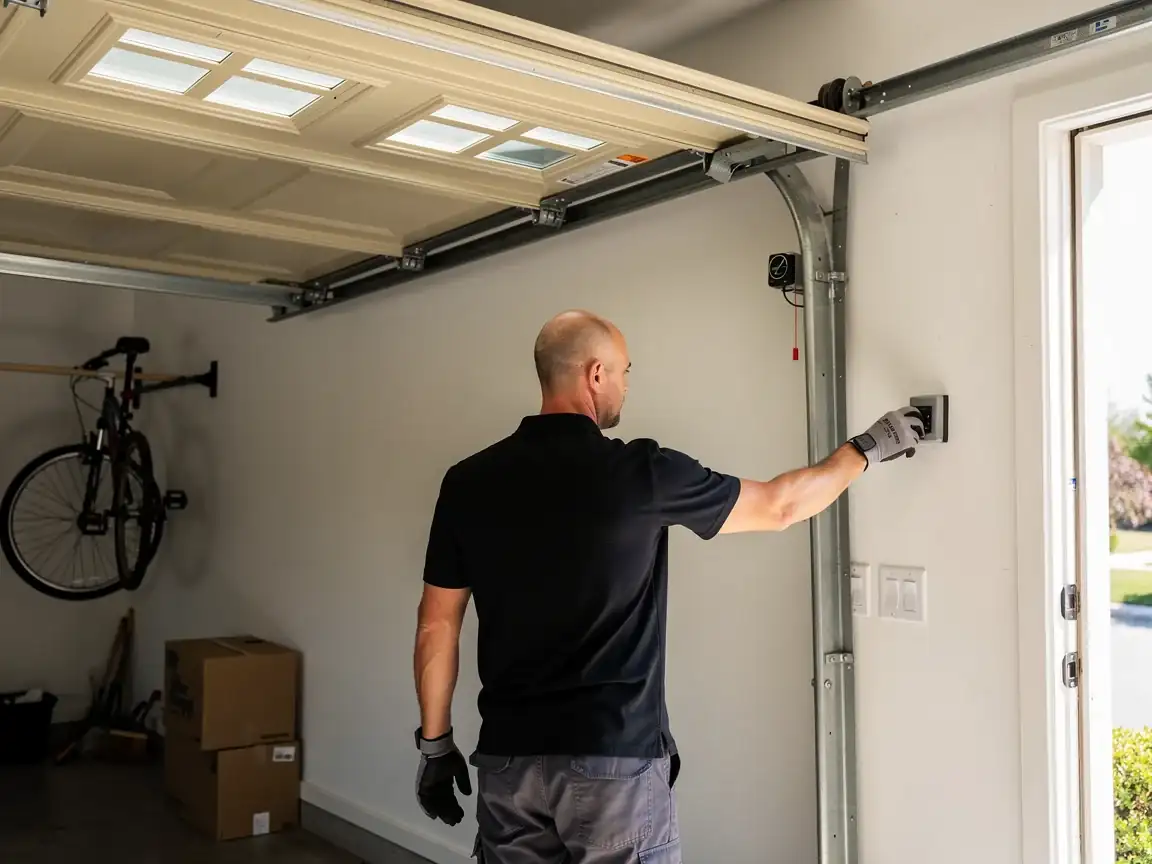
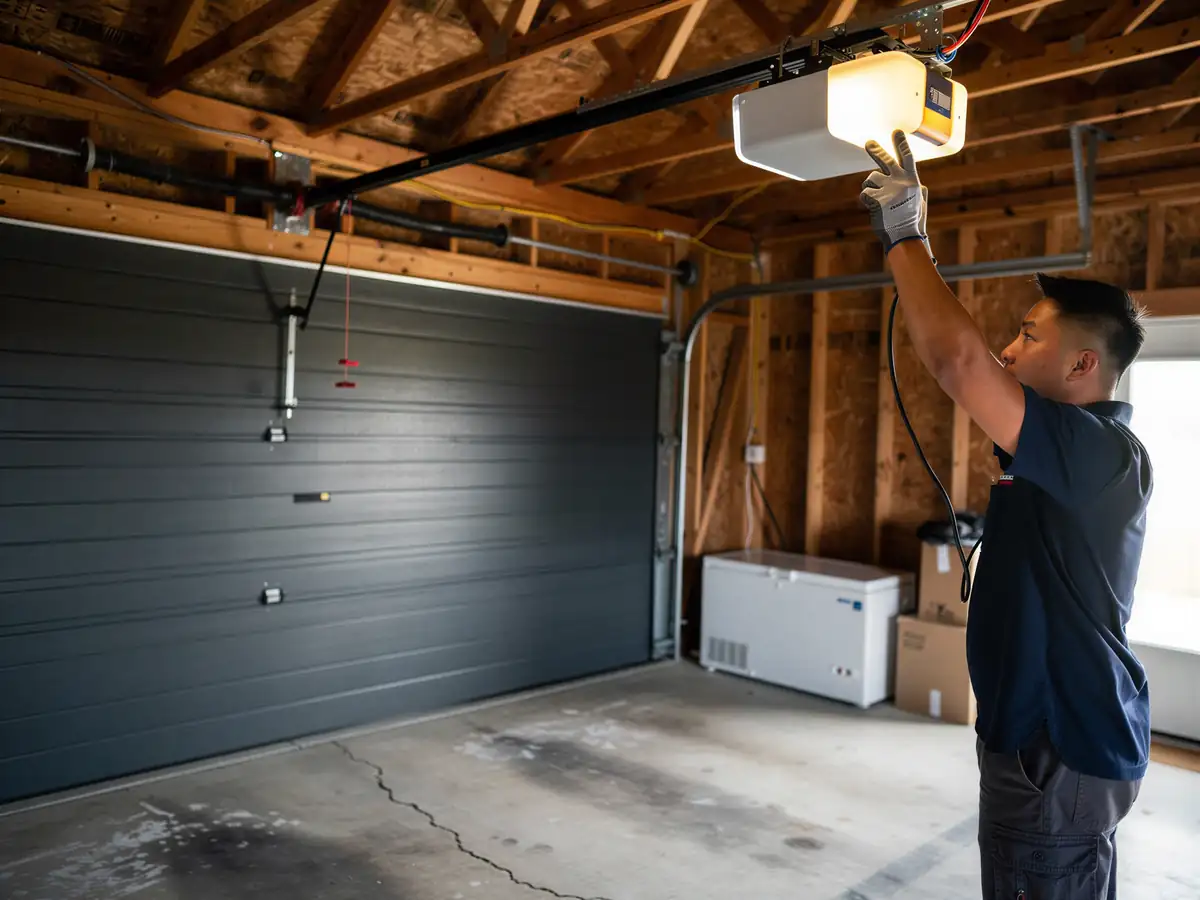
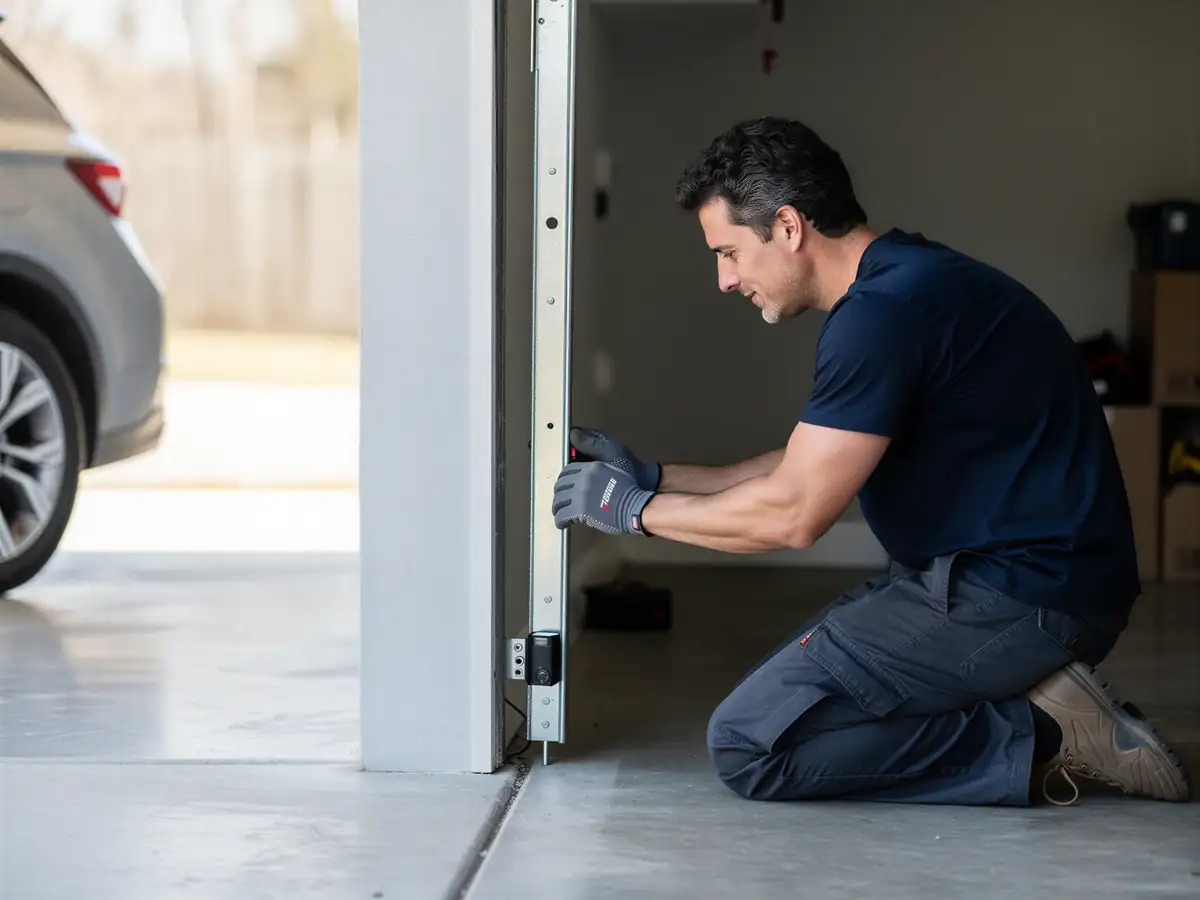
Severe cold does specific things to a garage door, and a tech checks for them in order. Metal track contracts in deep cold, which can pull rollers slightly out of alignment - minor in October, enough to bind a door by January. Torsion springs lose a measurable amount of tension as temperature drops, so a door that closed smoothly in fall can feel heavy or uneven come winter; this is checked by hand, not guessed at. Opener sensors are next, since cold affects the photo-eye alignment at the base of the track, and a knocked or frozen sensor is a common no-close complaint on these colder mornings. On the older steel doors common in this area's 1960s-70s housing stock, the cold also makes existing seam separation and panel warping worse, since the metal is already thinner and less insulated than what's made now. None of this is dramatic - no single cold snap breaks a door - but repeated winters on hardware that's already decades old are exactly why these checks happen in this order here, rather than starting with the opener like you might in a milder climate.