What You Are Seeing
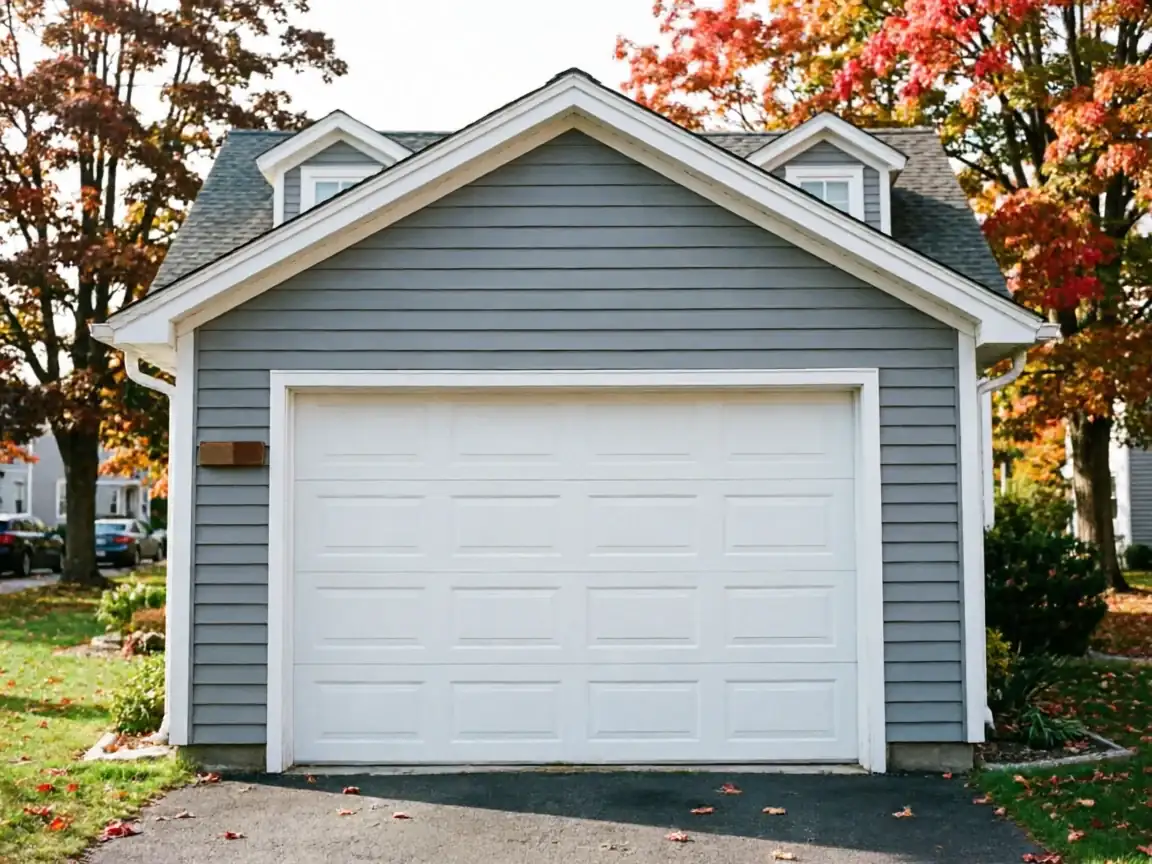
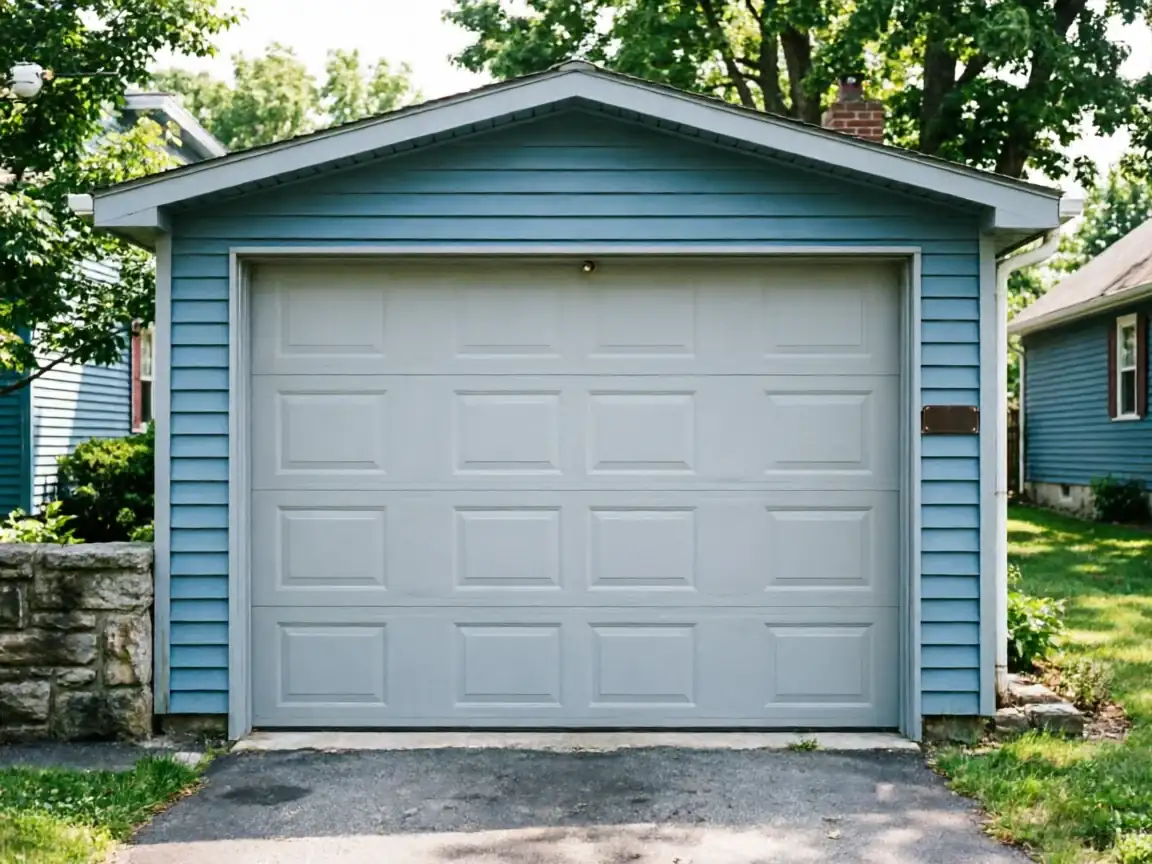
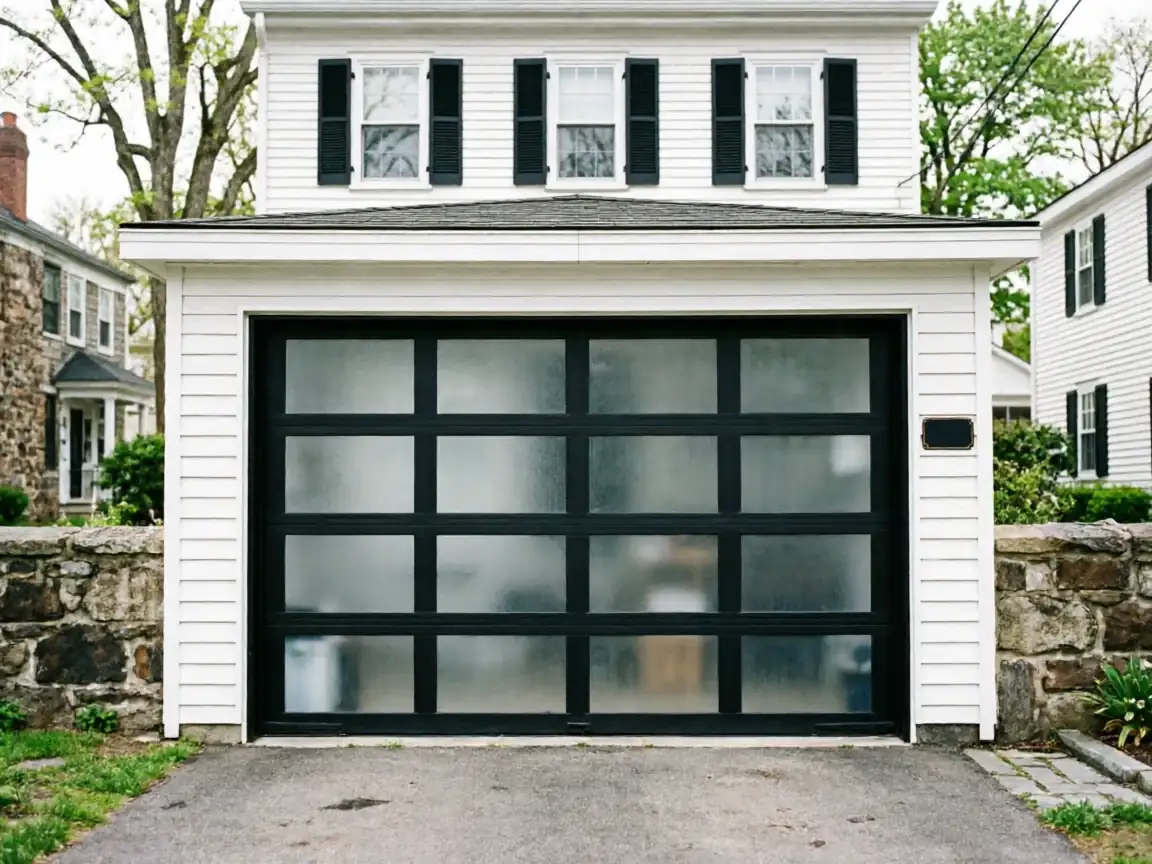
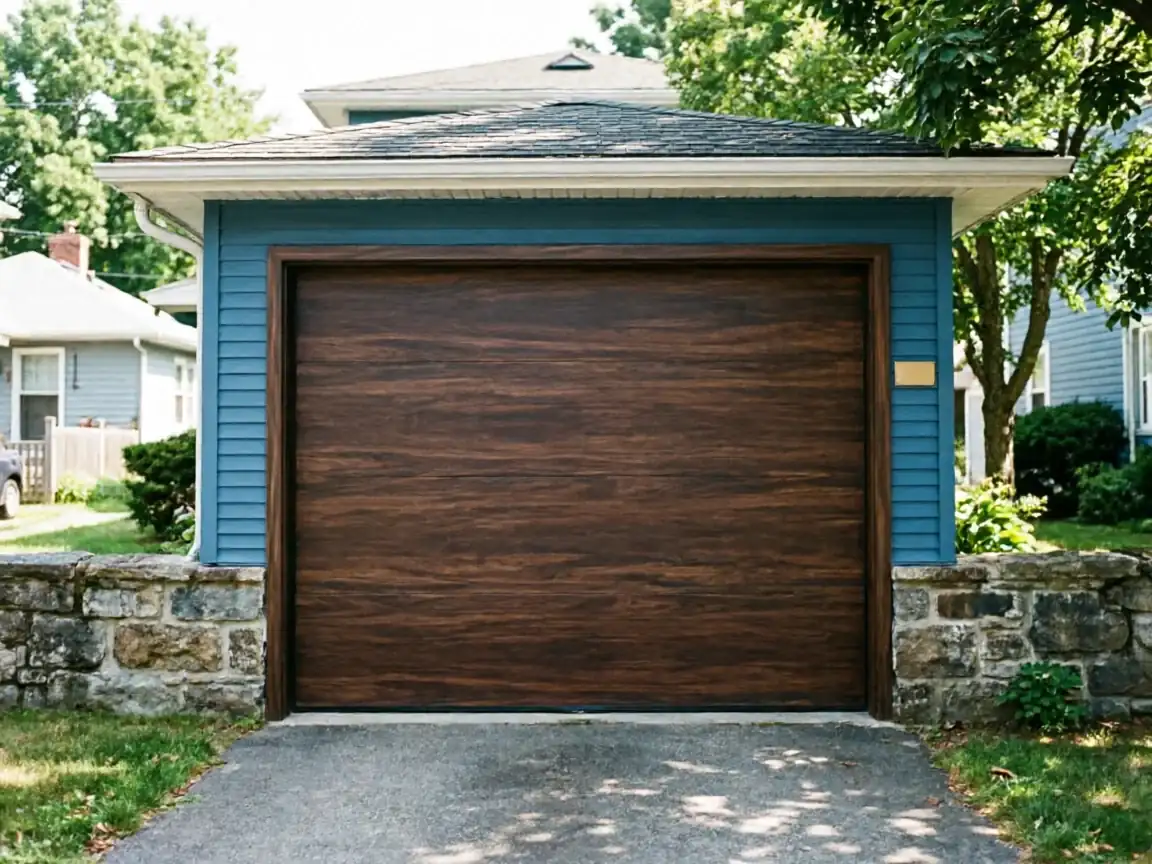
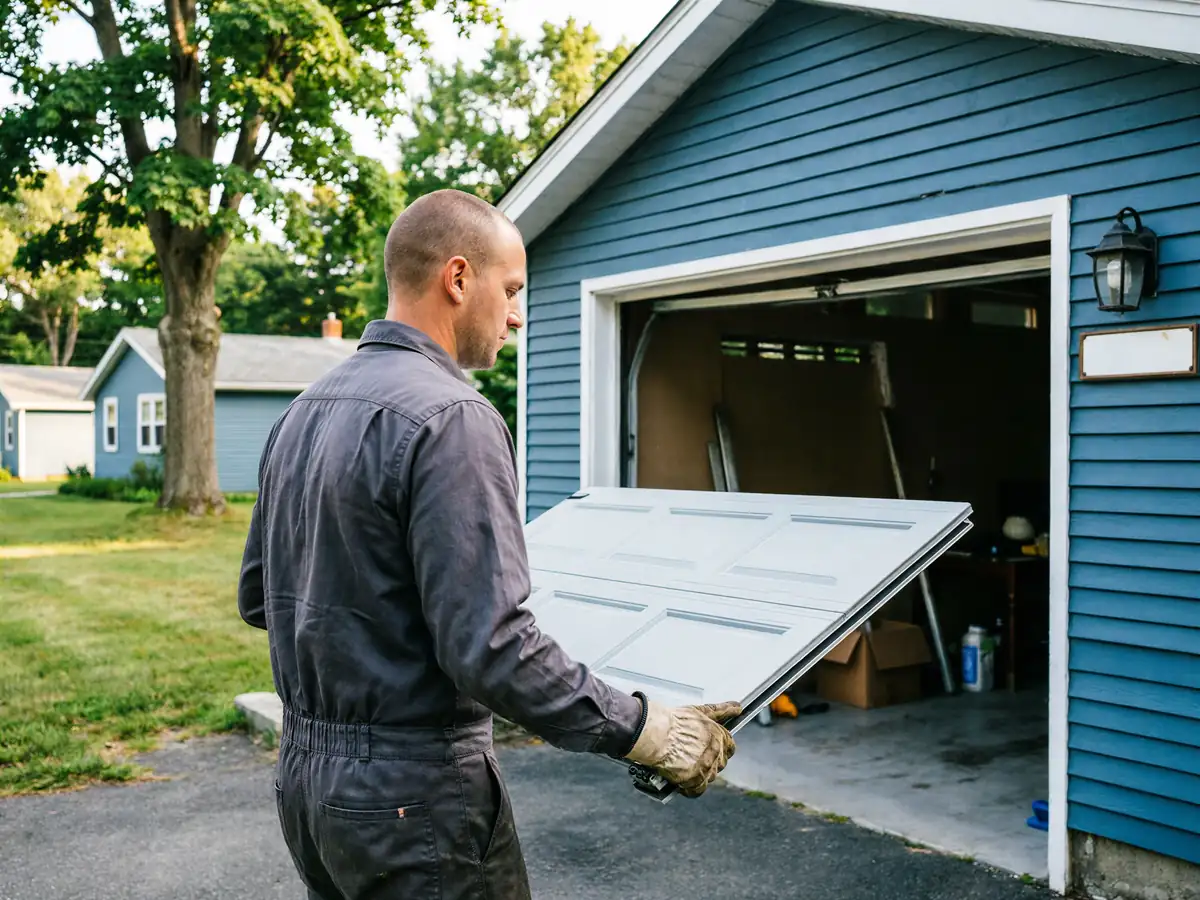
If you're shopping for a new garage door in Waltham, you're probably not replacing something that just broke yesterday. You're looking at a door that's been patched, re-sprung, or re-tracked more than once, on a house built somewhere between 1938 and 1993 - the median around 1966, per Census figures for this area. That era of construction means a garage opening that was framed for a door nobody makes anymore: narrower single-car bays, headroom too tight for a modern torsion setup, or a frame that's shifted a half-inch out of square over sixty years of New England frost and thaw. A straight swap - new door, same track, same header bracket - often doesn't fit right, and that's the single most common reason an install job in this town runs longer than the homeowner expected. We measure the opening before we quote, not after the door shows up on the truck.
Why It Happens Here
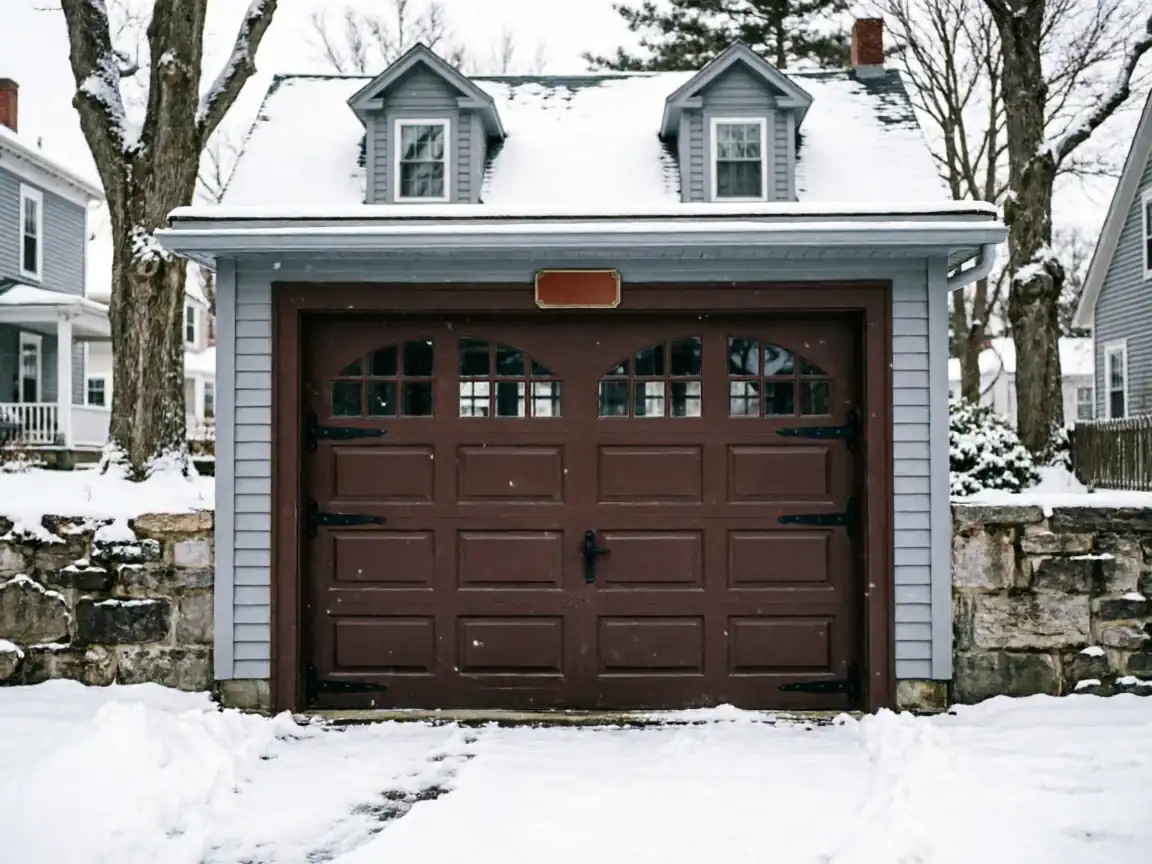
The region sits in a severe cold climate band, and that matters more for installation than people expect. A door and track system that's fine in a mild climate can bind, warp, or pull loose from the header here because of the freeze-thaw cycle working on wood framing that's often original to a house built before 1993. Insulated steel doors with a thermal break aren't optional upgrades in this area - they're the baseline we install, because an uninsulated door on an attached garage in a cold-band town means a cold wall for whatever room shares that garage. We also see more header rot and jamb movement on the older end of the 1938-1966 housing range than on houses built in the 70s and 80s, which changes how we anchor the new track.
How We Fix It
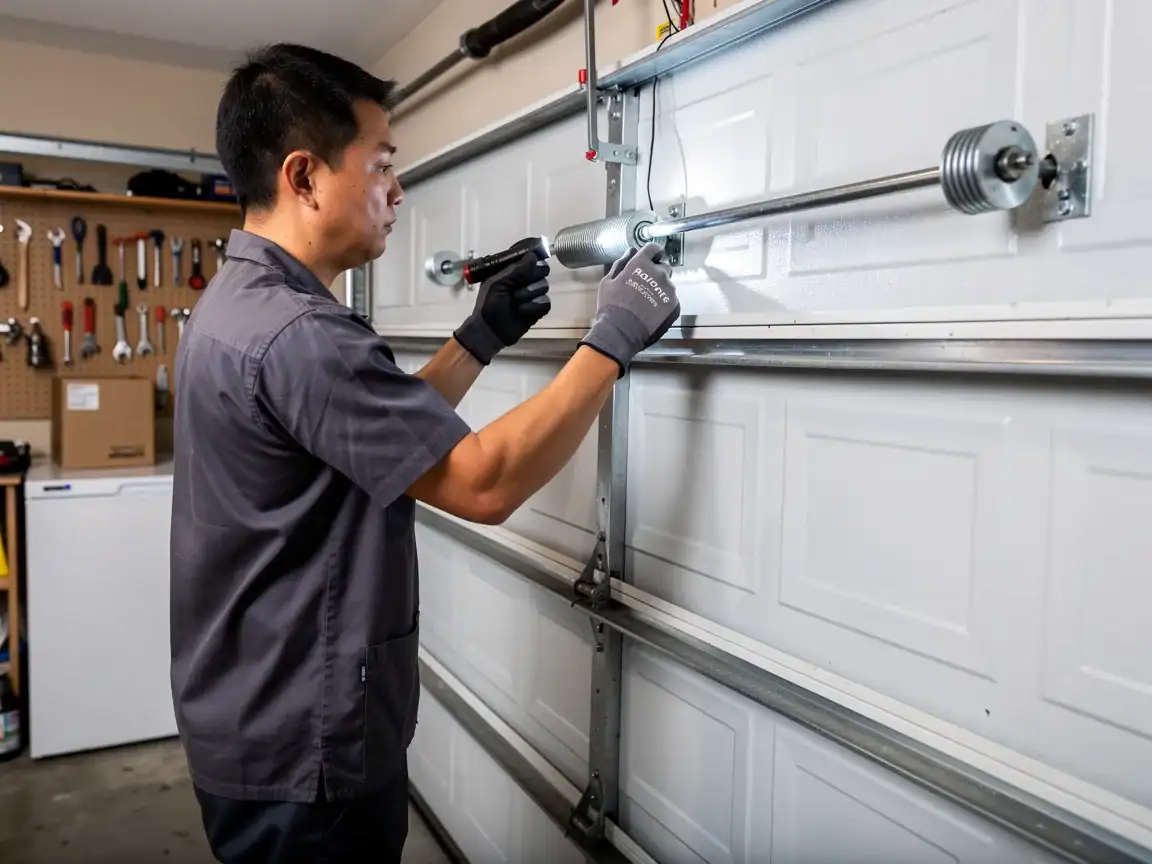
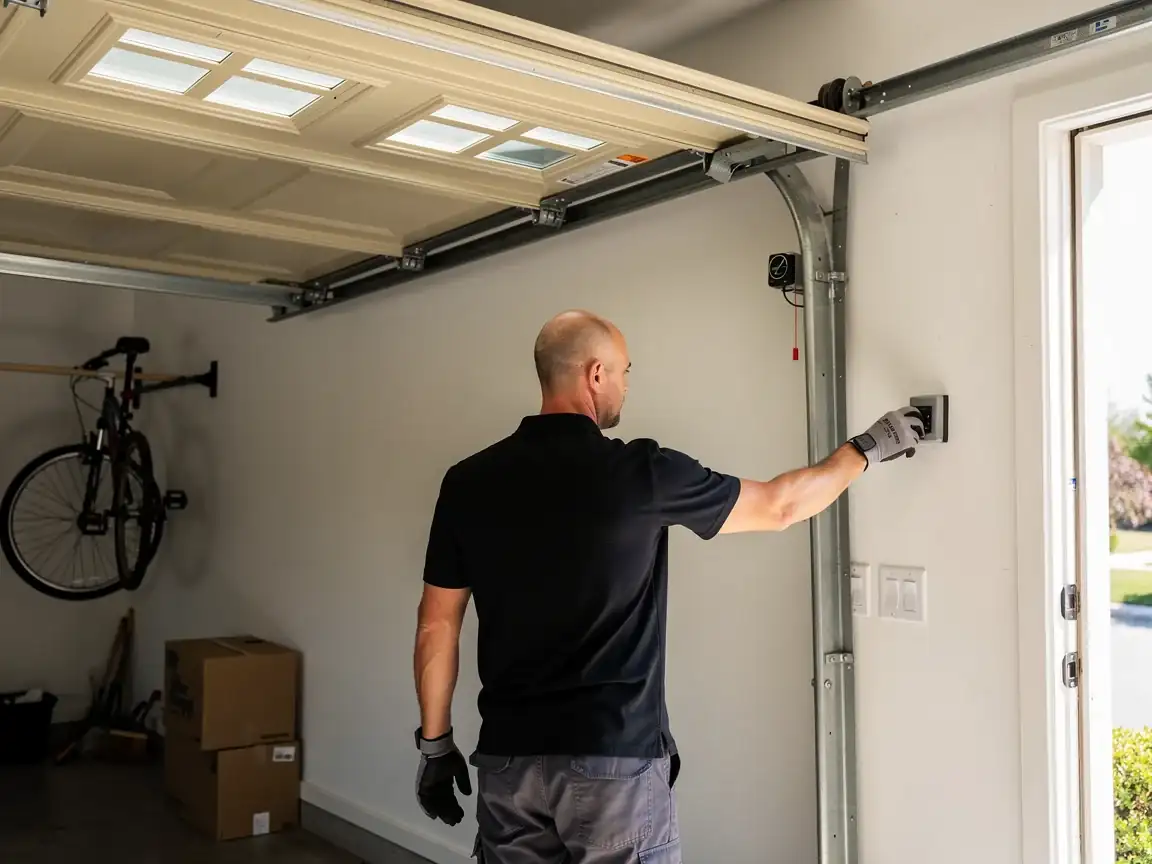
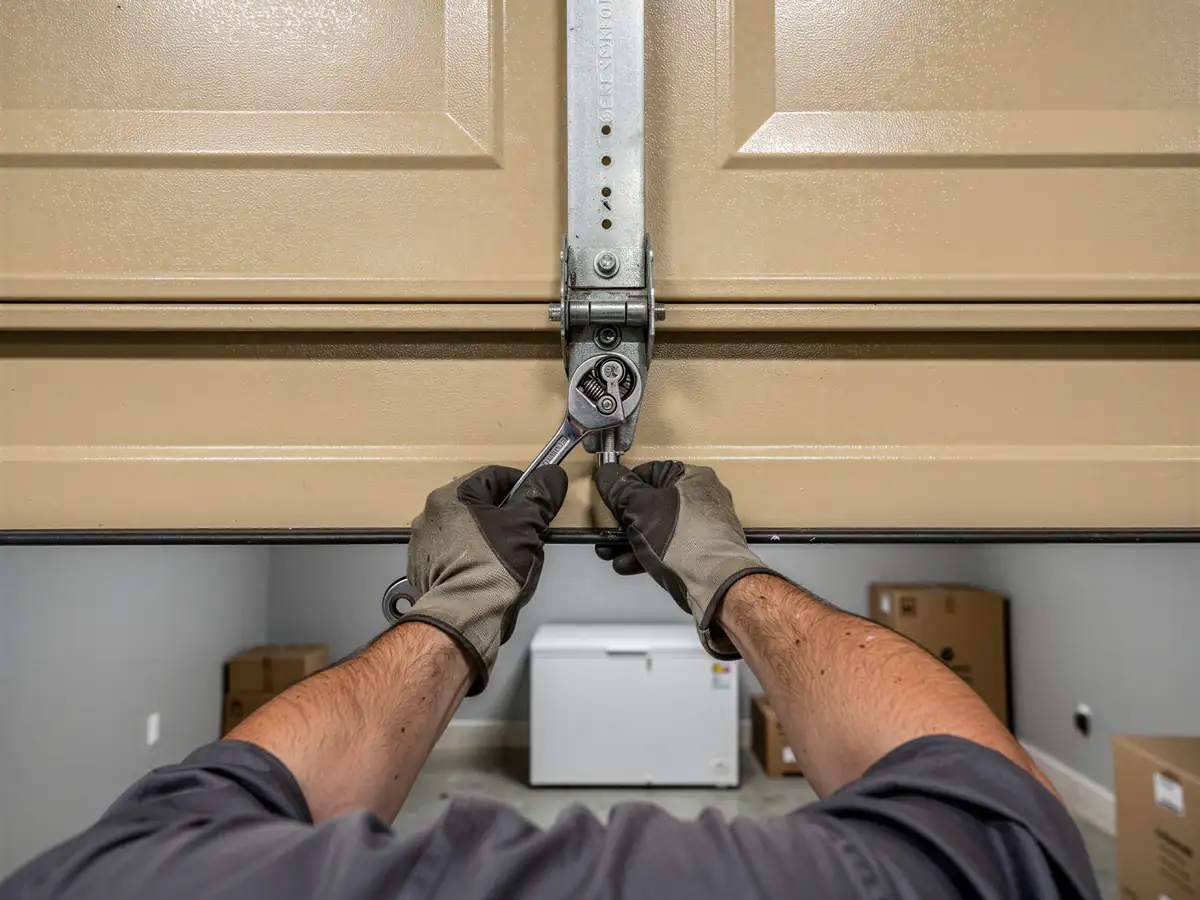
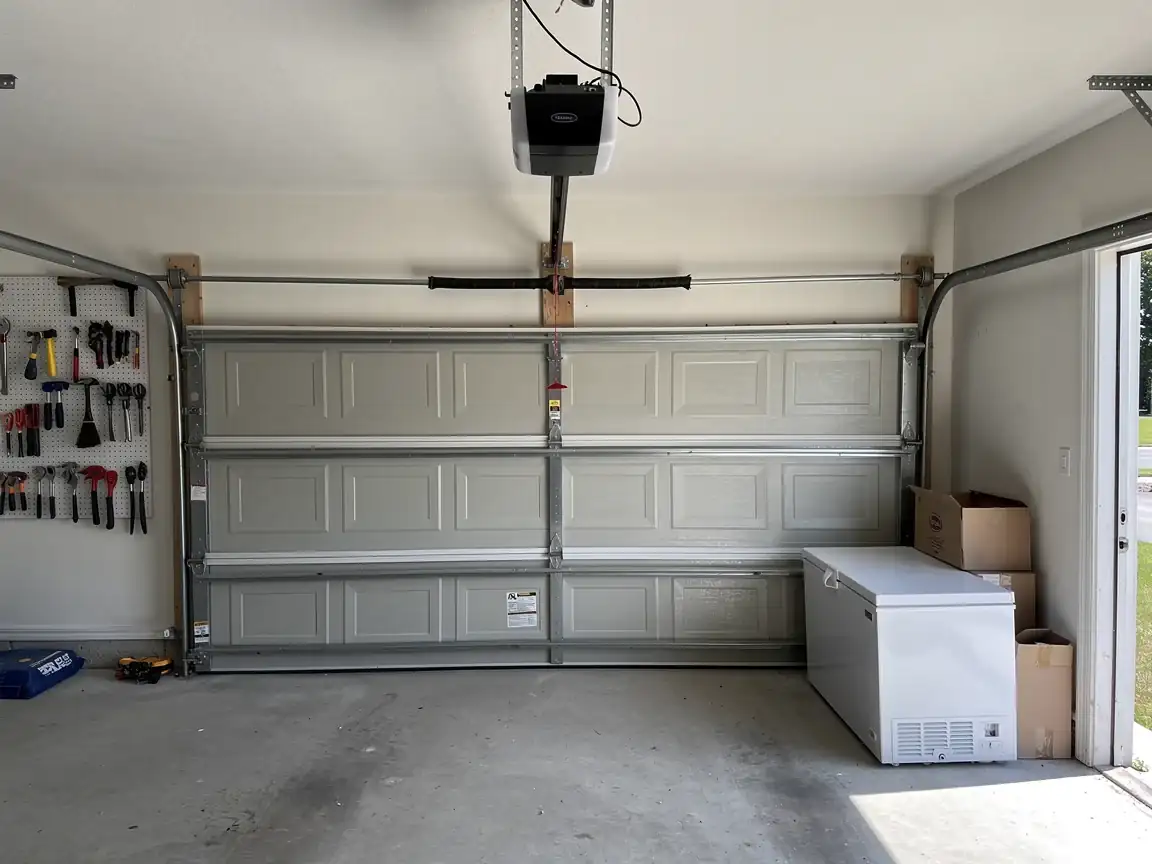
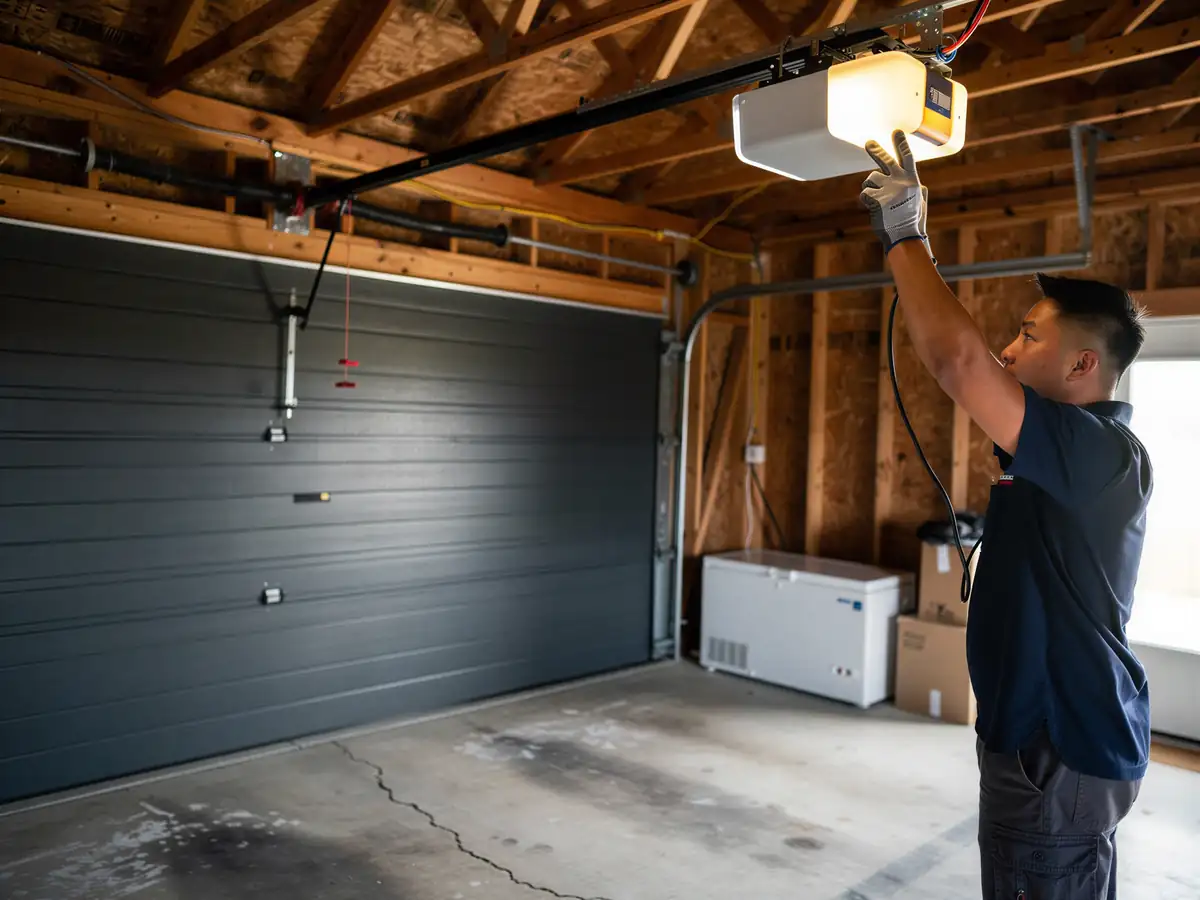
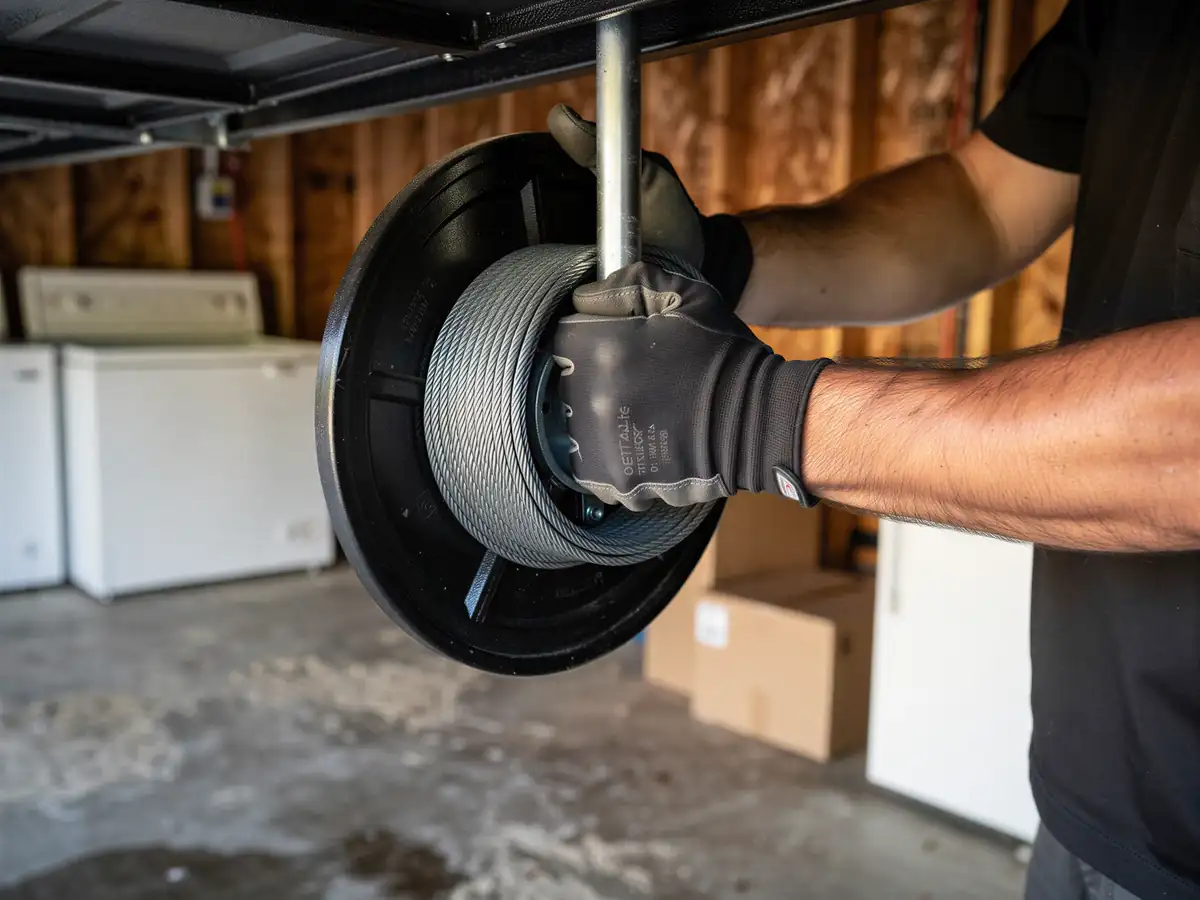
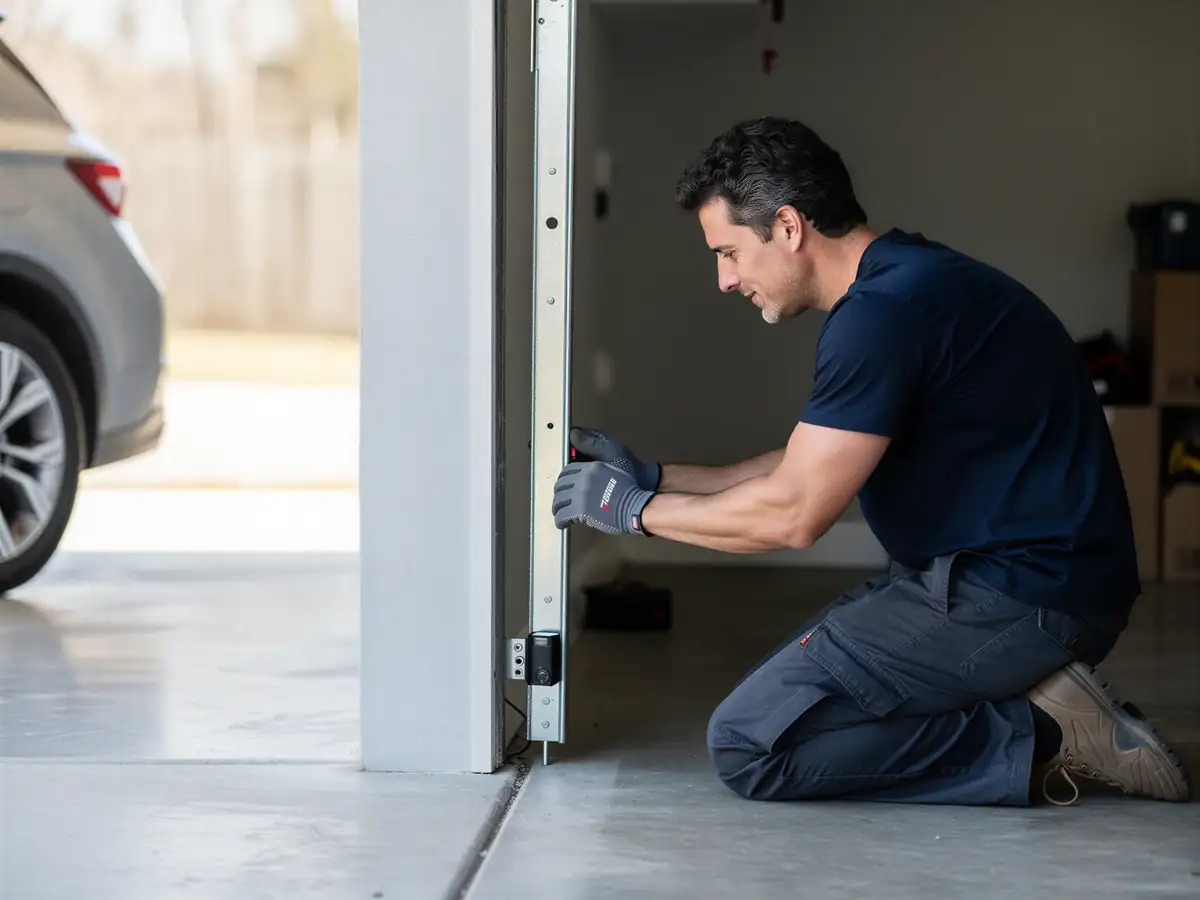
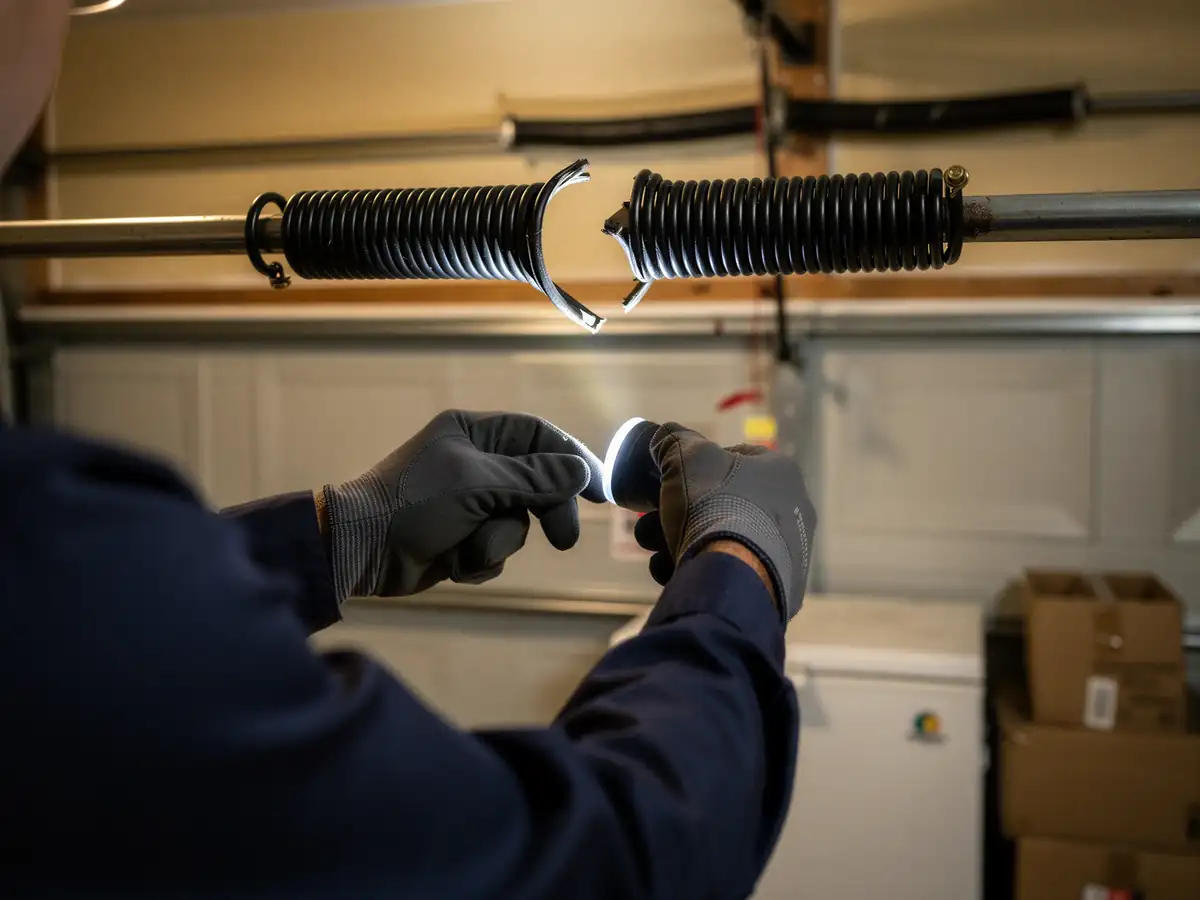
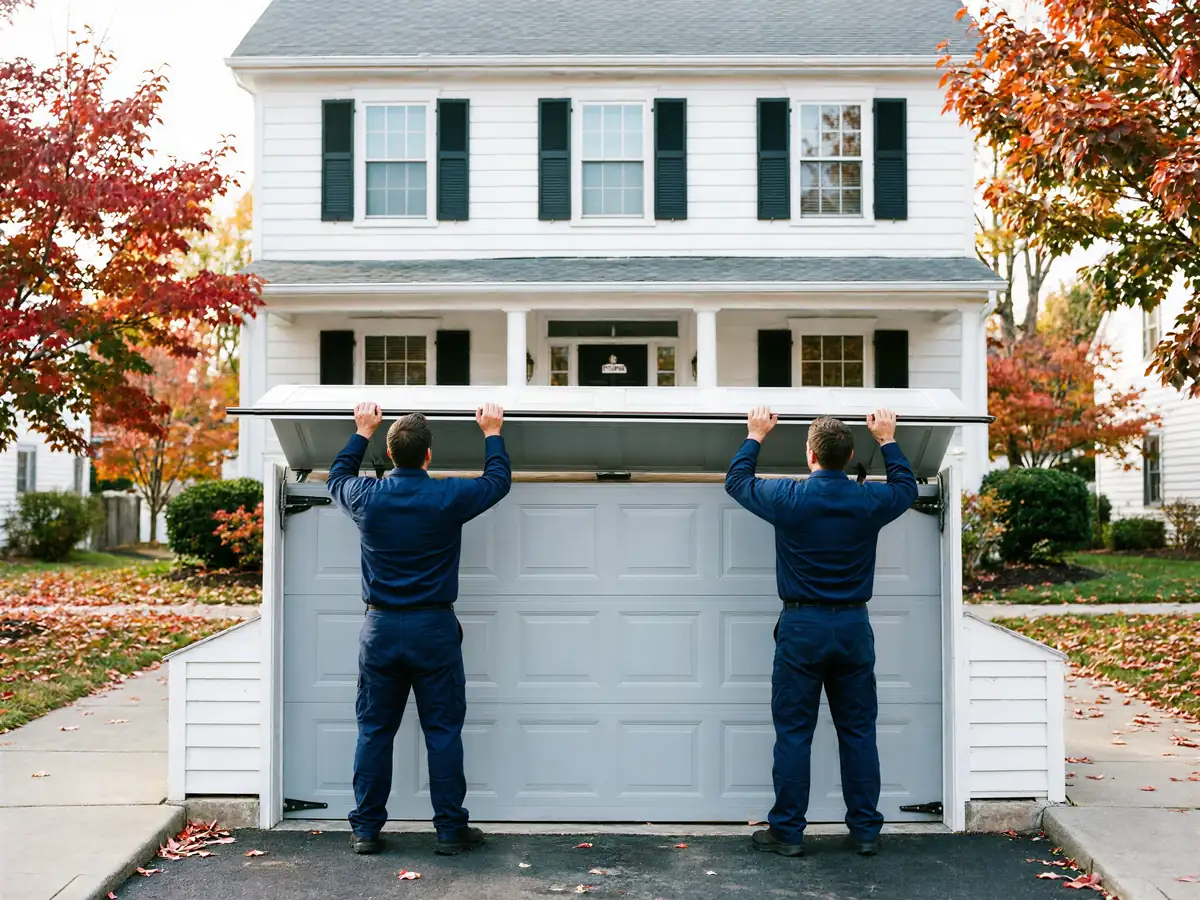
We start with the opening, not the catalog. We measure width, height, headroom, and backroom clearance, then match that against the frame condition - if the jamb or header has shifted or softened, we address that before the new door goes in, because hanging a new door on a bad frame just moves the problem down the road. For the 1960s-70s stock that makes up most of this town's garages, that's usually a straightforward reframe-and-install in a day. Older openings tied to pre-1960s construction sometimes need custom trim work, and we'll scope that separately rather than fold it into a flat quote. Every install gets insulated panels rated for this climate band, new torsion hardware sized to the actual opening, and a walk-through on balance and auto-reverse before we leave.