What the Housing Means for Your Door
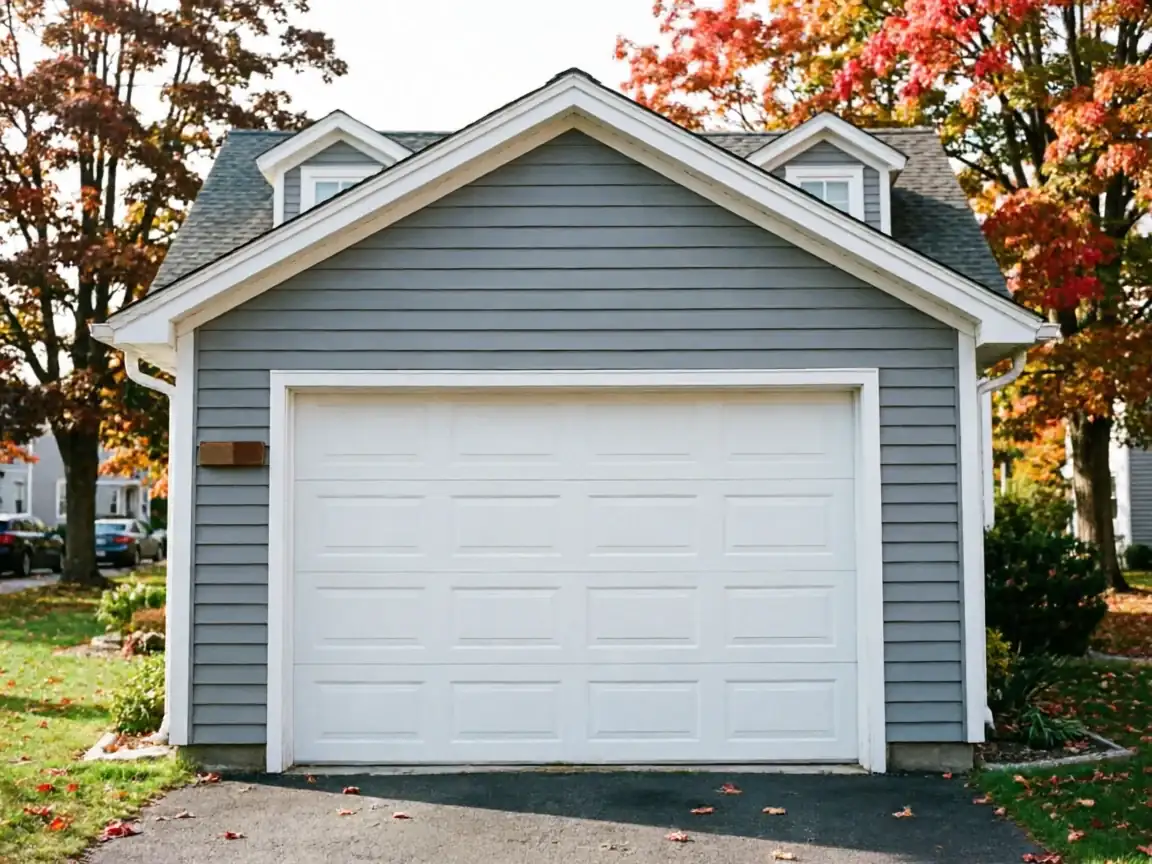
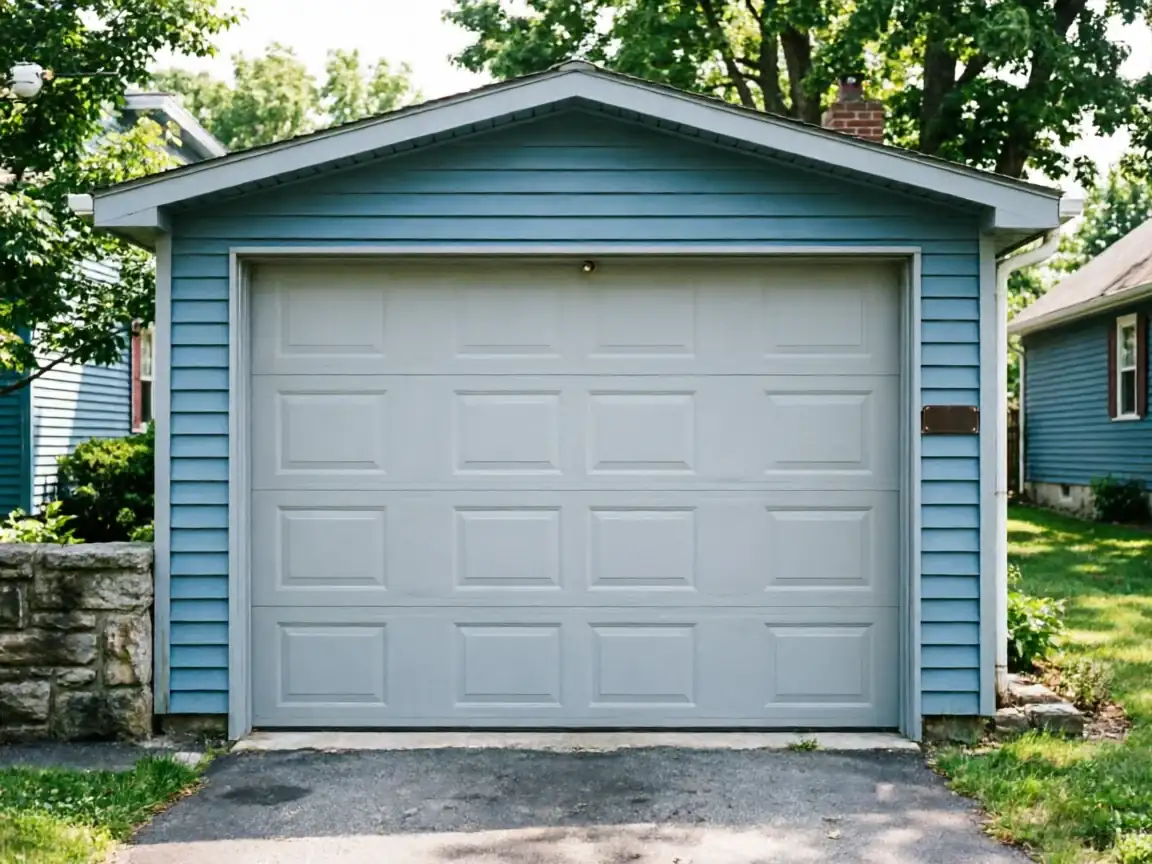
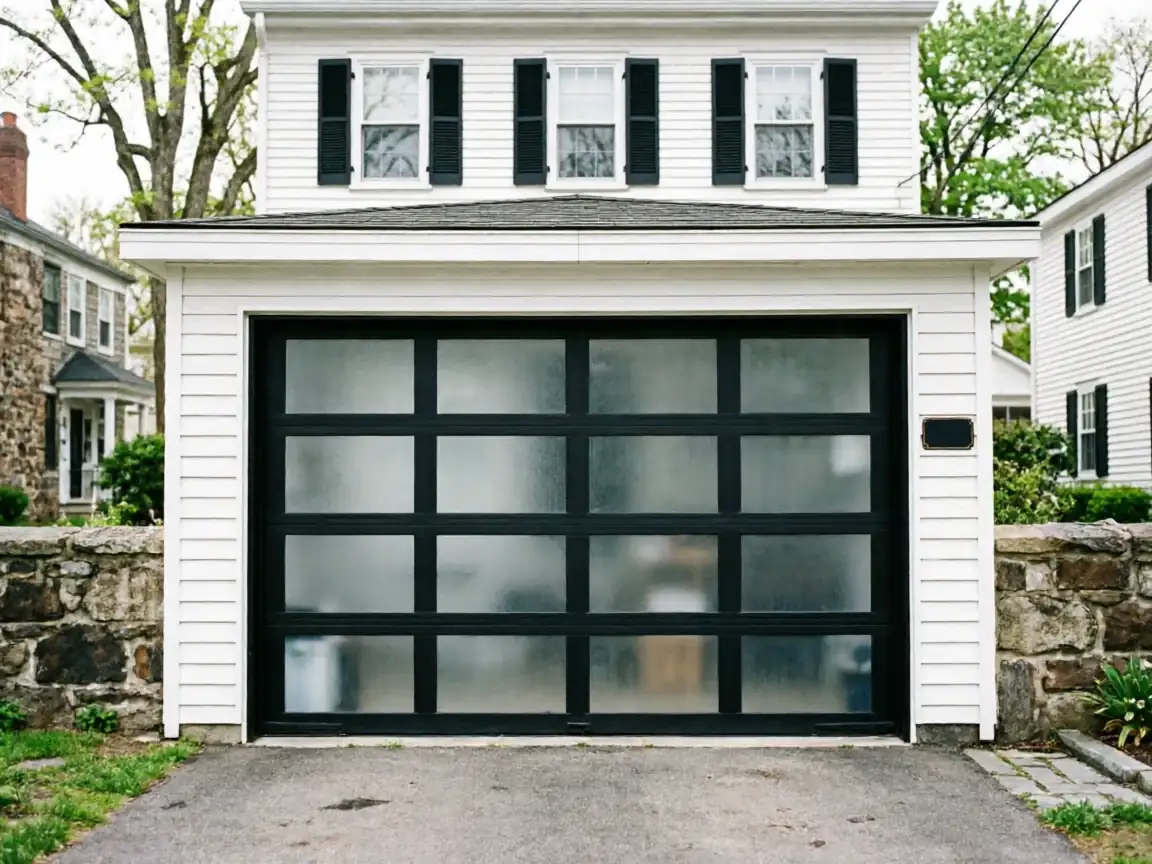
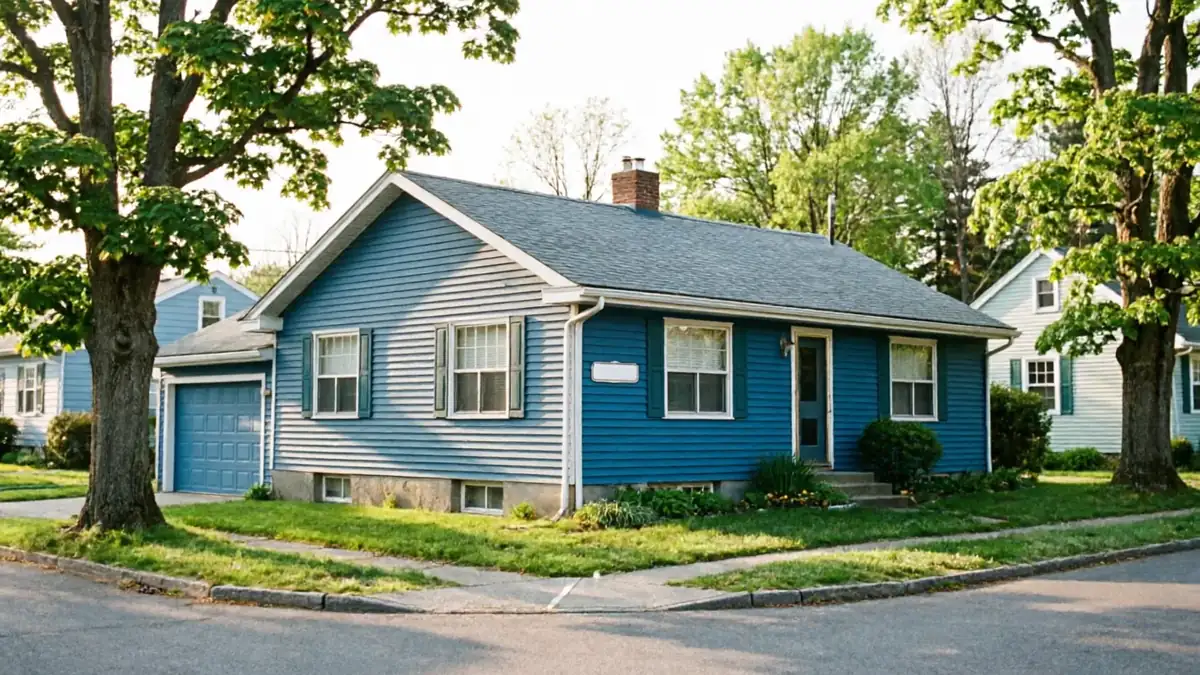
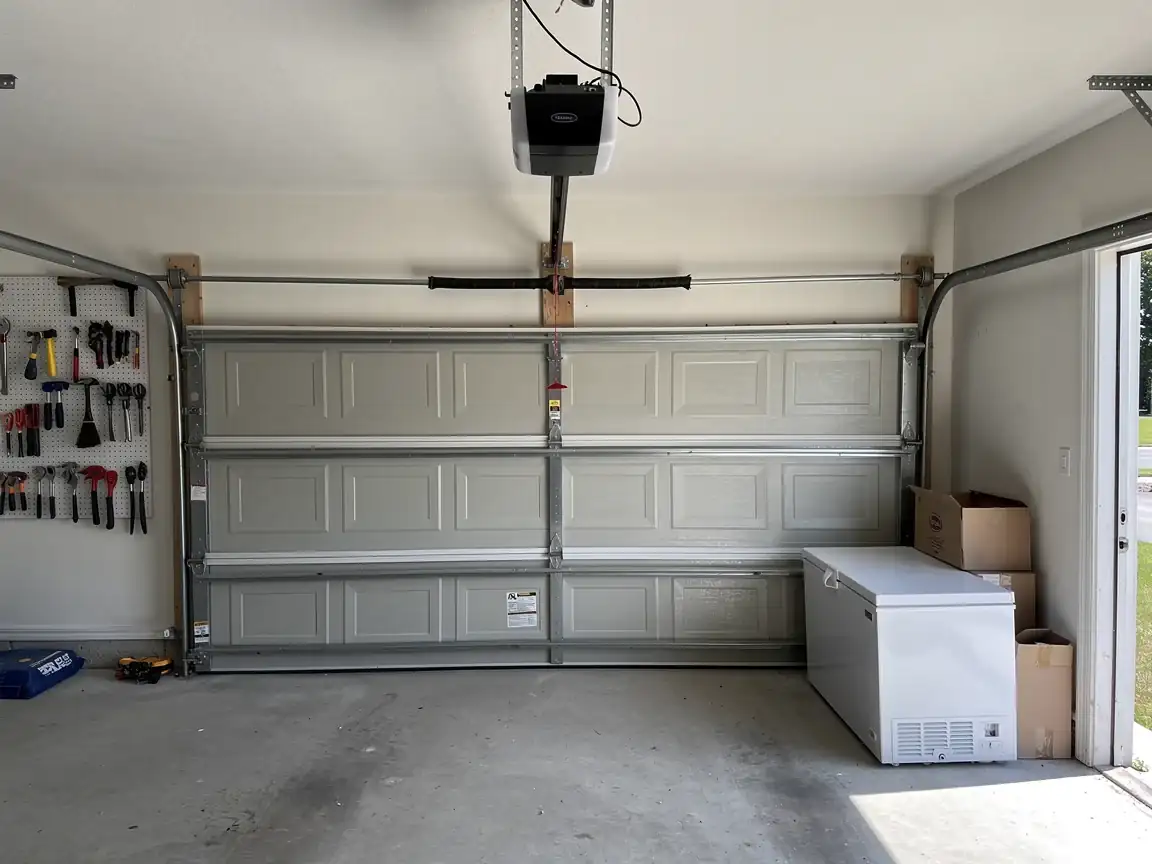
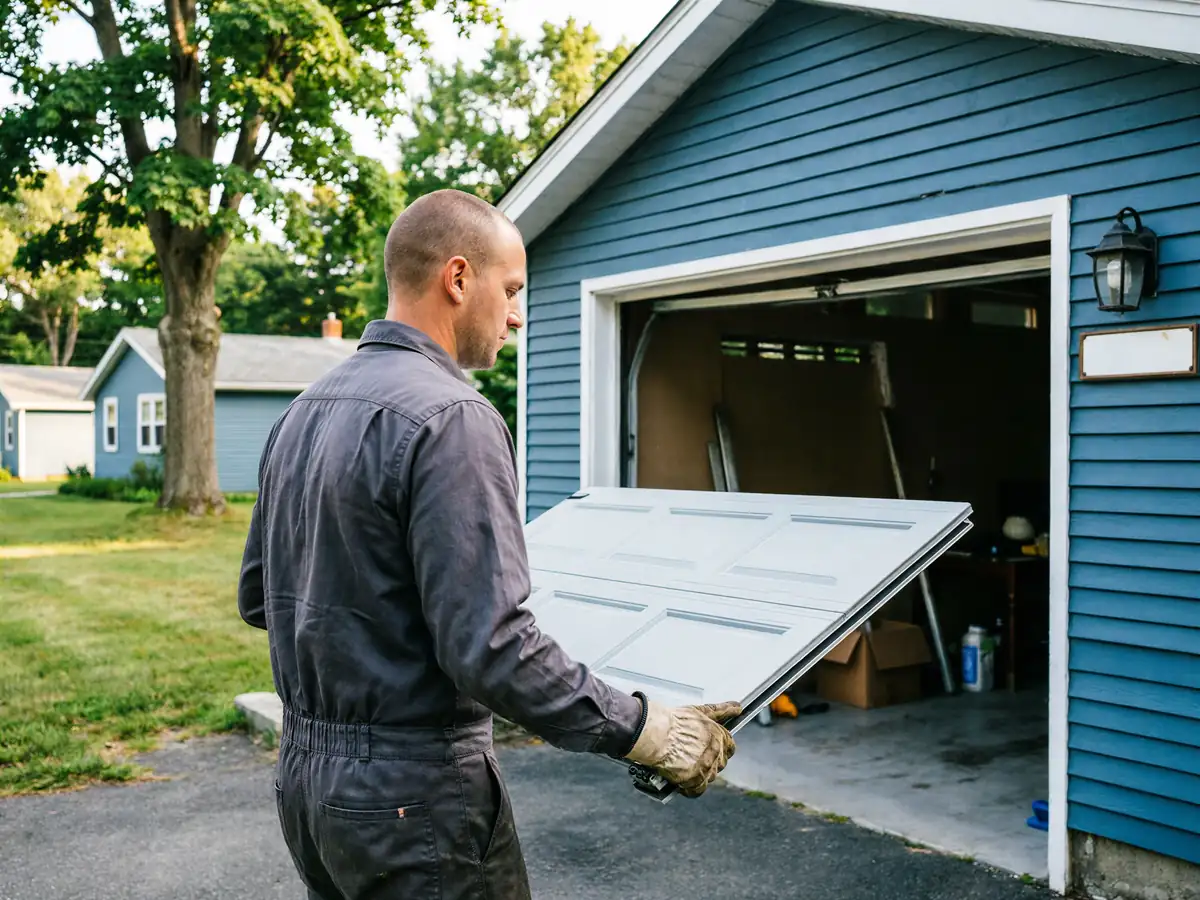
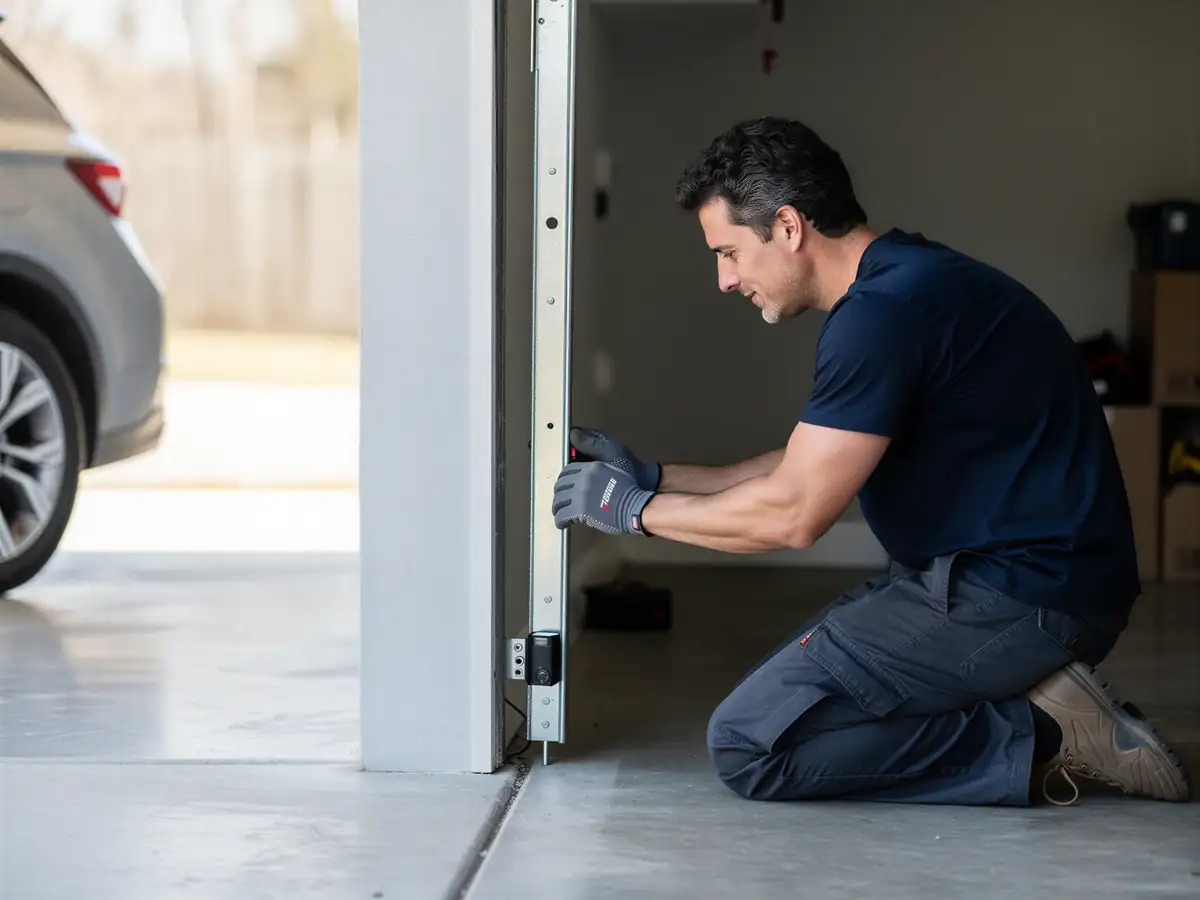
Billerica's housing stock centers on 1973, newer than the broader service area's 1966 median. That decade matters more than people think. A door built in the early-to-mid 70s usually means steel sectional panels instead of the older one-piece slab doors you still find on pre-1960 homes closer to Waltham. The springs are more likely to be standard torsion units rather than the oddball extension setups common on older garages, and the track width tends to follow a more consistent standard than what we see on houses built before the mid-60s.
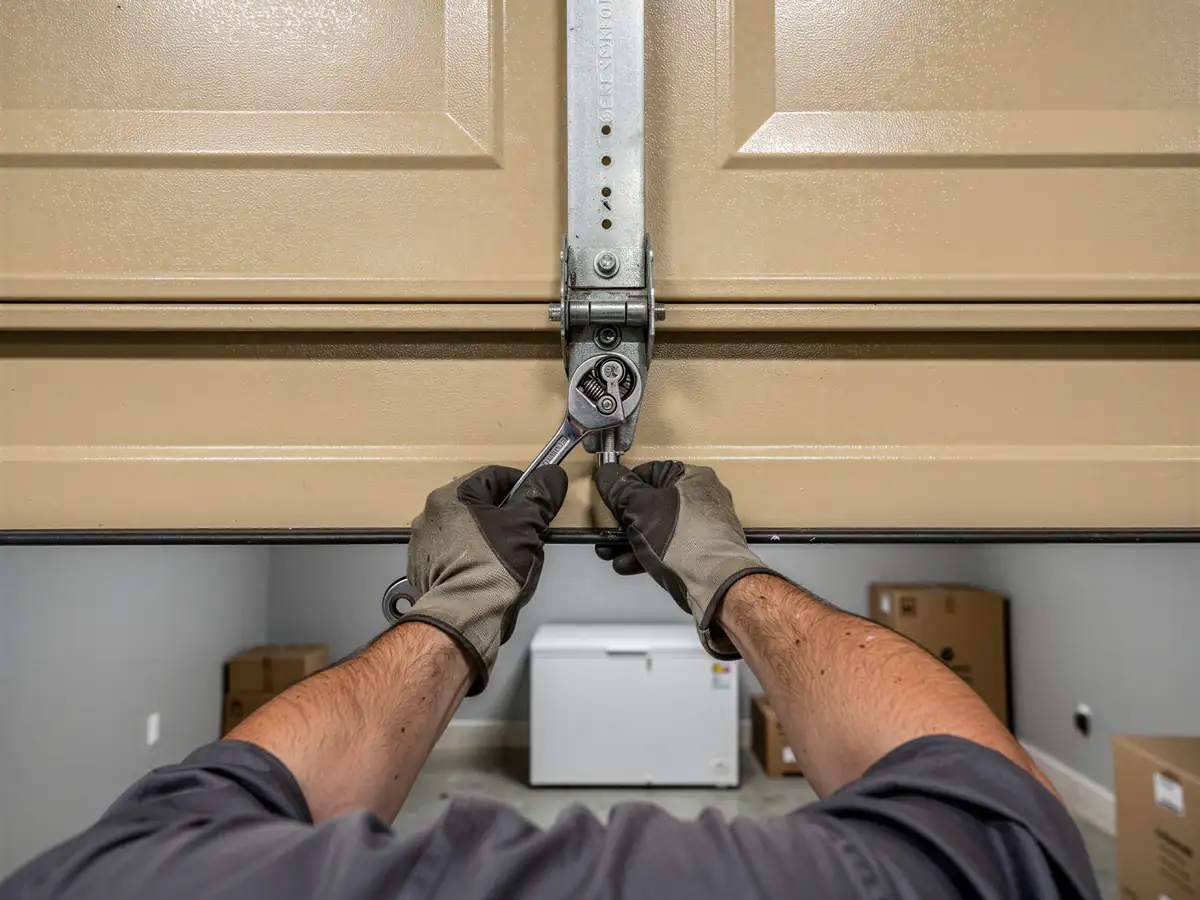
That doesn't mean these doors are trouble-free. A door installed when the house went up in 1973 is now over fifty years old if it's original, and most aren't original anymore - which means you're often dealing with a second or third opener on first-generation track, or a replacement door hung on hardware nobody matched to it correctly. We see mismatched spring weight more in this kind of stock than in either much older or much newer homes, because somewhere along the way a door got swapped without anyone re-calculating the spring for the new panel weight.
We're not guessing at your exact street - we don't have that level of detail - but the build era tells us what to expect before the truck even leaves Waltham.
Timing on This Area
We run this call from our Waltham location, 12 miles out
That distance doesn't change what's wrong with your door, but it does mean we're not sitting around the corner, and we're upfront about that rather than promising something we can't back up. Cold-climate stress on springs and openers doesn't care about drive time - a spring that's going to snap on a sub-zero morning will do it whether we're five minutes away or twelve miles away.
- 12 miles
What we can tell you
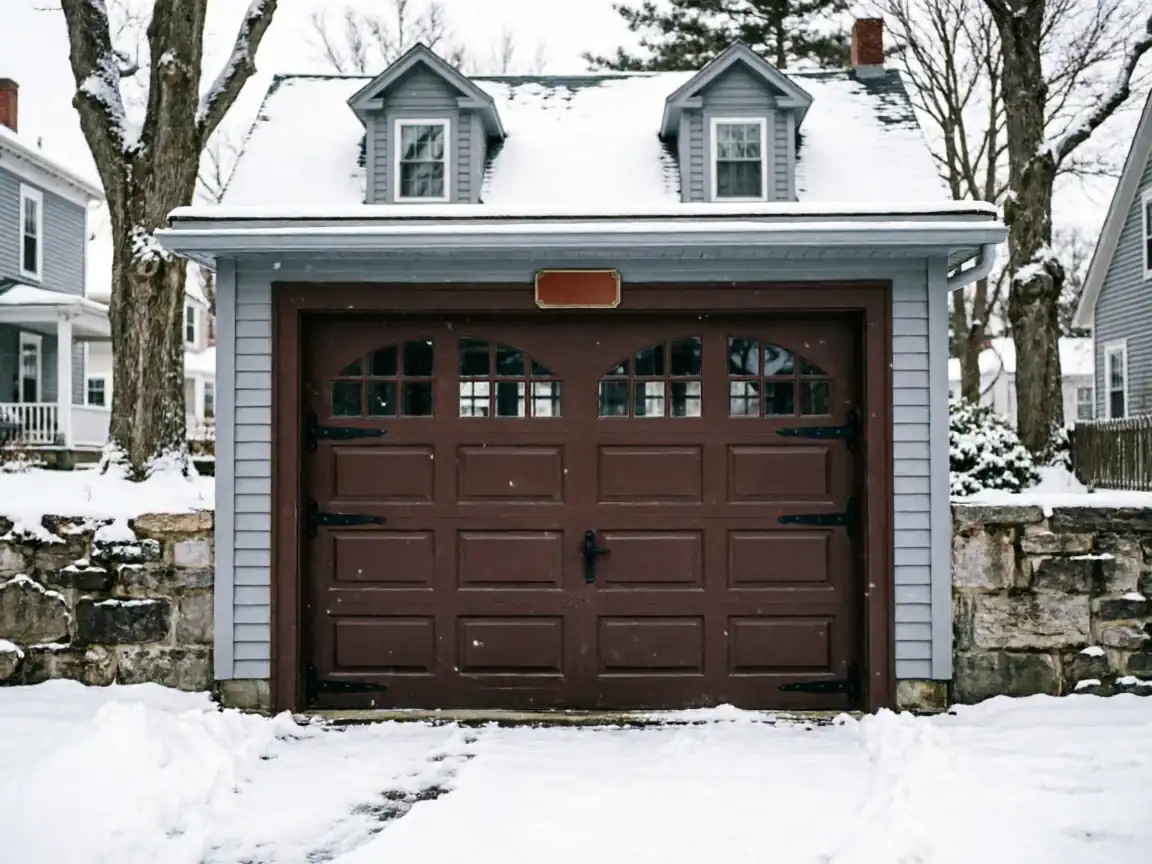
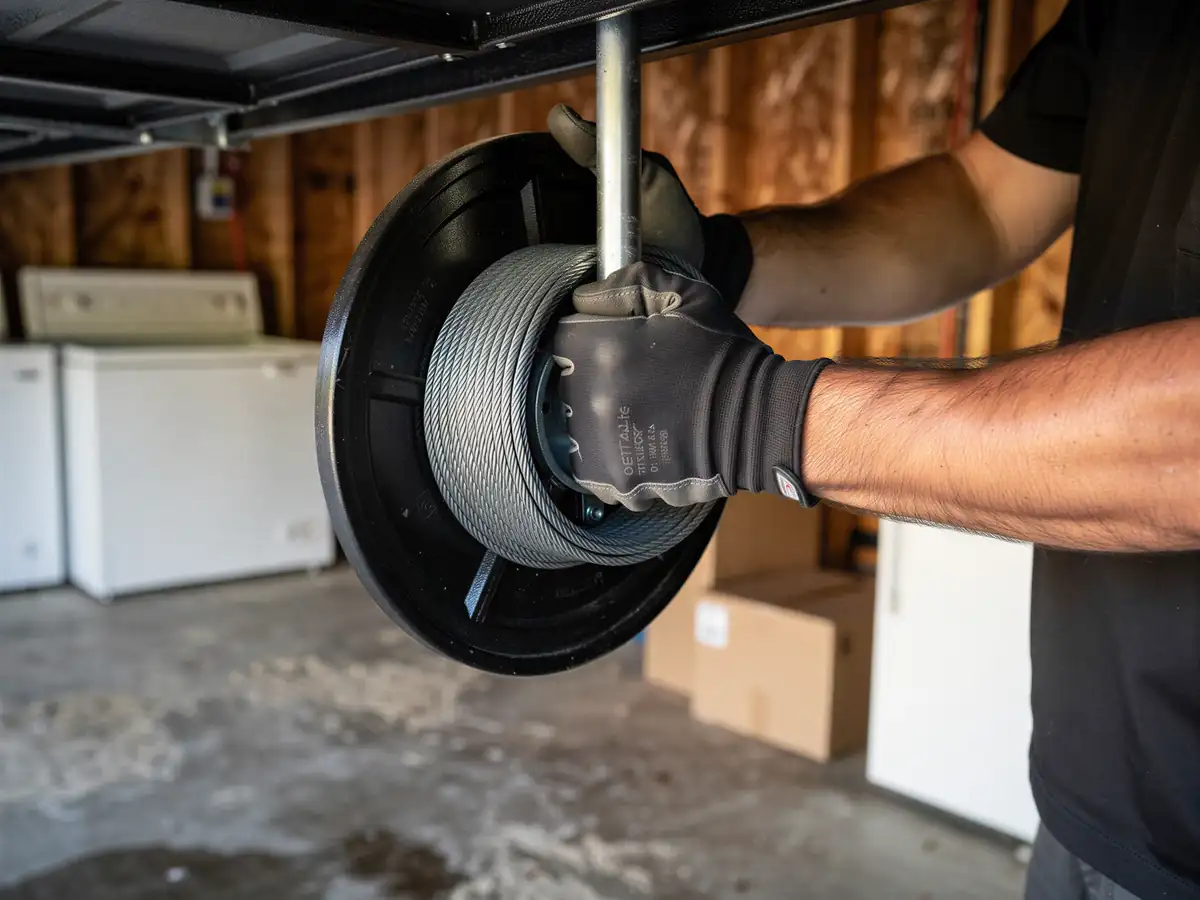
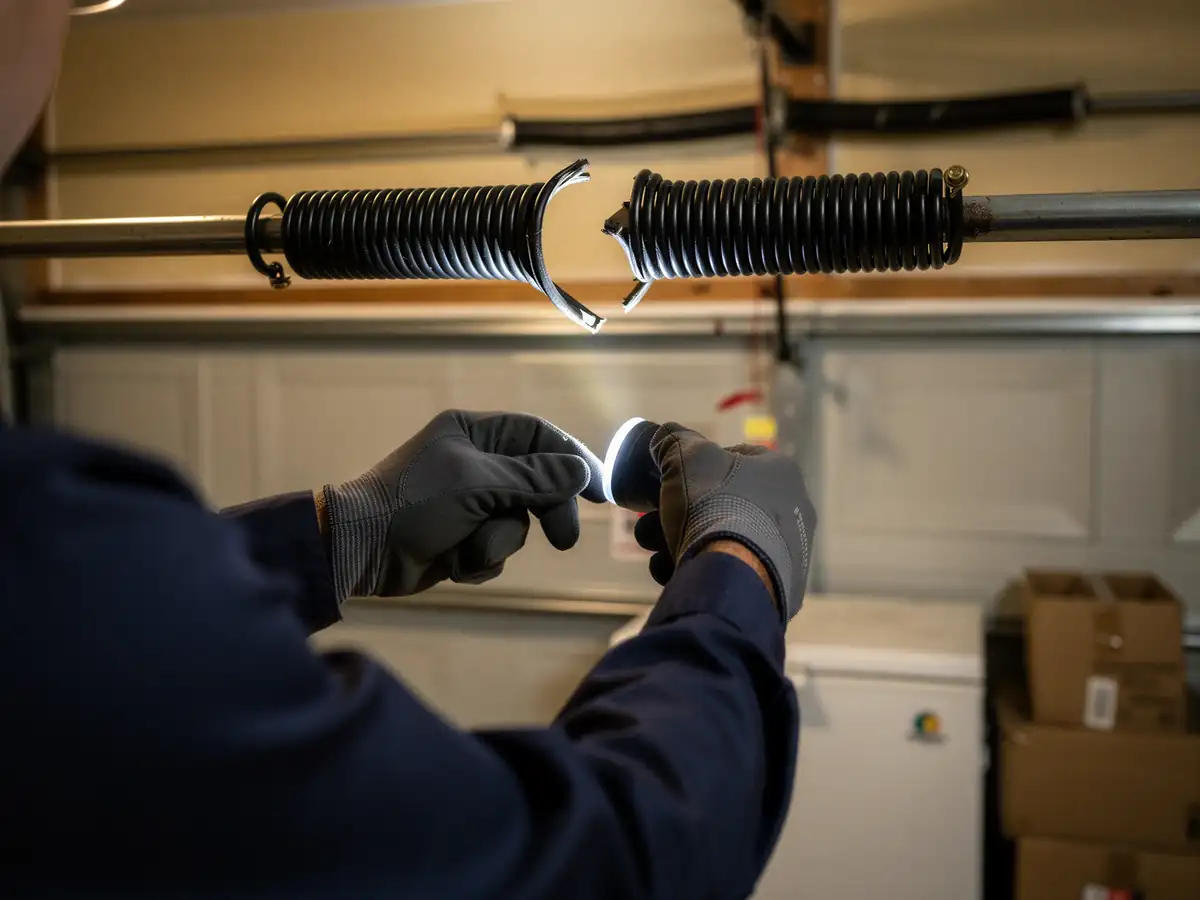
The service area runs COLD-severe conditions, and that means winter is when torsion springs fail most, especially on doors where the spring was sized for a different panel than what's hanging on it now. If your door is sticking or slow to close as temperatures drop, that's usually the spring losing tension faster than it should, not just cold metal being stiff.
The Drive Over
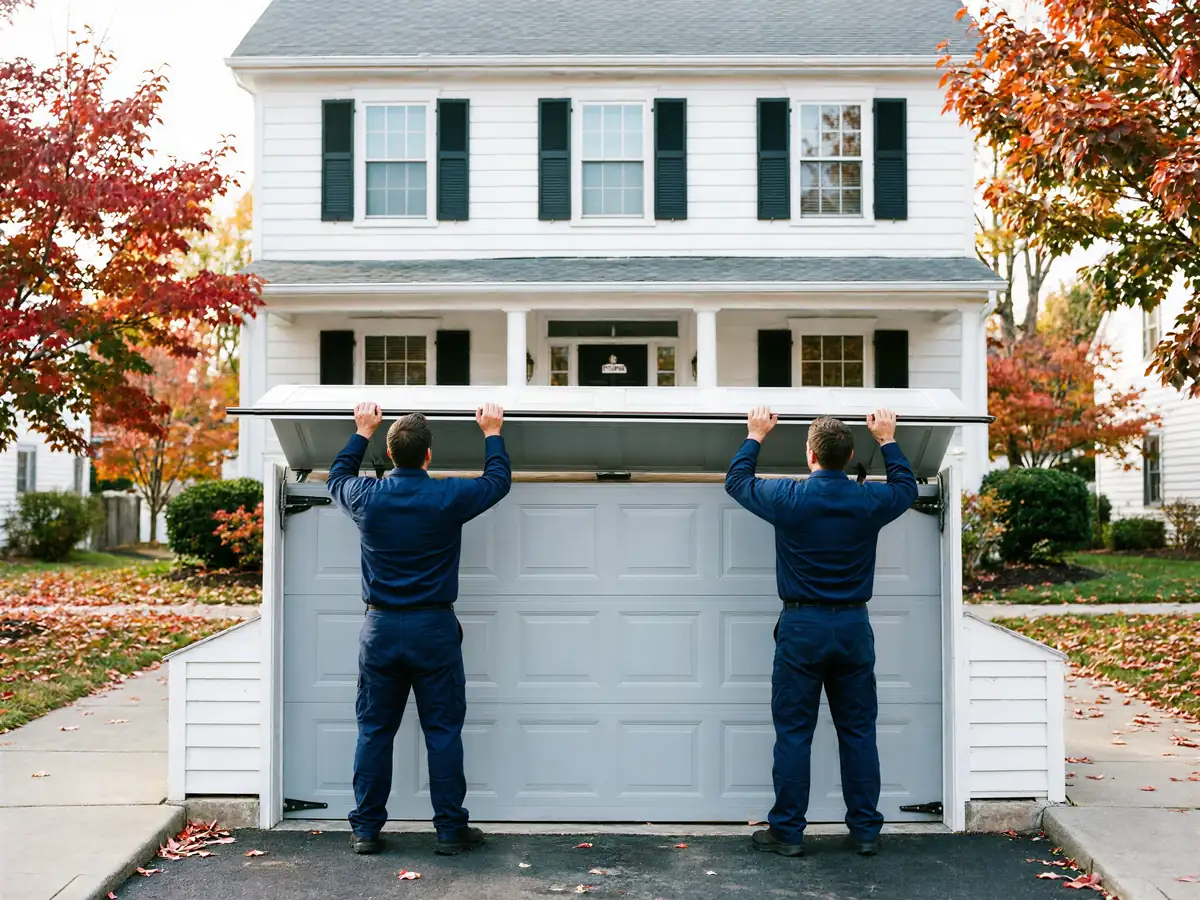
From Waltham, Billerica sits about 12 miles out, and the route runs through towns we also cover - Burlington, Bedford, and Billerica itself sit in that general corridor northeast of Waltham. We mention the mileage plainly because we don't want you thinking we're based in town; we're not. We travel here the way we travel to Bedford or Burlington, carrying what a typical early-70s sectional door job needs: torsion springs in the common sizes, standard roller sets, and opener parts that fit the garage door openers installed over the last couple decades rather than the rarer stuff older slab doors sometimes need.
One honest limit: if your door takes a less common panel size or a part that's been discontinued, we may need to order it rather than carry it on the truck, and that can mean a short wait. We'd rather tell you that upfront than promise a same-visit fix we can't deliver.
This Area's Housing
Billerica has roughly 15,653 households, with a median household income of $139,706 - both numbers that shape what we see on a typical call. At that income level, most homeowners here are replacing doors rather than patching them indefinitely once the hardware starts failing in multiple spots, but plenty still want an honest repair quote before they consider a full replacement, and we give both.
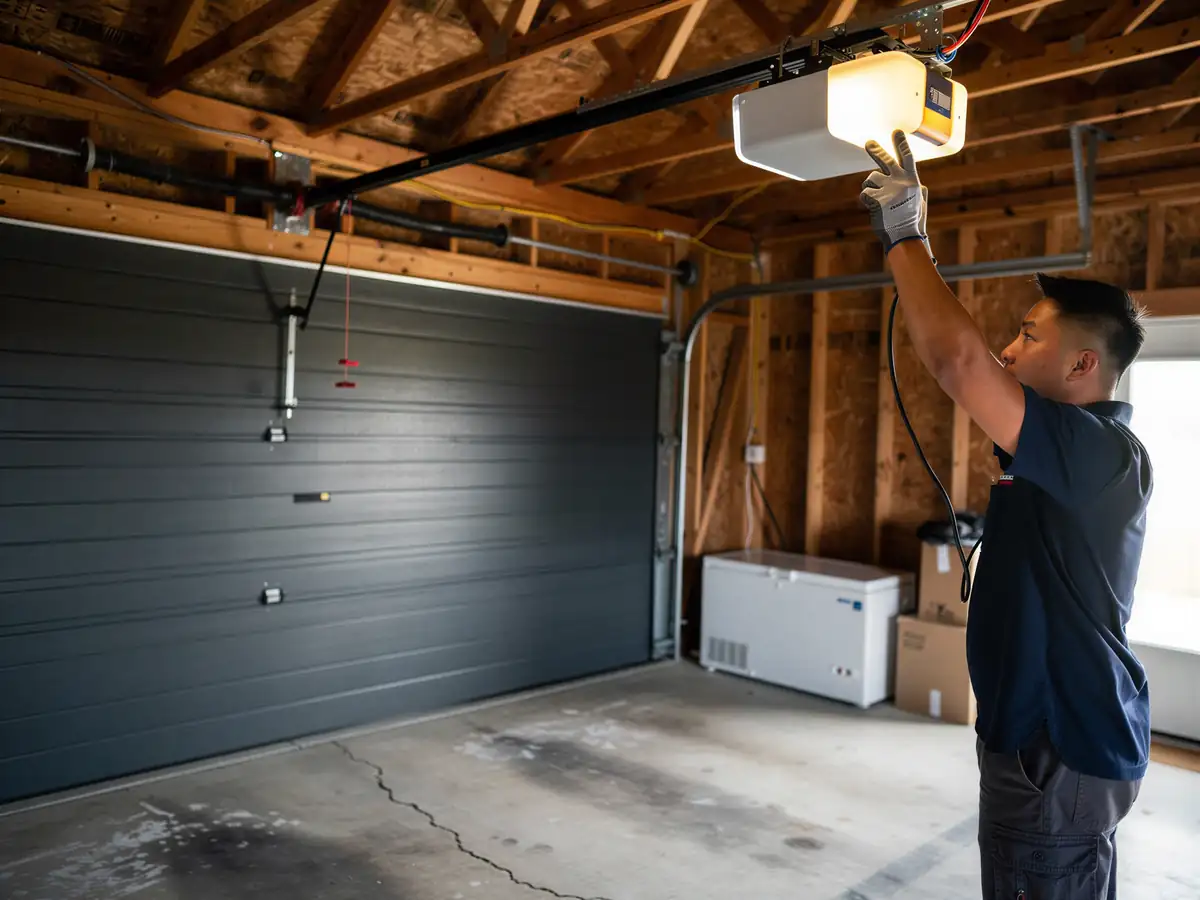
Given the 1973 median build year, a lot of these garages were originally single doors with openers added a decade or two later - sometimes on brackets that were never meant to carry a chain-drive unit's torque. That's a common failure point we check on these homes specifically: bracket and header reinforcement, not just the spring or the opener itself. It's a different inspection priority than what we'd run on a home from the 1940s closer to Waltham, where the slab door itself is usually the bigger problem.