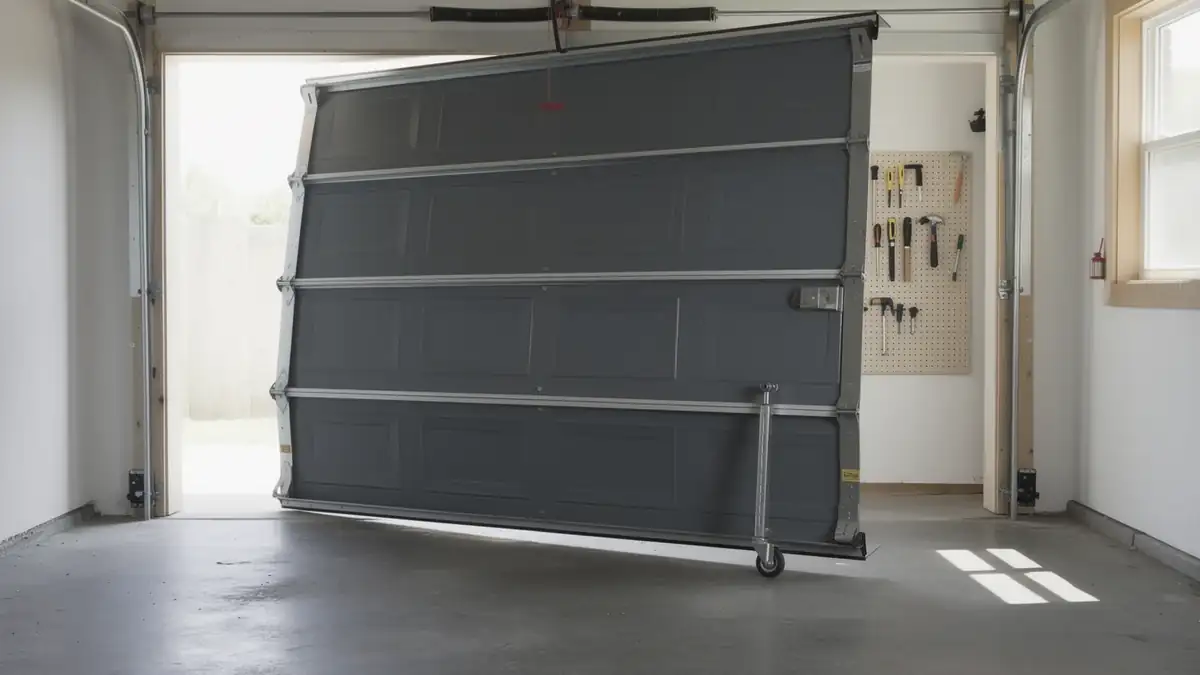
What Is Going On
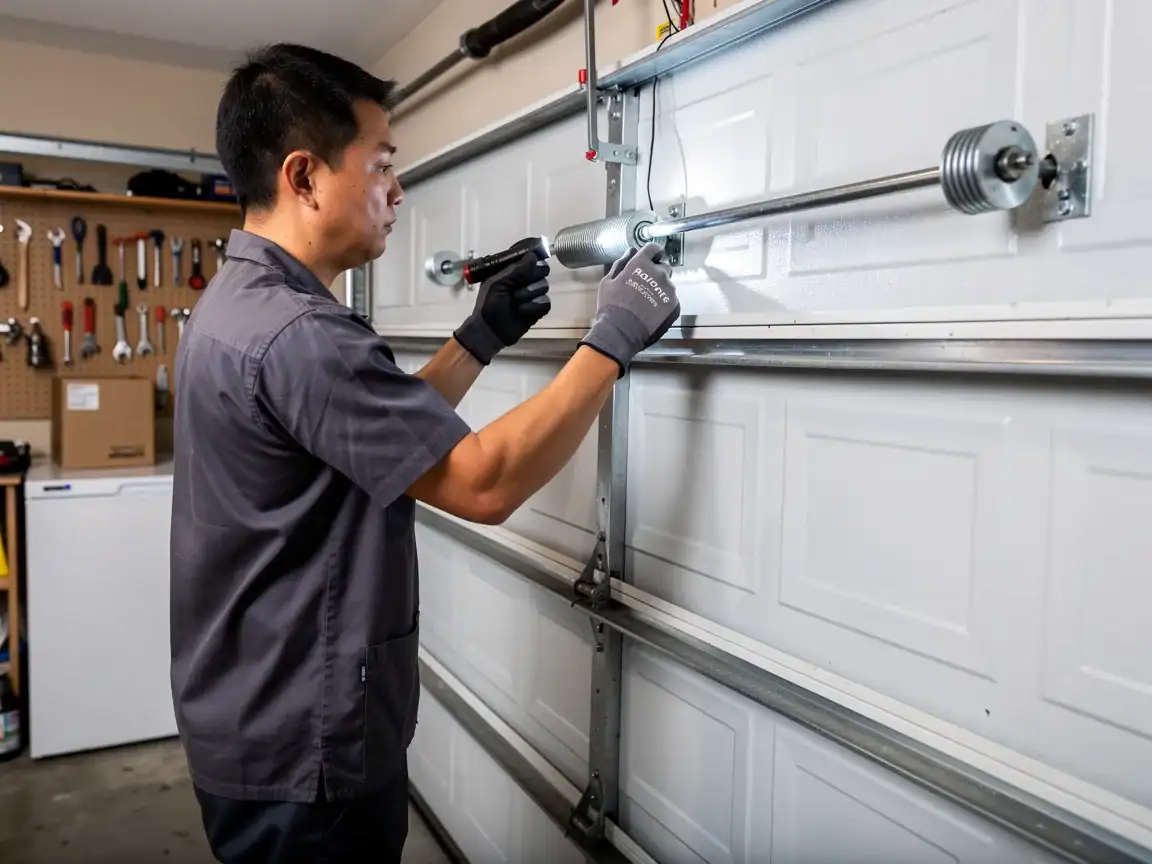
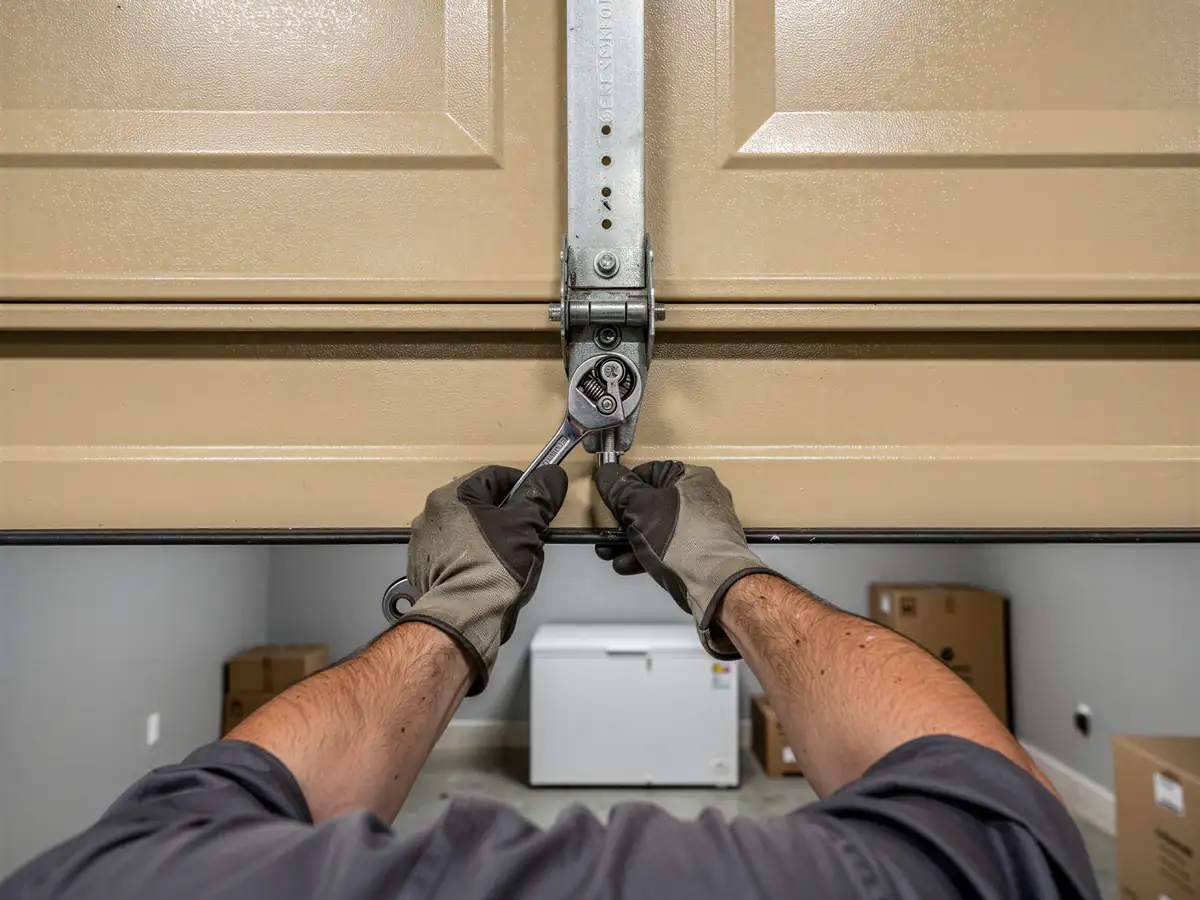
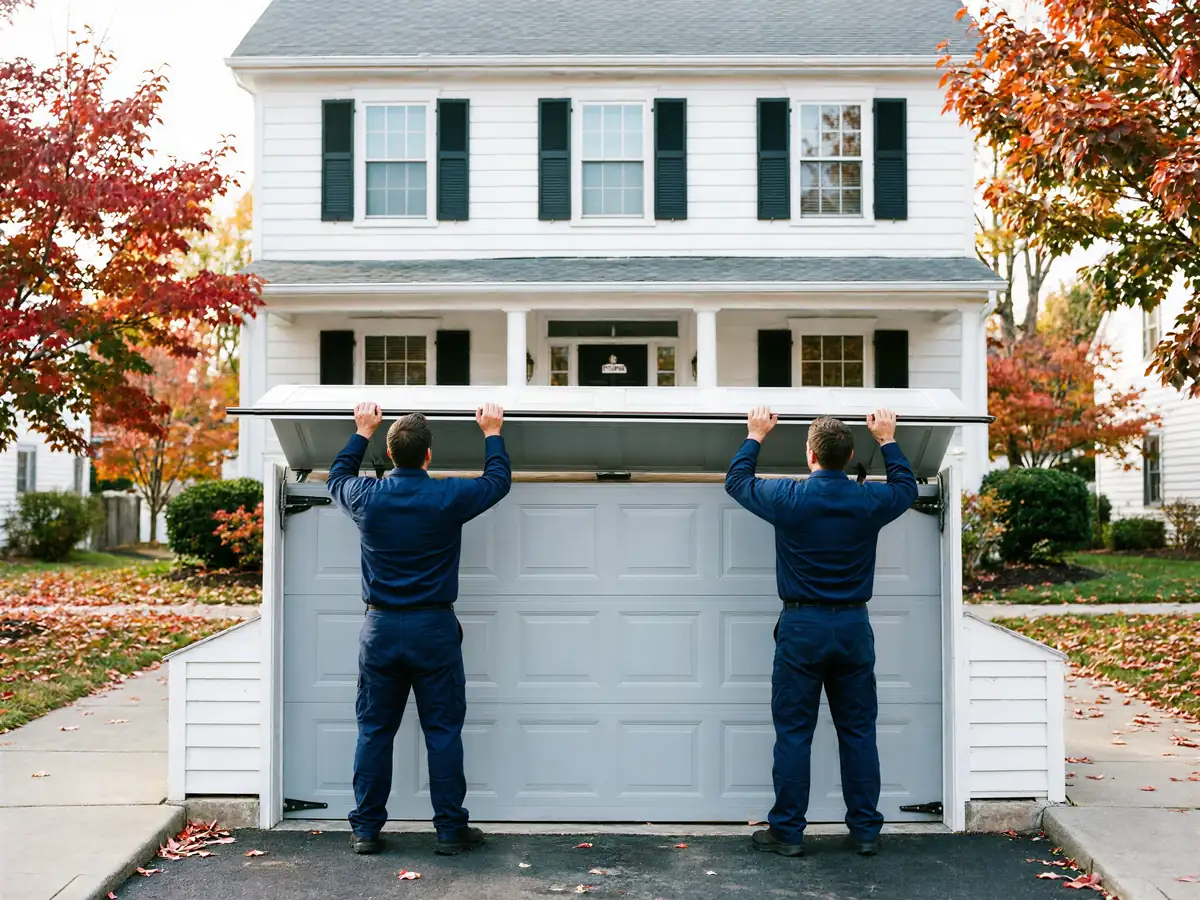
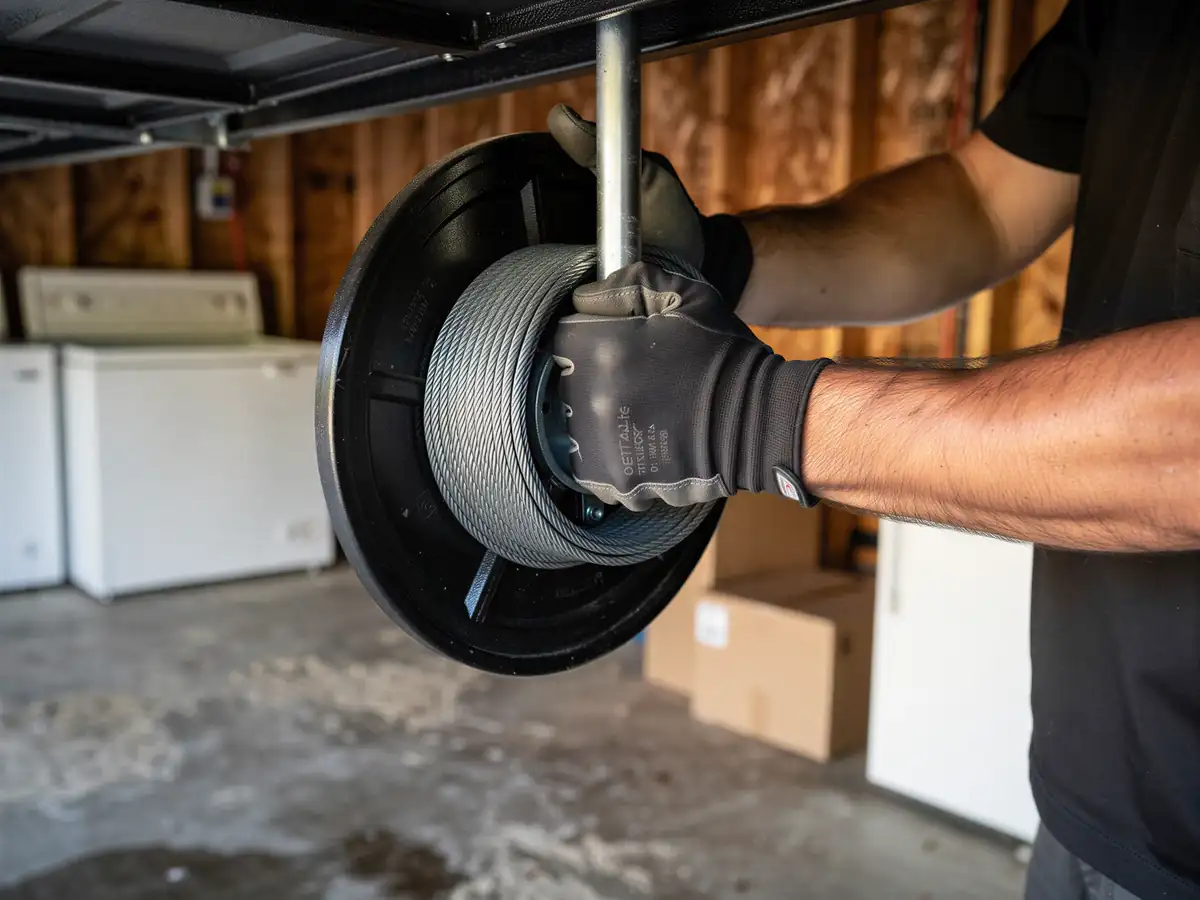
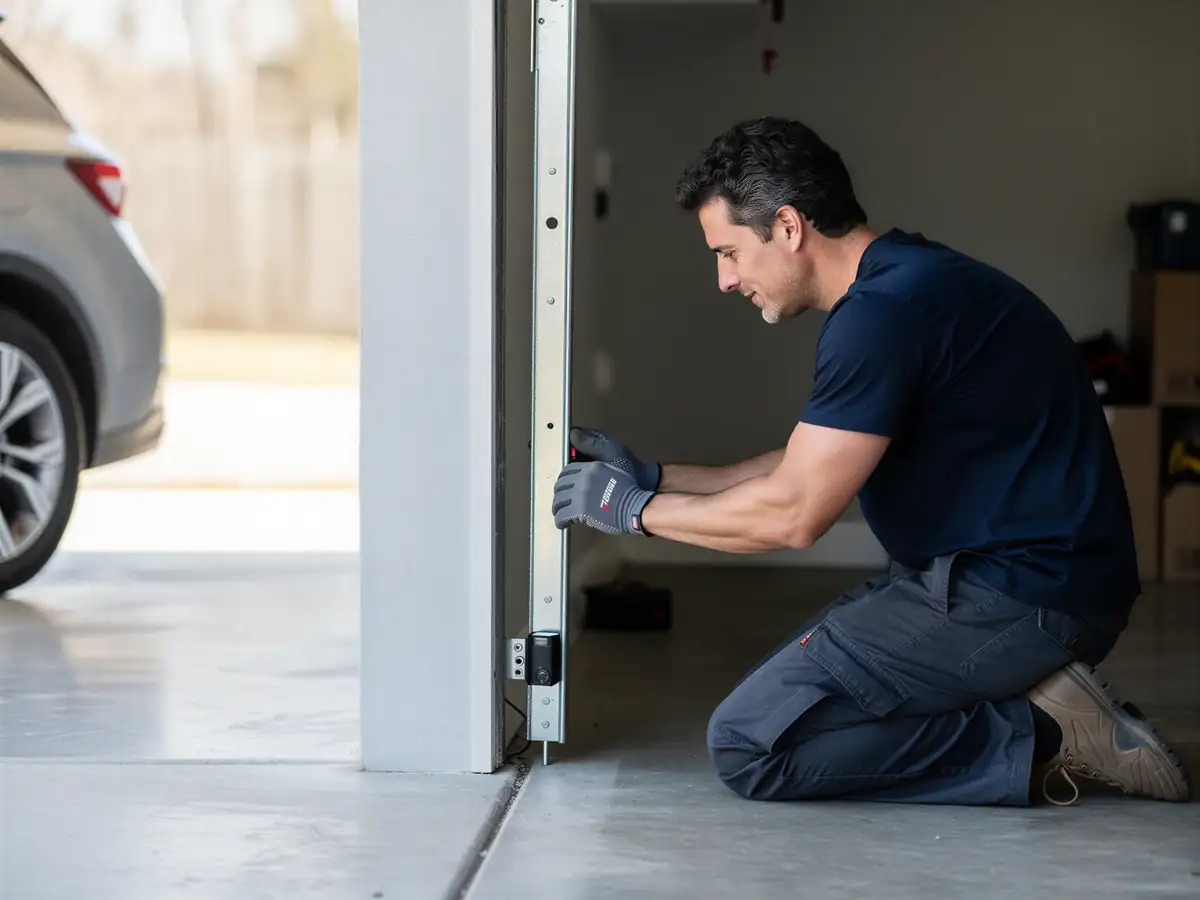
A door goes off track when the rollers stop riding straight inside the steel channel that guides them up and down. Sometimes it's one bent section of track. Sometimes a roller has worn down enough that it rocks side to side instead of rolling clean, and over a few hundred cycles it walks the door sideways until the bottom corner catches the track lip.
Most houses in Waltham went up between 1938 and 1993, with the heaviest clustering in the 1960s and 70s. That matters here because a lot of garages, especially in older pockets like still run the steel track and roller hardware that era's builders installed - not something a previous owner swapped for nylon rollers or a heavier adjustable track. That original hardware was sized for lighter wood doors, not the steel insulated doors a lot of homes carry now.
When the door on that track is heavier than what the track was built for, the brackets flex a little more every cycle. You don't see it happen. You see the door hesitate, then bind, then come off the track on one side - usually the side where the opener arm pulls hardest.
What You Pay
We don't have a flat number to put here
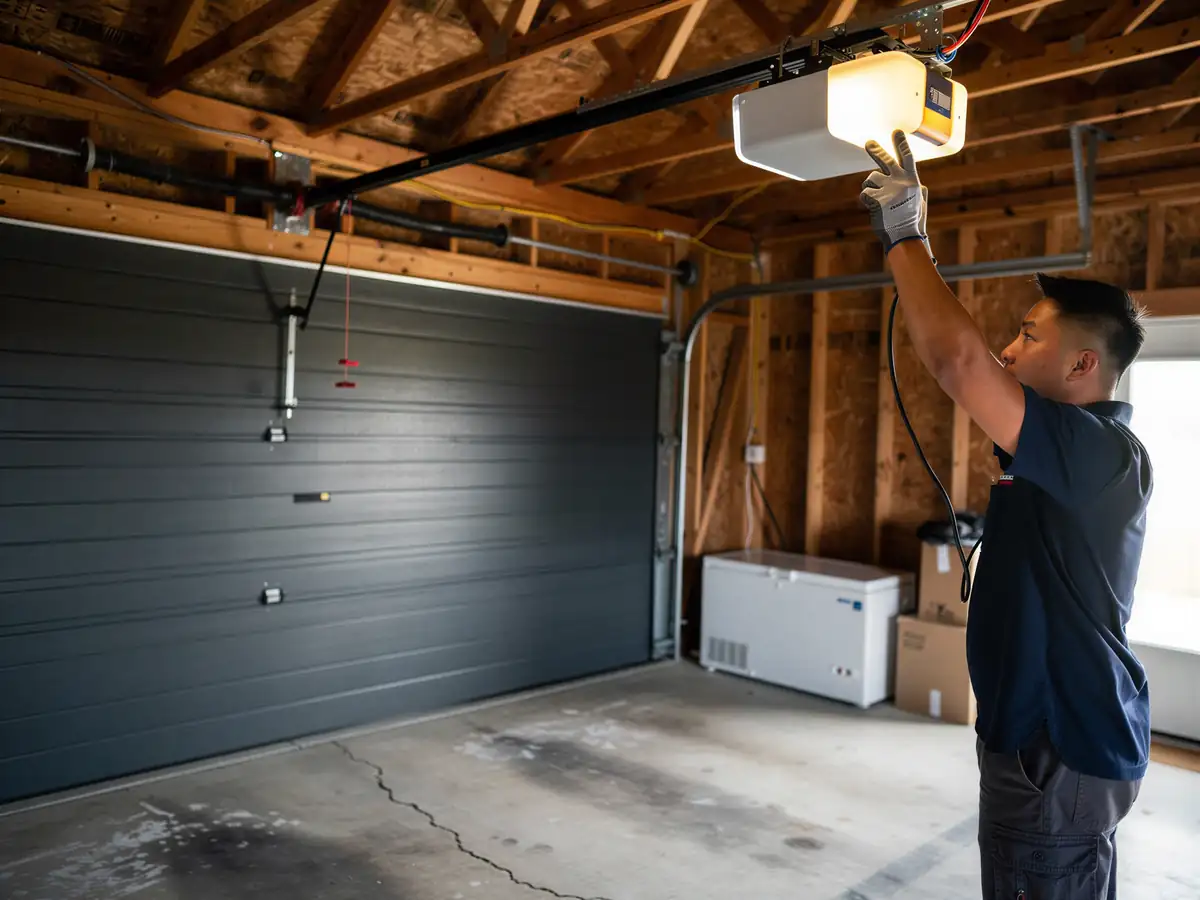
Because what you pay depends on what actually failed - a single bent track section is a different job than realigning both sides plus swapping worn rollers, and that's different again if the opener has been pulling against a bound track long enough to strip the gear.
What we can tell you
On original hardware from the 1960s-70s era common in this area, track sections and brackets sized for that older hardware aren't something every supplier stocks off the shelf. If your garage is one of the older ones, finding a matching bracket sometimes takes an extra call or two, and that shows up as an extra day, not an extra charge.
The honest limitation here: we can't quote a repair over the phone with any real accuracy
A door that's merely off track is often a same-visit fix. A door that's off track because the opener kept forcing it is a different conversation once we're standing in front of it.
The Seasonal Bit
Waltham sits in a climate band classified as severe cold. That shows up in garages in a specific way: the grease packed into roller bearings and track hinges thickens when the slab and the air around it drop toward freezing, and thickened grease means more resistance on every pass up the track.
More resistance means the opener has to pull harder to get the door moving. On a door that's already slightly out of alignment - which is common on the original 1960s-70s track still found on a lot of houses here - that extra pull is what turns a minor misalignment into a door that jumps the track entirely, usually on the first cold morning after a few mild days let things loosen up.
This isn't a one-season problem. It repeats every year the hardware goes unserviced, because the cycle of cold-thickened grease followed by a few warmer days of movement is exactly what walks a marginal roller out of true.
What the Weather Here Does to It
Severe cold doesn't just thicken grease, it moves the structure the track is bolted to. The wood jamb framing around a garage opening built in the 1966 median era of this area's housing stock wasn't engineered for the freeze-thaw cycling a severe-cold climate puts it through, and over decades that jamb shifts slightly - swelling with moisture, then contracting as the slab and framing cool.
The track is bolted to that jamb. When the jamb moves even an eighth of an inch over a winter, the track bows with it, and a door that tracked straight in October starts riding tight against one side by February. That's the mechanism behind a lot of the off-track calls we see in the colder months here - not a sudden failure, but a slow seasonal drift in a track that was mounted true decades ago on a structure that's since moved under it.
If your door is binding more in winter than summer, that's usually the jamb talking, not the opener.