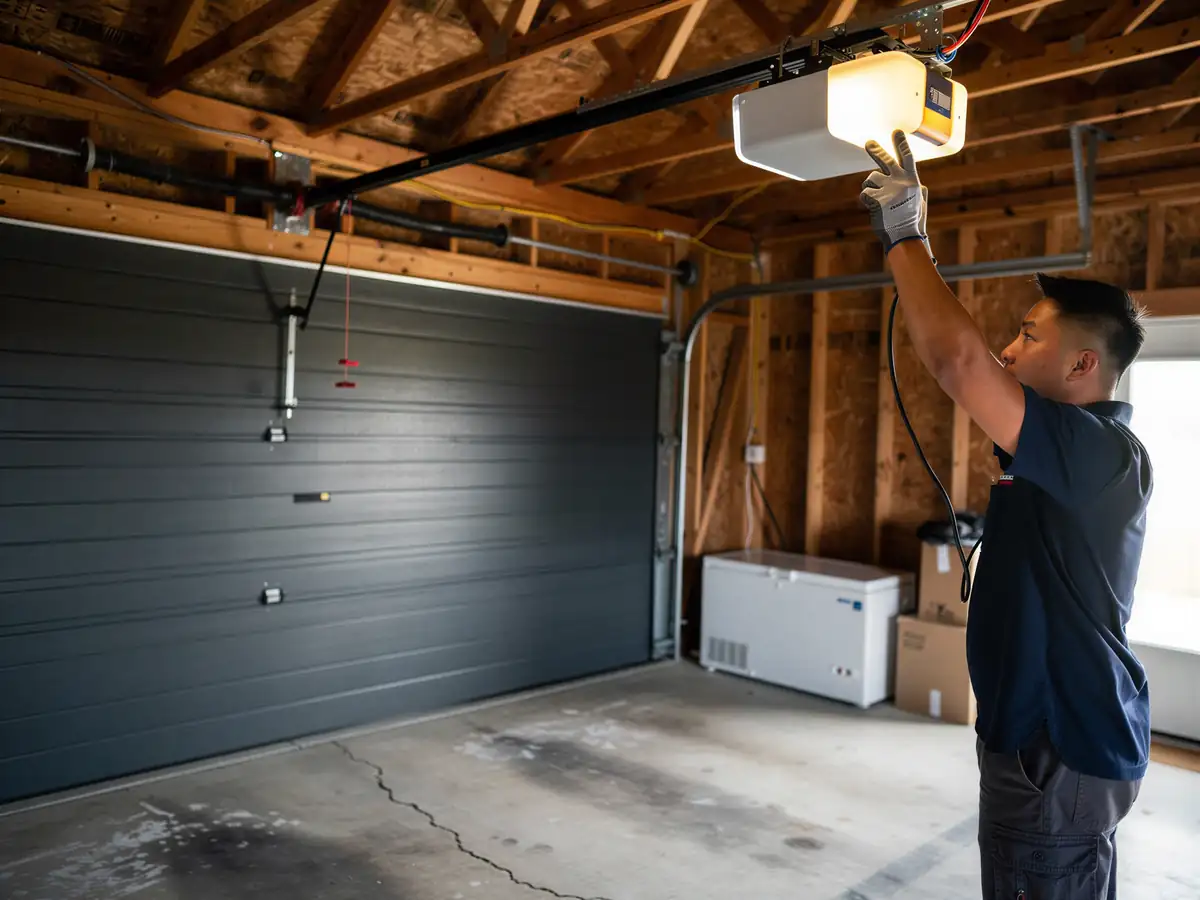
What You Are Seeing
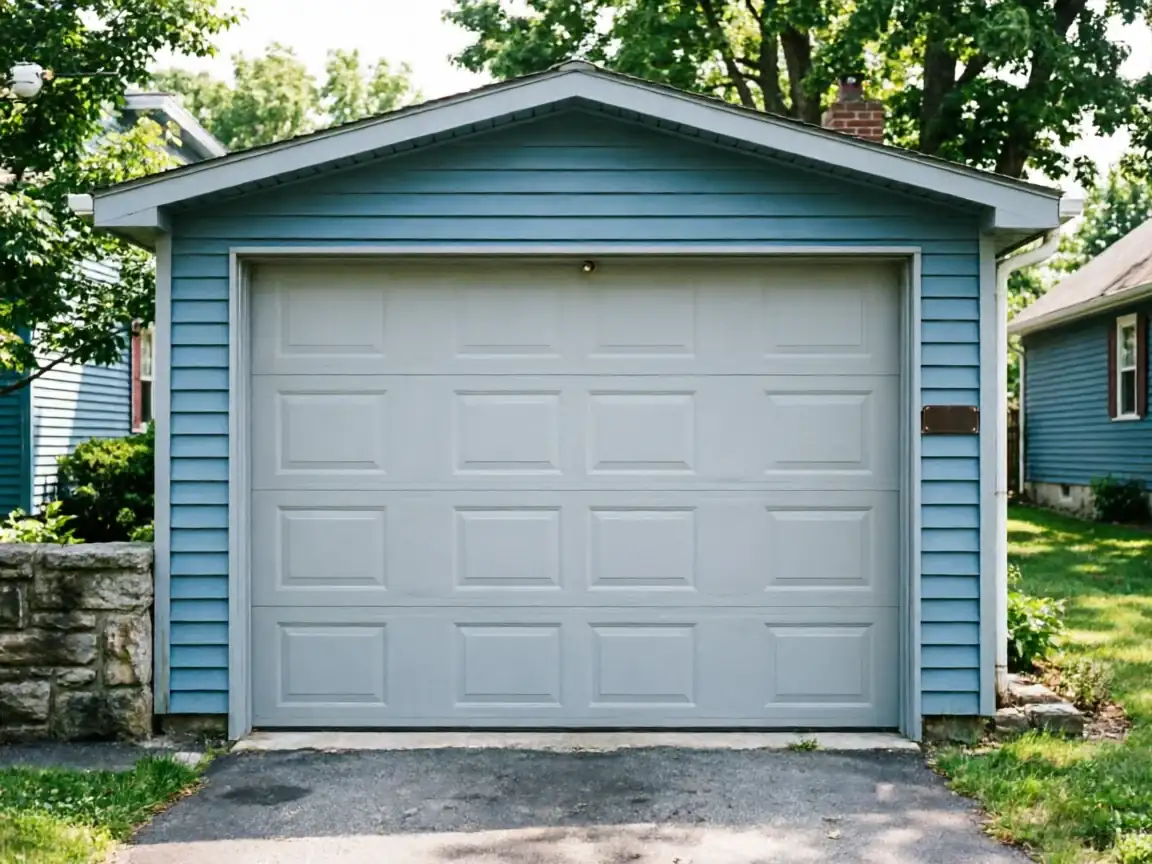
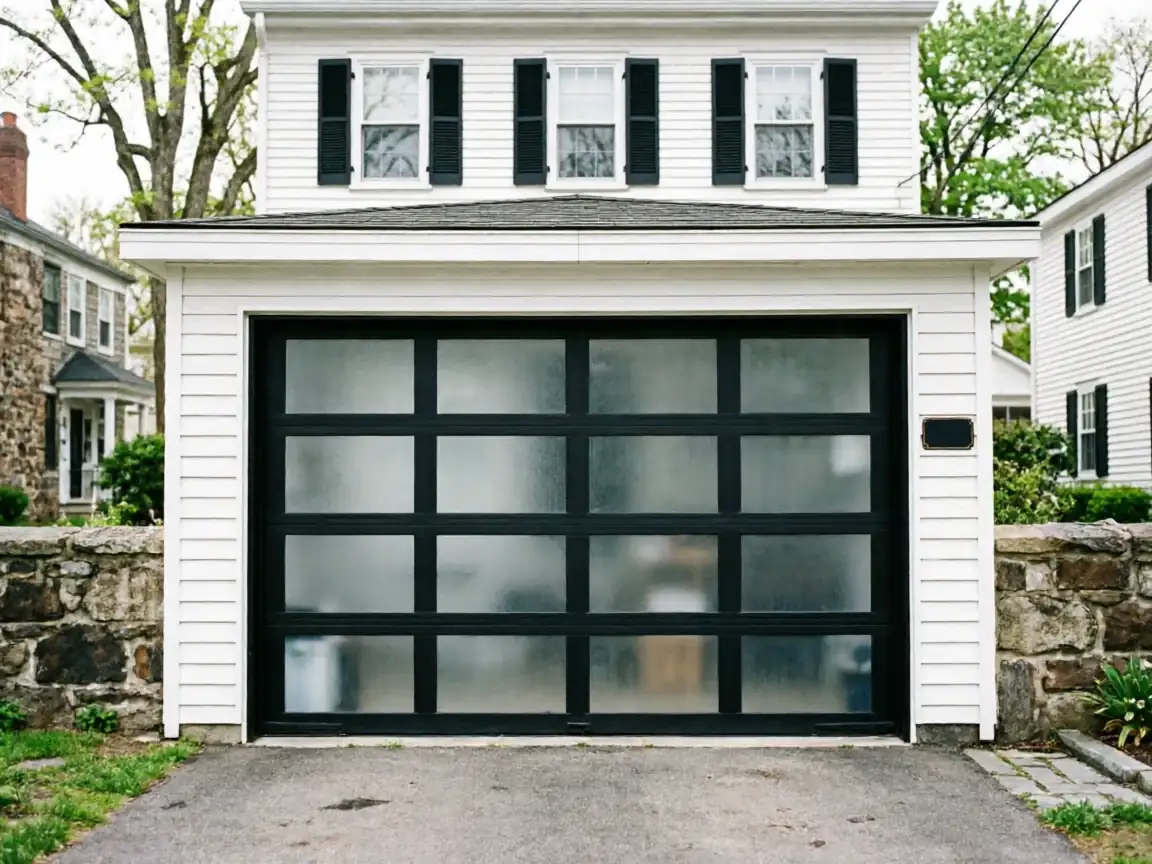
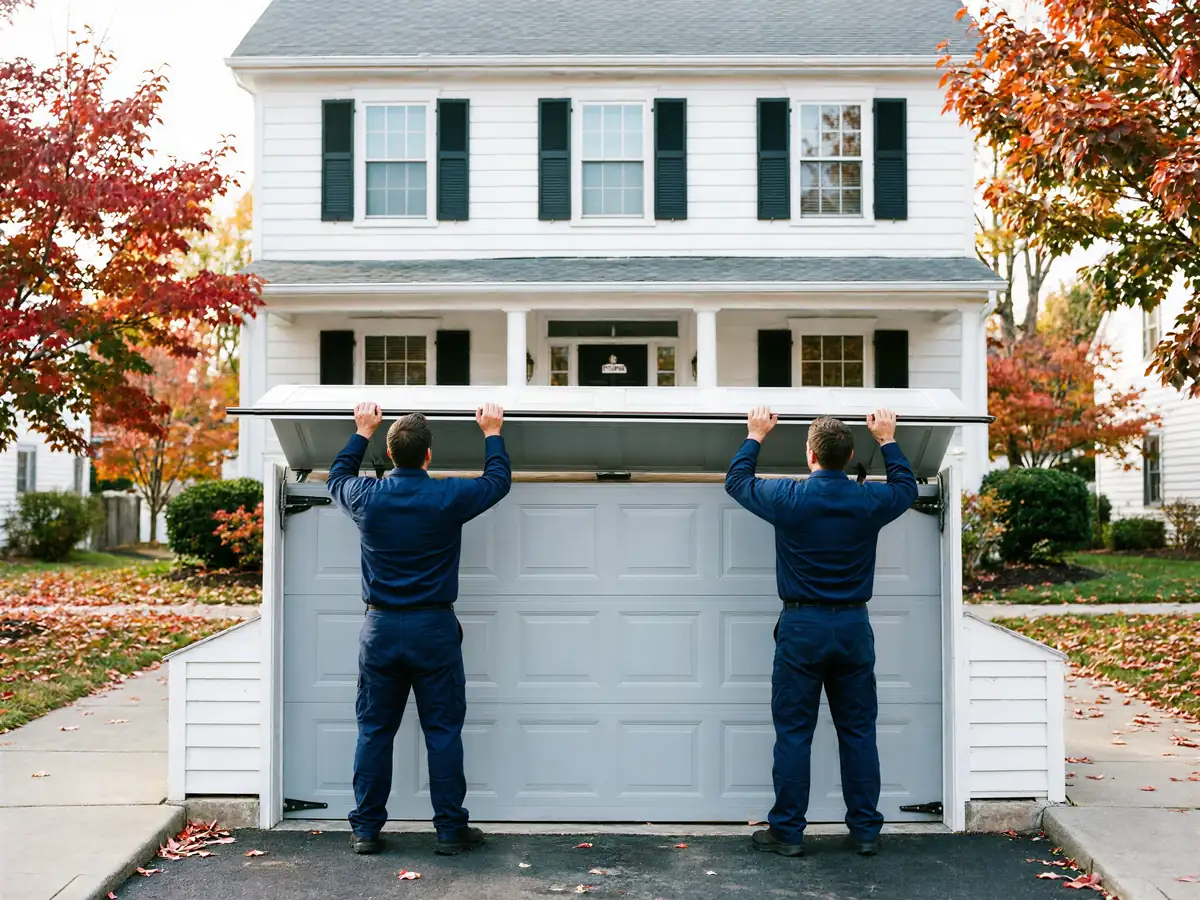
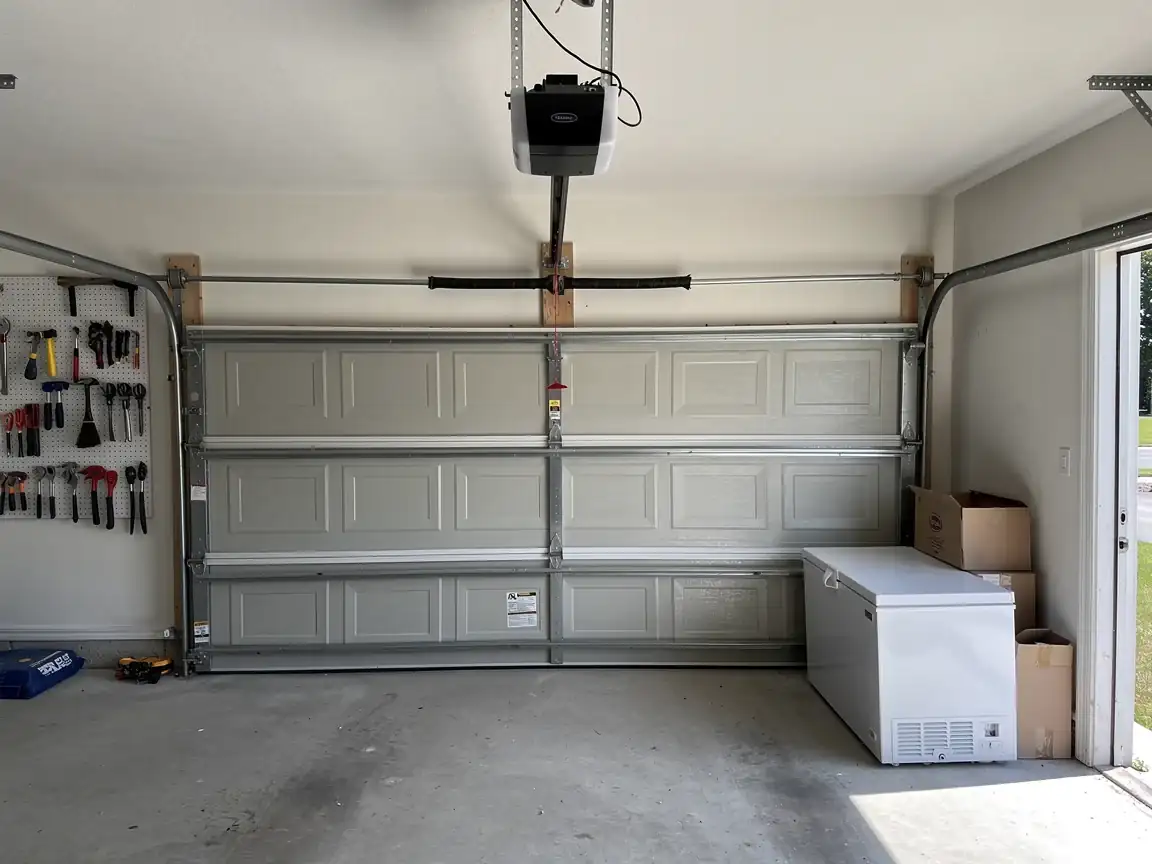
If your opener is grinding, reversing itself, or just quit, the cause usually traces back to what's bolted to the door and when the house was built. Across this service area housing went up mostly between 1938 and 1993, with the median build year sitting at 1966. A lot of that stock is 1960s-70s construction across the 71 named areas we cover, which means a huge share of openers out there were either installed as cheap builder-grade units decades ago or bolted onto doors that were never engineered for a modern chain-drive or belt-drive unit's travel limits and force settings. You'll see symptoms like the opener running but the door barely moving, the light flashing with no error code you can read, or a unit that reverses before it ever touches the floor. Sometimes it's the opener. Sometimes the opener is fine and the door geometry or spring tension is fighting it. We don't guess on that distinction - we look at the door first, because installing a new opener on a door that's out of balance just burns out the new motor faster.
Why It Happens Here
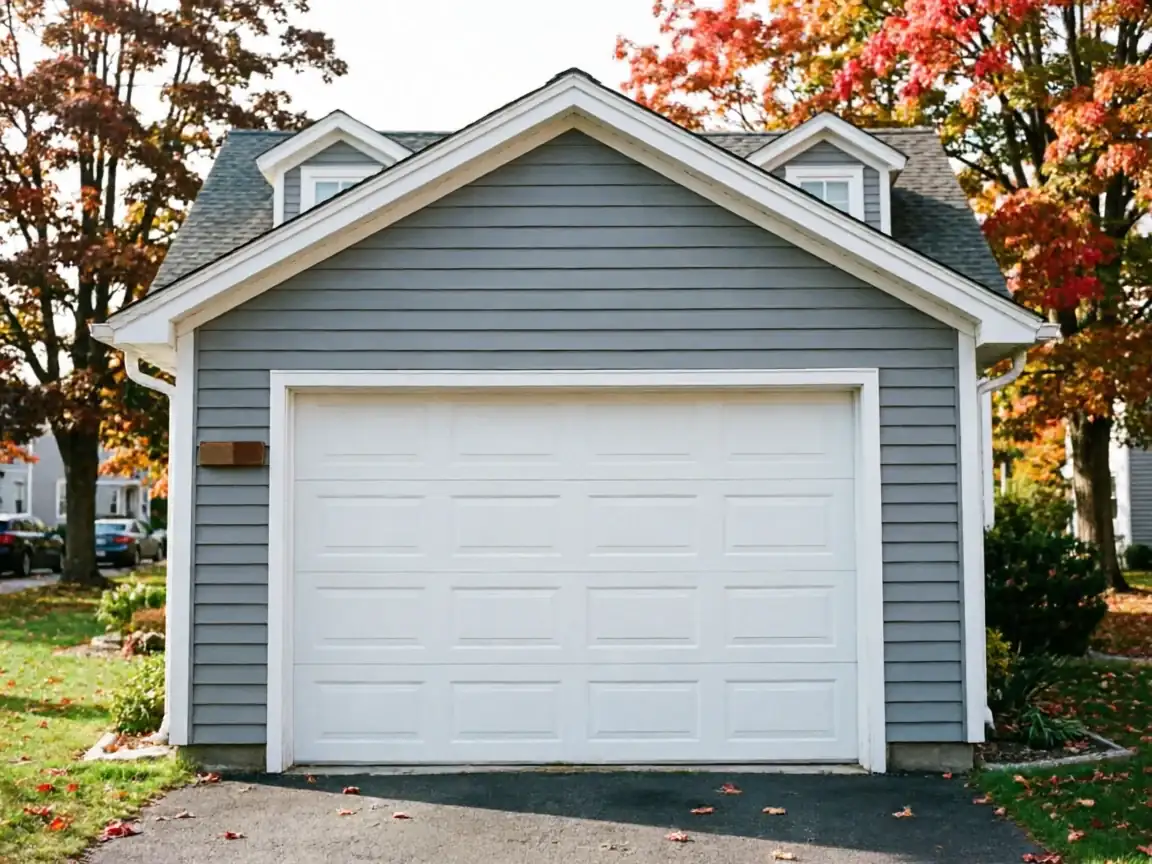
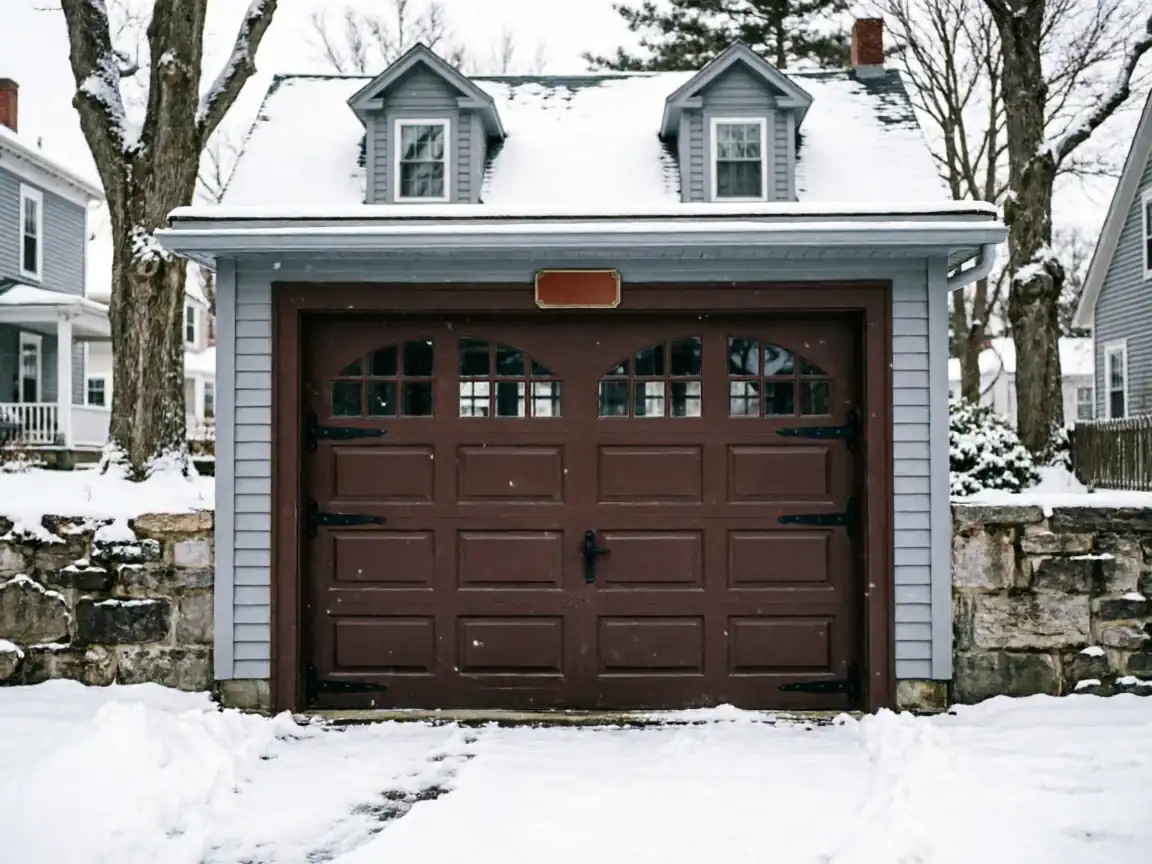
This area sits in a cold, severe winter climate band, and that matters more to an opener than most homeowners expect. Cold doesn't just stiffen grease in a chain drive - it shrinks steel tracks slightly and tightens tolerances that were already loose on a house built in the 1960s or 70s, when garage openings weren't always framed perfectly square. Combine that with a median build year of 1966 and you get a lot of doors where the header has shifted a fraction of an inch over fifty-plus years, which throws off the travel settings on any opener you bolt to it, new or old. Add a cold snap and the opener has to work harder to move the same door, which is when a marginal unit finally fails instead of limping along. This isn't a Waltham-specific defect - it's what happens when cold-climate conditions meet a housing stock built mostly before modern garage door engineering standards existed.
How We Fix It
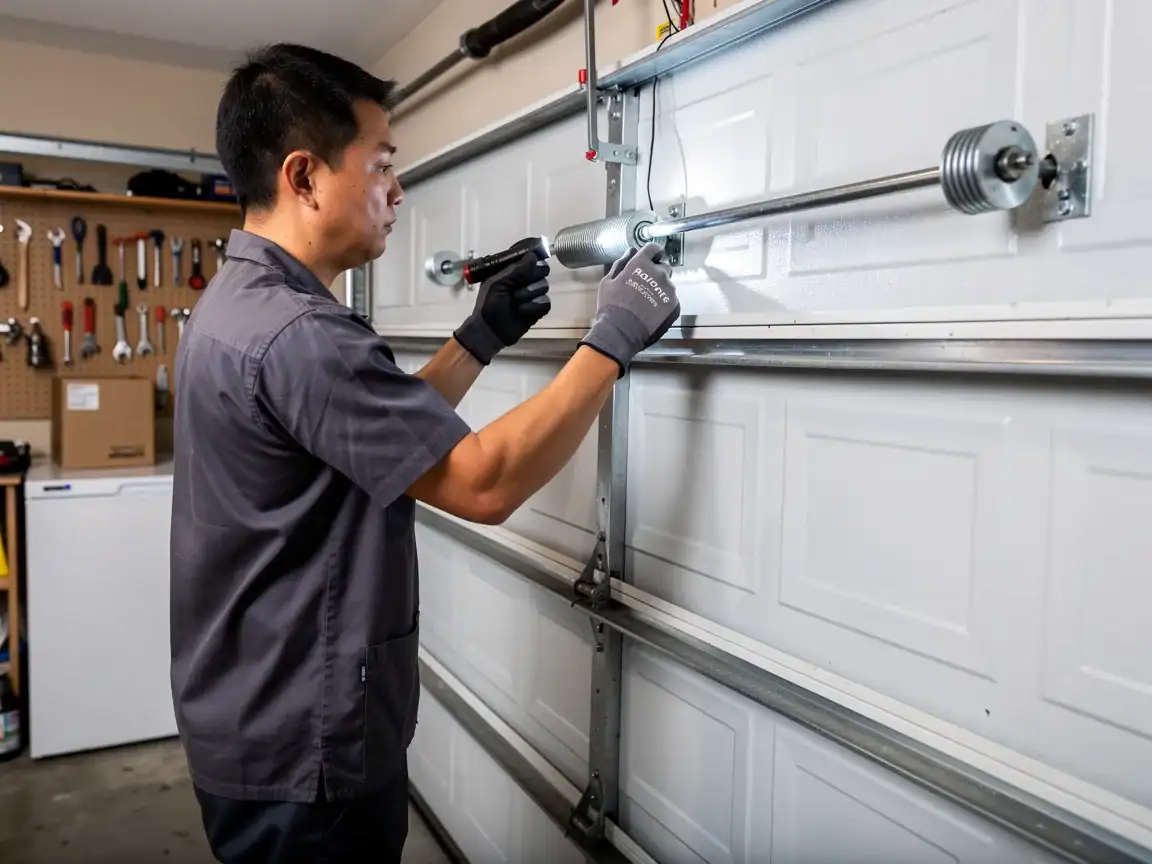
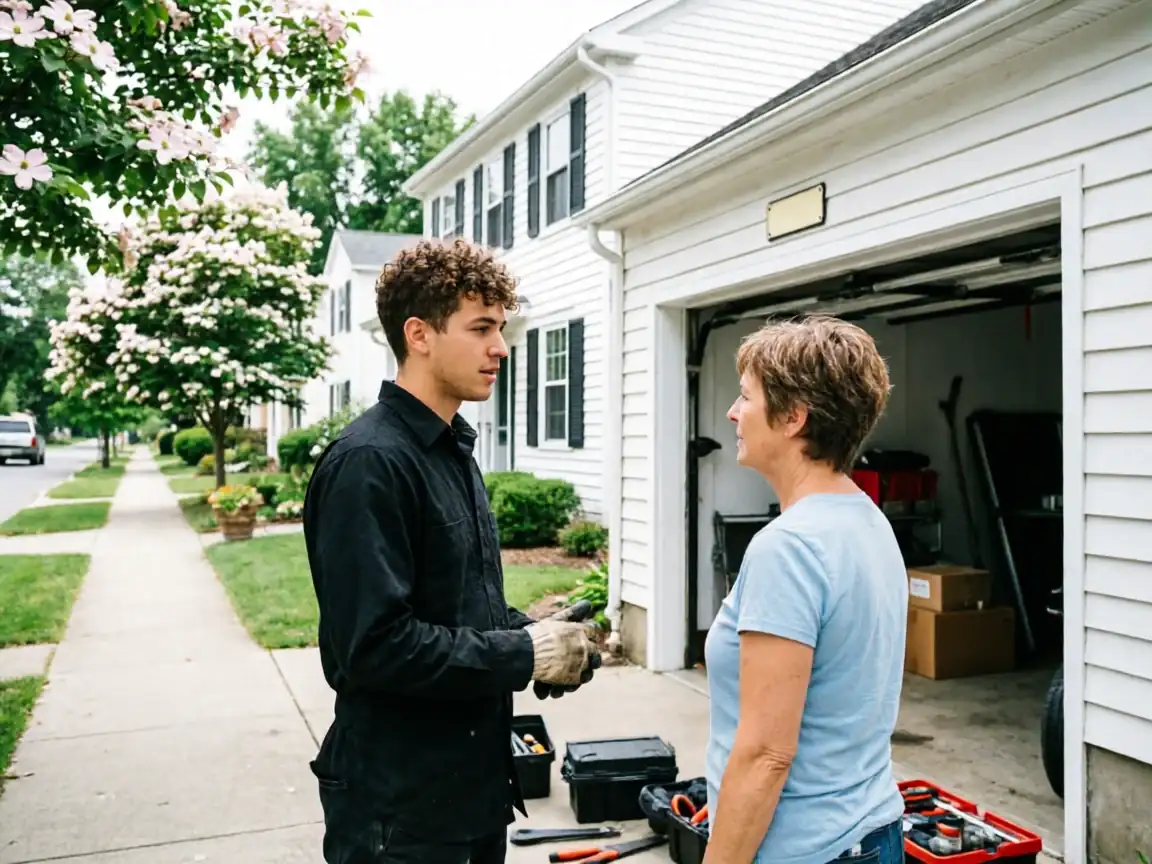
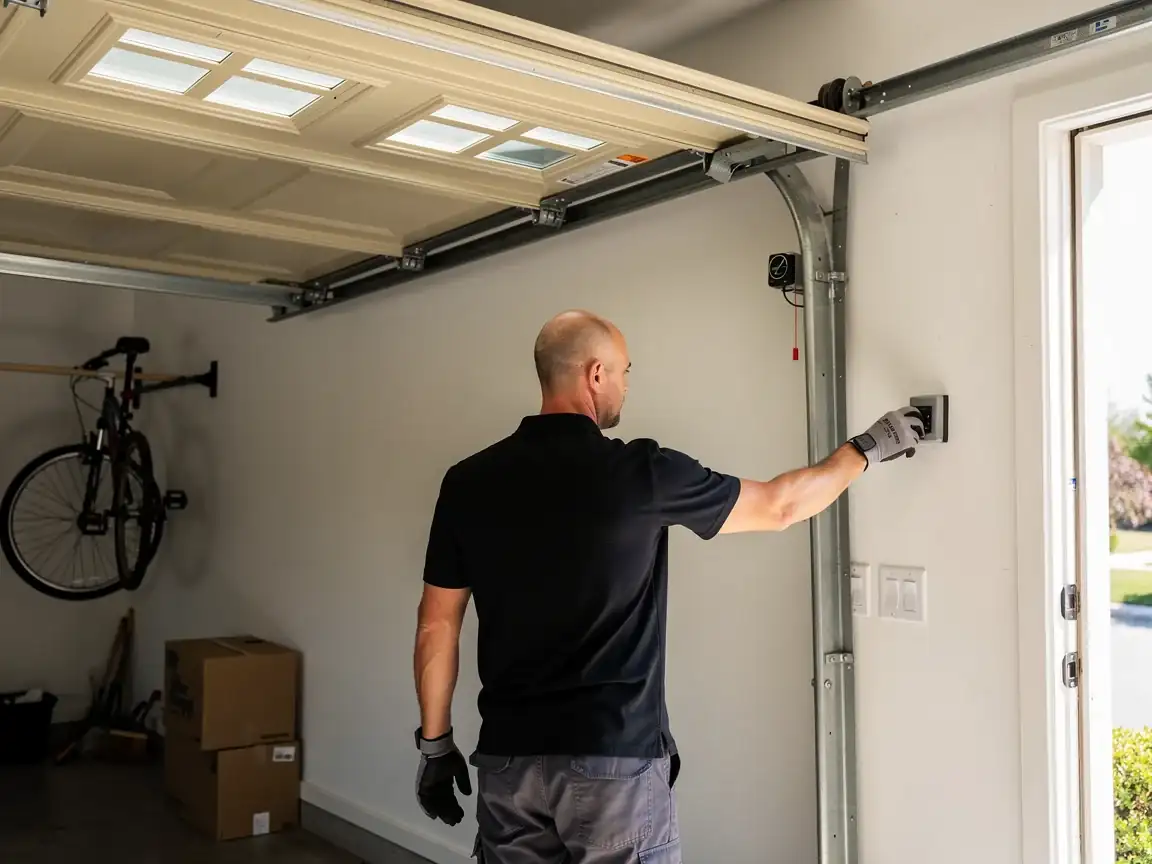
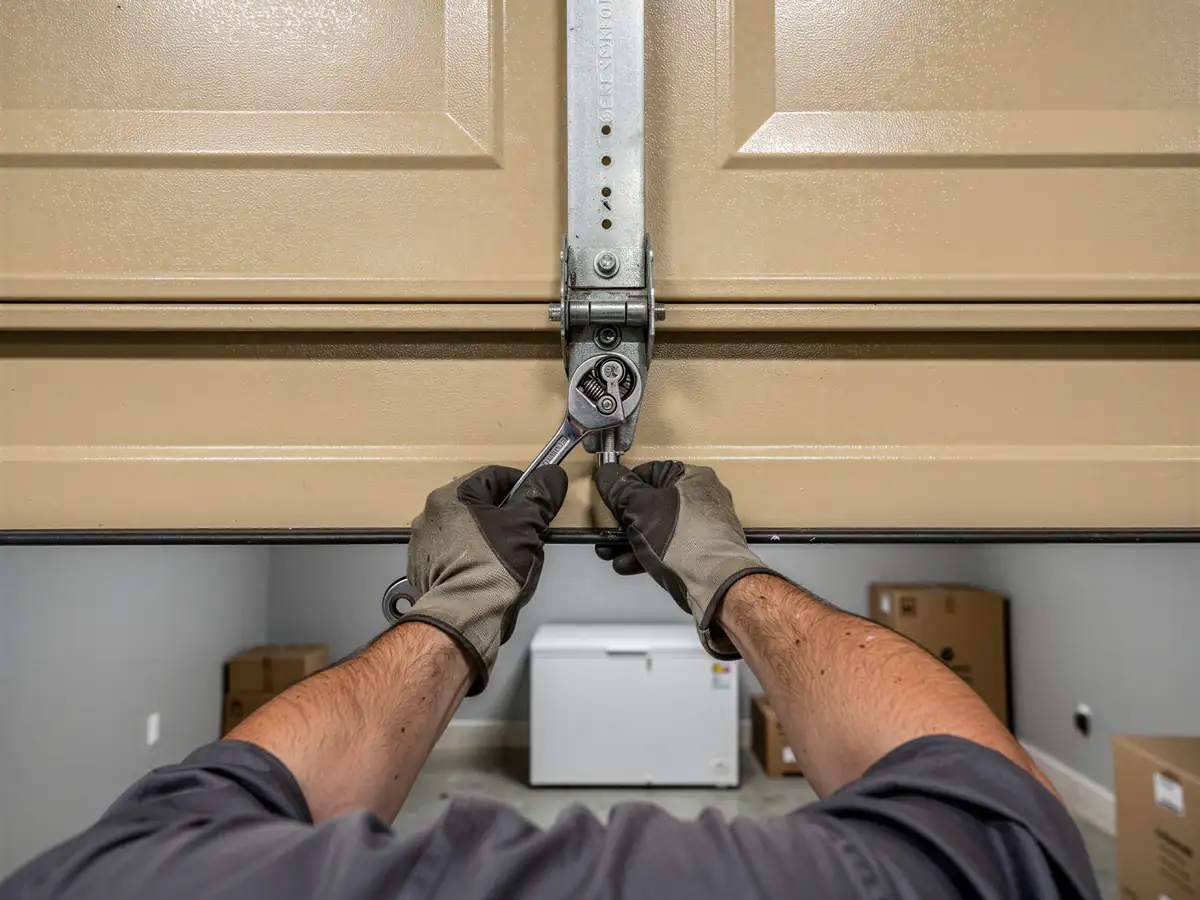
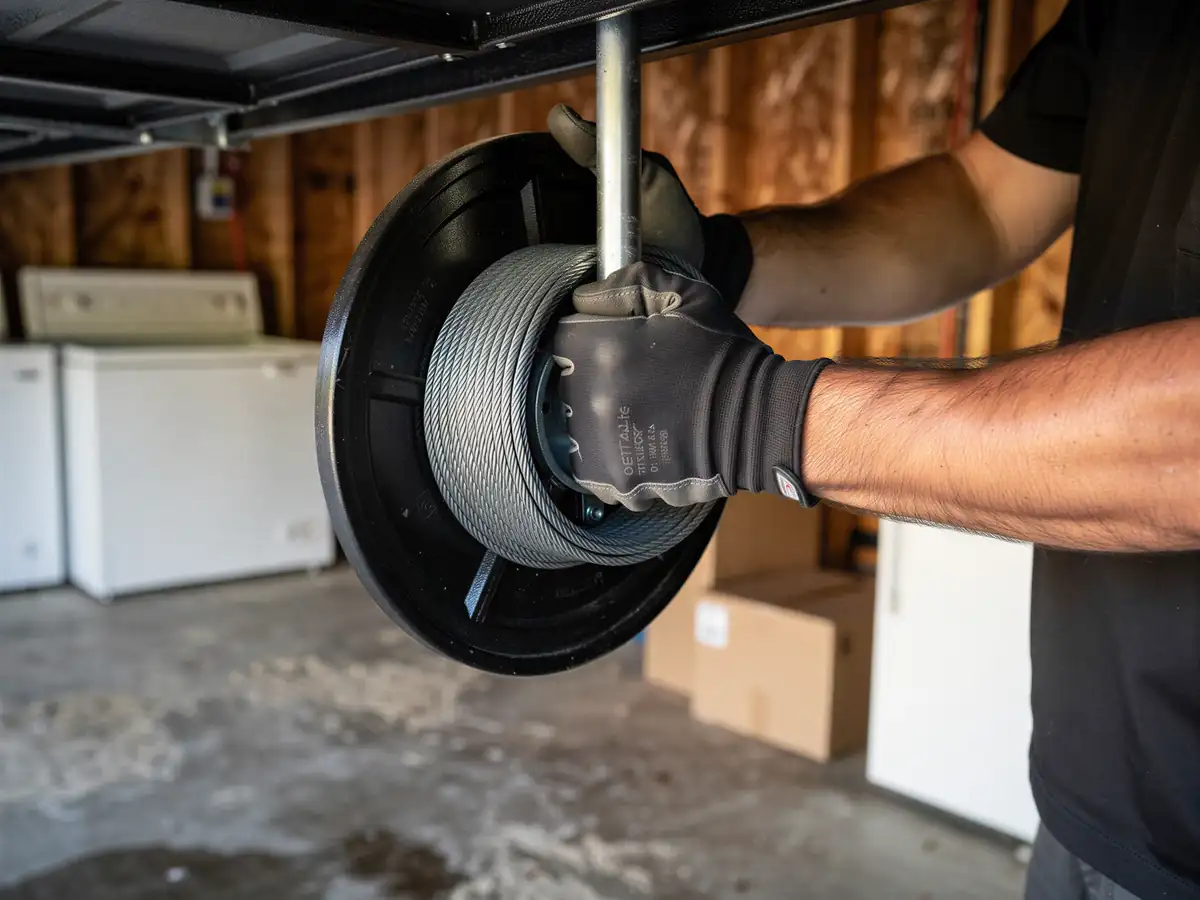
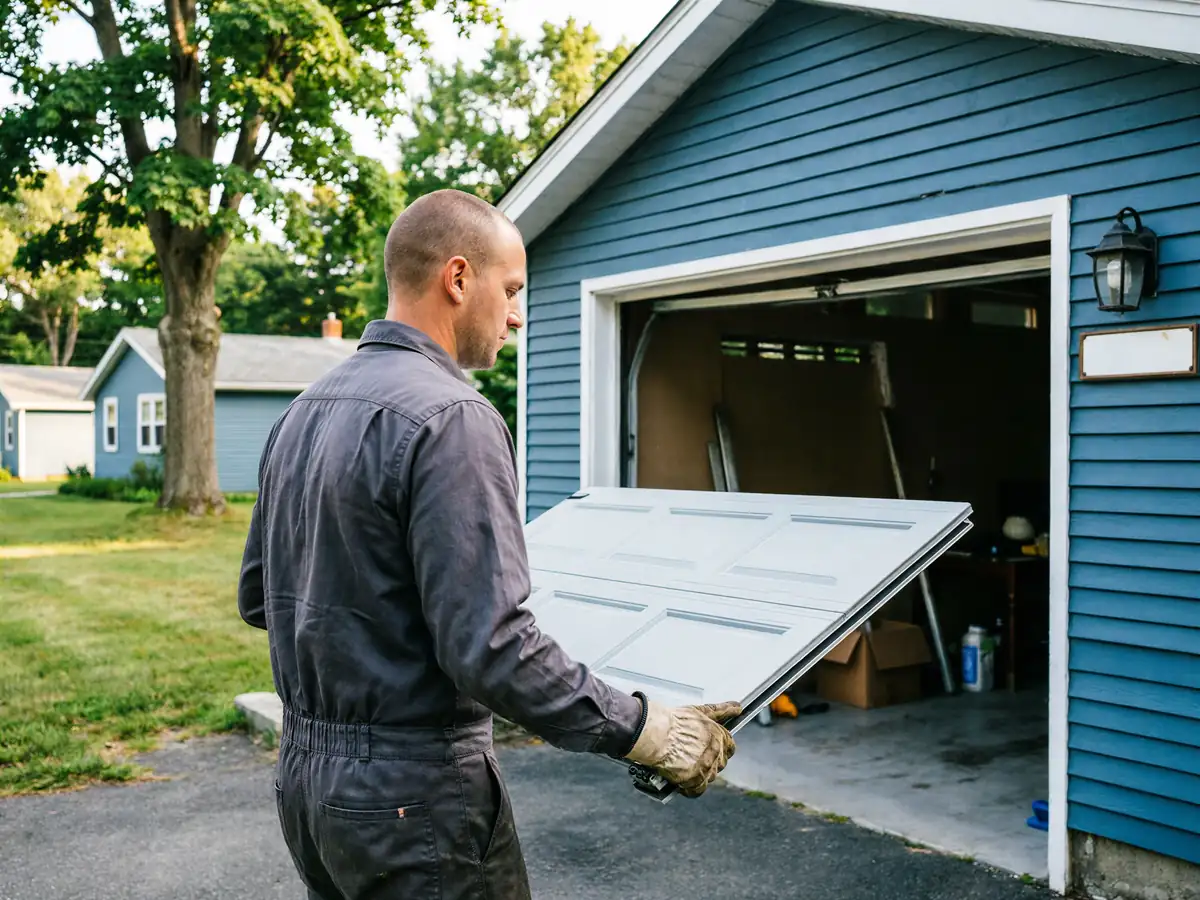
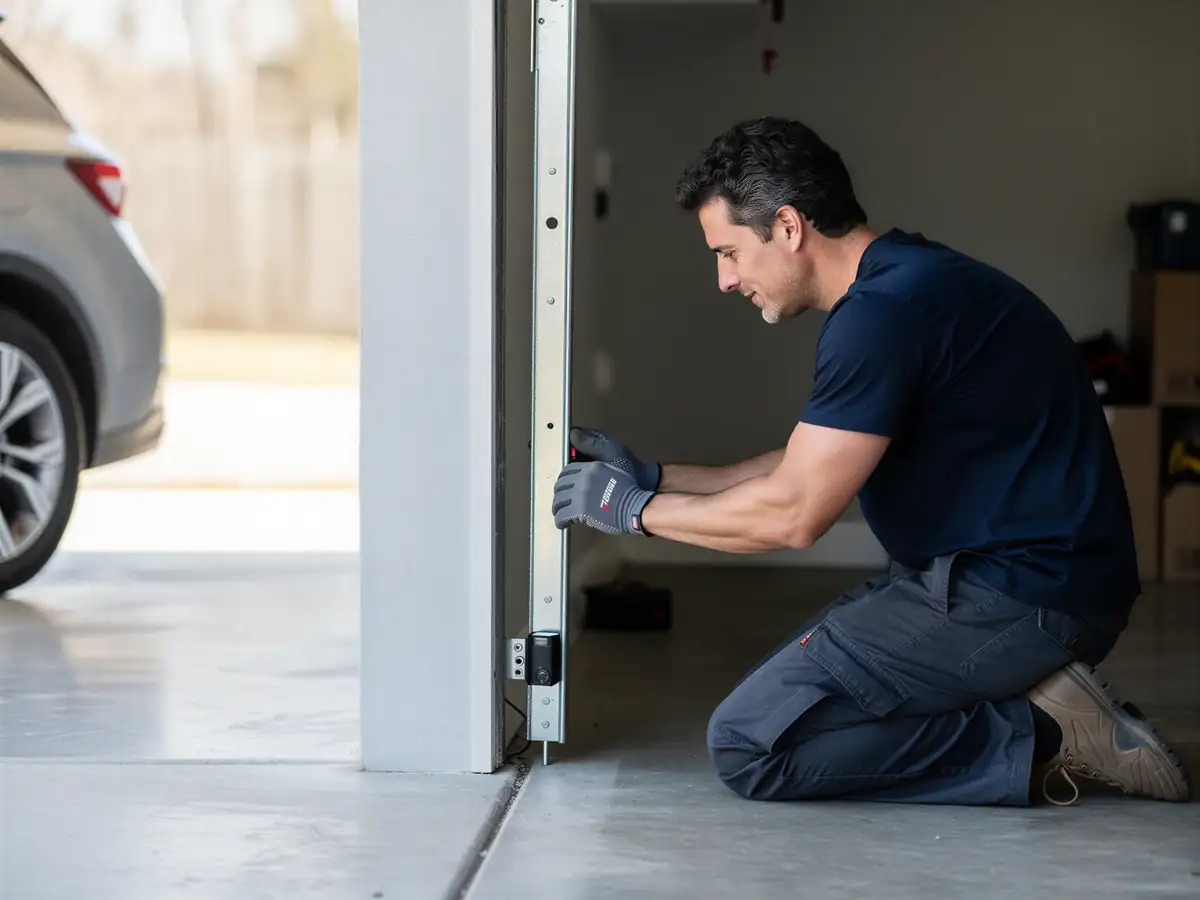
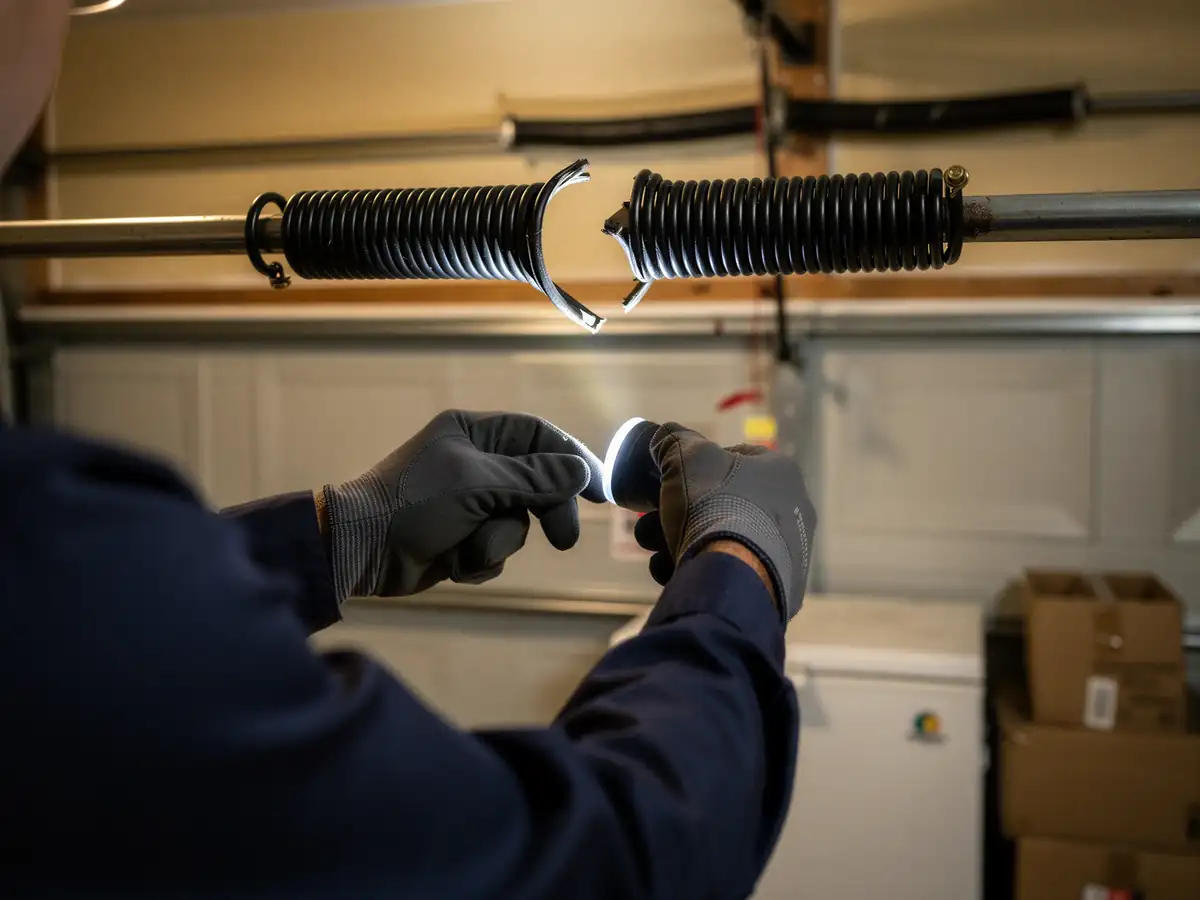
We start by checking the door itself - balance, track alignment, spring tension - before we touch the opener, because an opener install on an unbalanced door is a short-lived fix. If the door checks out, we size the opener to the door's weight and travel distance rather than defaulting to whatever's loudest in a showroom. Given the climate band this area sits in, we set force and travel limits with cold-weather drag in mind, not just a mild-day test run. For houses with older track or header setups common to the 1938-1993 building stock here, that often means swapping in the adapter hardware we carry on the truck rather than cutting into the frame. Once it's mounted, we run it through a full open-close cycle under load, check the safety reversal sensors, and walk you through the remote and keypad setup before we leave. If the door itself needs work beyond what a new opener can fix - a bent track, worn rollers, a spring at the end of its life - we'll say so and quote that separately instead of bolting a new motor onto a door that's going to keep failing.