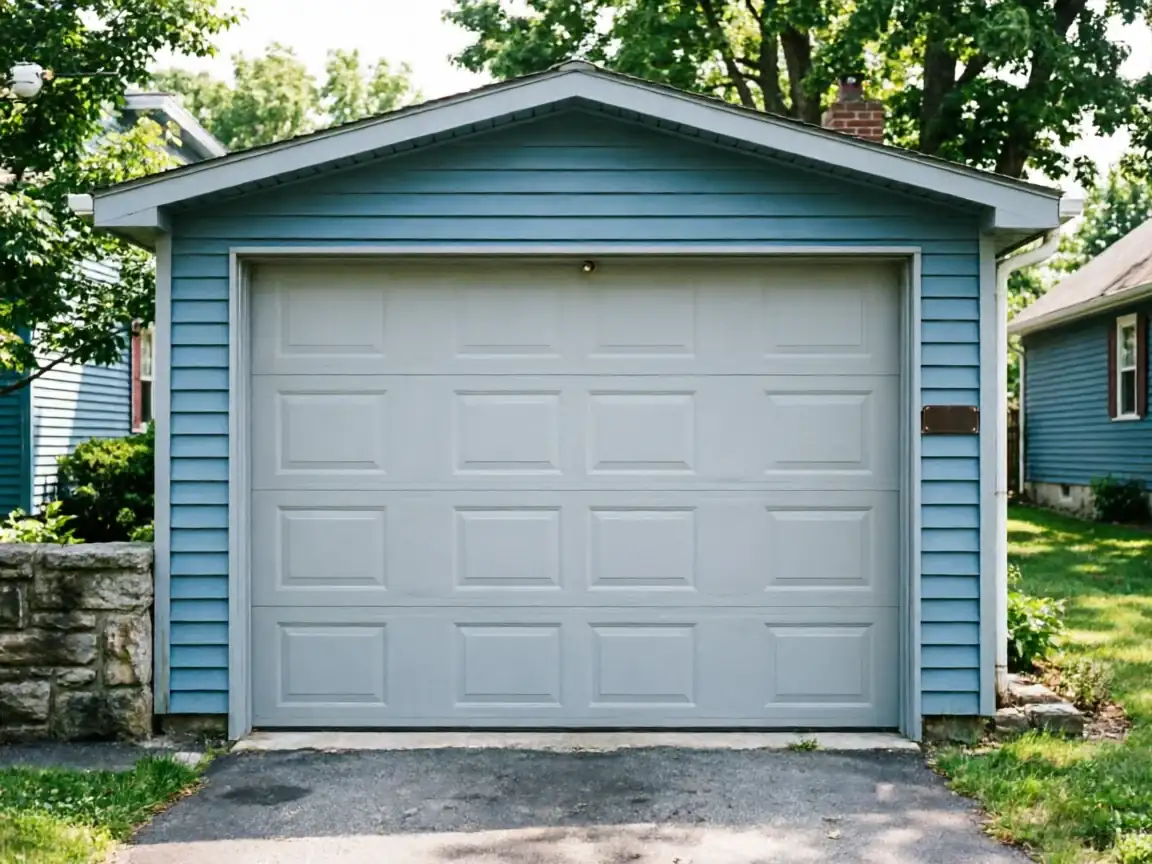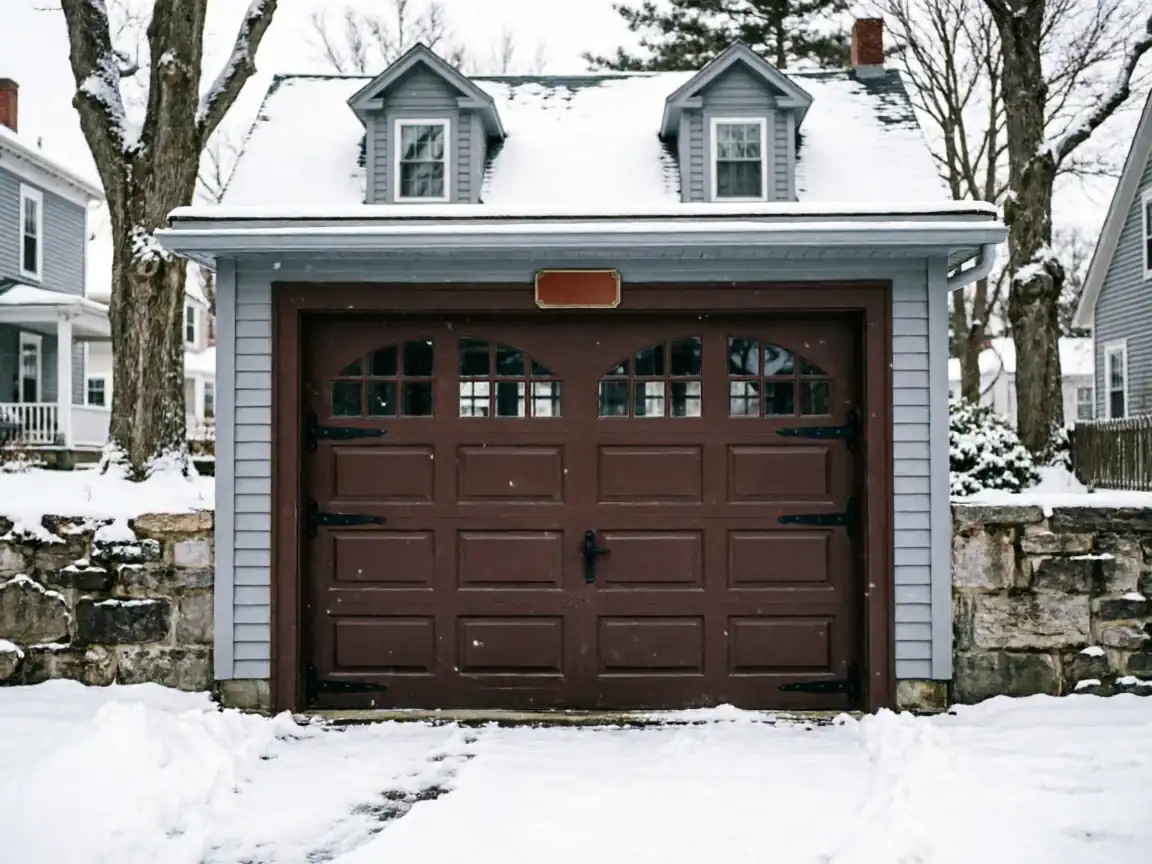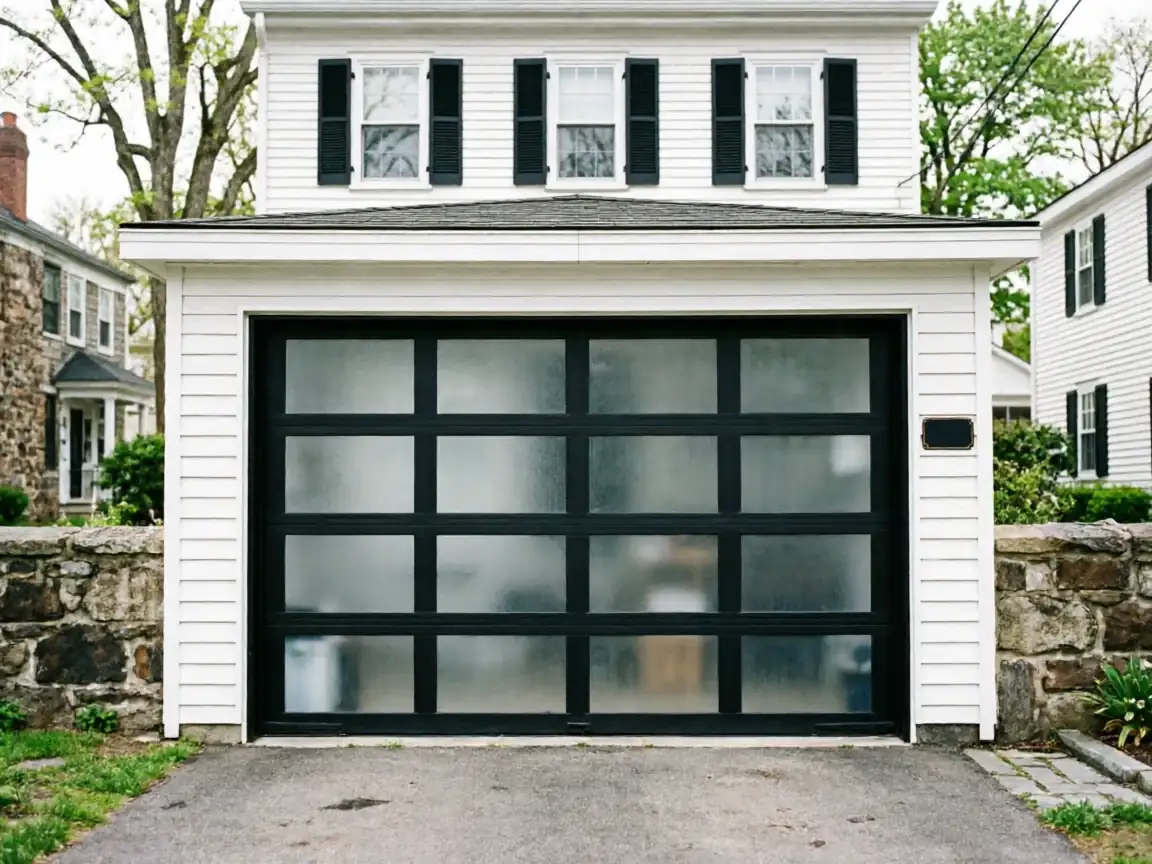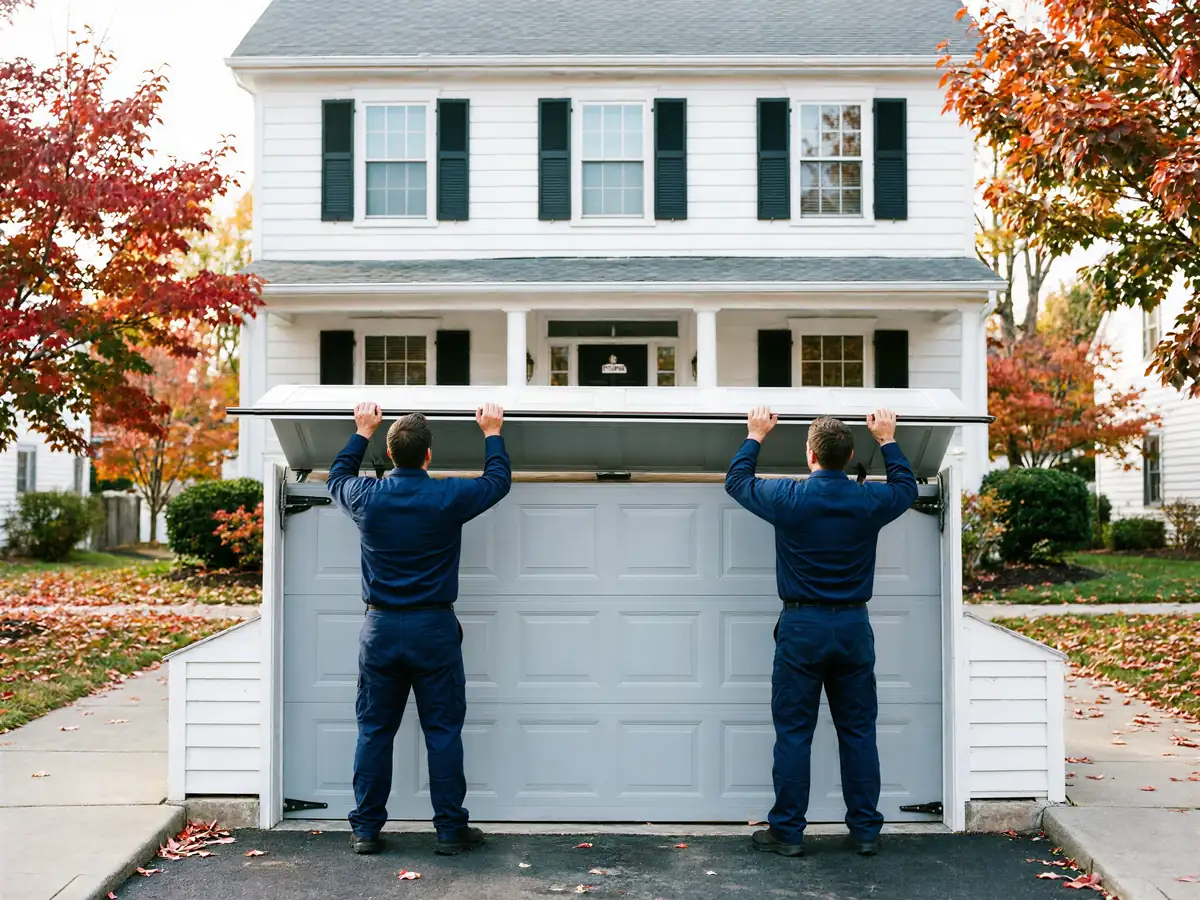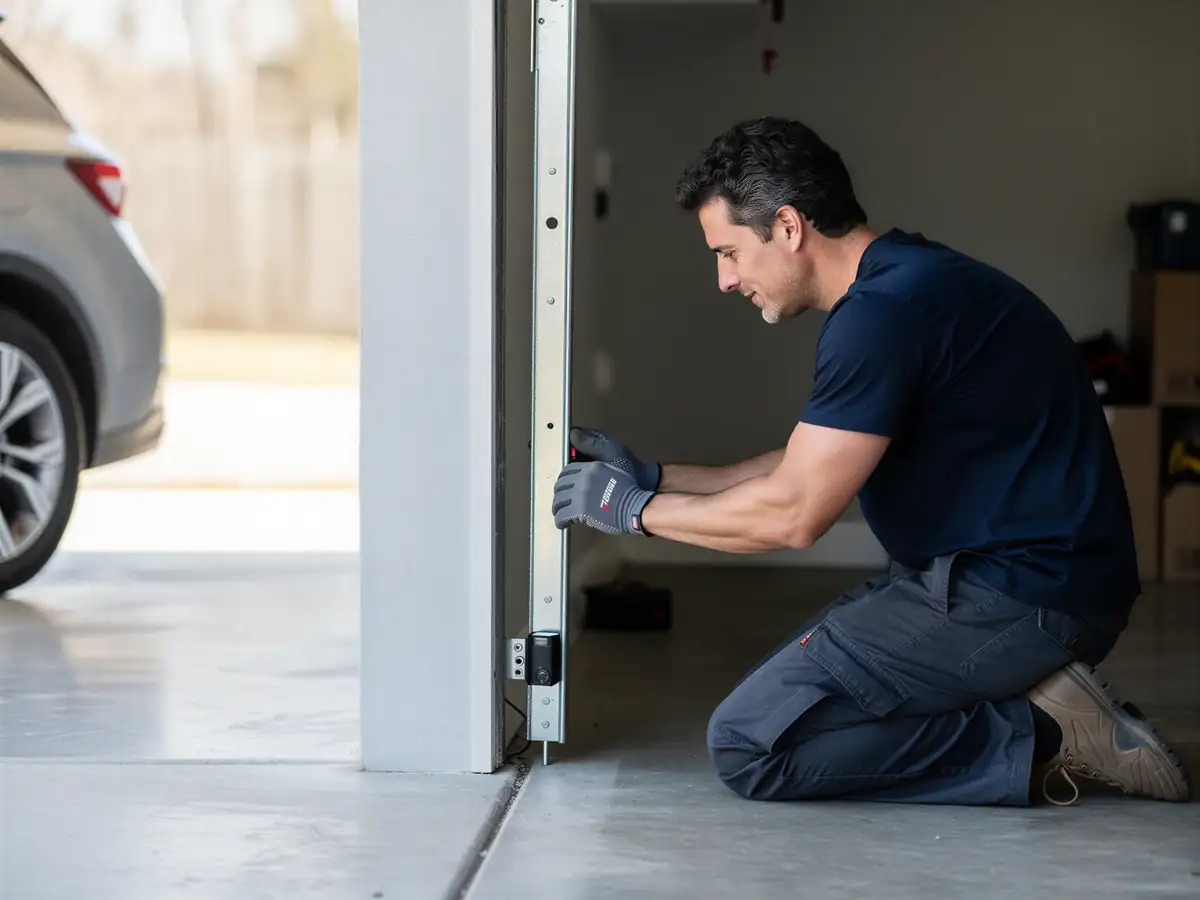
What You Are Seeing
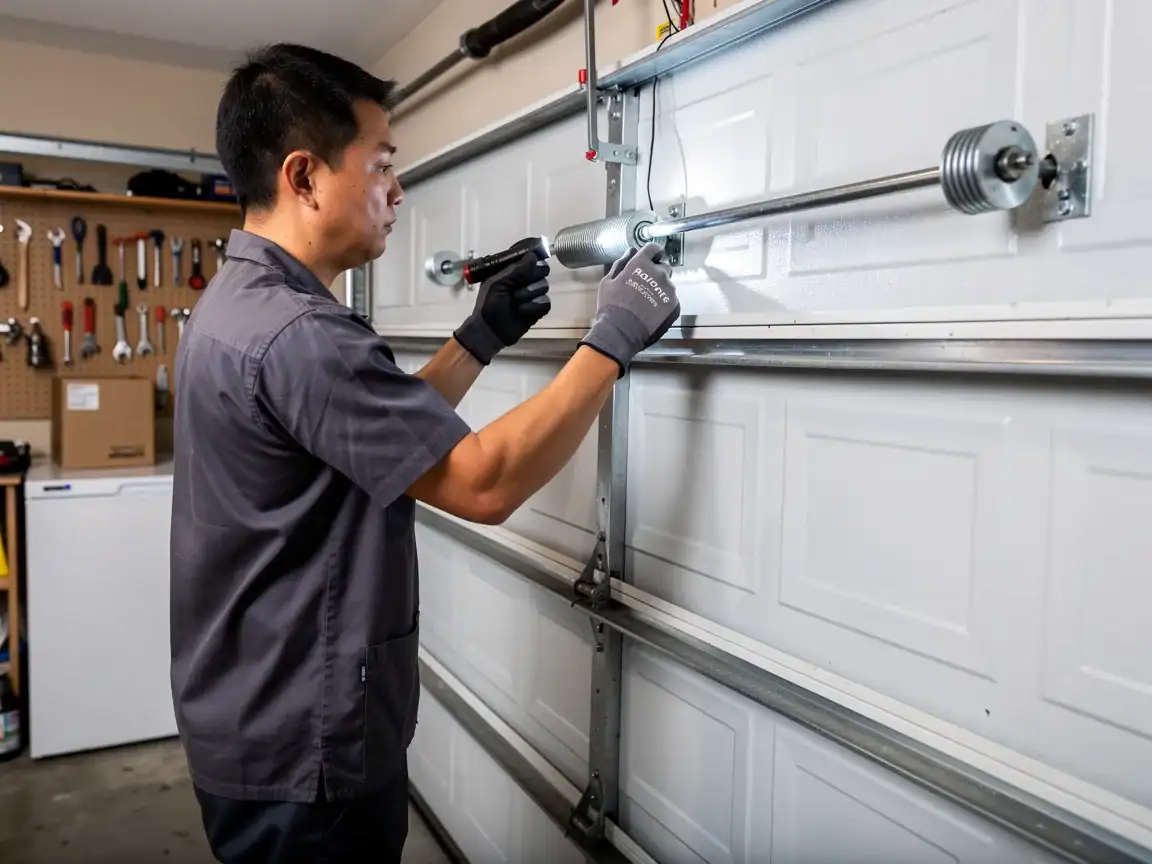
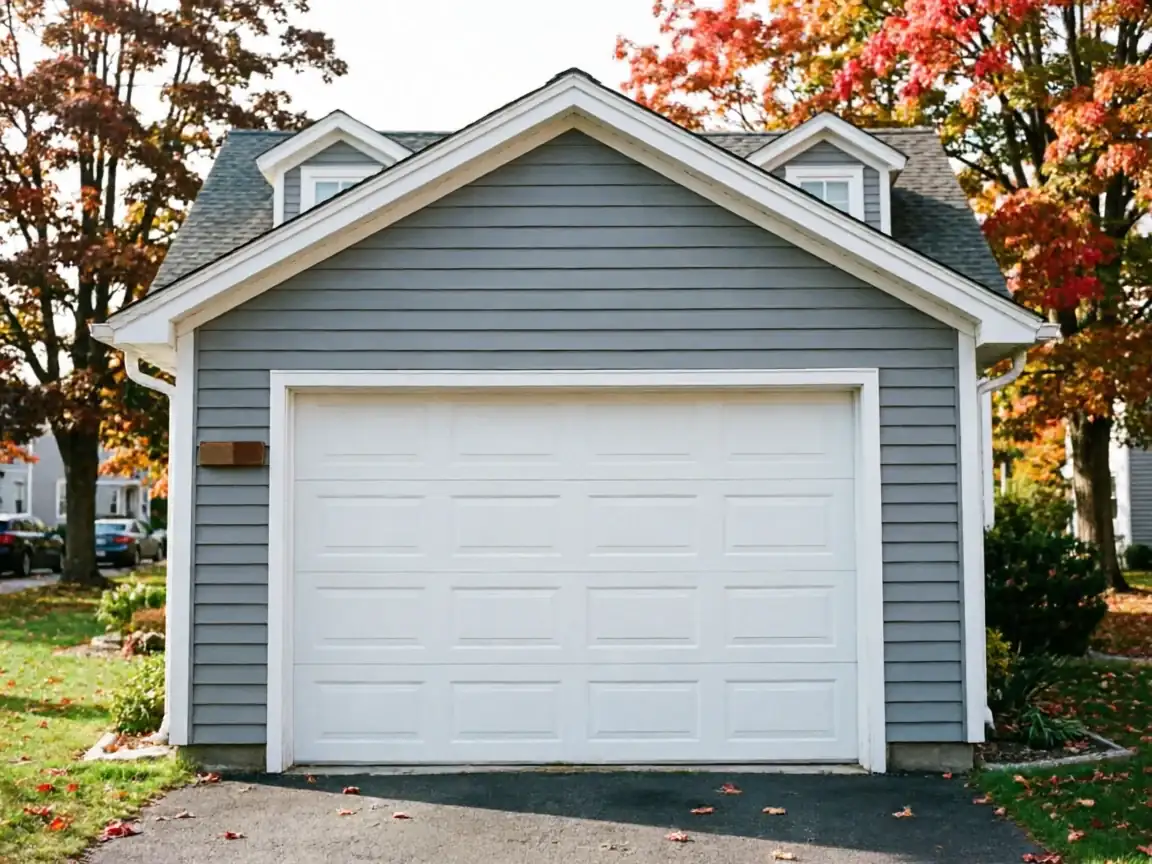
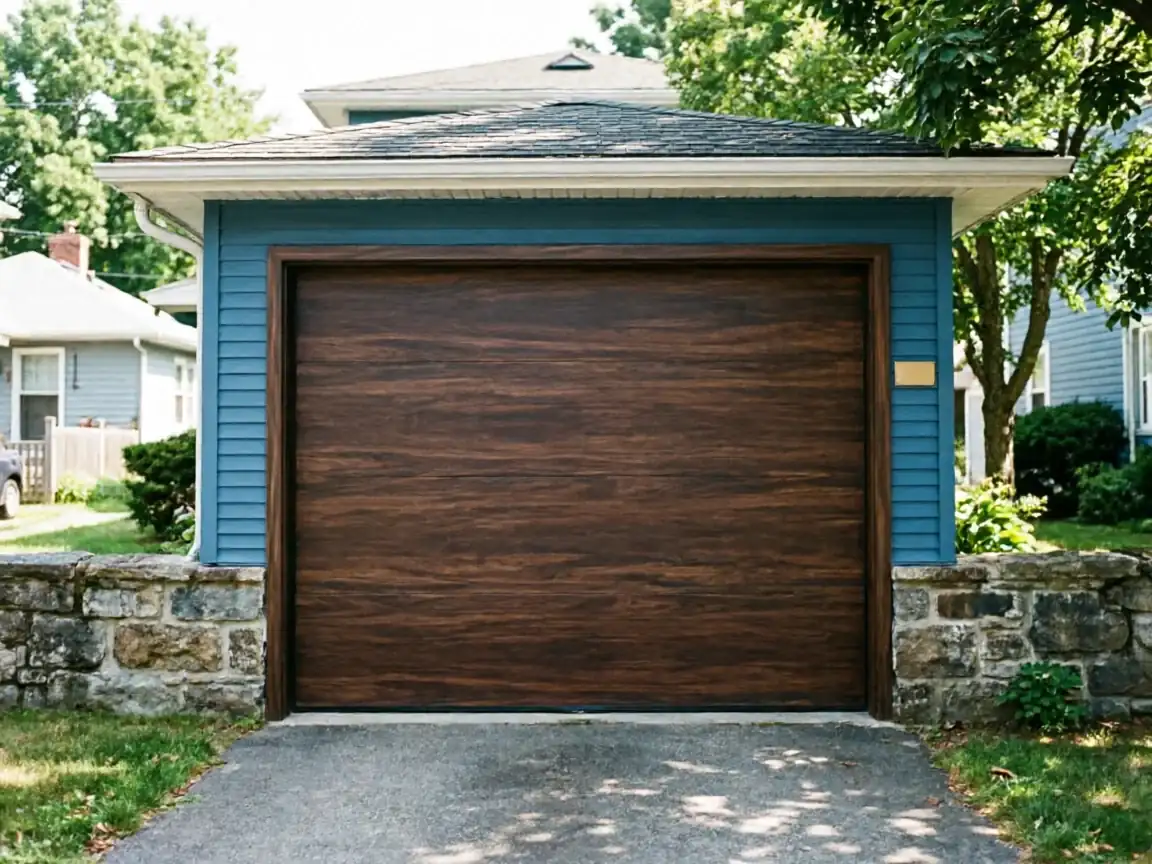
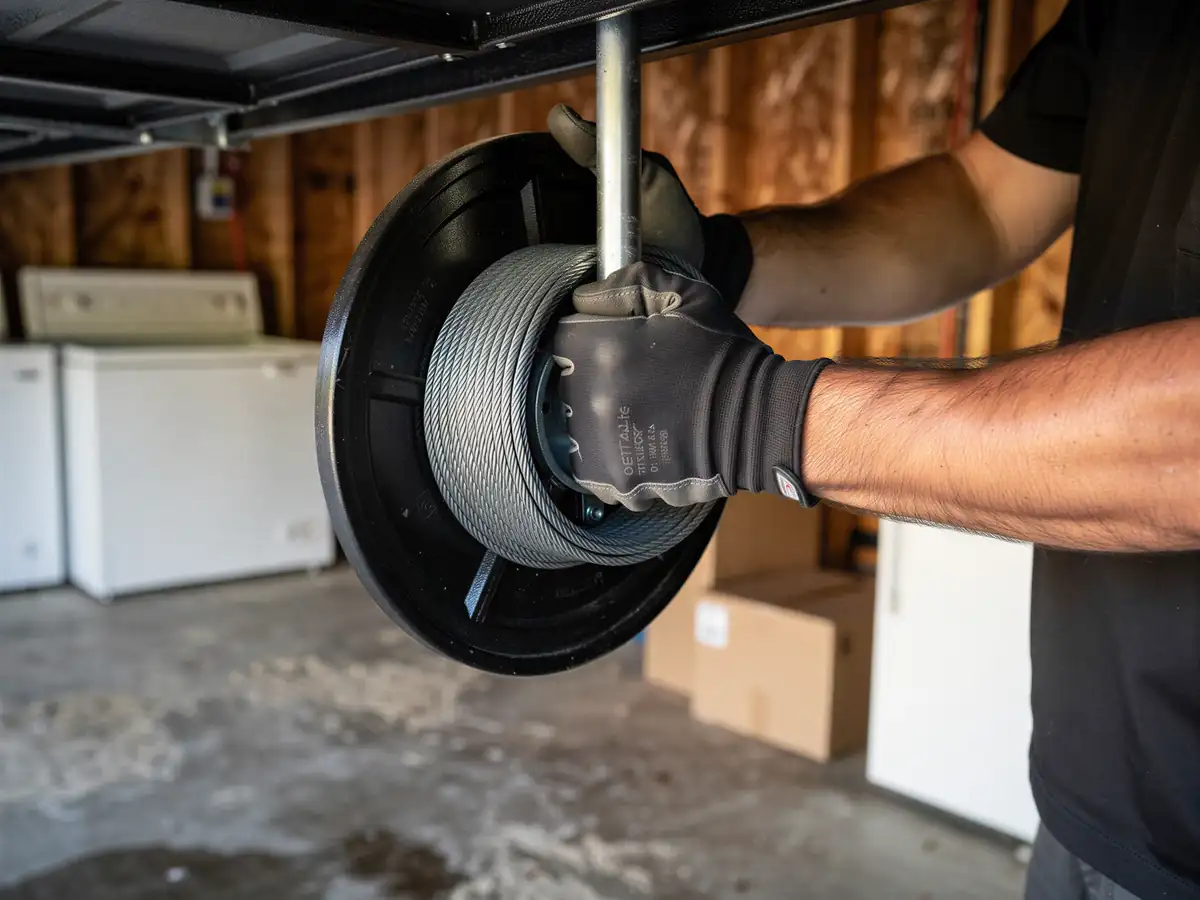
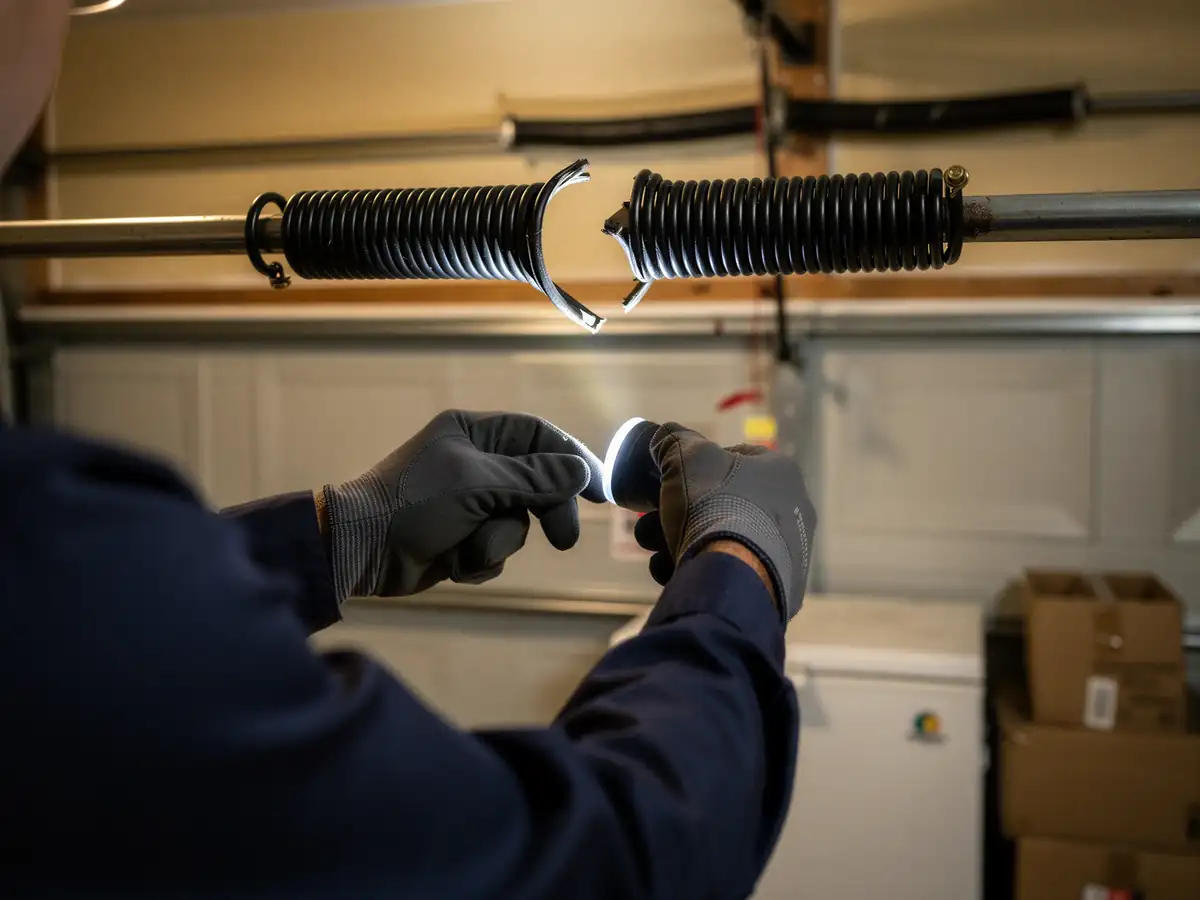
The median year a house in Chelmsford went up is 1967, a year later than the broader service area's 1966 median. That gap sounds small, but it puts a lot of Chelmsford garage doors right at the tail end of the original one-piece and early sectional era, before manufacturers standardized on the lighter steel and nylon rollers that are common now. If nobody has touched the door since the house was built, odds are good the torsion spring, the lift cables, and the hinges are all original. That's 55-plus years on steel hardware that was never designed to last that long. Add in the COLD severe climate band this whole region sits in, and you get a specific failure pattern: springs that lose tension faster from repeated temperature swings, cable fraying where moisture gets into the drum, and rollers that have worn their tracks into an oval shape instead of a circle. Chelmsford has roughly 13,496 households, which is a sliver of the 243,594 owner-occupied houses across our wider footprint, but a disproportionate share of what we see out here is hardware that's never been replaced - just lubricated, maybe, and left alone until it snapped.
How Long It Takes
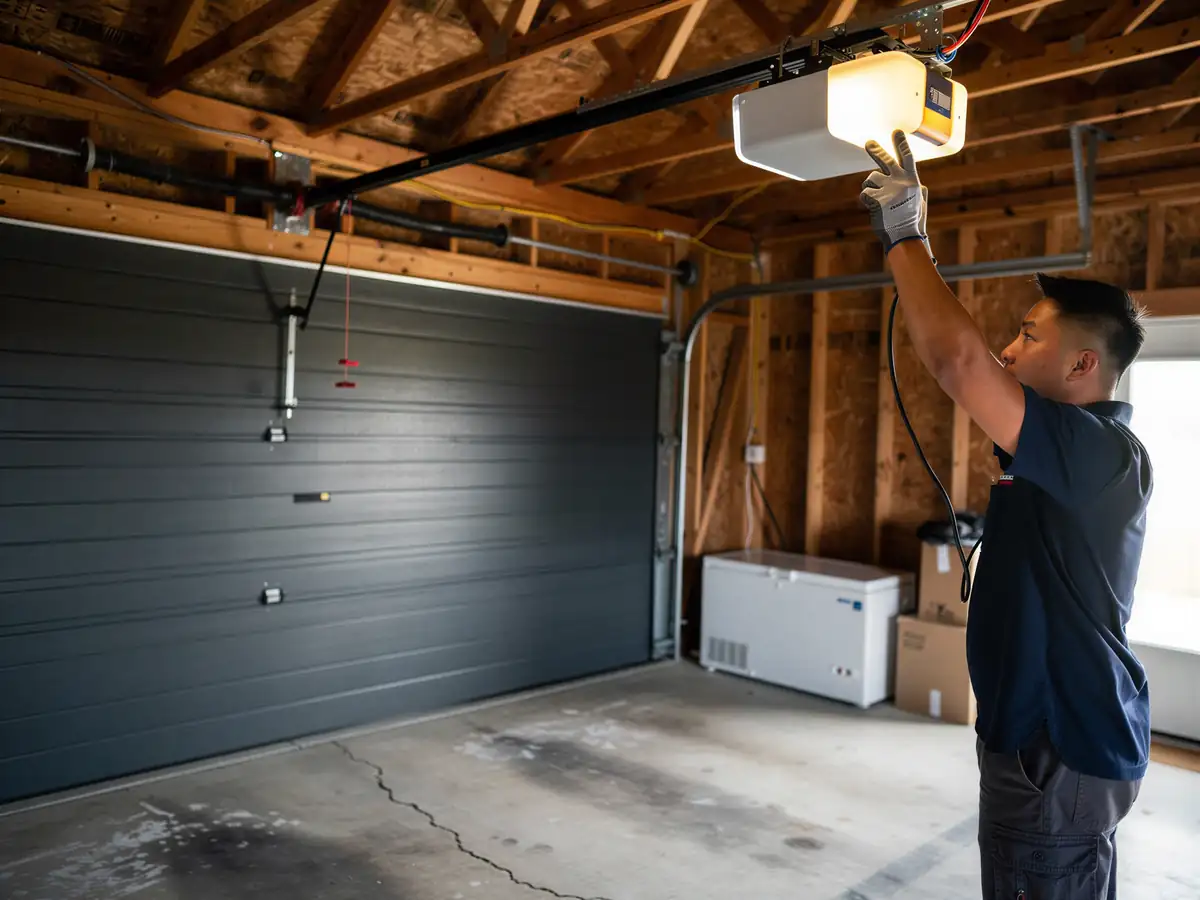
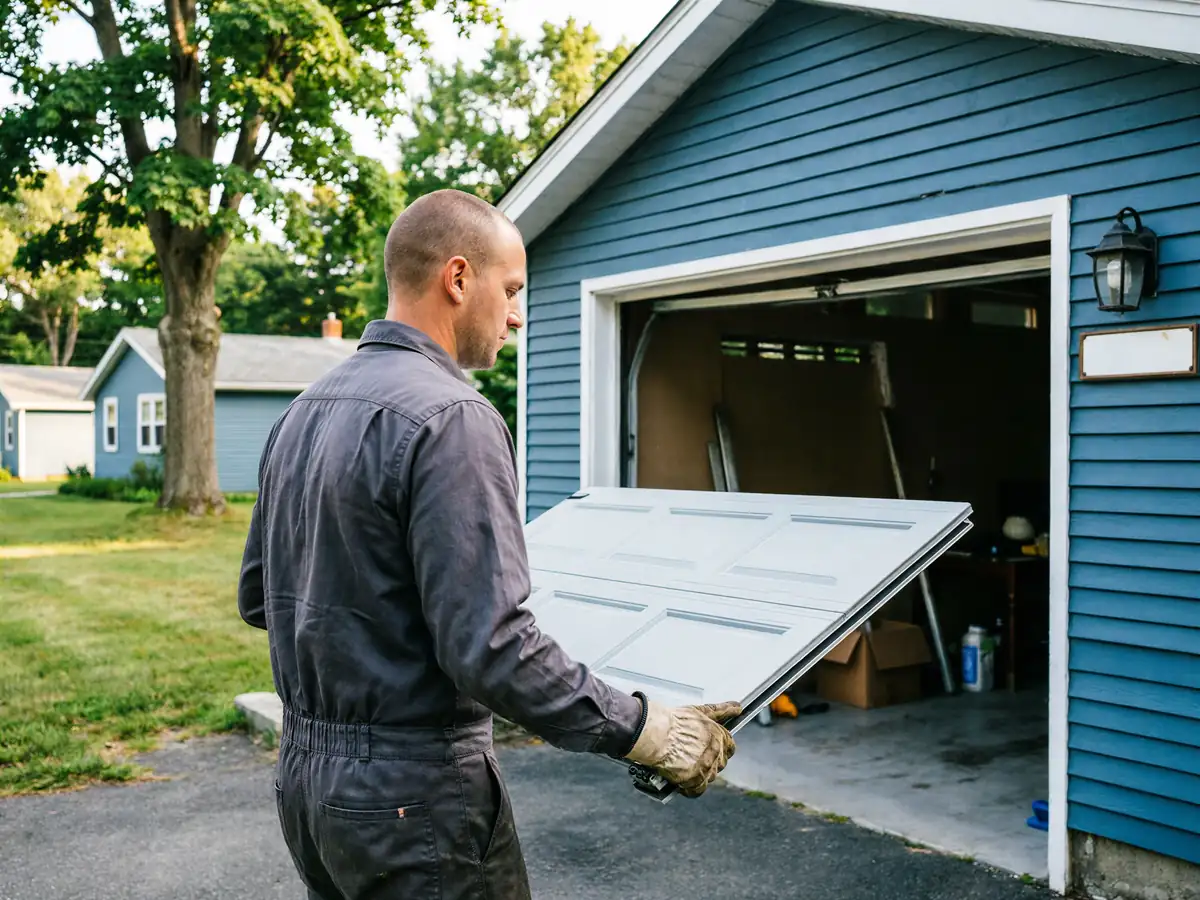
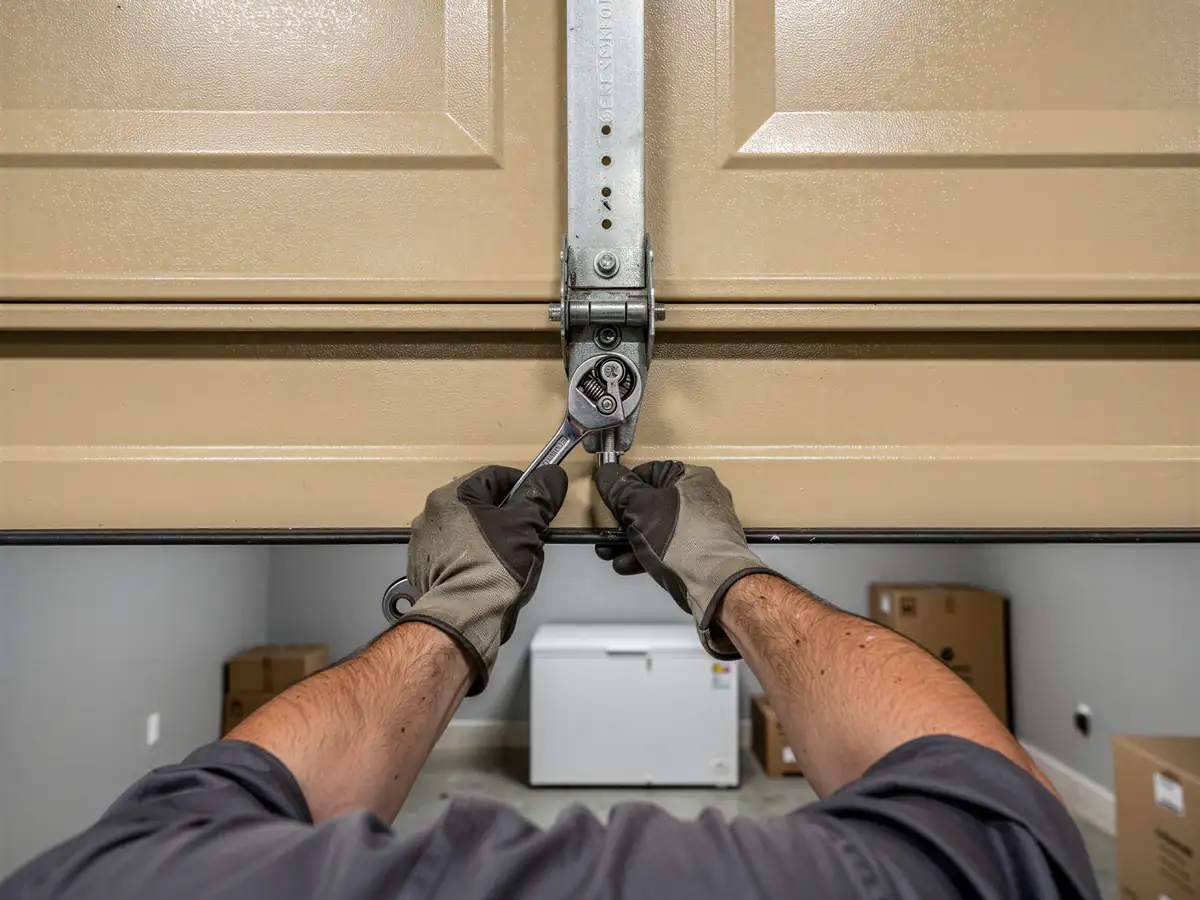
We come out of Waltham, and Chelmsford is about 16 miles away - one of the longer drives in our service area, so we're not going to promise an arrival window here that we can't back up. Once the truck is there, the job itself depends on what's original and what's already been swapped. A straightforward spring replacement on a door with intact tracks and rollers doesn't take long. Where it slows down is when the rollers, hinges, and cables are all original 1960s stock at once - then we're often replacing more than the one part that failed, because the rest of the hardware is at the same age and the same risk. If a part isn't something we carry on the truck, that adds a step. We'd rather tell you that up front than guess at a number and miss it.
Can You Do This Yourself
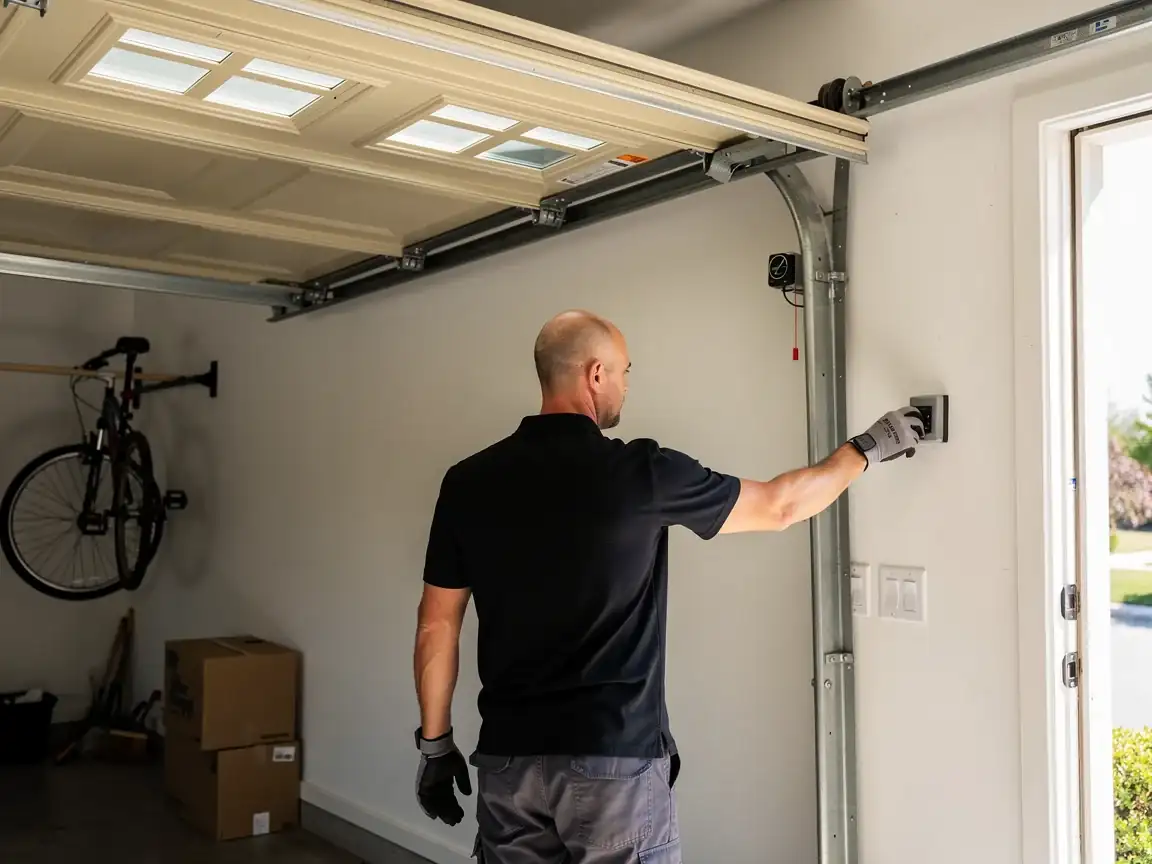
A torsion spring under tension can break a hand or worse, and on a door this old you don't always know how much tension is actually stored in it until you're working on it - that's not a job to learn on your own door. Where you can help yourself: check the rollers for flat spots or rust pitting, listen for grinding when the door moves, and look at the bottom panel for daylight gaps that mean the weatherstrip has given out. Those are things you can see without taking anything apart. Lubricating hinges and rollers with the right garage door lubricant is fine to do yourself and it's cheap insurance against the cold making things worse. Replacing a spring, a cable, or anything that's wound under tension is not a DIY repair, regardless of how the door was built or how old the hardware is.