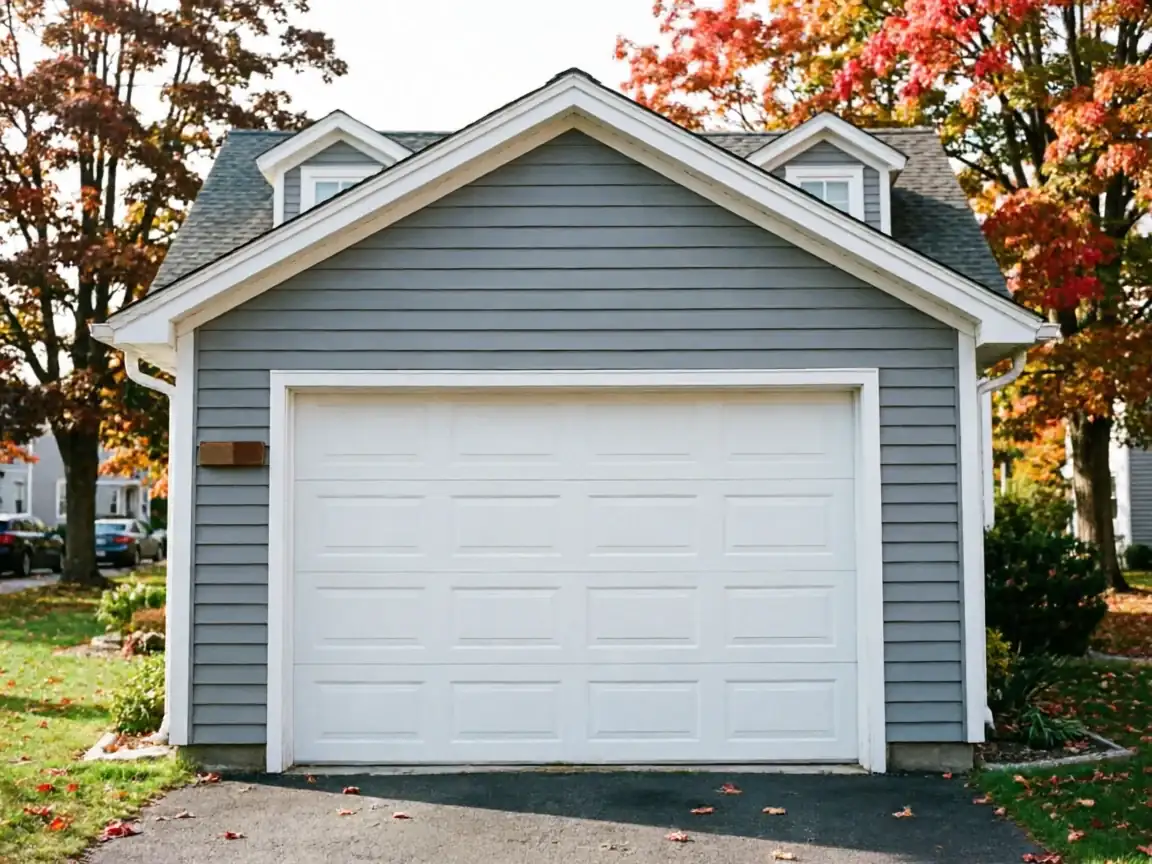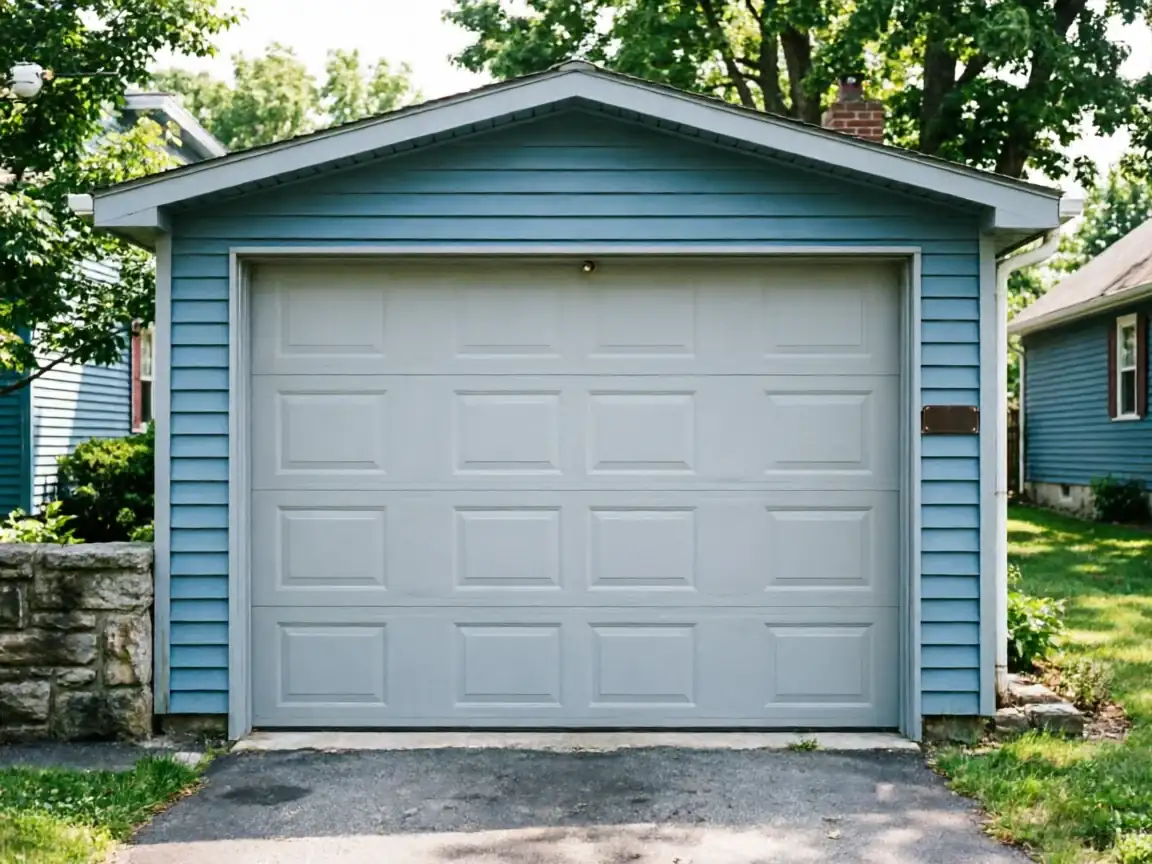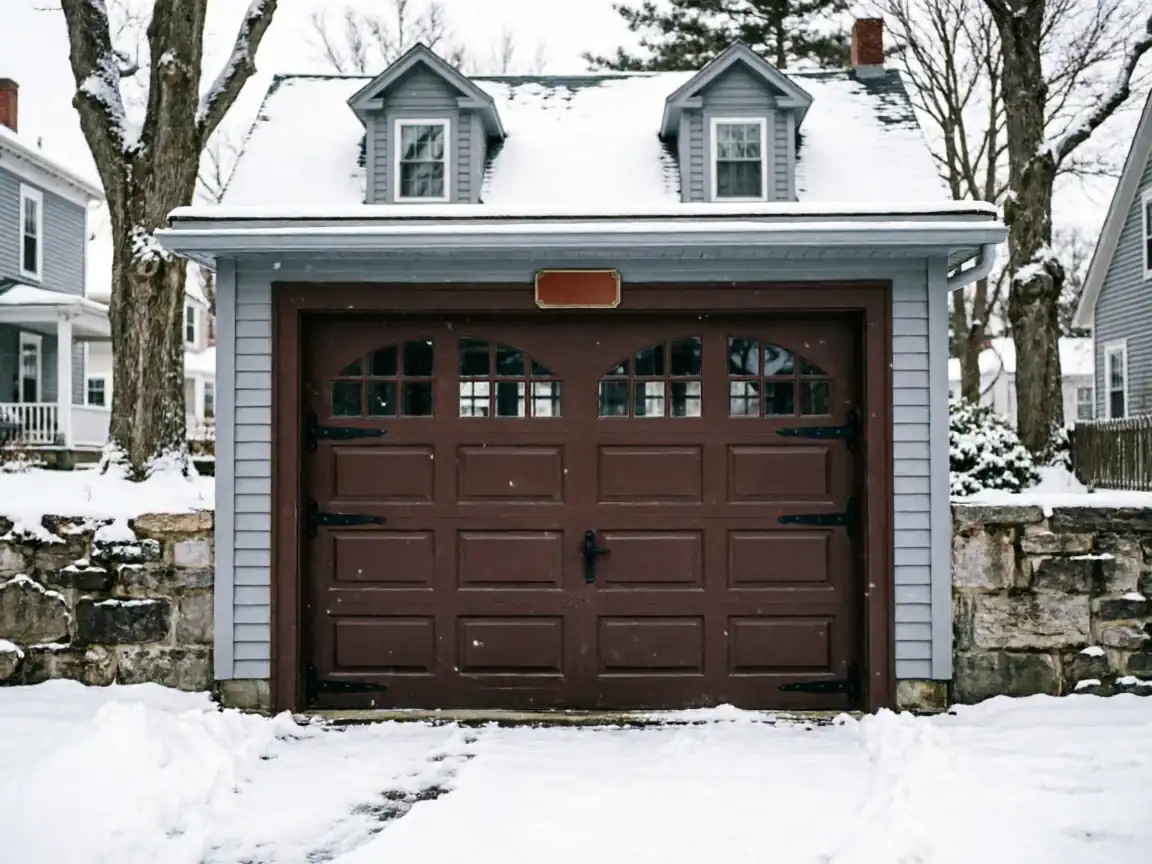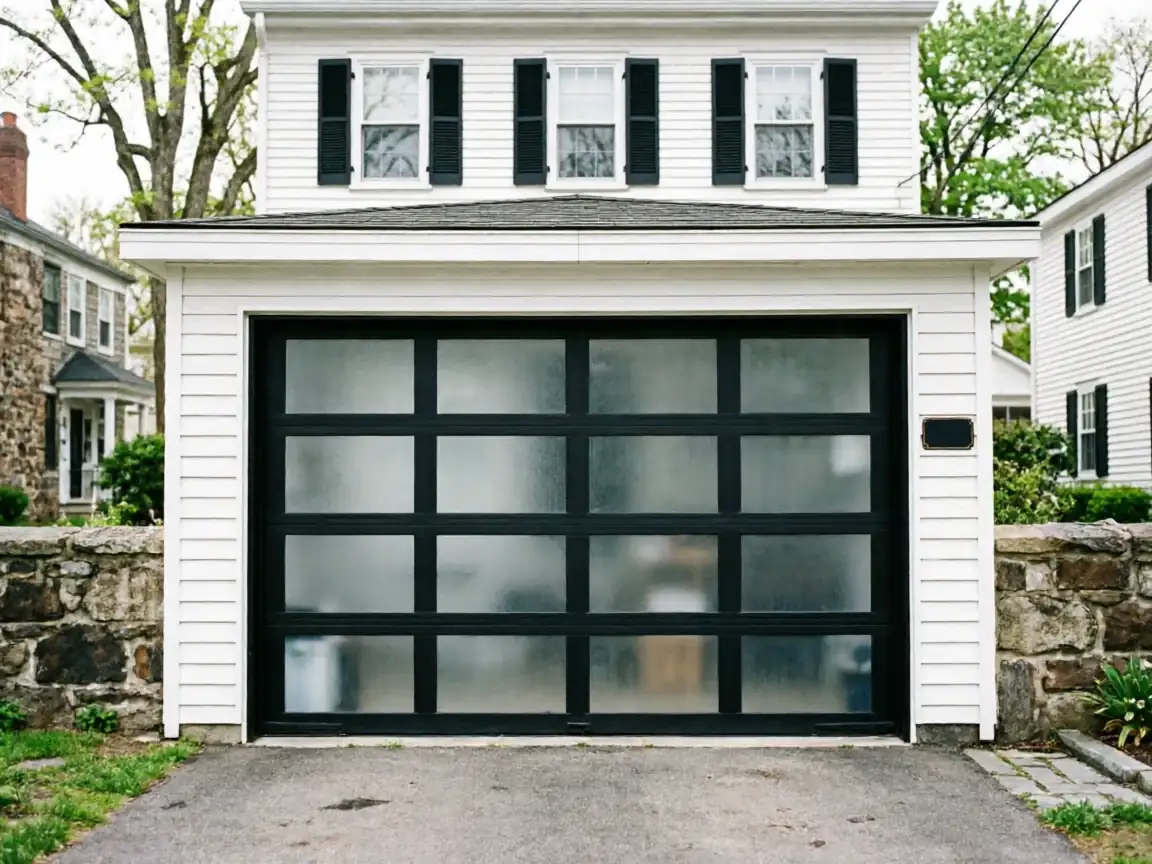
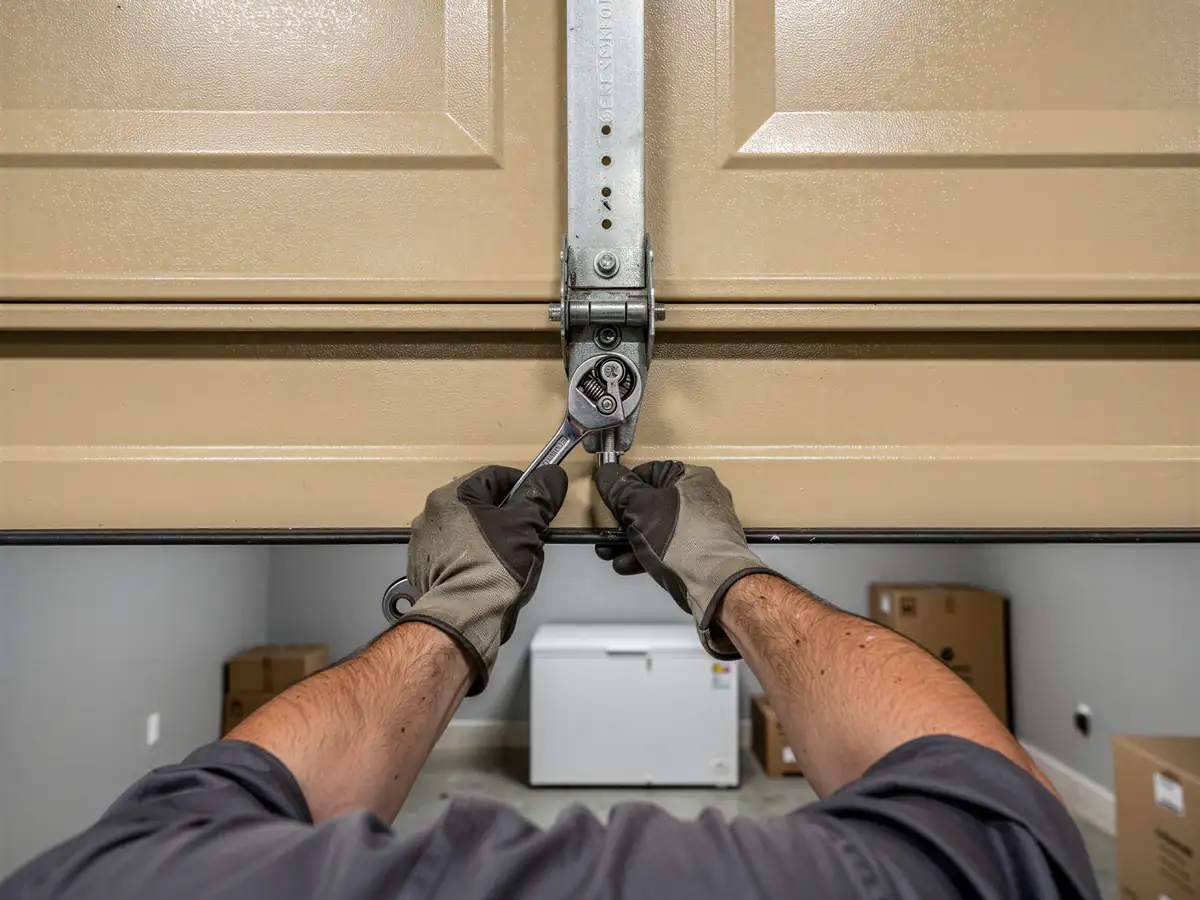
How We Fix It
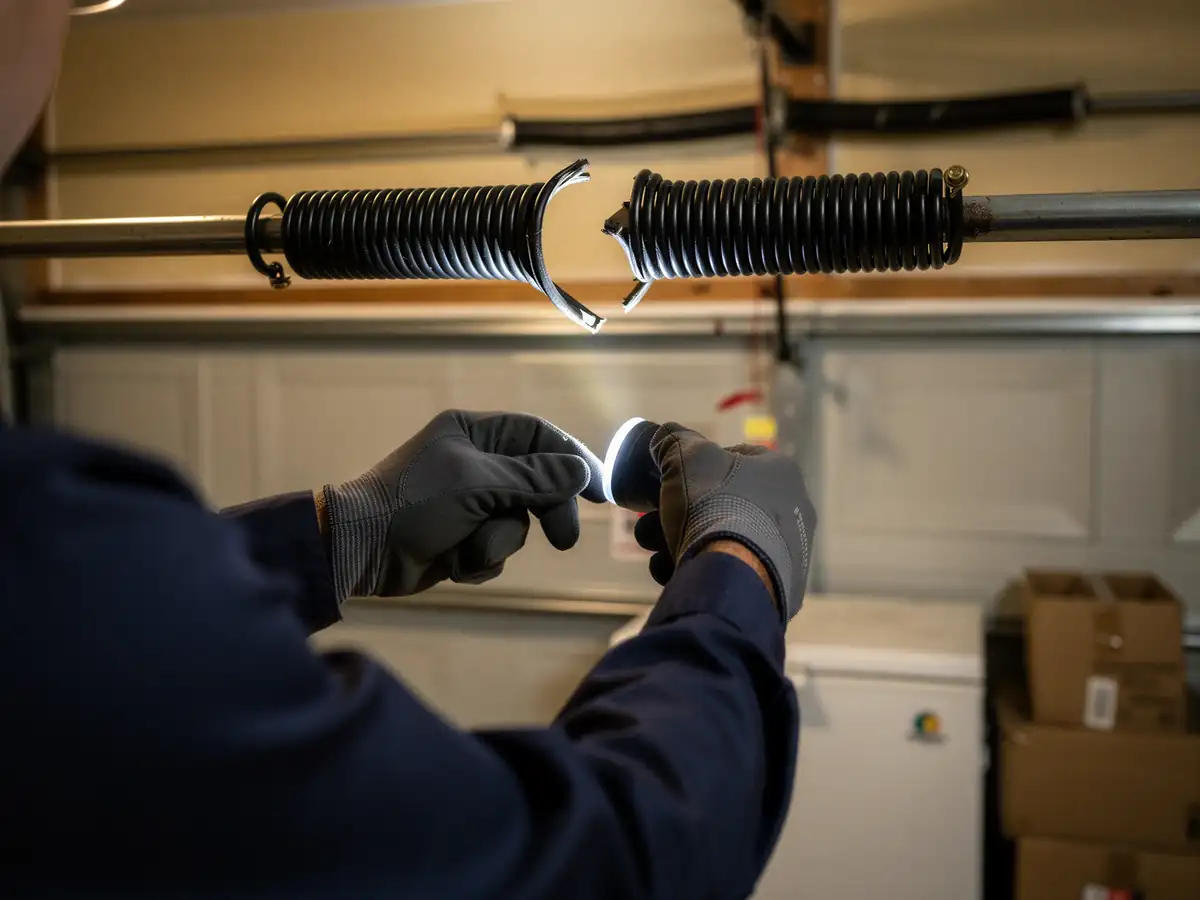
Most of the calls we get from Weston aren't about a door that won't close at all. They're about a door that closes wrong - slow on one side, a thud partway down, a spring that lets go on a Tuesday morning with no warning. Houses in this part of town were mostly built around 1964, which puts the original torsion hardware squarely in the range where springs are past their rated cycle count and the galvanized coating on the torsion bar has started to pit from forty-plus winters.
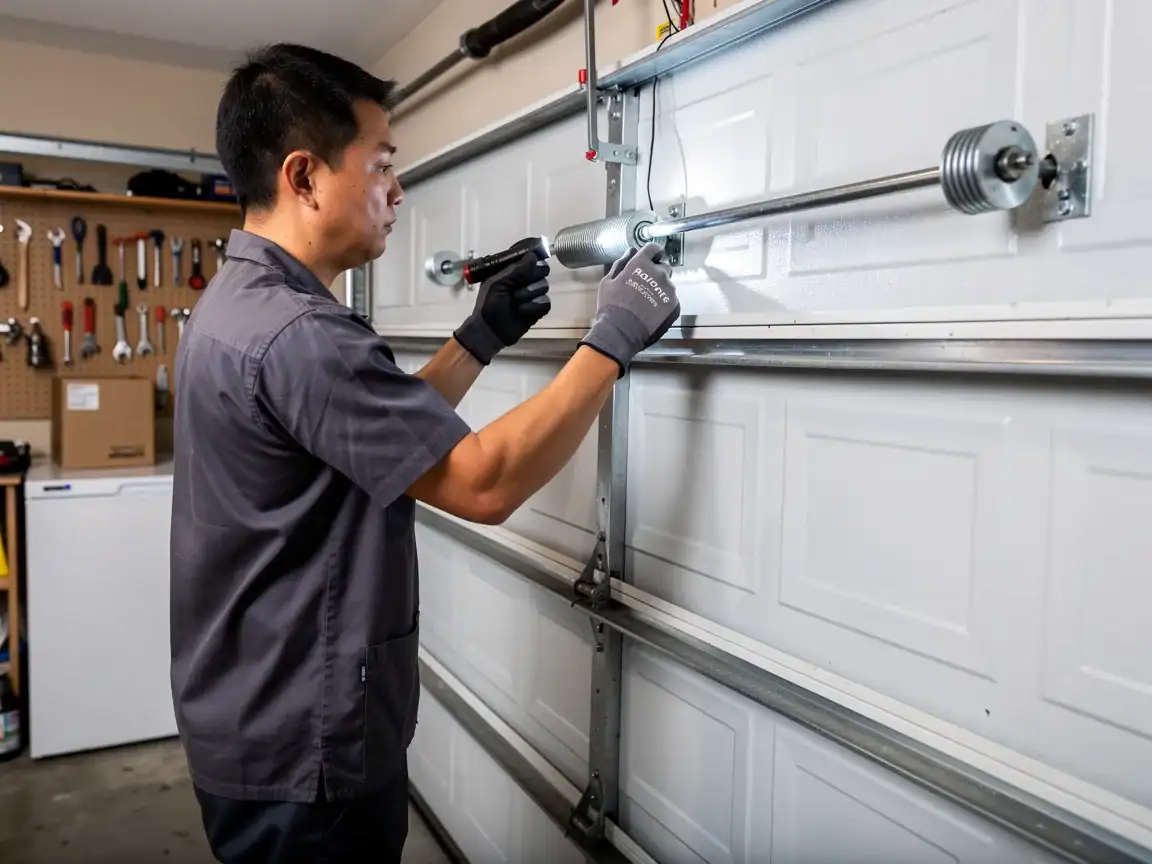
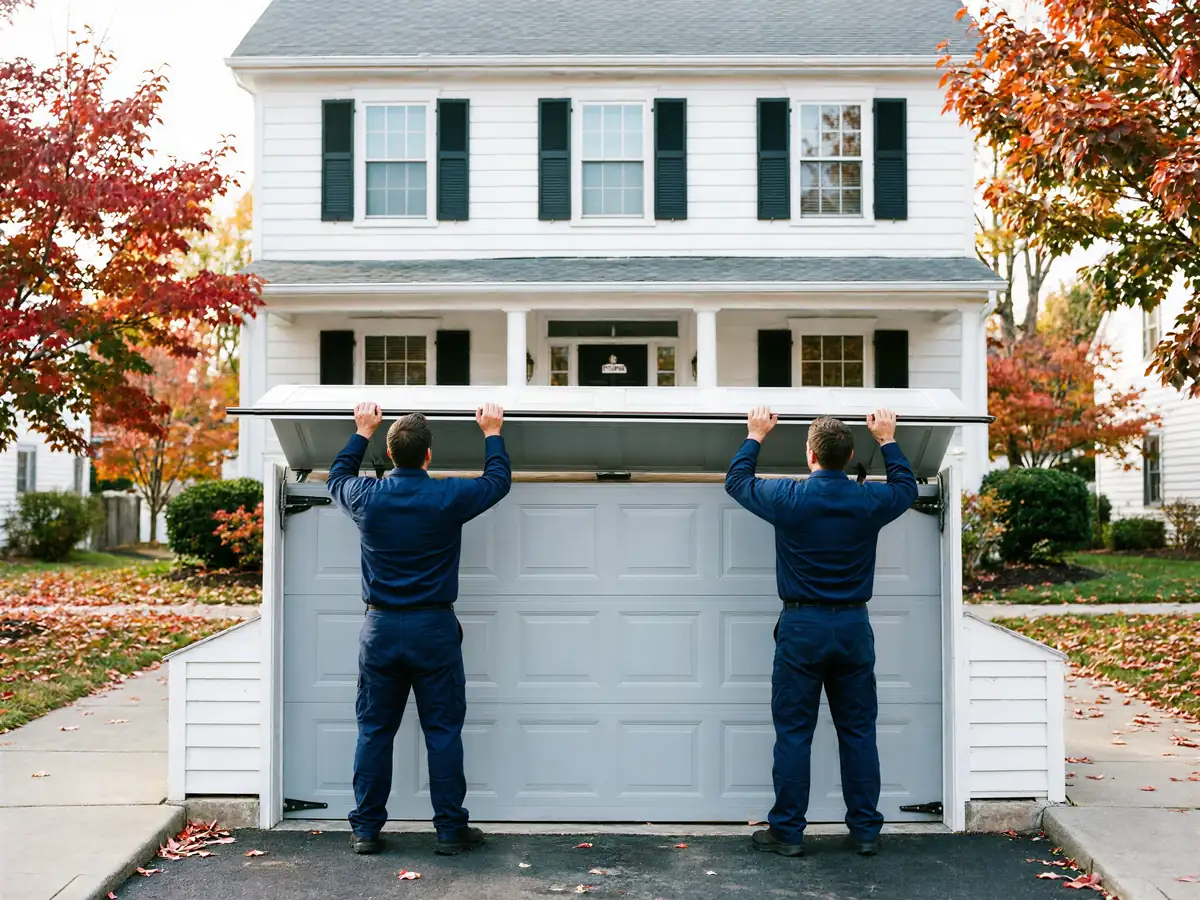
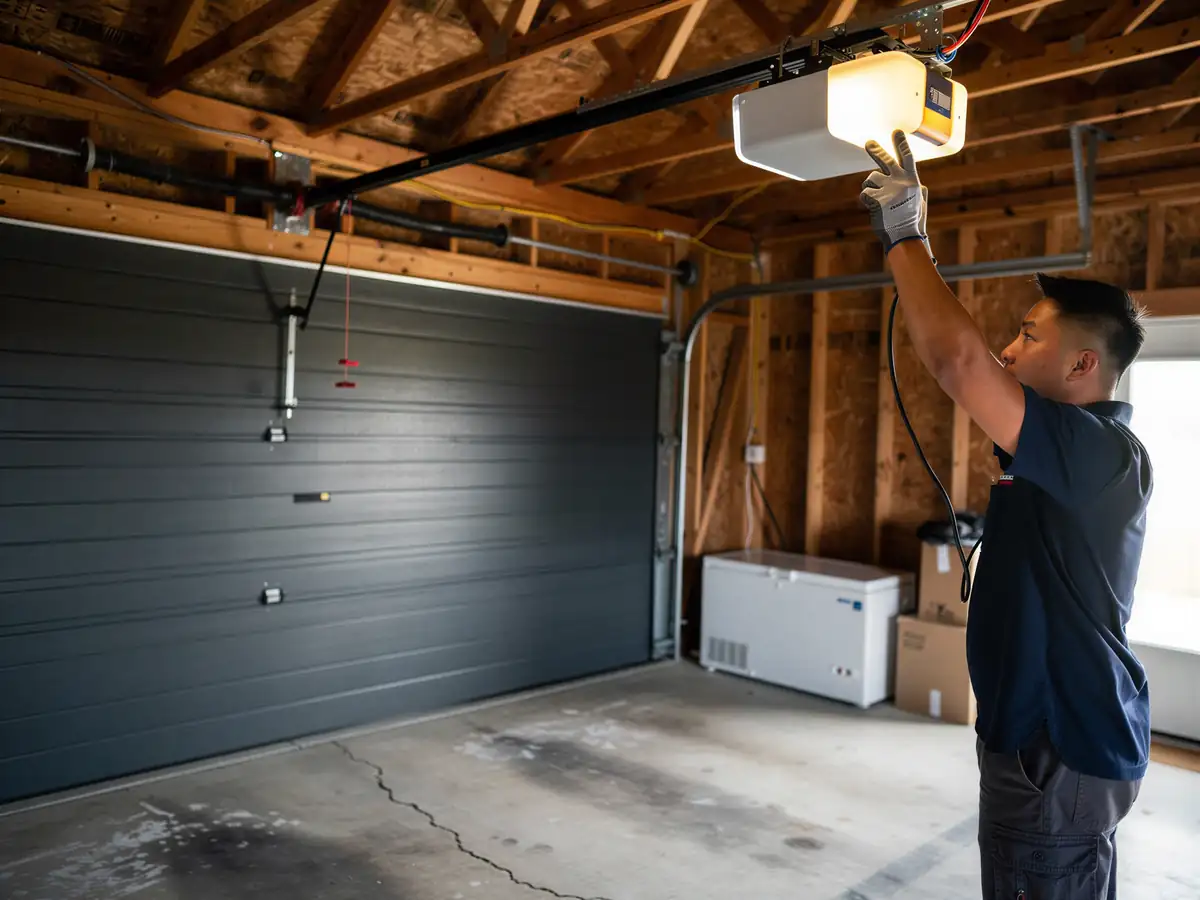
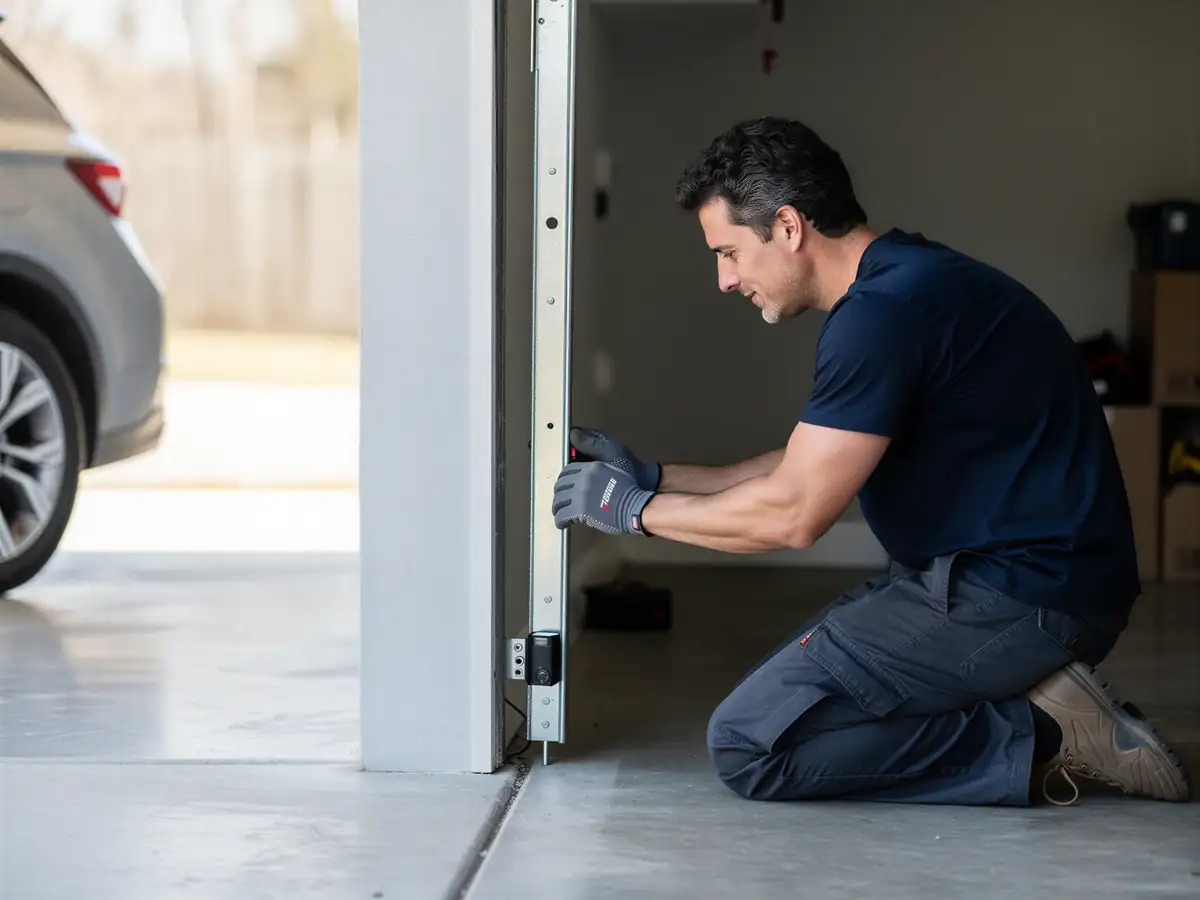
We start by pulling the door off opener power and checking the spring first, because a worn spring is doing the real work of lifting and a bad one will burn out whatever opener you've bolted on to compensate for it. If the track alignment has drifted - common on these older jamb setups where the framing has settled over sixty years - we true that up before touching anything else. We don't guess at the fault from the driveway. We open the panel housing, look at the actual wear, and tell you what's failing before we quote the fix.
What You Are Seeing
If your door is from the original 1964-era build
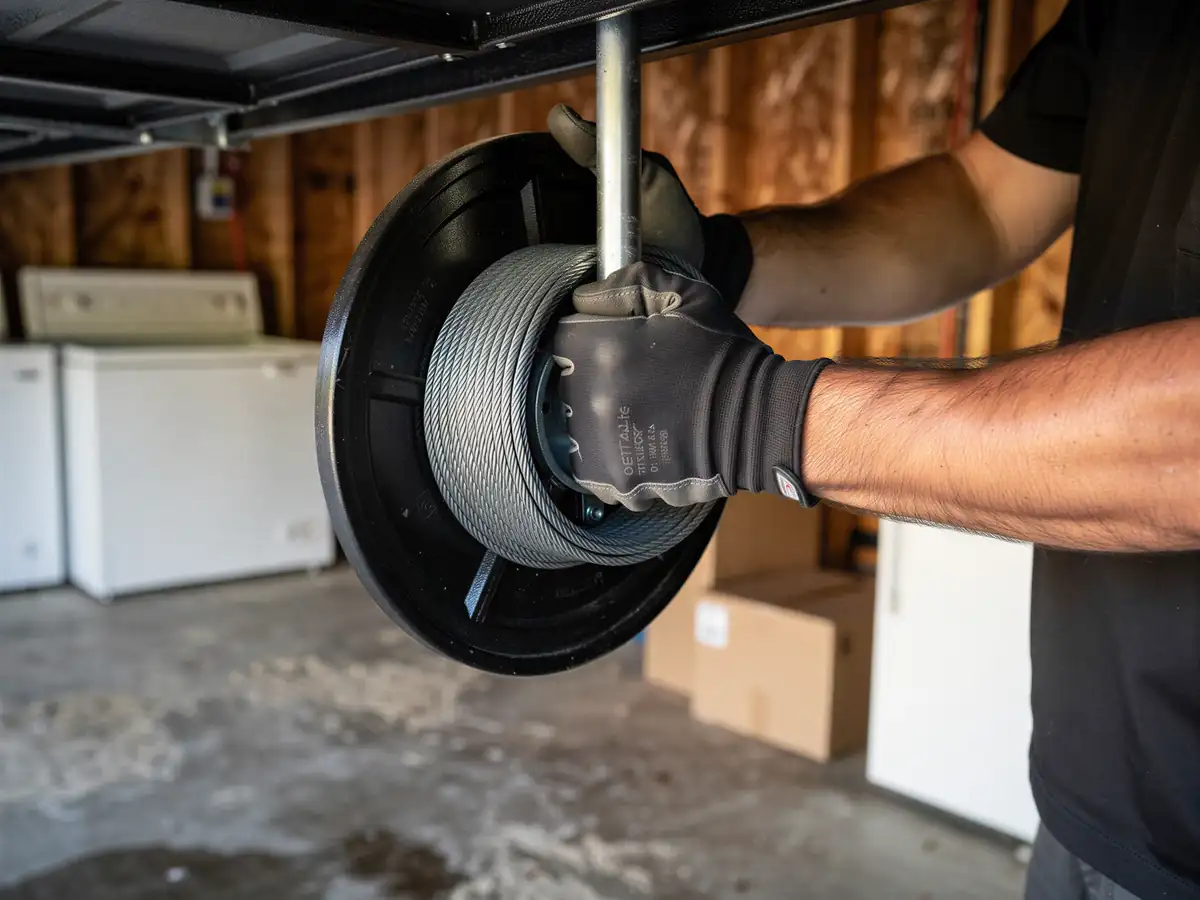
You're likely running a steel sectional door on side-mounted torsion springs, sized for a lift weight nobody designs for any more. The giveaway signs: the door drops the last foot instead of settling, the opener strains and reverses on cold mornings, or one cable looks frayed where it wraps the drum.
Cold is the variable that makes this worse here than in a milder climate
We're in a severe cold band, and steel springs lose tension faster in sustained low temperatures - the metal gets brittle, cycles fewer times before fatigue cracking, and tends to snap on the coldest stretch of the year rather than a mild one. If your door has been fine for years and suddenly binds hard on a 10-degree morning, that's not coincidence. That's the spring telling you it's done.
Stocked Parts
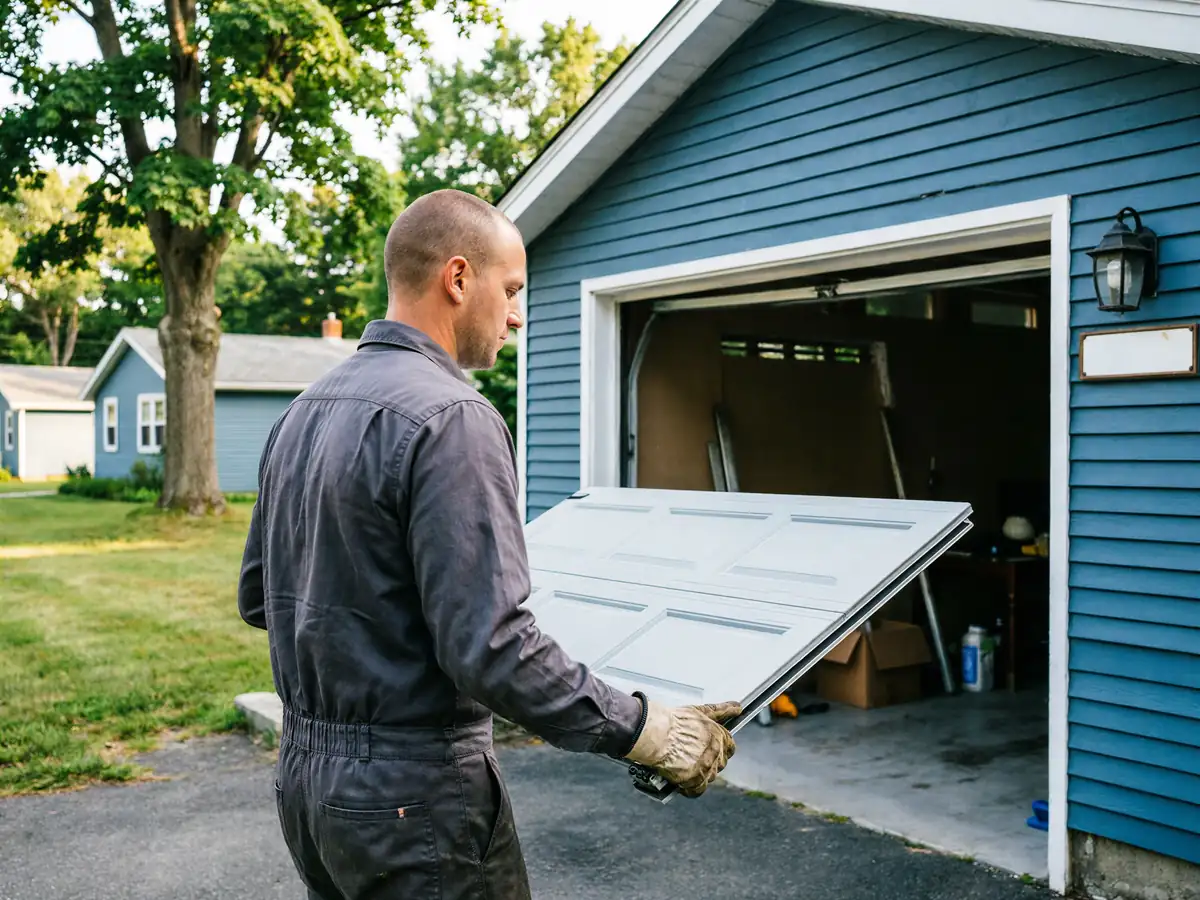
We carry torsion springs sized for the standard 7-foot and 8-foot residential door heights that match what went into houses built in this era, along with standard-drum cables, nylon rollers, and the steel hinges that wear out on doors this age. Jamb brackets and standard track sections are on the truck too.
What we don't stock: wood-panel doors built to custom dimensions, or opener boards for openers discontinued more than a decade ago. If your house has a non-standard door width - not uncommon on older Weston lots where the garage predates the current code minimums - that part gets special-ordered, and we'll tell you the lead time before we start the job, not after.
How Long It Takes
A spring swap or cable replacement is usually a same-visit job once we're on-site - we're coming from Waltham, about 4 miles out, so travel isn't the bottleneck. What takes longer is anything that needs a part we don't carry on the truck: a non-standard panel, an opener board for an older unit, or hardware sized outside the common range.
We'd rather tell you a job needs a second visit than rush a fix that doesn't hold. A door that closes level and quiet is worth the extra day if that's what it takes to source the right spring instead of forcing a close-enough one onto sixty-year-old hardware.
Where This Job Goes Sideways
The jobs that go wrong are the ones where someone tries to adjust spring tension themselves on an older torsion system
The winding cone setups from this era aren't the same as what's sold in hardware stores today, and the wrong tool on an old cone can let the spring unwind violently. We've also seen owners replace a cable without noticing the drum underneath was already cracked from age - the new cable fails within weeks because the real problem was never fixed.
Honest limit: if your door's wood frame or jamb has rotted from decades of moisture exposure
That's a carpentry fix before it's a garage door fix, and we'll say so rather than bolt new hardware to a frame that won't hold it. Sometimes the right answer is to fix the frame first and call us back.