Stocked Parts
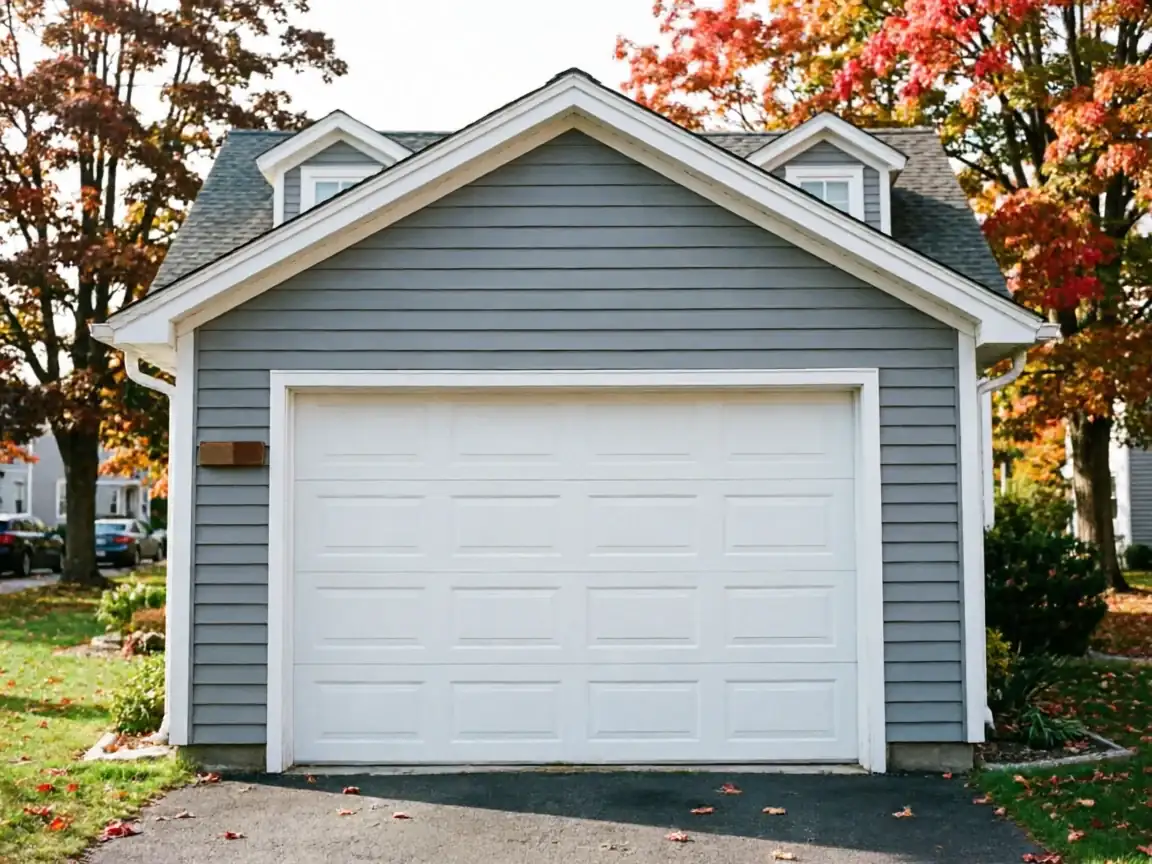
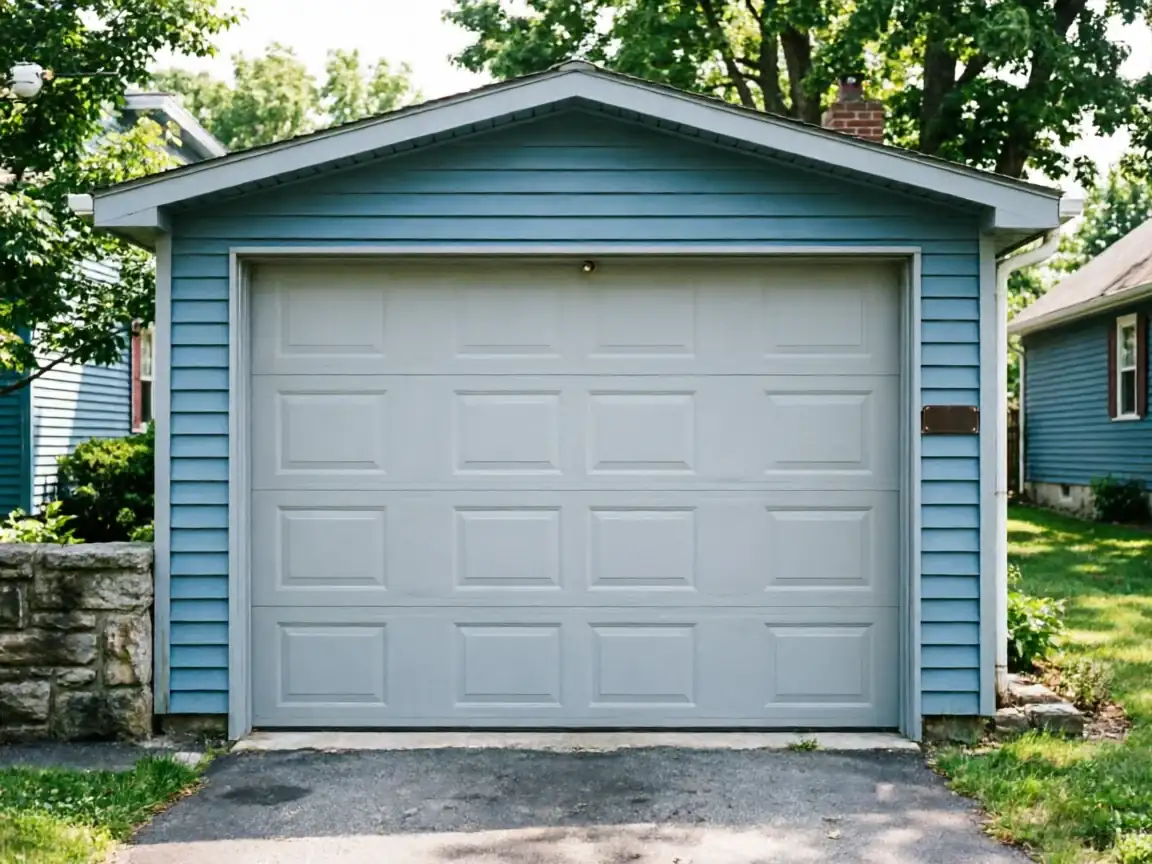
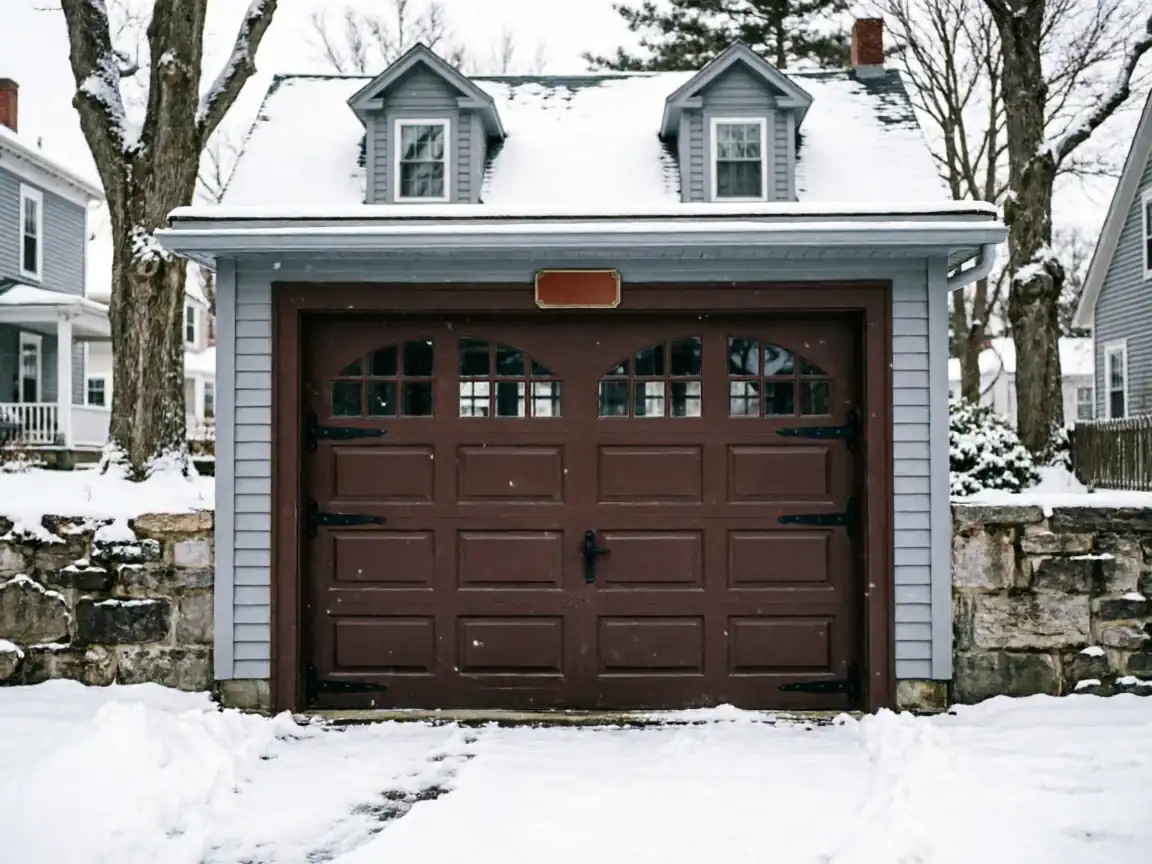
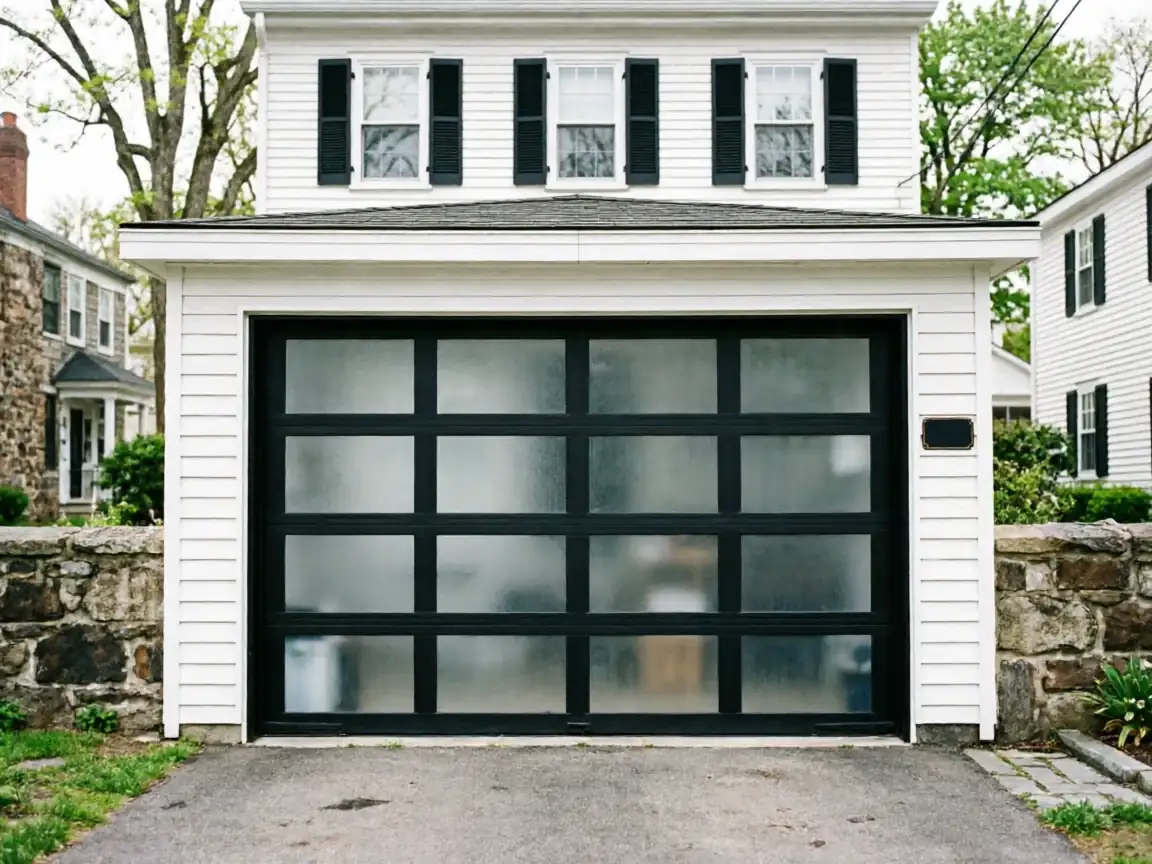
Arlington's housing runs older than most of what we see across the rest of the service area. The median home here went up around 1943, a good two decades ahead of the 1966 median across our wider coverage, where most of the 71 towns we work run 1960s-70s construction. That gap matters on a service call. A 1943 garage was often built for a single car and a narrower door opening than what came standard by the 1960s, and the torsion hardware on those openings isn't always the size a newer truck stock assumes.
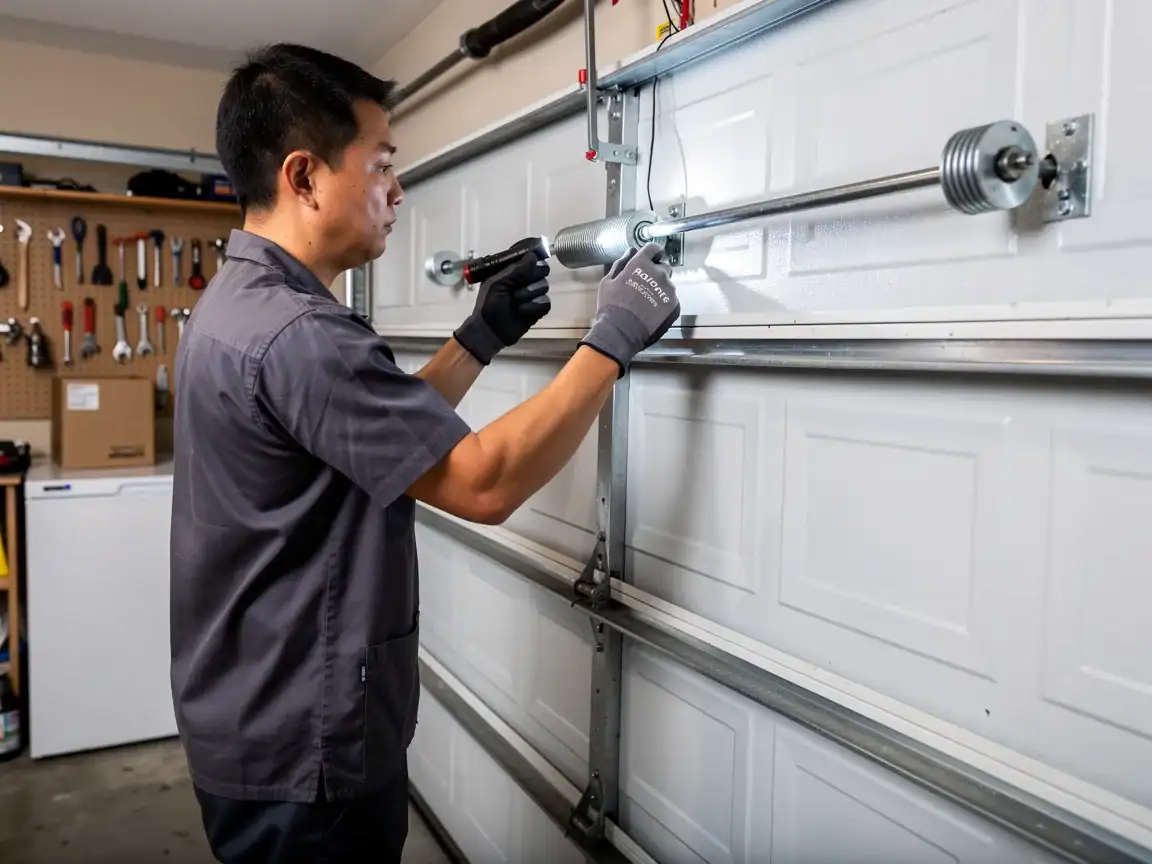
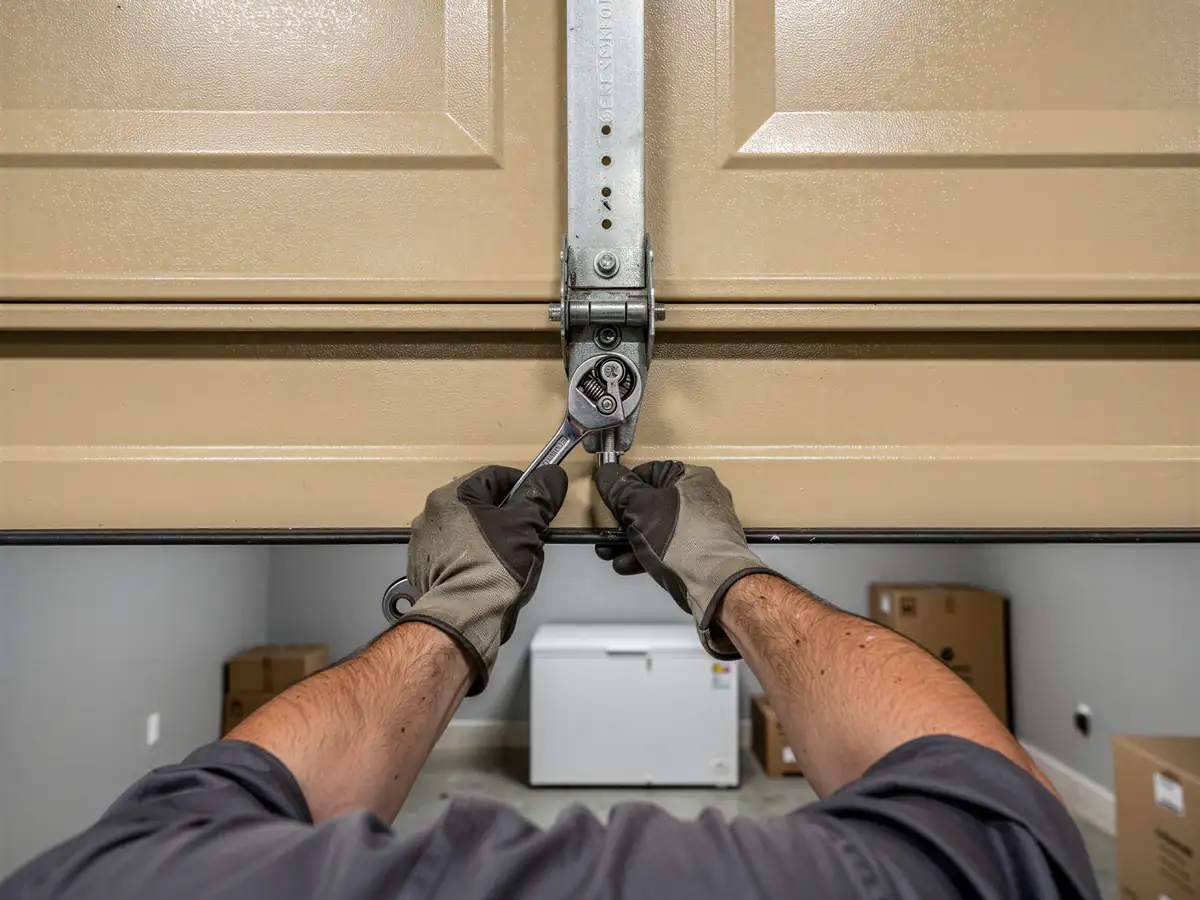
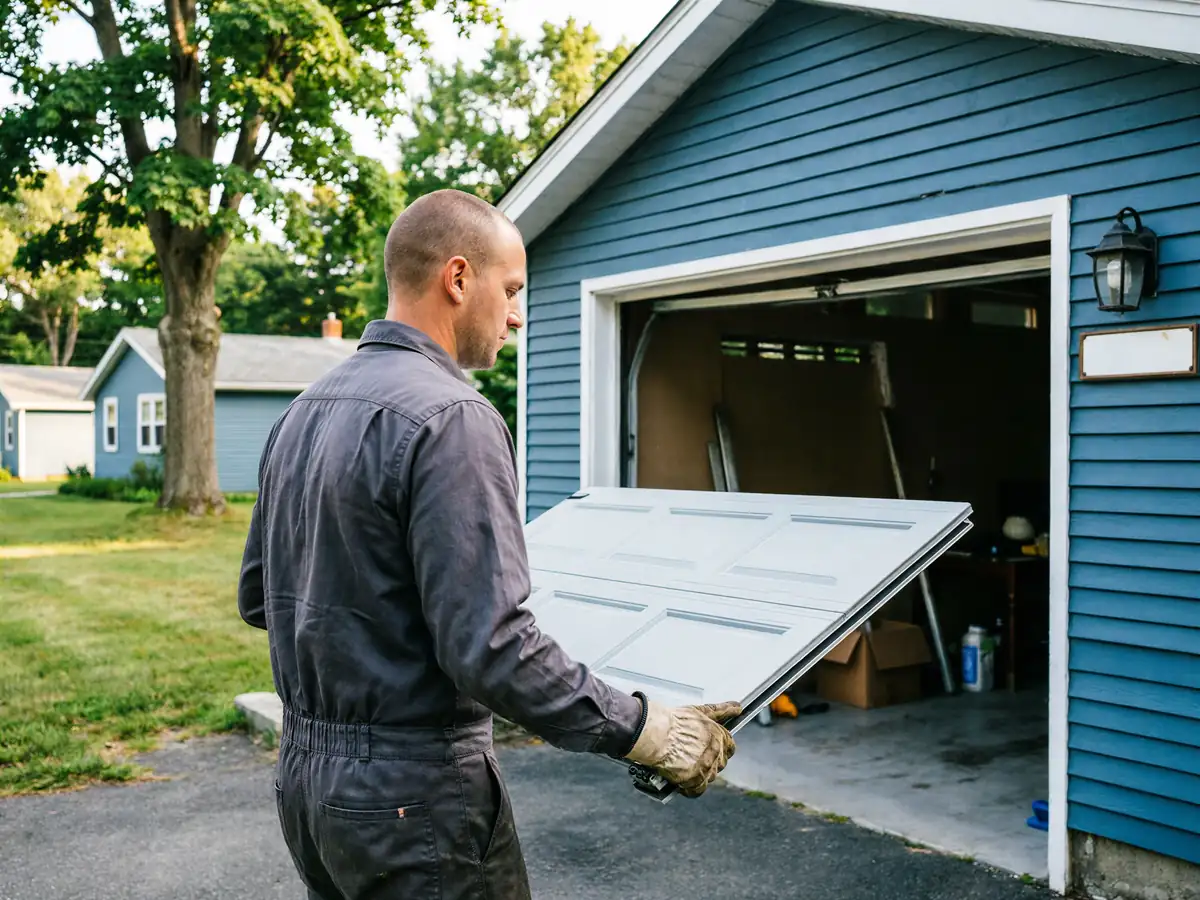
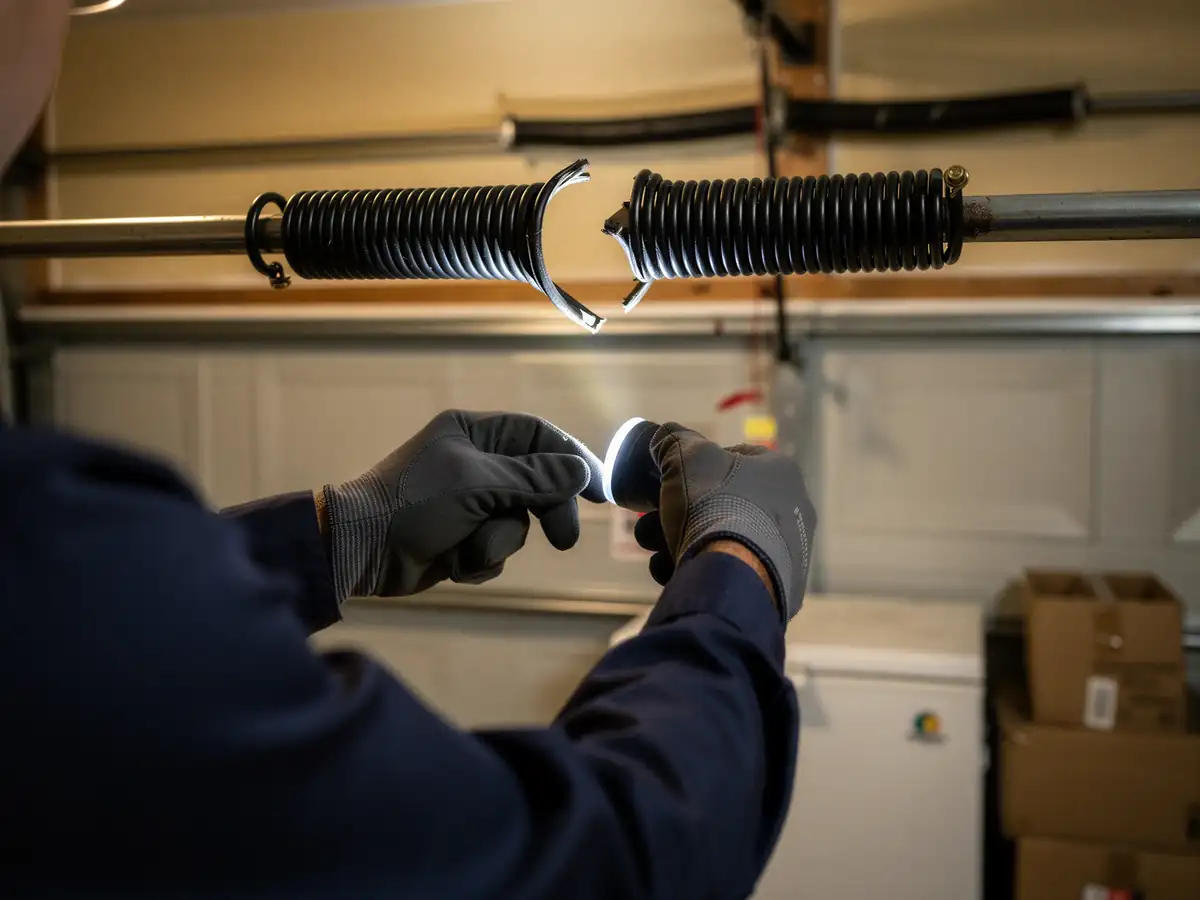
We carry torsion springs and track hardware sized for both eras, because a mixed call sheet across Belmont, Lexington, and Arlington means mixed door widths on a given day. What we don't carry is anything for doors so old they predate standard torsion conversion - if a door's original hardware is extrusion-plate and side-mounted in a way that's genuinely obsolete, that's a conversation about replacement, not a part we can pull off the truck.
Winters here fall in the same severe-cold band as the rest of the region, which is hard on springs and rollers regardless of the home's age, but it hits older torsion coils first since metal fatigue compounds with age.
How We Fix It
The drive from our Waltham shop to Arlington runs about four miles
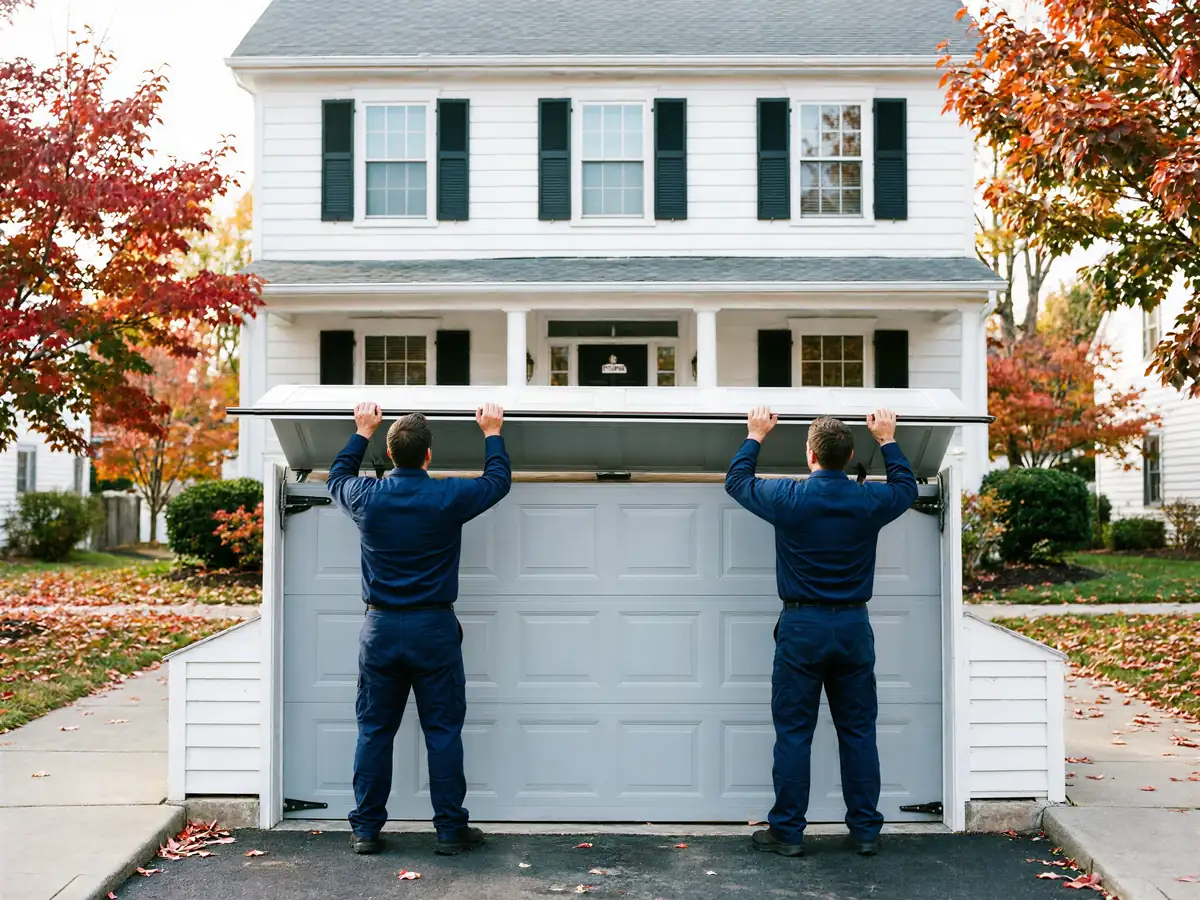
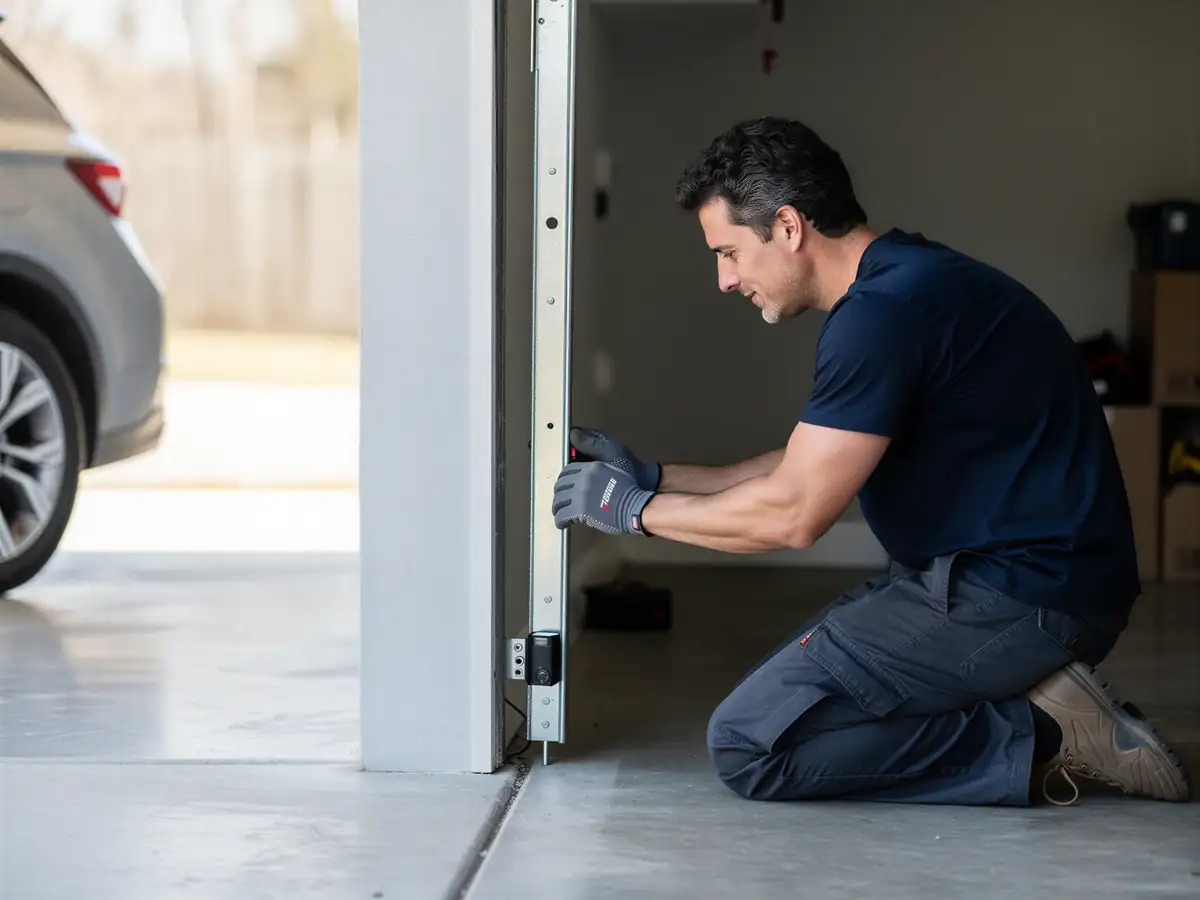
Short enough that we're not guessing at what's wrong before we arrive - we show up, open the door by hand, and watch how the spring, cable, and track behave under load. On a 1940s structure that usually means checking whether the opening was ever widened or whether the original jamb is still carrying hardware it wasn't built for.
We test the spring tension first
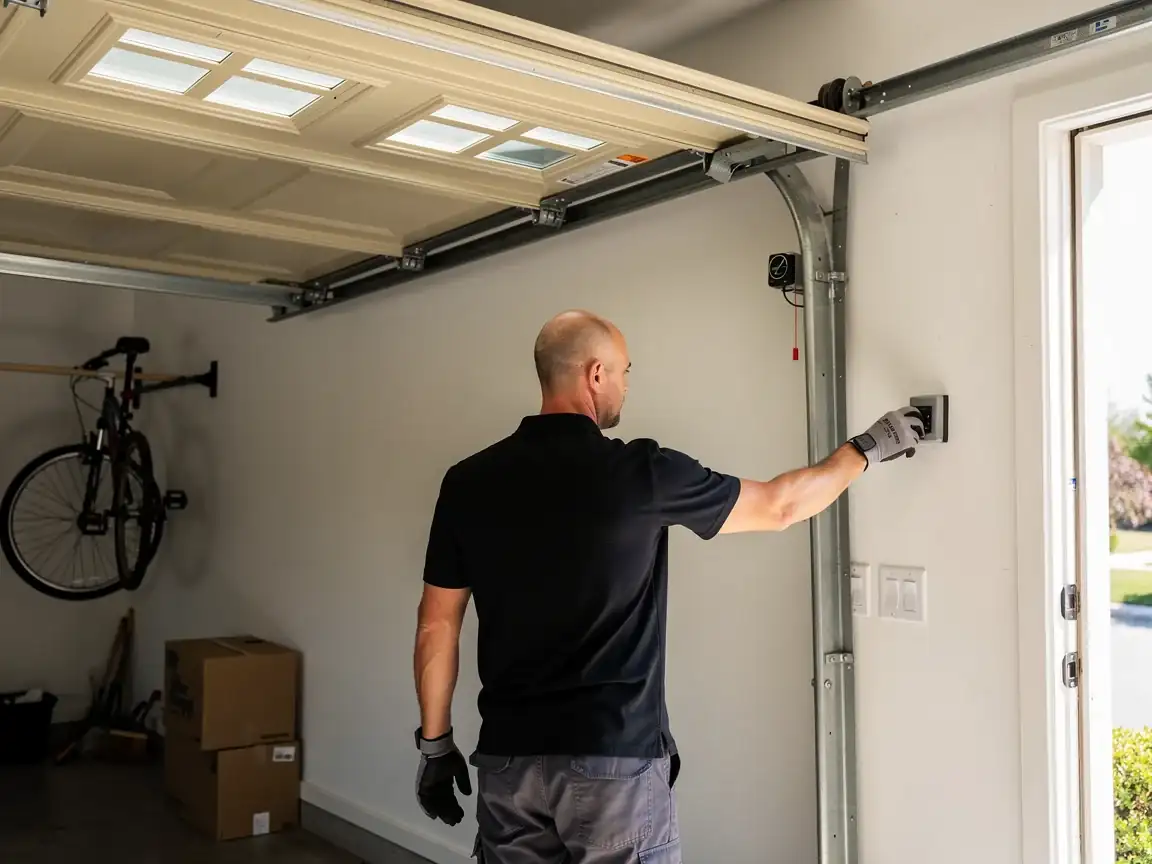
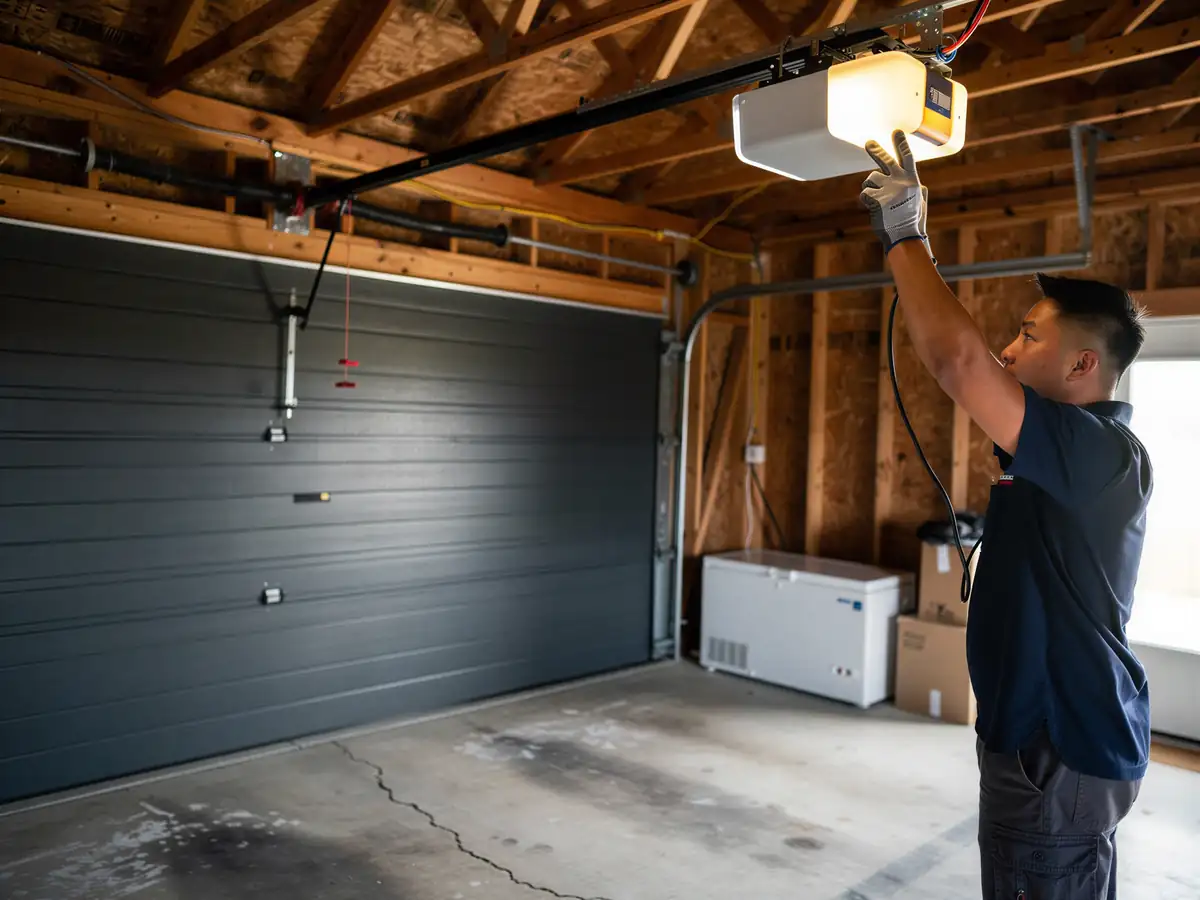
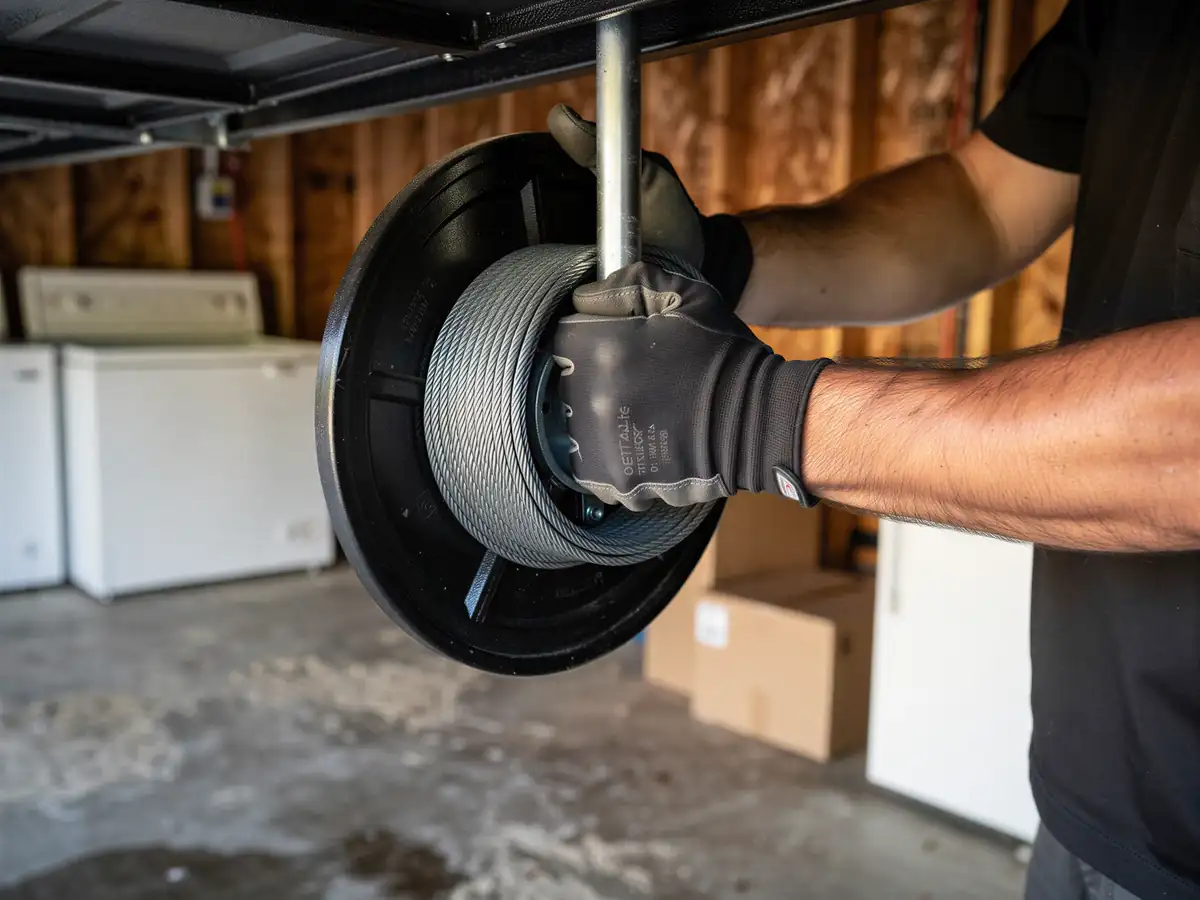
Since an underpowered or overwound spring on an older narrow door shows up fast as a door that slams or won't stay up. From there it's rollers, then cable fray at the drum, then the opener itself if one's been retrofitted onto original track. A lot of Arlington openers we see were added after the fact rather than installed with the original door, so the bracket alignment is sometimes the actual problem, not the opener.
What we won't do is force a modern opener onto track that's already out of square
If the track's bent or the jamb has shifted, that gets fixed first, even if it adds a step to the call.
What You Pay
We don't post a flat number for Arlington because the job itself decides it - a single roller swap on a well-maintained door costs nothing like a full spring and cable replacement on a door that's been limping along for years. What we can say is that a short drive doesn't change the bill; the four miles from Waltham isn't a line item.
Household income in Arlington runs $141,440, a bit under the $150,820 median across the full area we cover, and that's a plain-spoken way of saying most of the jobs here are repair calls, not full-door replacement jobs. We quote the repair before we touch anything, and if a repair would cost close to what a new door runs, we say so instead of doing the repair anyway.
How Long It Takes
We can't promise a response window for Arlington specifically - we run out of Waltham, and the four-mile trip is only one factor in when we can get there on a given day. What we can speak to is the job itself once we're on site.
A spring or roller job on a door with common, stocked parts generally moves fast because we're not waiting on a special order. Arlington's 19,853 households sit mostly on housing from the 1940s era, and the hardware sizes for that period are common enough that we usually have what's needed on the truck. That's different from a job on a custom or oversized modern door, where a part might need to come from a supplier and the job stretches over more than one visit.
If the fix turns out to need something we don't stock - an obsolete spring size or a discontinued opener part - we'll tell you that up front rather than string the job out.