Stocked Parts
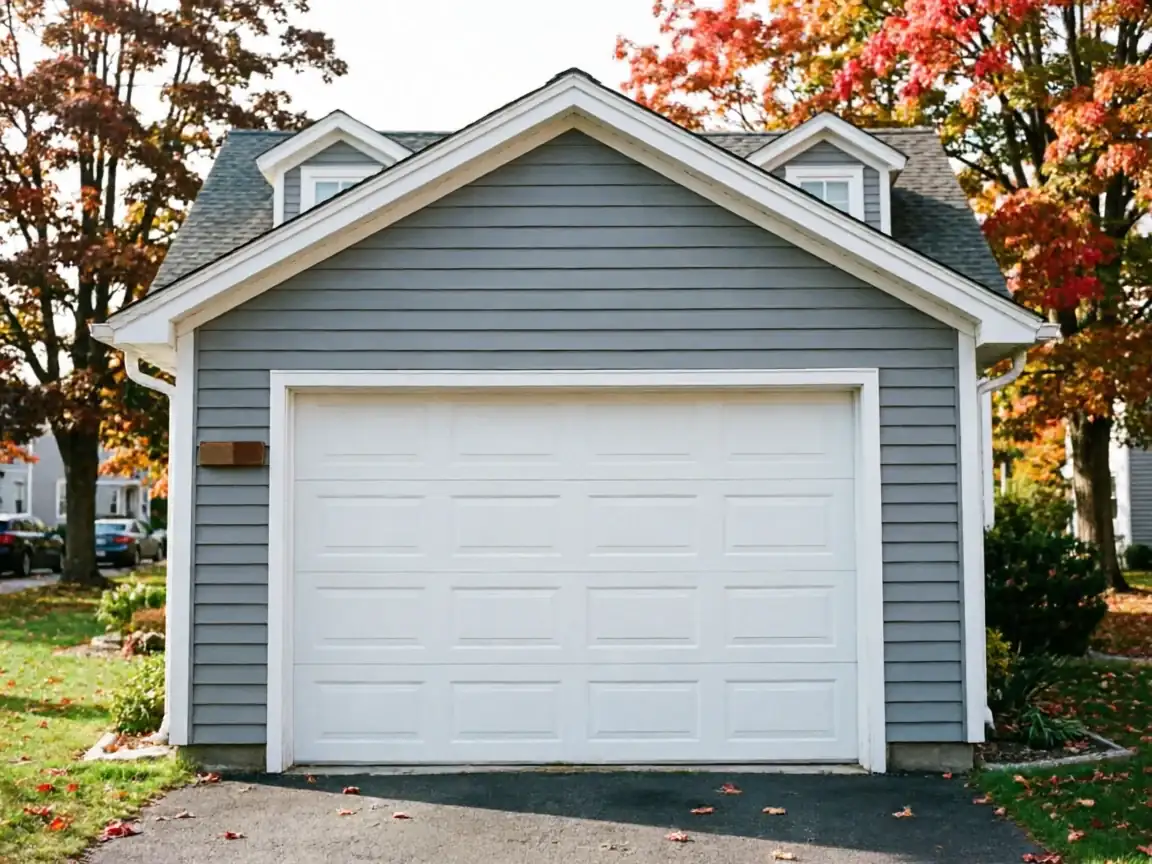
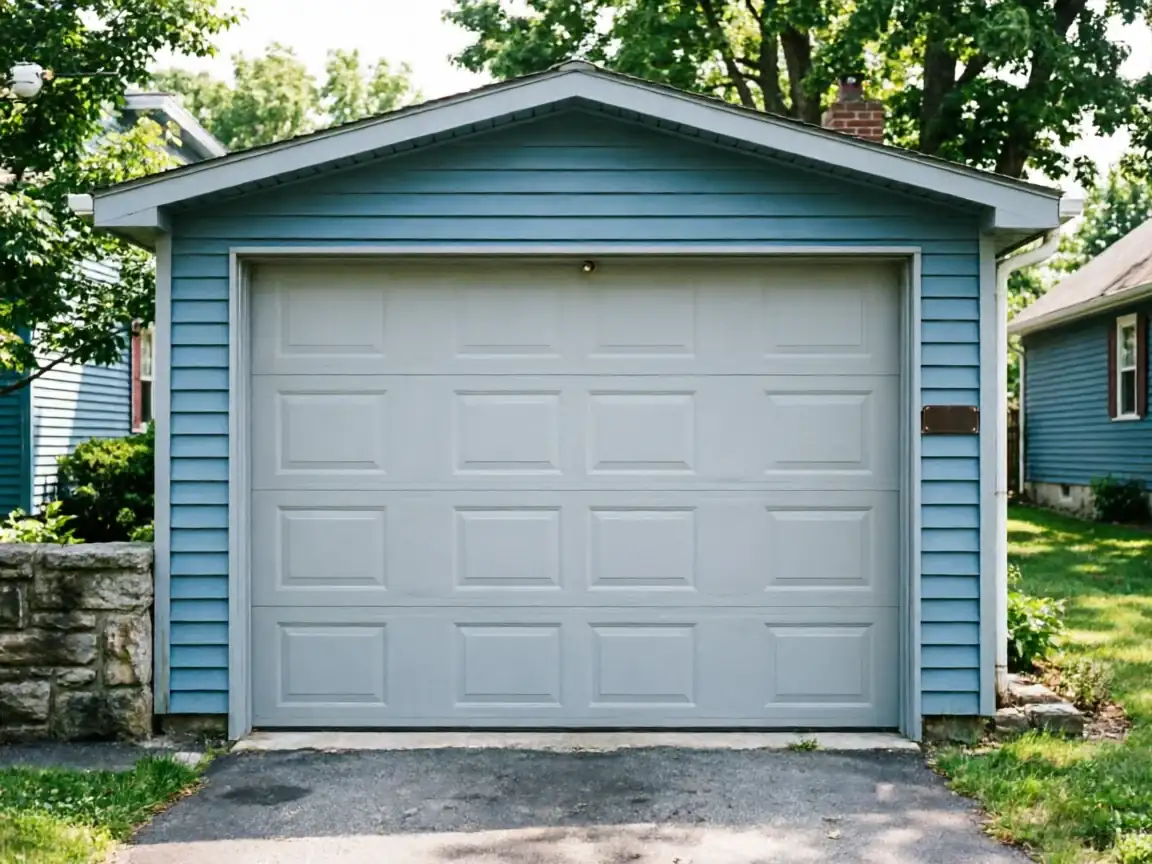
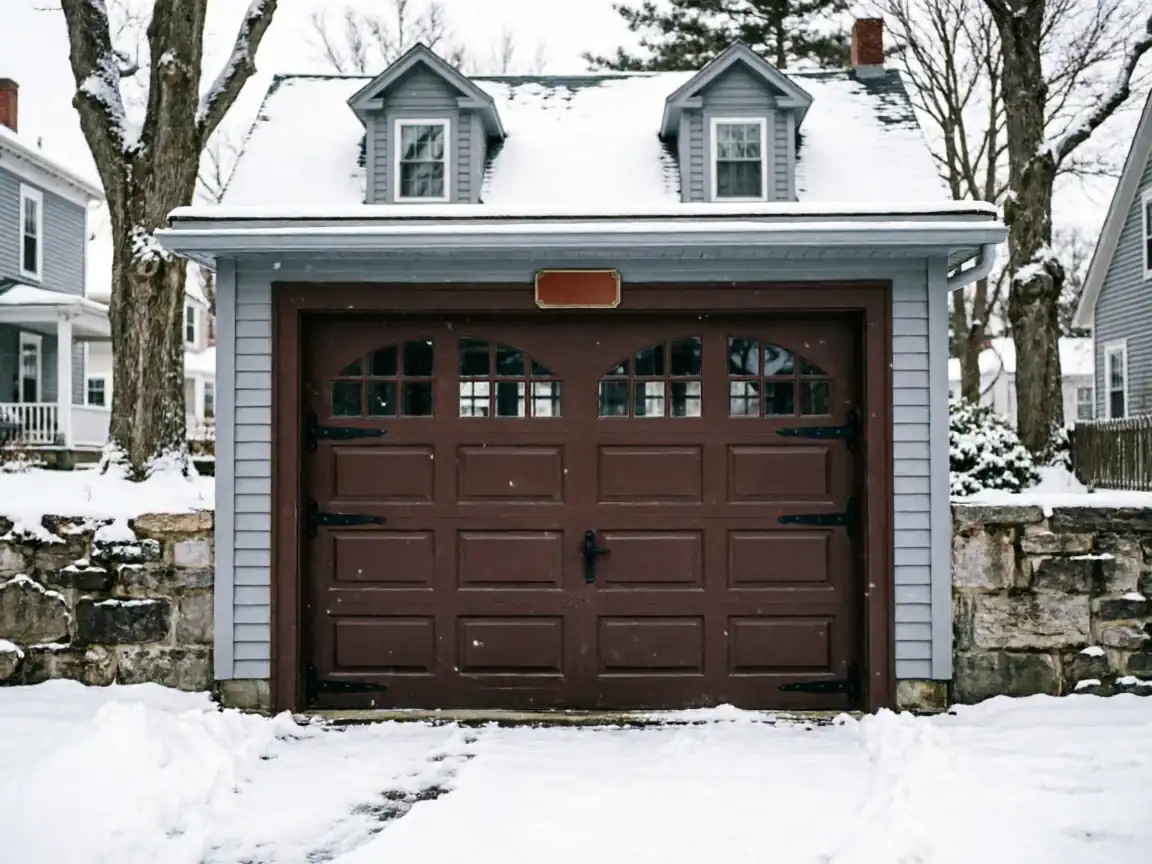
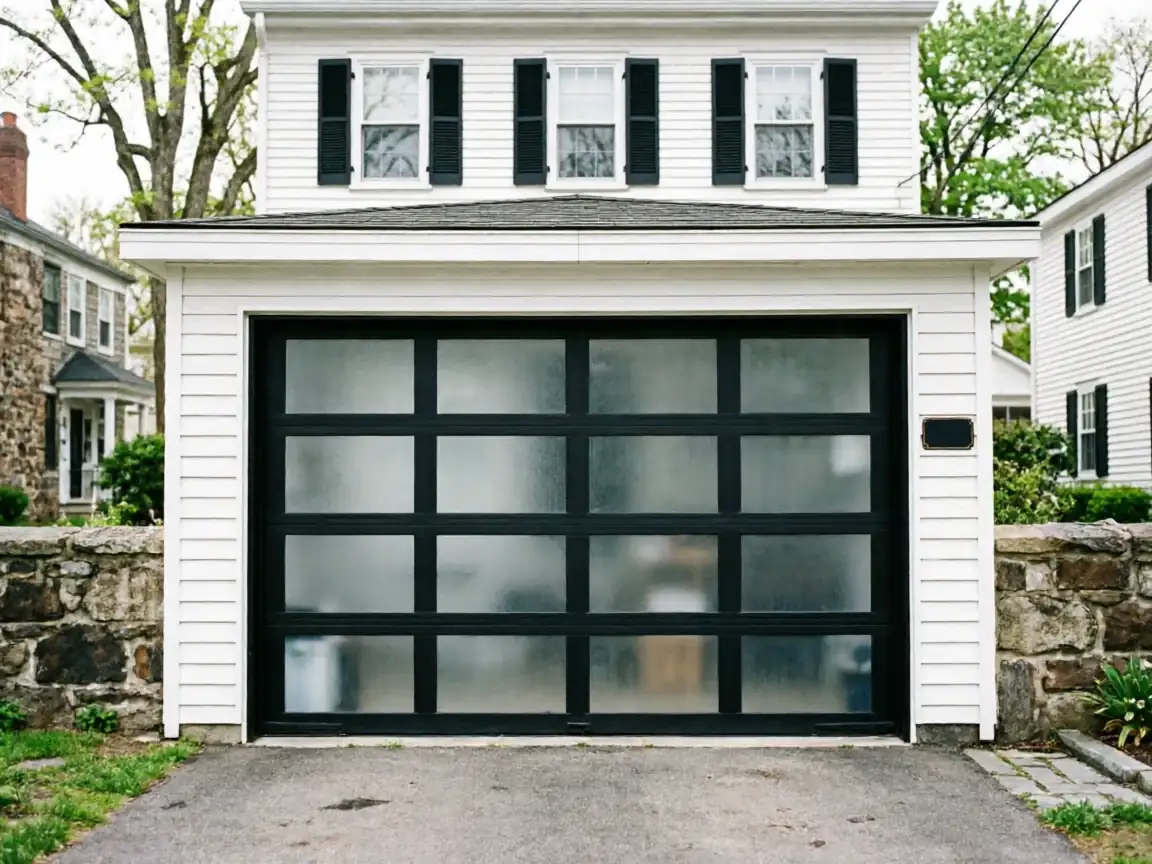
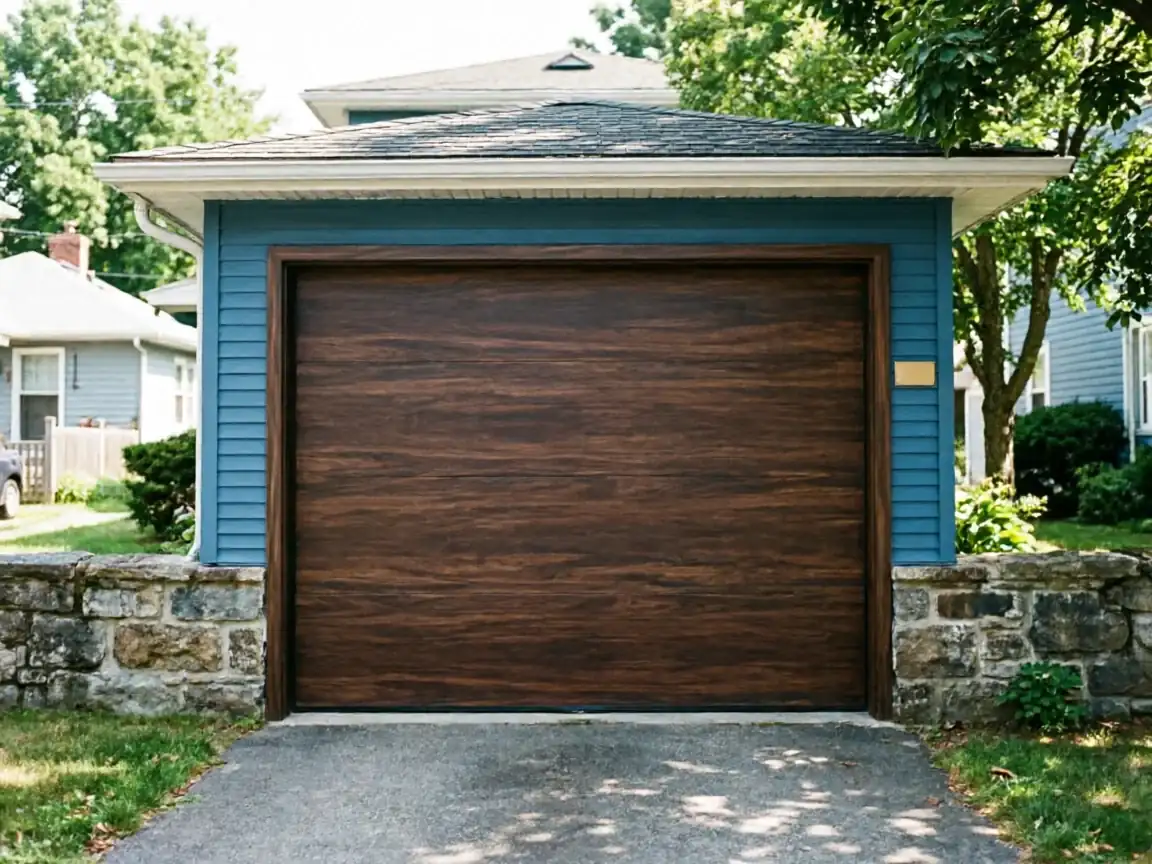
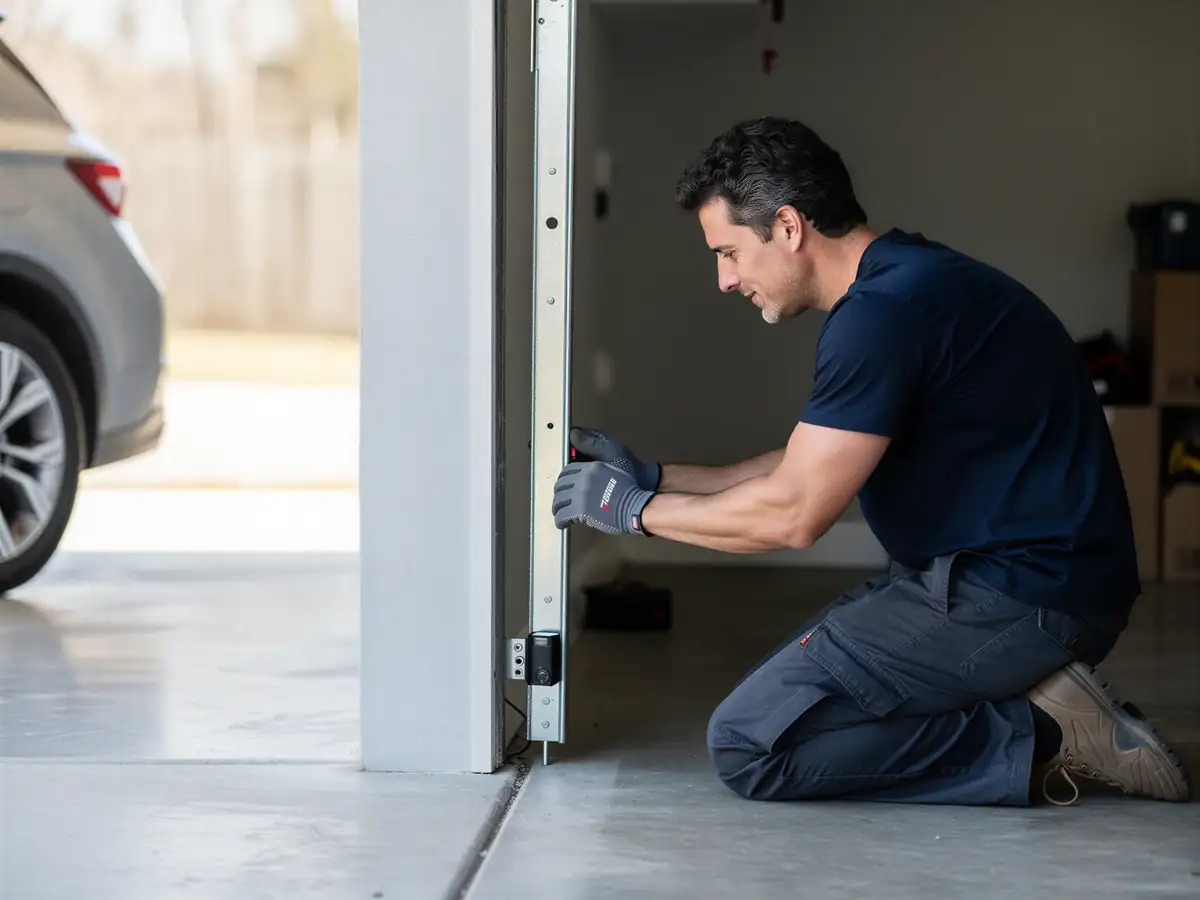
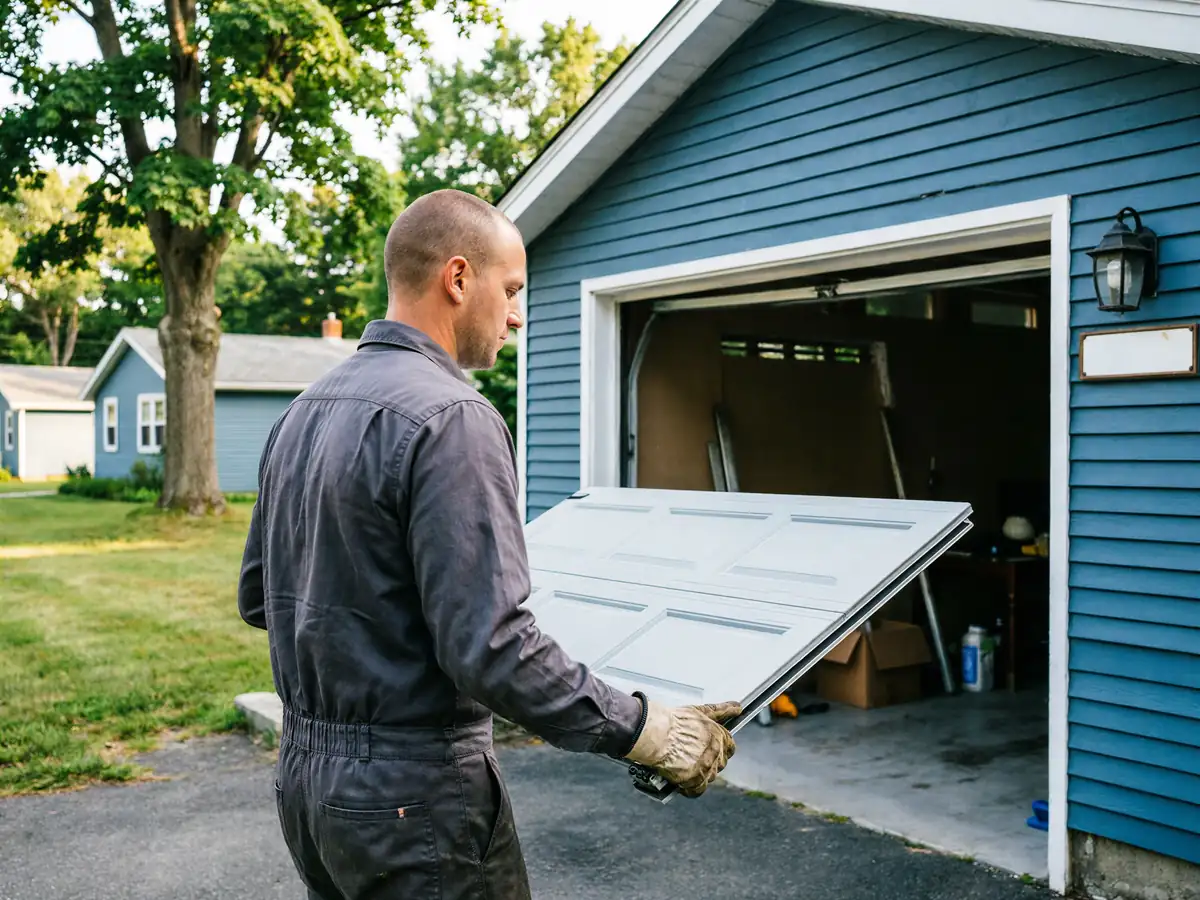
Arlington's housing stock centers on 1943, which puts a lot of these garages ahead of the wider 1966 median we see across the rest of the service area. That matters for panels because homes from this period were usually built with single-car bays, narrower than the 16-foot doubles that came later, and the original doors were often wood or early steel in non-standard heights - 6'6" is common where a modern 7-foot door would get sold today. We carry steel panel sections sized to fit these older single-car openings without re-framing the jamb, plus the wider panels for any later double-door additions on the same block. What we don't carry on the truck is a wood match - if you want a true wood replacement panel to keep an original look, that's a special order and we'll tell you the lead time before you commit to it.
What You Pay
Arlington's median household income sits at $141,440, a bit under the wider area's $150,820, and most of the homes we're quoting here are smaller single-car setups rather than the double-wide garages common in some of the newer subdivisions nearby. A single panel on a single-car door costs less to replace than matching panels on a double, simply because there's less steel and less labor in squaring up a narrower track. We price the job after we've seen the opening and the hardware underneath it - a straightforward panel swap on sound track is a different number than one where the rollers and hinges need replacing too. We travel the 4 miles from our Waltham shop for every job here, so there's no separate dispatch charge tacked onto the estimate.
How Long It Takes
A single matching panel for a standard size, in stock, is usually a same-visit job once we've confirmed the fit. Where it slows down is custom sizing for the older 6'6" single-car openings common in Arlington's 1943-era housing, or a wood panel special order - those go on backorder and we'll give you the real timeline once the supplier confirms it, not a guess. We don't rush a mismatched panel onto a door just to close the job faster; a panel that doesn't sit flush against its neighbors will bind the rollers within a season, and that's a second call nobody wants.