Stocked Parts
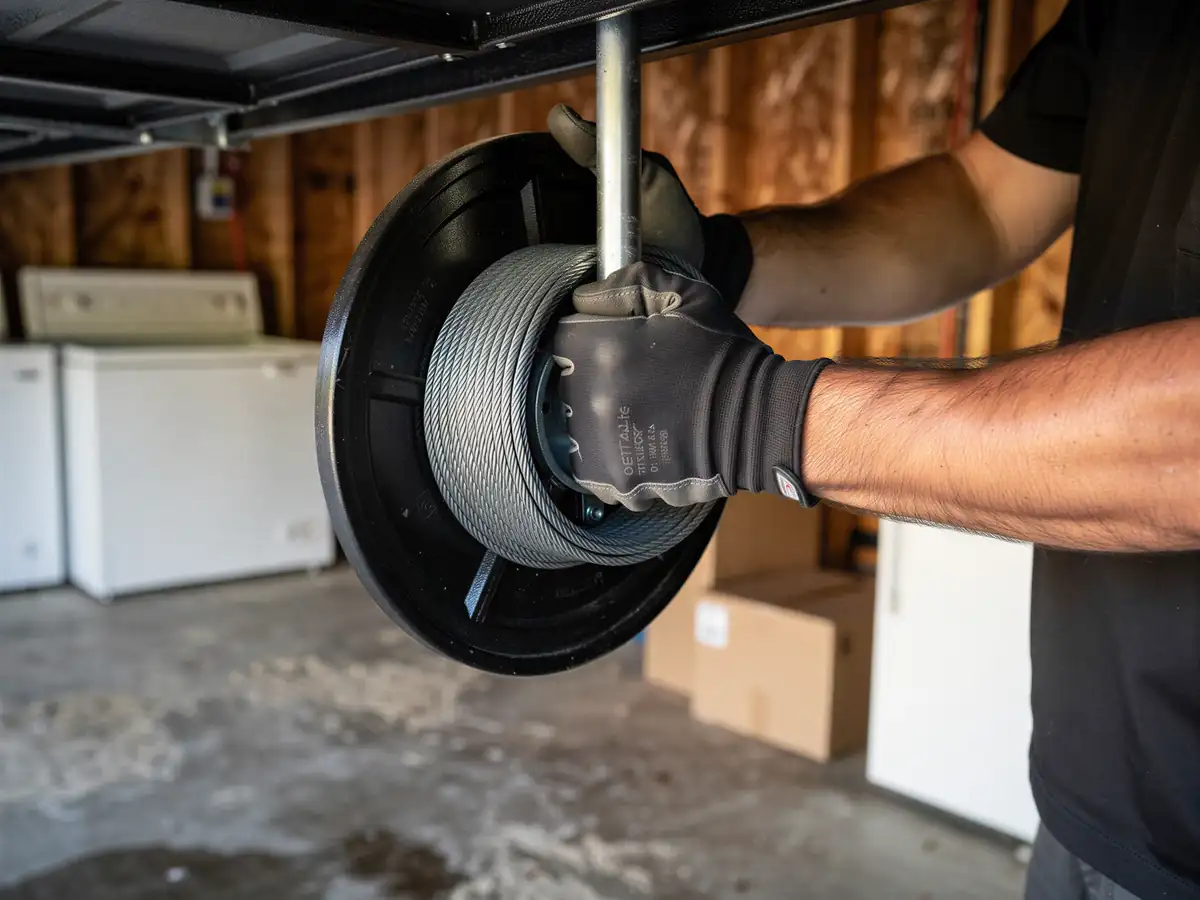
Arlington's homes center on a 1943 build year, more than two decades ahead of the 1966 median across our wider service area. That matters on a maintenance call, because a door built or replaced in that era is more likely to run on narrower track, a lighter-gauge torsion spring, or an older extension-spring setup that newer hardware doesn't match. Our truck carries galvanized torsion springs sized for that older low-headroom track, extension conversion hardware, and the panel brackets that fit narrower door widths rather than today's standard sizes.
With 19,853 households in Arlington, we see the same handful of part combinations on repeat, which is why we stock for that era instead of guessing at the counter. Where that falls short is the rare brand or a custom-width door from a mid-century remodel - those parts sometimes have to be ordered in, and we'll tell you that up front rather than make you wait on a part that isn't on the truck.
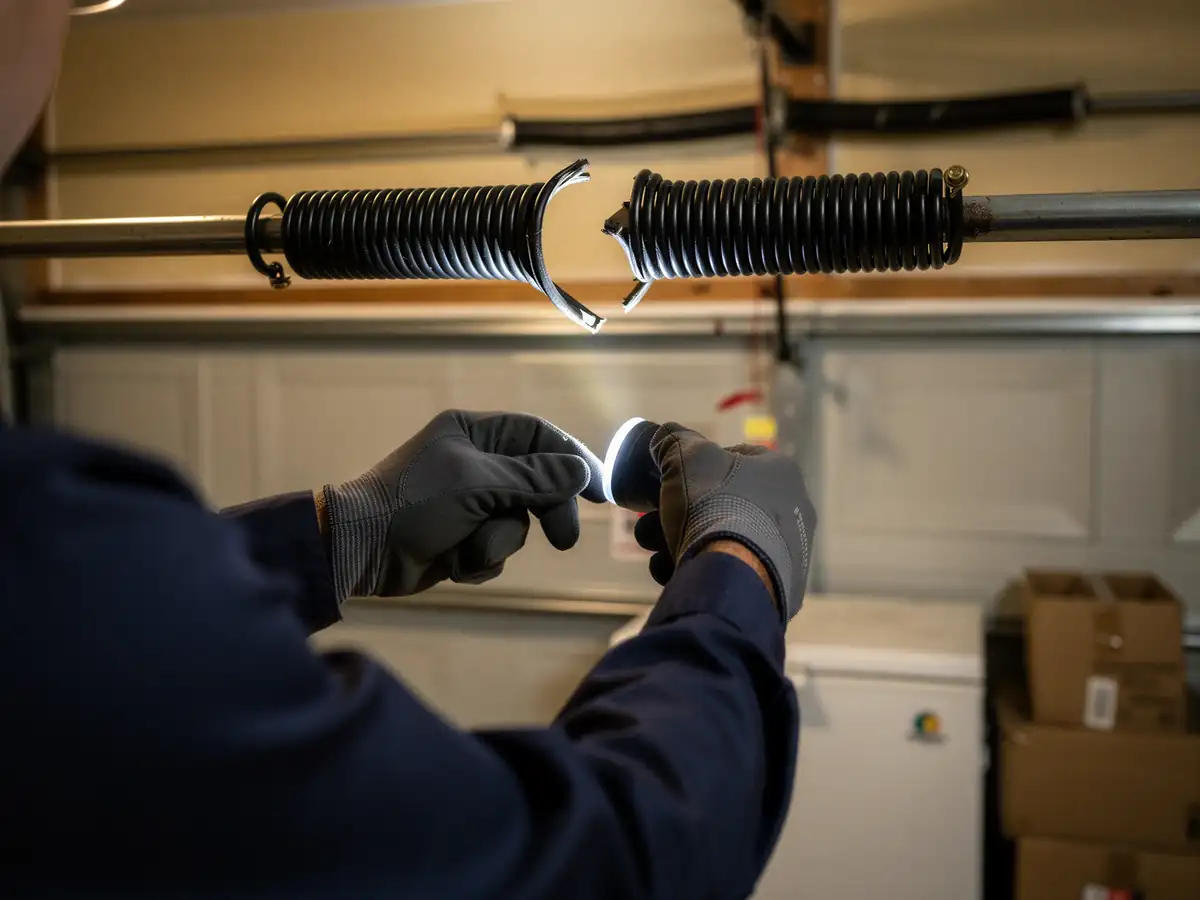
The cold winters common to this whole area make steel parts from the 1940s and 50s more brittle than modern alloys, so a spring that's held up for decades can still go without warning. That's the case for a tune-up now, not after it breaks.
How We Fix It
A maintenance visit starts with a balance test
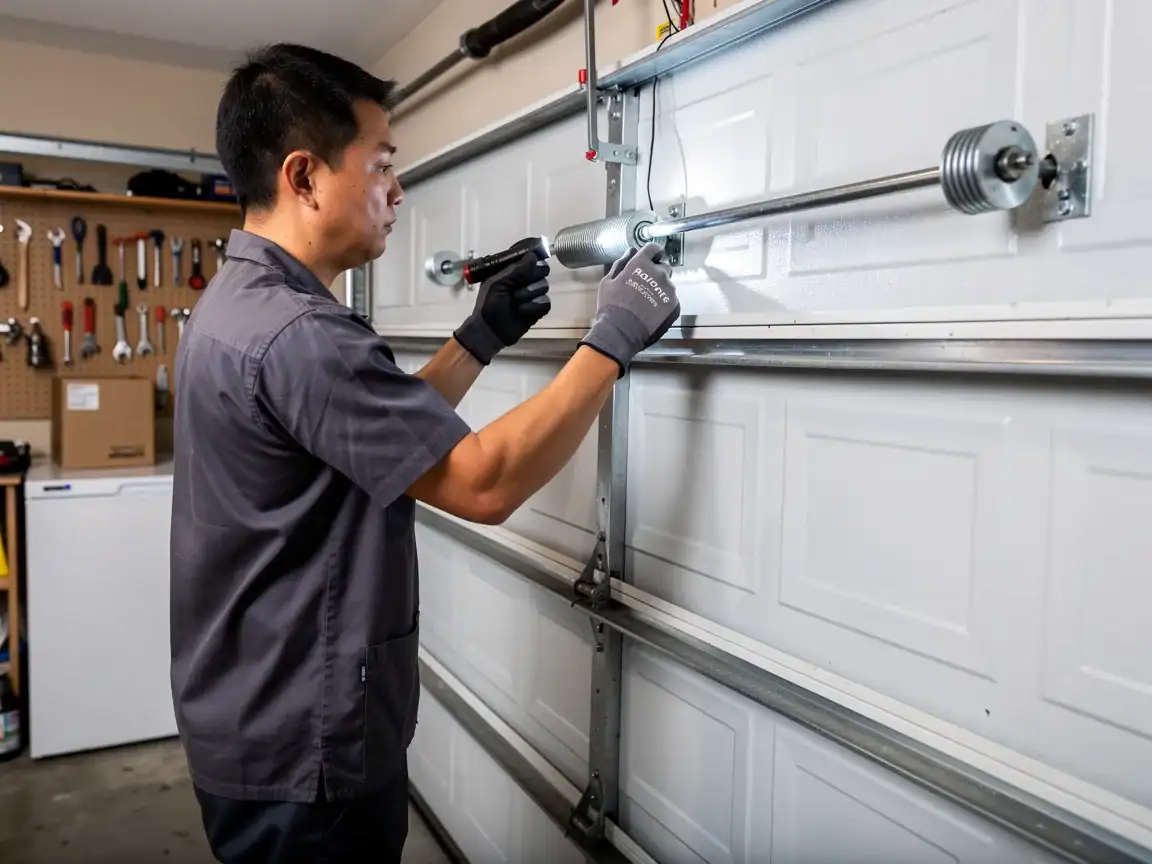
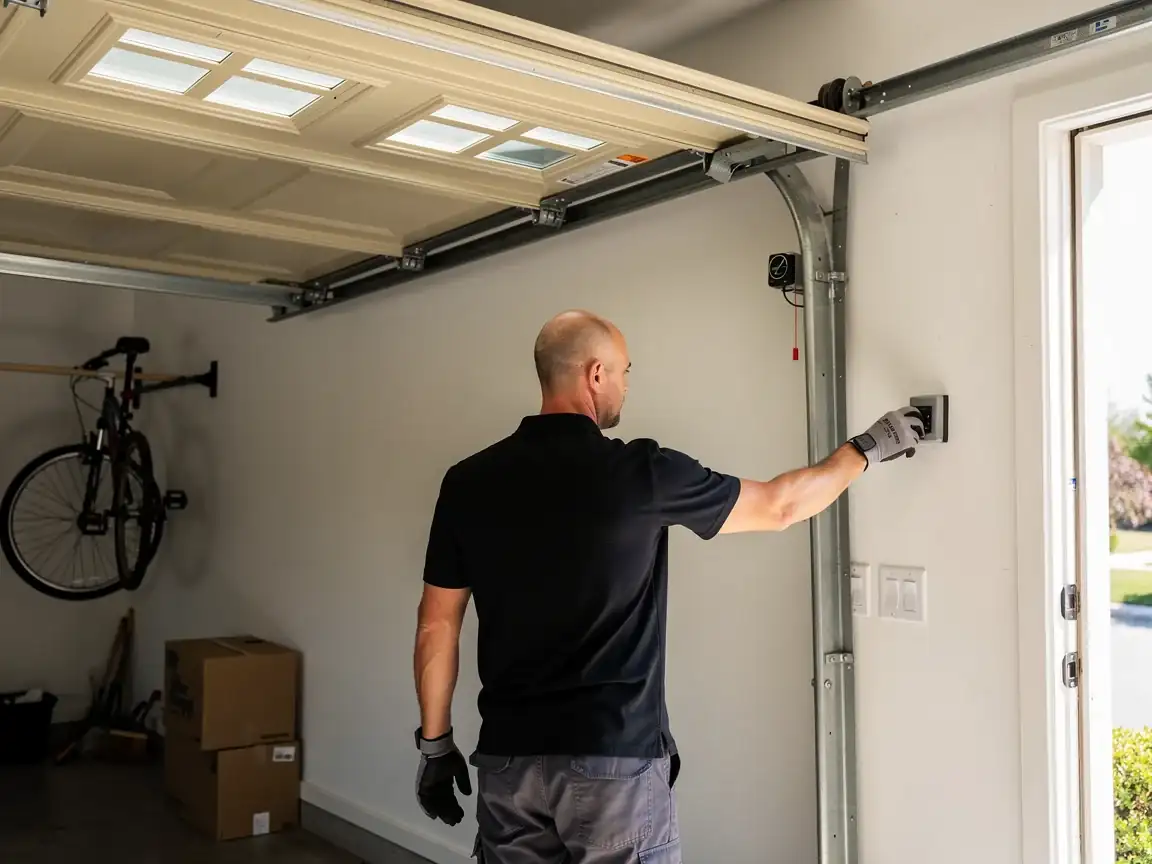
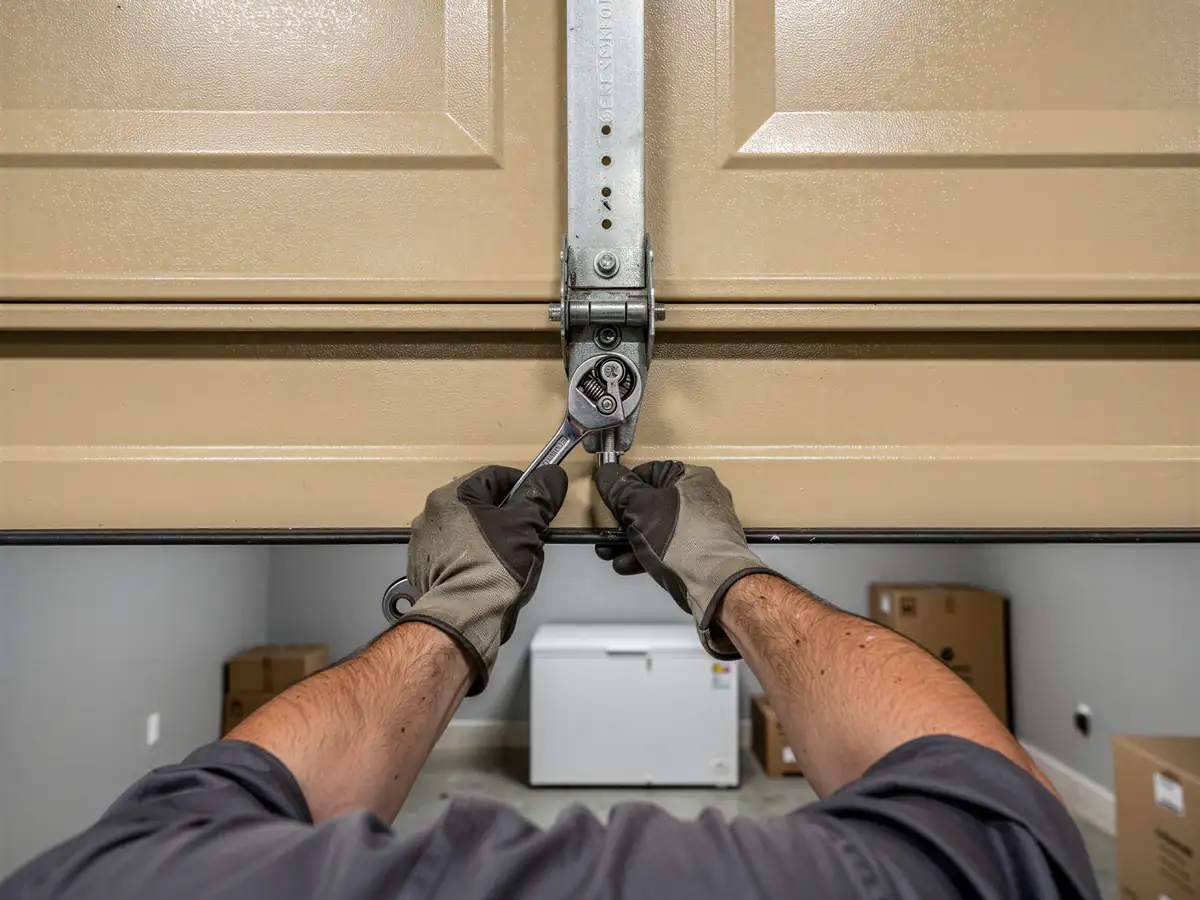
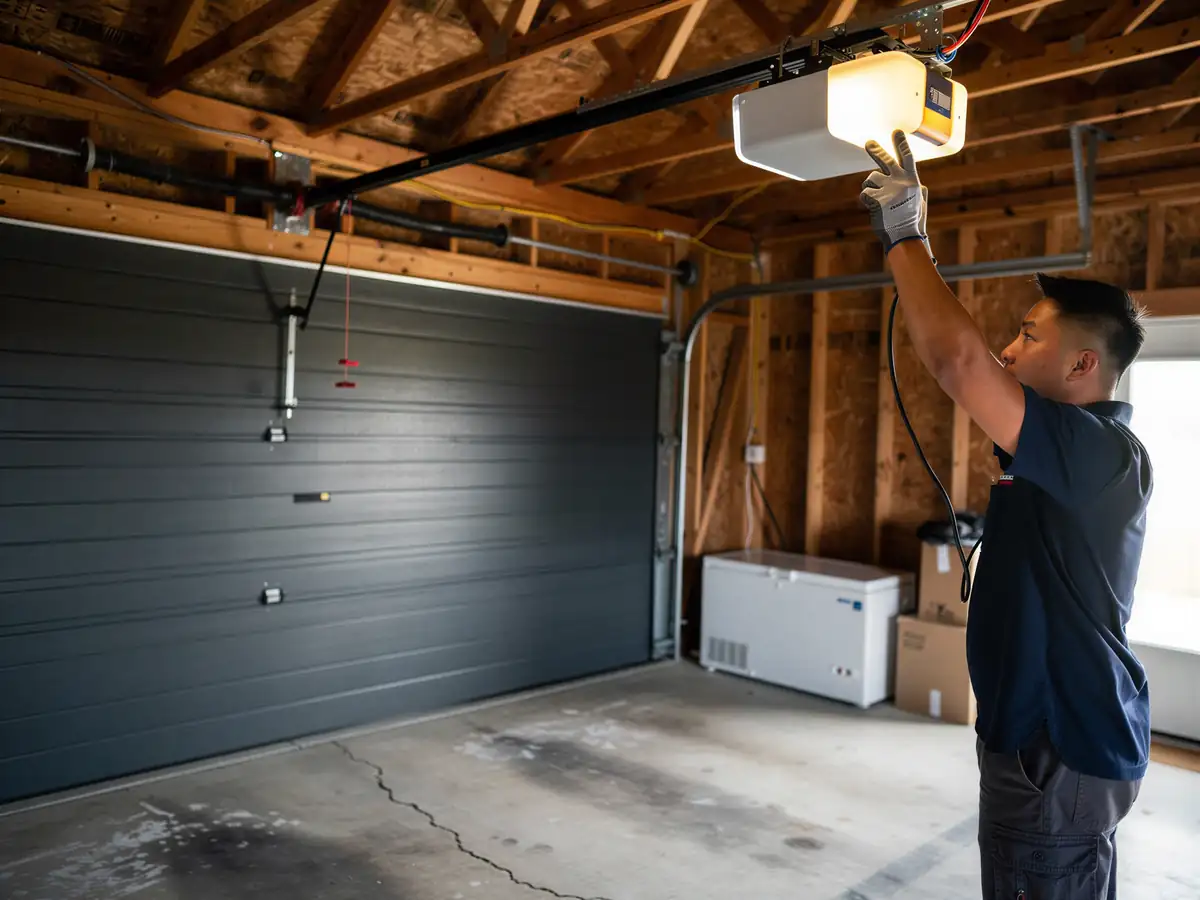
We disconnect the opener and check whether the door holds position on its own, which tells us if the spring is still doing its job or just getting help from the motor. From there we go through cables, rollers, hinges, and the track itself, checking for the kind of wear that shows up differently on a door this old than on something installed in the last ten years.
Severe cold winters stiffen lubricant and make steel contract
Which is when a spring near the end of its life tends to finally let go. We lubricate track and hardware with a product rated for that swing, tighten any hardware that's worked loose, and reset opener limits if the door's travel has drifted.
What we don't do is force a fix on hardware that's past saving
If a spring or cable is worn enough that tightening it is just delaying the inevitable, we'll say so instead of patching it and billing you again in six months.
What You Pay
We don't quote a flat maintenance price sight unseen, and we won't pretend to here. What a visit costs in Arlington depends on what the door needs once we're looking at it - a straightforward lubrication and balance check runs differently than a job that turns up a worn cable or a spring that needs replacing on hardware from the 1940s.
That older hardware is part of why pricing varies more here than it might on a newer build. A part built to current standard sizing is easy to stock and price. A part sized for a door original to a 1943 home sometimes has to be sourced, and sourcing costs more than pulling something off the shelf.
With median household income in Arlington at $141,440, most of the owners we talk to choose to keep a working door running with regular upkeep rather than replace it outright - and a maintenance visit is what makes that choice possible instead of a gamble.
How Long It Takes
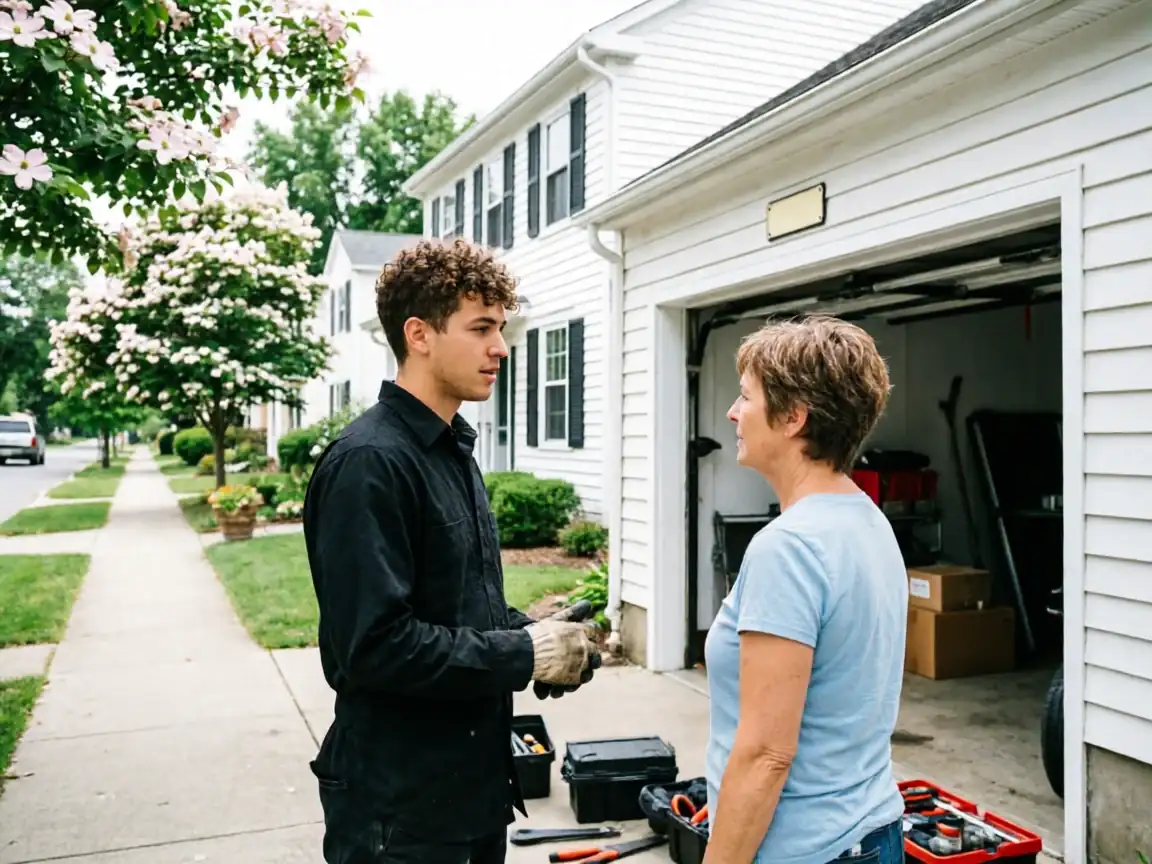
We run this route from our shop in Waltham, about four miles away - Arlington isn't a satellite location, it's a short drive on the same truck that covers the rest of the area. That distance doesn't buy you a guaranteed same-day slot, but it does mean scheduling isn't built around a long haul.
How long the visit itself takes depends on the door. A routine check on hardware that's been kept up runs quicker than a first visit on a door nobody's serviced in years, especially if we find a part from that 1943-era stock that needs to be sourced rather than pulled off the truck. We'd rather tell you that up front and come back with the right part than rush a fix that doesn't hold.
If you're not sure which category your door falls into, that's exactly what the first visit sorts out.