What You Pay
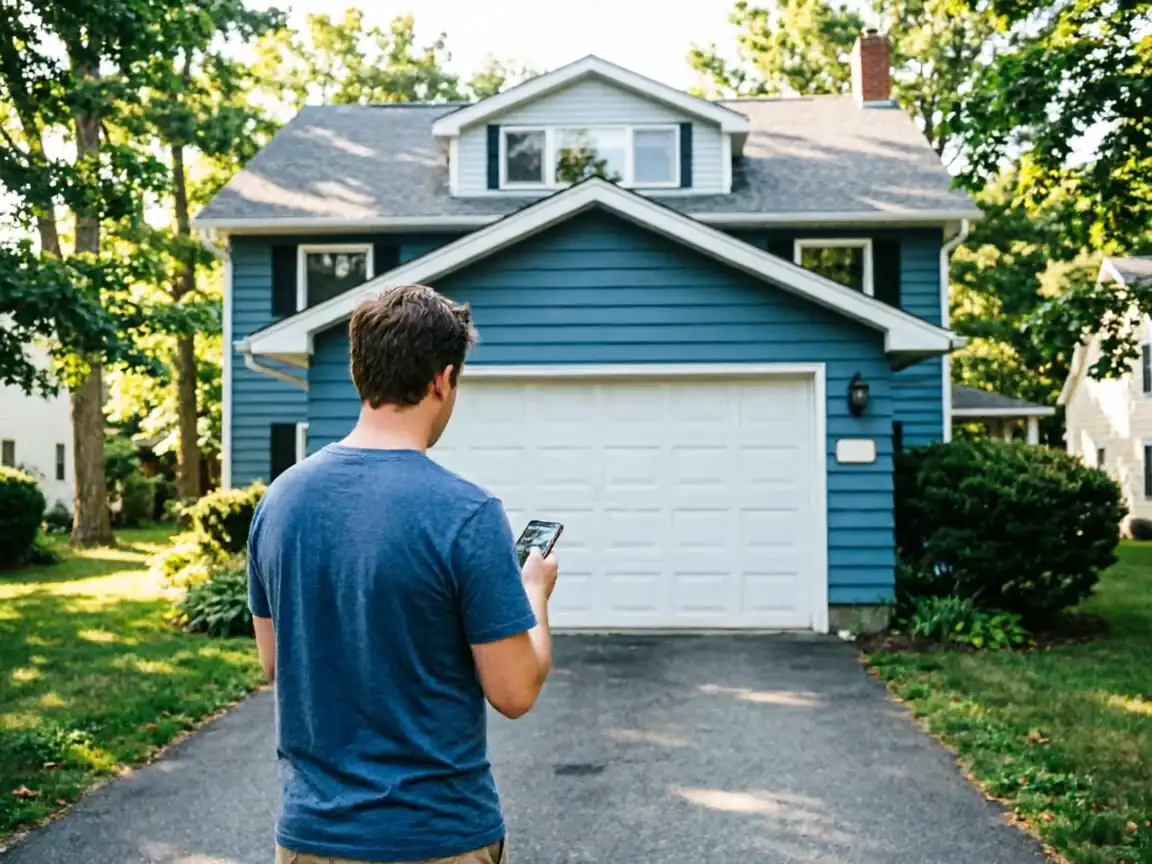
We don't quote a number here because it depends on what's already bolted to your ceiling joists and what door it has to lift. What we can tell you is what tends to drive the cost in Billerica specifically: a lot of this town's housing went up around 1973, a few years newer than the 1966 median across our whole coverage area, and that era of build usually came with a builder-grade chain-drive opener sized for a lighter door than what's often on the house now. If a prior owner swapped in a heavier insulated steel door without upgrading the opener, you're not doing an opener swap anymore - you're doing an opener-and-bracket job, sometimes a header reinforcement too. Median household income here runs $139,706, a bit below the $150,820 median for the wider service area, and in practice that shows up as folks riding out a noisy, underpowered opener a year or two past when they'd otherwise replace it. That's a reasonable choice. It's not free - a motor working past its rating wears the gears faster - but it's a choice, not a mistake.
What You Are Seeing
If your opener is original to a house built in that early-1970s wave, you're probably watching one of two things: a chain that's started slapping the rail instead of running quiet, or a motor that strains and reverses partway up before finally clearing the door. Neither is really about the opener failing on its own - it's a 50-year-old motor doing the job it was built for, on a door that's heavier than the one it was sized against. With 15,653 households in Billerica, that's not a rare situation; it's the default condition for a big share of the original-equipment openers still running out there. Some owners also see the remote work intermittently - a dying logic board, not a battery issue - which gets misdiagnosed as a remote problem more often than it should.
How We Fix It
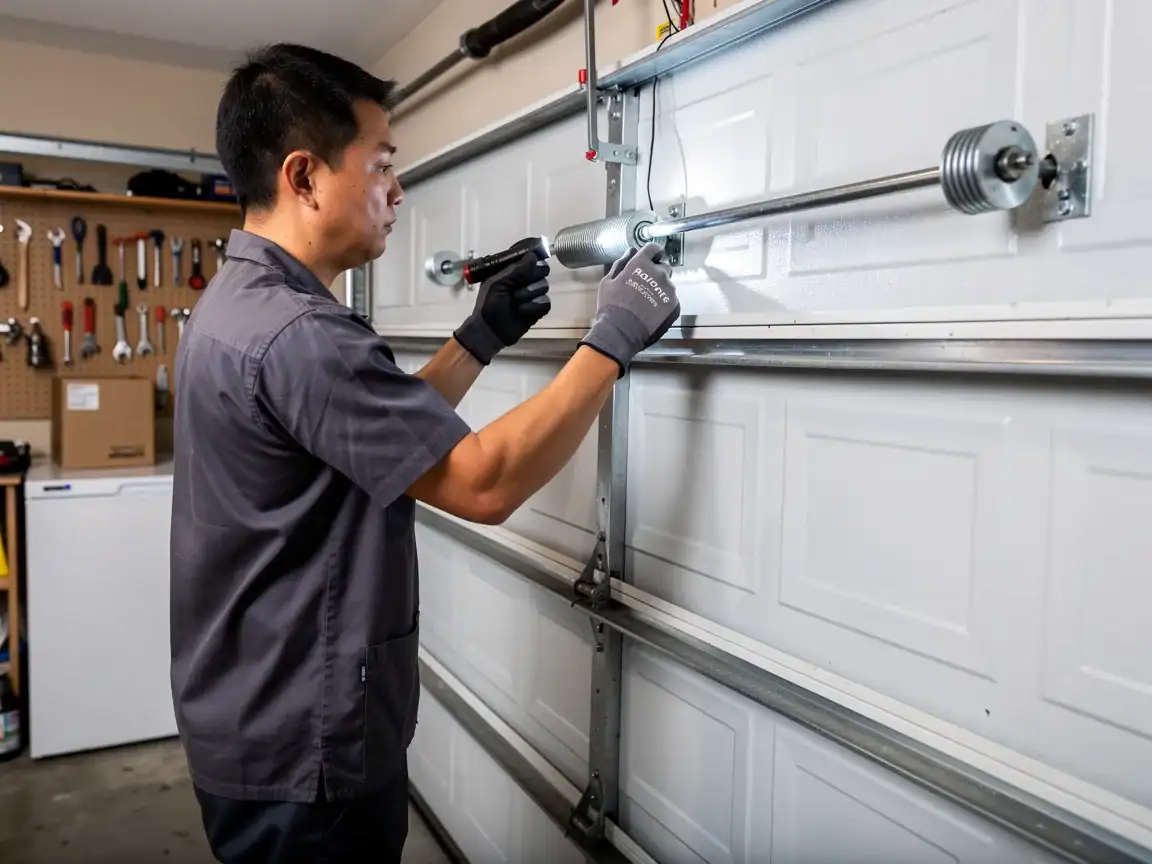
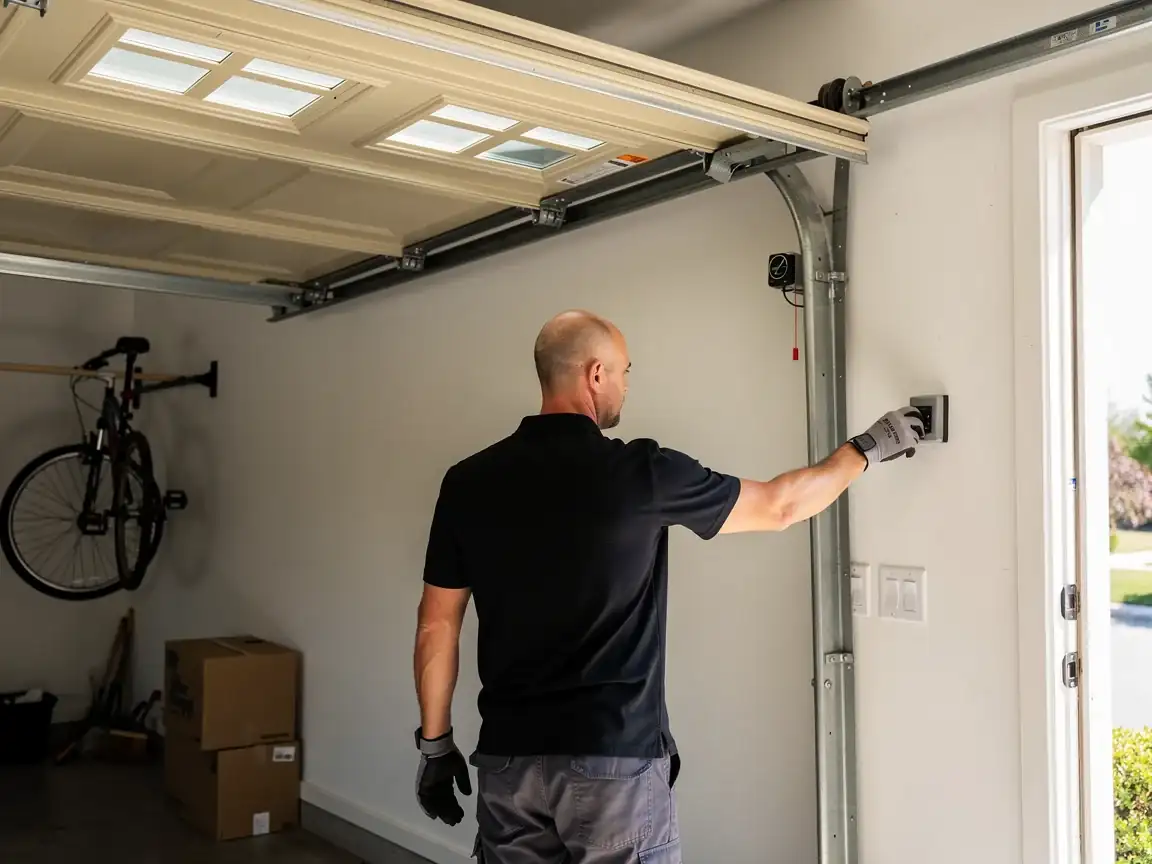
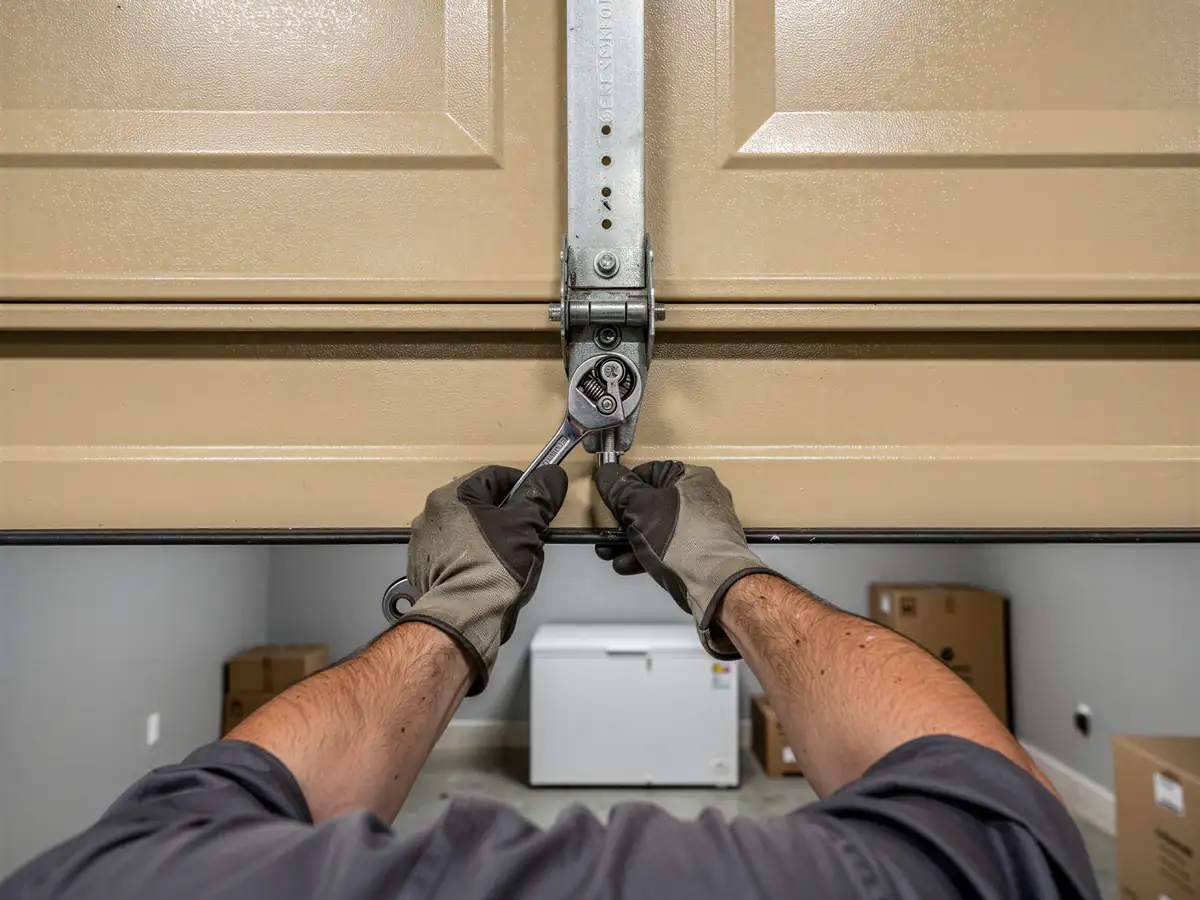
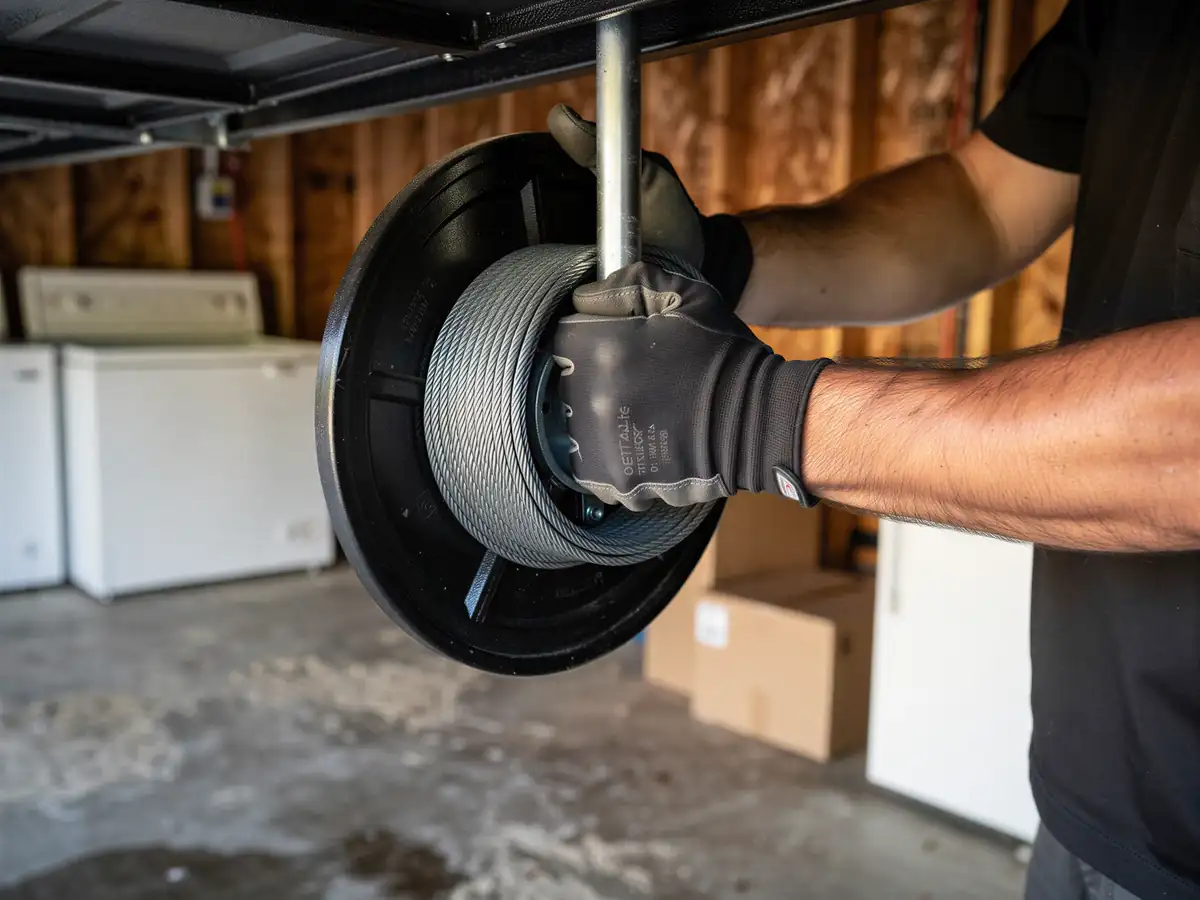
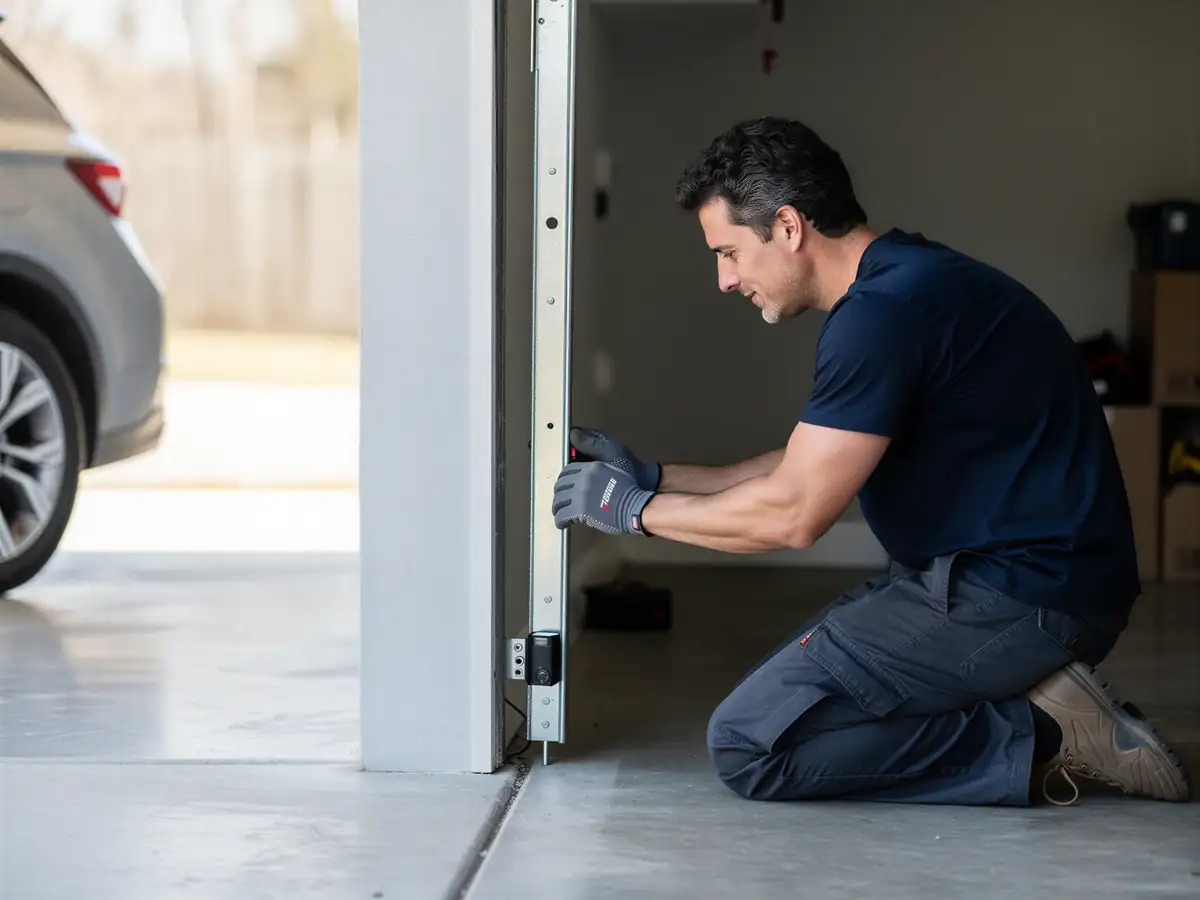
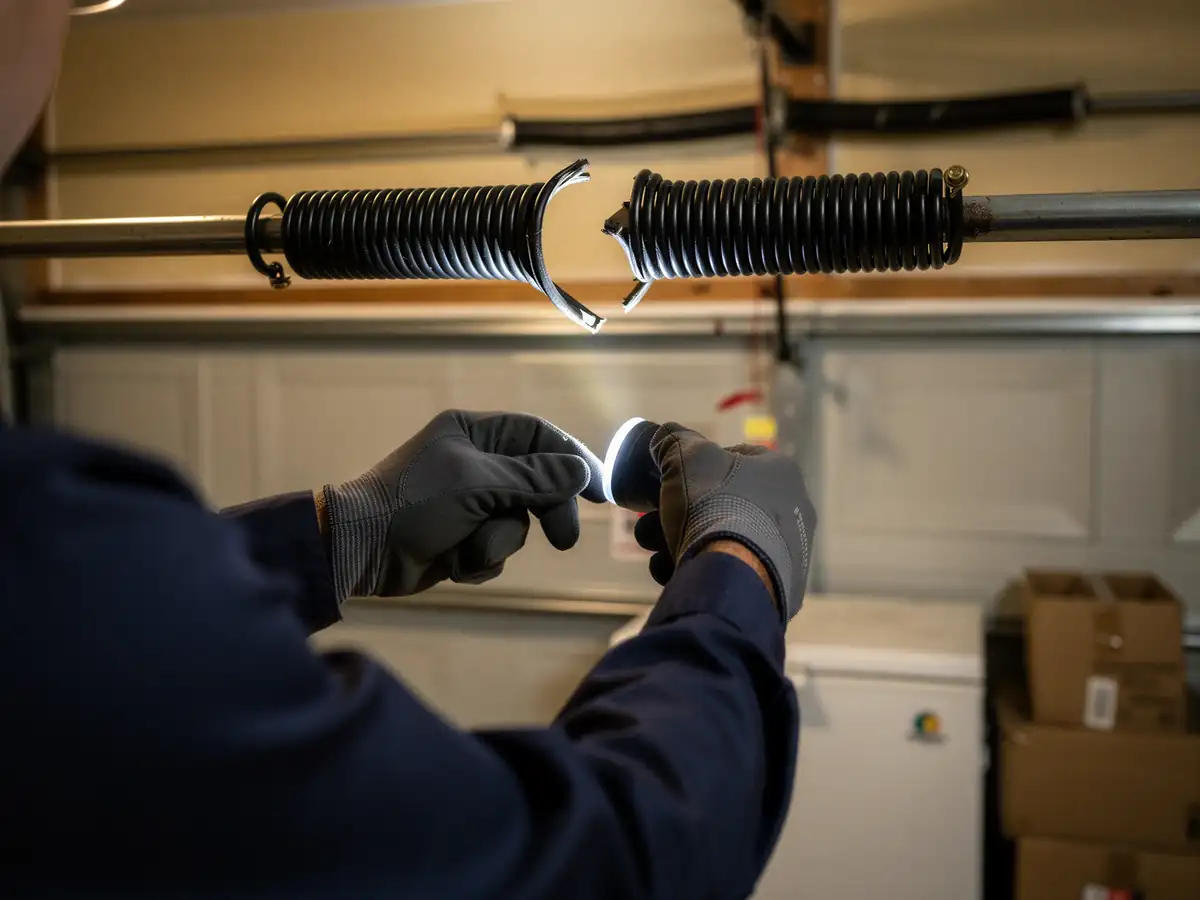
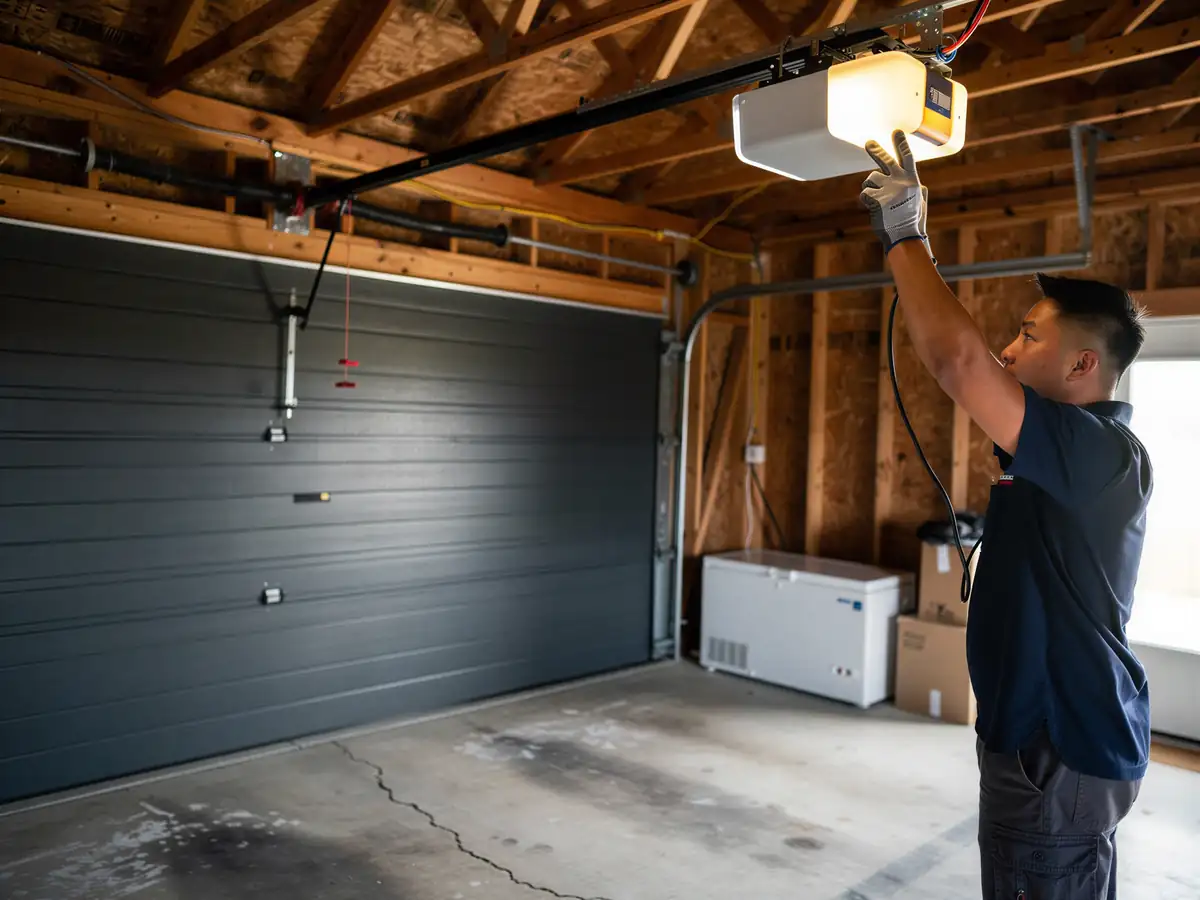
We start by checking door weight against motor rating before touching the opener itself, because replacing a motor without checking that is how you end up back at the same complaint in two years. If the door's within spec, it's a straight swap: old unit off the rail, new belt-drive or chain-drive unit on, travel and force limits set by hand rather than left on factory default, since factory default doesn't account for a header that's settled a little over 50 years. Safety sensors get realigned regardless of whether the old ones looked fine - a sensor that's a half-inch off still reads as working until the day it doesn't. If the door itself is the actual problem - undersized springs fighting a heavier panel than the house was built with - we say so before we install anything, because a new opener bolted to a door that's wrong for it just fails again.