Stocked Parts
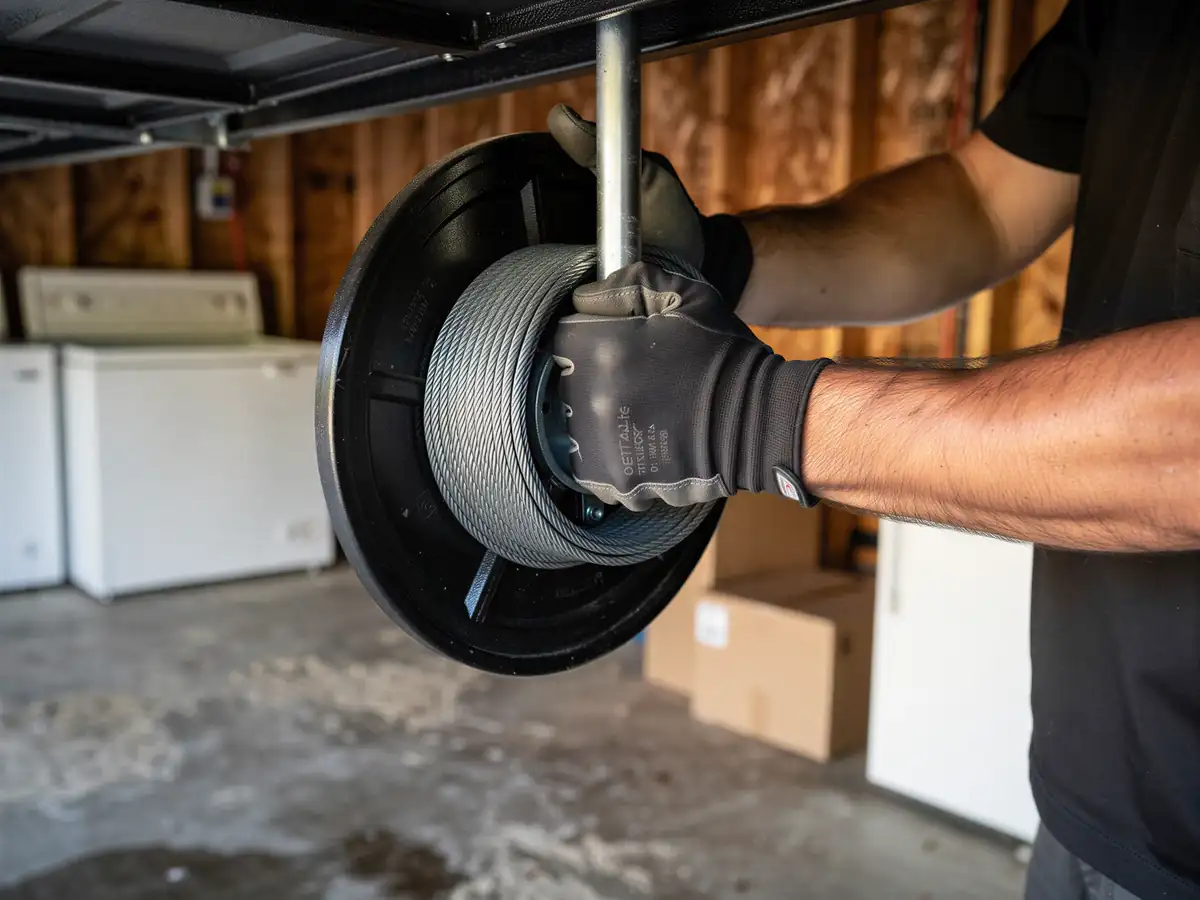
Lexington's median house went up in 1964, two years ahead of the median build year across the rest of our service area. That gap matters more than it sounds like it should. Houses from the early-to-mid 1960s were more likely to ship with galvanized aircraft cable on a smaller-diameter drum than what builders switched to by the early 1970s, and those drums wear a groove pattern that doesn't match the stock cable a lot of trucks carry. We pull cable sized for both eras before we leave Waltham, 4 miles out, because guessing wrong on a Lexington call means a second trip.
Winters here run the same severe cold band as the rest of the region, and cold cable doesn't fray the way it frays in July - it snaps clean at the drum end or the bottom bracket, usually in one spot, usually on the side that takes the most door-cycle stress. We carry both ends pre-terminated in the sizes that fit 1960s-era torsion setups, plus the heavier gauge that shows up in later rebuilds. What we don't carry is every obscure imported hardware size - if your door's been retrofitted with something unusual, we tell you on the spot rather than make you wait on a part that doesn't exist on the shelf.
How Long It Takes
A standard two-cable replacement on a double door, once we're on site, runs about the same whether the house was built in 1964 or 1990
It's a mechanical job, not a research project. The variable in Lexington is what's underneath the cable: older drums sometimes have corrosion or thread wear that a newer door wouldn't show, and that adds time to inspect the drum and shaft before we trust new cable to them. We factor that into the quote before we start, not after.
We travel from Waltham for every Lexington call, 4 miles each way
So the job clock starts when the truck arrives, not before. We don't keep a branch or staging point in Lexington, and we won't pretend otherwise - what we can promise is that the parts loaded for the trip are sized for what this area's housing actually needs, so we're not driving back for a drum that doesn't fit a 1960s shaft.
- 4 miles
What You Pay
Lexington's median household income, $219,402, sits well above the $150,820 median across the rest of the area we cover from Waltham, and homeowners here more often ask for the heavier-gauge replacement cable up front rather than the minimum spec, even on a straightforward break. That's a choice, not a requirement - a standard-gauge cable rated for the door's cycle count does the same job and costs less.
We price the repair the same way regardless of the town: by the parts the door actually needs, not by the zip code. If your drum or bottom bracket shows wear from the door's age, we'll say so and quote the extra part separately rather than bundle a guess into the number. We don't carry a published flat rate for cable work here and won't invent one - too much depends on whether it's one cable or two, and whether the drum comes with it.
How We Fix It
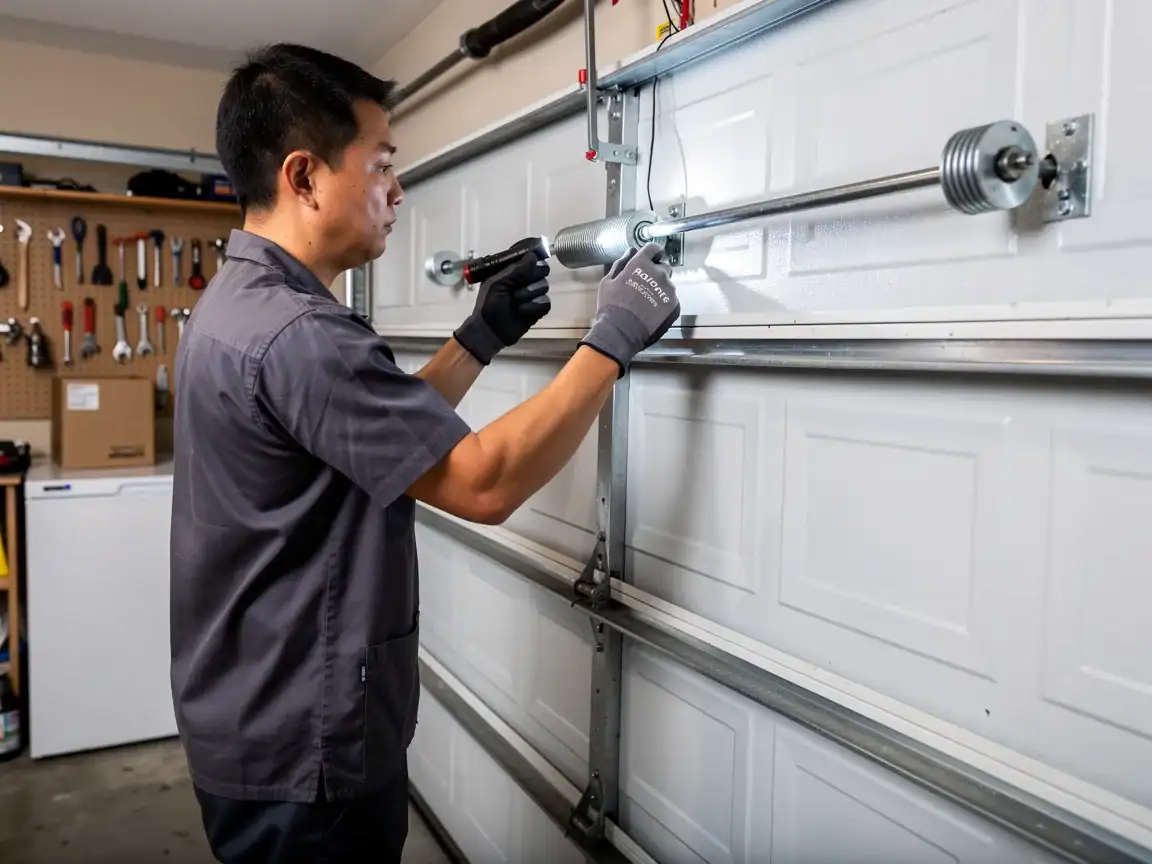
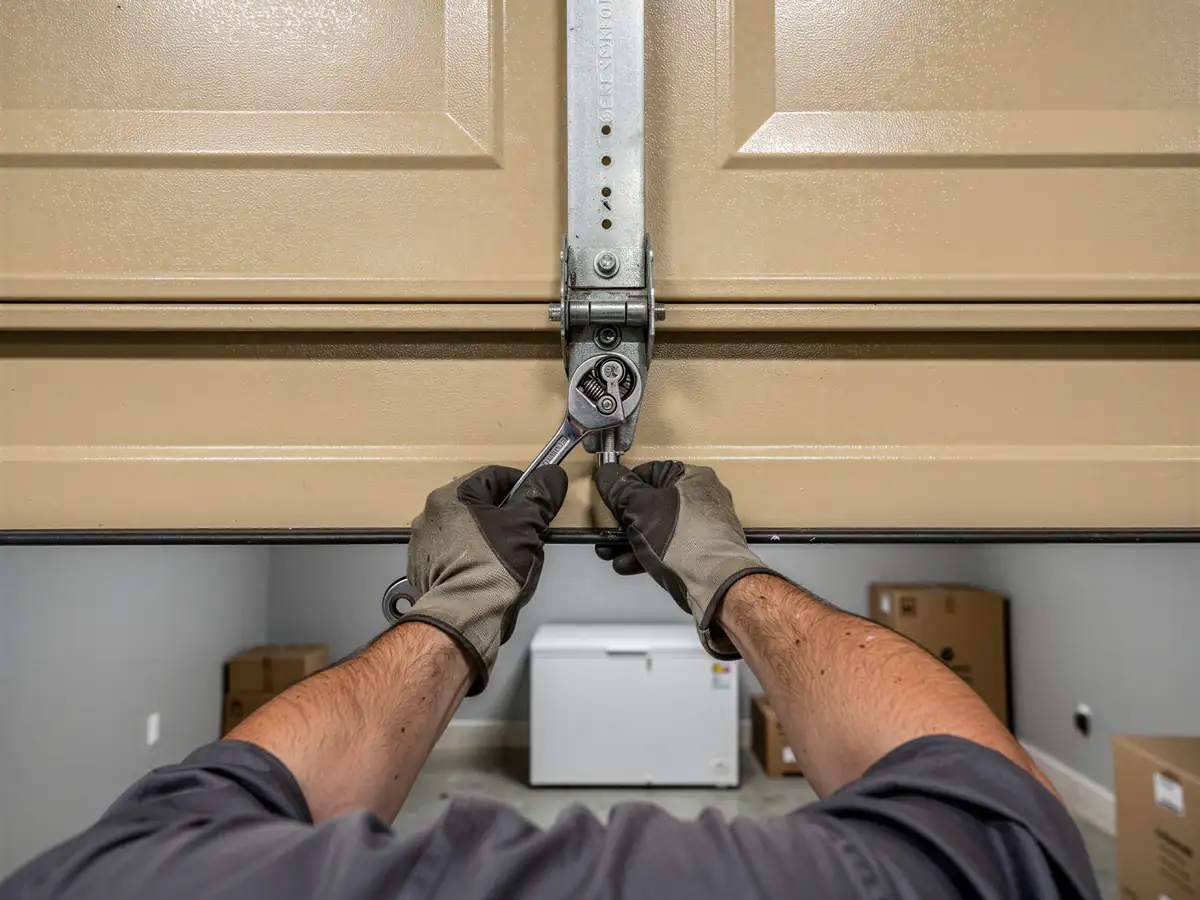
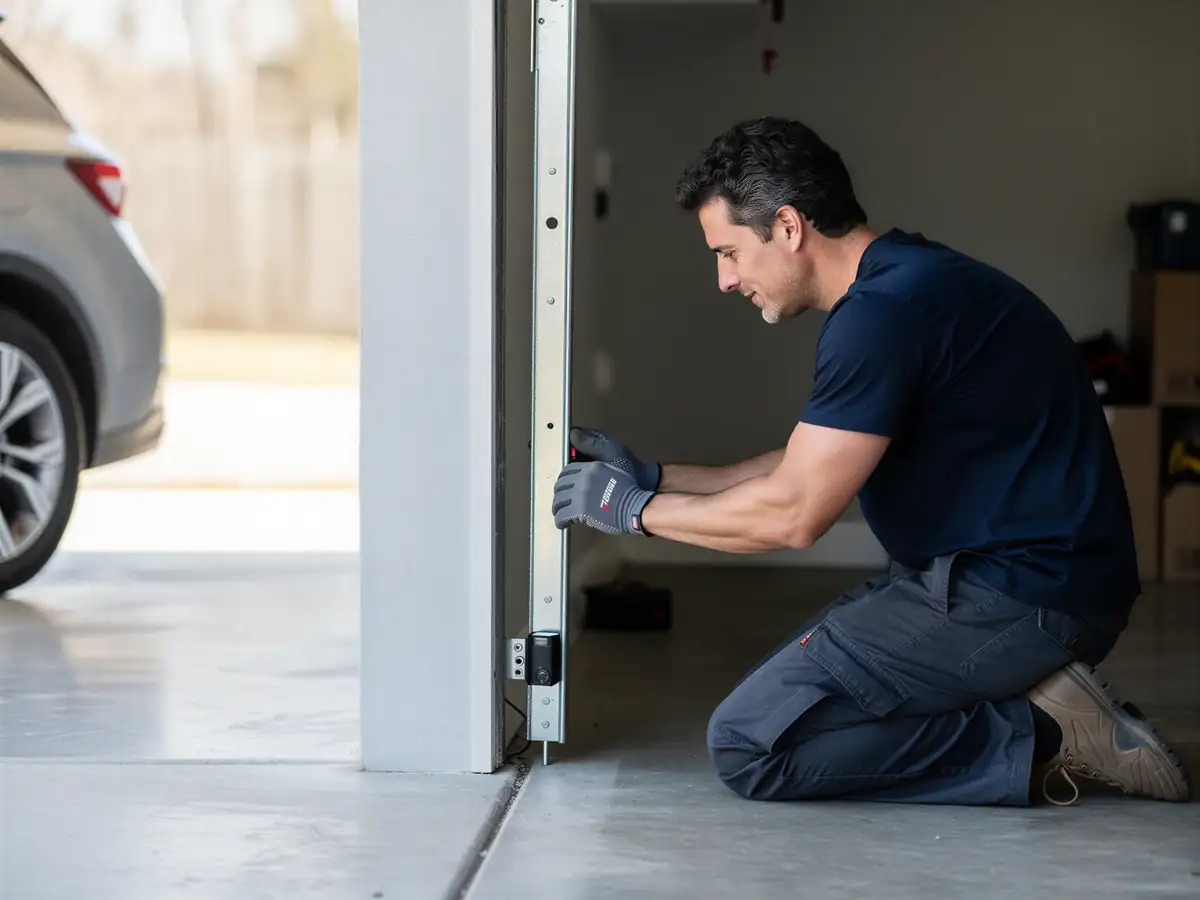
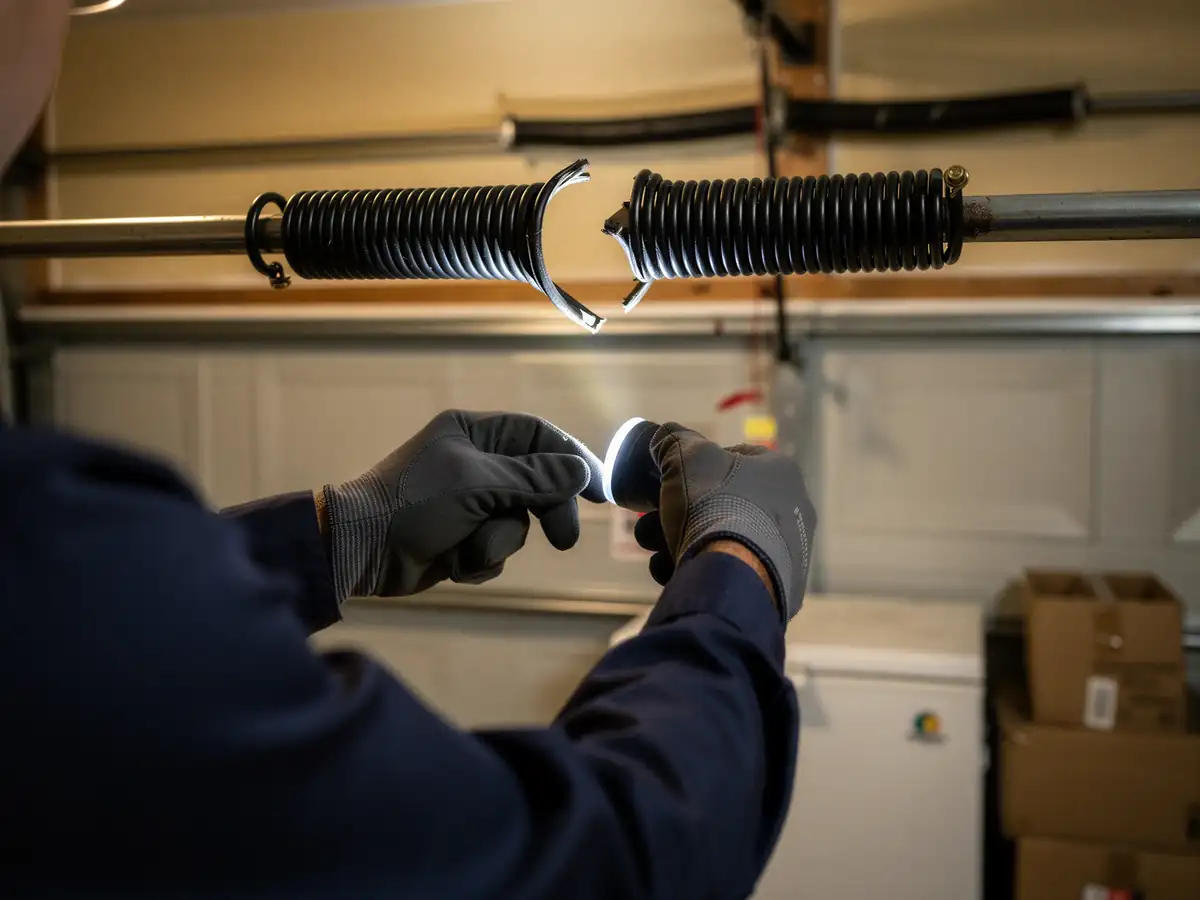
Cable repair means releasing tension safely first - on a torsion system that's often original to a 1960s build, that spring has been doing its job for sixty years and we don't assume it's still rated where it started. We lock the door, clamp the shaft, and relieve tension before anything near the cable gets touched, because a cable job on a house this old is also, quietly, a spring-condition check.
Once tension's off, we pull the broken cable, inspect the drum groove and the bottom bracket for wear patterns, and run new cable matched to what the drum actually takes rather than what's generic. We test the door through a full open-close cycle under load before we call it done, listening for the drum skip that tells you the old groove is too worn to trust long-term. If that's the case on your door, we'll say it plainly rather than send you off with a temporary fix - sometimes the honest answer is that the drum needs replacing, not just the cable.