Stocked Parts
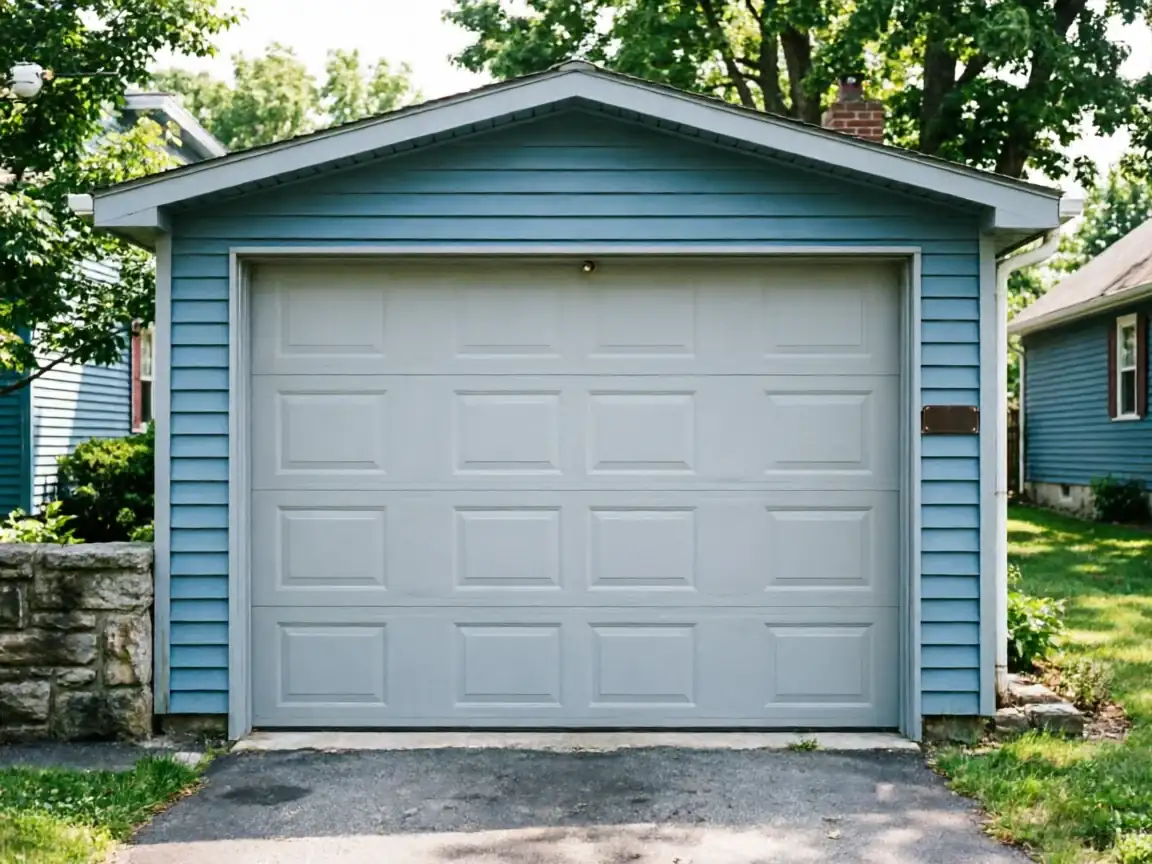
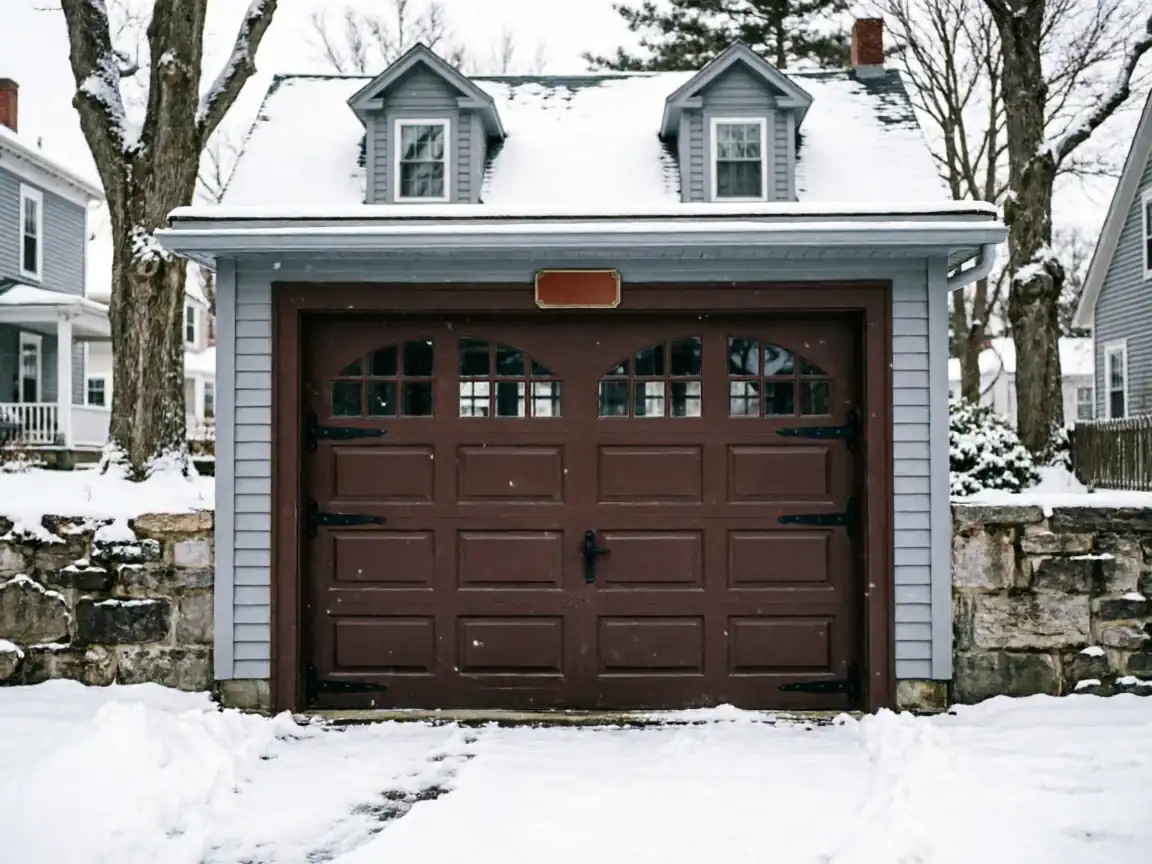
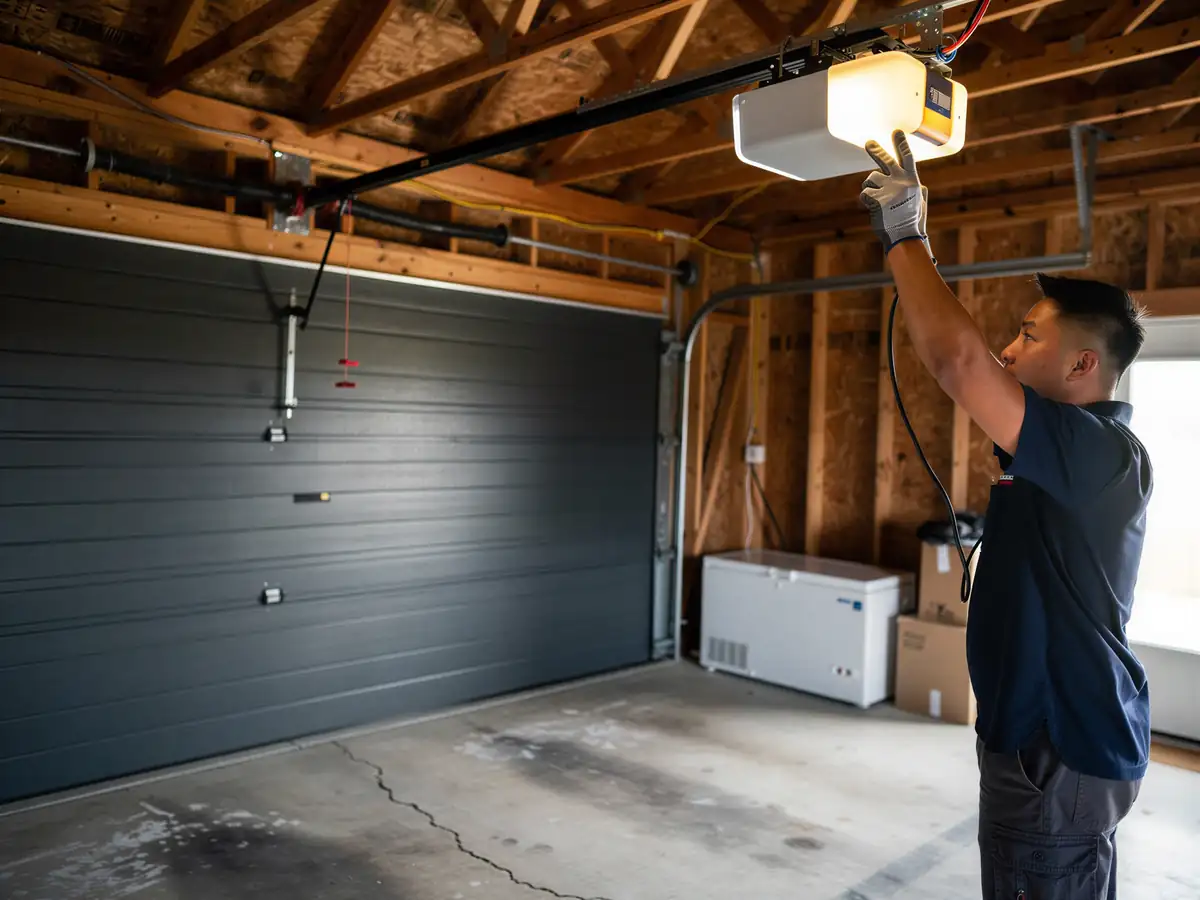
Lexington is a small town as far as housing stock goes - about 12,337 households, most of them built around 1964, right in the middle of the 1938-1993 construction window that defined this whole area. That matters for parts. A town this size, built in this short a window, means the same torsion spring sizes, the same openers, and the same side-mounted hardware show up on call after call. We carry extension and torsion springs sized for the doors that went up across the region's 1960s-70s building boom, along with the rollers, cables, and hinges that wear out on doors of that vintage. What we don't carry on the truck is anything for a door that's been heavily customized or imported - if a prior owner put in an odd European panel system, that part may need to be special-ordered, and we'll tell you that up front rather than make you wait around guessing. For a stock door from that era, we're usually carrying what the job needs before we leave Waltham.
What You Pay
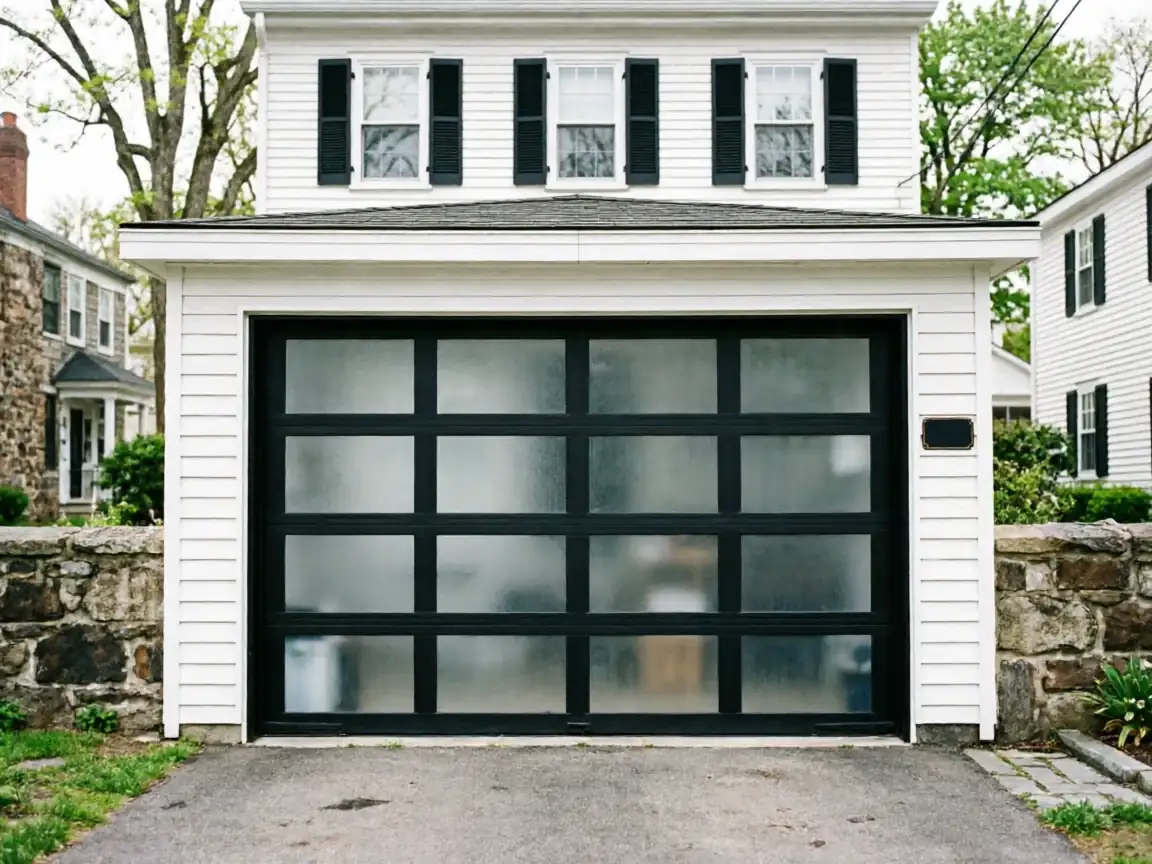
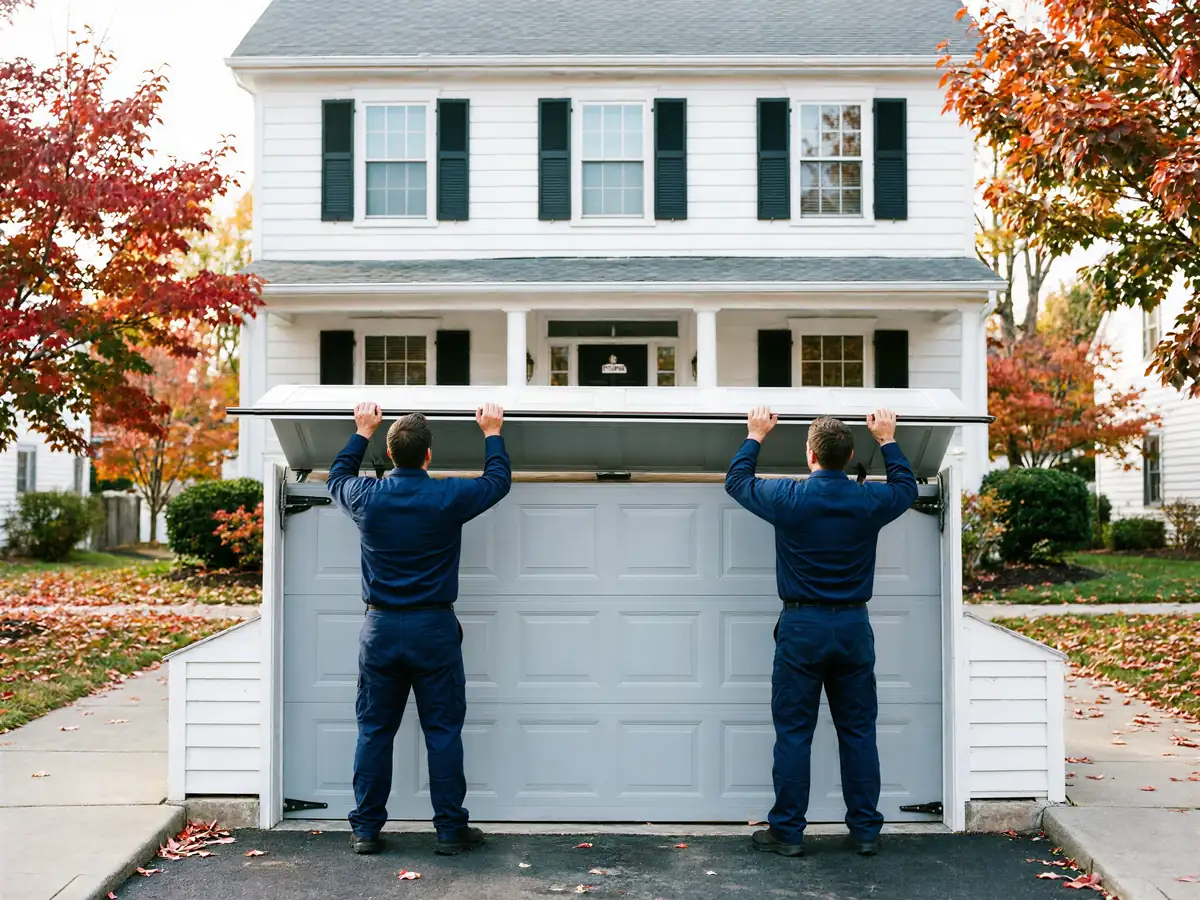
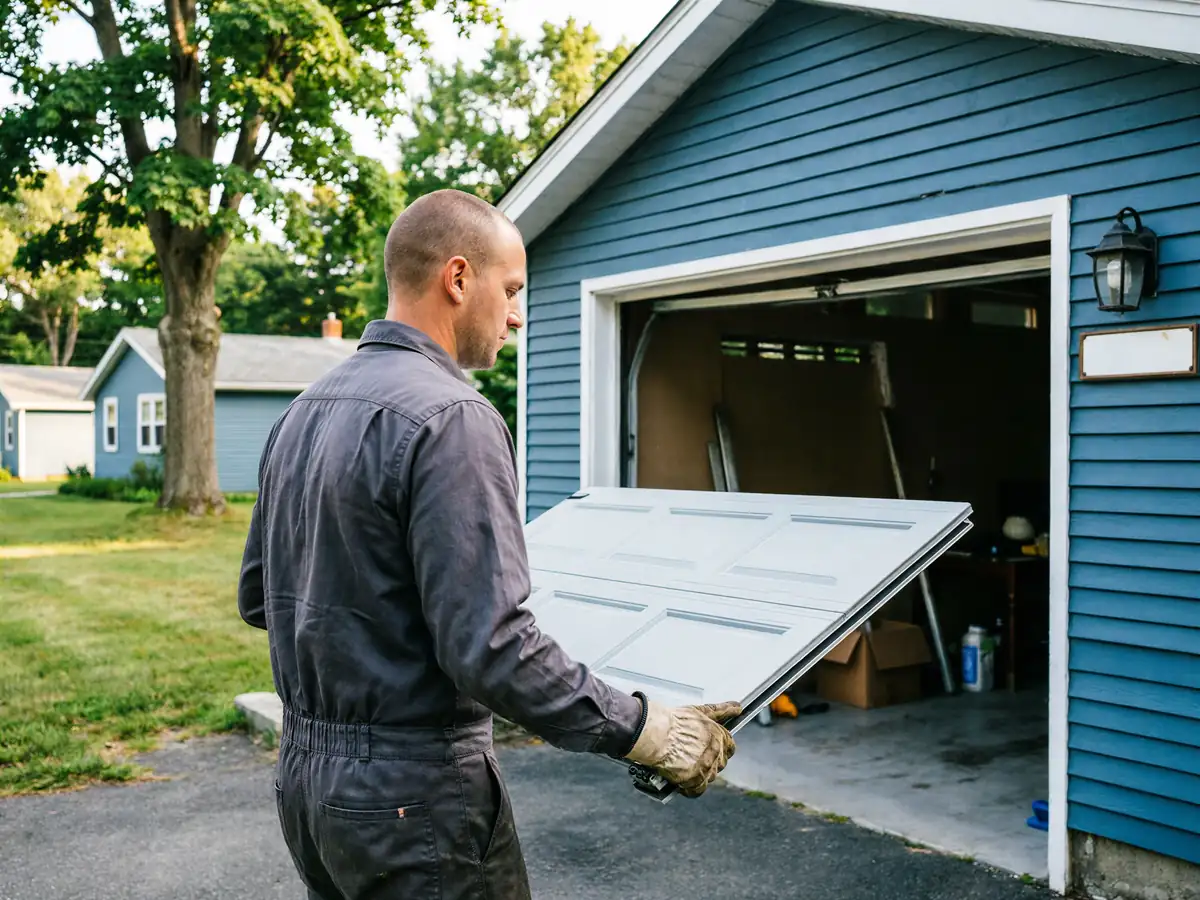
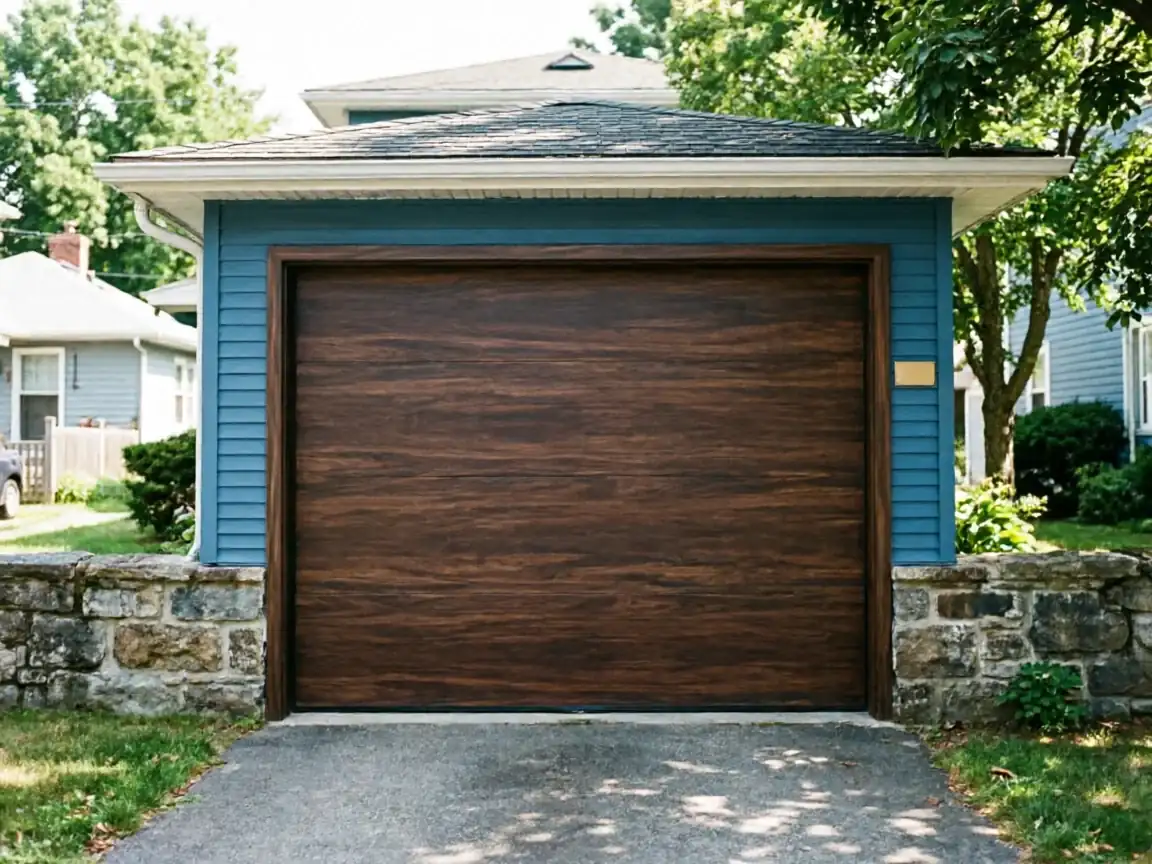
We don't have a flat number to quote here, and anyone who gives you one over the phone without seeing the door is guessing. What we can say: Lexington's median household income, over $219,000, runs well above the regional norm, and in practice that shows up as more homeowners choosing to replace a tired 1960s door outright instead of patching it panel by panel. That's often the right call anyway - a door built in 1964 has had 60 years to accumulate rust at the bottom panel, warped track, and a spring system that wasn't designed for a modern opener's duty cycle. Repair makes sense when the door itself is sound and it's one part that failed: a spring, a cable, a roller. Replacement makes more sense when the door is original and multiple systems are tired at once. We'll tell you which situation you're in before we start work, not after.
How We Fix It
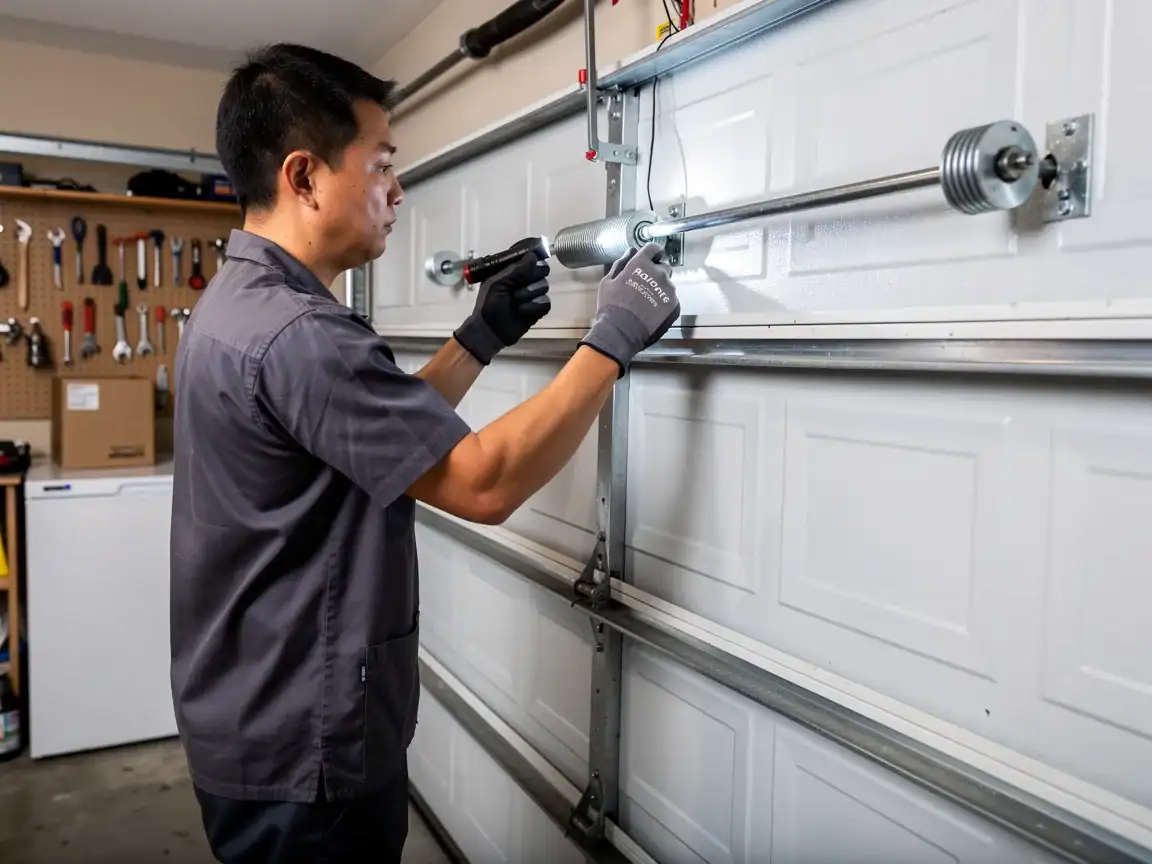
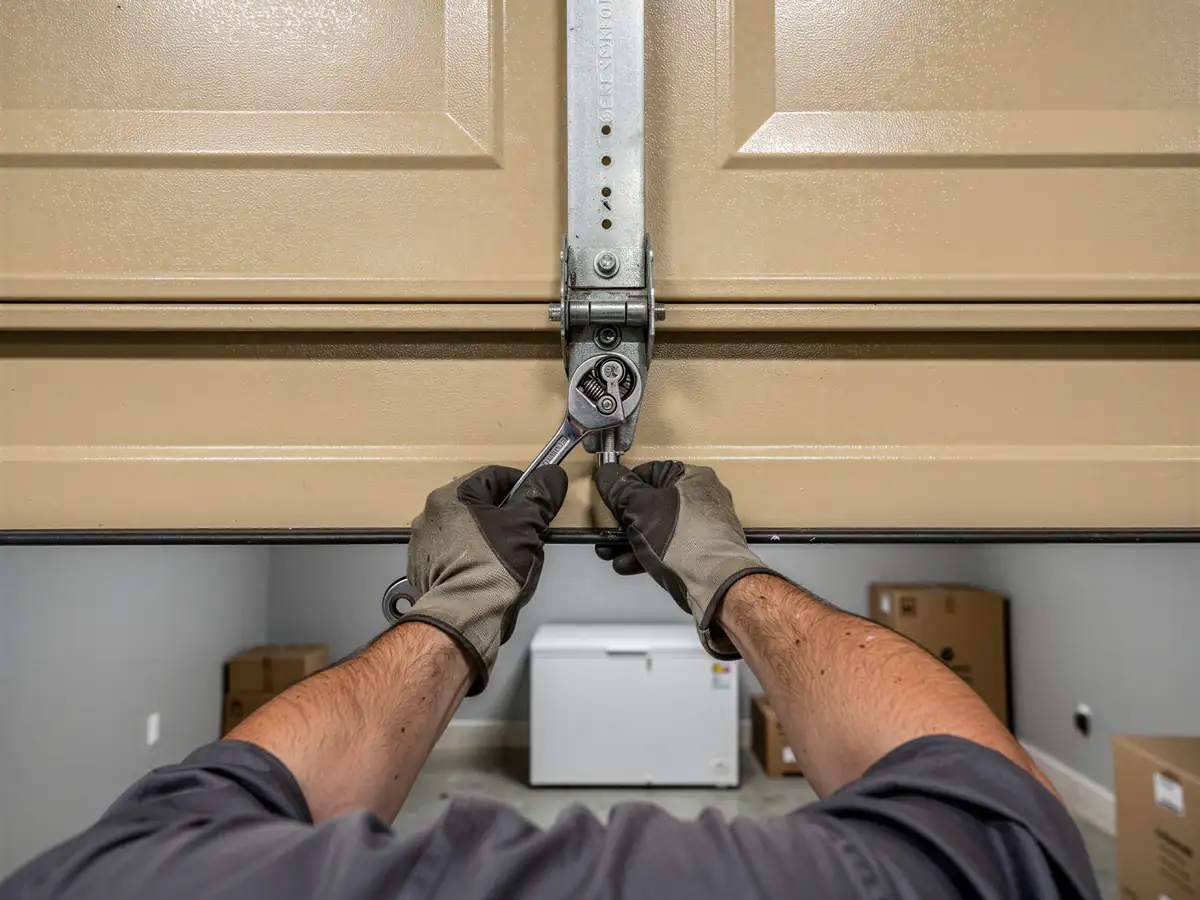
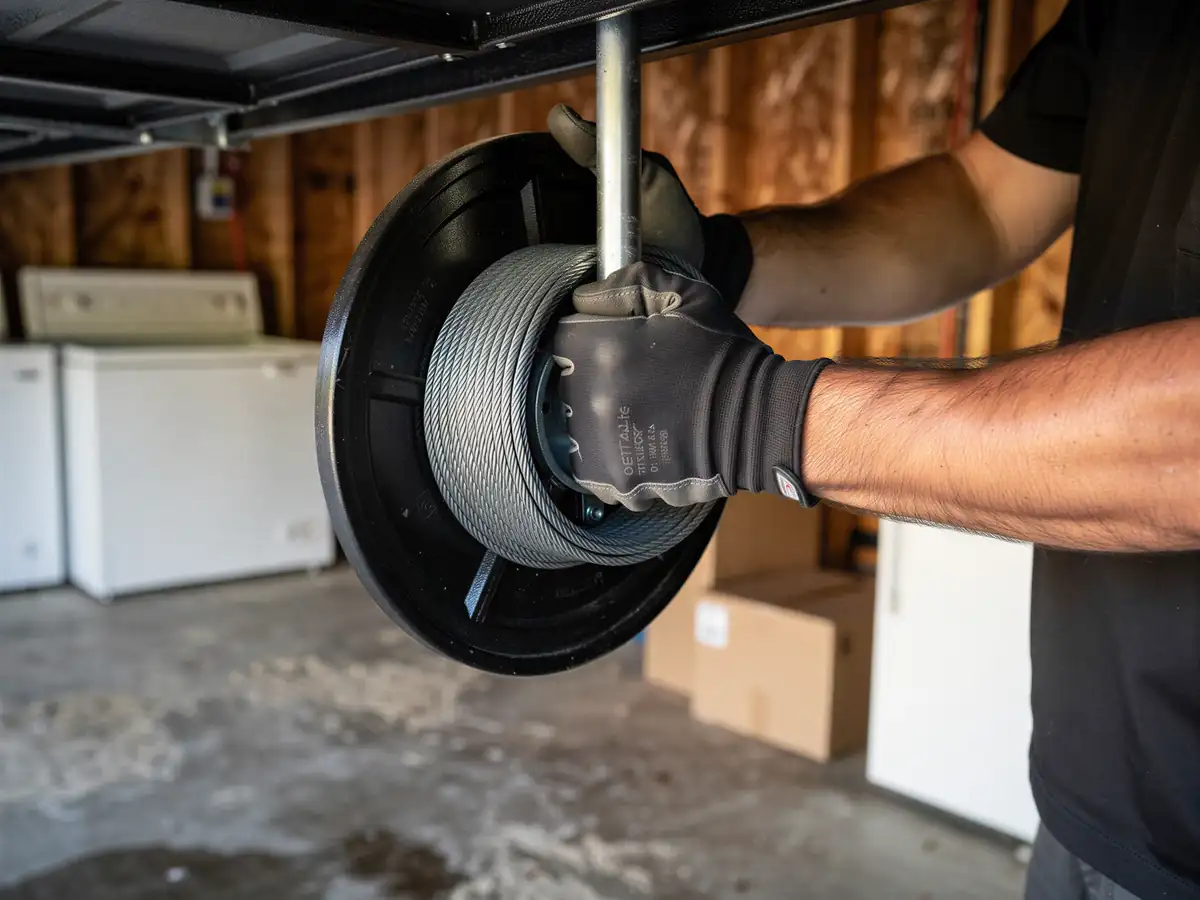
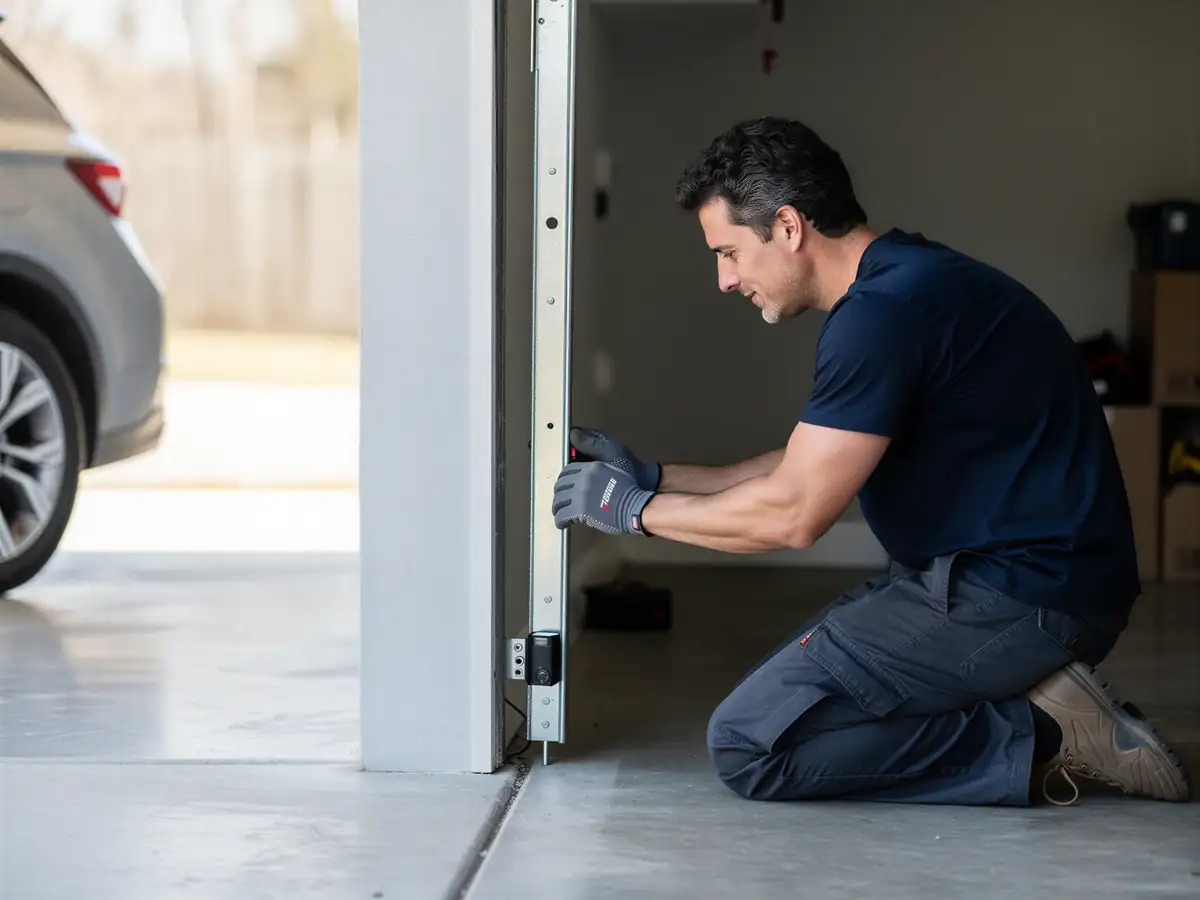
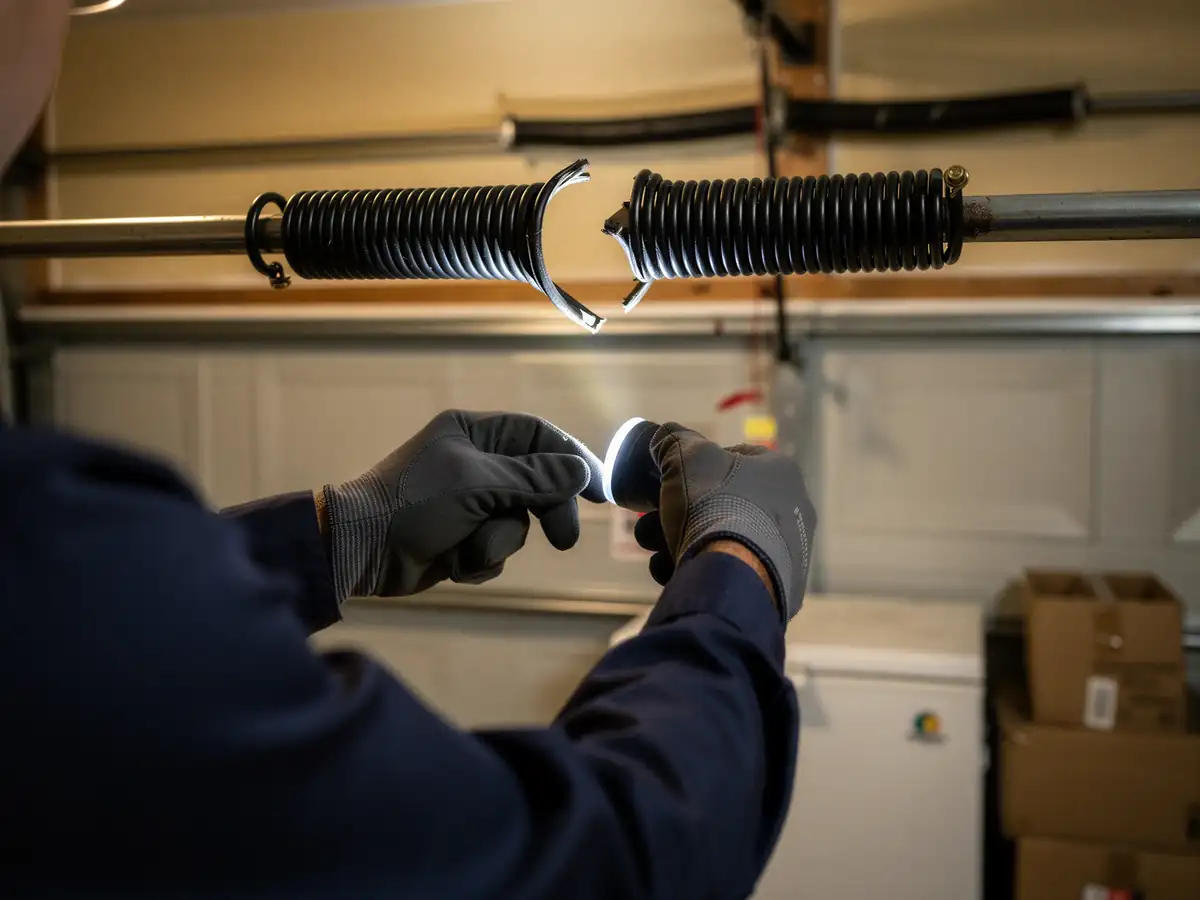
We start the same way on every call: check the balance, check the cables and drums, check the track alignment, and look at when the door was likely installed, since a lot of Lexington's doors date back to that 1964 median build year. A broken torsion spring on an original door usually means the opposing spring is close behind it - both springs see the same cycles and the same cold, so if one let go from fatigue, the other is often on borrowed time. We replace in matched pairs on double-spring setups rather than patching one side, because an unmatched pair puts uneven load on the shaft and comes back as a worse failure later. On older track-and-pulley setups we're also checking for cable fraying at the drum, a common failure point on doors from that era that newer doors don't have. If the panels themselves are warped or rusted through, we'll say so plainly rather than keep re-balancing a door that's past the point of being worth it.