Stocked Parts
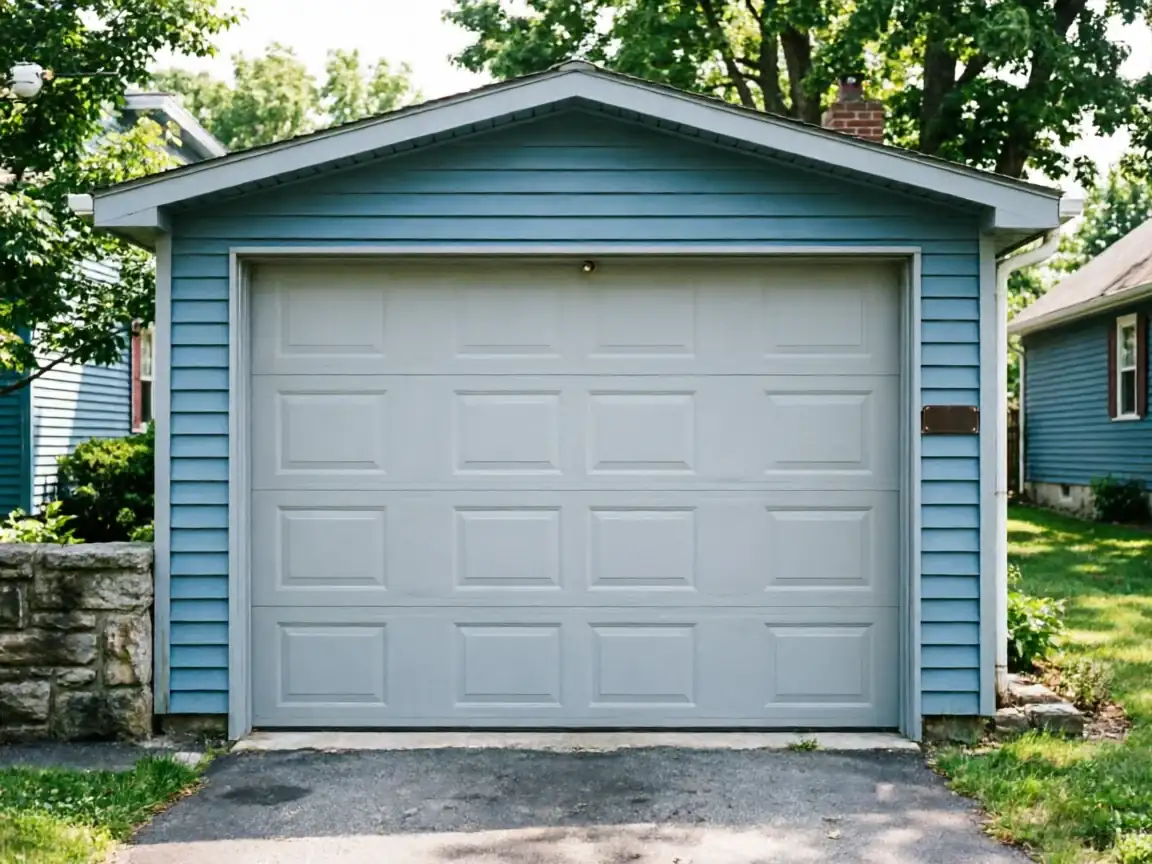
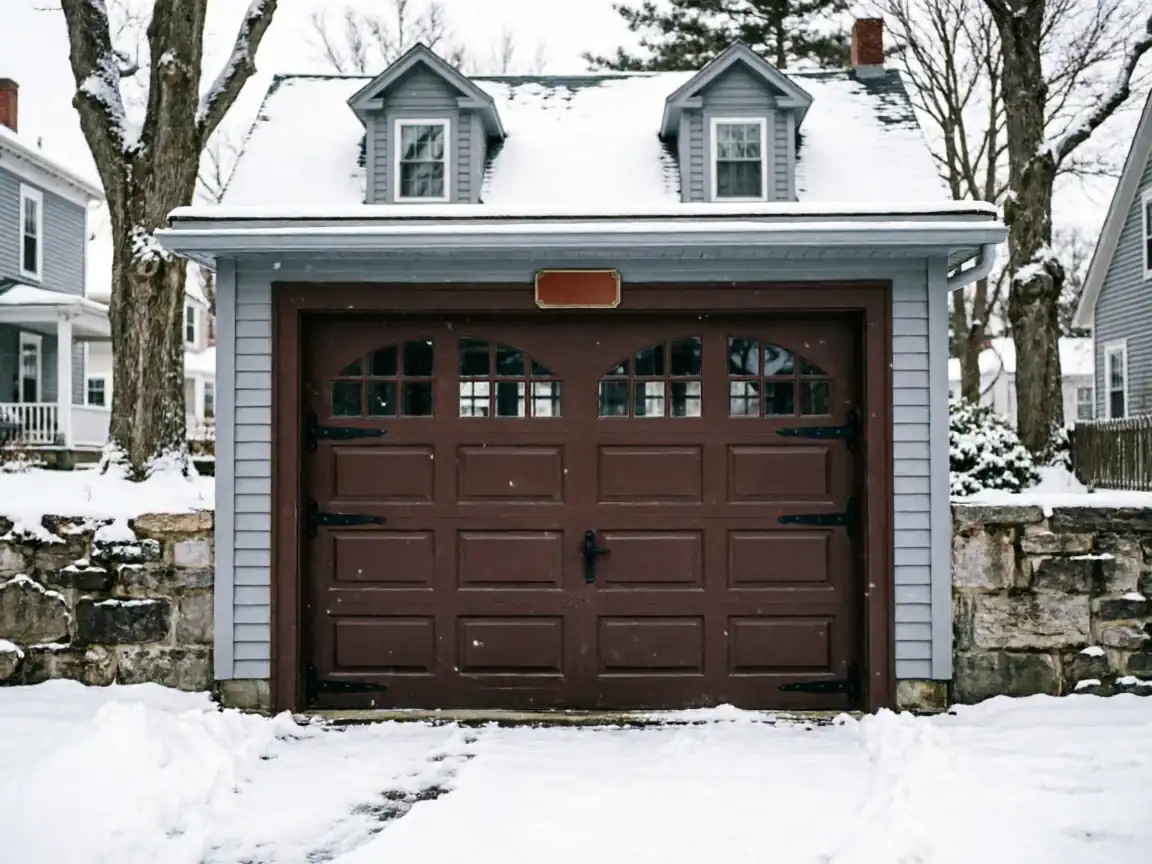
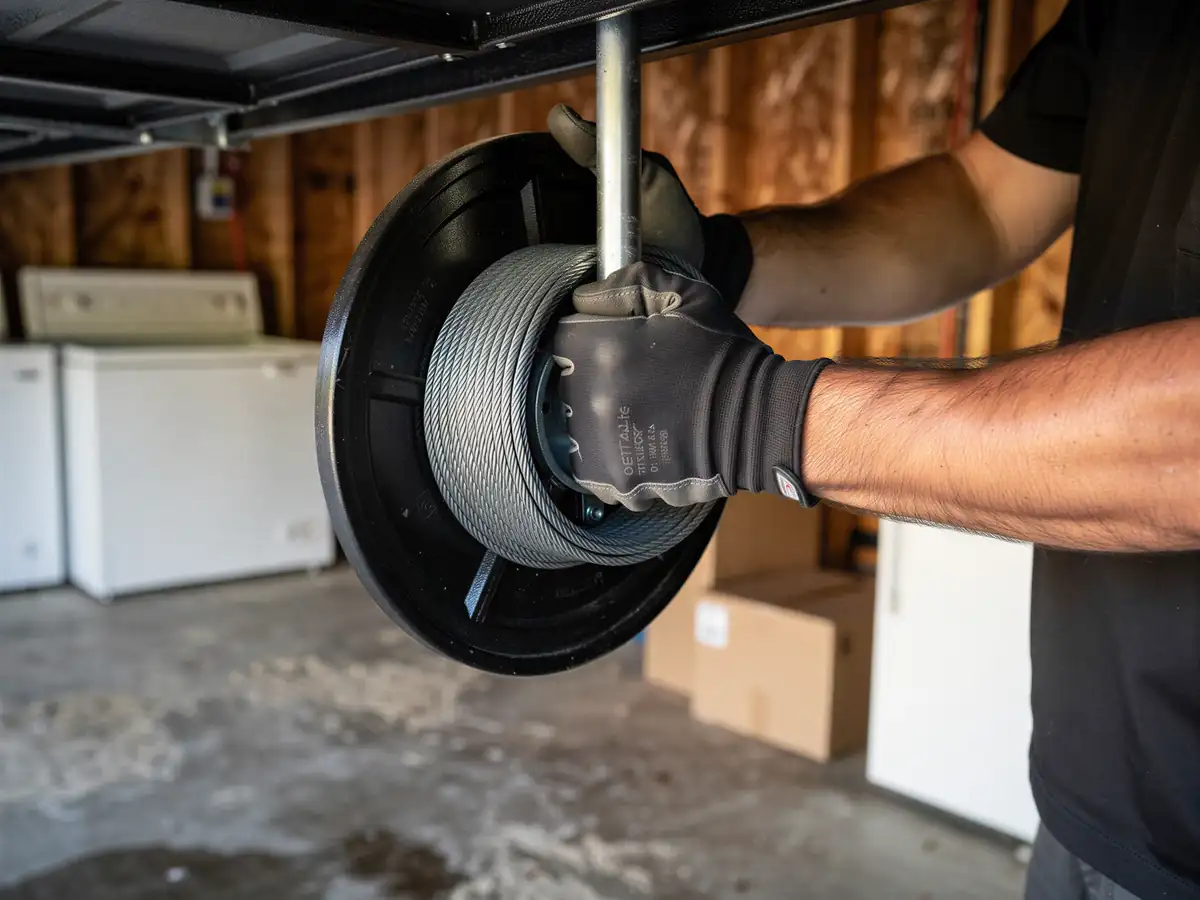
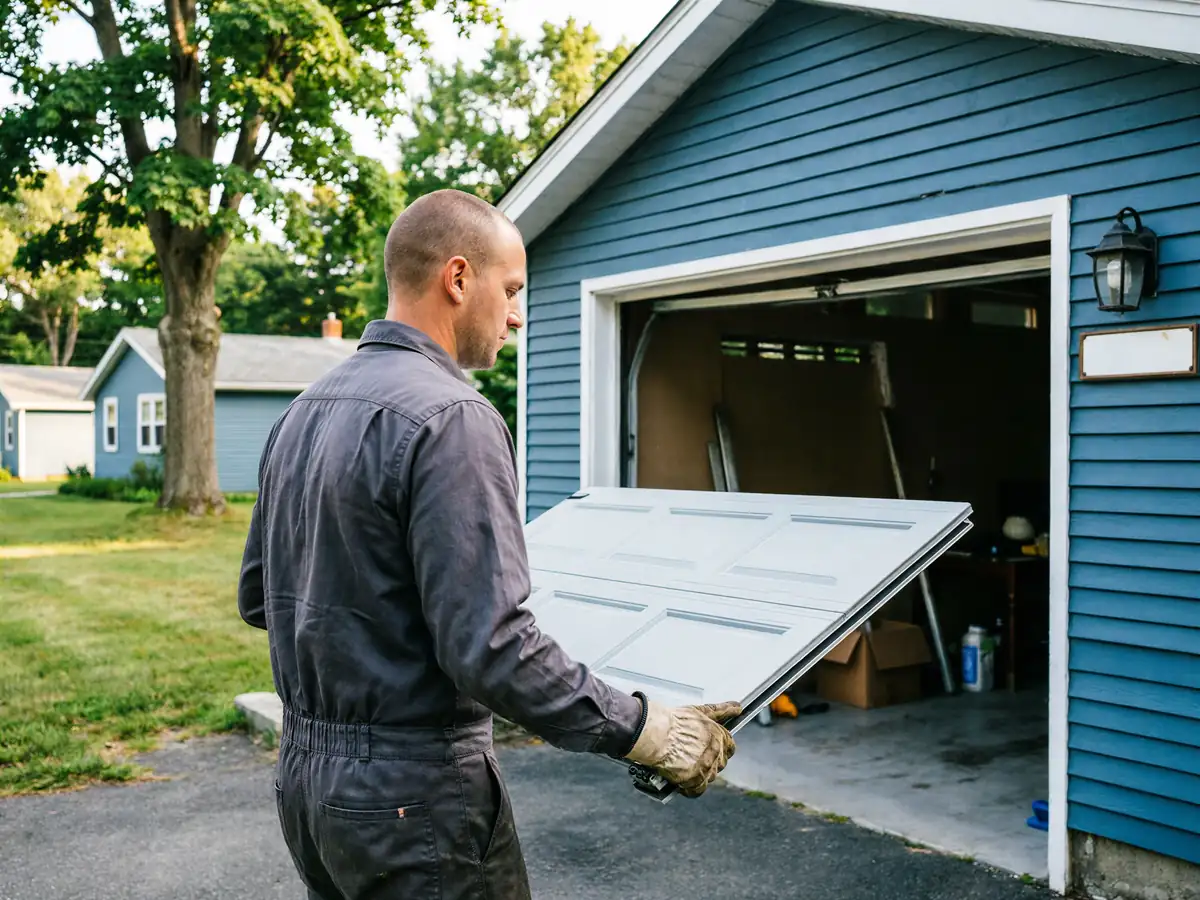
Most of Lexington went up around 1964, and a lot of that original hardware is still hanging in the garage, never swapped out. That means torsion springs sized for the lighter steel doors of that era, galvanized cable that's stretched and frayed but never snapped, and center-bearing plates that have been quietly wearing since before anyone currently living in the house bought it. We carry springs, rollers, cables, and hinges sized for that mid-60s build window on the truck, because showing up from Waltham without the right spring wire gauge means a second trip, and nobody wants that. What we don't stock are parts for the handful of newer teardown-rebuilds with wider insulated doors - those sometimes need a special order, and we'll tell you up front if that's the case rather than guess. Lexington's winters are the same cold-climate conditions as the rest of the area we cover, which hardens grease and makes brittle plastic idler pulleys the first thing to go. We check those on every visit, not just when they're already cracked.
What You Pay
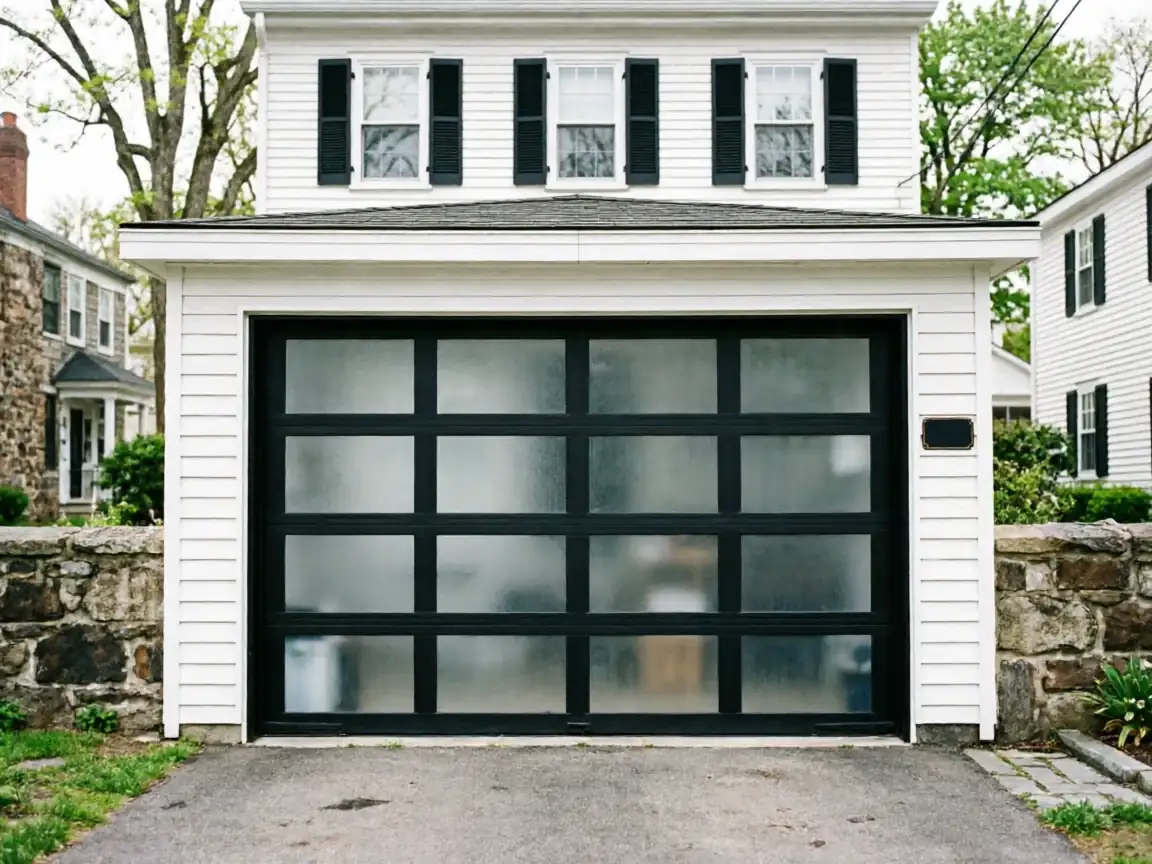
We don't publish a single number here because a 1964-era door with original hardware and a newer insulated door with a modern opener aren't the same job, and pretending otherwise would be dishonest. What we can tell you is that Lexington sits in a part of our coverage area with higher household income than the Waltham average, which sometimes means owners want full hardware replacement during a maintenance visit rather than patch repairs - that's a conversation we have on site, not a line item we guess at in advance. If your door is still running on its original rollers and hinges from the build year, expect the visit to include more parts and more labor than a door that's already had hardware swapped once. We'll walk you through what's worn versus what's just old before we touch anything.
How We Fix It
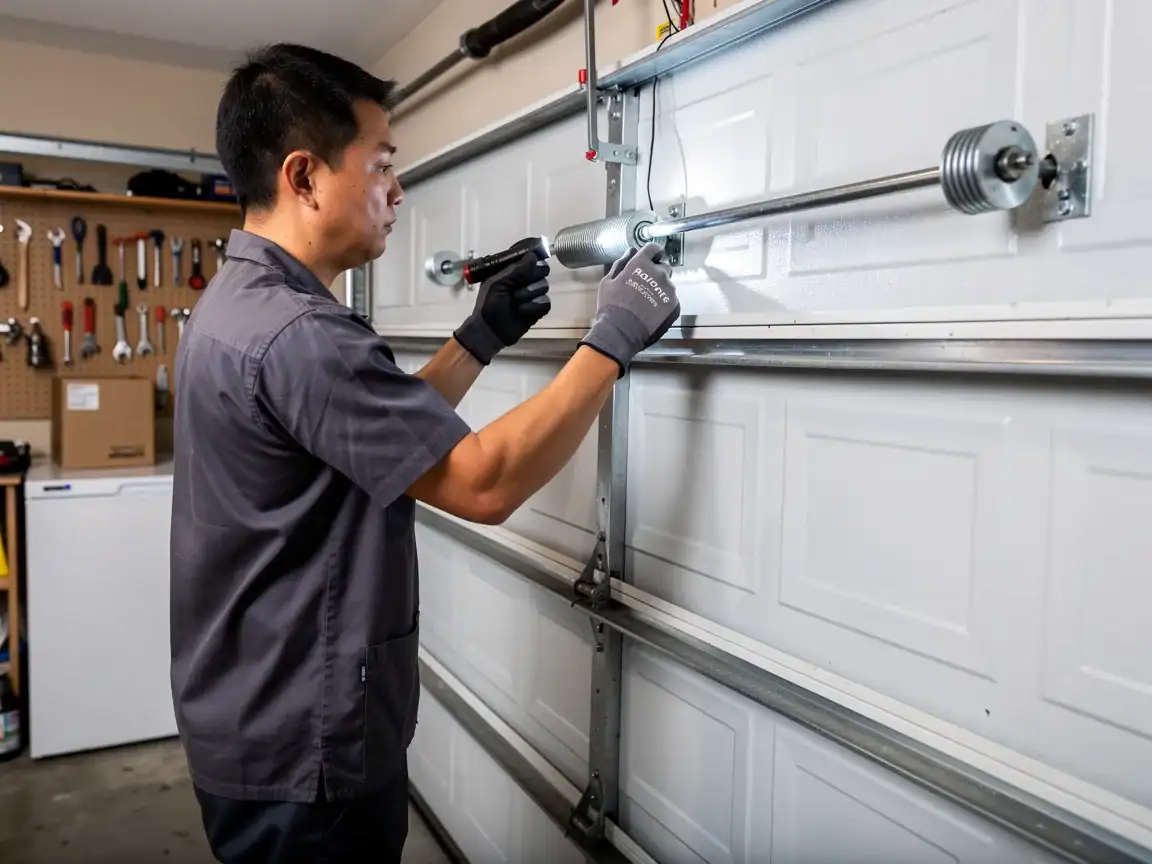
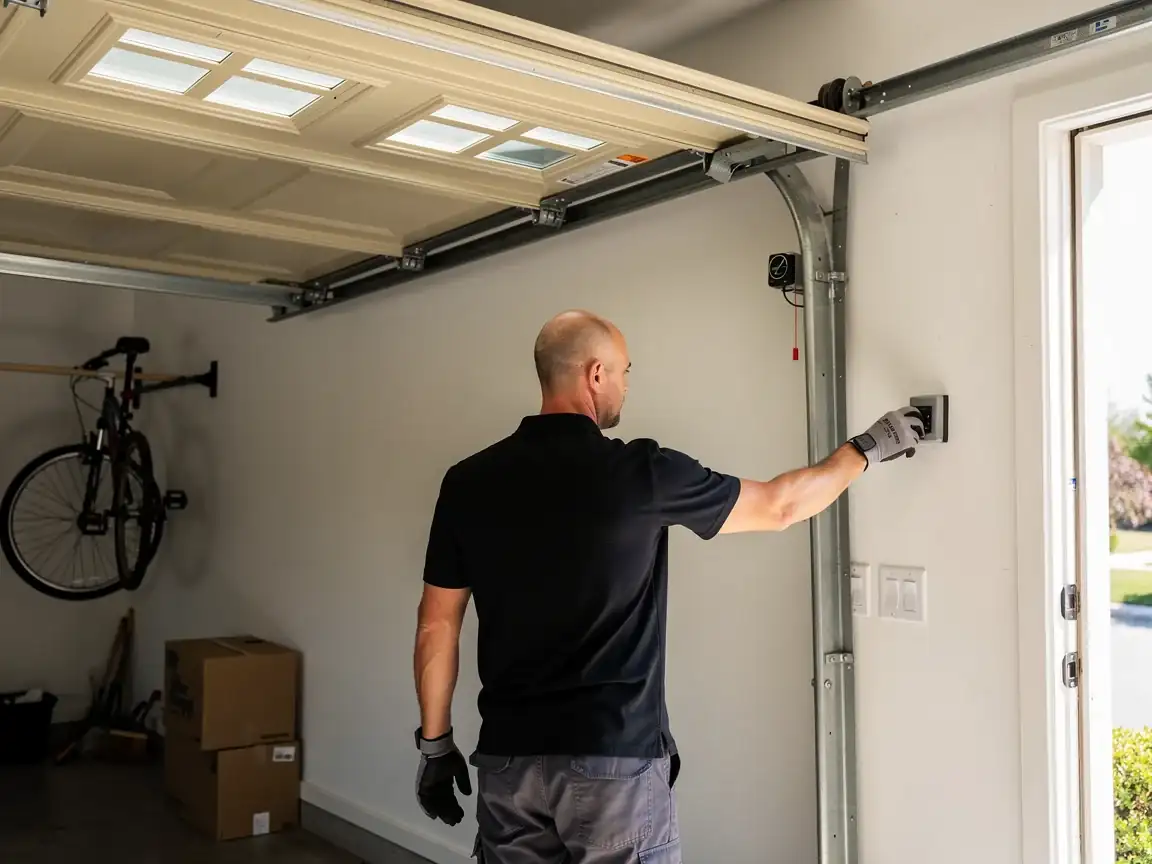
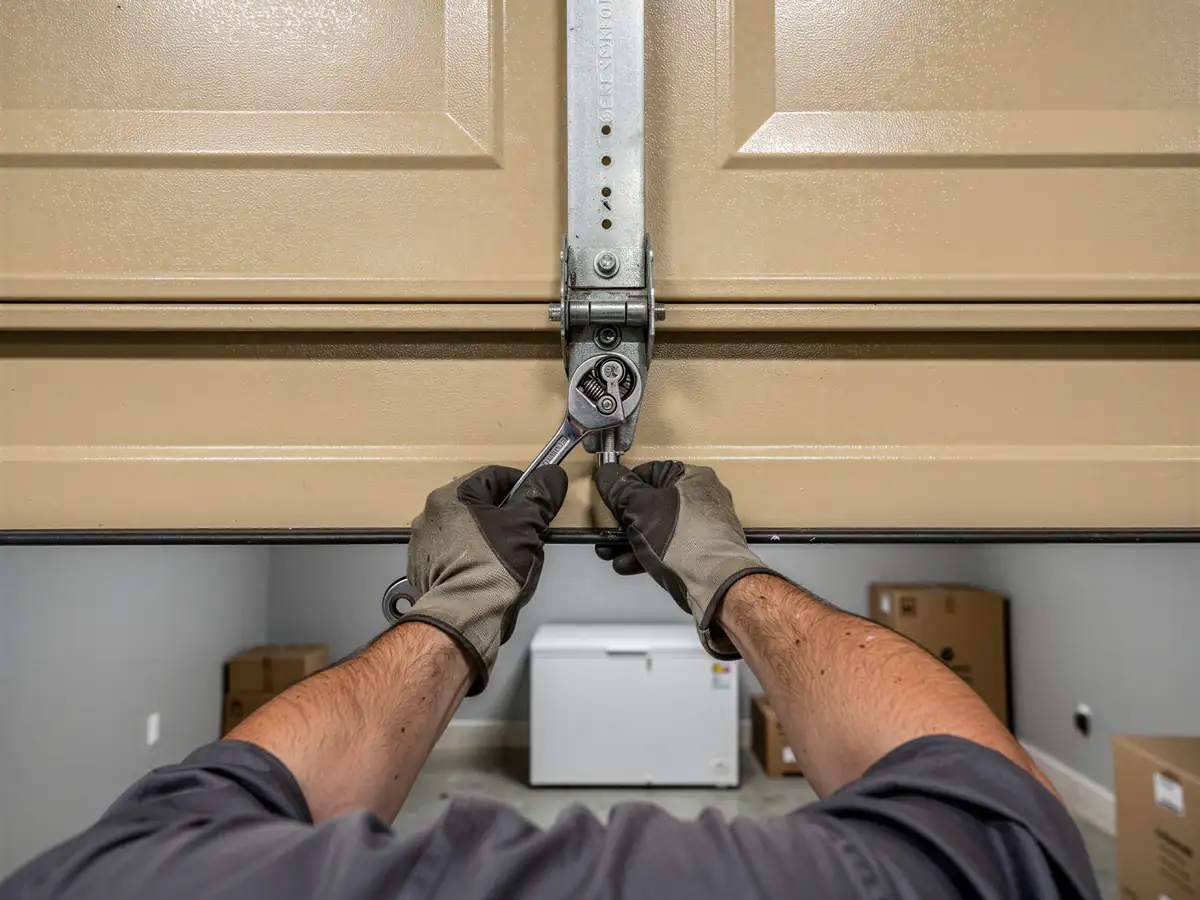
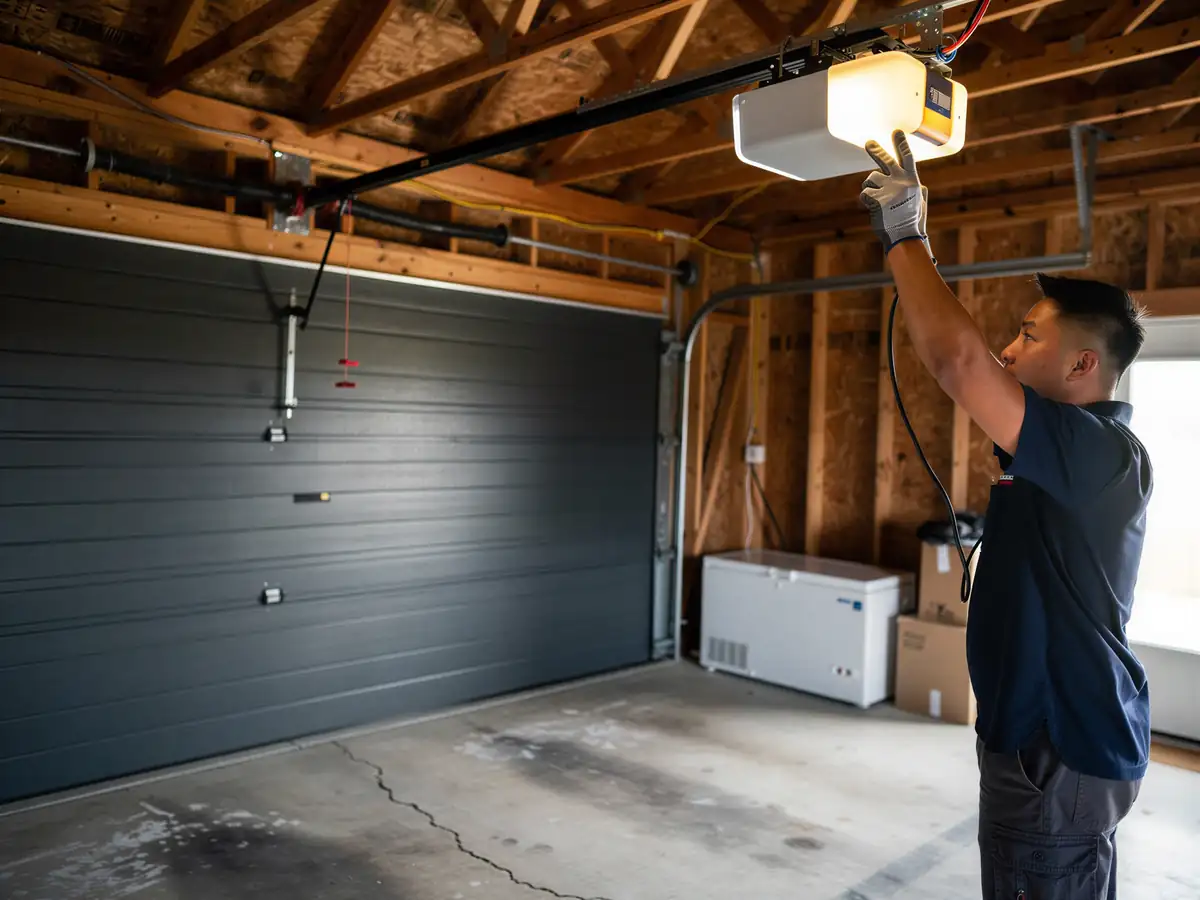
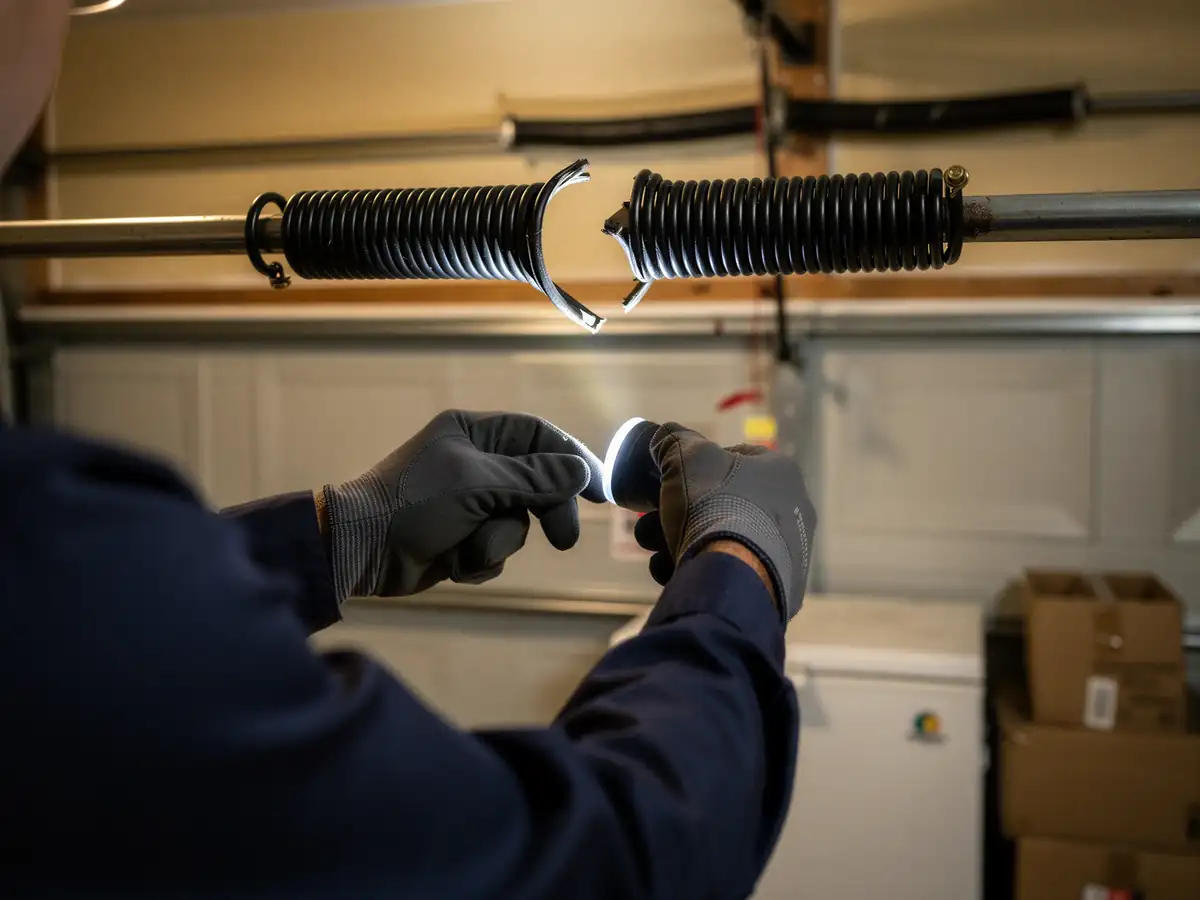
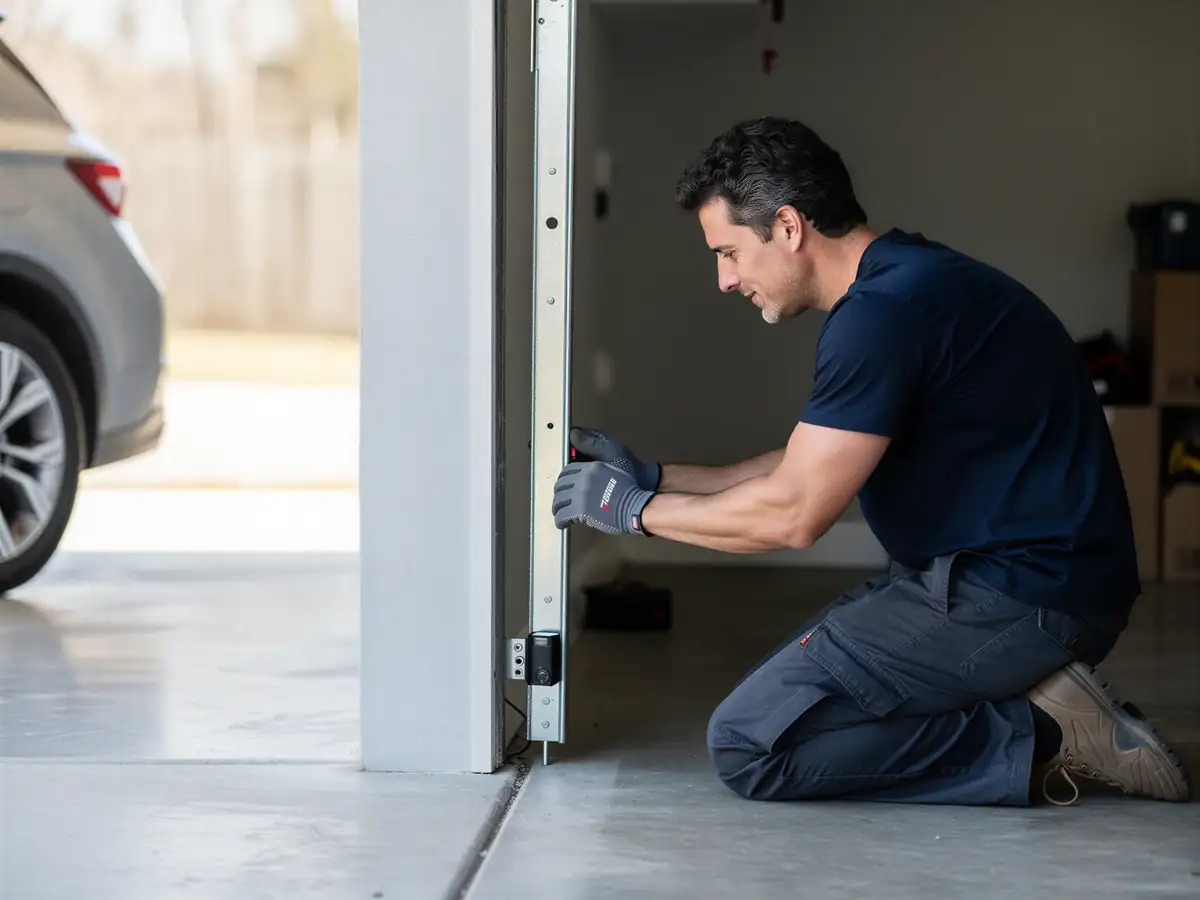
We start with what's original. In a town built out mostly in the mid-1960s, that usually means checking torsion spring wind count against door weight, inspecting the drum cones for rust pitting, and testing cable fray at the bottom bracket before anything else. From there it's lubrication of rollers and hinges, track alignment, and an opener safety reversal test - the sensor check that a lot of older installs never had to begin with, since photoelectric eyes weren't standard when these doors went in. If hardware is sound, we service it and move on. If a part is past the point where lubrication helps - a spring with visible gaps between coils, a roller with a flat spot - we replace that piece rather than service around it. One thing we won't do is recommend a full hardware overhaul on a door that's structurally fine just because it's original; original doesn't mean failing, and a lot of 1960s steel is still doing its job.