Stocked Parts
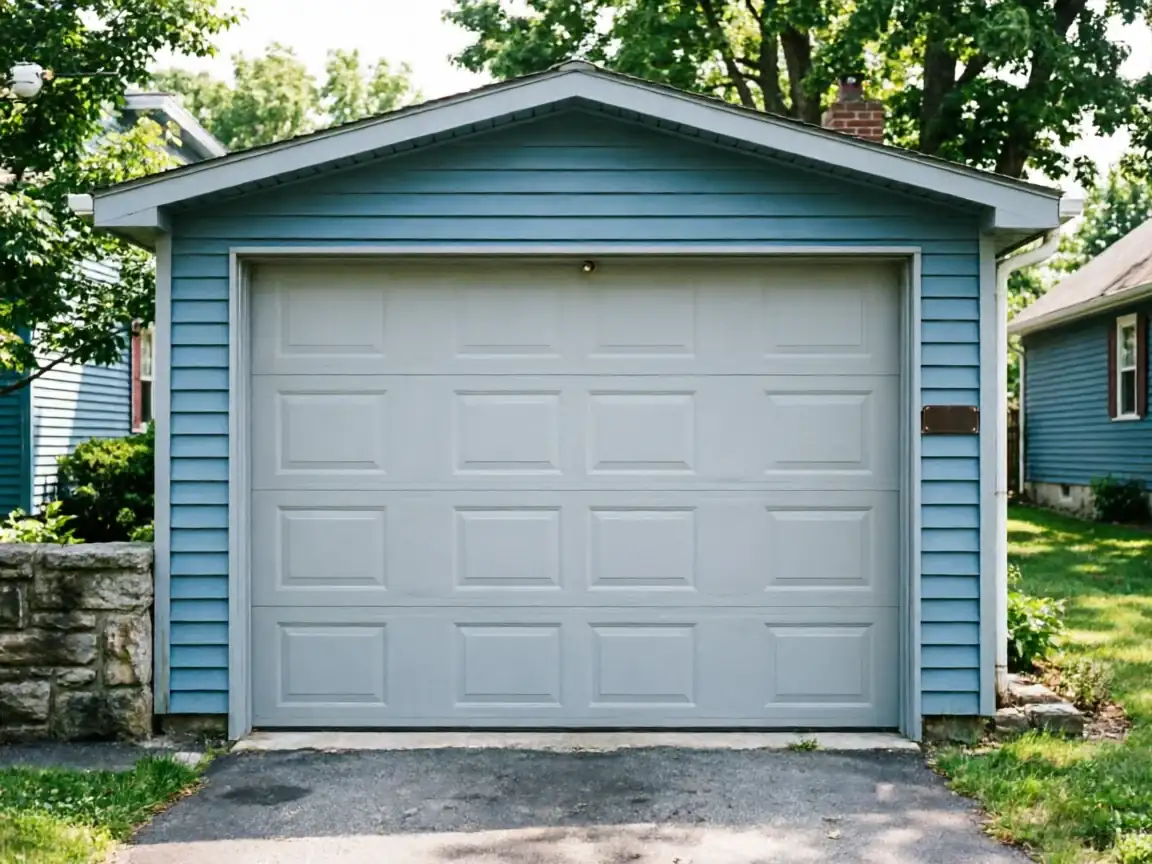
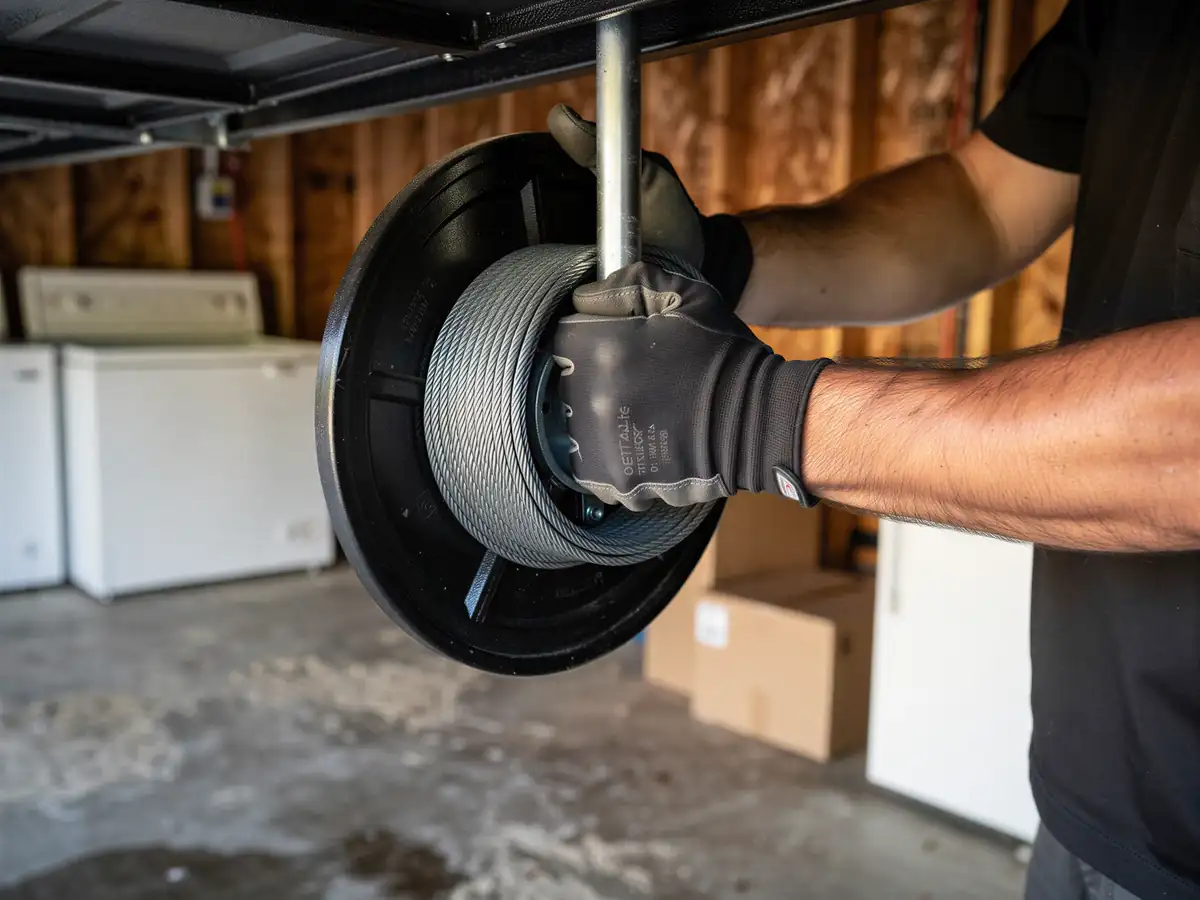
Lexington sits four miles from our shop in Waltham, close enough that we don't pad a quote with drive time the way a company coming from across the region would. That matters here because most of the houses we get called to were built around 1964, right in the middle of the broader 1938-1993 range we see across the service area. A door from that era is usually on torsion hardware that was sized for a heavier wood panel than what's on the house now, or a steel replacement door hung on the original track without updating the drum. We carry torsion springs in the sizes that match 1960s builders' hardware, standard-width rollers, and the cable gauge those openers actually need, because showing up without the right spring on a cold morning means a second trip, and a second trip is wasted time for both of us.
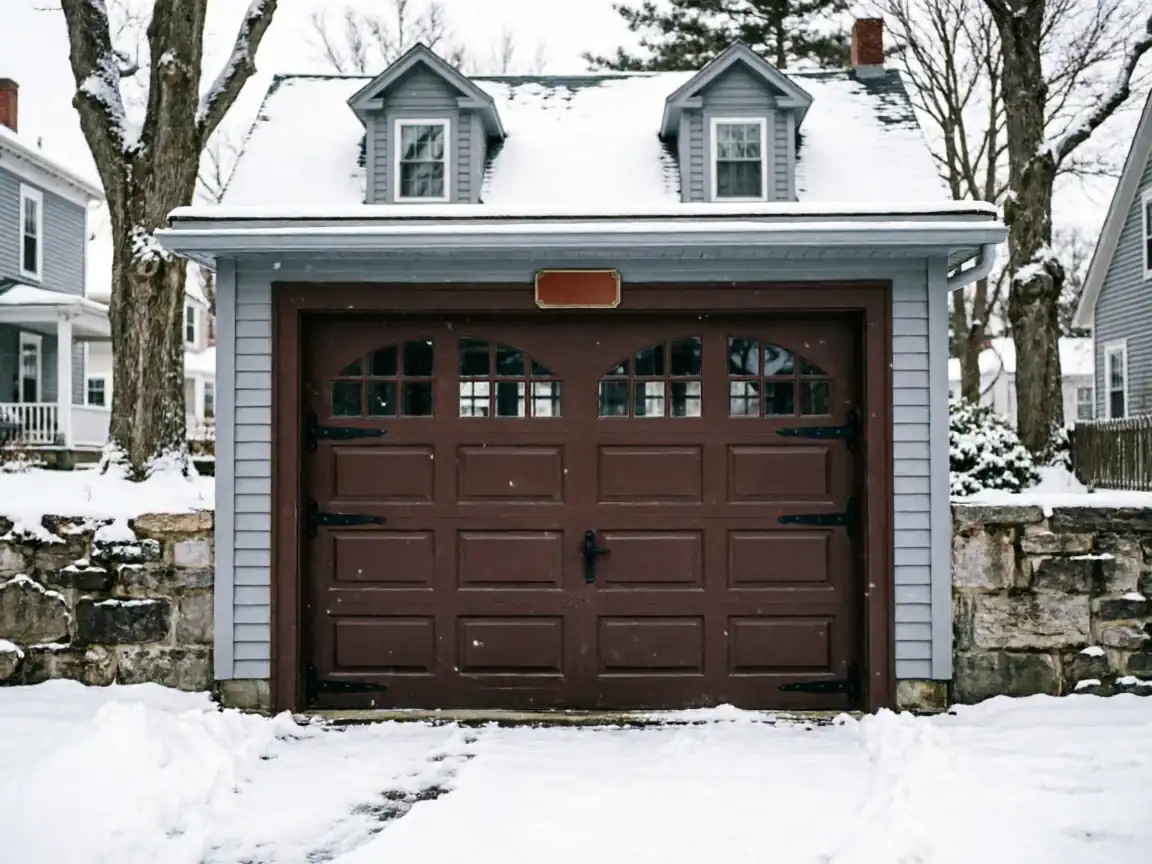
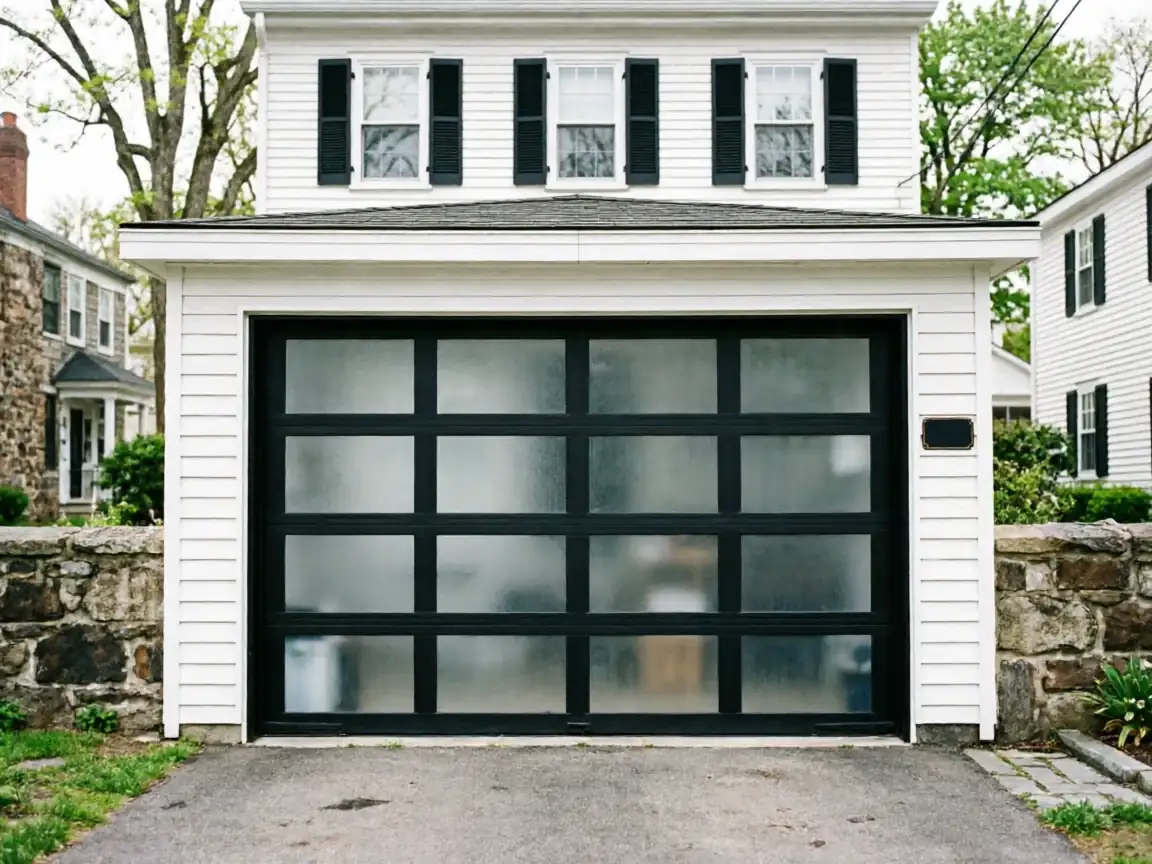
What we don't stock is anything custom to a high-end architectural door - wide glass-panel doors or oversized carriage doors need a special order, and we'll tell you that on the phone before we drive out, not after we're standing in your driveway.
How Long It Takes
A broken spring or a cable off the drum on a standard double door is a same-visit fix once we're on site
We bring the stock for that. The four miles from Waltham means we're not burning half the appointment window just getting here, which keeps the visit itself the long part of the job rather than the drive. Opener boards and circuit issues sometimes take a second look if the part has to be ordered, since we don't keep every control board for every brand on the truck.
Winters here are the real driver of urgency
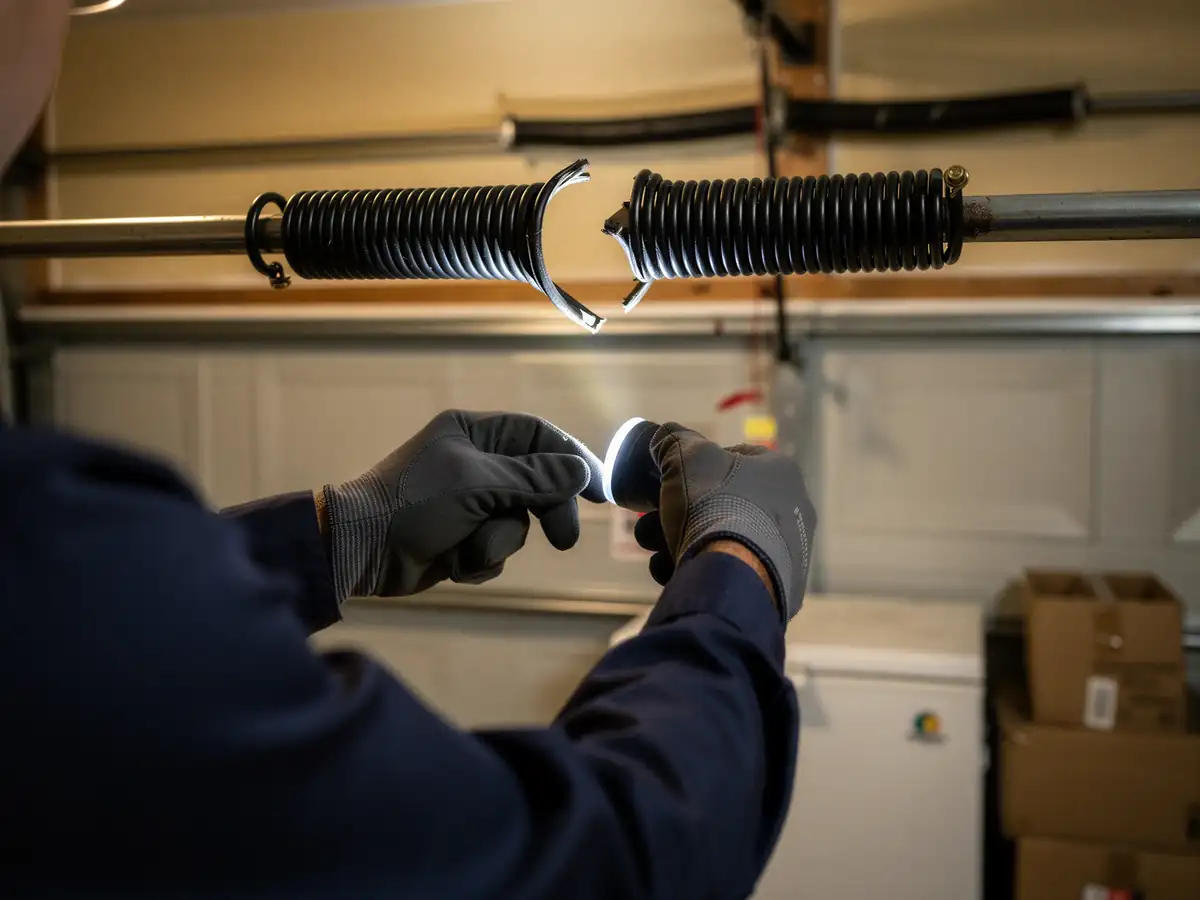
Cold-climate stress on steel torsion springs is a known failure pattern, and a spring that's been flexing since the house was built in the mid-1960s is well past the point where cold weather is doing it any favors. If your door won't open on a sub-freezing morning, that's usually a spring that finally gave, not an opener problem, and it's worth saying that plainly before you spend money chasing the wrong part.
What You Pay
We don't post a flat number here because spring size, panel weight, and whether the track needs realignment all change the bill, and guessing at a price before we've seen the door does nobody any favors. What we can say is that Lexington's housing stock, built mostly in the 1960s, tends to need spring and hardware work rather than full opener replacement, since the doors themselves were built heavier and the openers on them have often already been swapped out once by a previous owner.
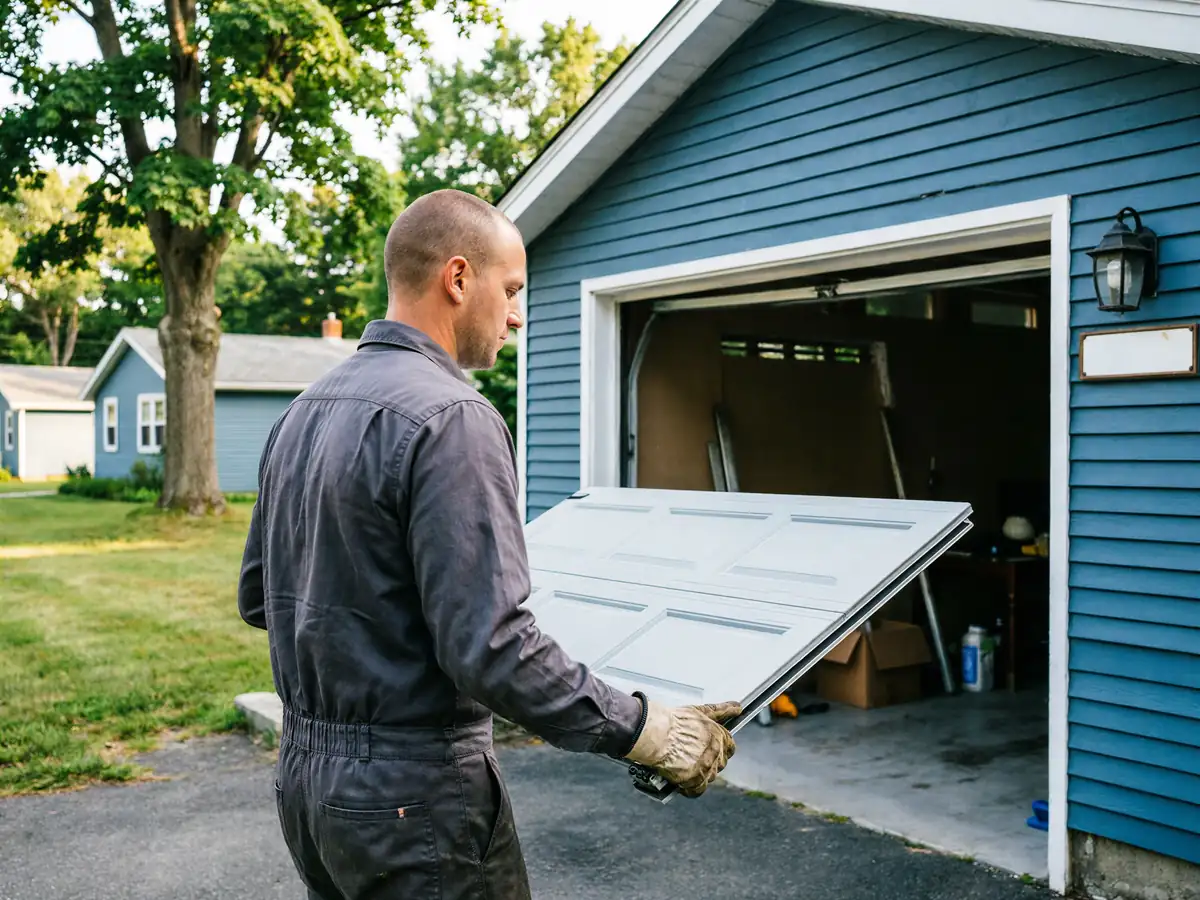
We quote the job on site before we start, not after. If a repair is going to cost close to what a new door section runs, we say so - replacing a cracked or badly dented panel from that era sometimes makes more sense than patching it, especially if the matching panel isn't made anymore.
How We Fix It
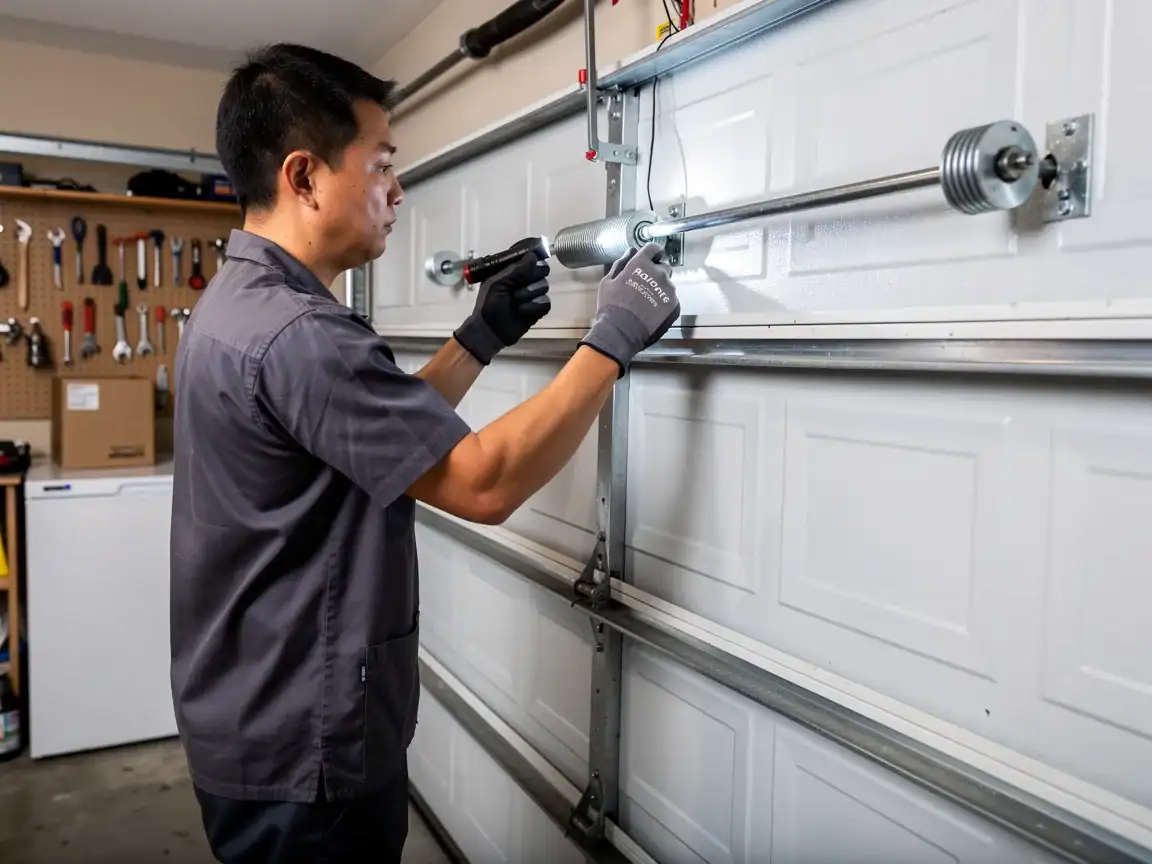
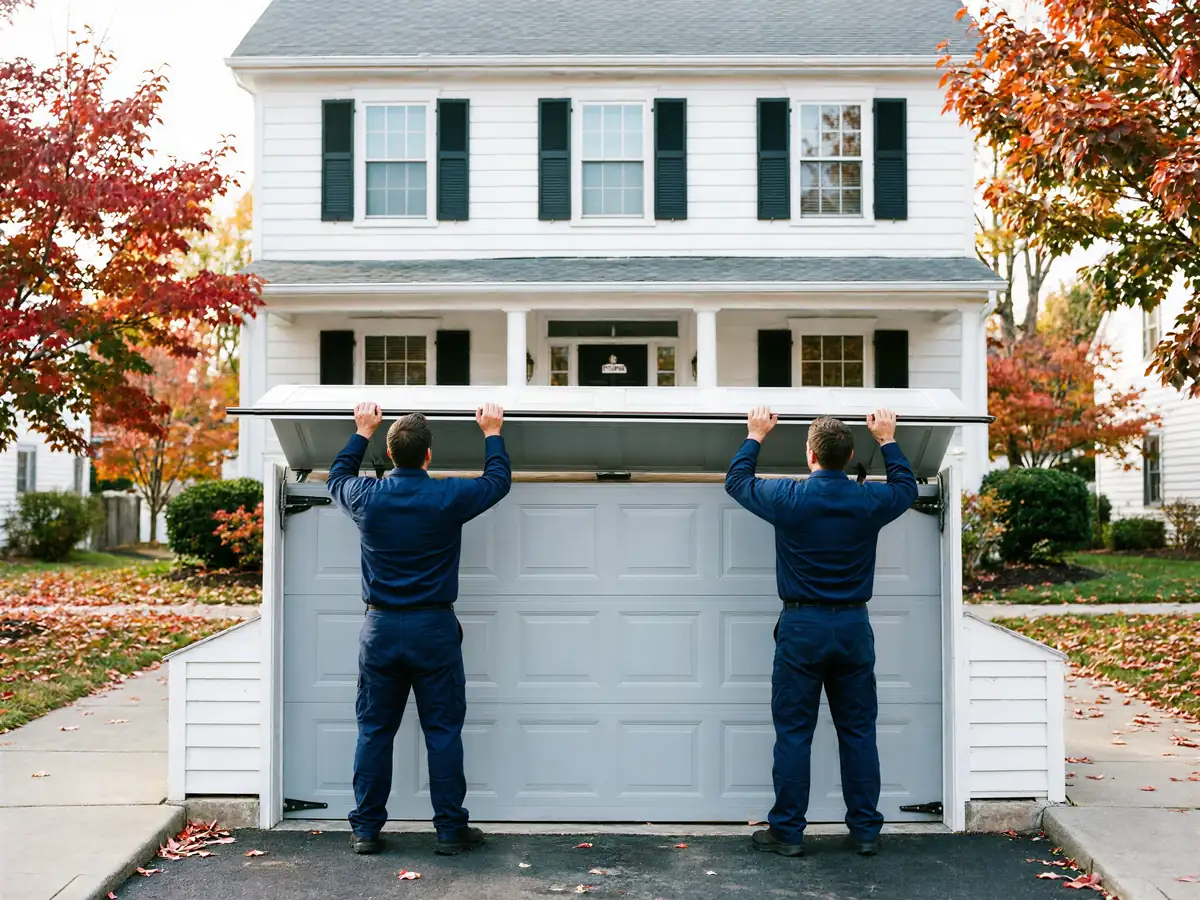
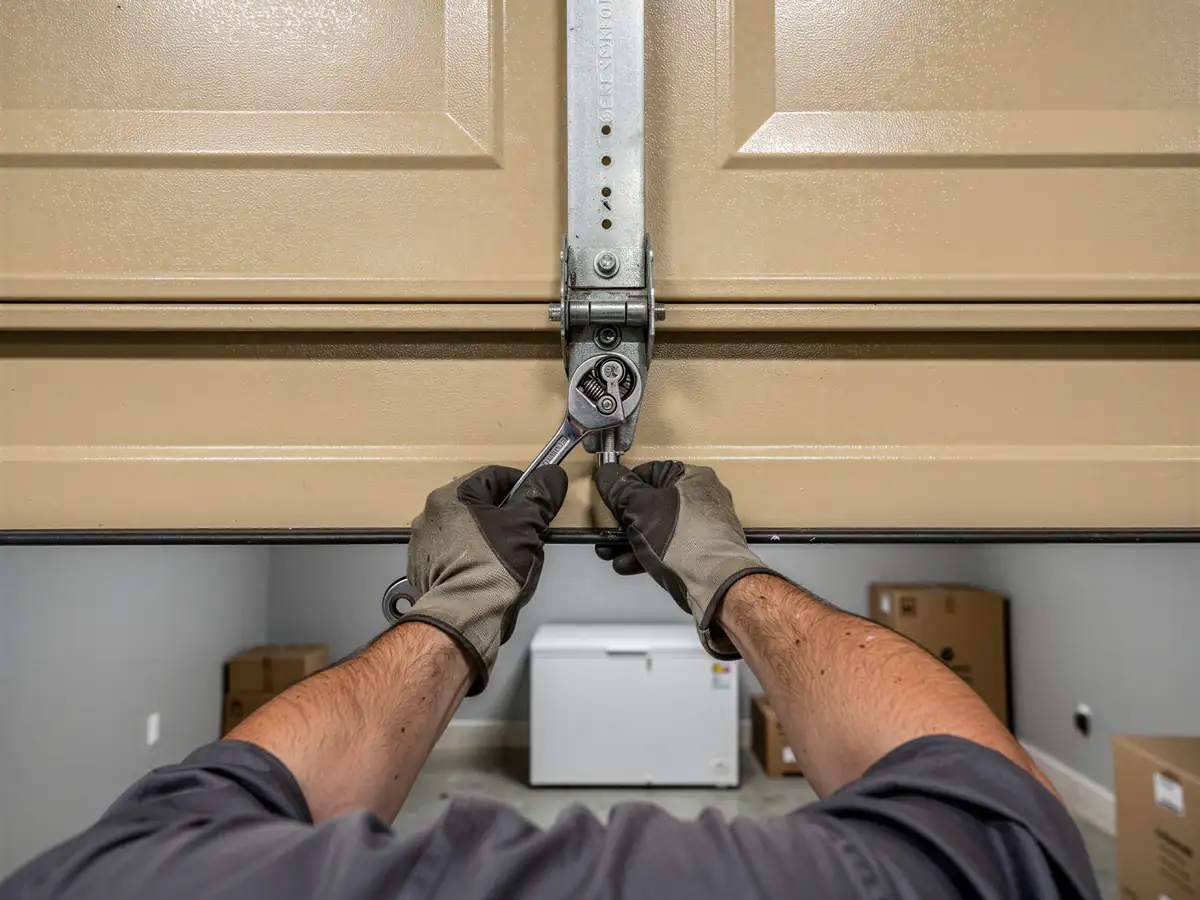
On a torsion spring job, we unload tension carefully, swap the spring for the correct wind and size, and recheck the balance of the door before we leave - a door that isn't balanced puts the new spring right back under the kind of load that broke the old one. For cable and roller wear, common on doors running since the 1960s on original track, we replace what's worn and true up the track rather than just bolting on new parts around a bent rail.
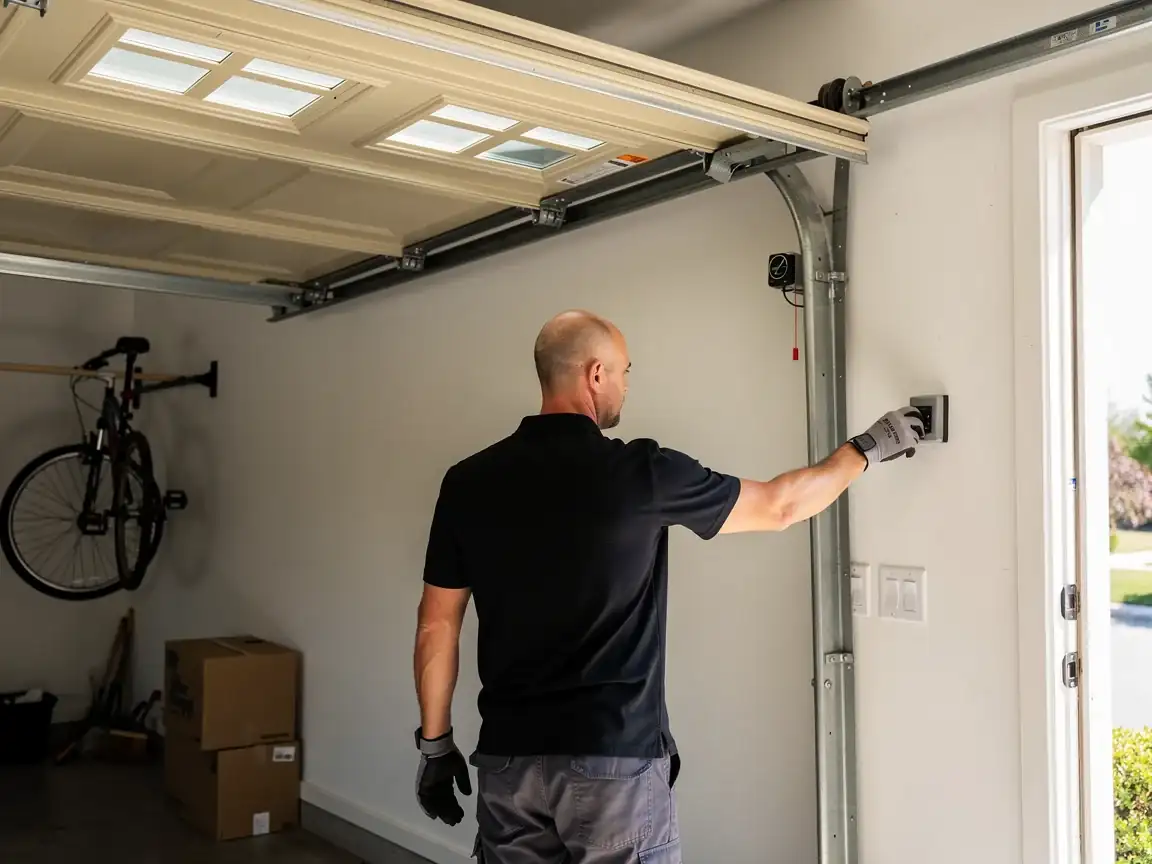
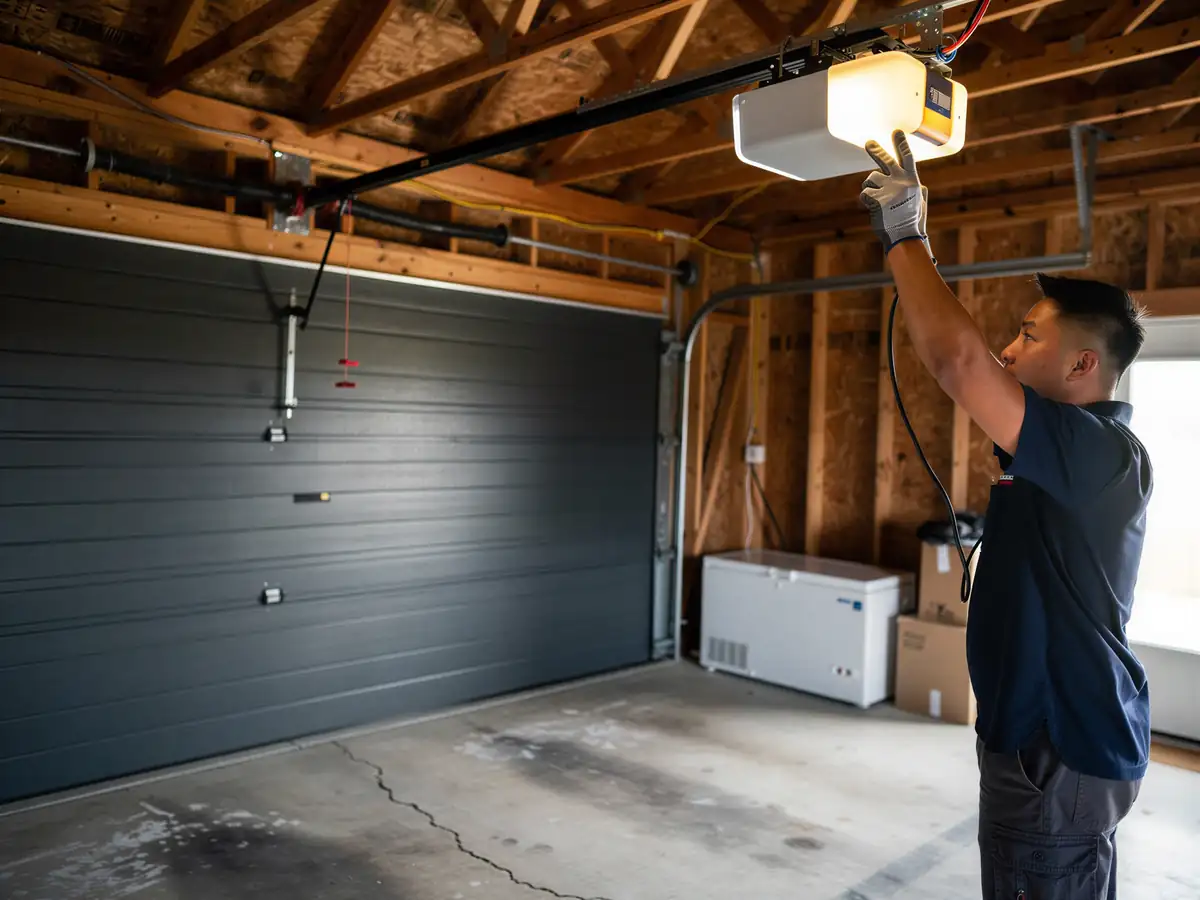
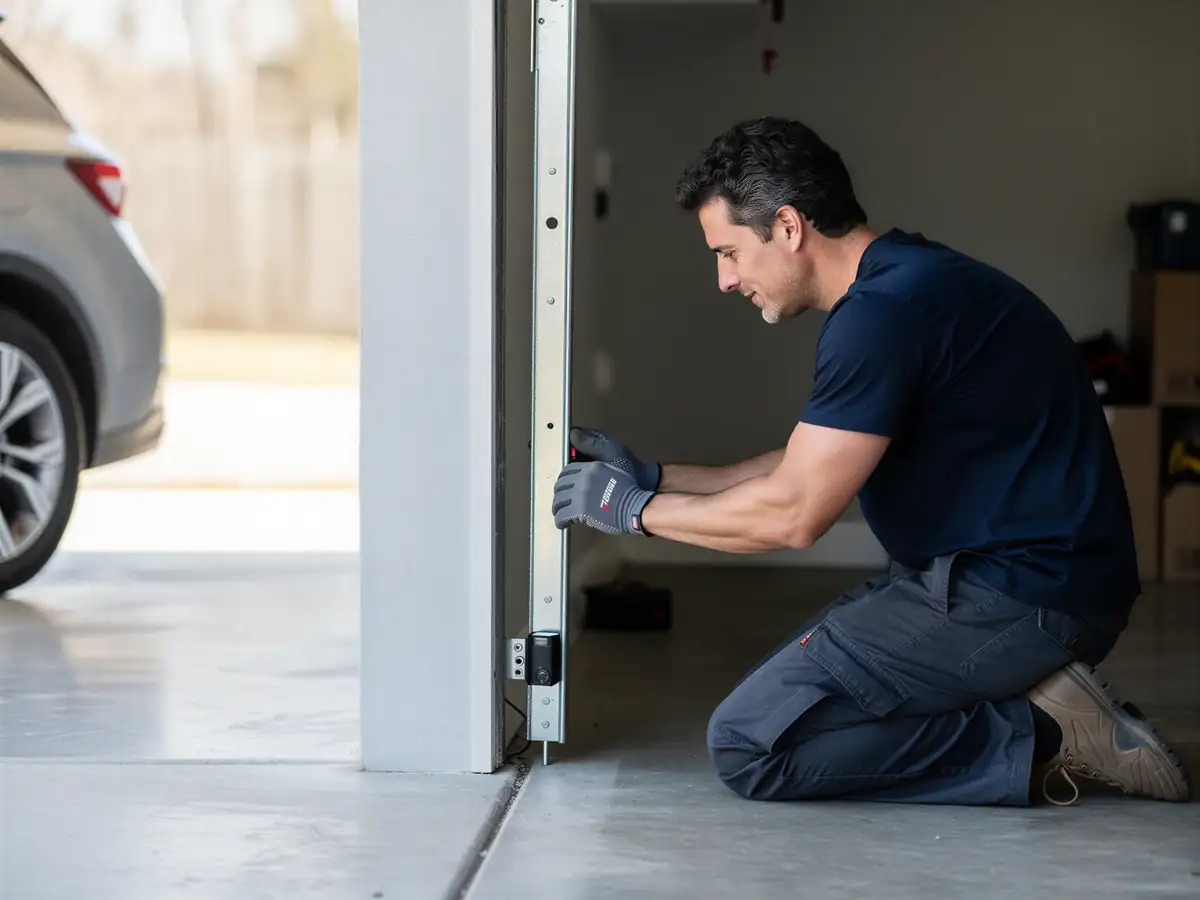
We test the opener's force settings against the heavier panel weight typical of this housing stock, because a safety reversal that's set too stiff on an old wood door is a real hazard, not a minor adjustment. Every job gets a full cycle test before we call it done - not just does the door go up, but does it stop, reverse, and hold the way it's supposed to.