Stocked Parts
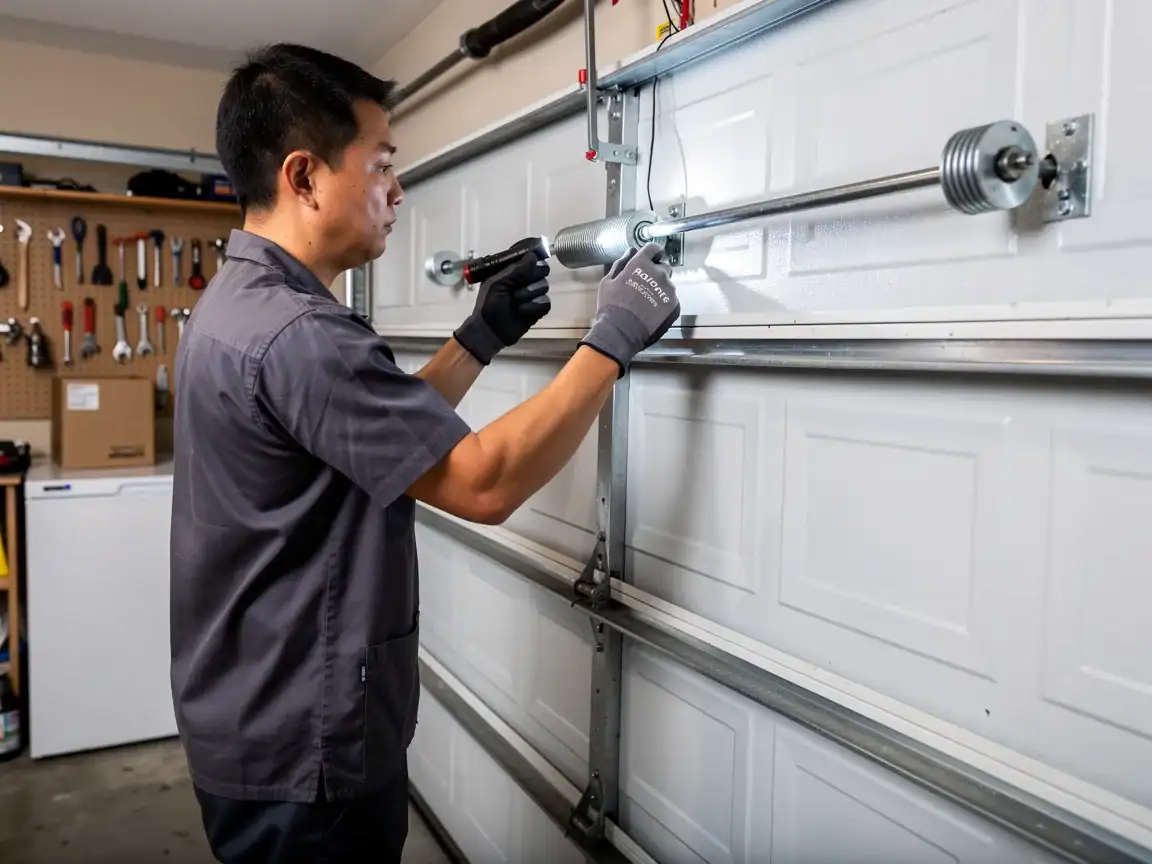
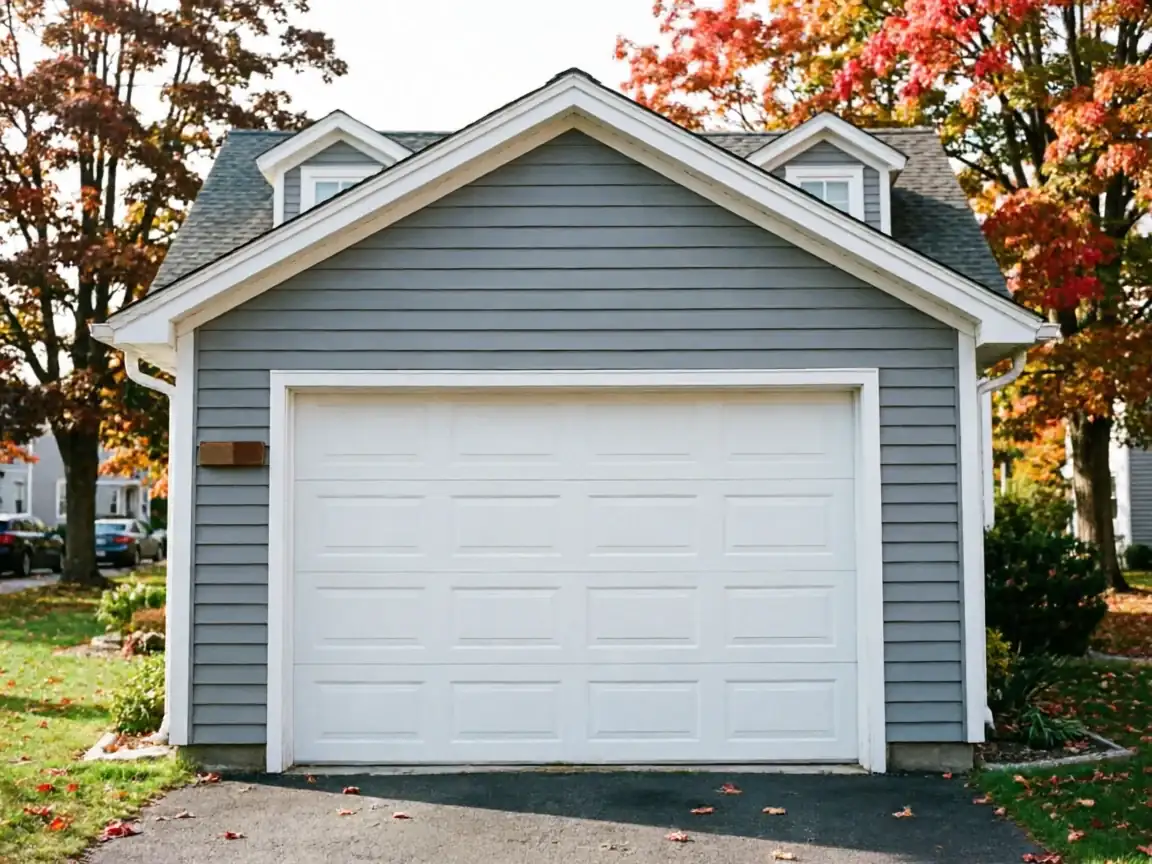
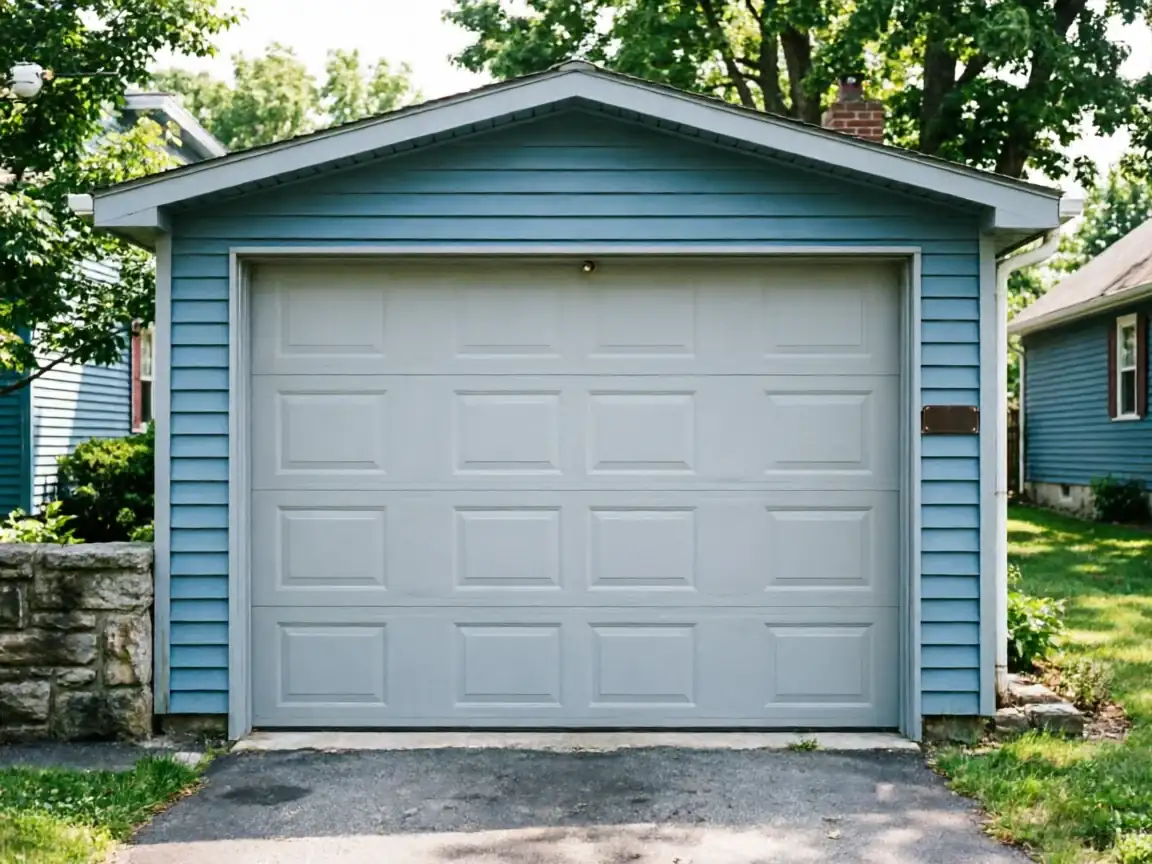
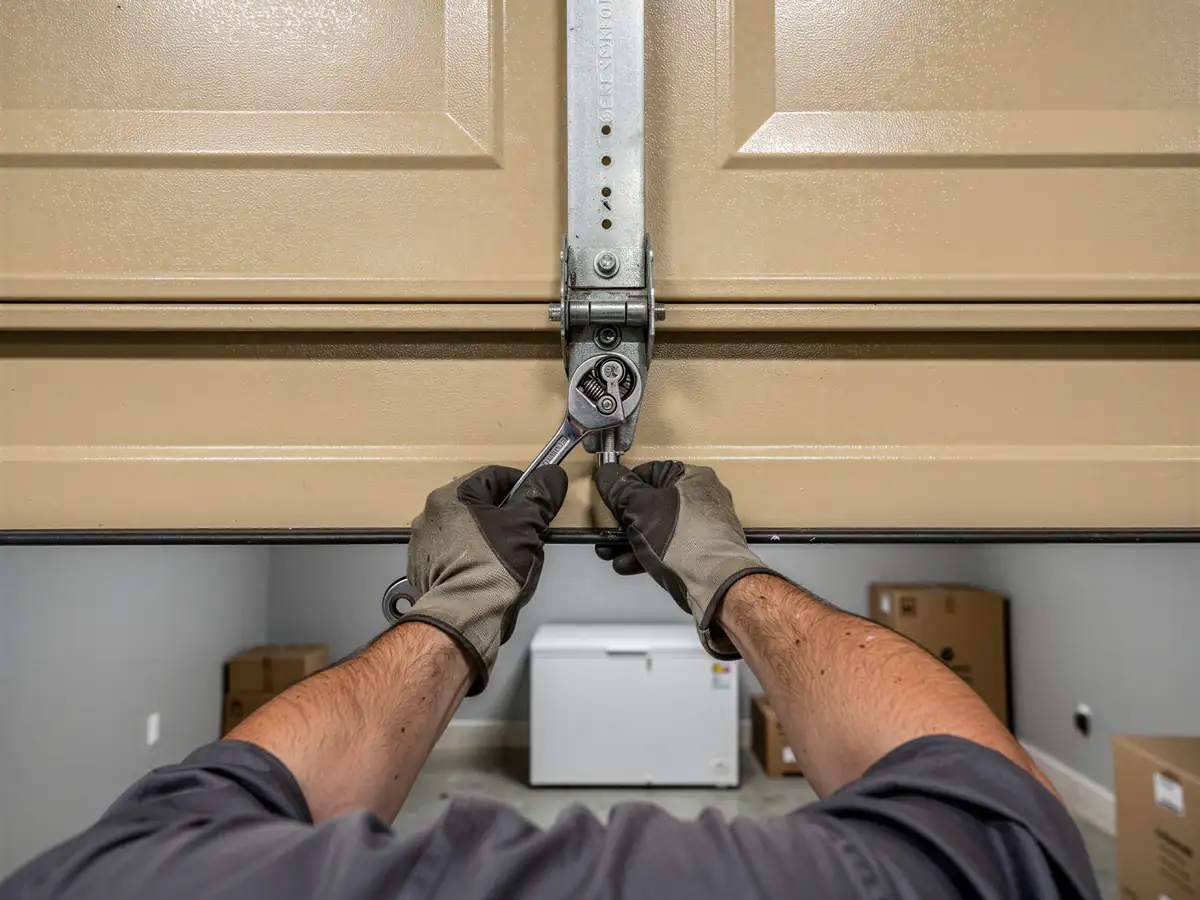
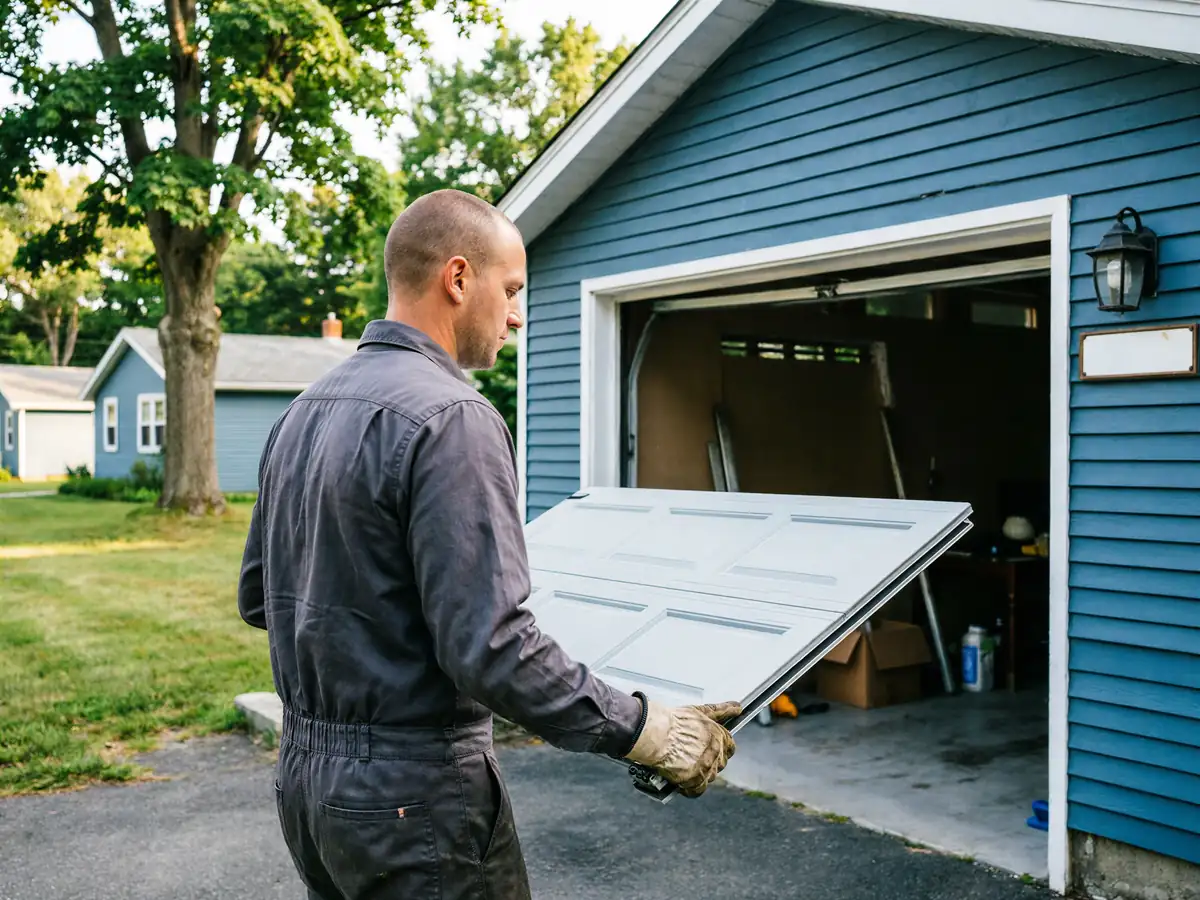
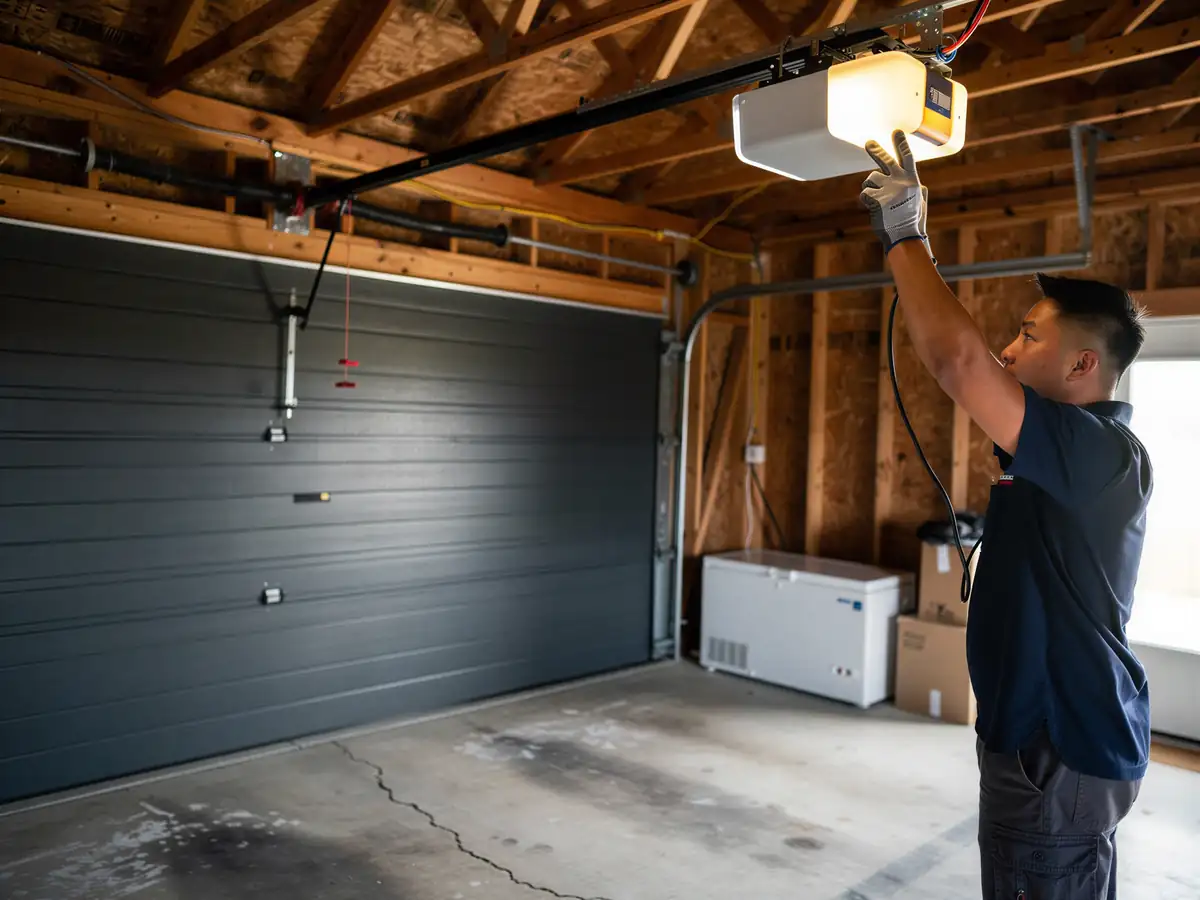
Most of the garage doors we run into in Lexington went up around 1964, when the area was filling in with the ranch and split-level houses that still make up a lot of the neighborhood. Those doors are single-layer steel, no insulation layer, hung on tracks that were never built with an opener bracket in mind. The wood jambs are often original too, which means the first job on an install isn't the opener at all - it's adding a reinforcement bracket to the top panel so the arm has something solid to pull against. We carry those brackets on the truck, along with steel reinforcement struts sized for the panel widths common on this era of door, because showing up without one means a wasted trip back to Waltham. We also stock the photo-eye safety sensor kits that these older doors never had installed to begin with - a lot of 1960s garages were wired for a bare bulb and nothing else, so the sensor run is new wiring, not a swap.</br>One thing we don't stock: openers rated for doors over the standard residential weight range. If a door's been replaced with something heavier than what the original track was built for, that's a separate conversation before an opener goes in at all.
What You Pay
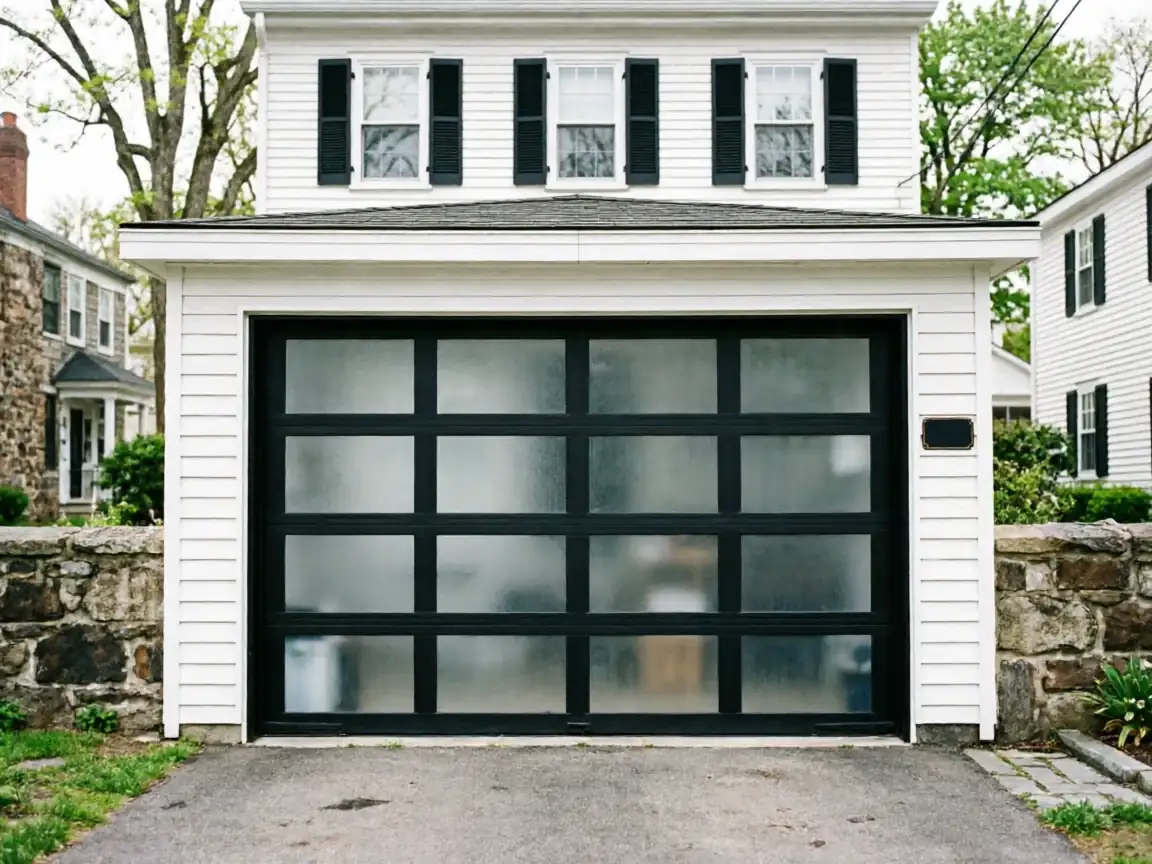
Lexington's median household income runs well above the wider service area - over $219,000 by recent figures - and we see that reflected in what people ask for: fewer bare-bones chain-drive units, more interest in the quieter belt-drive models with battery backup. We don't publish a flat rate here because the reinforcement work varies so much door to door in a town where the housing stock is uniformly older but not uniformly maintained. What we can tell you is that the bracket and strut work, when needed, is priced as its own line item, not folded invisibly into the opener cost - so you know what you're paying for the opener versus what you're paying to make the door ready for one.
How We Fix It
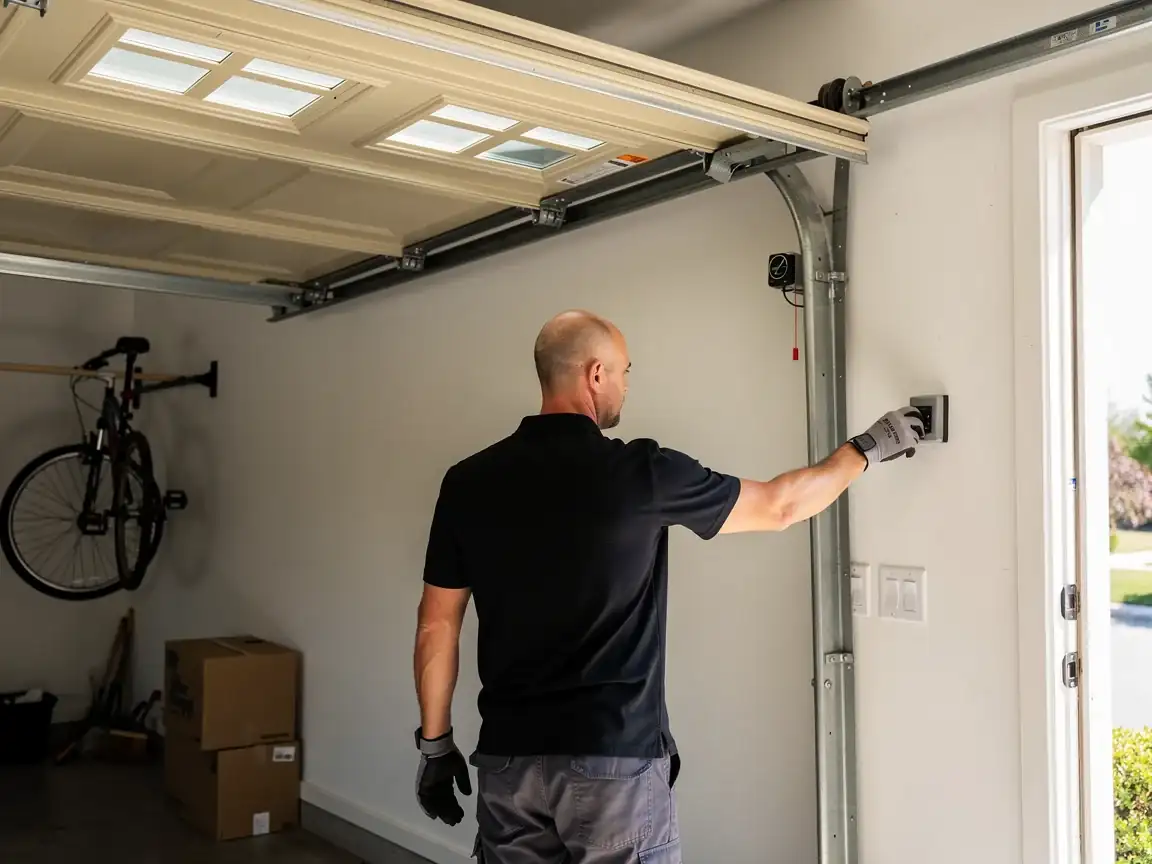
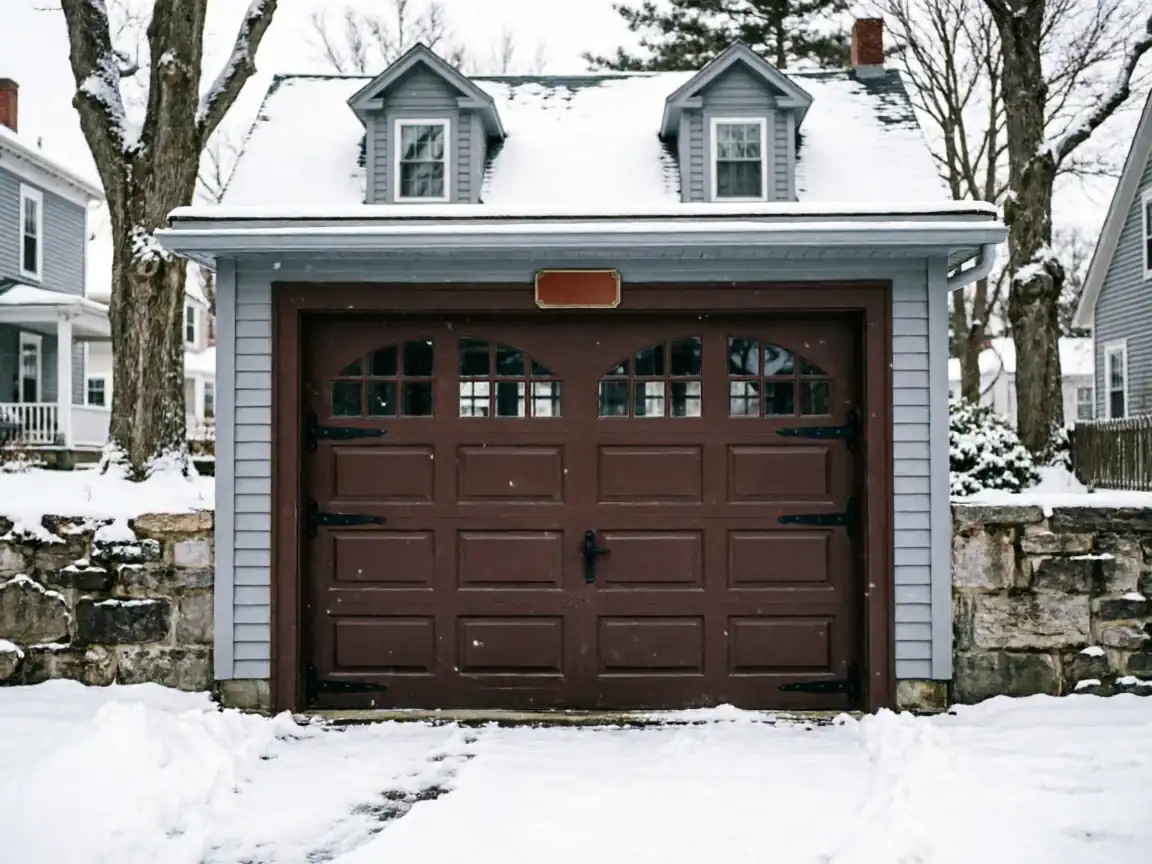
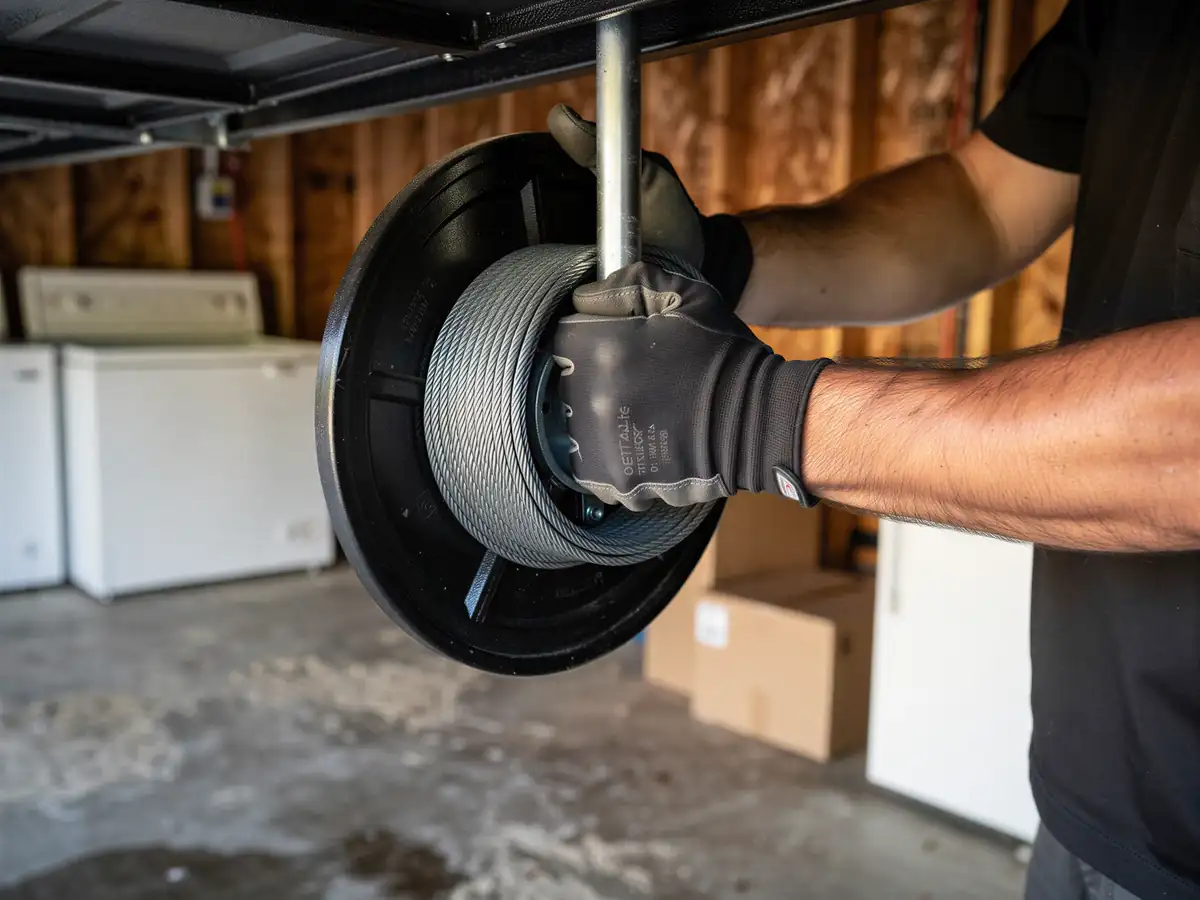
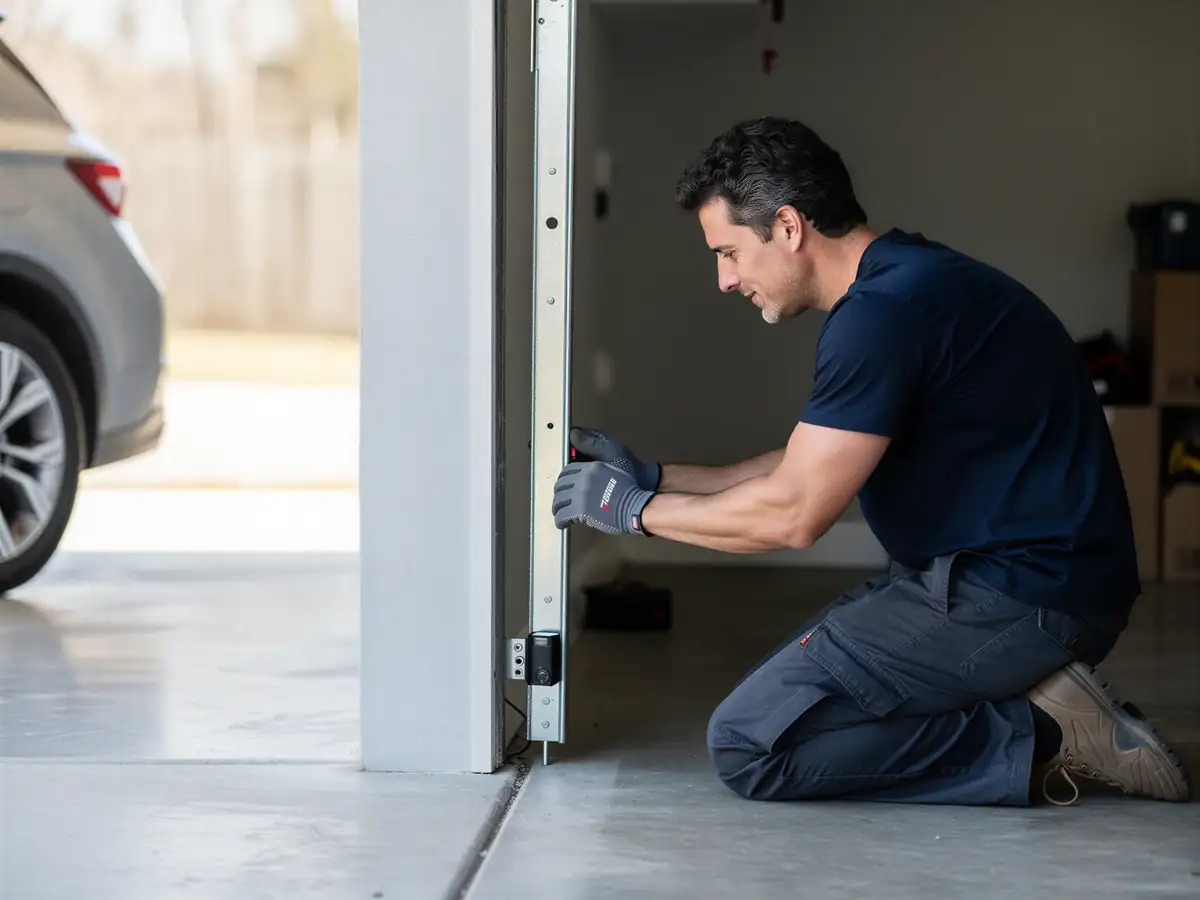
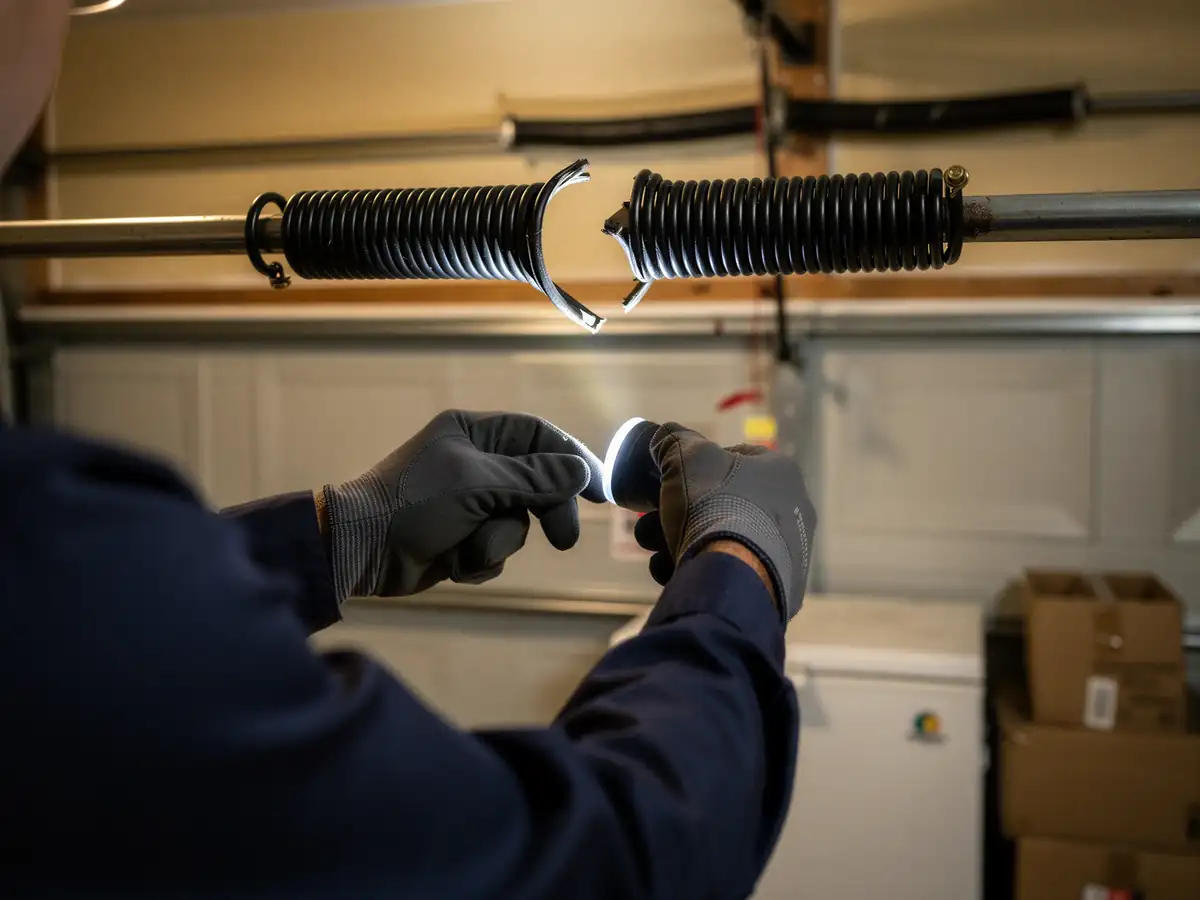
We start at the door, not the opener. On a 1964-era steel door, that means checking the top panel for flex, confirming the track is still square, and deciding whether the existing hardware can take an opener arm or needs the strut added first. Cold-climate swings here are hard on old steel - a door that racks or binds in freezing weather usually has a spring or track problem that an opener won't fix and will actually make worse, since the opener will keep straining against it. If that's what we find, we say so before touching the opener, even though it means more work for the homeowner to schedule, not less. Once the door itself checks out, the install is the straightforward part: mount the rail, set the reinforcement bracket, wire the wall control and safety sensors, and run the travel limits so the door reverses properly on an obstruction - required on anything we touch, not optional.