Stocked Parts
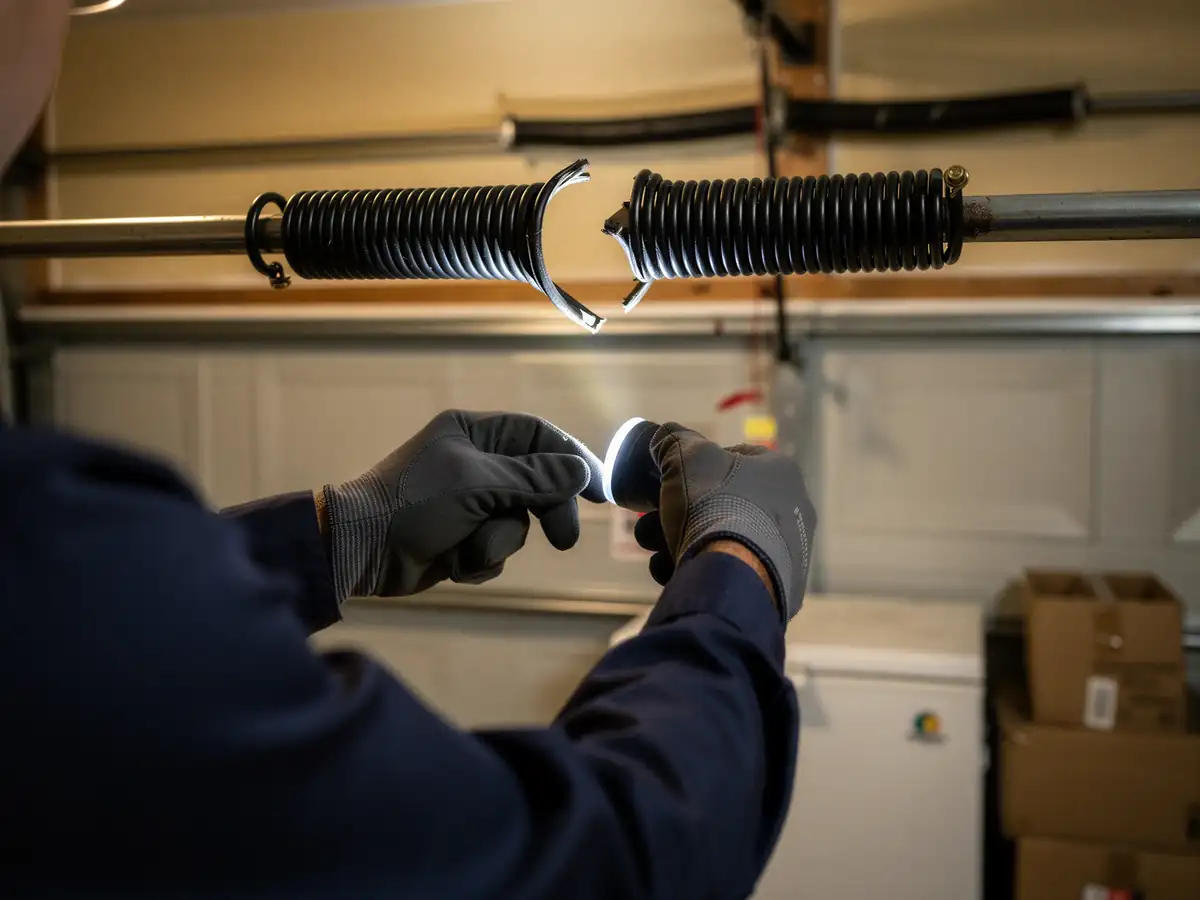
The call we get most from Lexington is a torsion spring that let go on a cold morning, usually on a door that's never been touched since the house went up. With a median build year of 1964, a lot of these homes still carry their original hardware, or a close replacement from decades back, on side-mounted torsion setups that newer production doors don't use anymore. That's a different parts bin than what you'd grab for a house built in 2005.
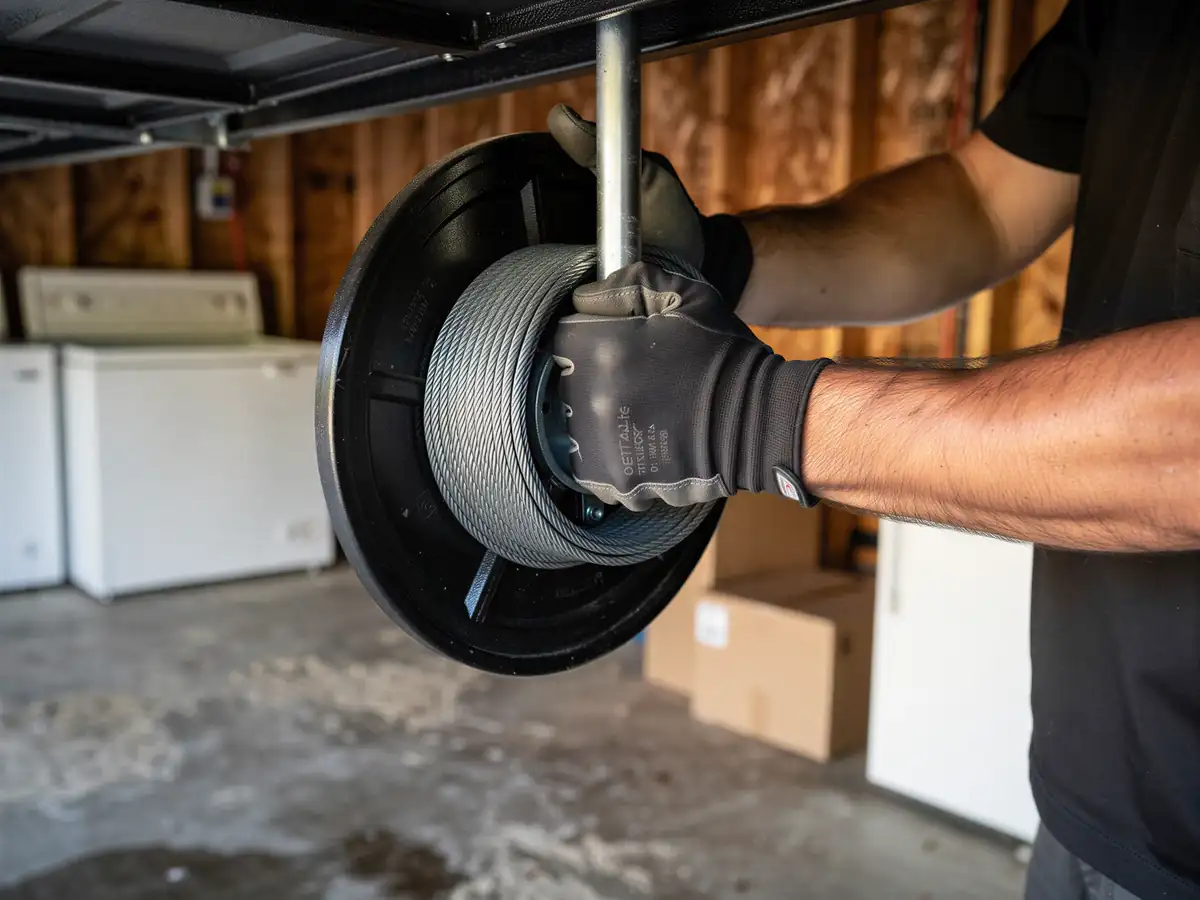
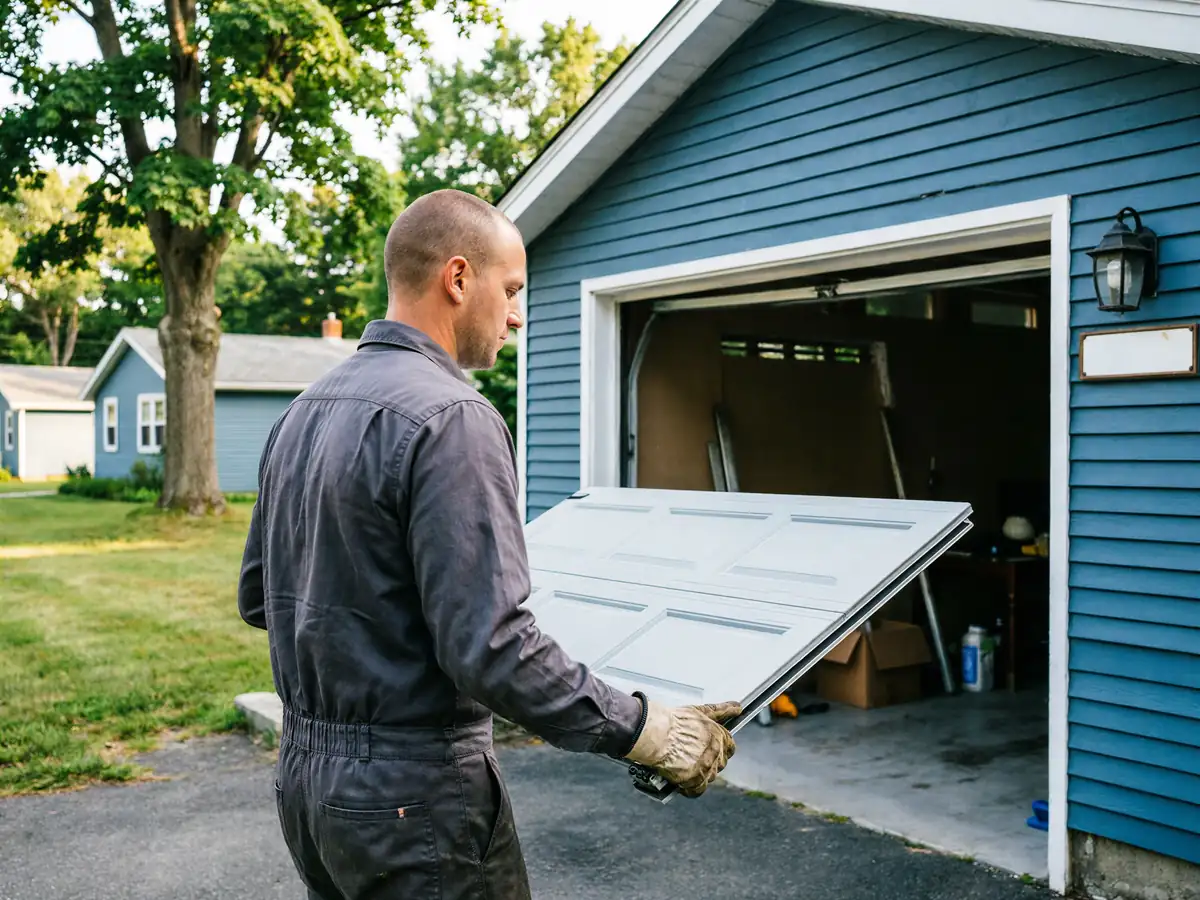
We carry the torsion springs, galvanized lift cables, and the odd-sized rollers that fit this era of door because the wider service area we cover runs mostly 1960s and 70s stock. What we don't carry on the truck is a replacement panel matched to a specific 1960s steel door profile that's been discontinued for years - those sometimes need to be ordered, and that's the one thing that can turn a same-visit fix into a two-part job. We'll tell you straight if that's what you're looking at instead of pretending we can match it on the spot.
How Long It Takes
We work out of Waltham, four miles from Lexington
So the drive itself isn't the long part of the job. The spring swap or cable replacement on a standard single or double door, once we're on site with the right torsion spring in hand, is usually the quick part of the visit.
What takes longer in this town is diagnosis on doors that have had a few different hands on them over sixty years
A repair here, a replacement opener there, none of it matched to the original hardware. We'd rather spend ten extra minutes confirming the spring size and drum setup than put the wrong-rated spring on a door and have it back open in six months. If the opener itself has failed rather than the spring, that's a separate check, and we won't guess at it over the phone.
What You Pay
We don't post a flat number here because spring weight, drum size, and whether the cable or the opener board also needs replacing all change the bill, and guessing a price before we've seen the door does nobody any favors. What we can tell you is that households in this town carry a median income well above the wider area we serve, and we see that reflected less in haggling over the repair and more in homeowners asking us straight out whether full replacement beats patching a sixty-year-old door section by section.
That's a fair question on a house this age, and we'll give you a real answer on site rather than pushing whichever job pays more. Sometimes a $40 part gets you another decade. Sometimes the track and the opener are both worn enough that spending on parts for a door built in 1964 doesn't make sense anymore.
How We Fix It
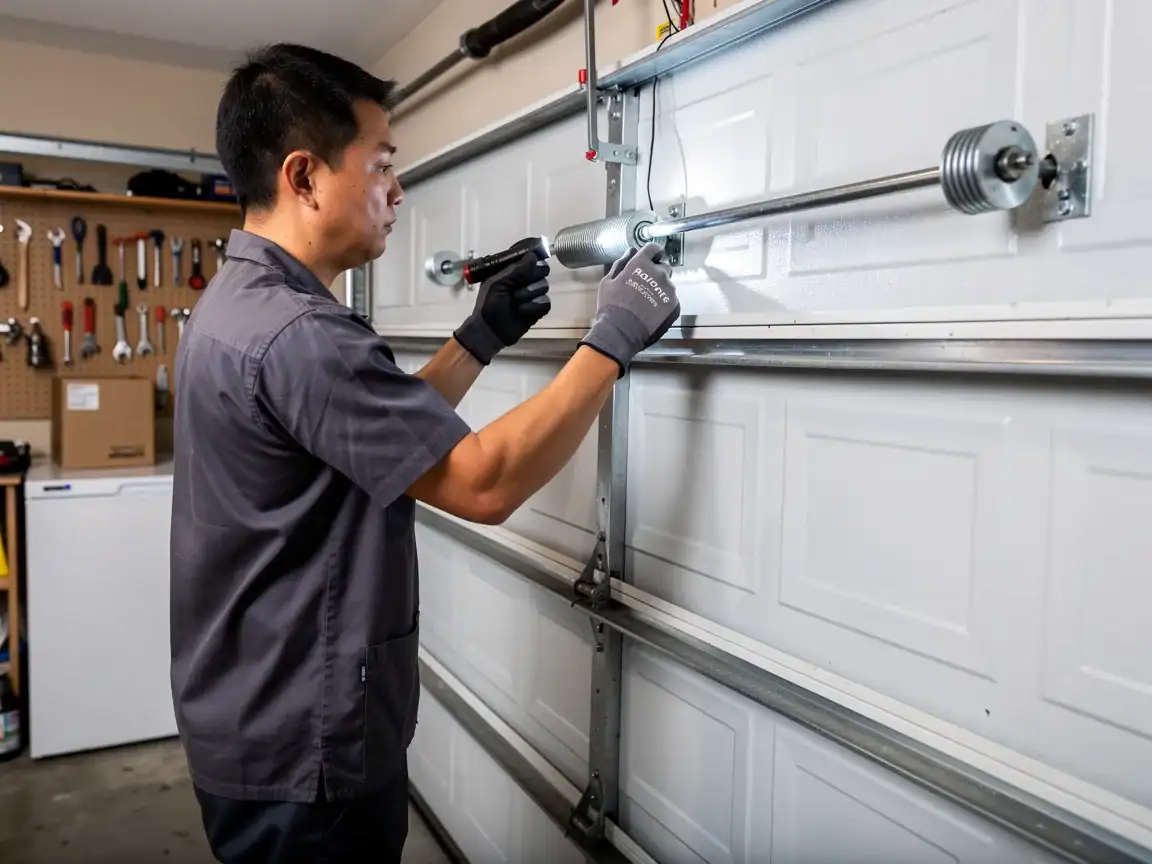
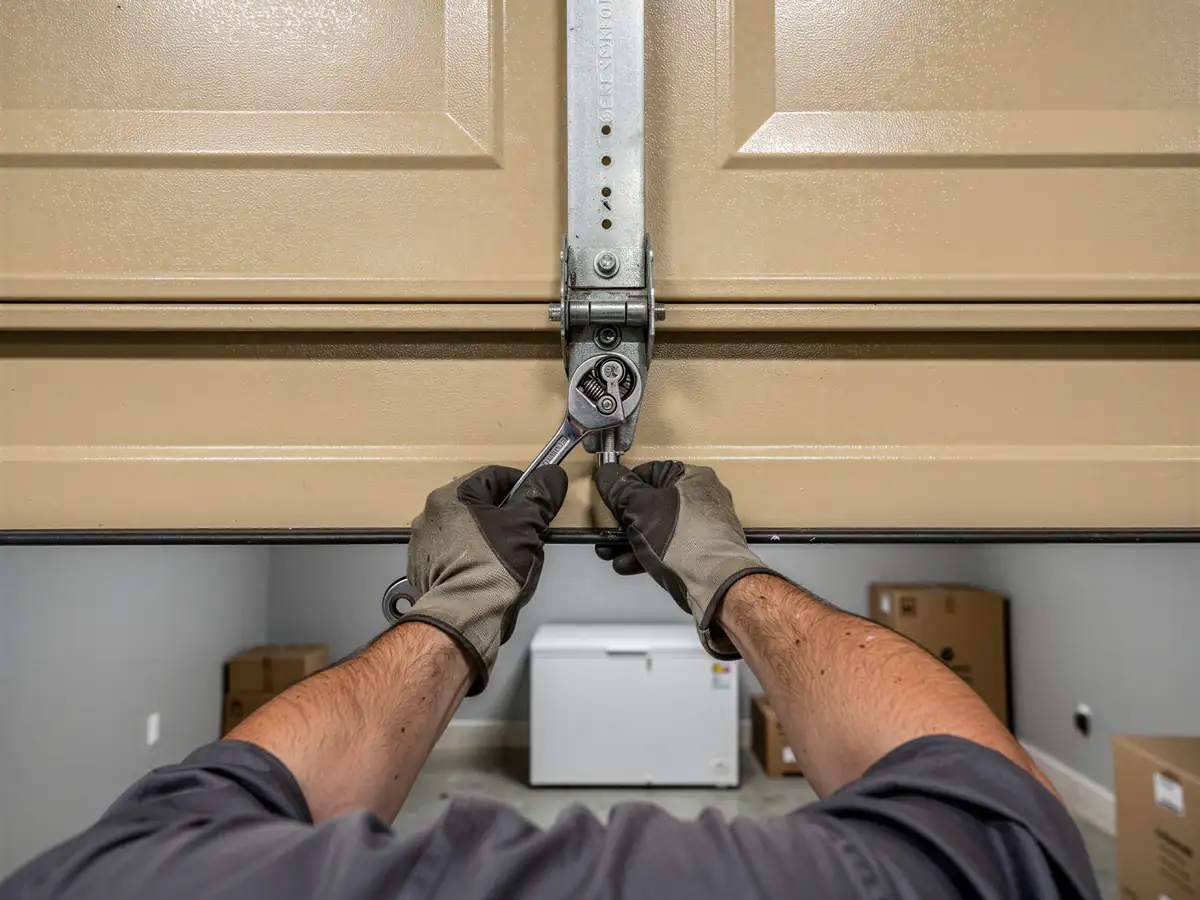
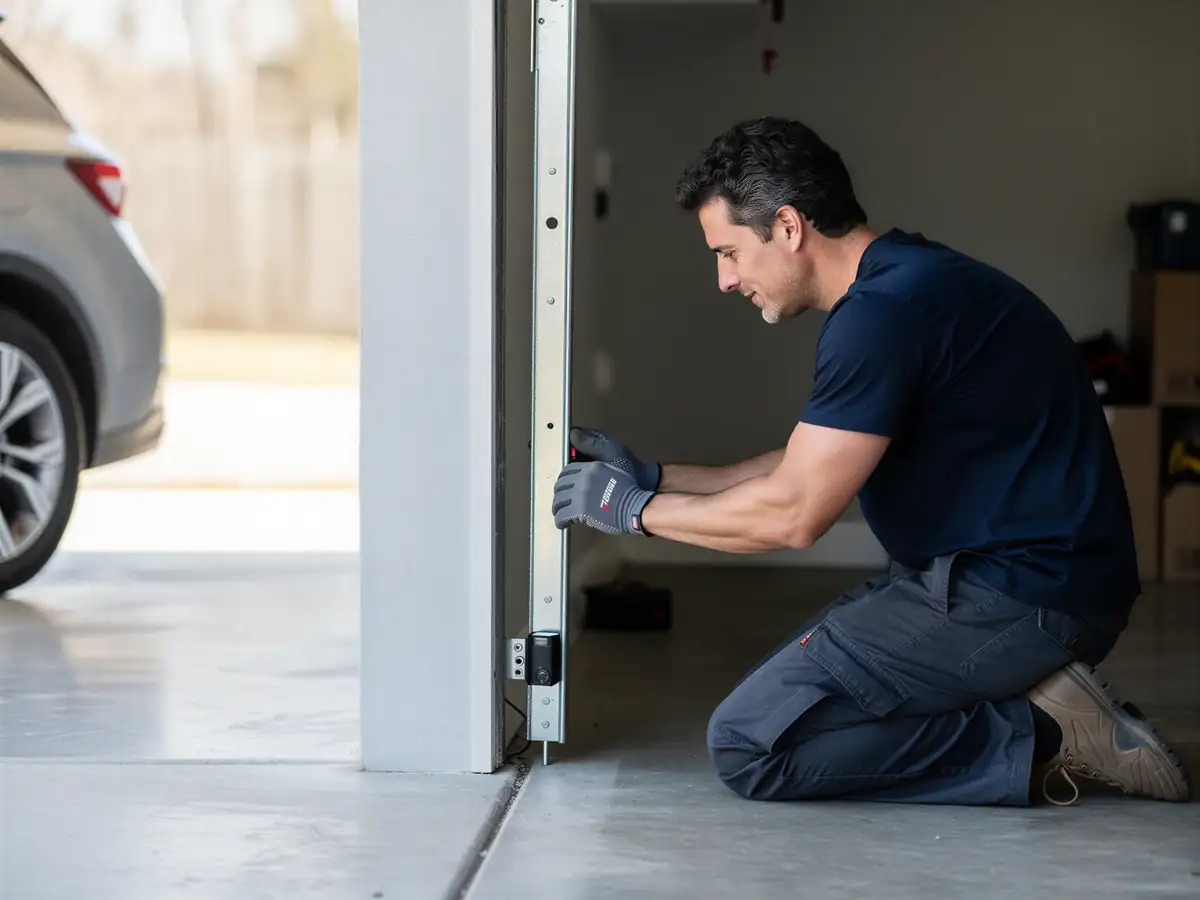
First we check the spring, the cables, and the drums, because on a door this age that's where the failure usually starts, not the opener. Original or early-replacement torsion hardware on a 1960s door wears differently than anything made in the last twenty years, and the winding cone and bearing plate often need a look even if the spring itself is the obvious break.
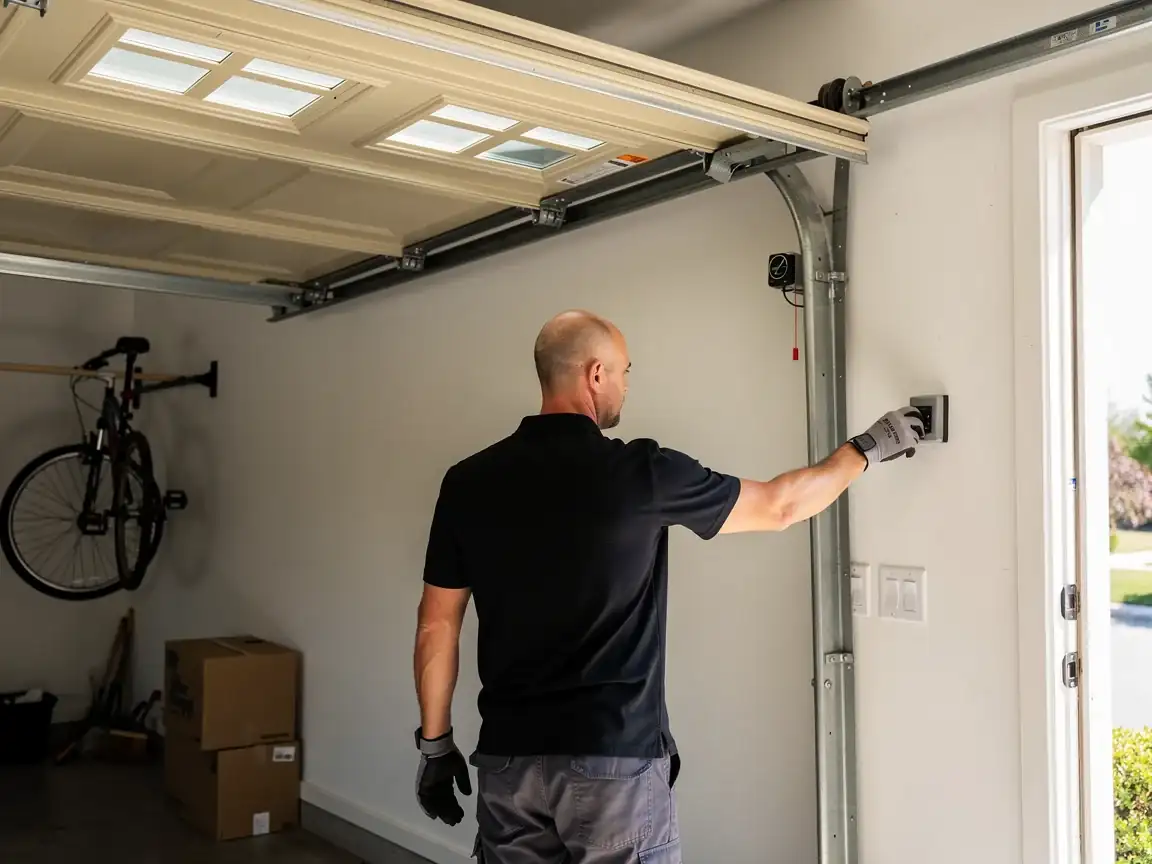
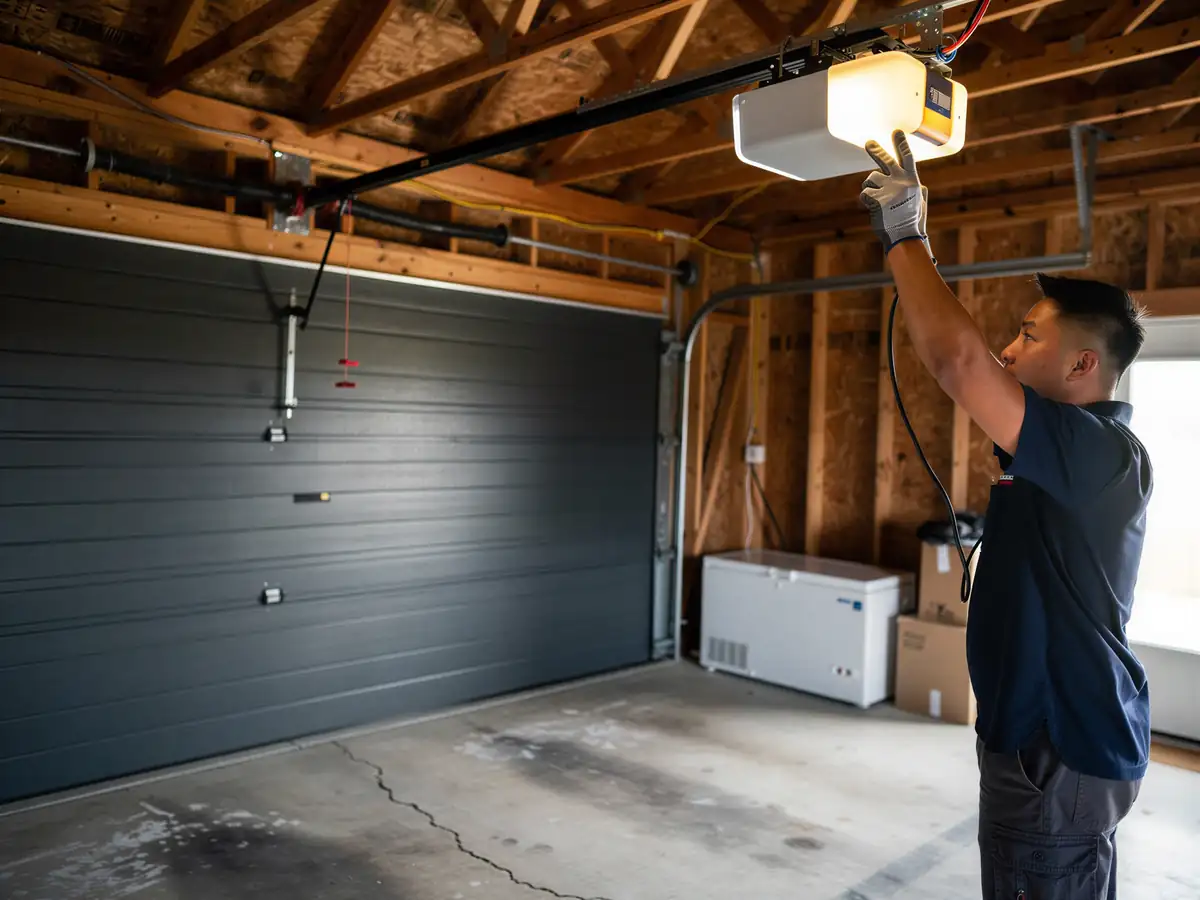
If the opener is the actual problem - a dead motor, a stripped gear - we'll say so and quote that separately rather than selling you a spring job that won't fix the real issue. Cold weather in this region stiffens old lubricant and tightens tolerances on hardware that's had sixty winters to loosen up, which is part of why these failures cluster in the colder months. We balance the door, reset the travel limits, and run it a few times before we leave, because a quick fix that comes loose in a week isn't a fix.