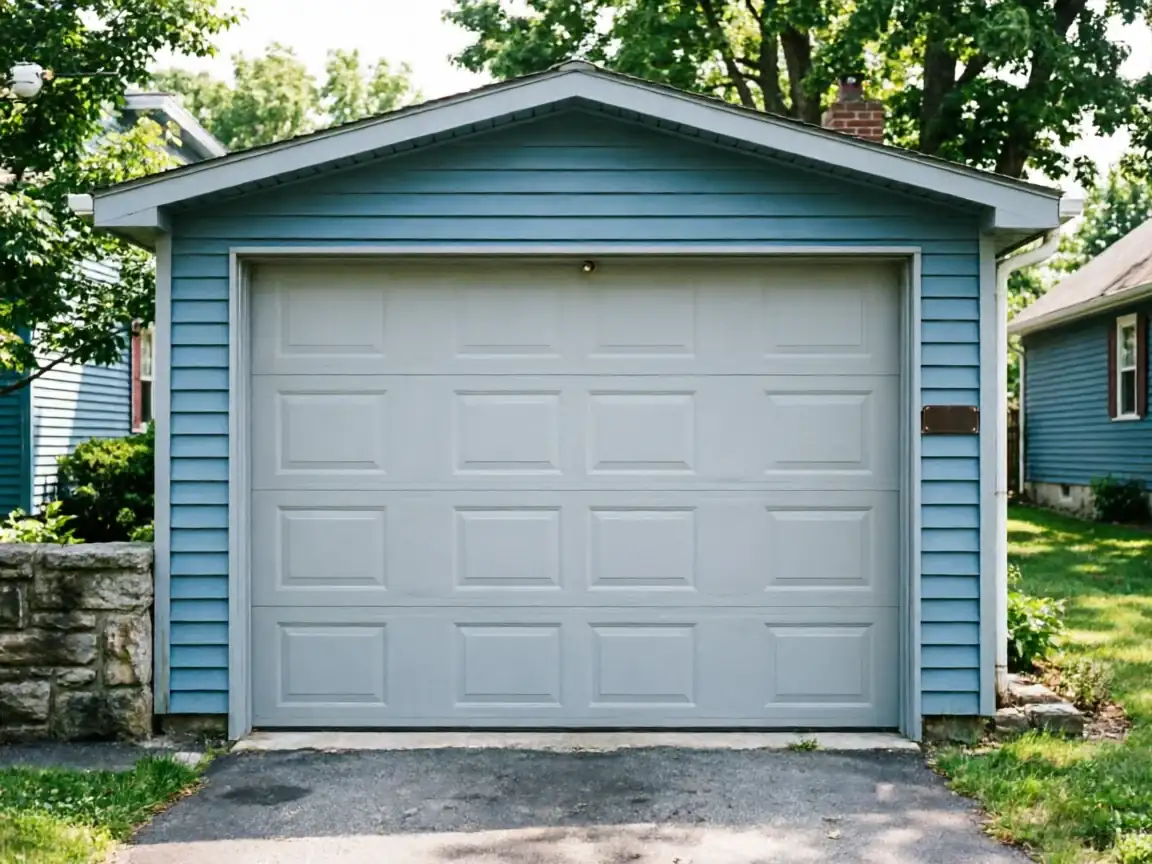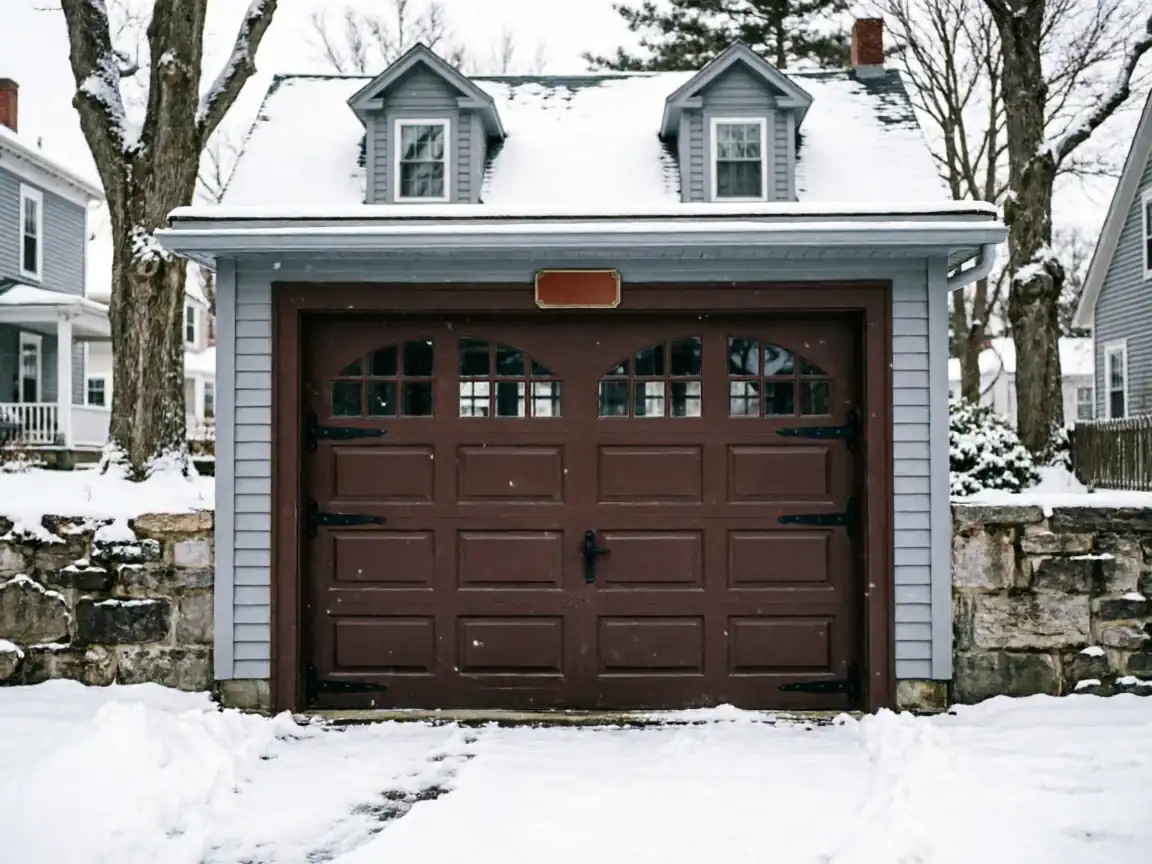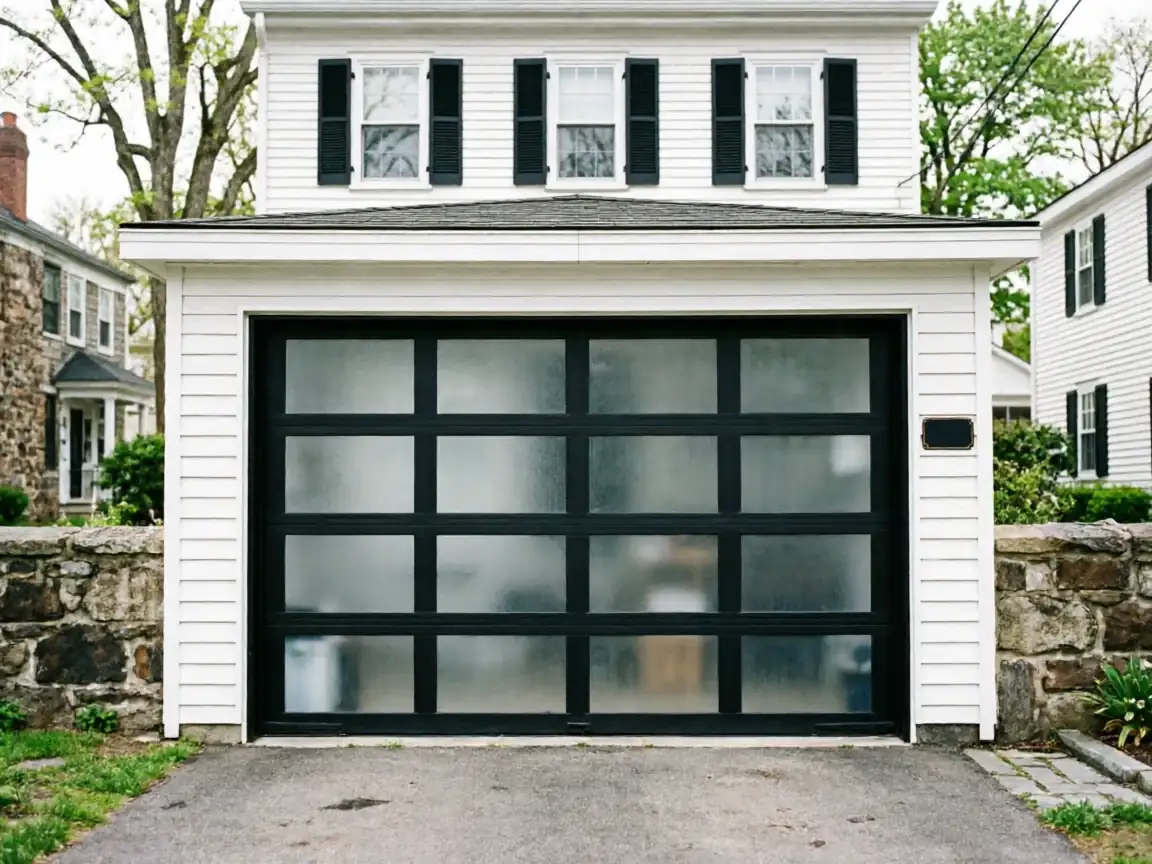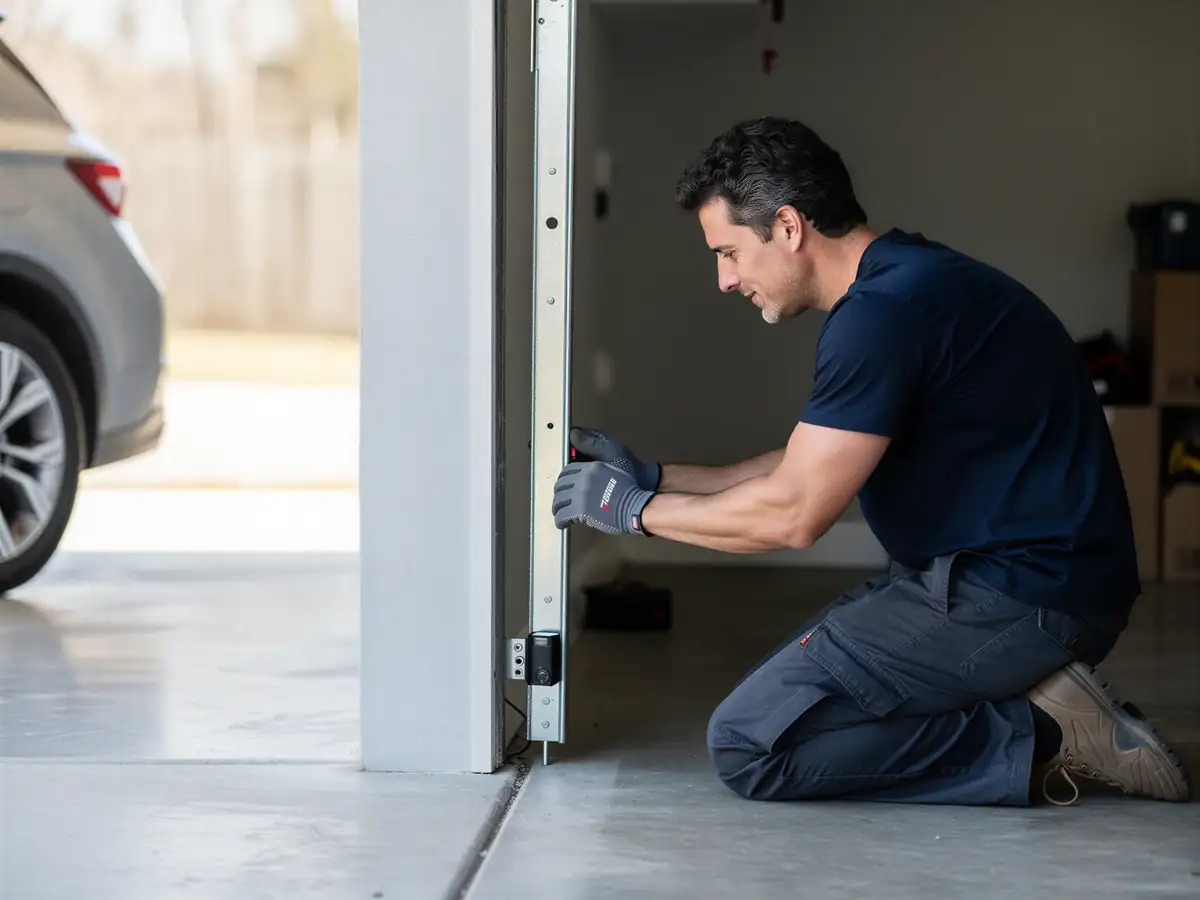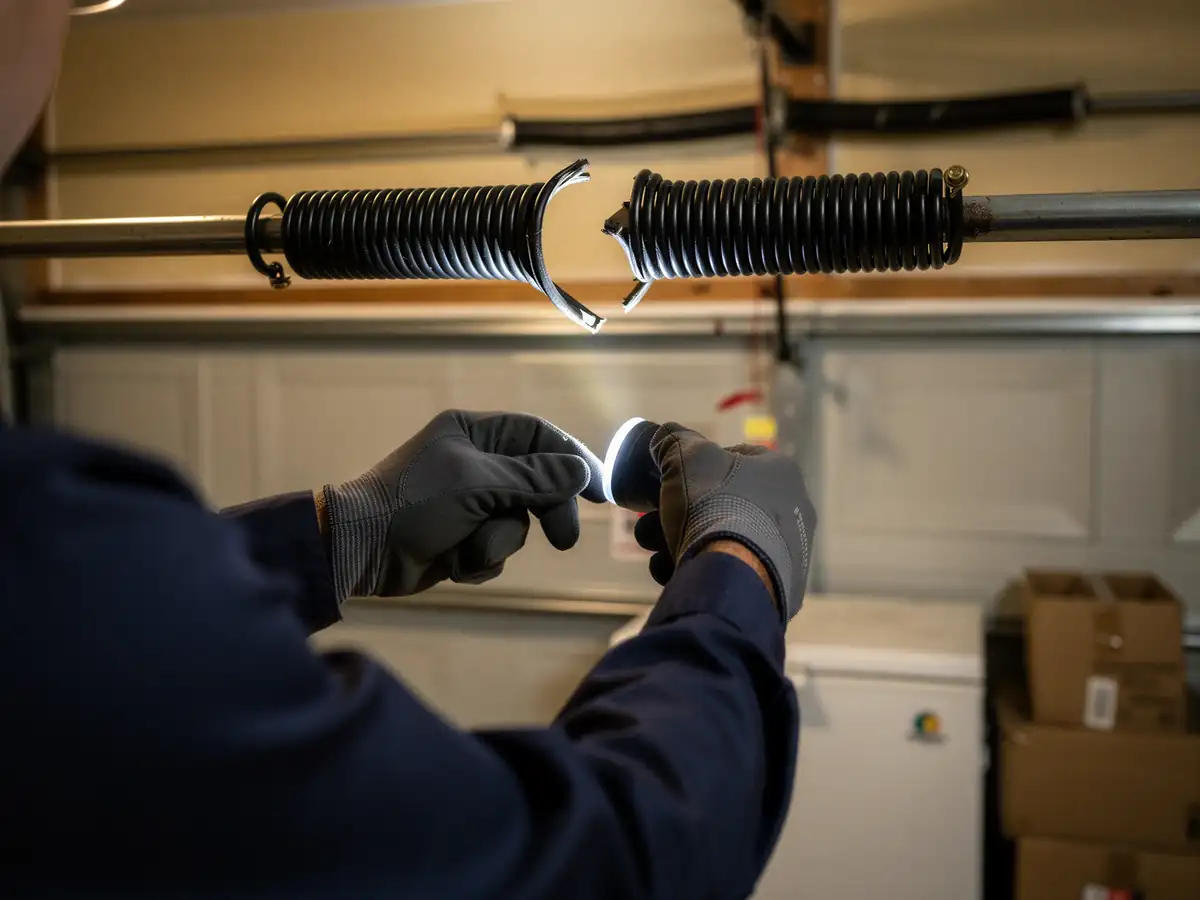
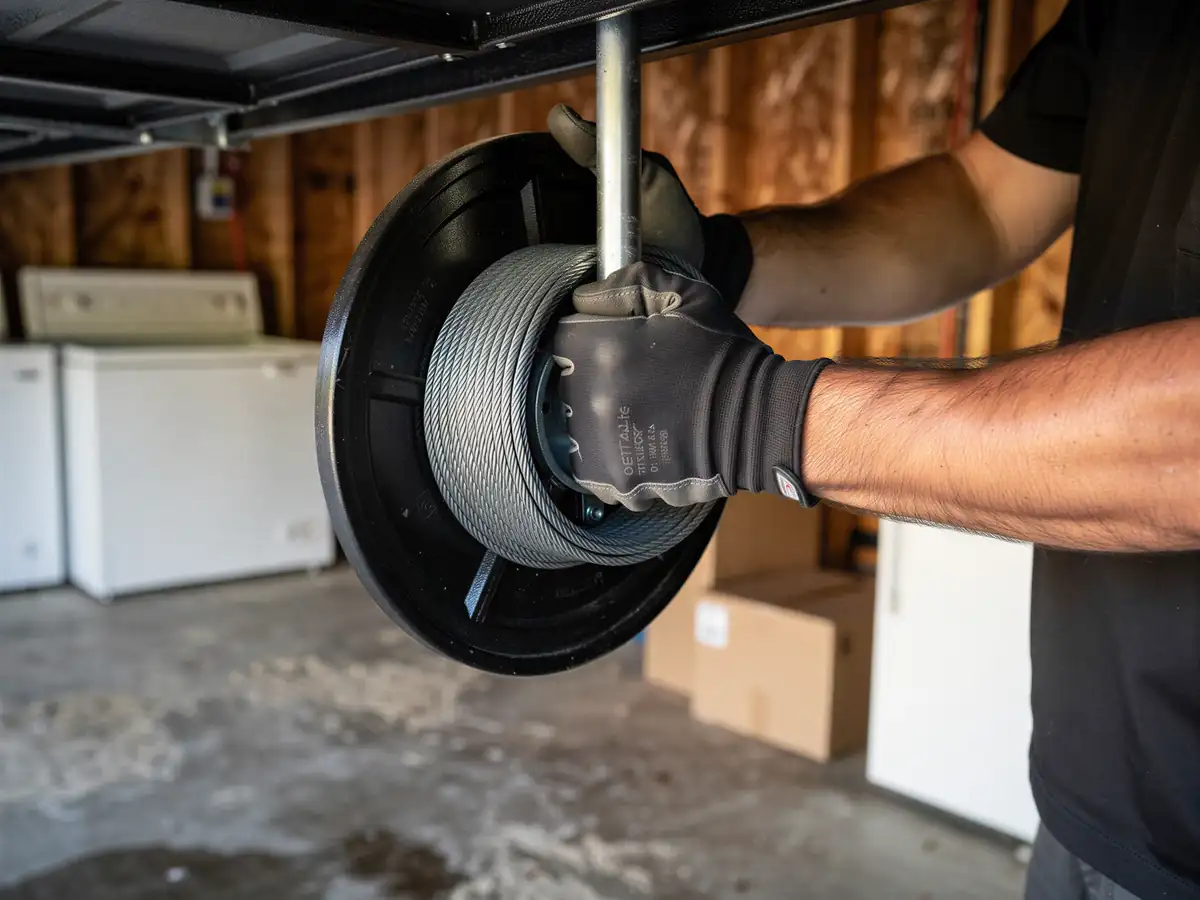
What You Are Seeing
The drive from Waltham out to Westford runs about 17 miles, which changes how a cable call here actually gets handled. We don't treat it as a five-minute pop-in - we confirm as much as we can over the phone first, because a wasted trip costs more on this end of the territory than it does close to the shop.
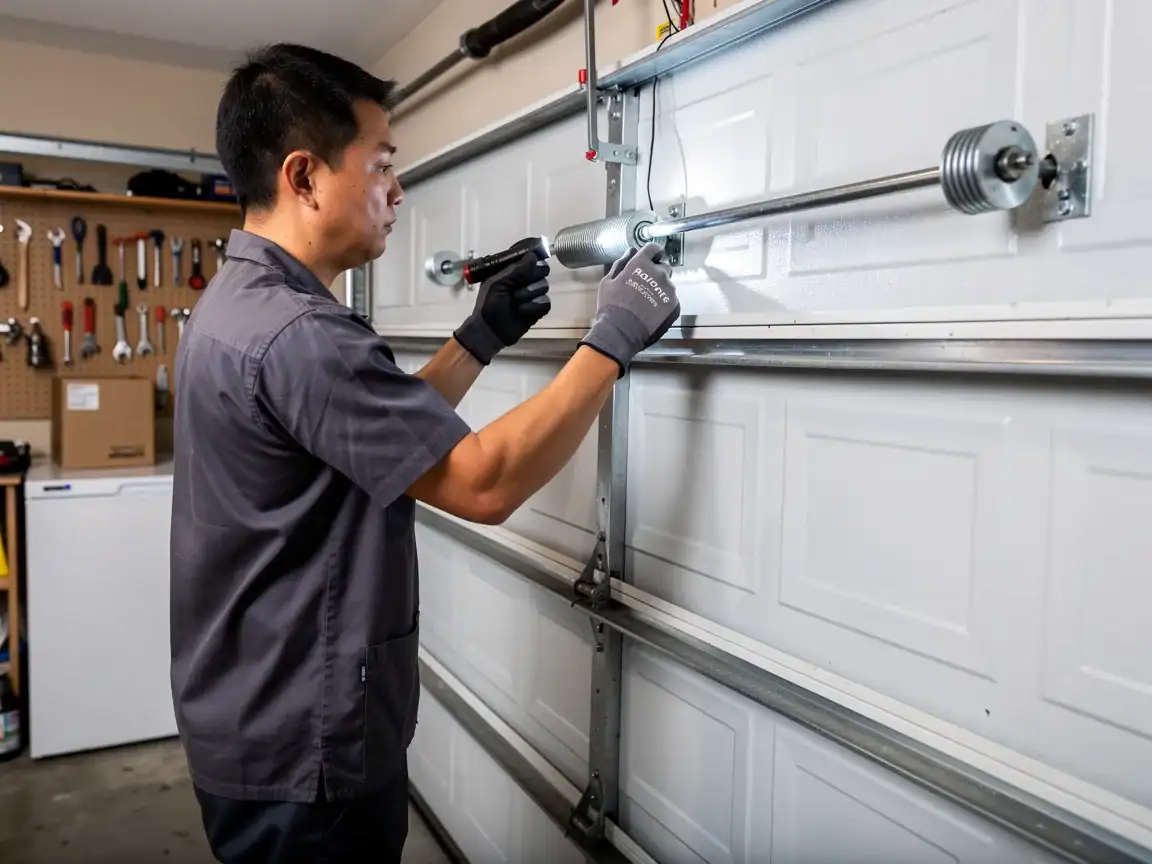
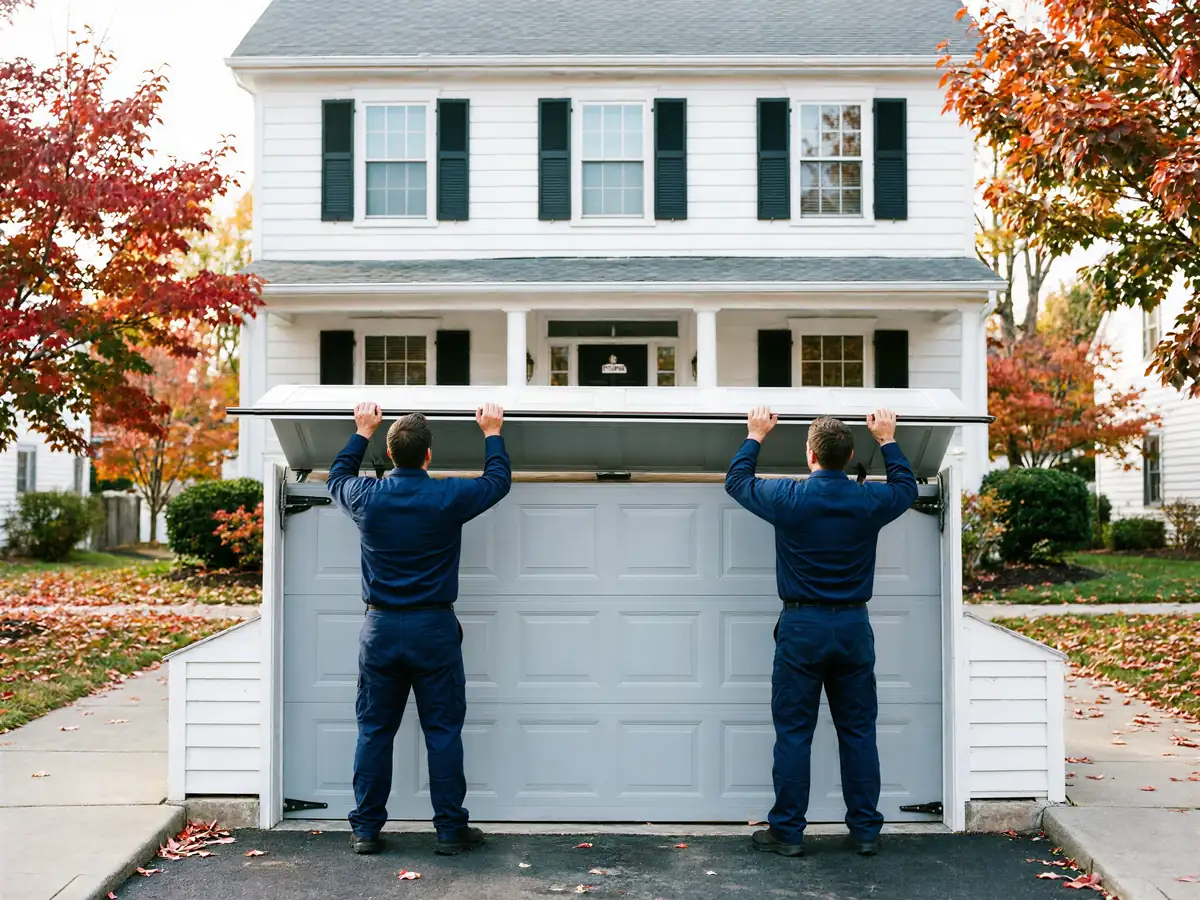
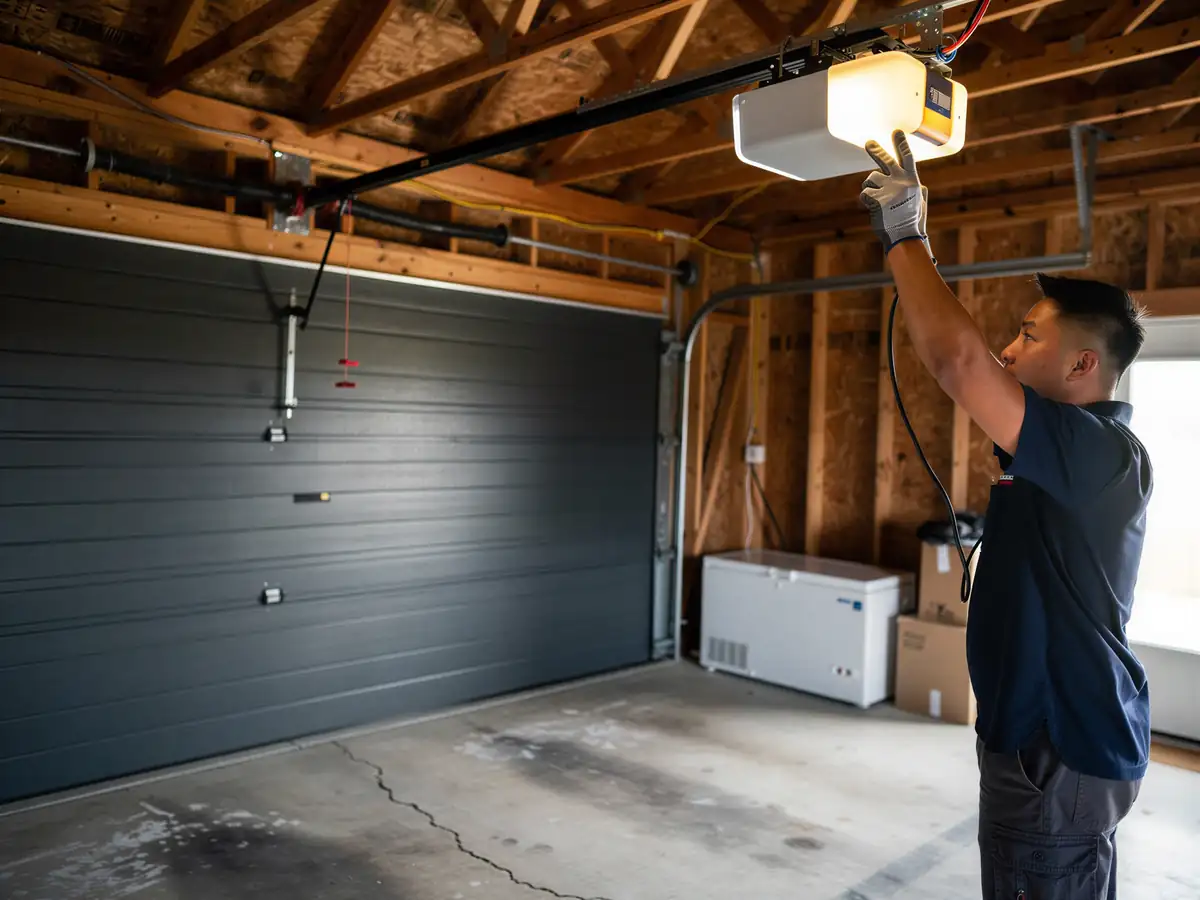
What you're usually looking at in Westford is a frayed or snapped cable on a torsion-spring door, not the older extension-spring setups you still find on homes from the 1960s closer to Waltham. Most houses here went up around 1983, well past that earlier building wave, so the hardware is factory torsion systems with cable wound on a drum at each end of the shaft. When one of those cables lets go, the door usually drops crooked on one side, or jams a few inches up with a visible kink in the cable near the drum. If you see strands unraveling like a frayed rope, stop opening the door. A cable that's partway gone will finish failing under load, and when it does, the door can come down hard.
Getting It Booked In
We book Westford calls the same way we book any call this far out
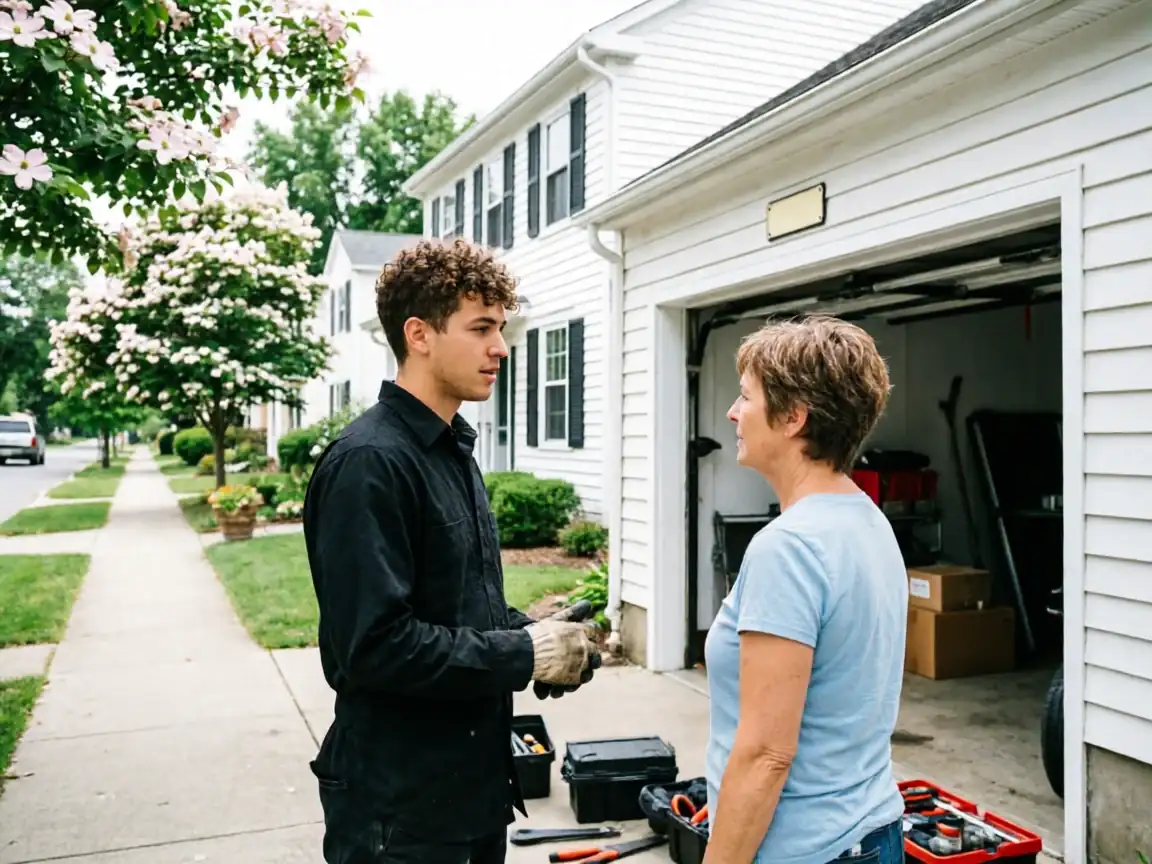
We ask what the door is doing, how old the opener and springs are, and whether it's a single or double door, before the truck leaves Waltham. That lets us bring the right drum and cable length instead of guessing.
Because of the distance, we don't hold a standing slot in Westford the way we might for towns a few miles from the shop
We fit these jobs in with other calls on that side of the service area when we can, which sometimes means the appointment isn't same-day. We'll tell you honestly when we can get there rather than promise a window we can't hit.
How Long It Takes
A standard cable replacement on one side of a torsion door, once we're on site, is a shorter job than people expect - most of the time goes into winding the new cable onto the drum under tension correctly, not into the swap itself. Where Westford jobs run longer is upstream of that: the 17-mile trip and the fact that we can't always diagnose everything from a phone call.
If both cables have aged out together, which happens on doors from the early-to-mid 1980s that are now forty-plus years old, we replace both sides in the same visit rather than coming back out again. That's a judgment call we make on site once we see the drums and the rest of the hardware.
Can You Do This Yourself
A garage door cable runs under real tension from the torsion spring the whole time the door is closed, and that tension doesn't go away because you've got the right tools. Pulling a drum apart without knowing how much force is stored in that spring is how people get hurt, including people who've done basic home repairs before.
We'll say plainly: this isn't a job we'd want a homeowner doing without the right bars and clamps, and we're not going to walk you through it over the phone. If you're comfortable with hand tools and want to handle something lower-risk yourself - tightening loose hinges, lubricating rollers, clearing track debris - that's reasonable. Cable and drum work on a wound torsion spring isn't in that category.
Stocked Parts
We carry standard cable and drum stock sized for the torsion systems common on doors built from the 1960s through the 1990s
Which covers the range of construction years across the service area, including Westford's own 1983 median. That means we're not usually waiting on a special order to replace a snapped cable here.
Where it gets slower is unusual drum sizes or older door models with nonstandard winding
Which do turn up occasionally even on newer housing stock if a previous opener or spring swap used mismatched parts. We'll tell you on site if that's what we're dealing with, rather than quote a standard fix that won't actually match your hardware.
How We Fix It
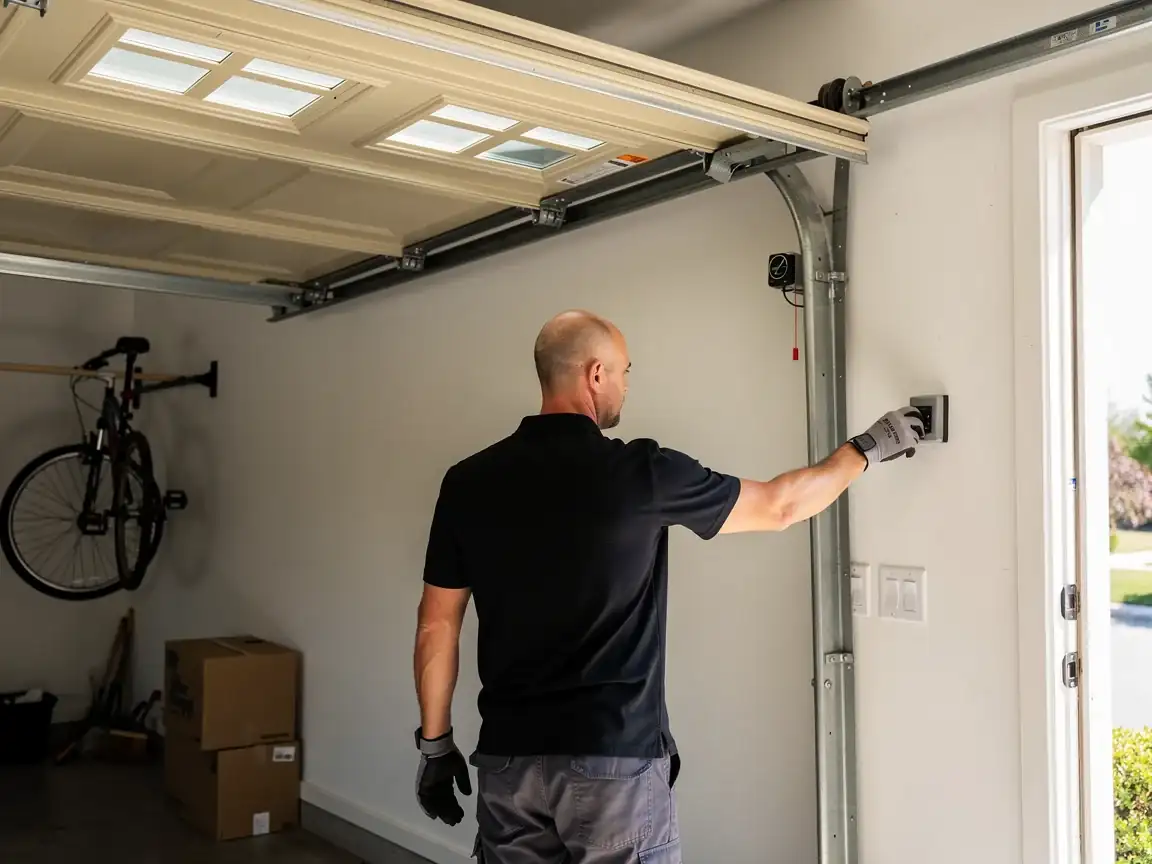
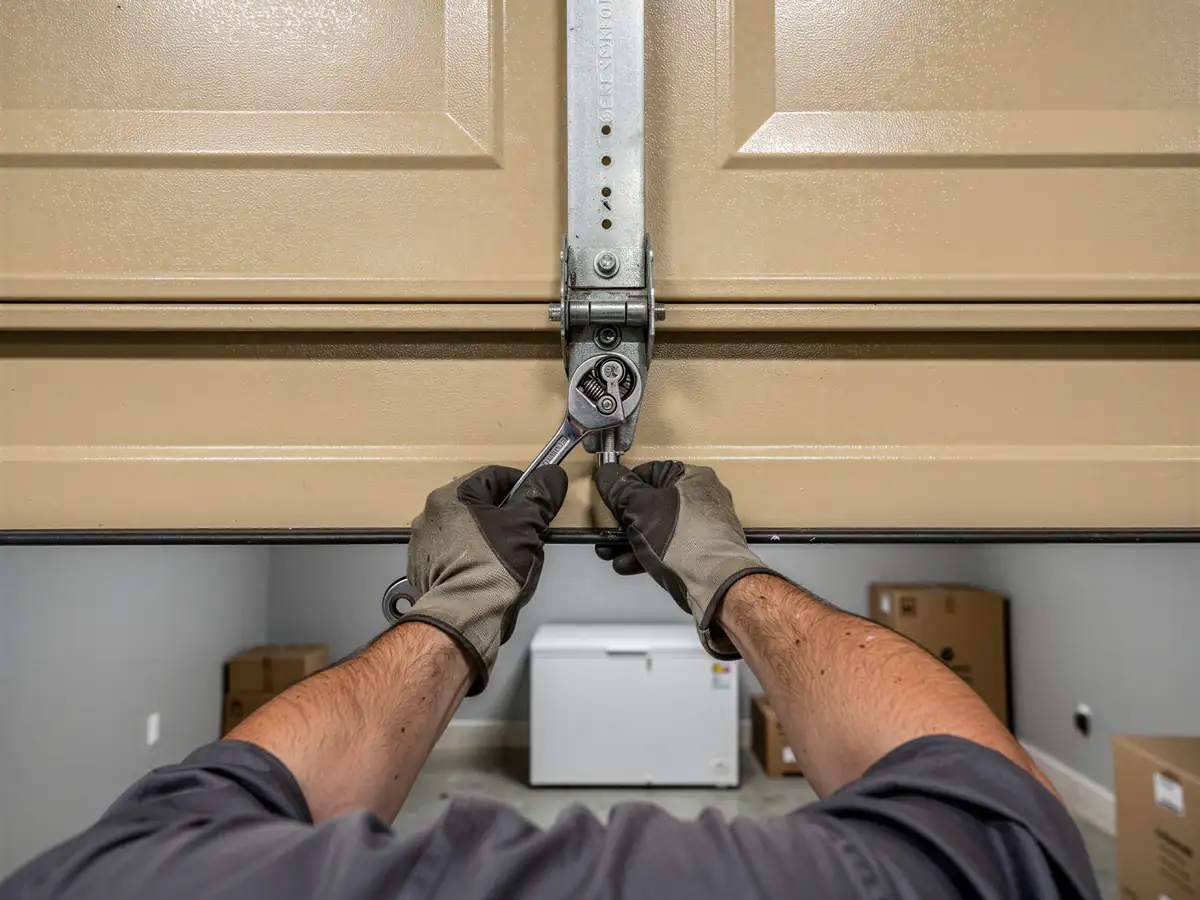
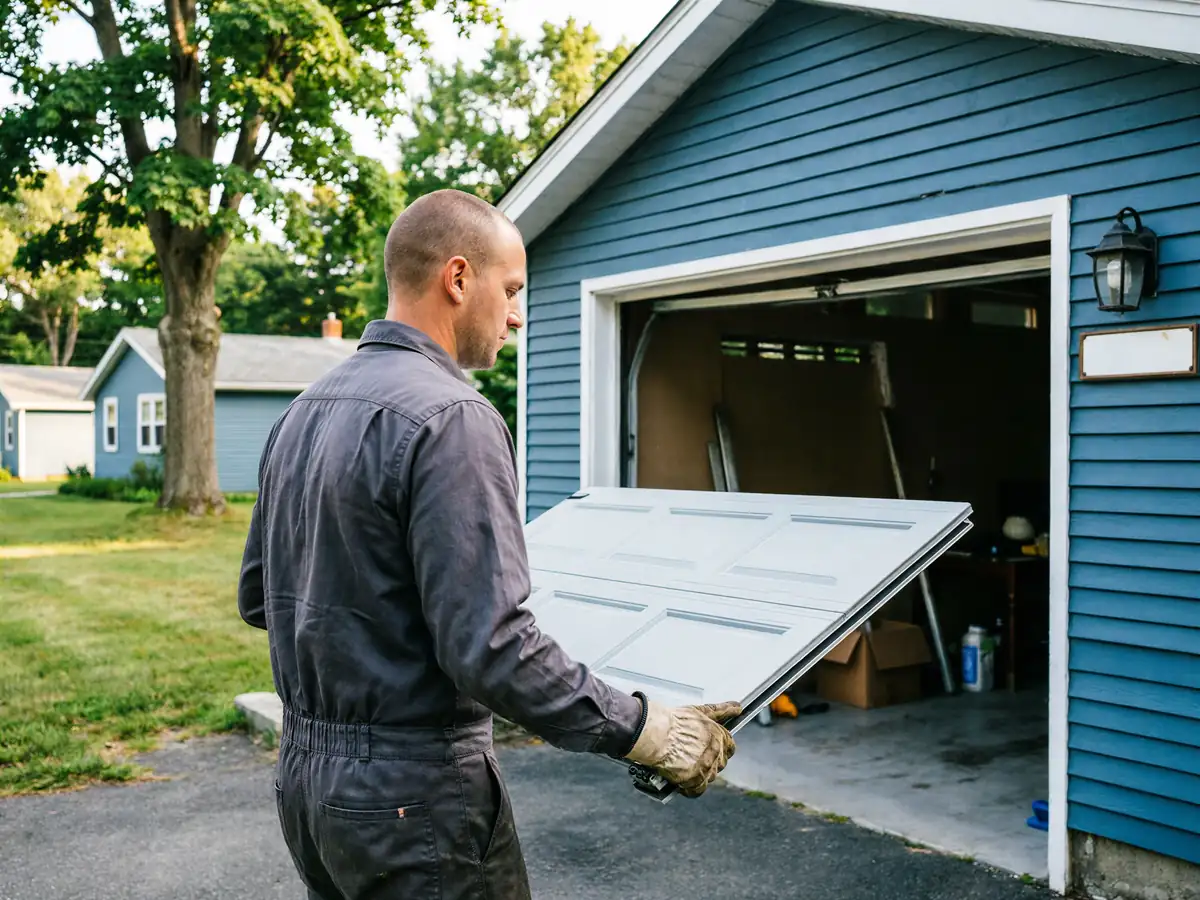
We release tension from the torsion spring safely, pull the old cable off the drum, and check the drum itself for wear or cracking before putting a new cable on - a worn drum groove will shred a new cable just as fast as the old one failed. We wind the replacement cable to the correct tension and test the door through a full cycle before we call it done.
Westford's winters sit in the same severe cold band as the rest of the territory, and cold makes a borderline cable more likely to let go, since metal gets brittle and torsion springs lose a little give. If we're already out for a cable repair and see a spring or roller close to the same age and condition, we'll point it out, but we won't push a repair that isn't needed yet.