What You Are Seeing
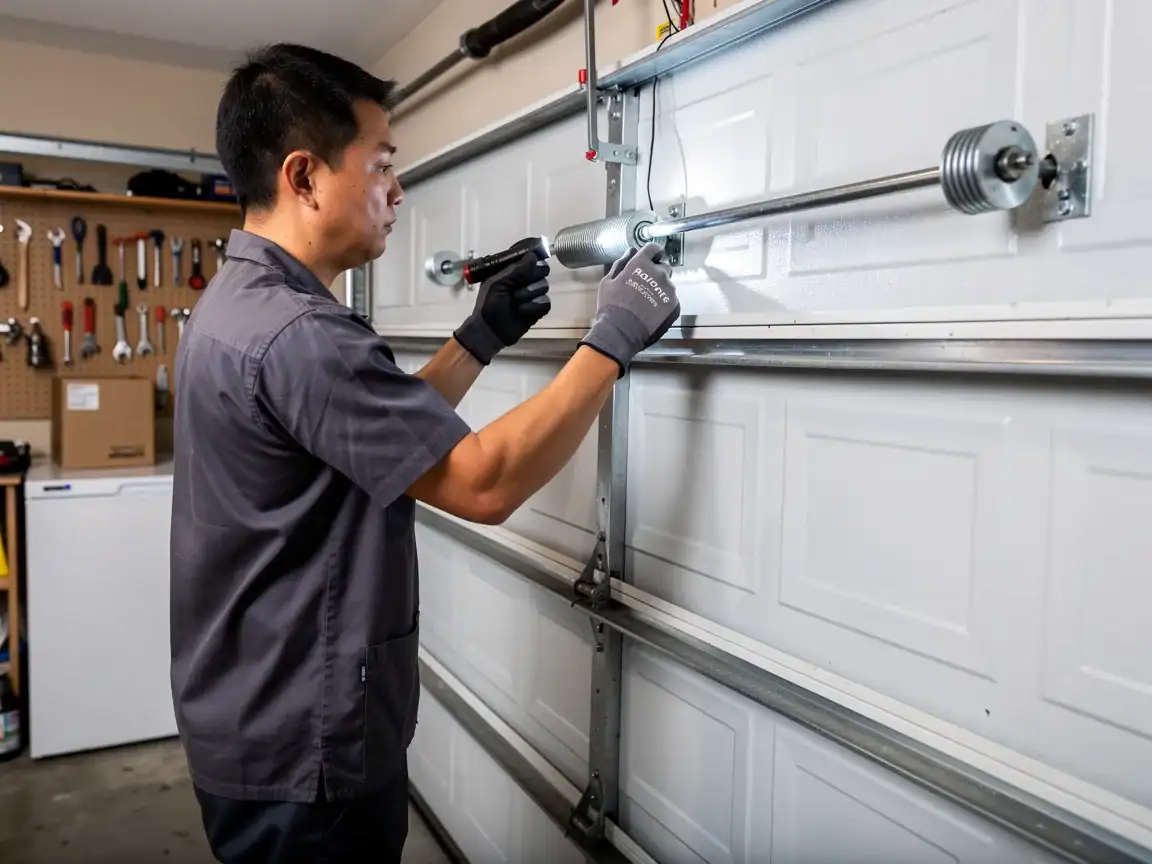
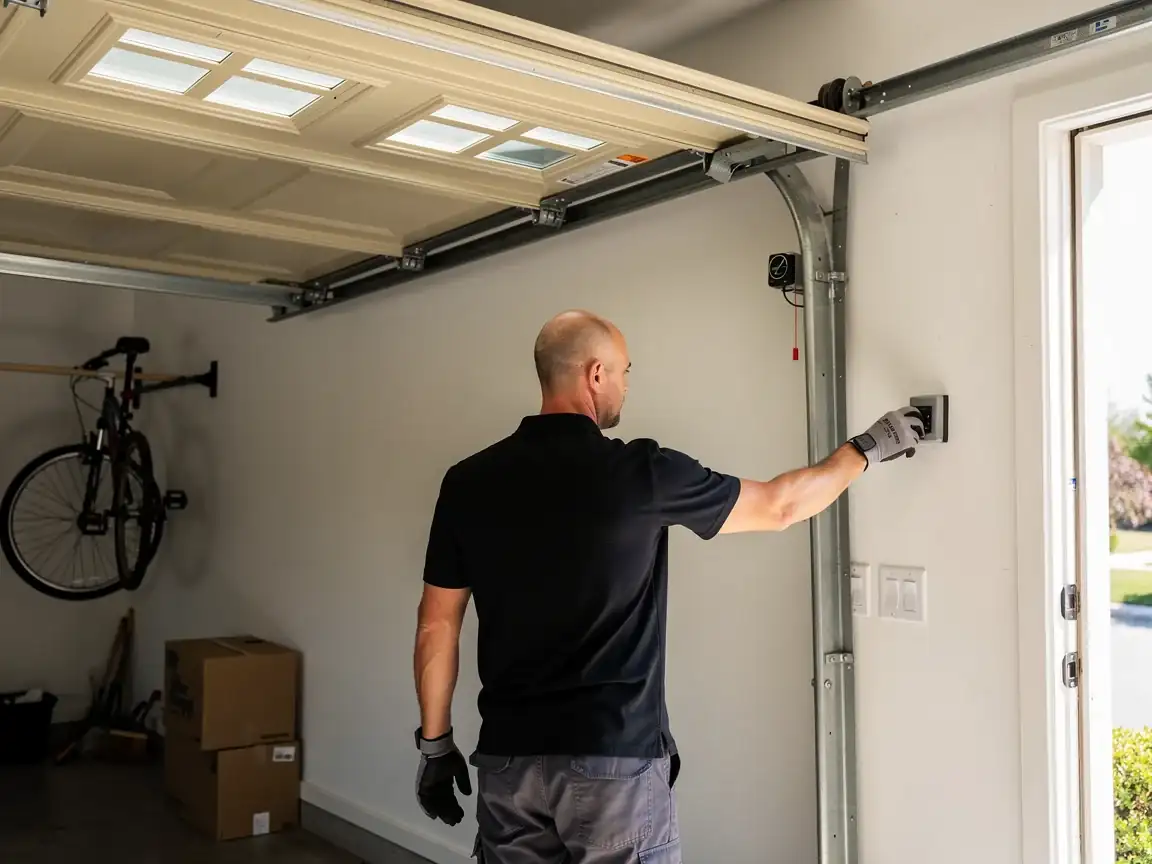
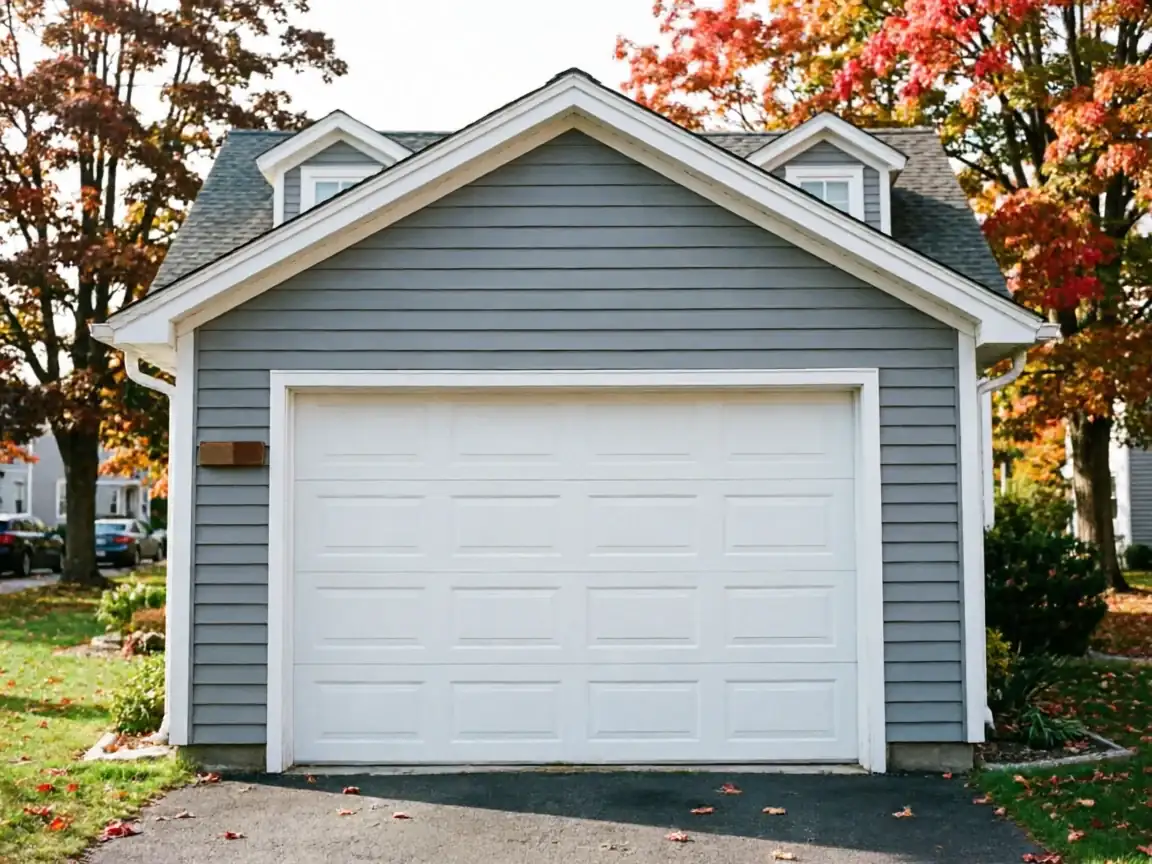
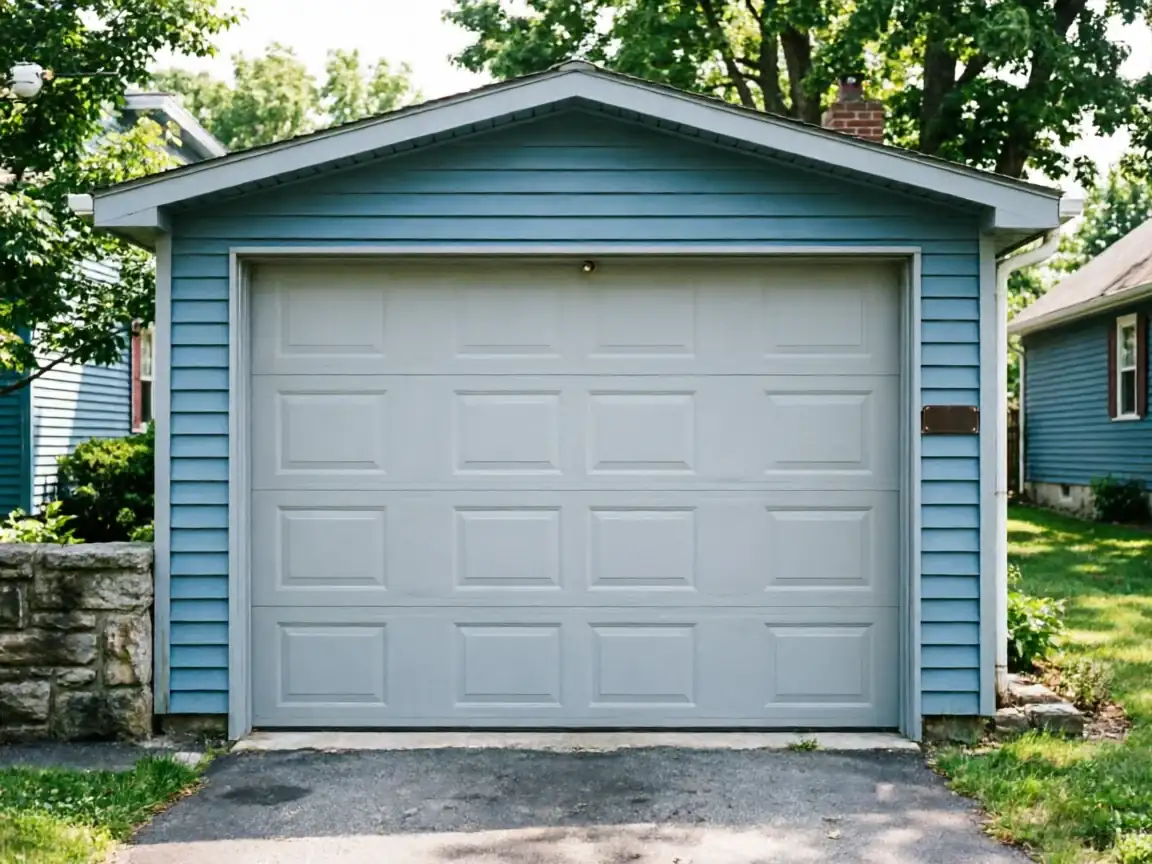
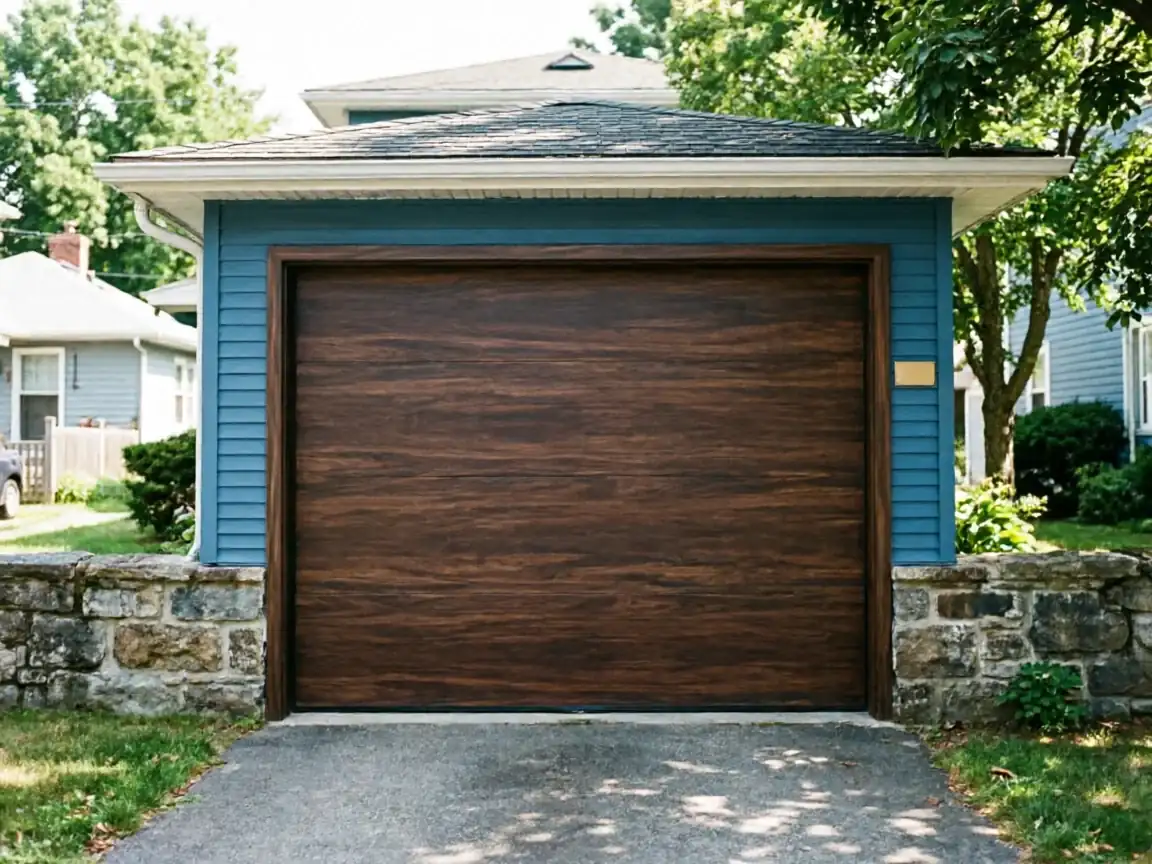
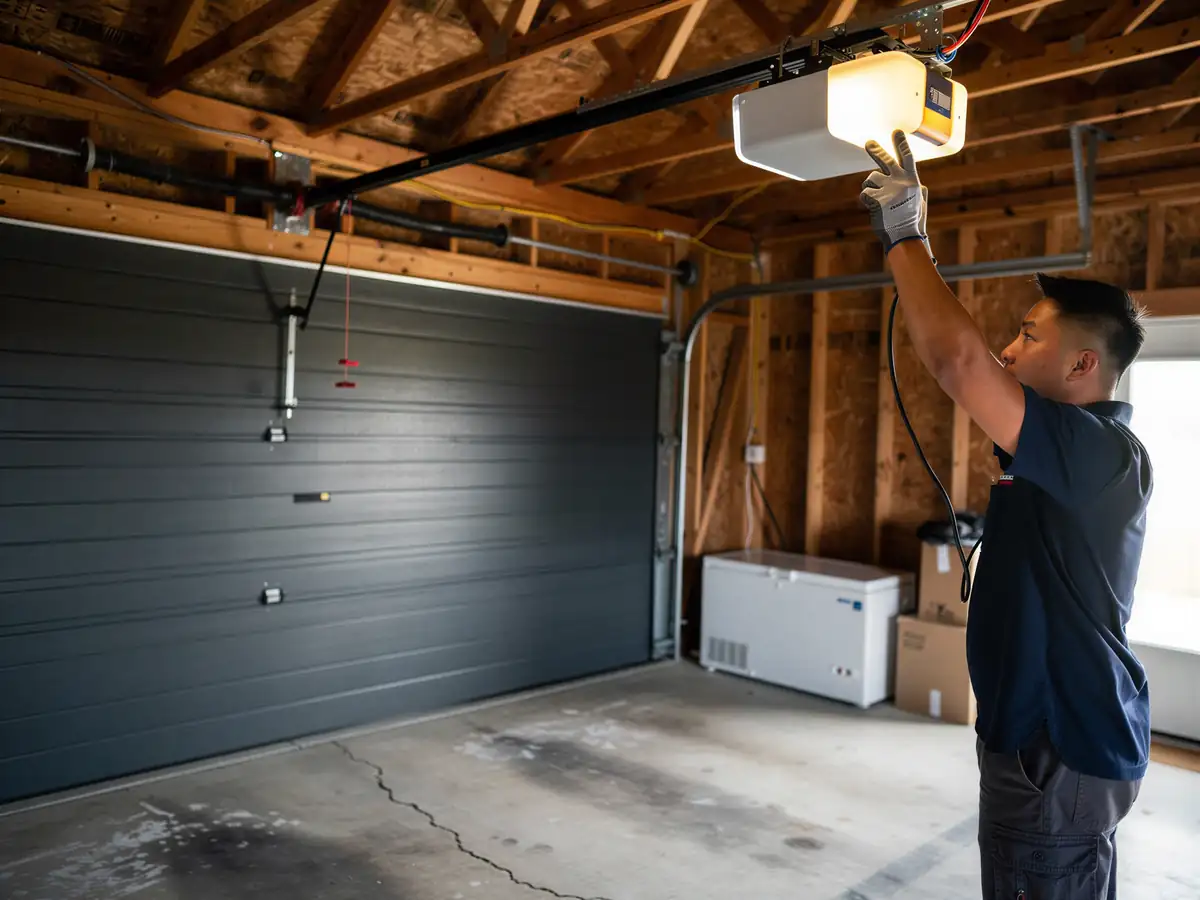
Westford's median house went up around 1983, which puts most of the town about two decades newer than the older neighborhoods closer to Waltham's center. That matters more than people think. A door hung in 1983 almost always came on torsion hardware with a standard 7-foot sectional opening, not the 6-foot-6 openings or extension-spring setups you still find on older colonials. If your door is original to the house, you're likely looking at a steel panel door with no foam core at all, or a thin single layer of insulation that was considered fine for the era. After forty-some years, the panels have usually taken more dents and the steel has thinned at the bottom section where water sits. The opener, if it's original, is a chain-drive unit that's loud by current standards but was standard equipment at the time. None of that means your door is broken, just dated. The honest read: if the track is straight and the opener still runs smooth, you may only need the door itself swapped, not the whole system.
How Long It Takes
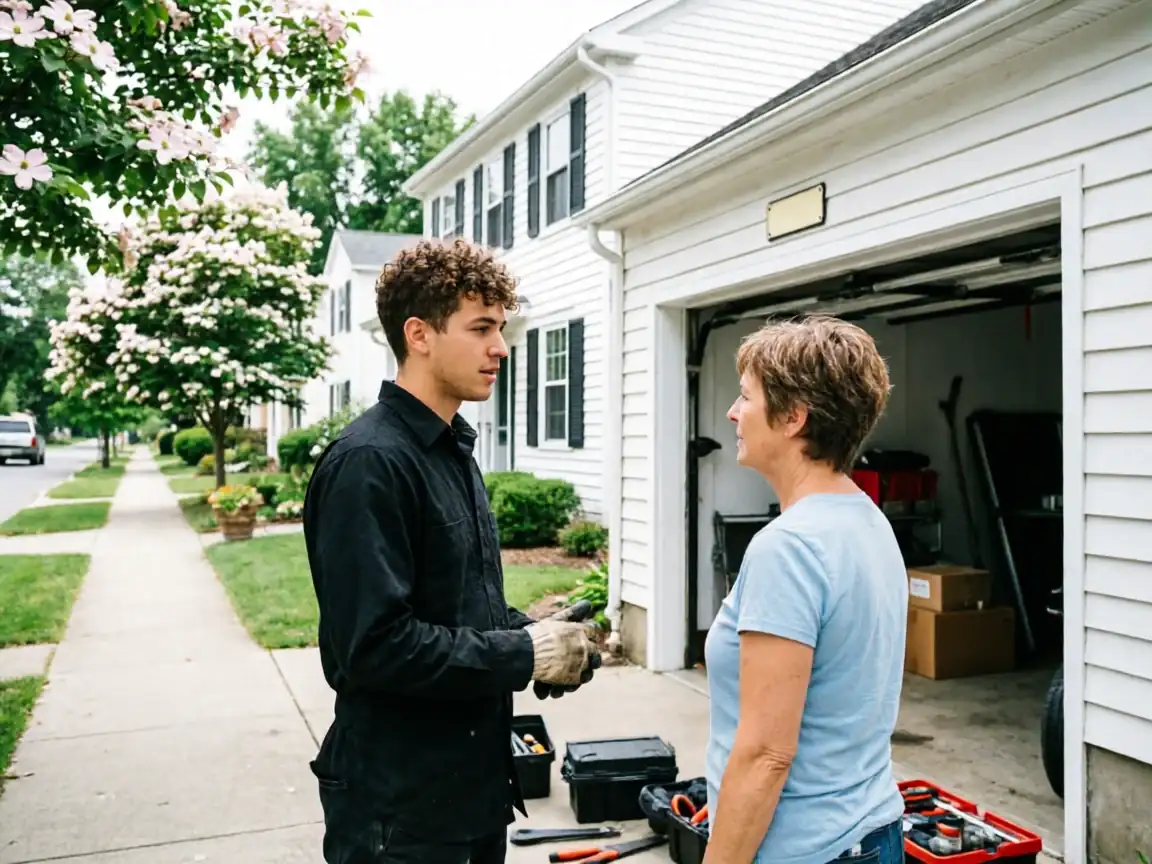
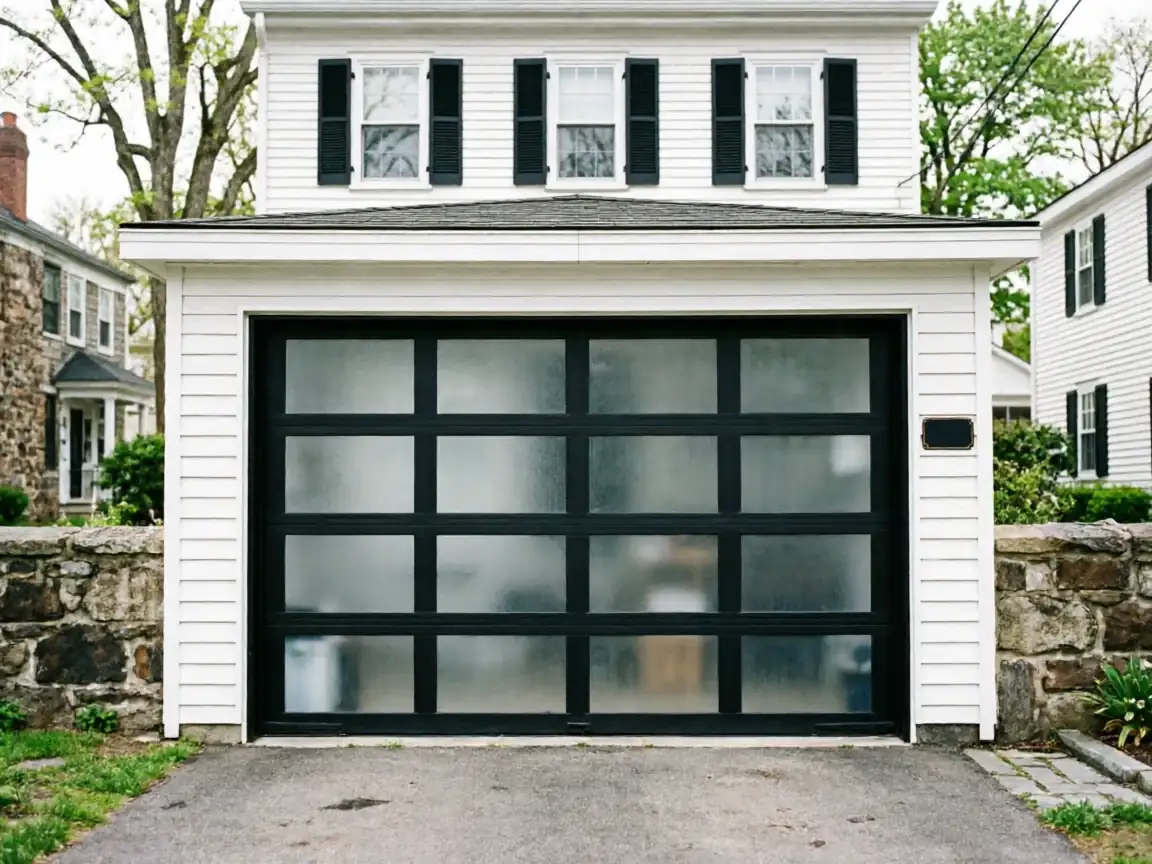
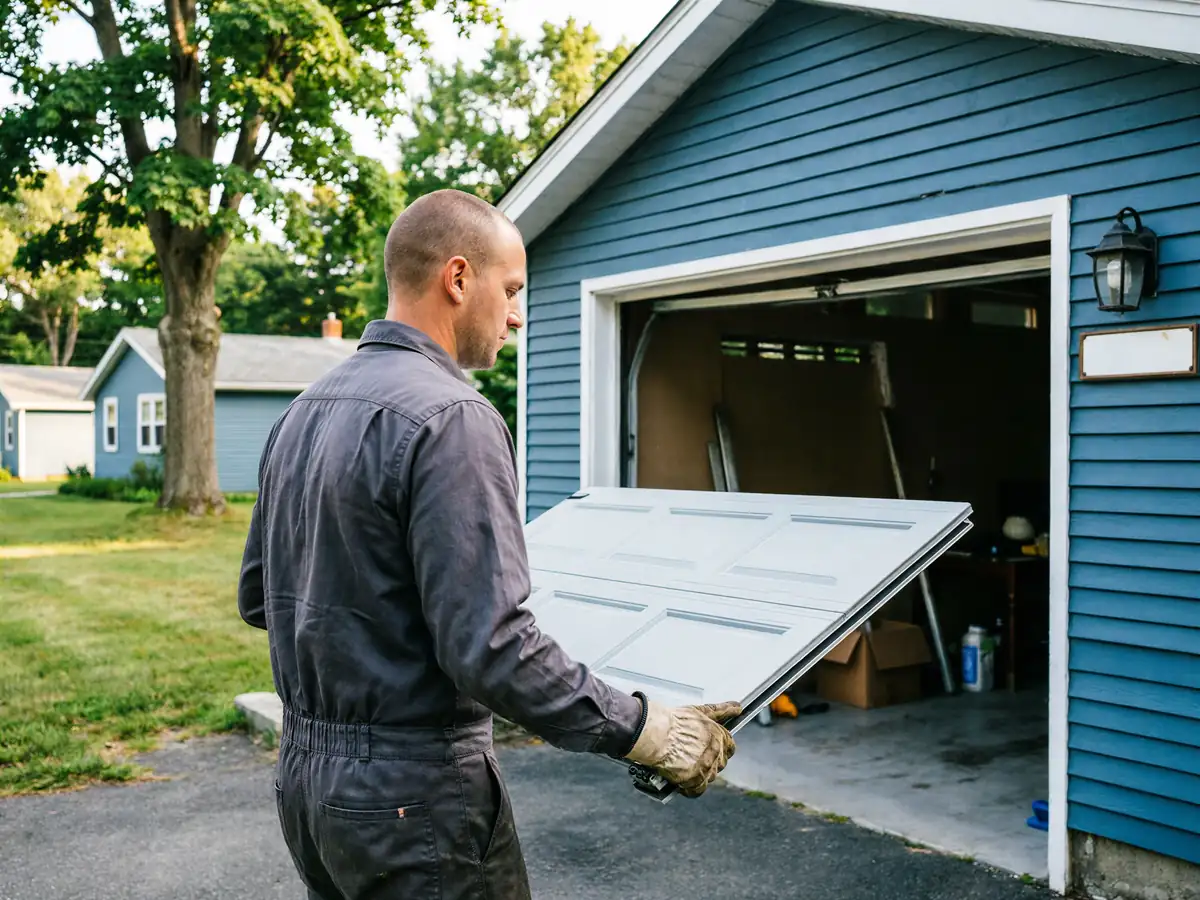
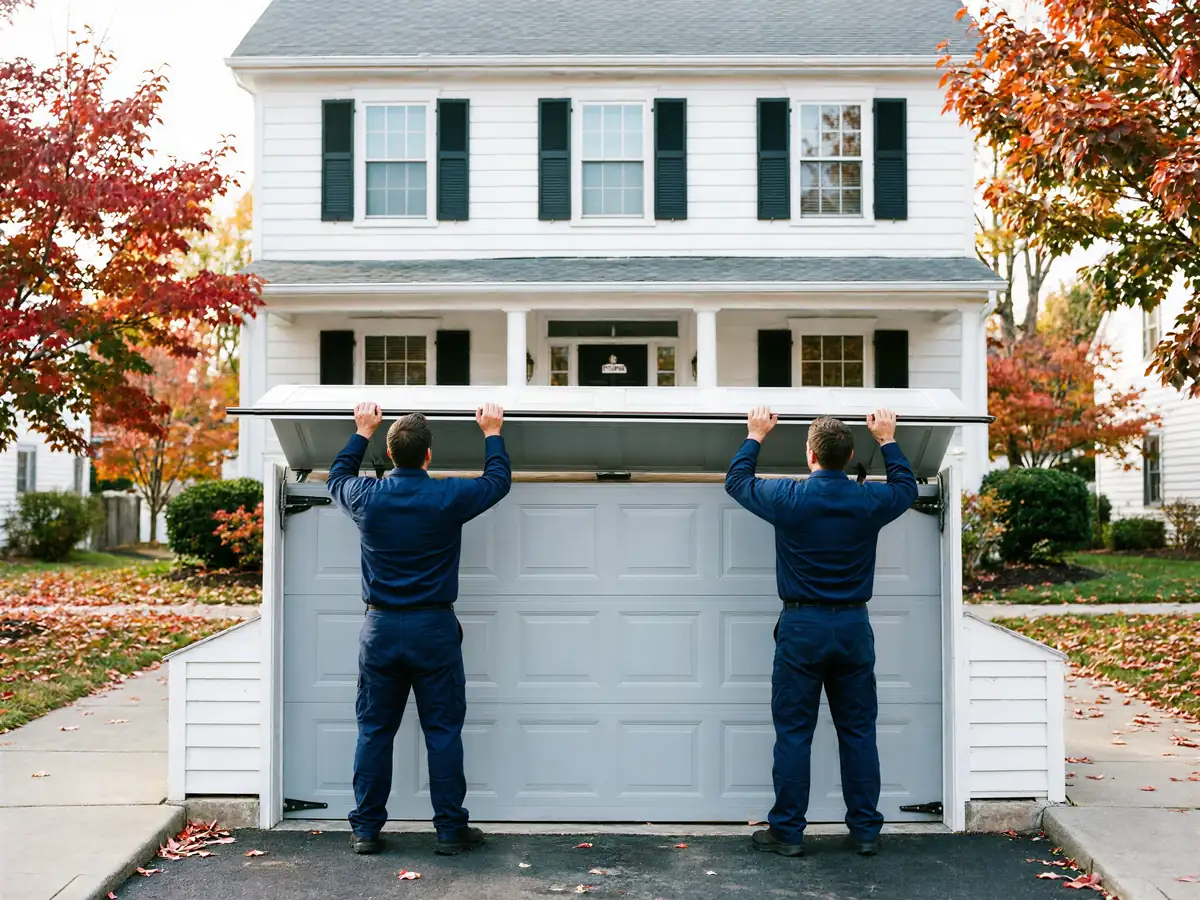
A standard single door swap, where the track and opener are staying, usually runs a half day once the crew is on site. Double doors, or jobs where we're also replacing the torsion hardware because it doesn't match the new door's cycle rating, take longer. Westford's housing stock being mostly original to the 1980s works in your favor here: openings tend to be standard sizes, which means less custom fabrication and fewer surprises once the old door comes down. Where it slows down is insulation retrofits. If you're moving from an old single-layer steel door to a full insulated door to handle the winters this area gets, we're also checking weatherstripping and the bottom seal, which adds time but is worth doing once rather than twice.
Can You Do This Yourself
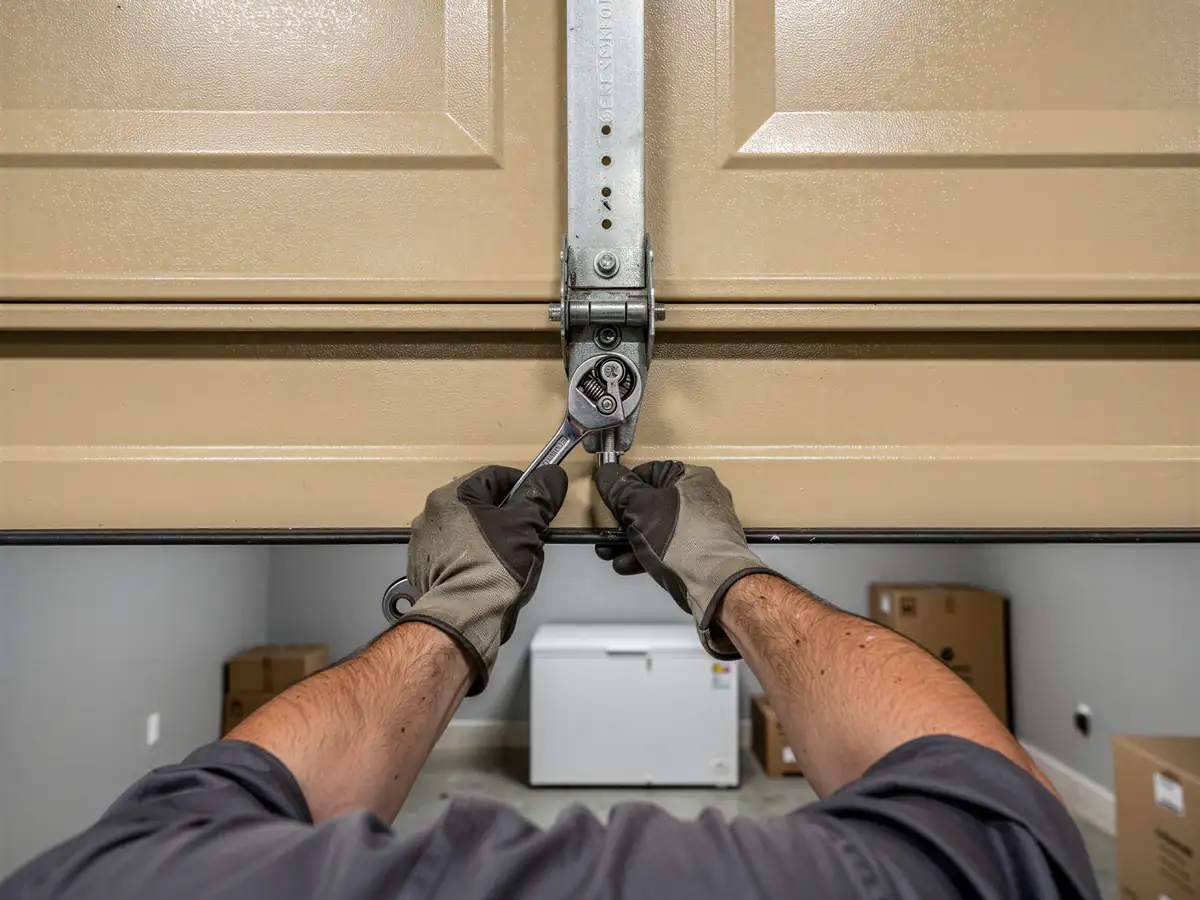
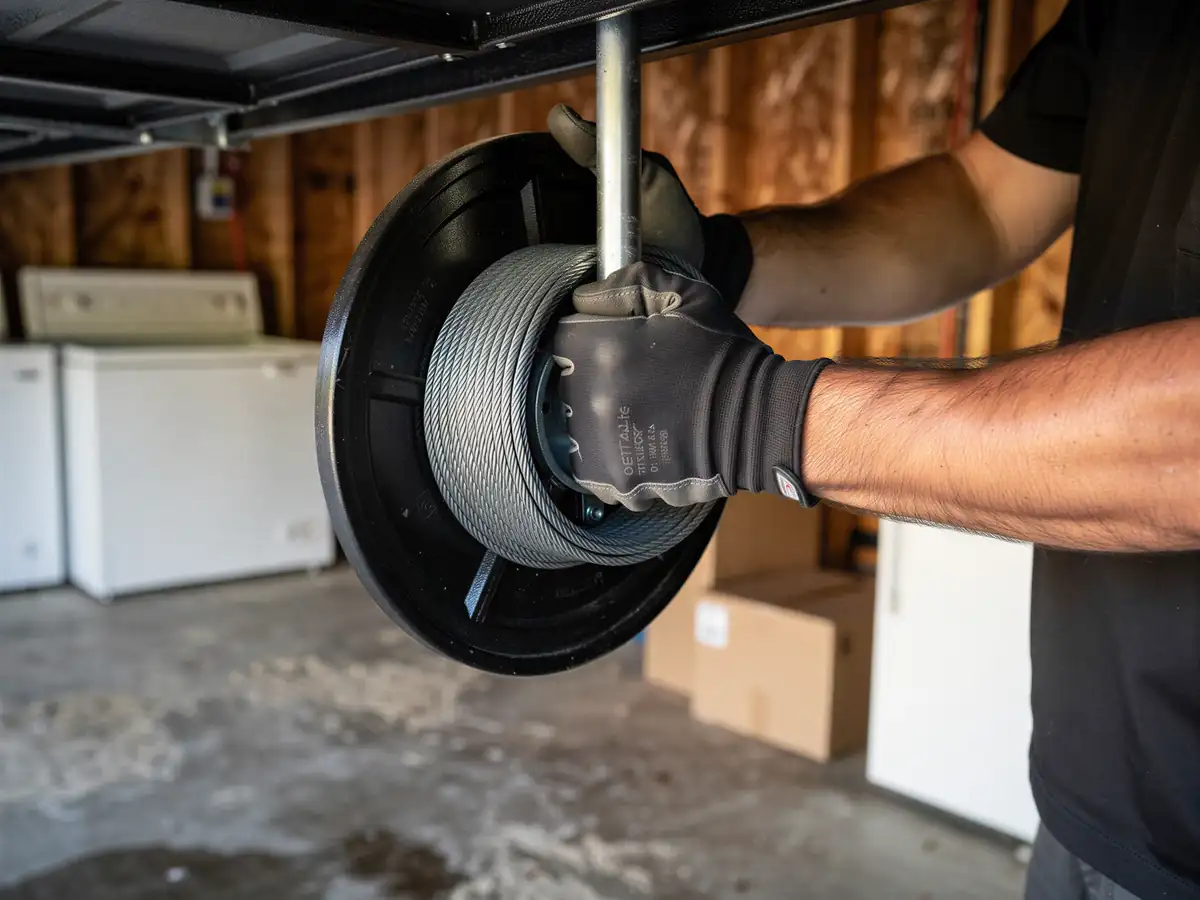
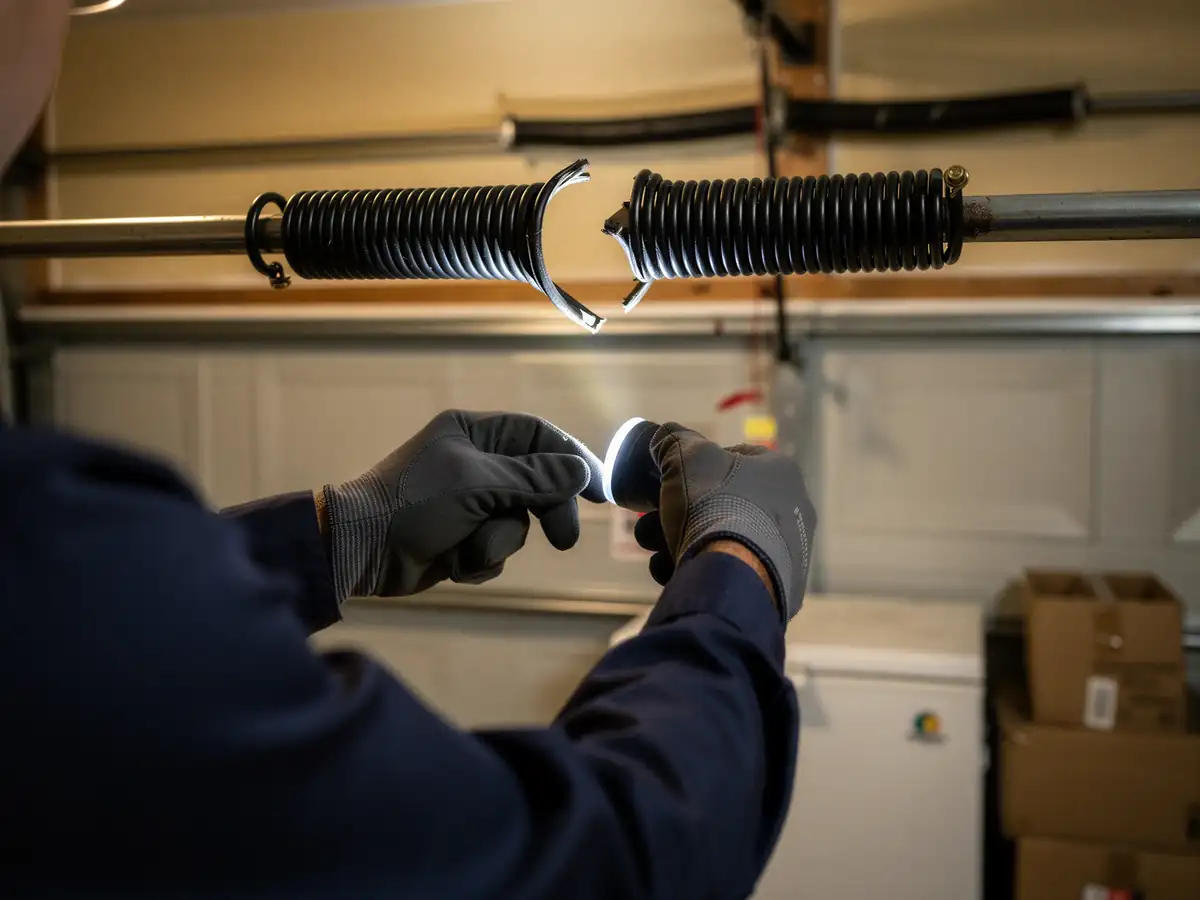
Swapping panels on an existing door, if you can source a matching one, is something a handy owner can sometimes manage. A full new door install is a different job. Torsion springs on a door this size store enough force to break a wrist or worse if you don't know how to wind them, and getting the track plumb on a new install matters more than it looks like it should. We'll say plainly: if your current door is original to a 1983 build and still running on its first set of springs, don't open it on your own to see what's wrong. That's exactly the kind of door where the spring is near the end of its life and will let go under load. Call it in instead.
How We Fix It
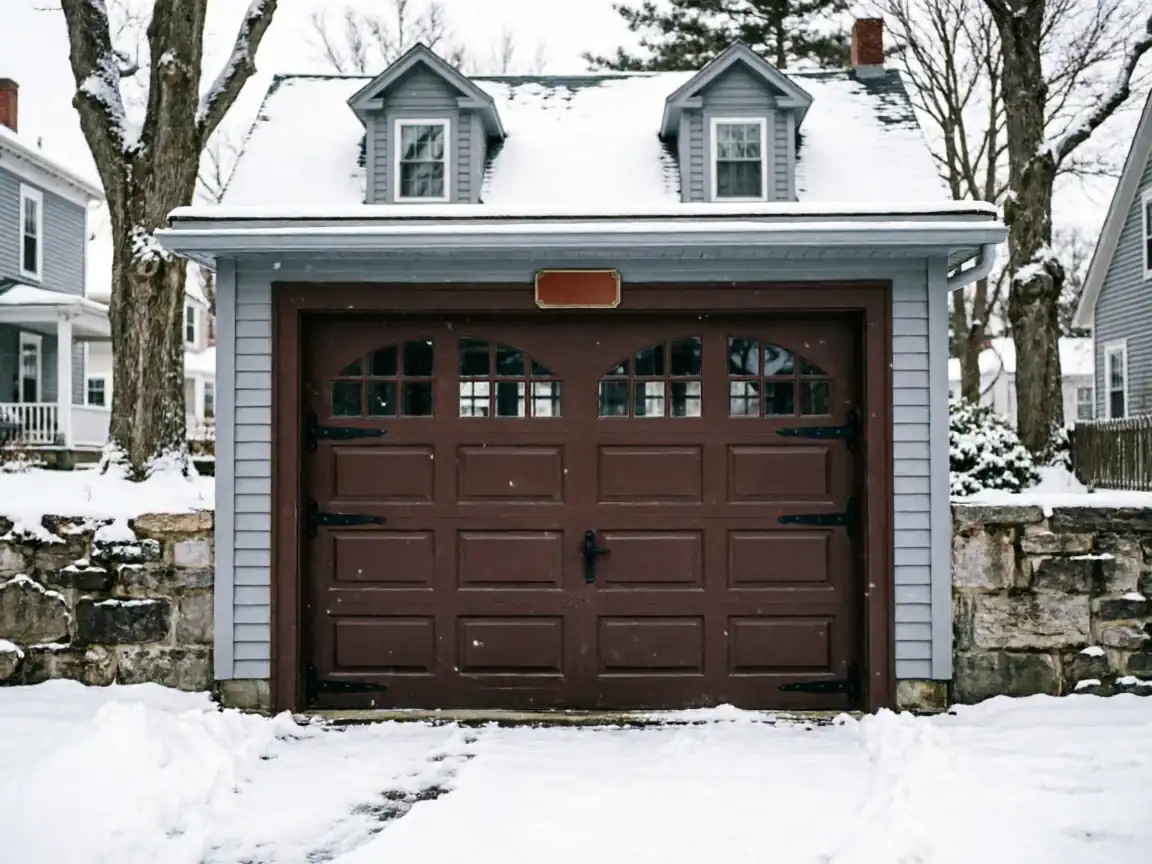
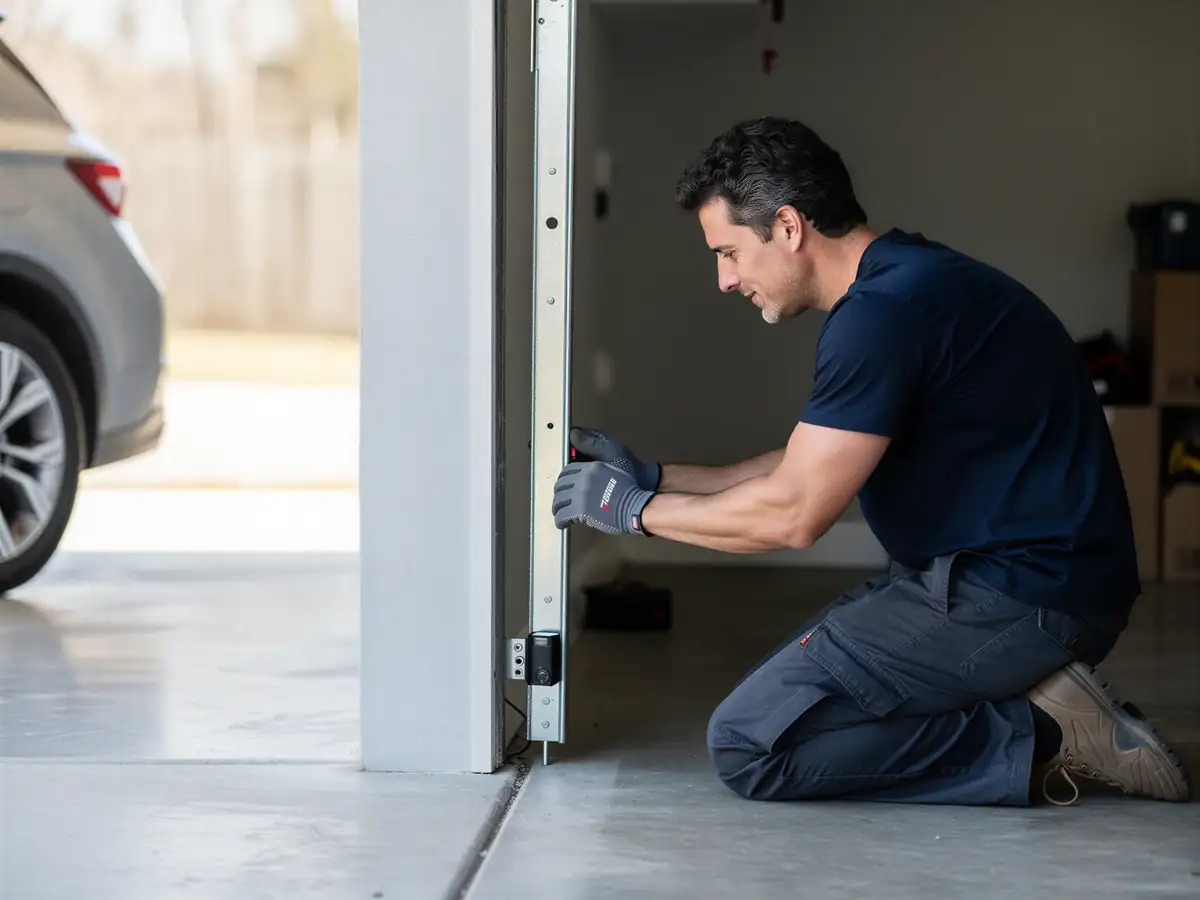
For a new install, we pull the old door and track completely, check the jamb for square, and set new track plumb before the door ever goes up. If the opener's staying, we confirm it's rated for the new door's weight and cycle count rather than just bolting it back on. Given the severe cold this region sees through the winter, we lean toward insulated steel doors with a proper foam core and a sealed bottom astragal rather than the single-layer doors common on 1980s builds, since that gap is where heat loss and ice both get in. Springs get sized to the actual door weight, not guessed at, and we test the balance by hand before calling the job done. If the opening itself is out of square from decades of settling, that gets shimmed and corrected as part of the install, not left for the door to compensate for.