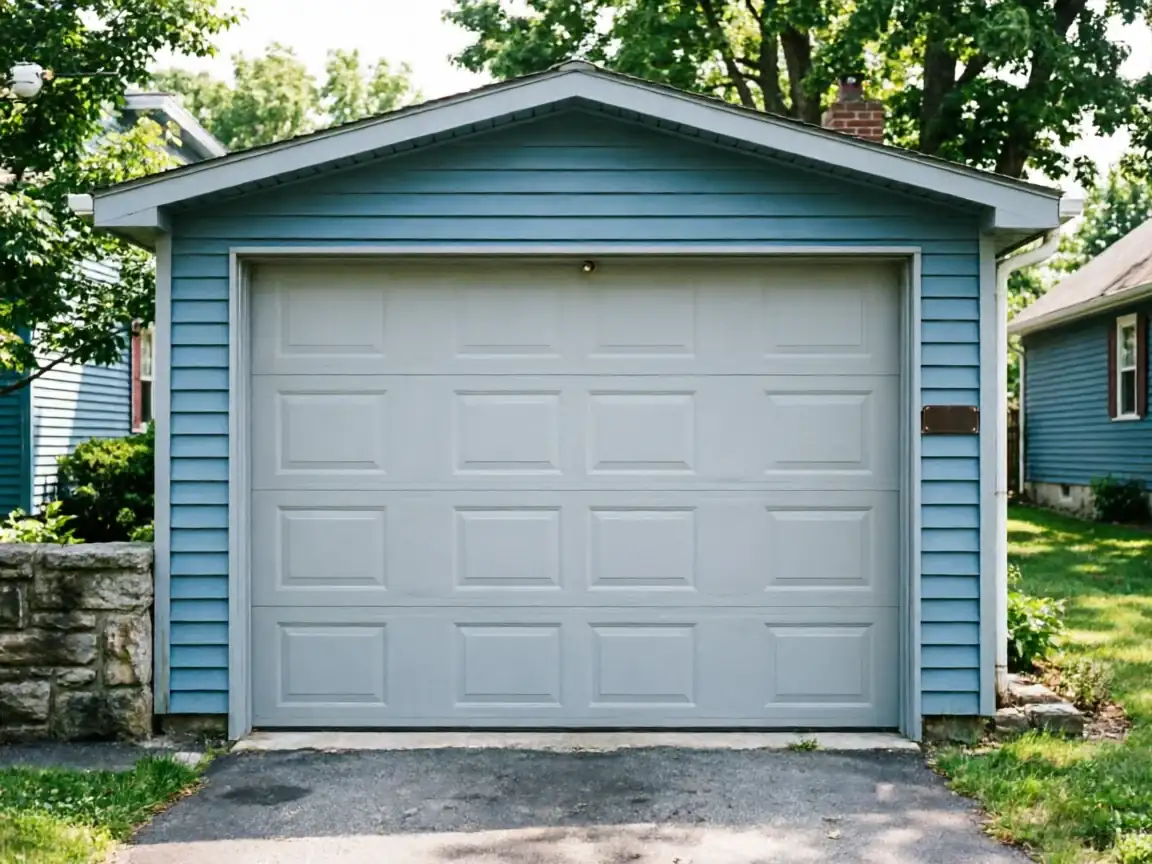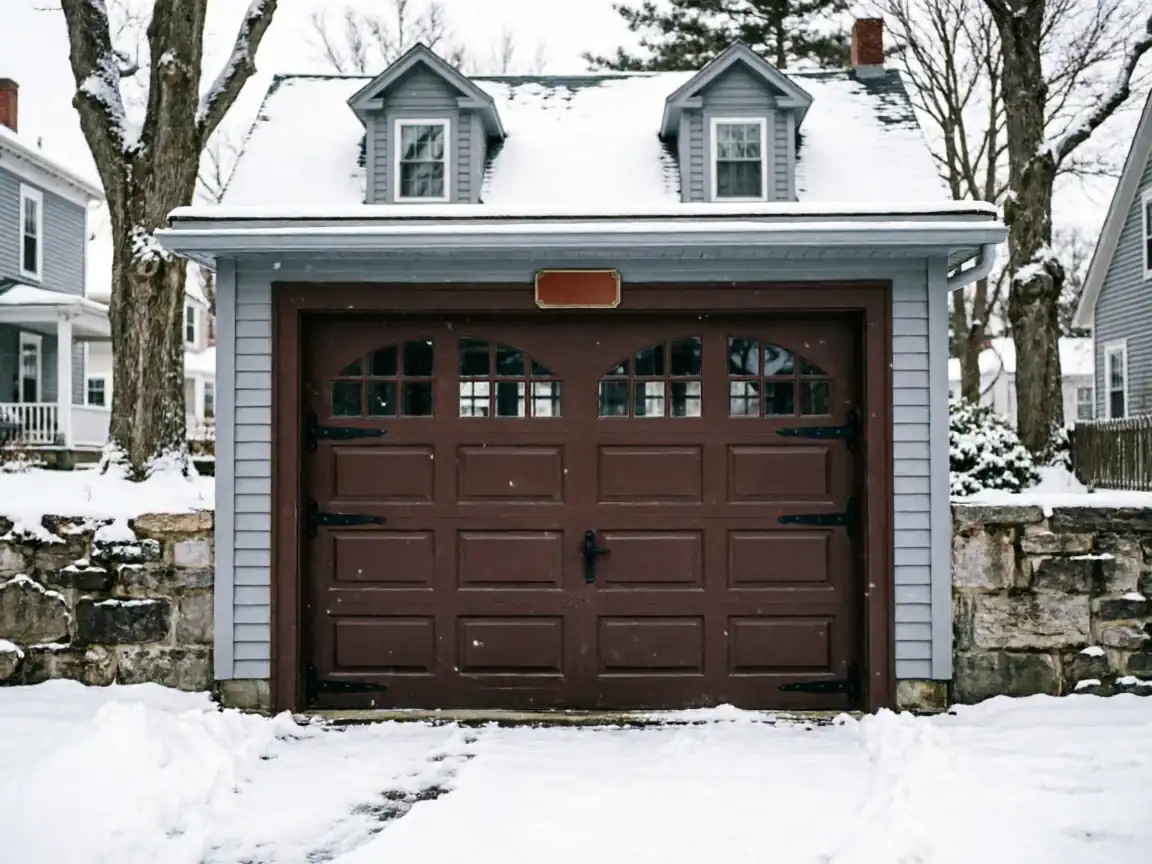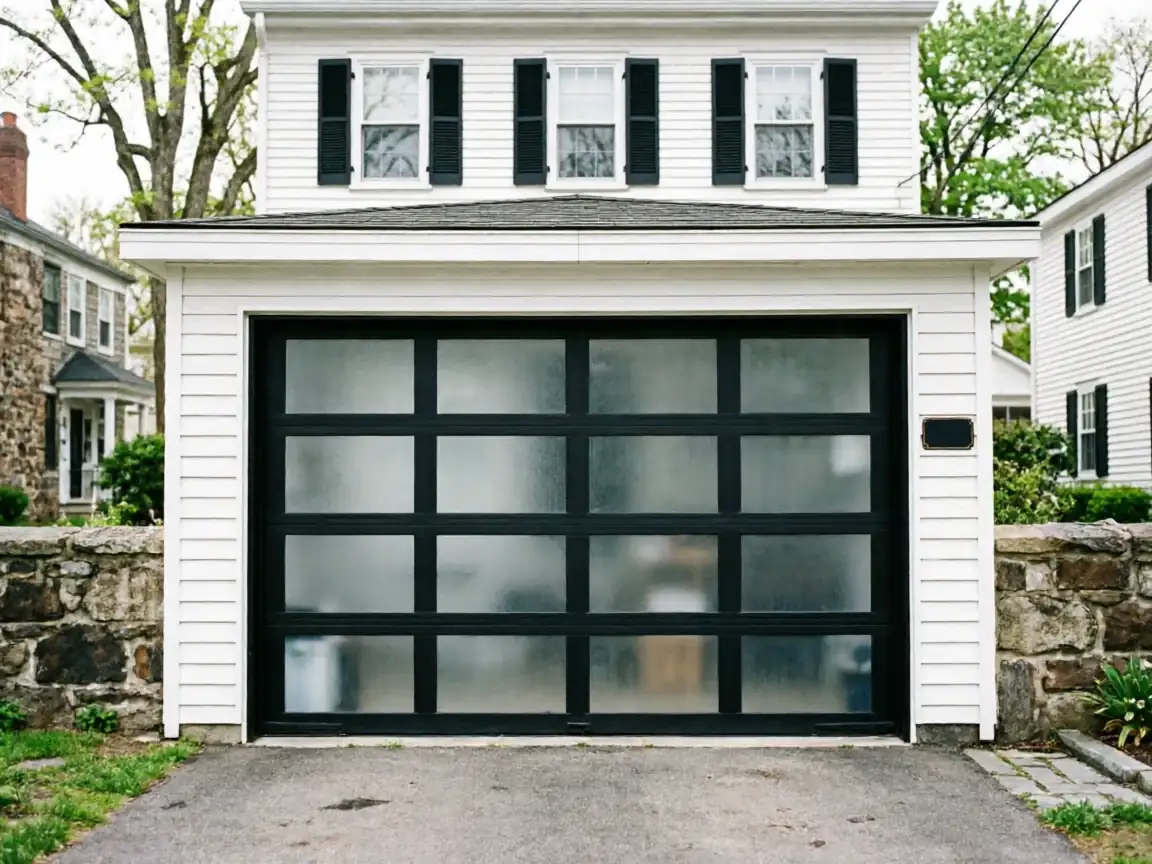
What You Are Seeing
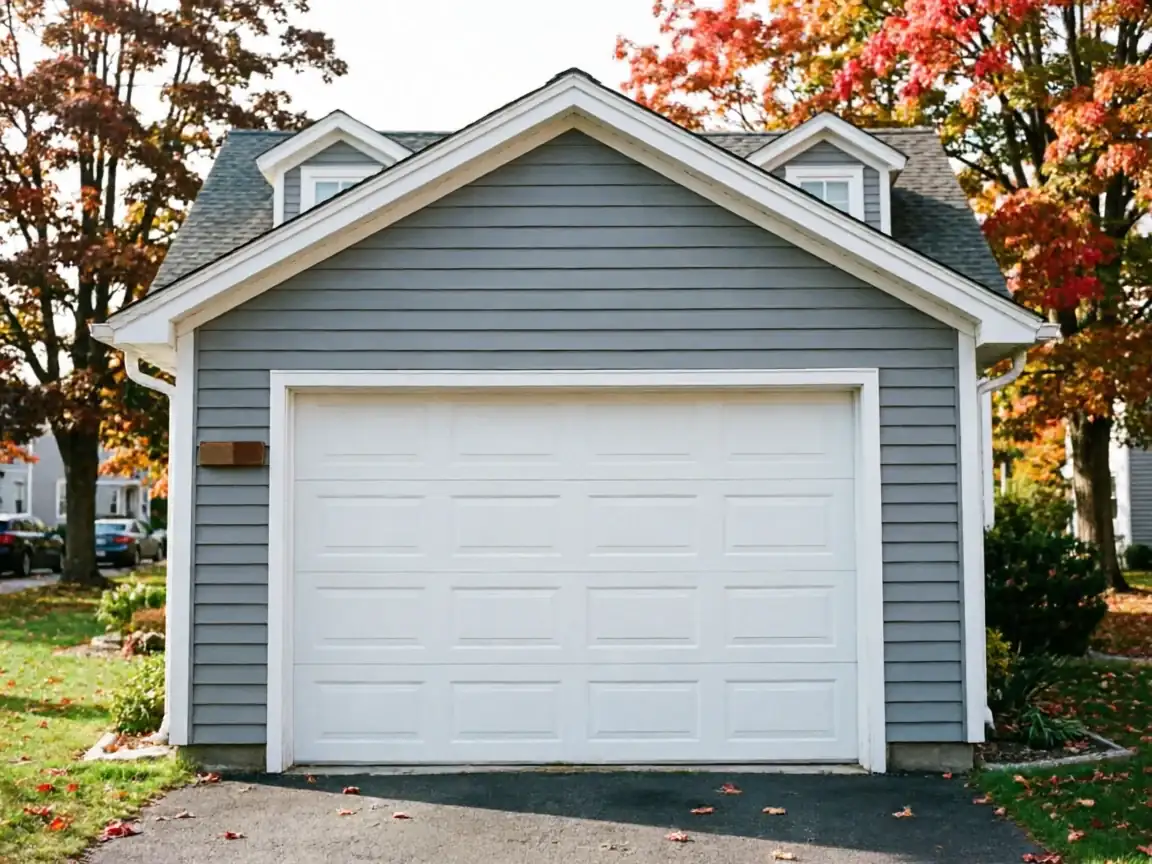
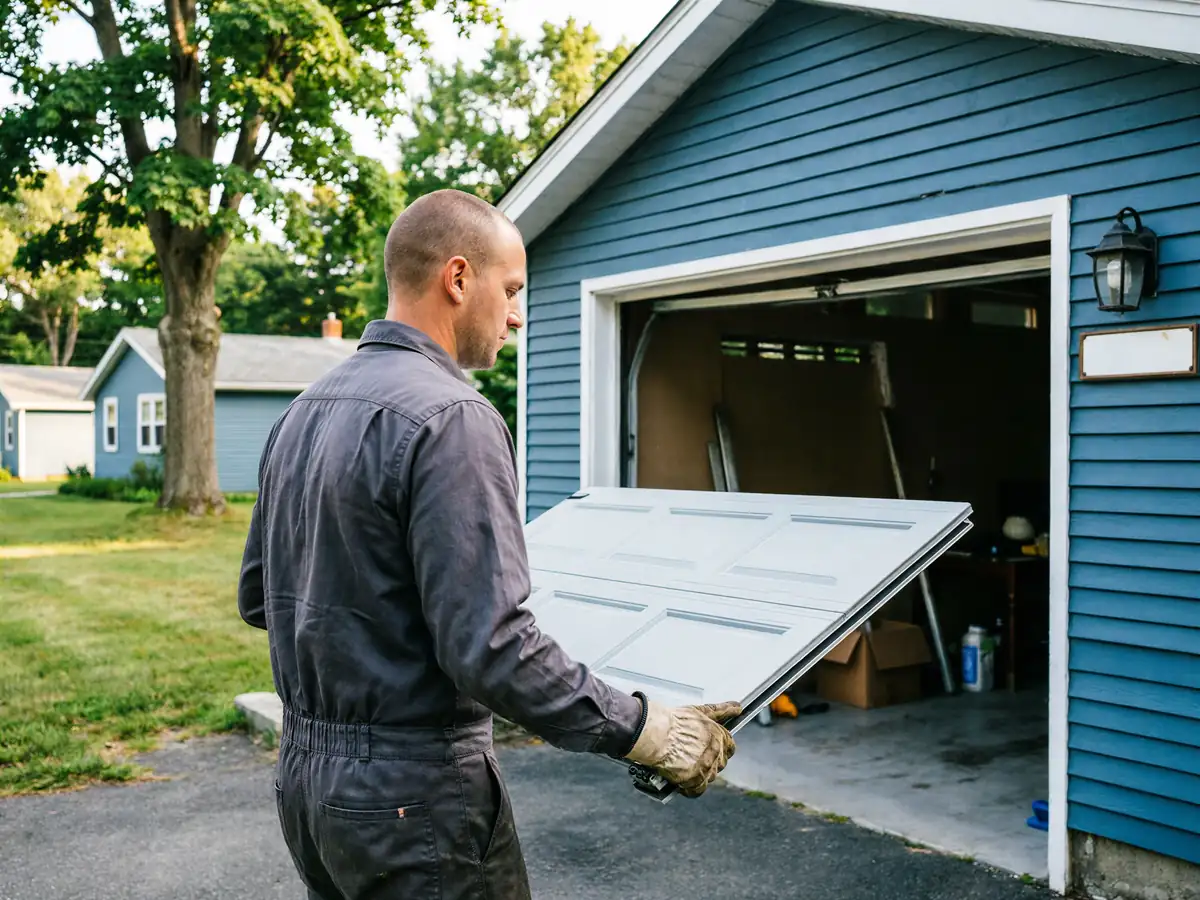
Westford is a smaller town than most of what we cover out of Waltham - about 8,814 households, which means fewer calls come in from here than from the bigger suburbs closer to the shop, but the ones that do tend to follow a pattern. Most of the housing stock here went up around 1983, newer than the 1938-to-1993 spread you see across the wider service area. That later build date matters: you're less likely to be running original hardware from the 1960s and more likely to have a steel sectional door on a torsion spring system installed sometime in the 80s or 90s, now old enough that the spring is near the end of its rated cycle count and the nylon rollers have started to crack and bind.
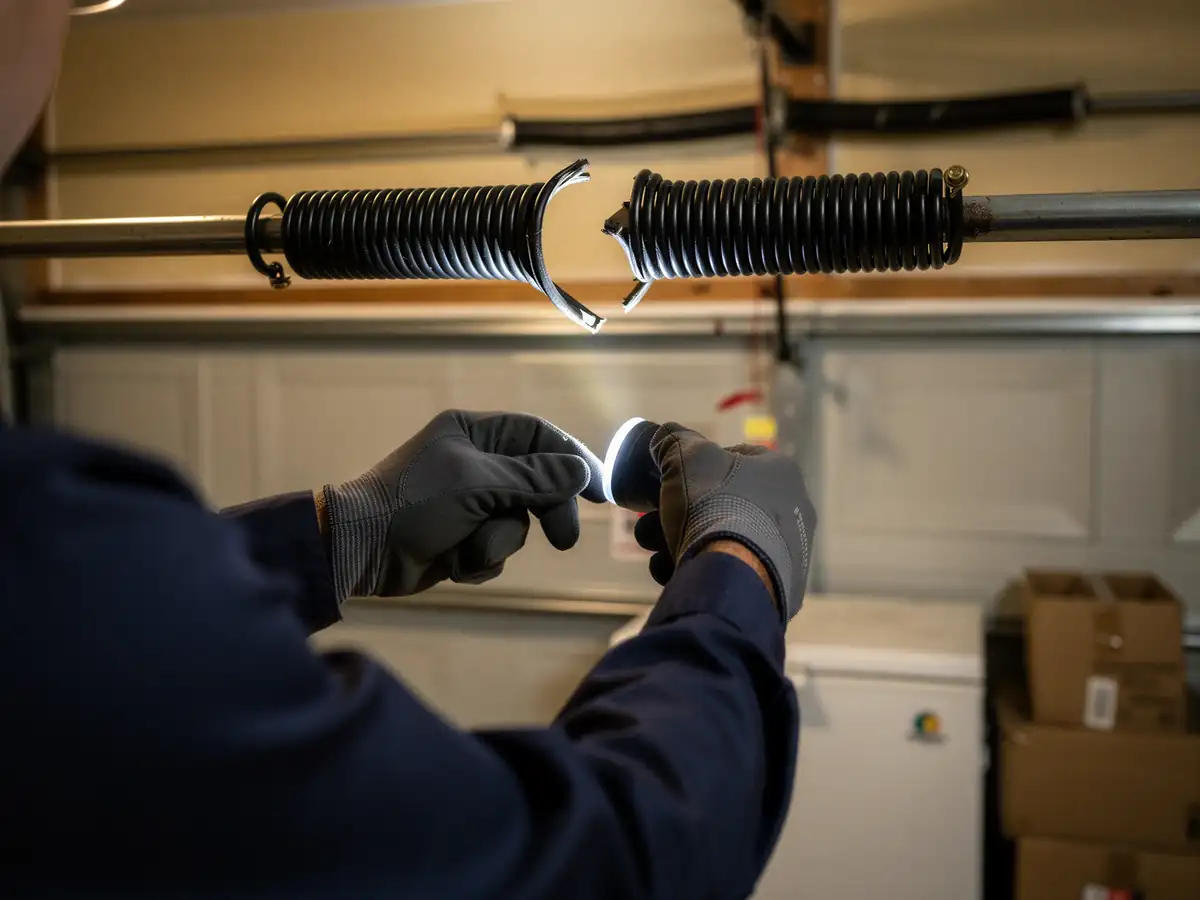
The other thing that shapes what we see is the climate band this whole region sits in - cold and severe winters. A broken spring often shows up the same week a cold snap hits, because the metal gets brittle and the extra load from a stiff, cold door is what finally snaps it. If your door won't budge, or one side is sagging while the other side looks fine, that's almost always a spring, not the opener.
Getting It Booked In
We run out of Waltham
And Westford is about 17 miles out, so there's no local branch or depot here - every job starts with a truck leaving Waltham and heading your way. That distance is worth knowing up front: we don't promise a same-hour arrival for a town this far out, and we'd rather tell you that plainly than have you waiting on a number we didn't give you.
- 17 miles
When you call, tell us what the door is doing
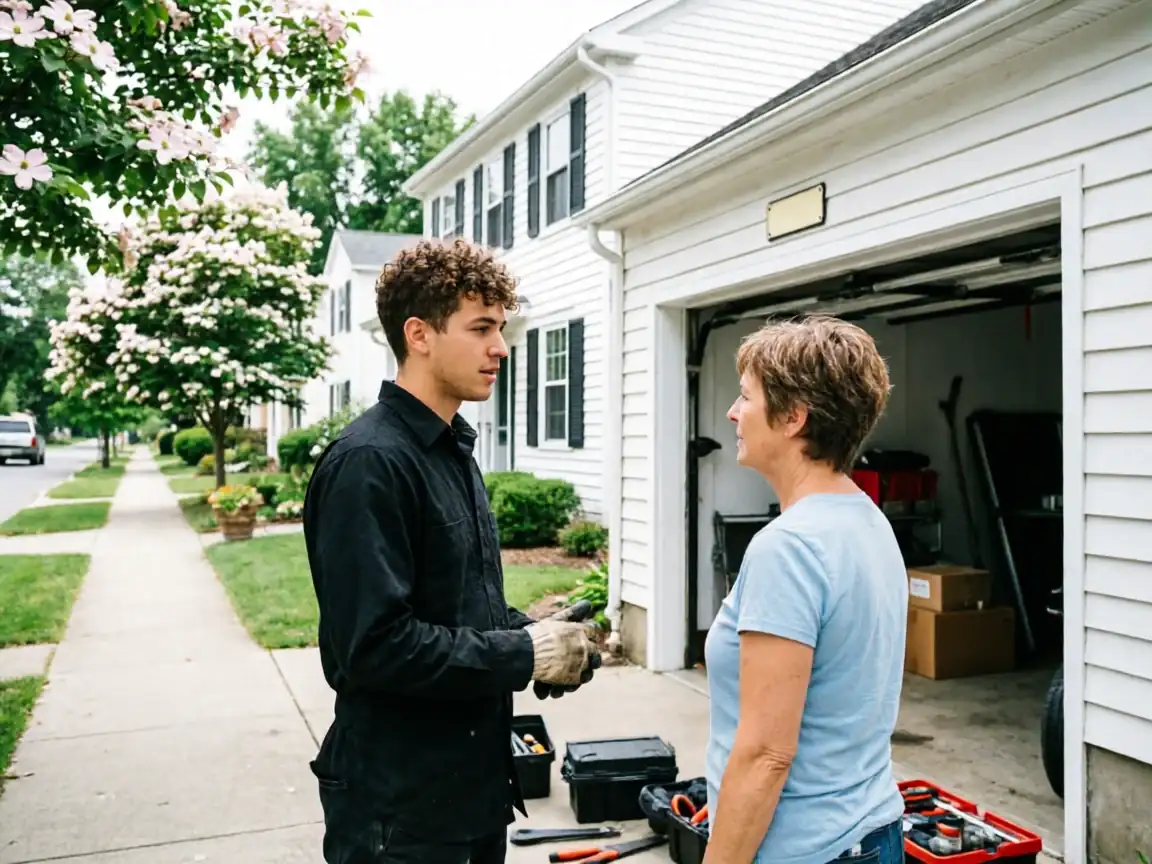
Won't open, opens partway and stops, one spring visibly snapped, cable off the drum - and whether the car is trapped inside or out. That tells us what to load on the truck before we leave, which matters more for a 17-mile run than it would for a job five minutes away. If it's a broken spring on a double door, we bring both springs, because the second one is usually close behind the first even if it hasn't gone yet.
How Long It Takes
The drive itself is the biggest variable for a Westford call - at 17 miles from Waltham, travel time dwarfs the time any routine repair takes once we're on site. A torsion spring replacement, once the truck is parked in your driveway, usually runs under two hours. A cable or roller job is quicker. A full opener swap takes longer, mostly because of the wiring and safety sensor alignment, not the mechanical part.
We can't give you a fixed window for how soon we'll be there, because that depends on where the truck already is when you call and what the rest of the day looks like. What we can tell you is that once we arrive, most single-spring and cable repairs finish the same visit. If a part has to be special-ordered - an odd-width panel or an opener model that's been discontinued - that adds days, not hours, and we'll say so before you commit to the job.
Can You Do This Yourself
A torsion spring is under enough tension to break a hand or worse if it lets go while you're working on it - this isn't a job to learn on your own door. If you're comfortable with tools, there are things worth checking before you call: make sure the opener isn't just unplugged, check that the manual release cord hasn't been pulled (it disconnects the opener from the door entirely), and look at the tracks for anything obviously bent or blocking a roller.
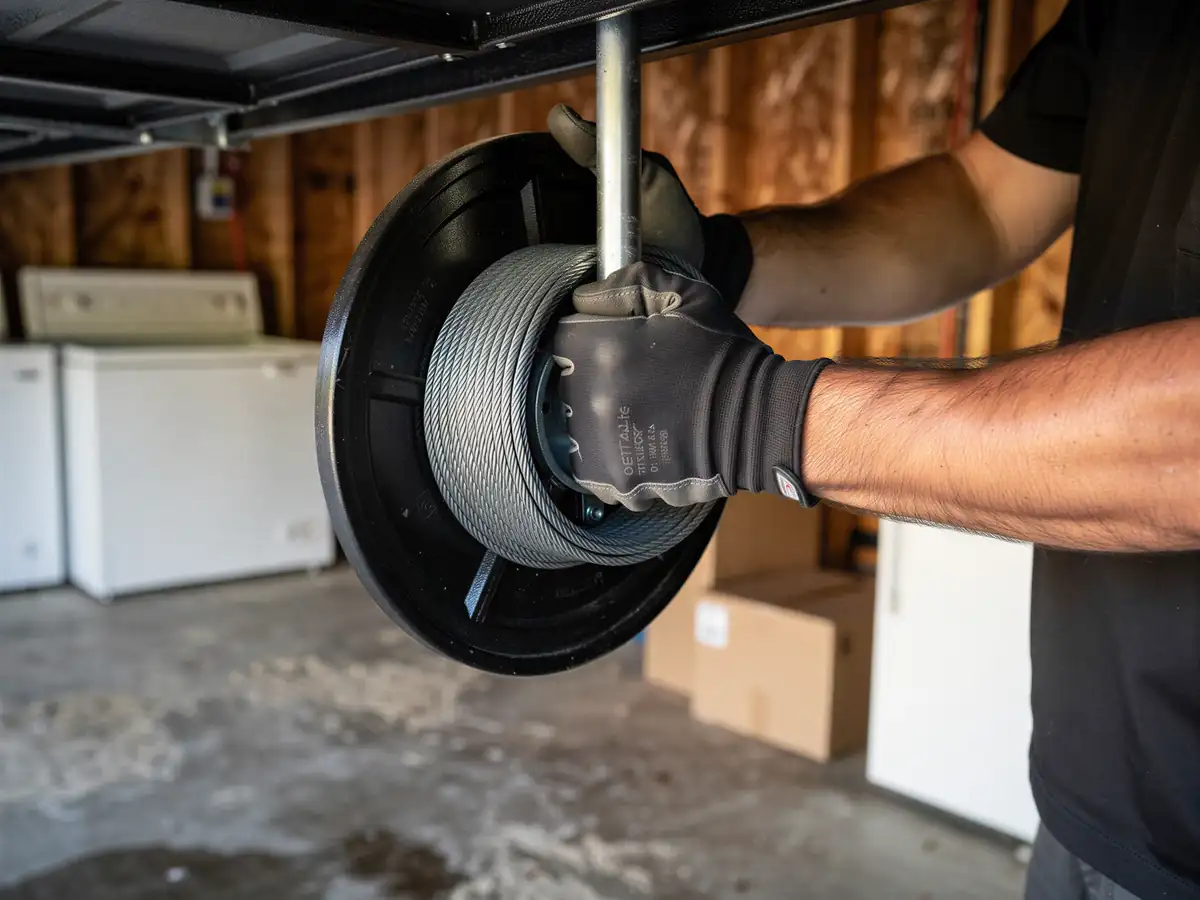
What you shouldn't touch is anything with the spring itself, the cables, or the drums at the top of the tracks. Given that most houses in this part of town are running 1980s-era torsion hardware at this point, a spring that looks fine today can be close to the end of its cycle life, and winding or unwinding it without the right bars is how people get hurt. If the door is stuck shut with the car inside, that's a call, not a weekend project.
Stocked Parts
We stock the parts that fail most often on doors from this housing era
Standard torsion springs in common sizes, rollers, cables, and hinges. Given the 1983 median build date across Westford, that covers the bulk of what we run into here: steel sectional doors with torsion hardware that's now reaching 30 to 40 years old, which is past the point most springs are rated for.
- 40 years
What we don't carry on the truck is anything custom
An odd-sized panel for a discontinued door model, or a specialty opener part that the manufacturer only ships on request. Those jobs need a part ordered first, and we'll tell you that on the spot rather than have you wait on a truck that doesn't have what it needs. For the common failures - a snapped spring, a cable off the drum, a roller that's seized - we're usually equipped to finish in one visit.
How We Fix It
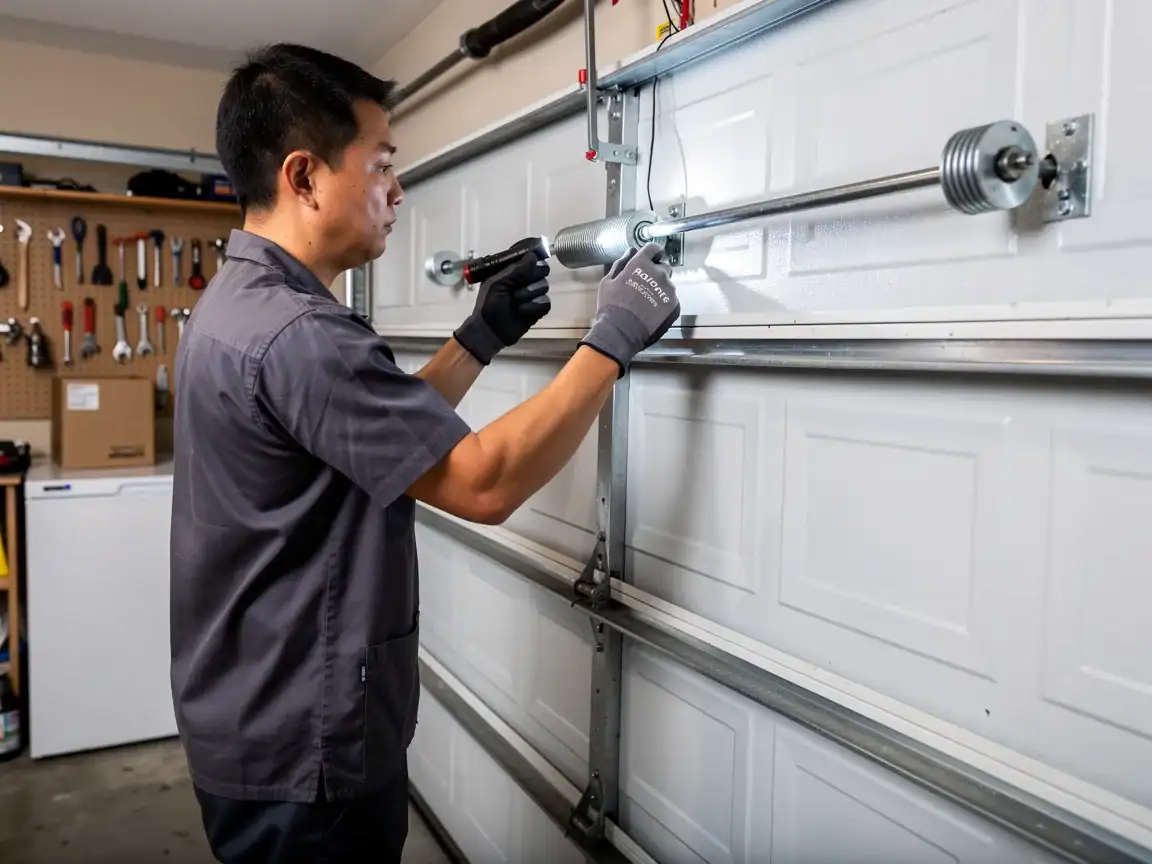
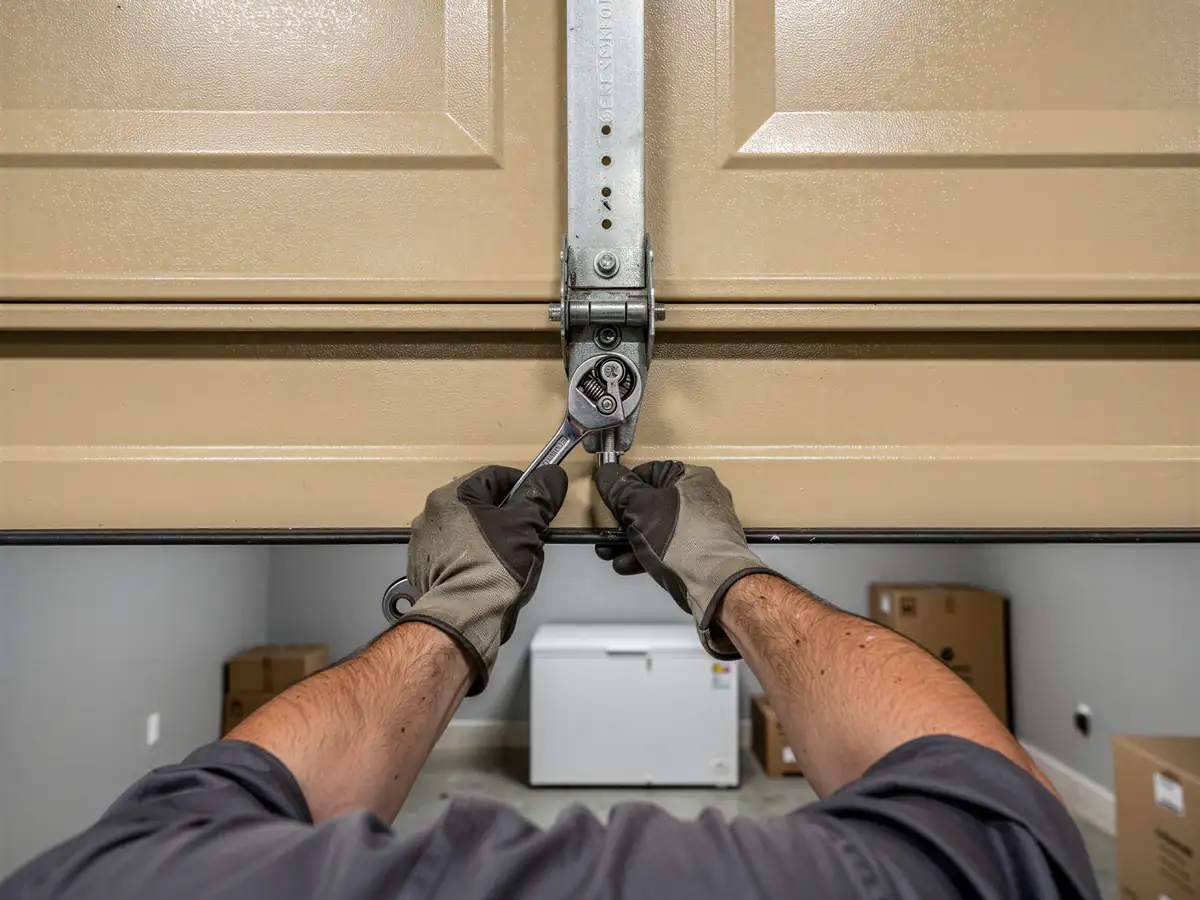
For a broken torsion spring, we unwind the old one safely, replace it to match the door's weight and width, and balance the door so it holds at any point when released by hand - that balance check matters more on older torsion setups than people expect, since a door that's even slightly out of balance puts extra strain back on the new spring right away.
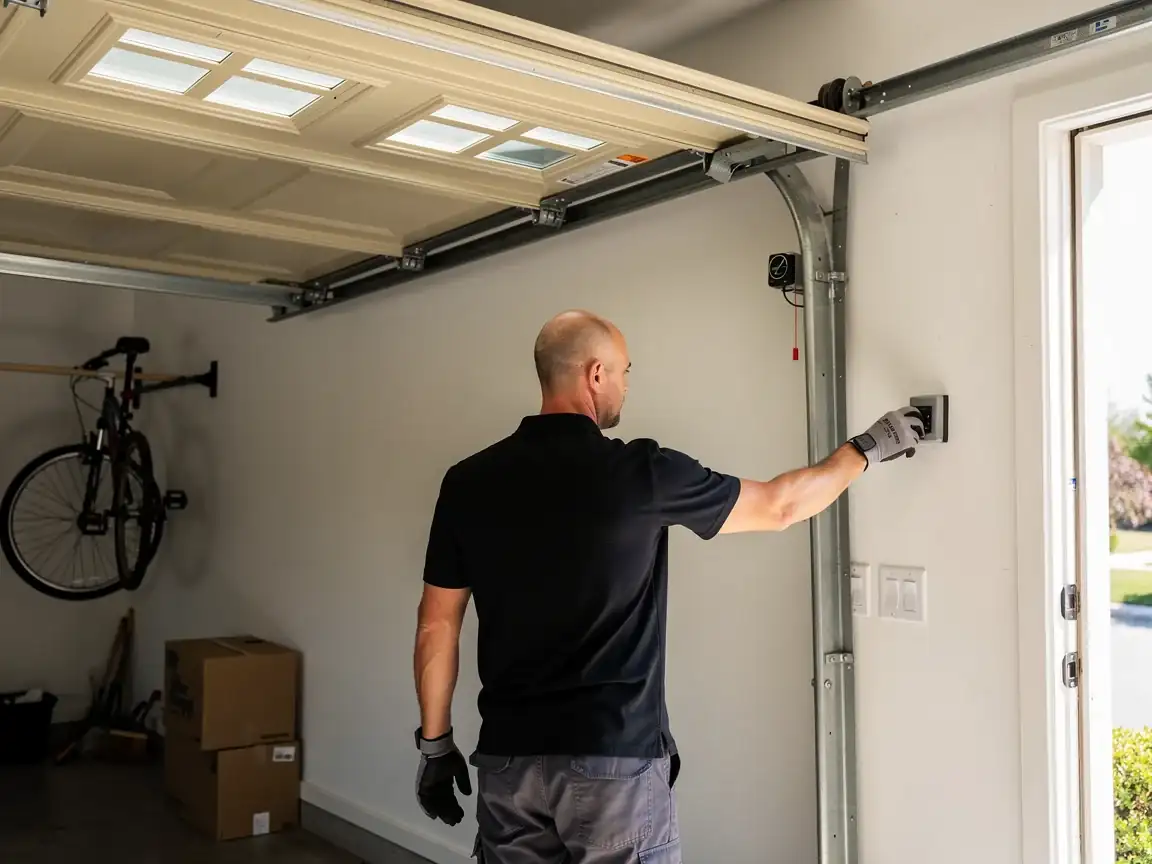
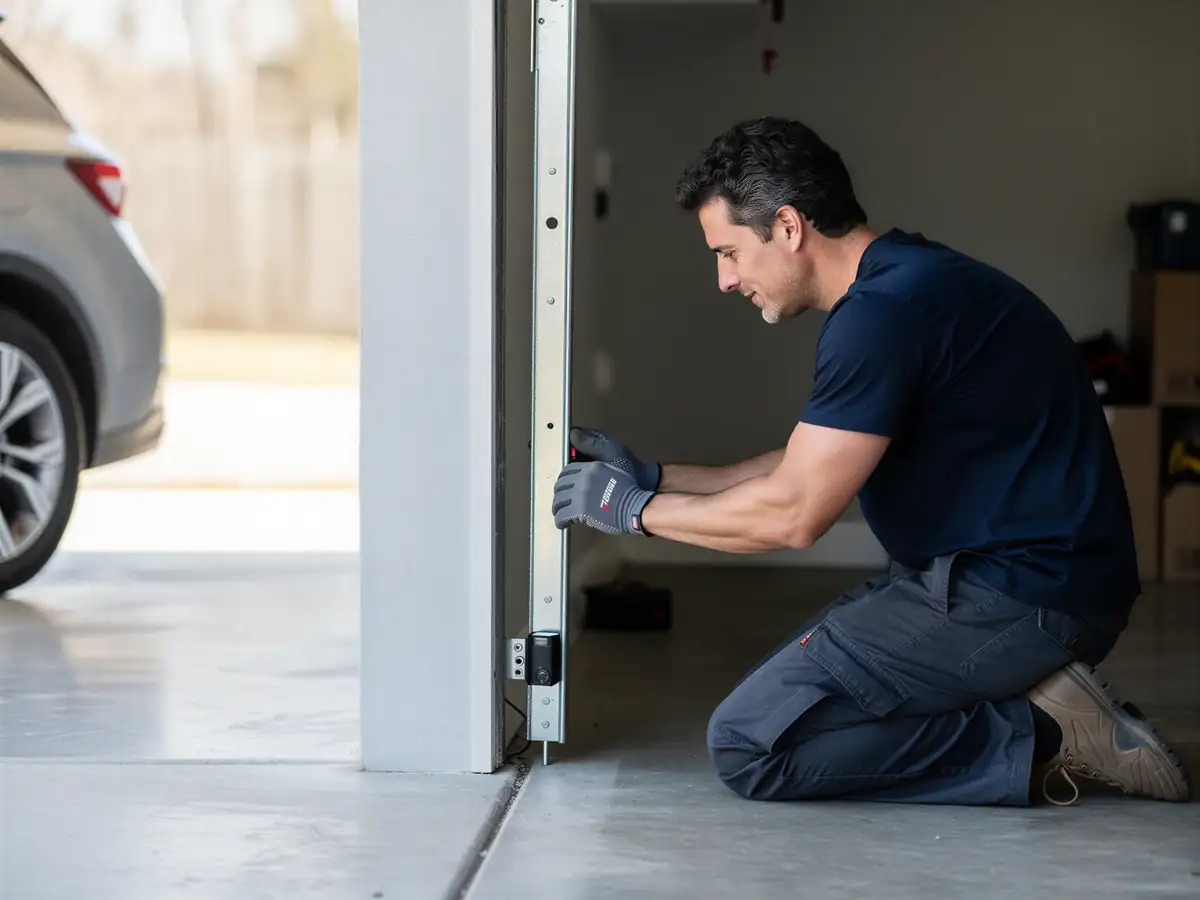
For a cable that's jumped the drum, we re-seat it and check the drum for wear, since a worn drum is often why the cable slipped in the first place. For an opener that's stopped responding, we check the logic board, the sensors, and the wiring before assuming the whole unit needs replacing - on a door this age, sometimes the opener outlasts the spring and hardware around it, and sometimes it doesn't. We'll tell you which one you're looking at before we start charging for parts.