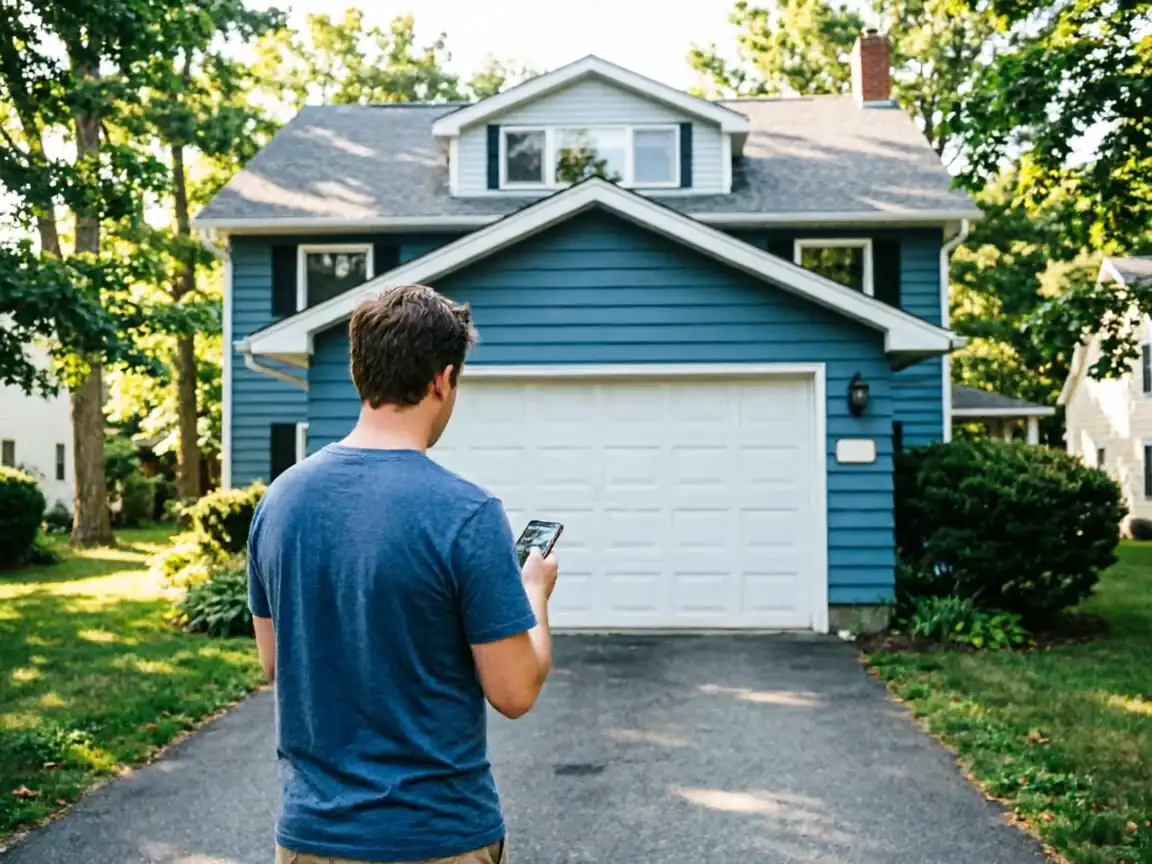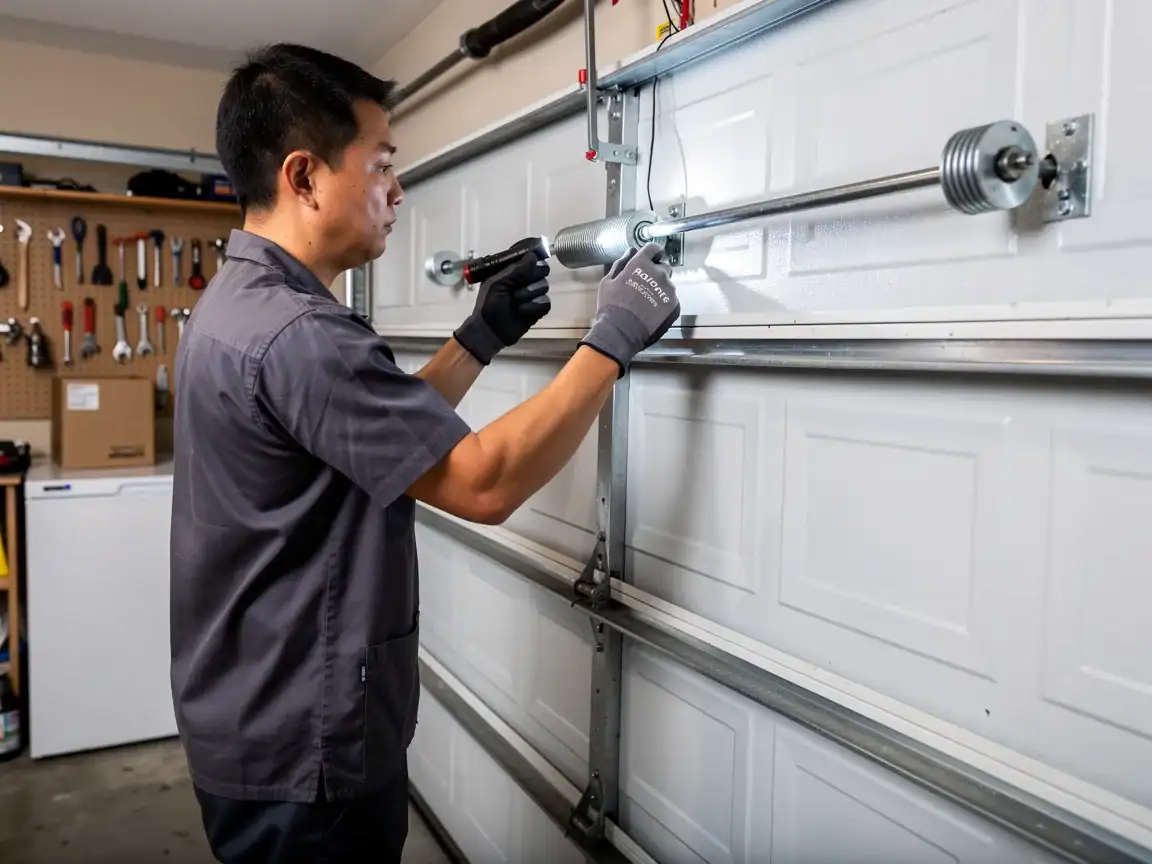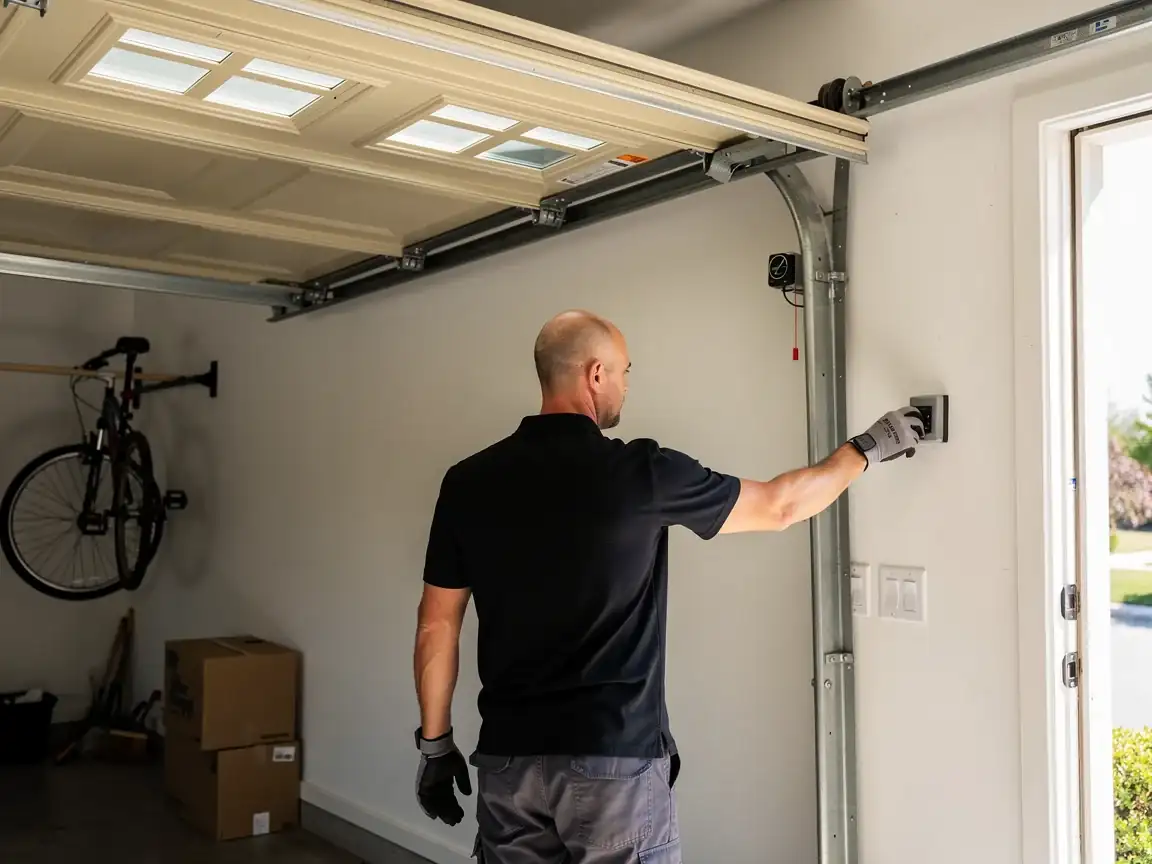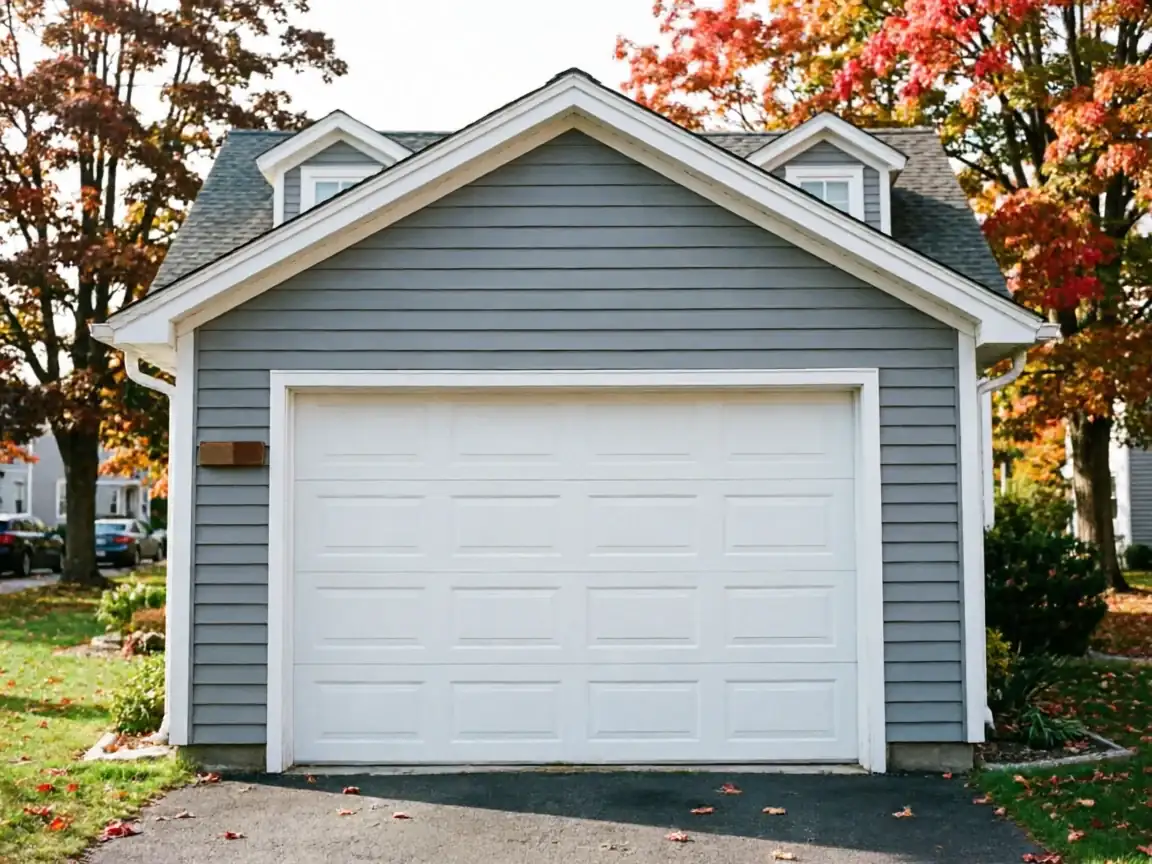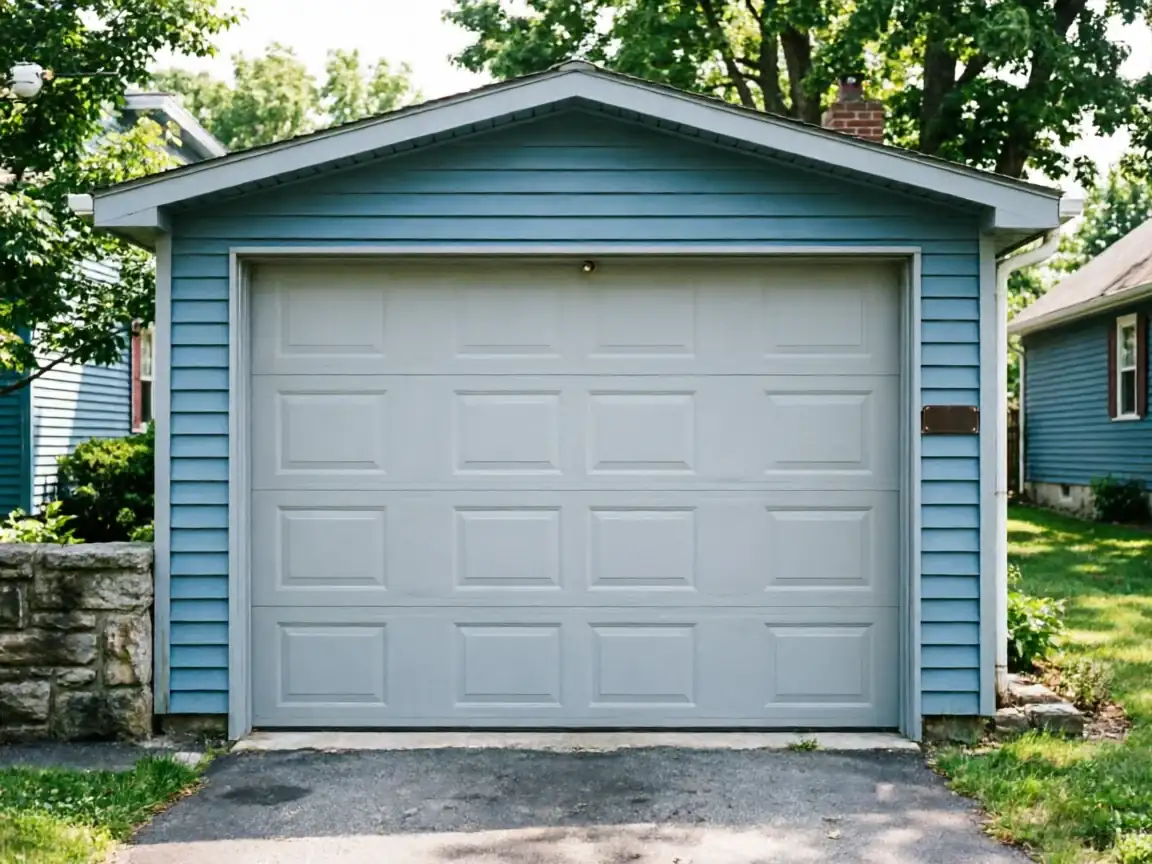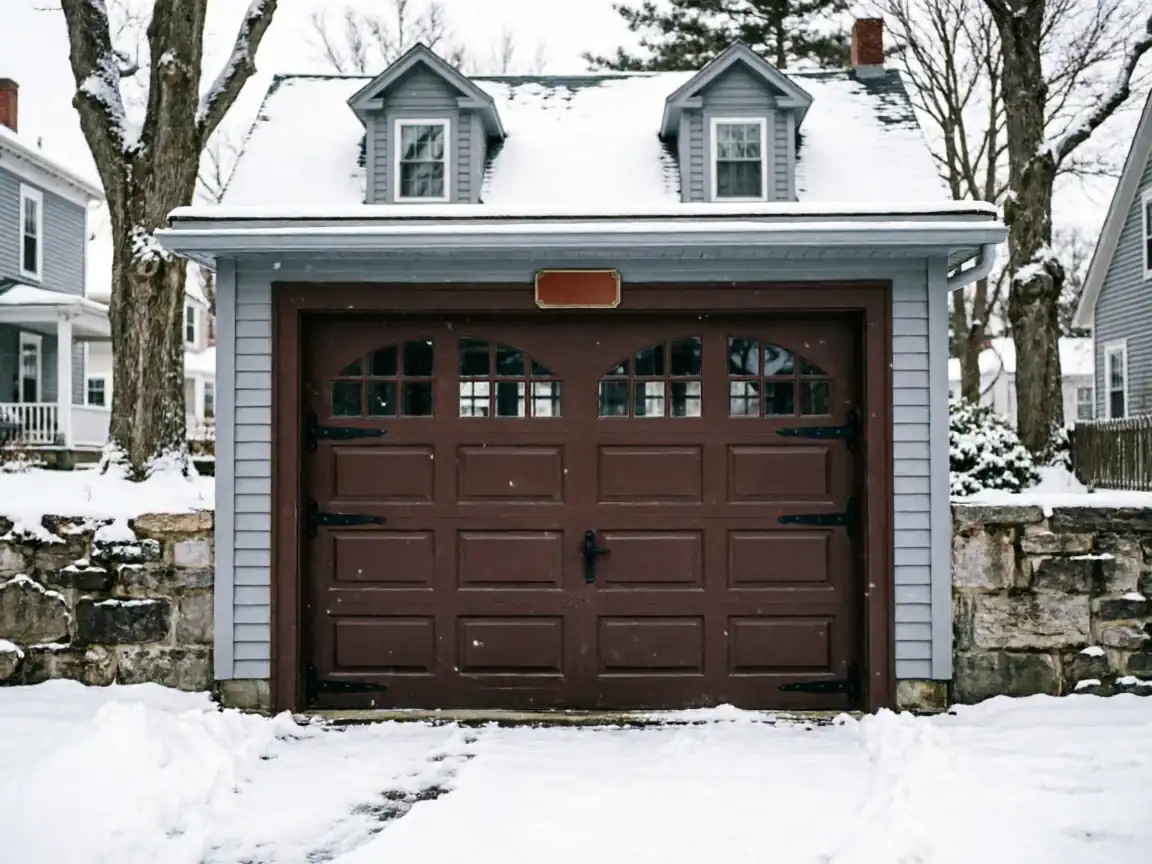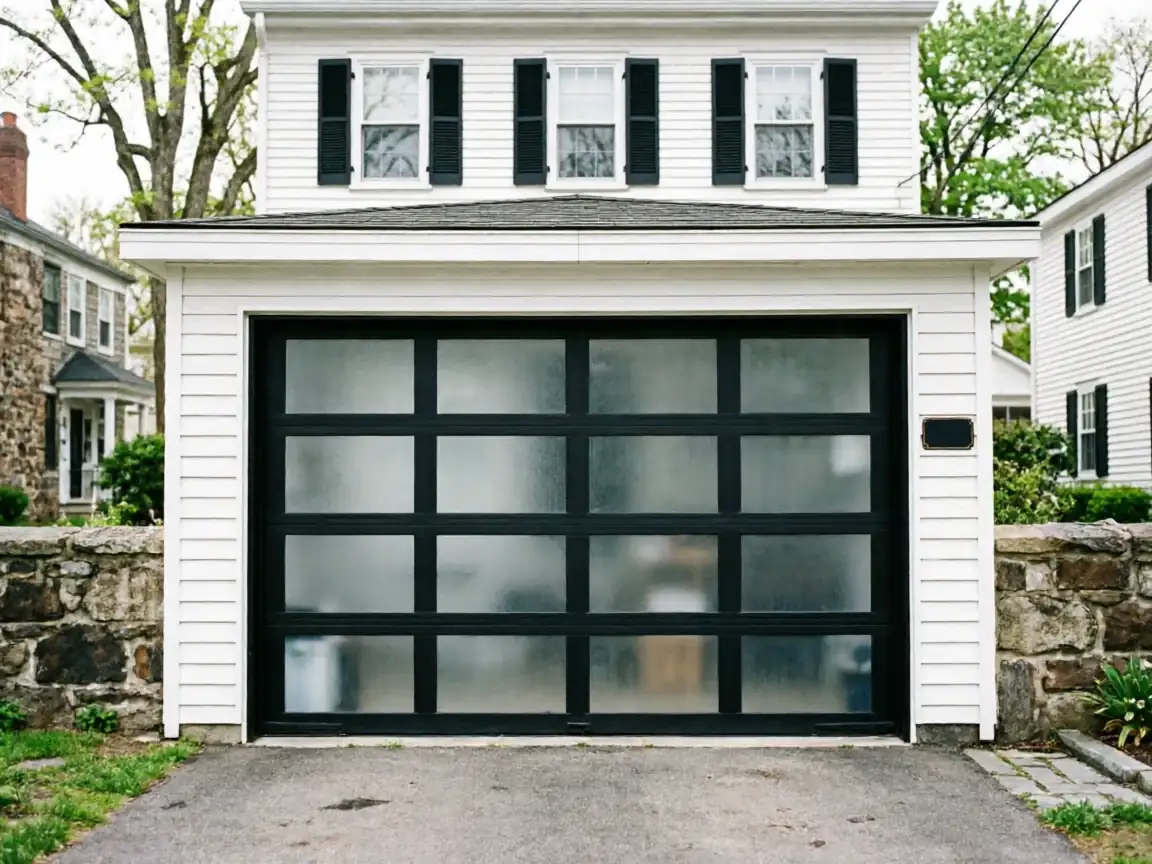
What You Are Seeing
Waltham's own housing runs old, a median build year of 1966 with stock going back to 1938. Westford is a different animal. Most houses here went up around 1983, which puts a lot of garages into an era of pre-fab steel sectional doors on chain-drive openers rated for lighter loads than what people want to run today - keypads, smartphone apps, battery backup. The opener that came with the house at that build date is usually a single light-duty unit, often without rolling-code security, and the mounting bracket may not be rated for a heavier insulated door if the owner has swapped the door since. That's the mismatch we see most: a newer opener bolted to decades-old door springs, or a fine door paired with an opener that's outlived its gearset. Westford's 8,814 households sit well above Waltham's older-era norm on income too - median household income here runs $181,523 - which tends to mean owners ask for the mid-to-upper tier openers with battery backup and Wi-Fi rather than the bare-bones models, since the budget supports it and the garage often doubles as a workshop or gym.
How Long It Takes
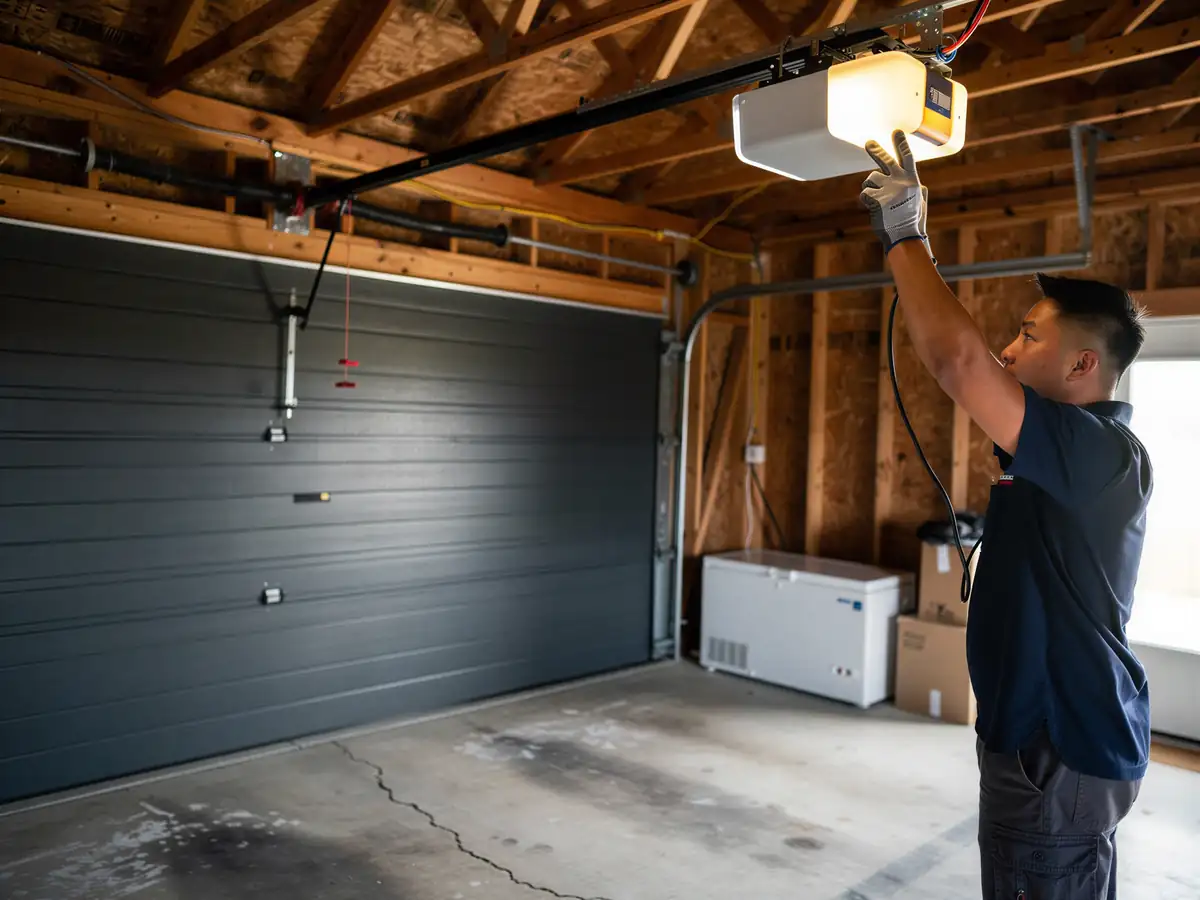
A straight swap - same mounting, same door, new opener head - usually runs a couple hours once we're on site. It runs longer if the old bracket doesn't fit the new unit's mounting pattern, which happens more in houses built around Westford's 1983 median than in true modern construction, since bracket standards have shifted more than once since then. Add time if we also need to replace the travel rail or reposition the safety sensors to current code height. We'd rather tell you it might run long than promise a number we can't hold to from 17 miles out.
Can You Do This Yourself
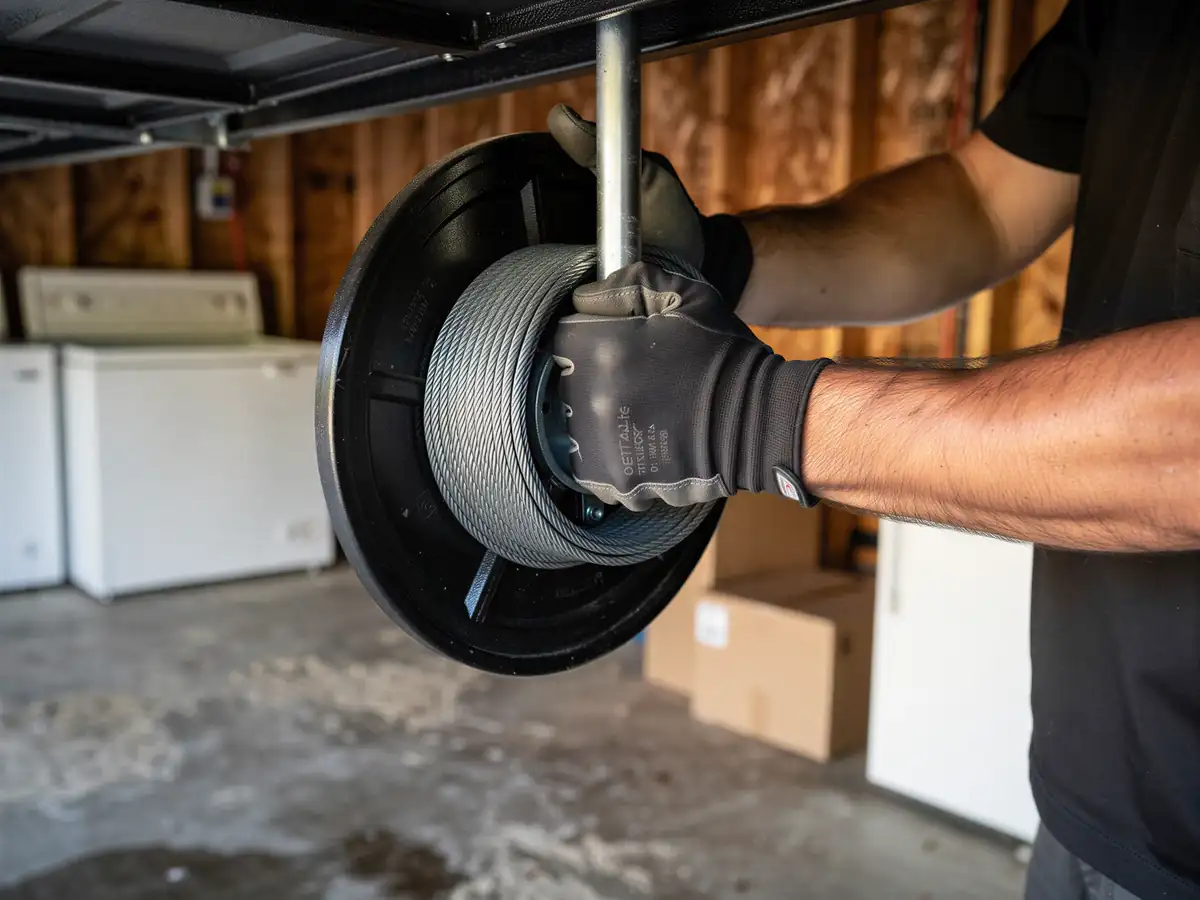
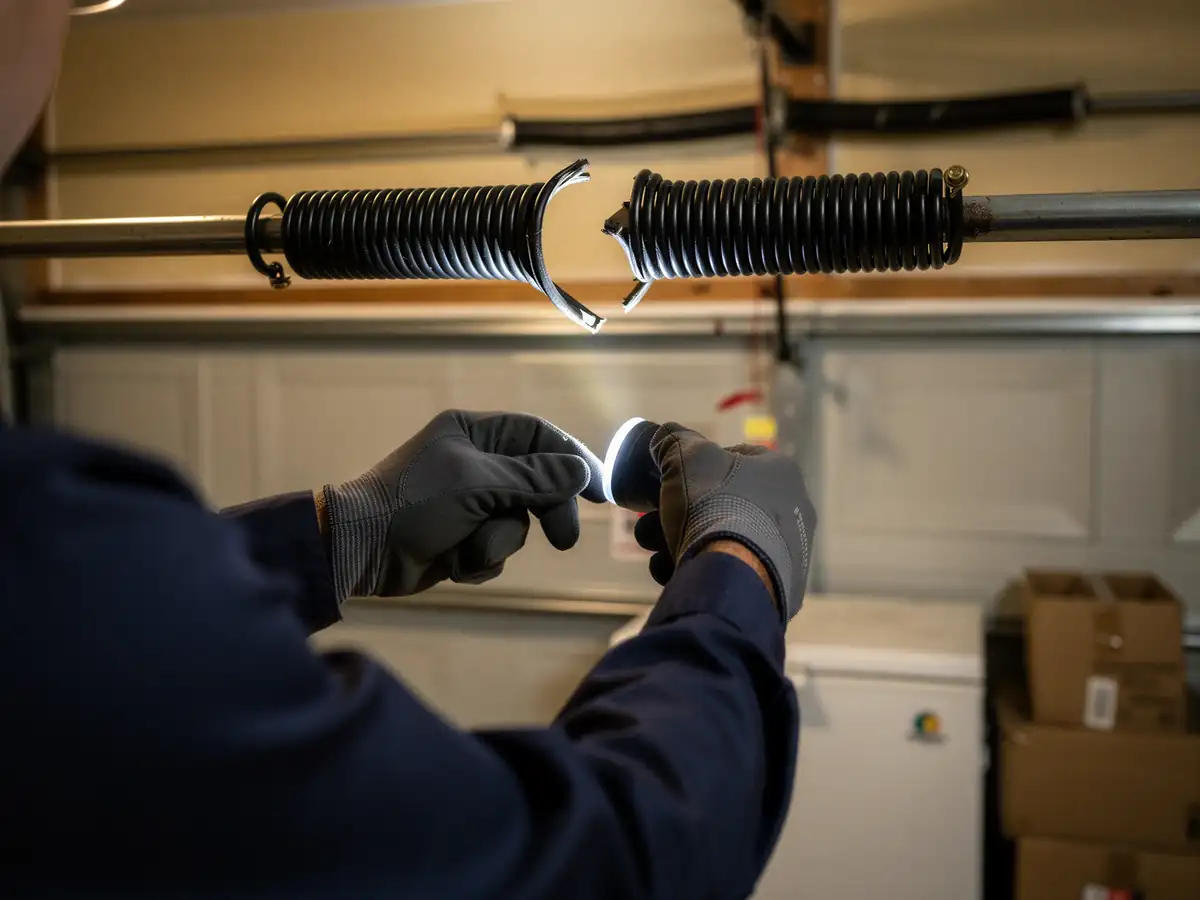
Plenty of opener installs are within reach for a handy homeowner - the electrical is low voltage, the rail bolts together, and manufacturers write decent manuals. Where people get hurt is the spring side: if your existing torsion spring is original to a house from the early 1980s, it's past any reasonable service life and shouldn't be the thing holding the door up while you're wiring a new head unit underneath it. If the opener swap is clean - same bracket, same rail length, door already balanced correctly - it's a reasonable weekend project. If you're not sure the door is balanced, that's not a DIY call.
How We Fix It
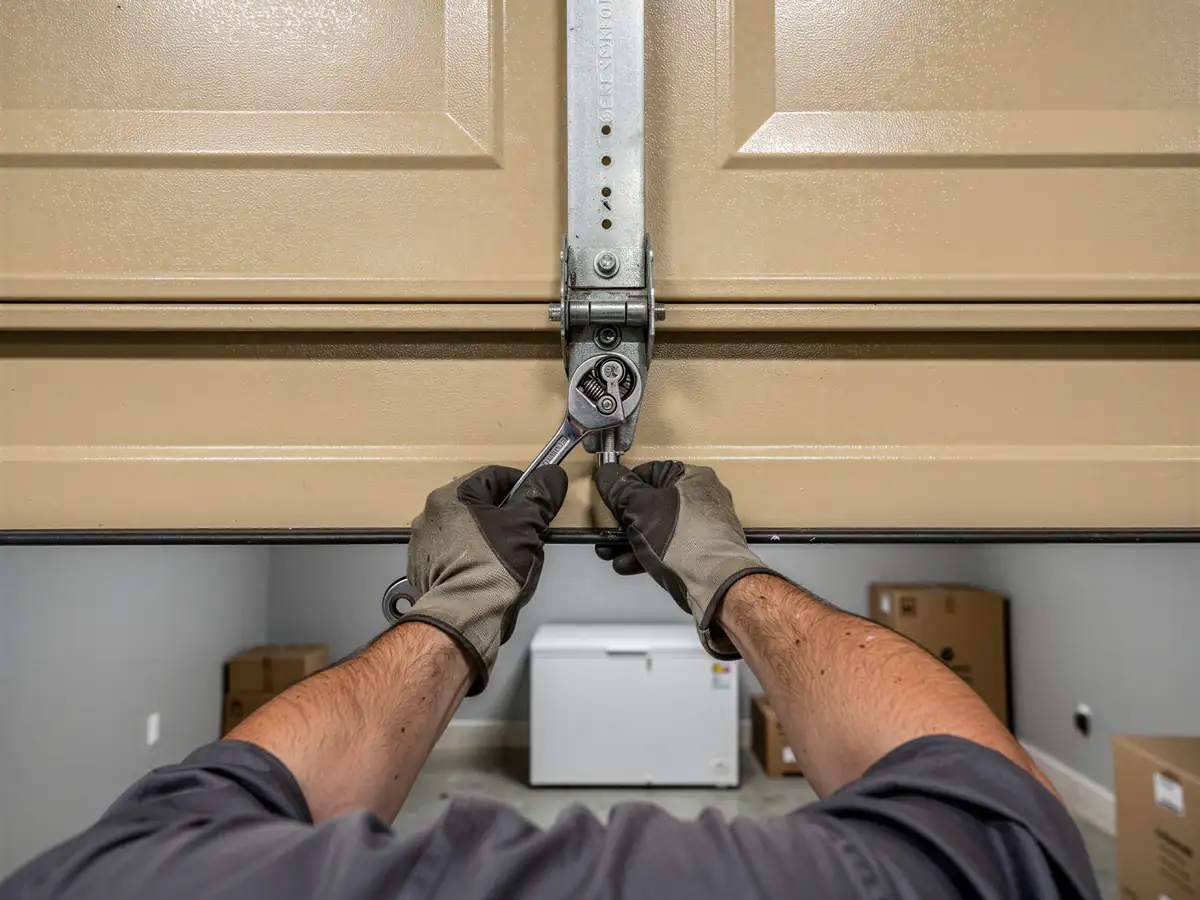
We pull the old opener head, check the rail and bracket condition, and confirm the door's spring and cable setup can take the new unit's lift force before we hang anything - Waltham's broader service area sits in a cold, severe climate band, and a garage opener working against a door that's binding in winter cold puts more strain on the new gearset than most people expect. We set the new unit, align the sensors to current height, and program the remotes and any smart-home connection you want. If the door itself needs work first - springs, rollers, a bent track - we'll say so before we put a new opener on top of an old problem.