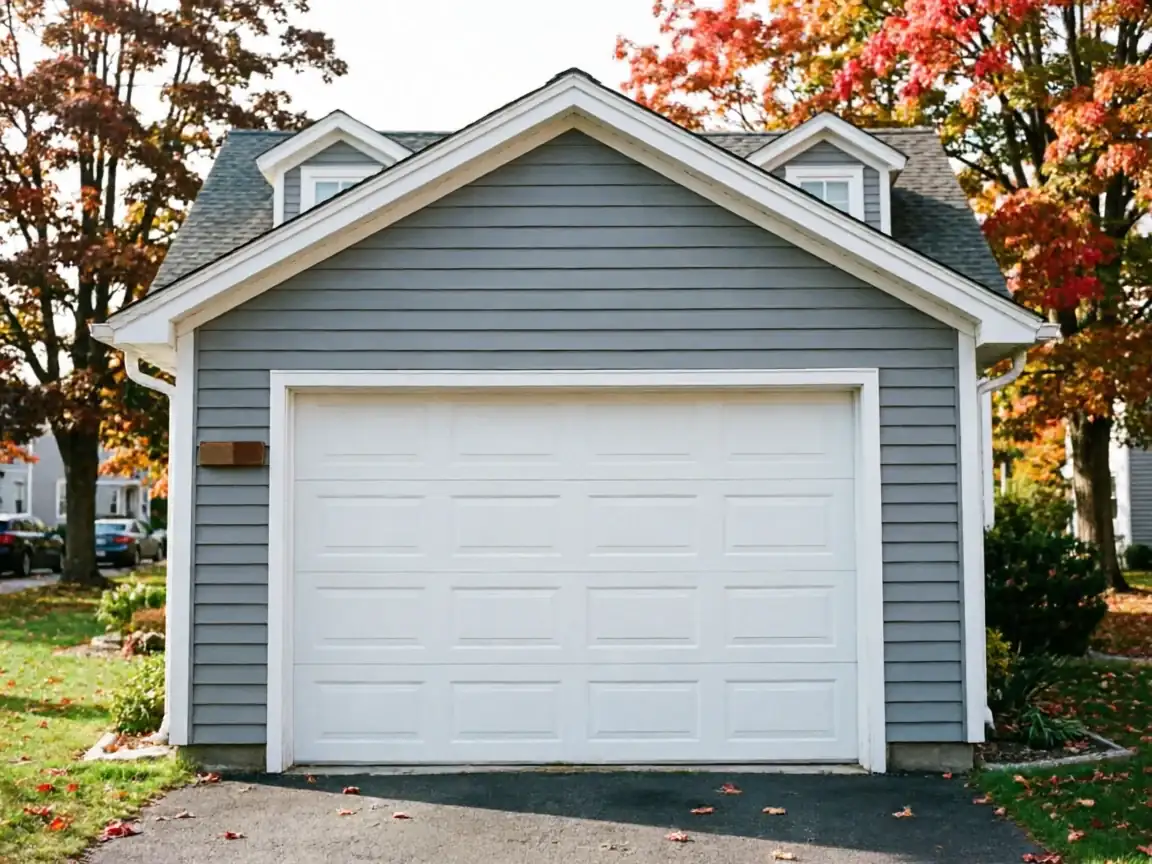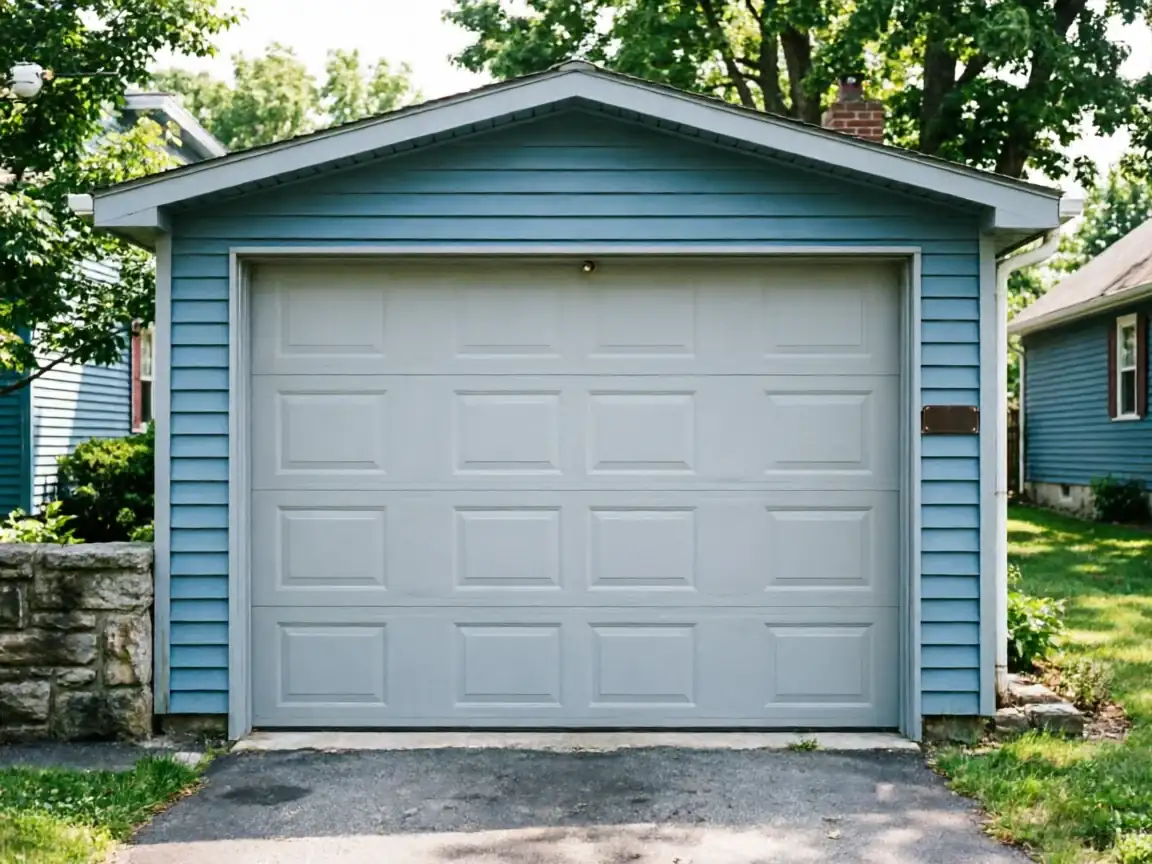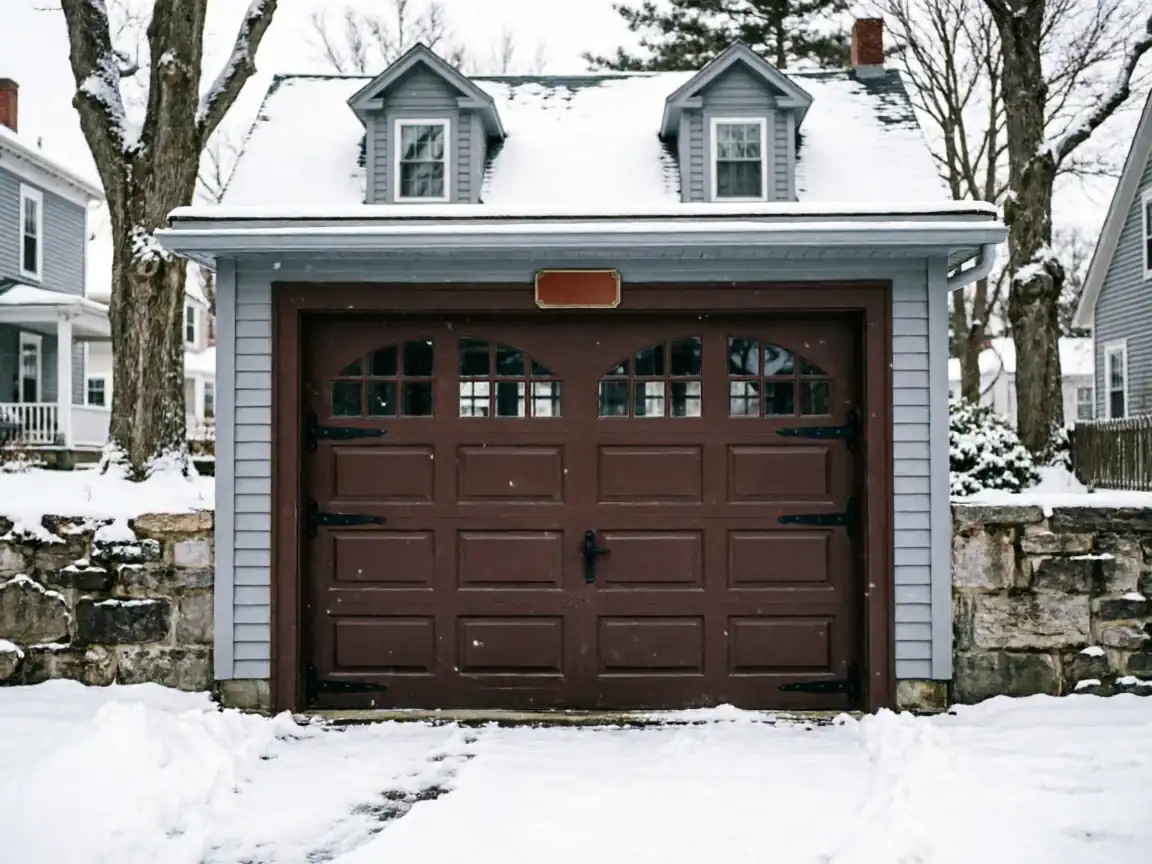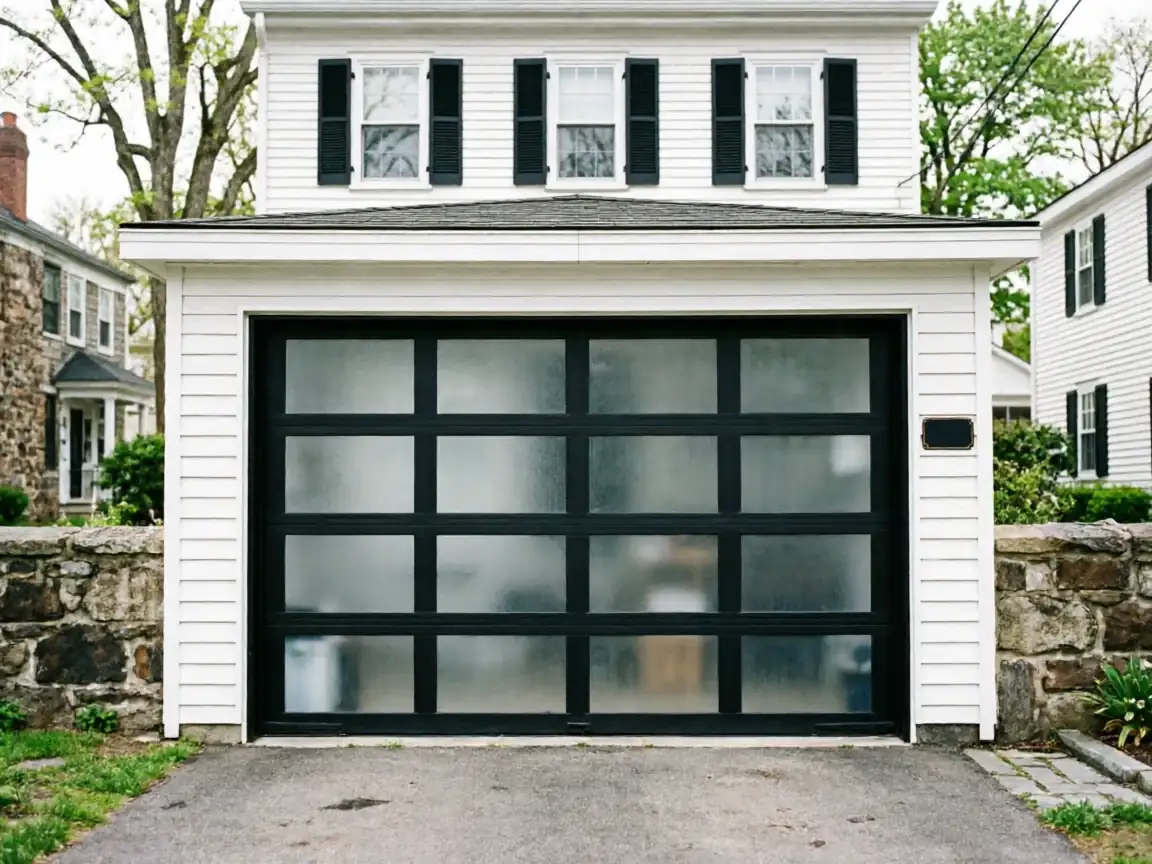
What You Are Seeing
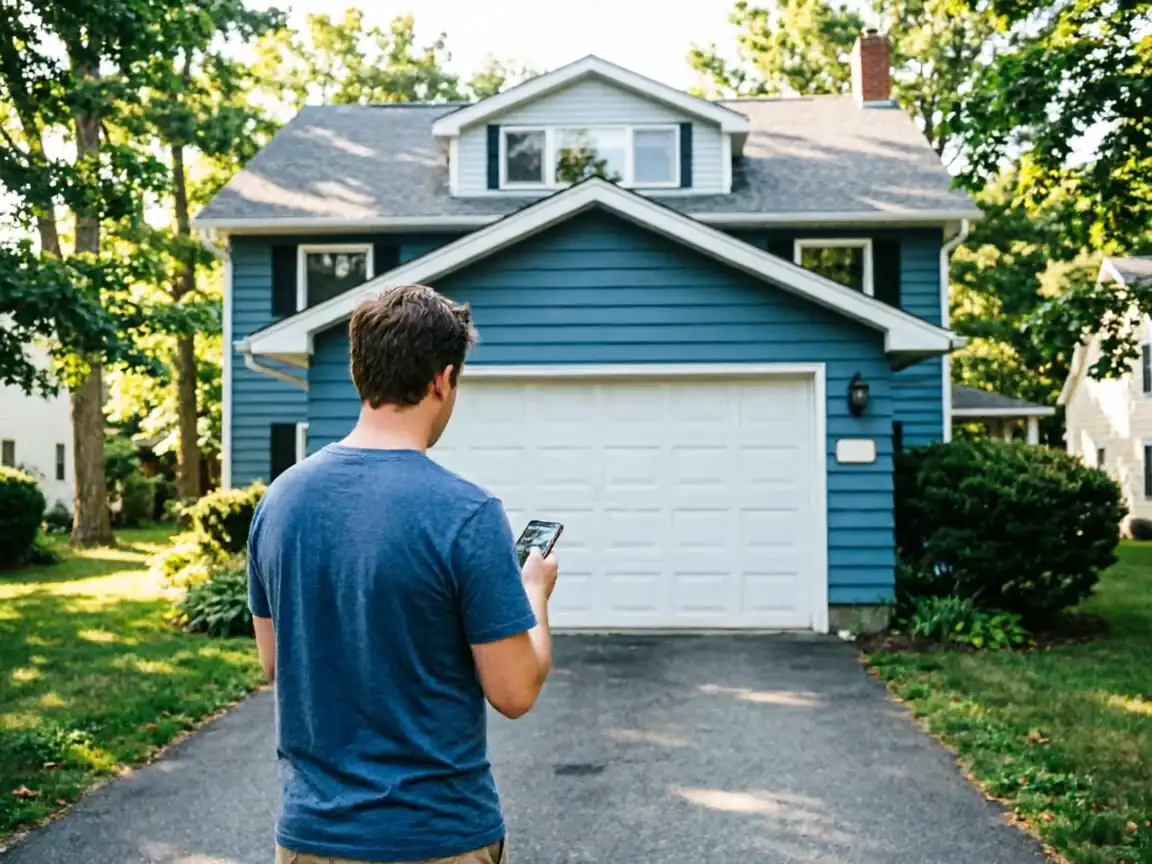
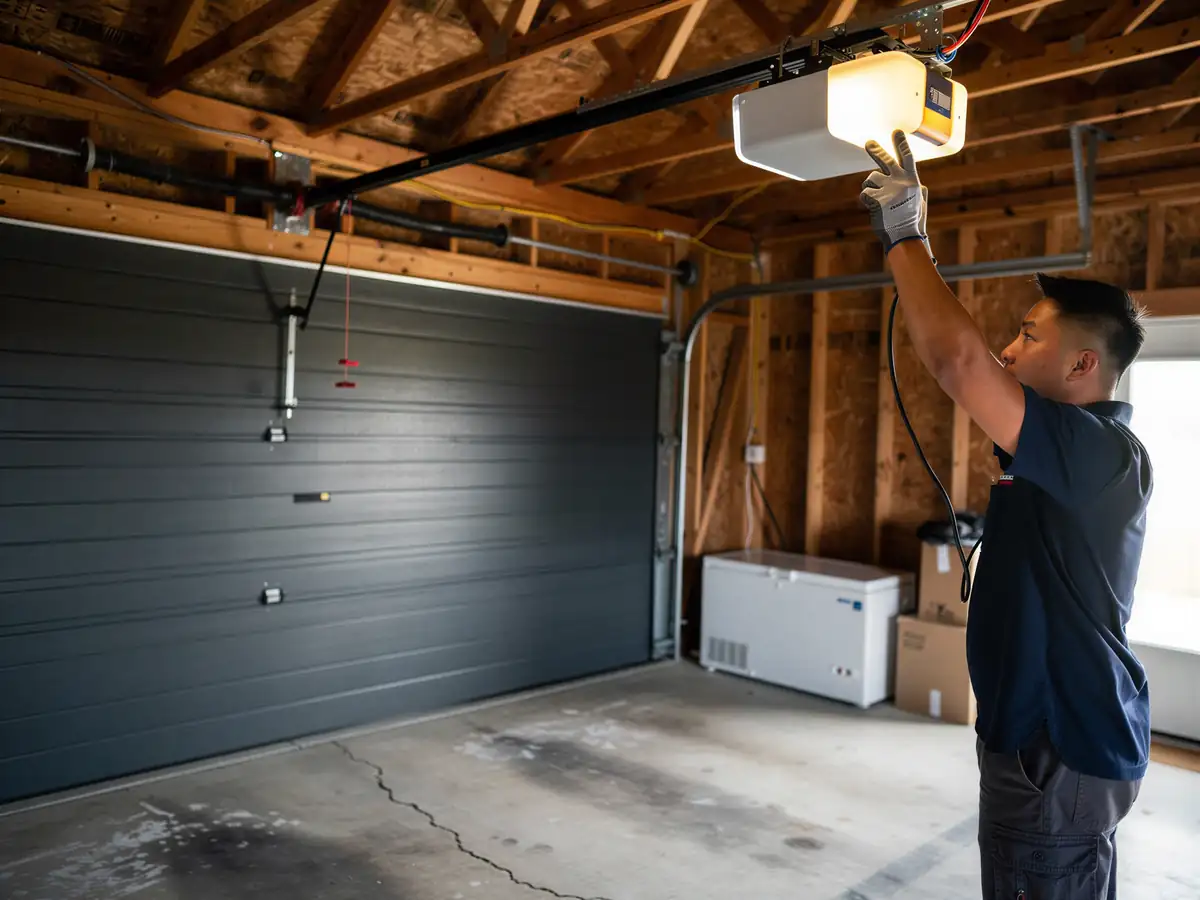
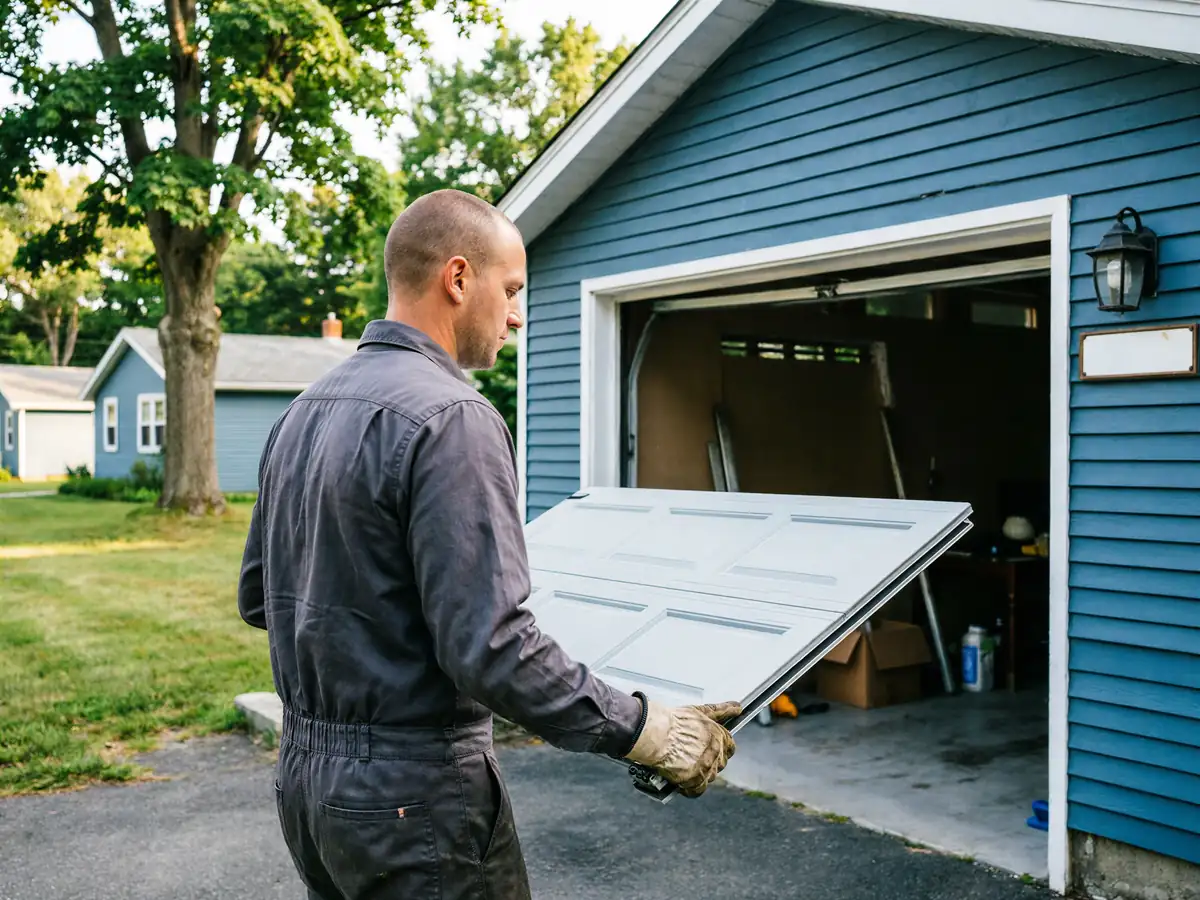
The complaint we hear most out of Westford is a single bottom panel that's caved in, usually from a car bumper or a plow pass, on a door that otherwise still runs fine. The rest of the door is sound, the opener works, the springs are good - it's one section that's bent, split, or rusted through at the bottom where snowmelt sits against the steel.
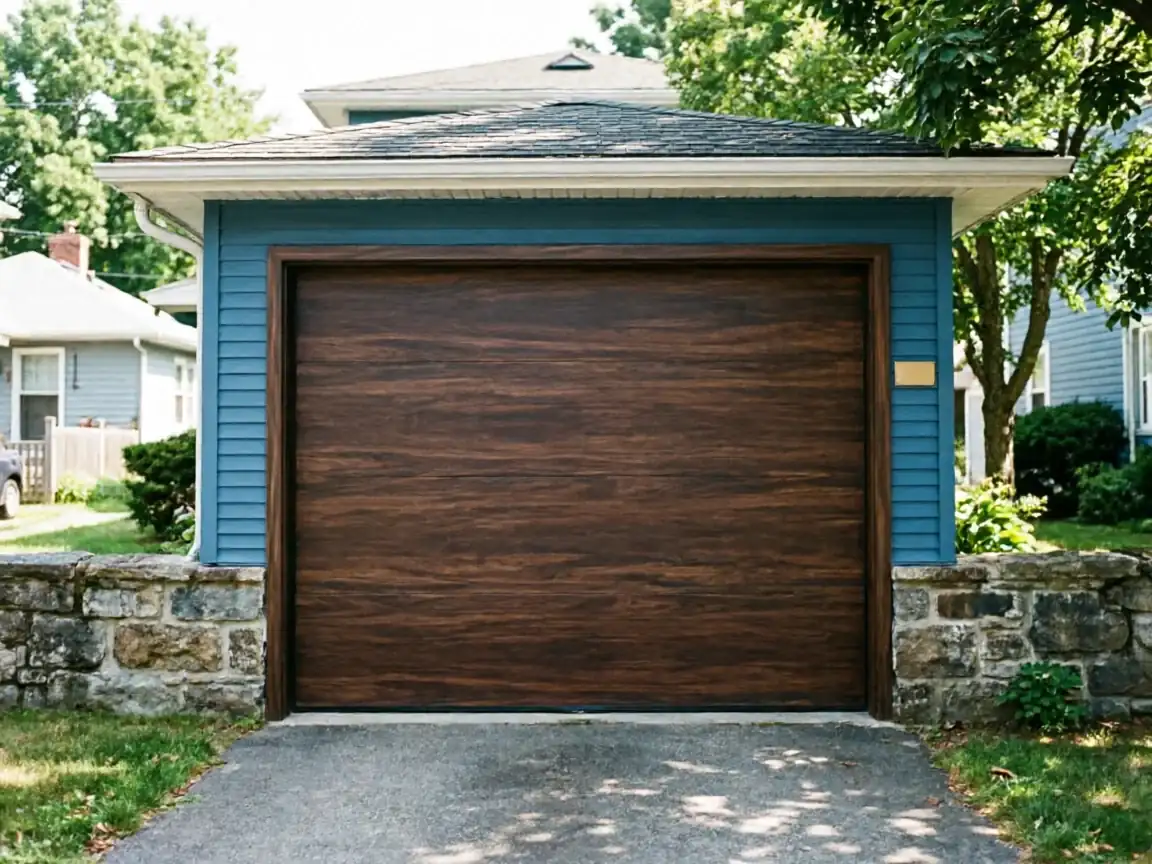
That pattern tracks with when the houses went up. Westford's median year built is 1983, which puts most garage doors here squarely in the raised-panel steel era: single-layer galvanized steel, embossed to look like wood grain, hung in sections that were standardized for that decade but aren't always a match for what's sold off the shelf today. A lot of these doors have never had a panel touched since the house was built, so the steel gauge and the section height can be slightly off from the current factory spec. That's the detail that turns a simple swap into a measuring job before we order anything.
Getting It Booked In
We run this job out of Waltham, about 17 miles from Westford
So booking means we schedule a day and bring the matched panel with us rather than working from stock in a van. Tell us the door's width, the number of sections, and ideally a photo of the full door and the damaged section when you call - that's enough for us to start sourcing the right match before we're on site.
- 17 miles
We don't keep a branch or depot in Westford
So we're not the people to call for a same-hour fix on a door that's stuck shut and blocking the only car in the driveway. If that's the situation, say so up front and we'll tell you honestly whether panel replacement is the right job or whether something faster needs to happen first.
How Long It Takes
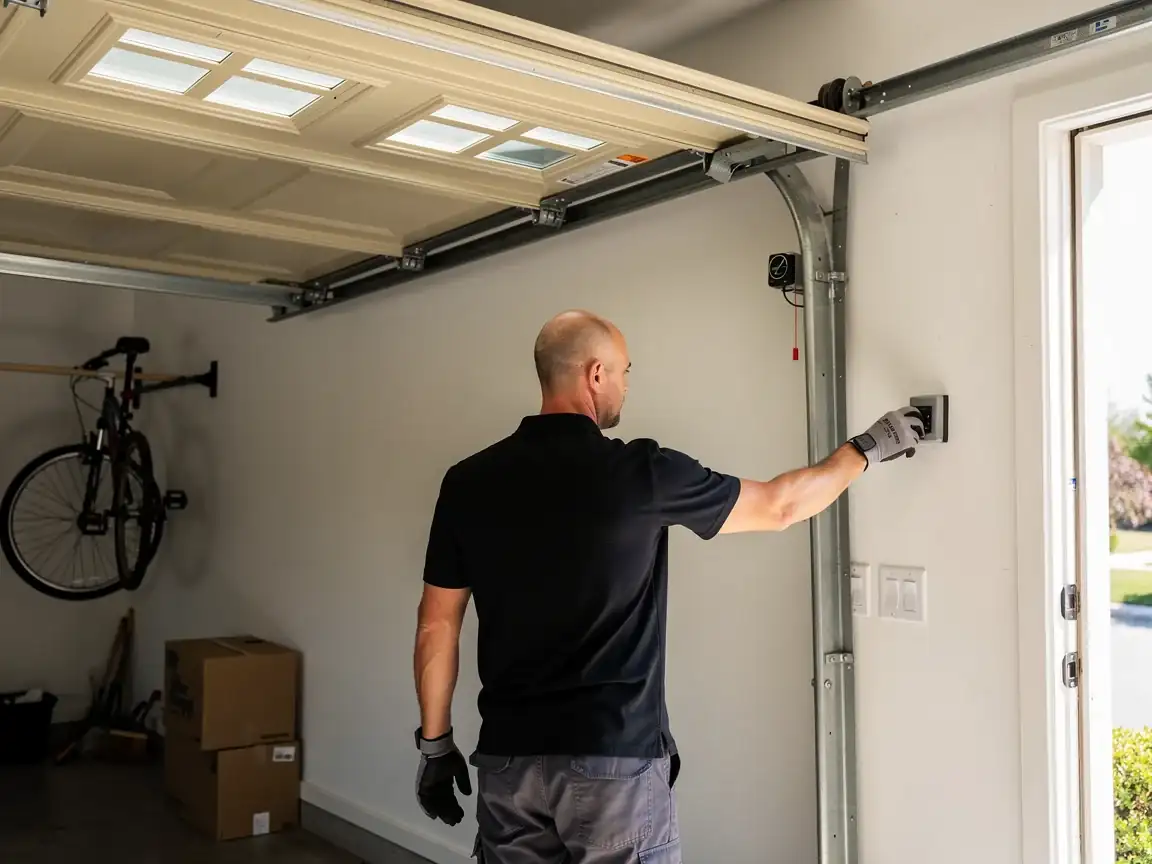
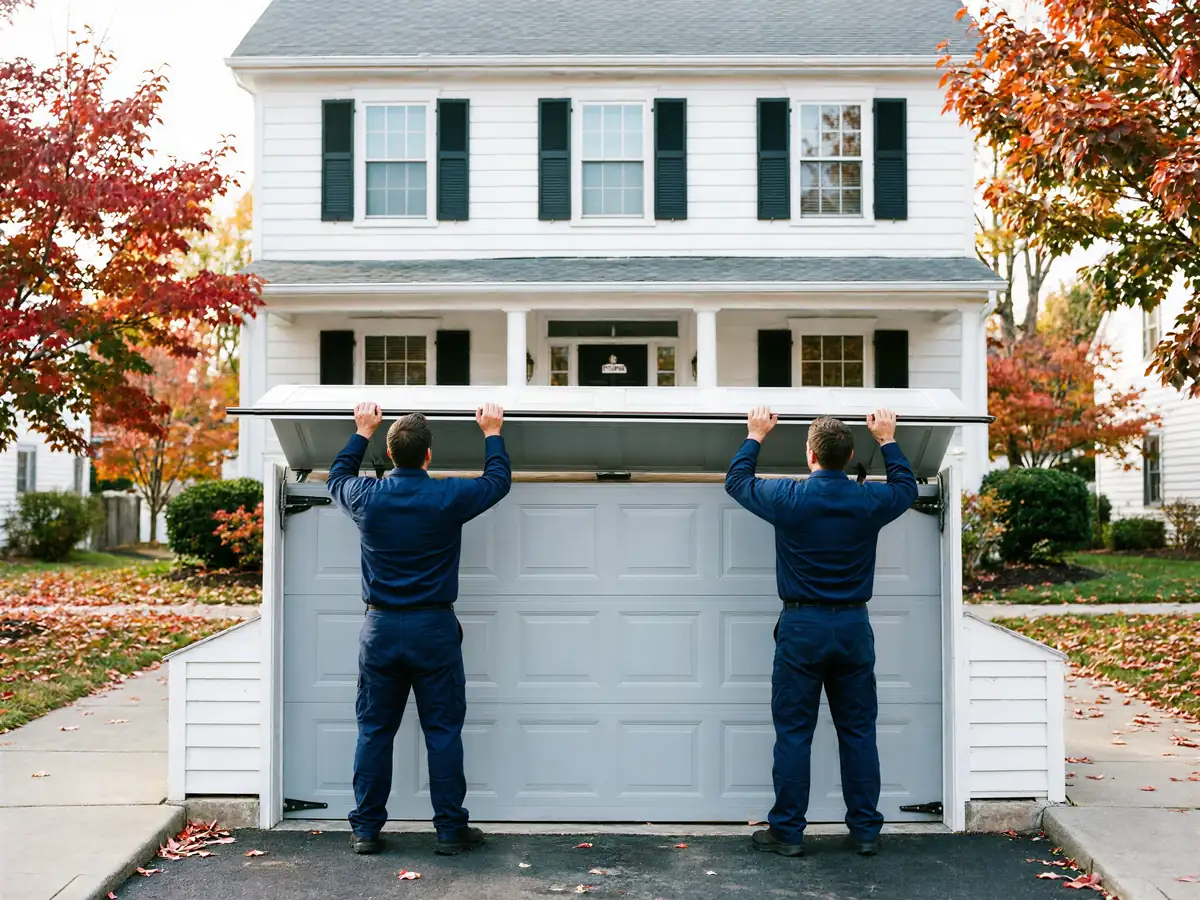
Once we've confirmed the panel and it's in hand, the swap itself is usually a half-day job: unhook the damaged section, slide it out of the track, fit the replacement, re-hang, and run the door through a full open-close cycle to check it tracks straight. The slower part is sourcing. A steel panel built to 1980s-era section sizing isn't always something a supplier has sitting on a shelf, and on some doors we're matching an embossing pattern that current manufacturers have changed or discontinued.
We'll tell you the lead time once we've identified the exact panel, not before - guessing on that just sets you up for a date that slips.
Can You Do This Yourself
A single panel on a sectional door is one of the more doable DIY jobs if you've got the tools and a second set of hands, since the section bolts to its neighbors and lifts out without touching the spring system. Where it goes wrong is the match: buy the wrong gauge or the wrong section height and the door won't sit flush, the rollers bind in the track, and you've spent money on a panel that has to come back off.
If your door is original to a house built in the early 1980s, measure twice before you order anything, and don't assume a big-box store's current stock lines up with what's already hanging. We're glad to tell you what to measure even if you're doing the swap yourself.
Stocked Parts
We don't stock Westford jobs out of a local supply point
Everything comes from Waltham, matched to the door before we drive out. For common modern panel widths and standard embossing, that's a short wait. For the older raised-panel steel sections common on houses built around 1983, it can take longer, because some of those runs are no longer in regular production and have to be sourced as a close match rather than an exact one.
We'll be straight with you if an exact match isn't available
On some doors, the honest answer is that one new panel next to thirty-year-old faded steel will show a color difference, and a full door replacement makes more sense than a patch. We'd rather tell you that before the job than after.
How We Fix It
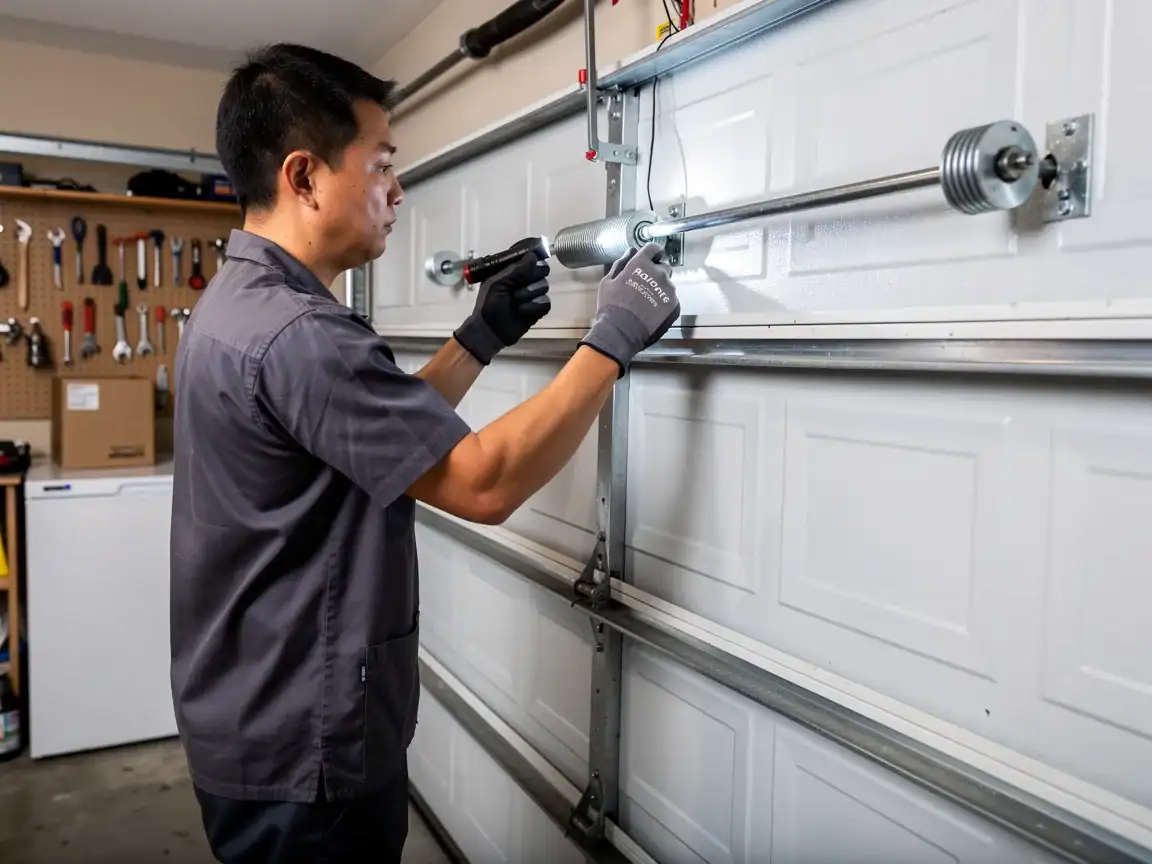
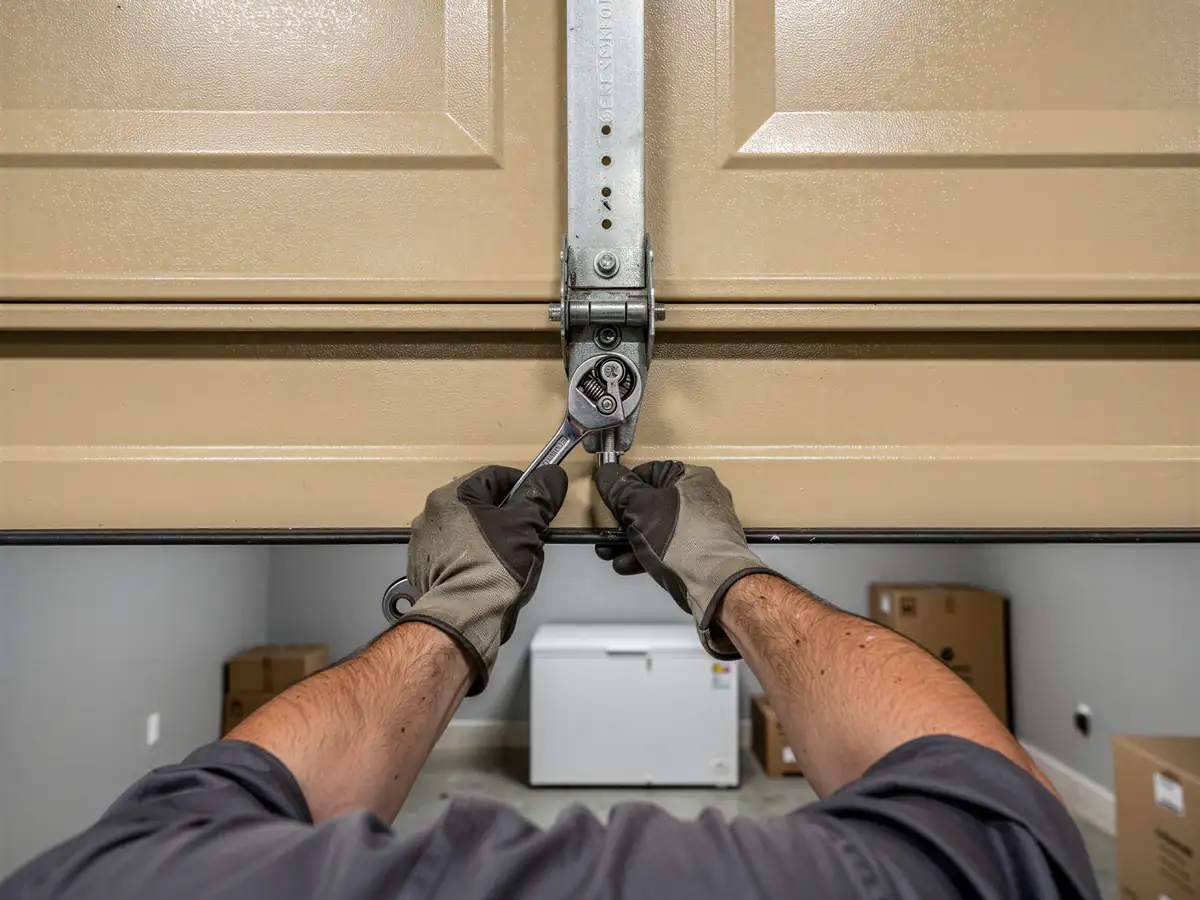
We start by pulling the door's model plate if it's still legible, which on a door this age often isn't, and move to physical measurement: section height, door width, hinge spacing, and track type. From there we order the closest matching panel, confirm it before the appointment, and do the swap on site - unbolt the damaged section, lift it clear, set the new one, re-pin the hinges and rollers, and run the door through several full cycles under load to make sure it isn't binding anywhere new.
Given this area's cold winters, we also check that the replacement section seats tight against its neighbors with no gap at the seams; a loose seal on an older steel door is where heat loss and ice buildup both start. See the full writeup of this service on our <a href="/garage-door-panel-replacement-waltham-ma">Waltham panel replacement page</a>, or check <a href="/areas/area/westford/">our Westford area page</a> for the towns around it we also cover.