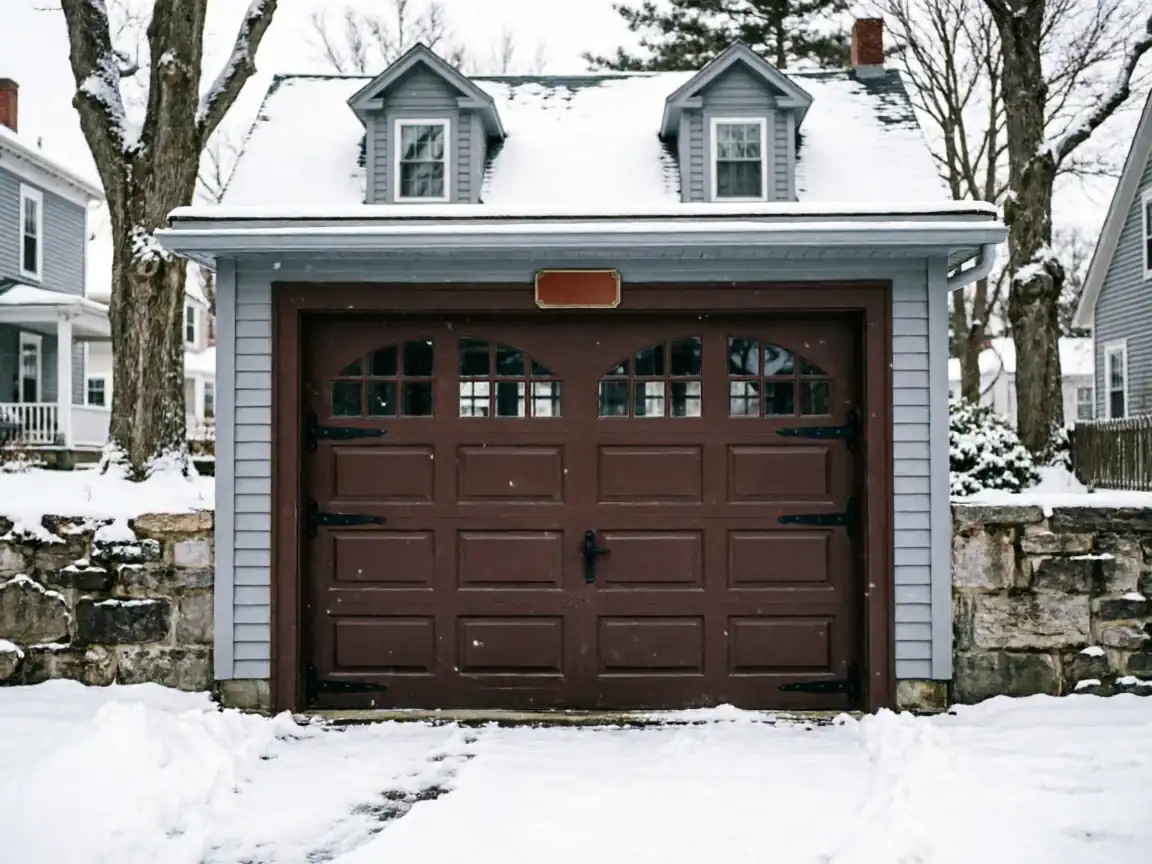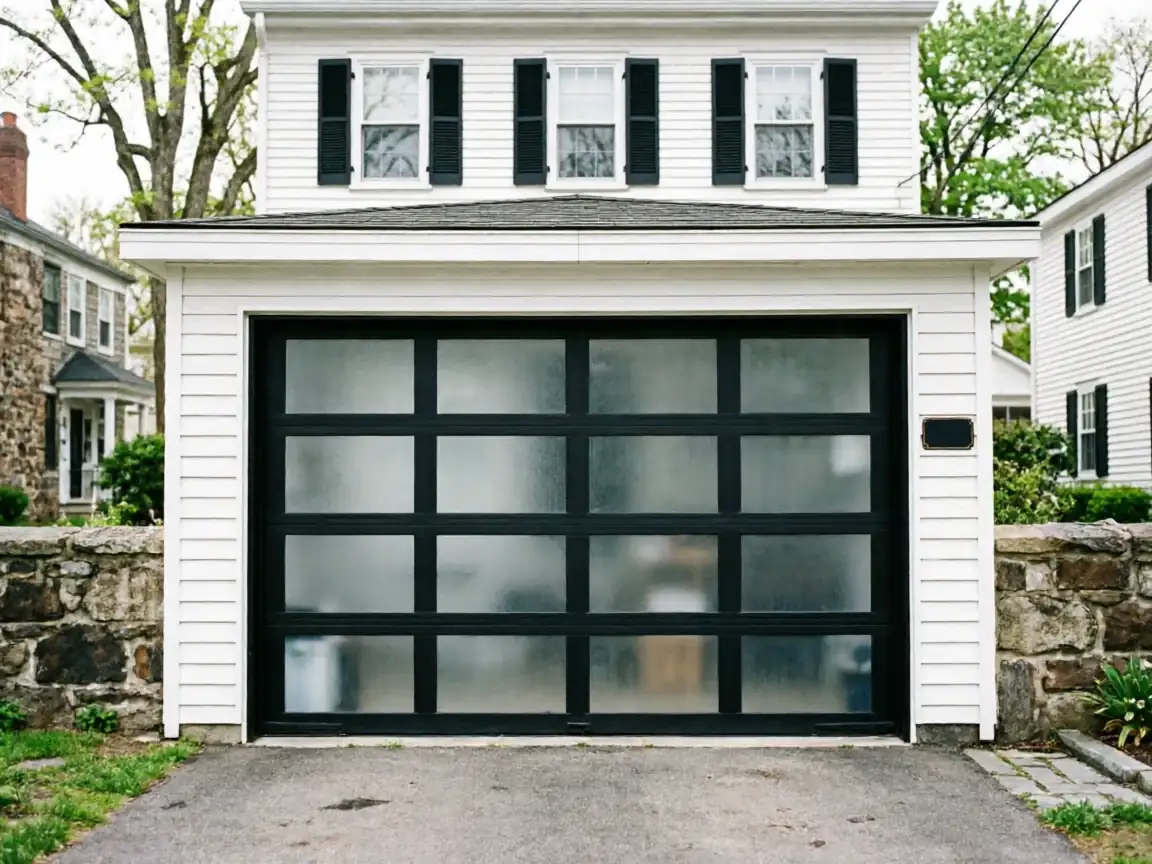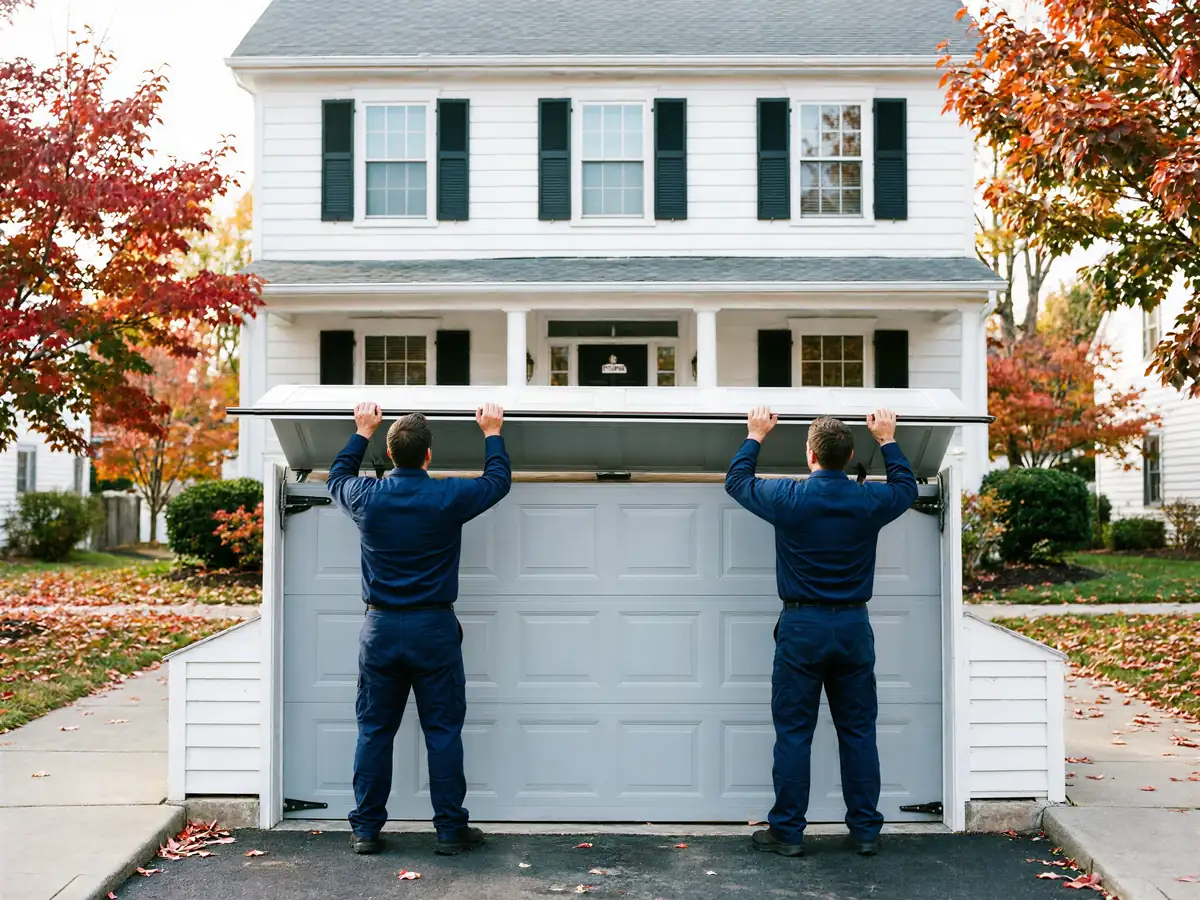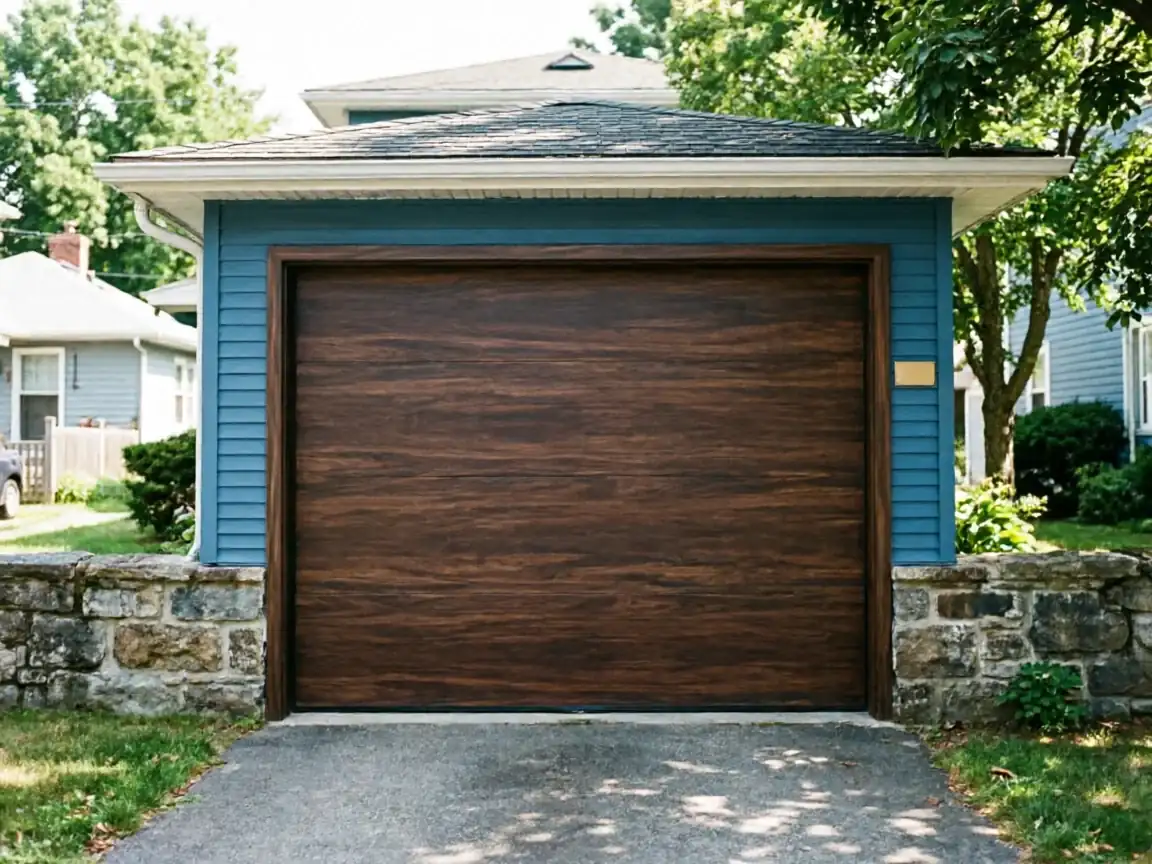
What You Are Seeing
Westford's median household income sits at $181,523, noticeably higher than the roughly $150,820 median across the rest of the territory we cover out of Waltham. That number matters more than it sounds like it should, because it changes the math on repair versus replace. At this income level, a lot of Westford owners skip the cheap patch job and go straight to swapping worn parts for better ones, rather than nursing a door along for another two winters.
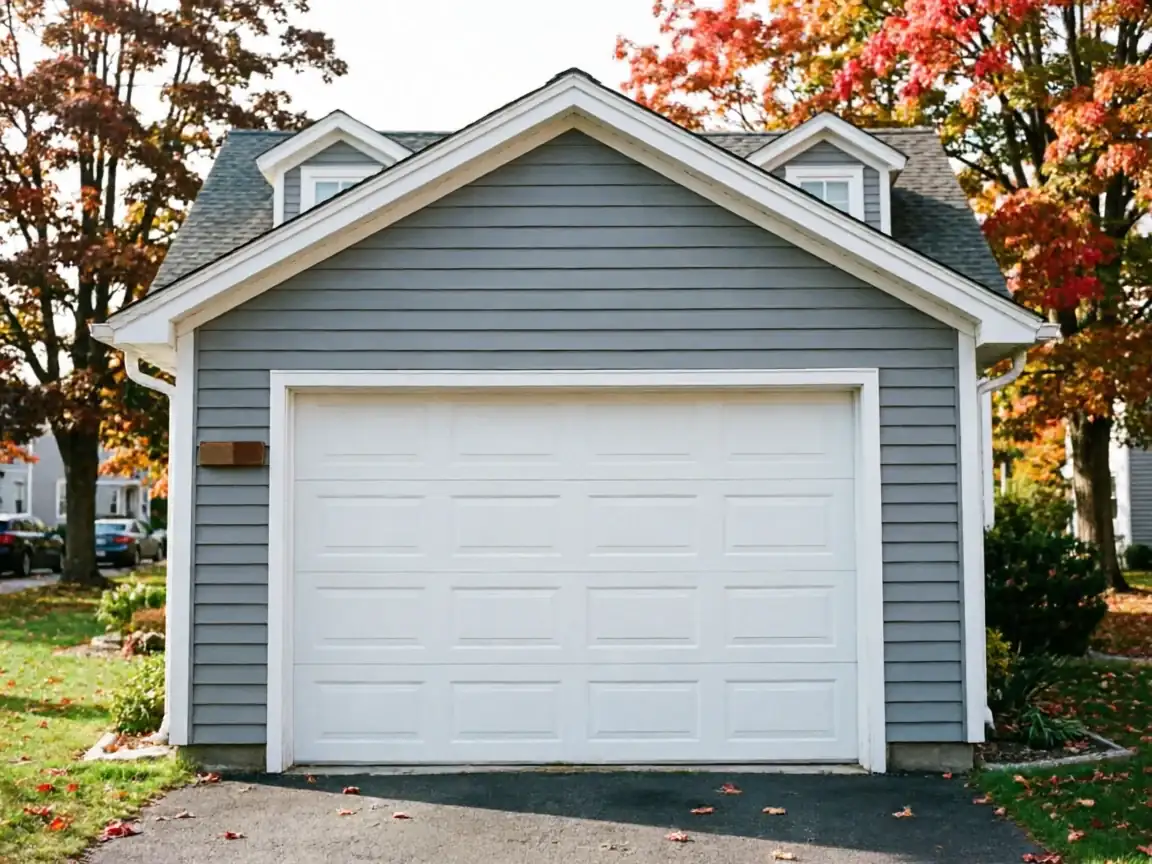
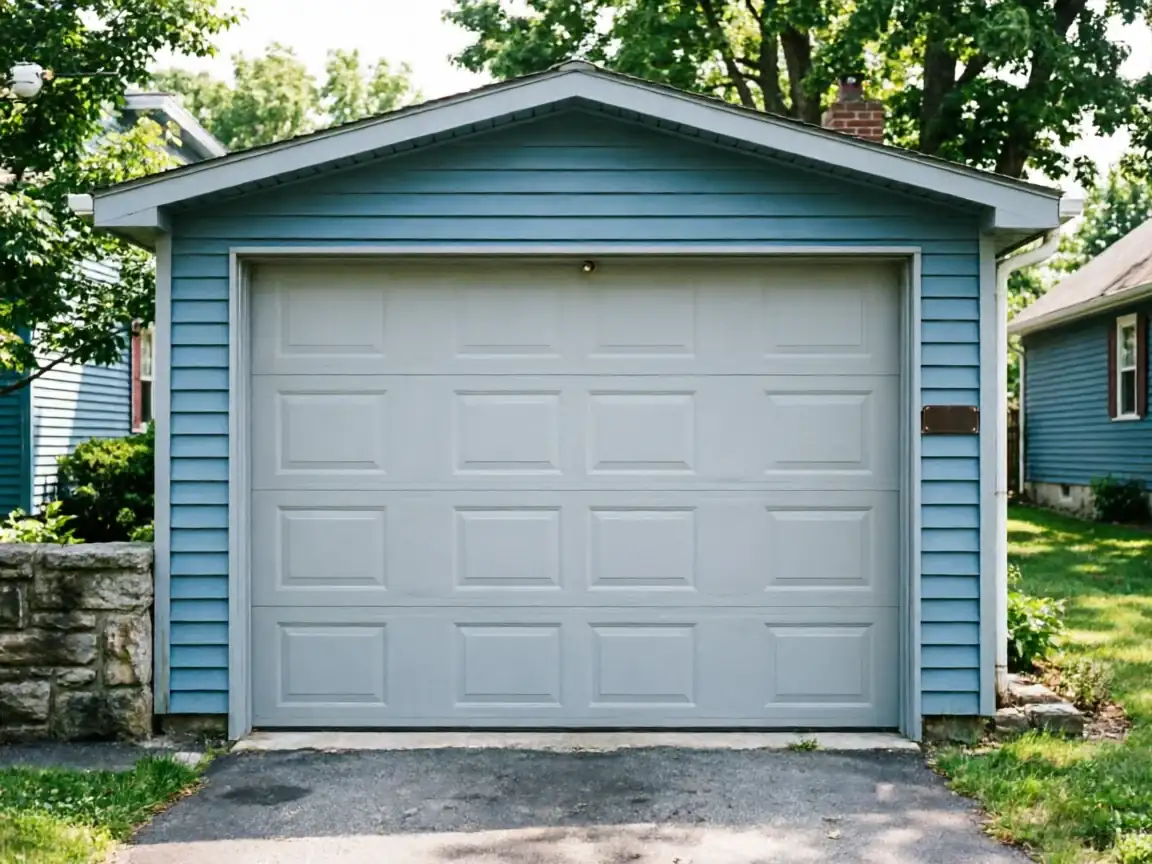
The houses themselves are a different story than what we see closer to Waltham. Westford's median year built is 1983, well past the 1938-1993 range that covers the wider service area and later than the 1966 median typical of the older towns we work in. That means less of the original one-piece hardware and more sectional doors on extension or torsion springs installed when galvanized steel coils and nylon rollers were already standard. The failures we find here tend to be ordinary wear - a spring that's cycled out, a roller gone oval - not the odd fittings that show up on a 1960s door.
Cold-climate stress still applies. Steel contracts in the cold, grease stiffens, and openers draw harder on freezing mornings, regardless of the build year.
Getting It Booked In
We run out of Waltham, and Westford is a 17-mile drive from there
That's worth saying plainly: we're not based in town, we're not stopping by on a whim, and a maintenance visit here gets scheduled as a dedicated trip, not a drop-in between closer jobs. If you want routine upkeep - lubrication, track check, spring tension, hardware tightening - it's easiest to book it rather than hope we're already in the area.
We don't advertise a same-day window for Westford specifically
And we'd rather tell you that now than promise something we can't back up from 17 miles out. What we can do is work with you on timing so the trip is worth making - one visit, the whole job, rather than a return call for something we should have caught the first time.
- 17 miles
How Long It Takes
A standard maintenance visit - lubrication, spring tension check, track alignment, hardware torque, opener force test - runs the same length of time whether the door is in Westford or anywhere else on our route. What changes here is less likely to be hardware replacement mid-visit, because 1983-era doors are more standardized than the older stock we see in towns with median builds closer to 1966. Parts fit, torsion drums match current spring charts, and rail systems are generally the two-piece or three-piece kind that don't need custom cutting.
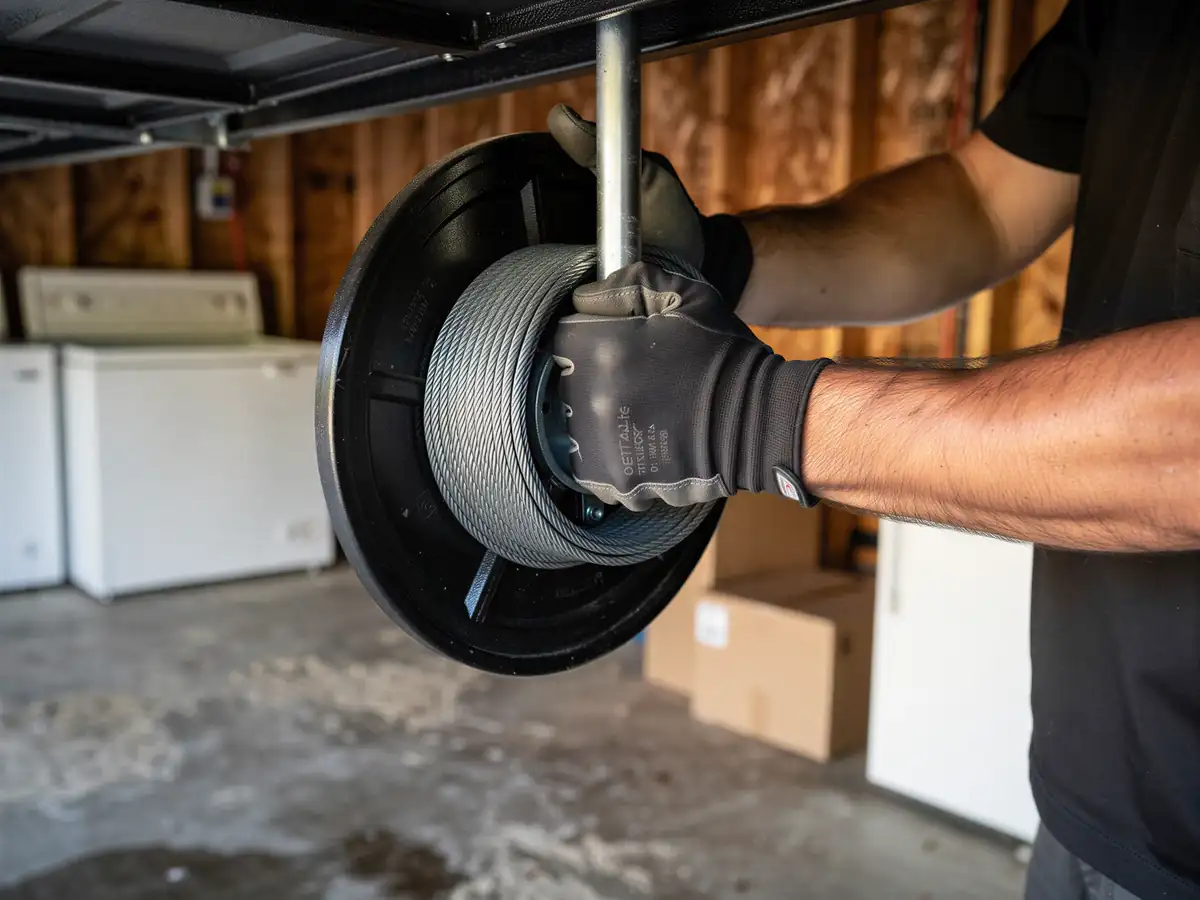
If we find a cable fraying or a roller cracked, that adds time on site, but it's a straightforward swap rather than a hunt for an obsolete part. We won't pad the visit with extra charges for work the door doesn't need - if everything checks out clean, we tell you that and we're done.
Can You Do This Yourself
Some of it, yes. Wiping down and lubricating rollers and hinges with a proper garage door lubricant (not household oil, which attracts grit) is something any owner can do twice a year. Checking that the photo-eye sensors are aligned and clean, and that weatherstripping at the bottom panel hasn't cracked from cold-weather flexing, is also reasonable DIY work.
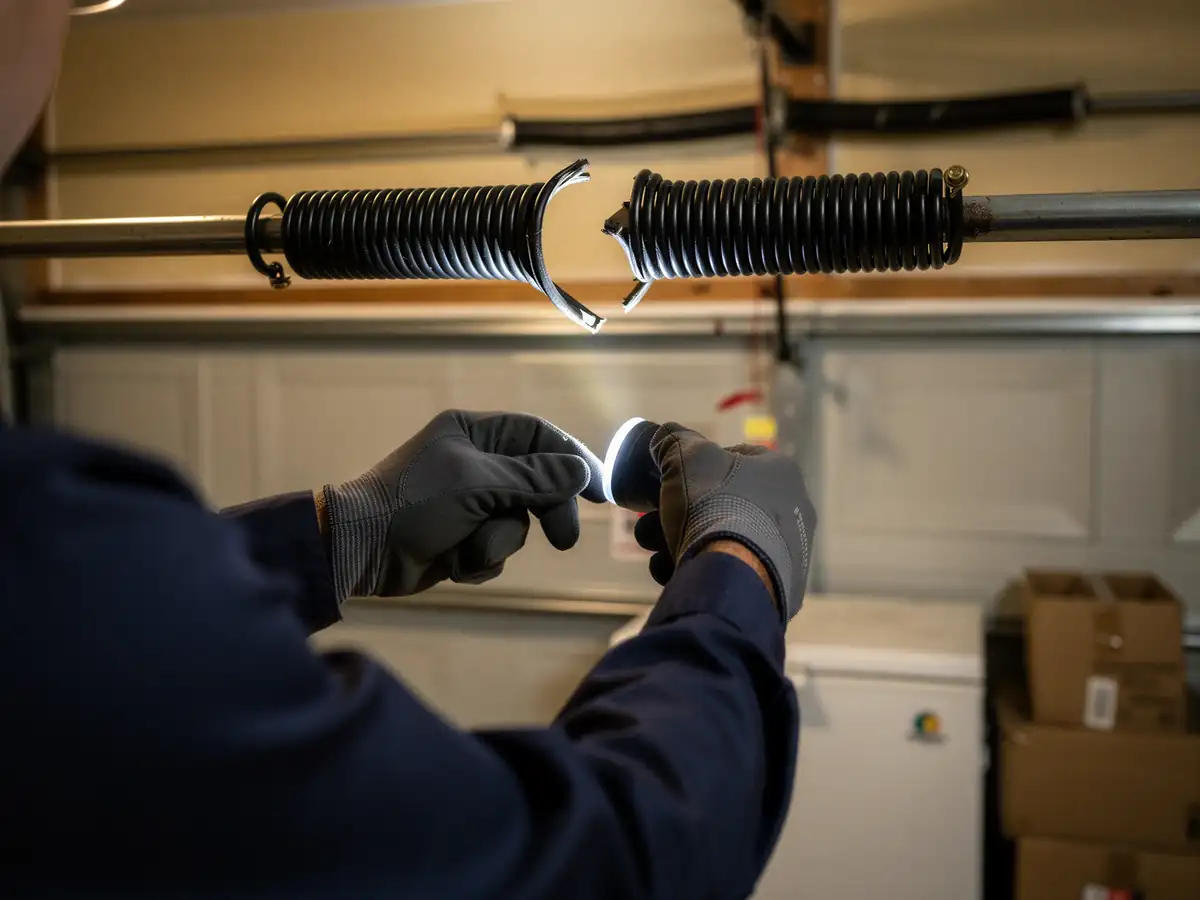
What we don't recommend you touch: torsion springs, under any circumstance. They're under enough tension to cause serious injury, and that's true on a door built in 1983 just as much as one built decades earlier. Cable adjustment and opener force-limit settings are also better left to a service call - get the force setting wrong and you either crush something under the door or strip the opener trying to force it through binding track.
Stocked Parts
Because so much of Westford's housing dates to the 1980s and 90s, the hardware is common stuff
Standard torsion springs sized to typical sectional door weights, nylon rollers, galvanized cable, and steel hinges that match what we already carry on the truck for the rest of the service area. We're not special-ordering oddball parts for most jobs here the way we might for a door from the 1950s or 60s elsewhere in the territory.
The one honest limitation
If a door was built with a specific manufacturer's proprietary track system or a discontinued opener model, parts can still take a few days to source, same as anywhere. We'll tell you up front if that's the case rather than guess at a timeline.
How We Fix It
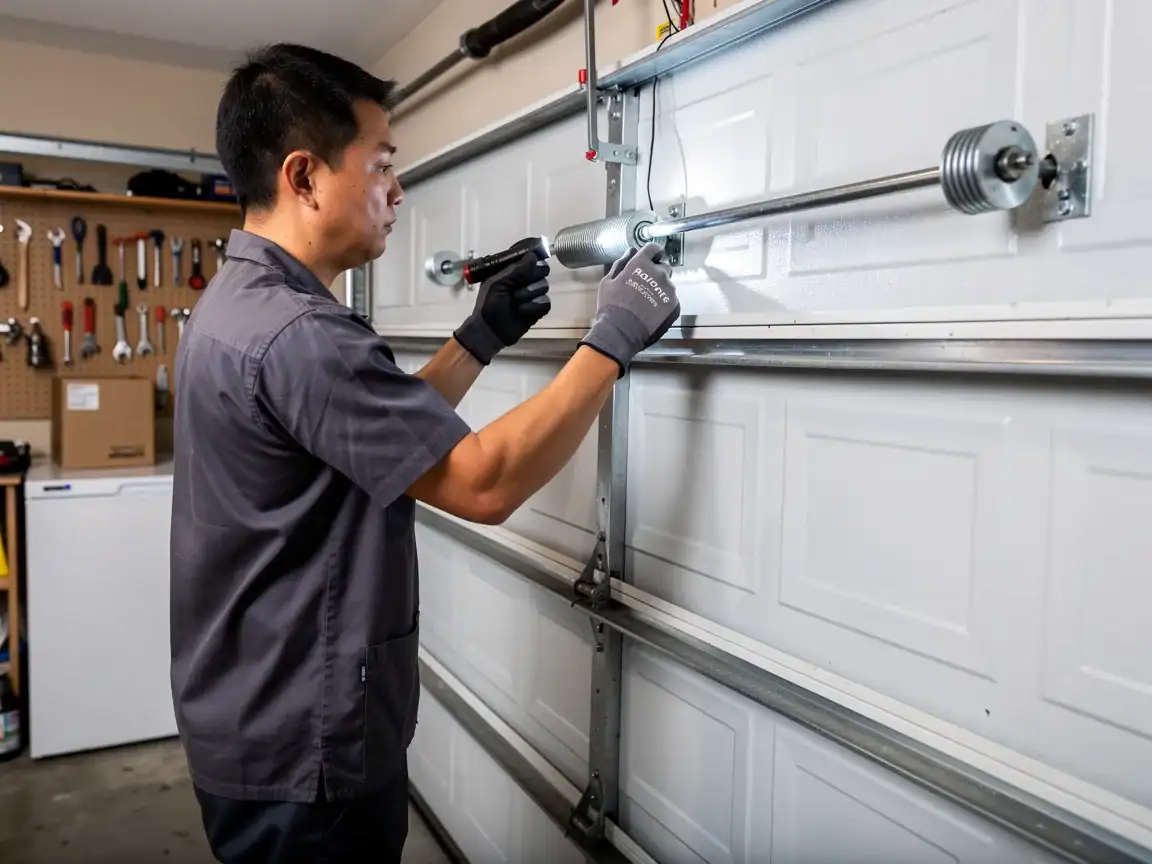
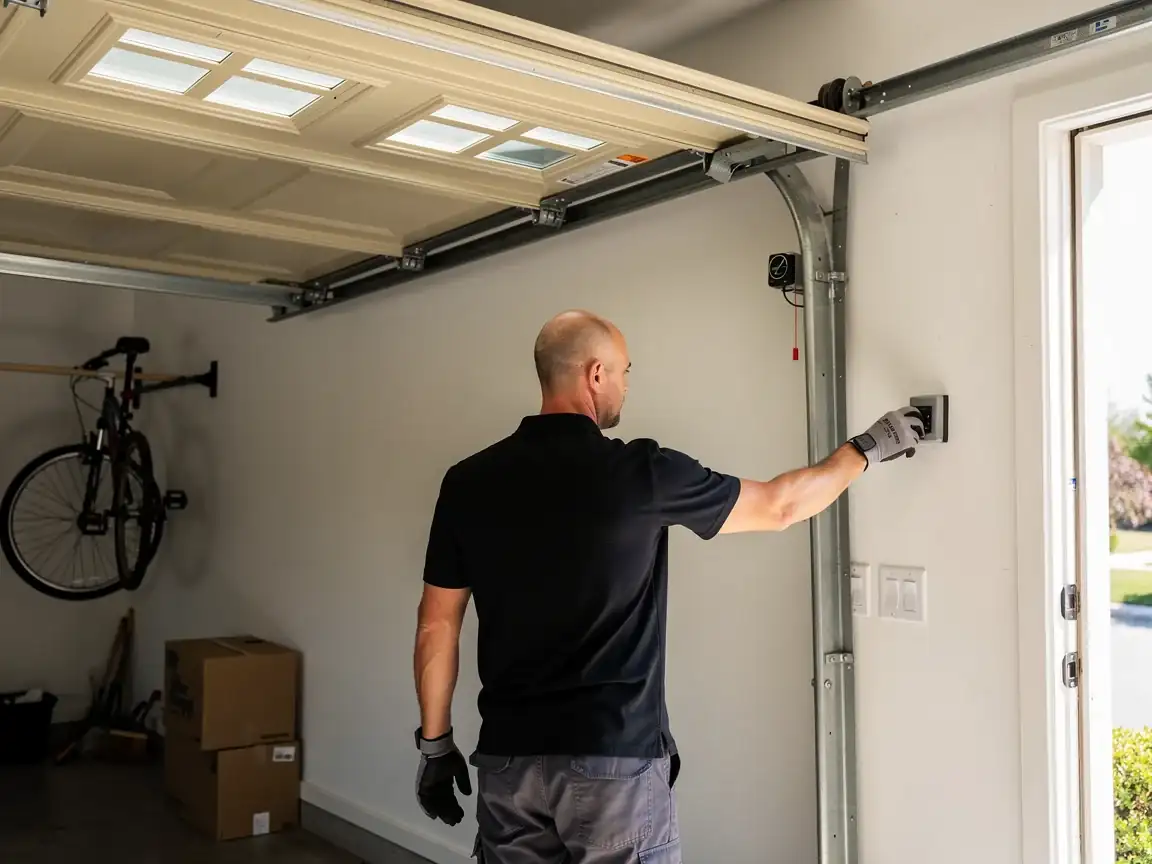
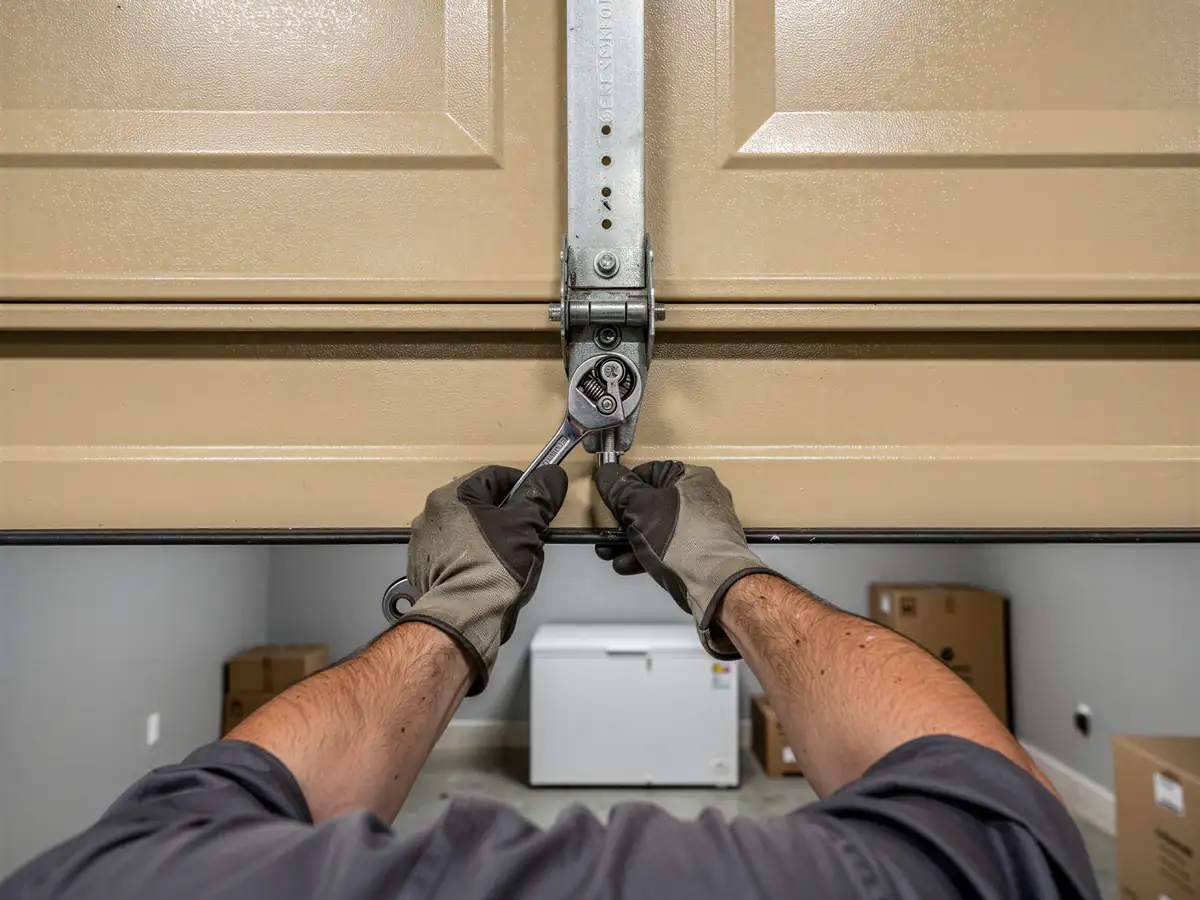
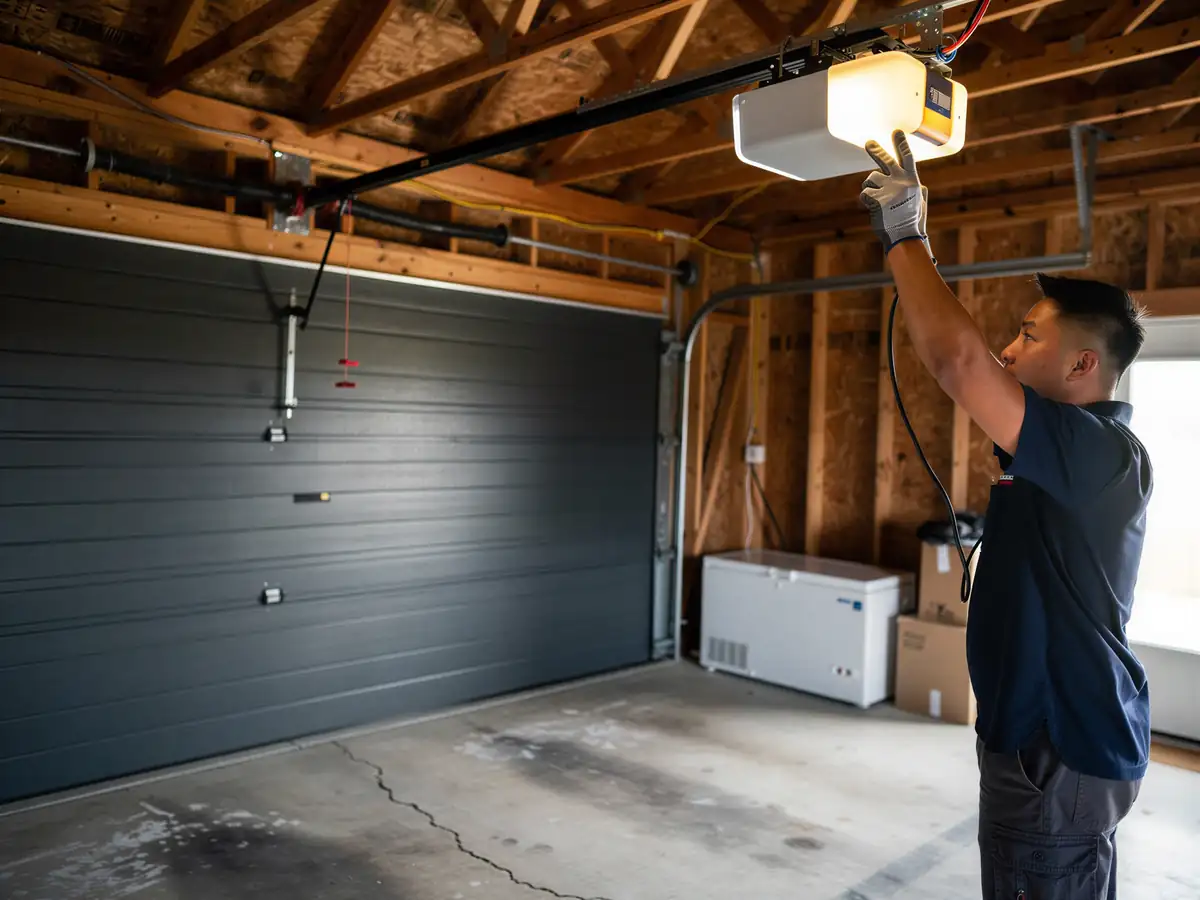
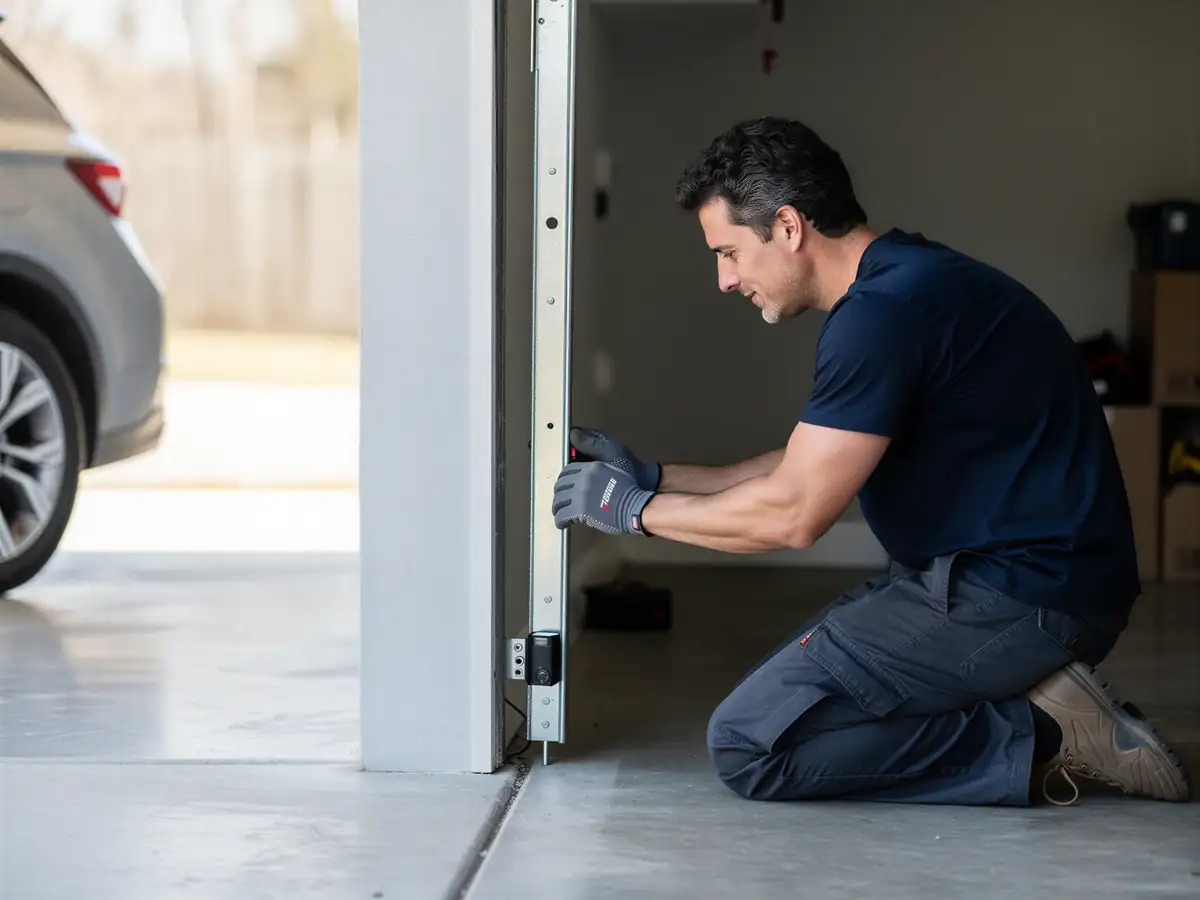
Maintenance on a Westford door usually starts the same way every time: check spring tension against the door's weight, inspect cable wear at the drum, test the opener's auto-reverse and force settings, lubricate every moving metal-on-metal point, and run the door through a full cycle listening for grinding or catching. On a 1983-era door, we're also checking the track brackets for the kind of loosening that comes from four decades of seasonal temperature swings in a cold-winter climate - bolts back out, brackets shift a few millimeters, and the door starts walking in the track.
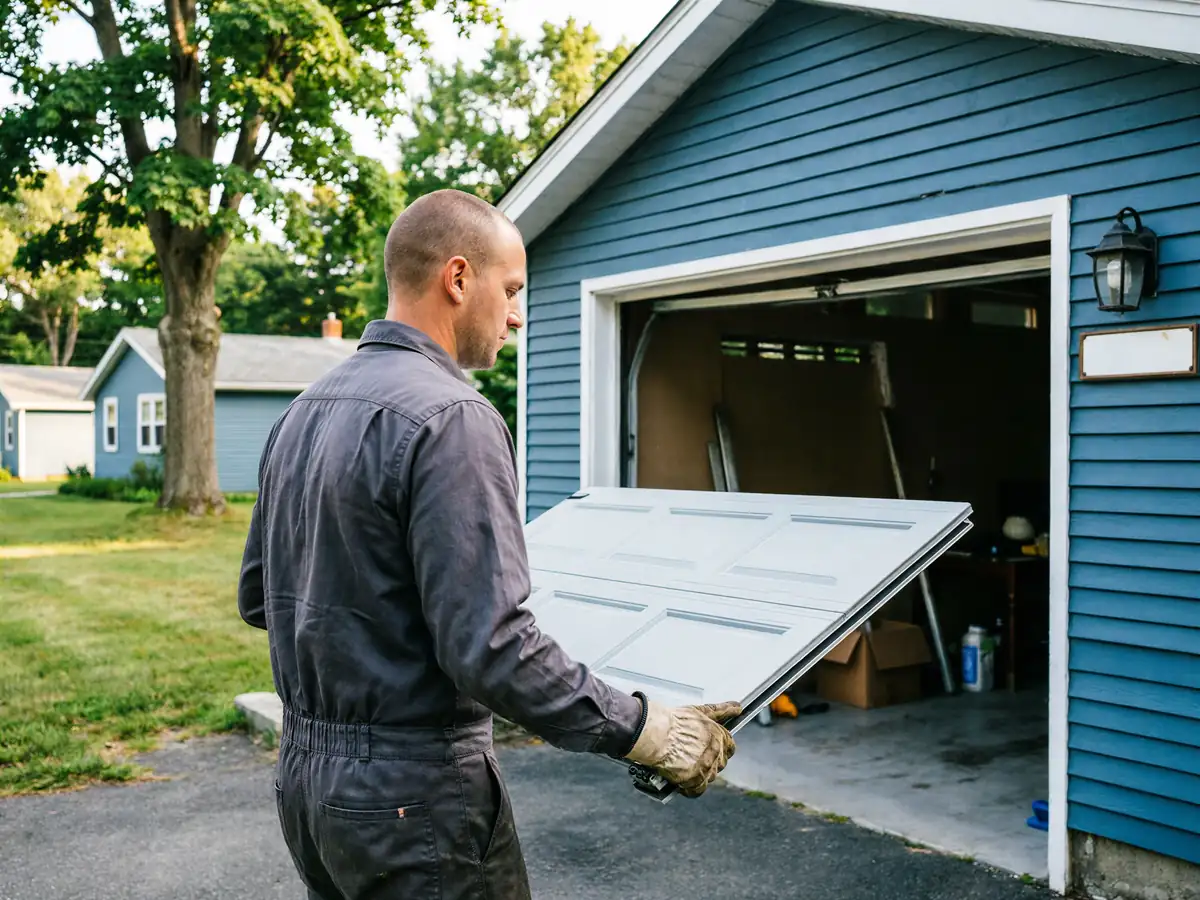
If tension's off, we adjust it on the spot. If a roller's cracked or a hinge is bent, we swap it from stock rather than schedule a second visit. We'd rather fix what's actually wrong on the first trip than sell you a tune-up package that doesn't address the real fault.