Stocked Parts
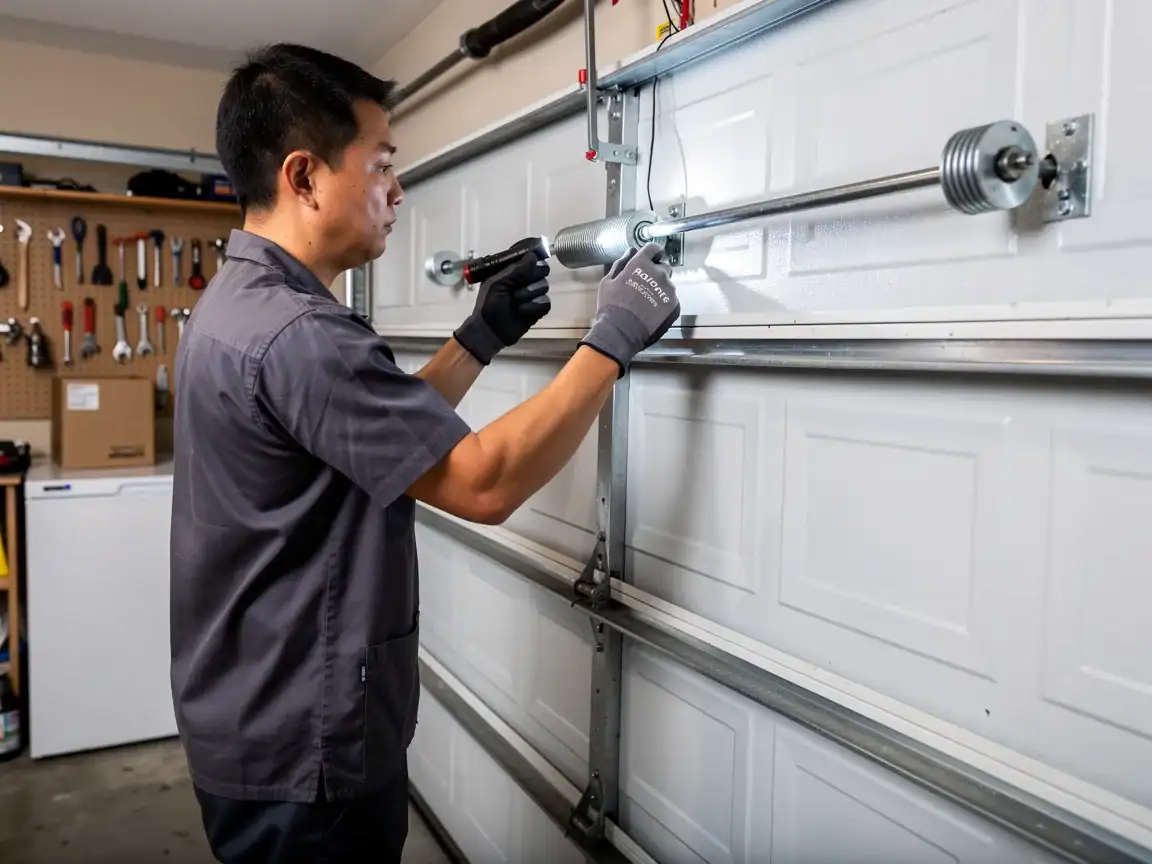
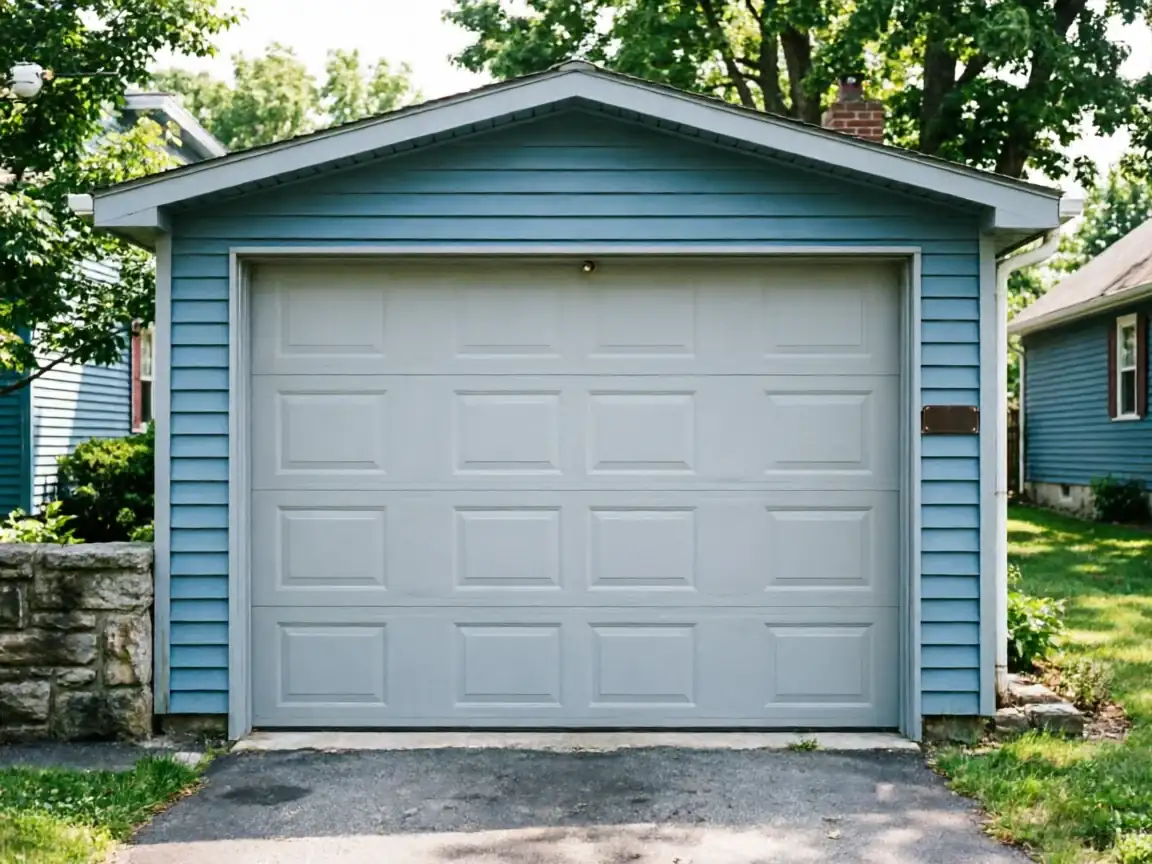
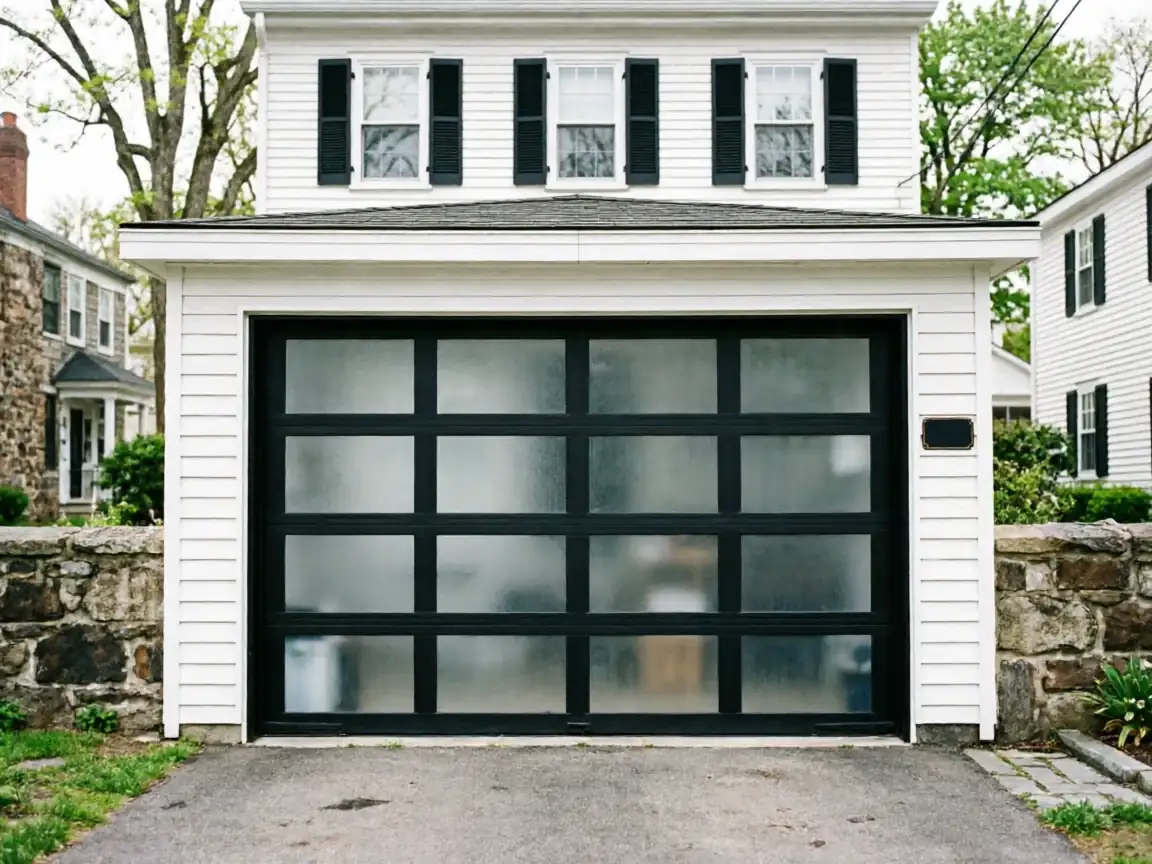
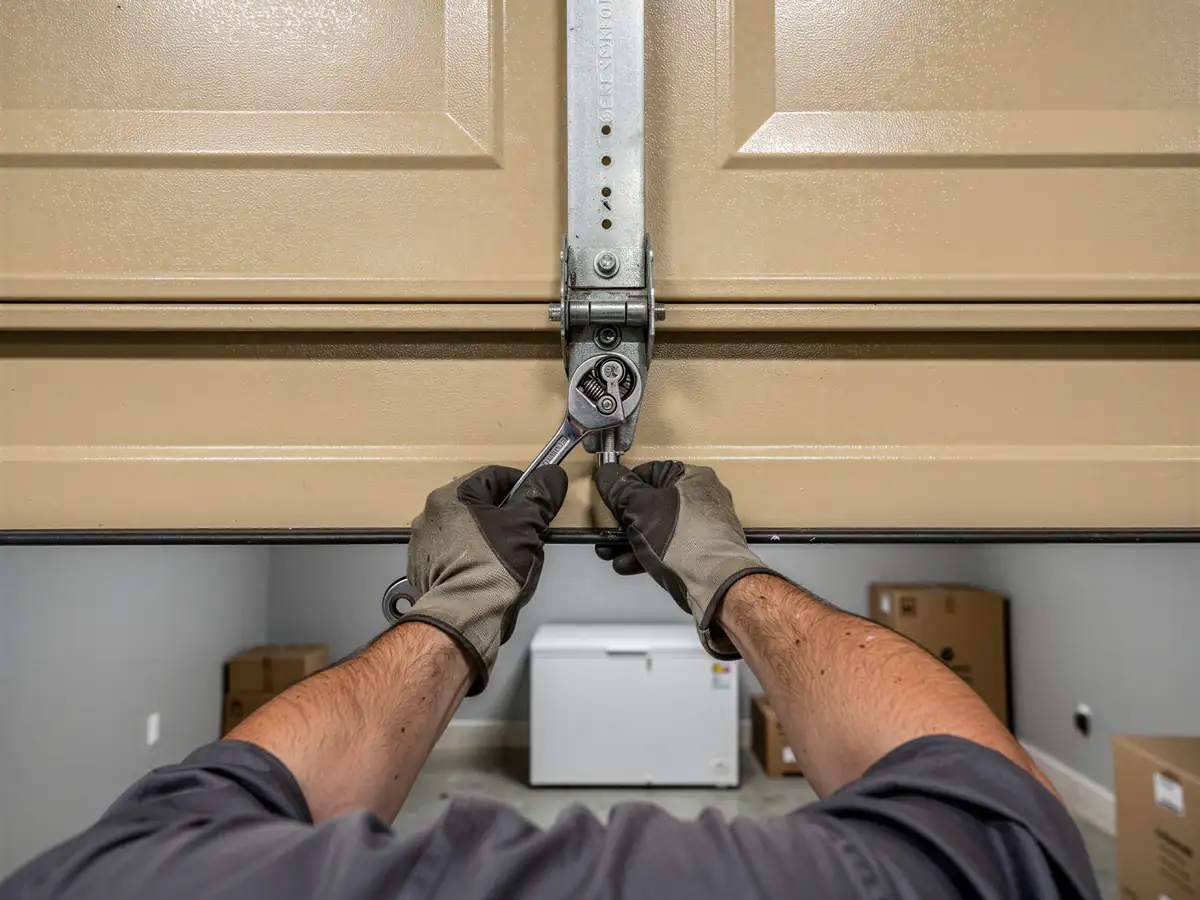
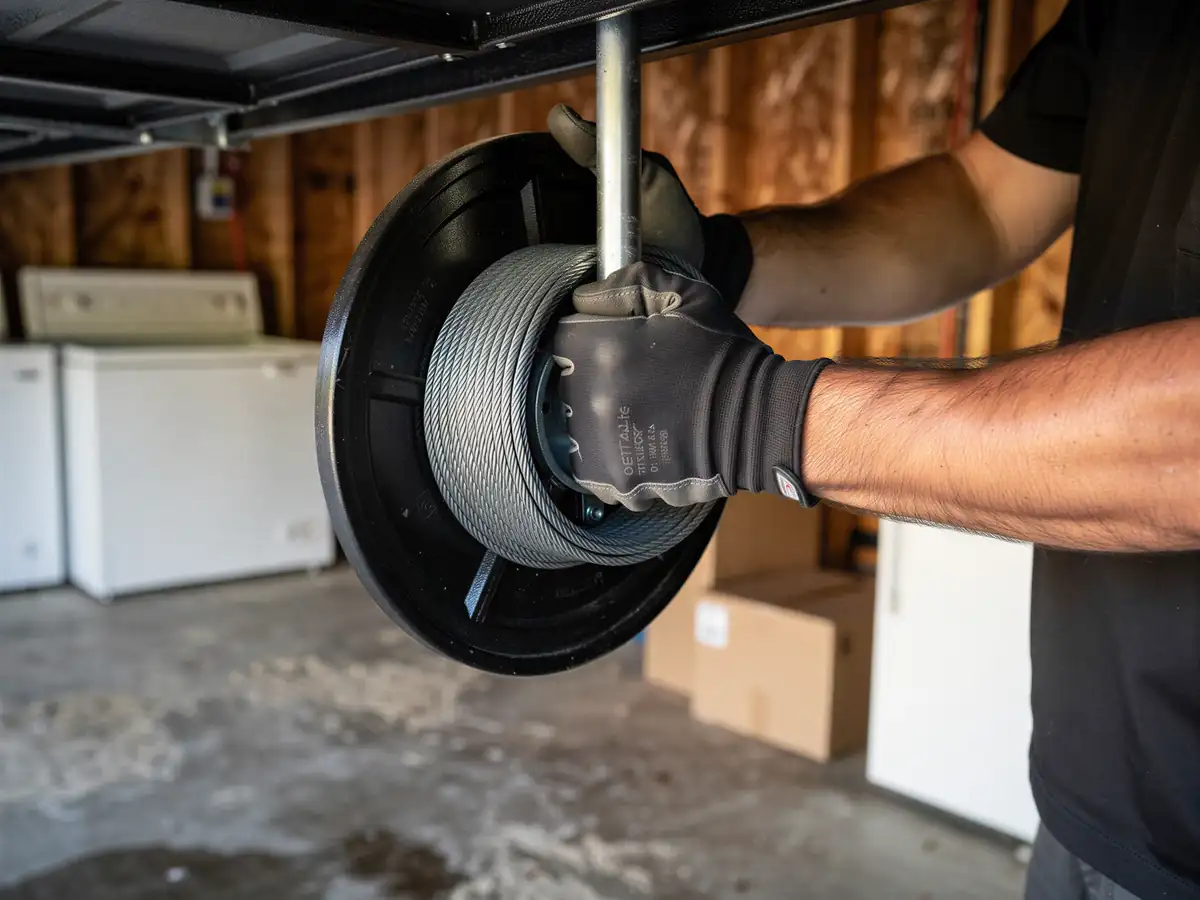
Belmont's housing stock centers on a median build year of 1938, nearly three decades older than the 1966 median across the rest of the service area we cover from Waltham. That gap matters on a cable call. A lot of garages here still run narrow-gauge aircraft cable sized for older one-piece and early sectional doors, not the wider stock you'd find on a house built in the 1960s or 70s. We carry both gauges on the truck, along with the matched drums that go with each, because swapping in the wrong cable size on an old drum just strips the groove and you're back out here in a month. If a house has had work done before, sometimes the cable's already been replaced with a modern size on an old drum, which is its own kind of mismatch we check for before we touch anything. You can see the rest of what we cover in the area on our Belmont page.
How Long It Takes
At just 3 miles from our Waltham shop, Belmont is one of the closest towns we work in, but the hardware we find there is some of the oldest, and that's the bigger factor in how long a job runs. A clean cable swap on standard track is quick work once the truck is parked. Where it slows down is sourcing the right drum for an old sheave size, since that part isn't always something we carry in every size on the truck and can mean a short wait while we grab the right one. We'd rather tell you that up front than rush a mismatched part onto an old drum and have it fail again in a month. Most calls still wrap same visit; it's the exception, not the rule, that needs a second trip.
Why It Happens Here
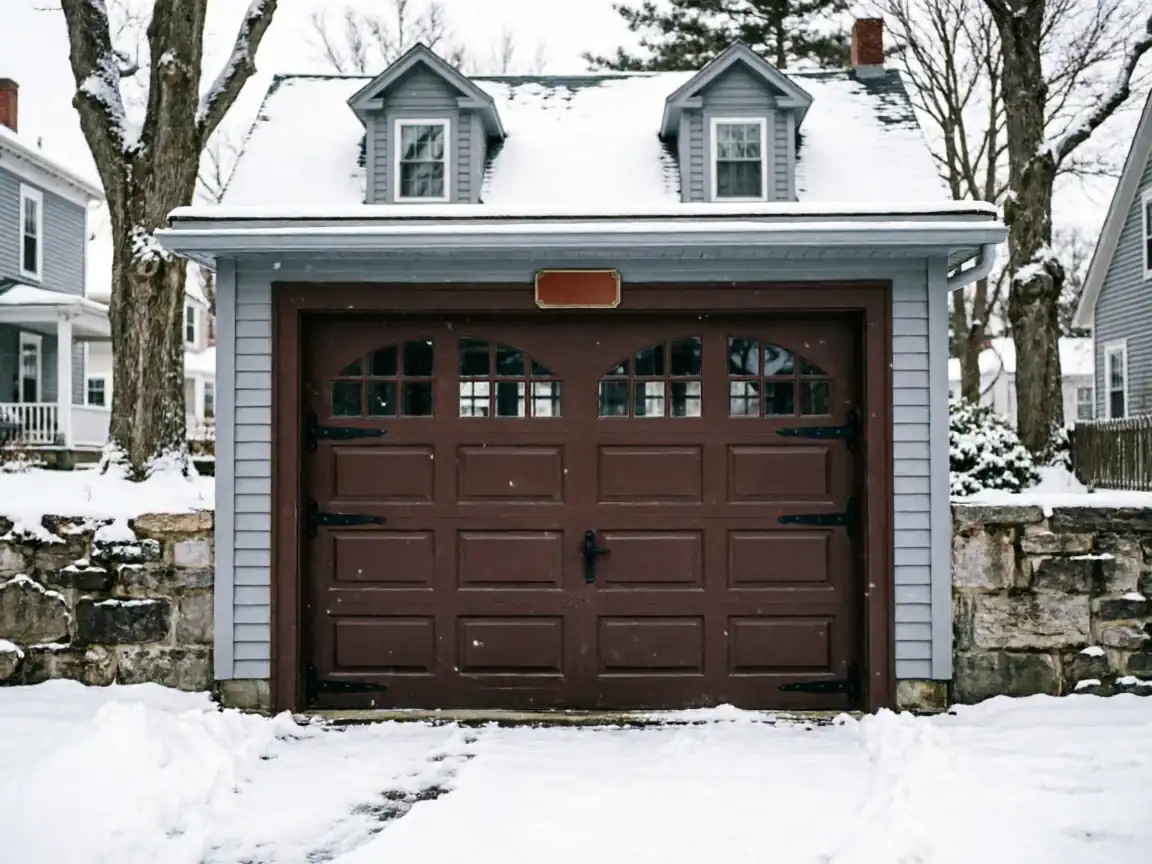
Across Belmont's roughly 10,358 households, a lot of garages still carry the narrow-gauge cable spec common to pre-war one-piece doors, and that cable simply has fewer decades of service left in it than newer stock. Cable failure usually comes down to fatigue at the drum or the bottom roller bracket, and on hardware this old, the galvanized coating has often worn thin enough that the strands underneath start to rust and fray one at a time until the last one goes. The cold winters that hit this part of Massachusetts wear differently on Belmont's older galvanized cable than on the newer stock built in the 1960s and 70s elsewhere in our territory, because contraction and expansion cycles work harder on a cable that's already lost some of its coating. We see more drum wear here than cable snapping from a single event, which changes what we check first.