Stocked Parts
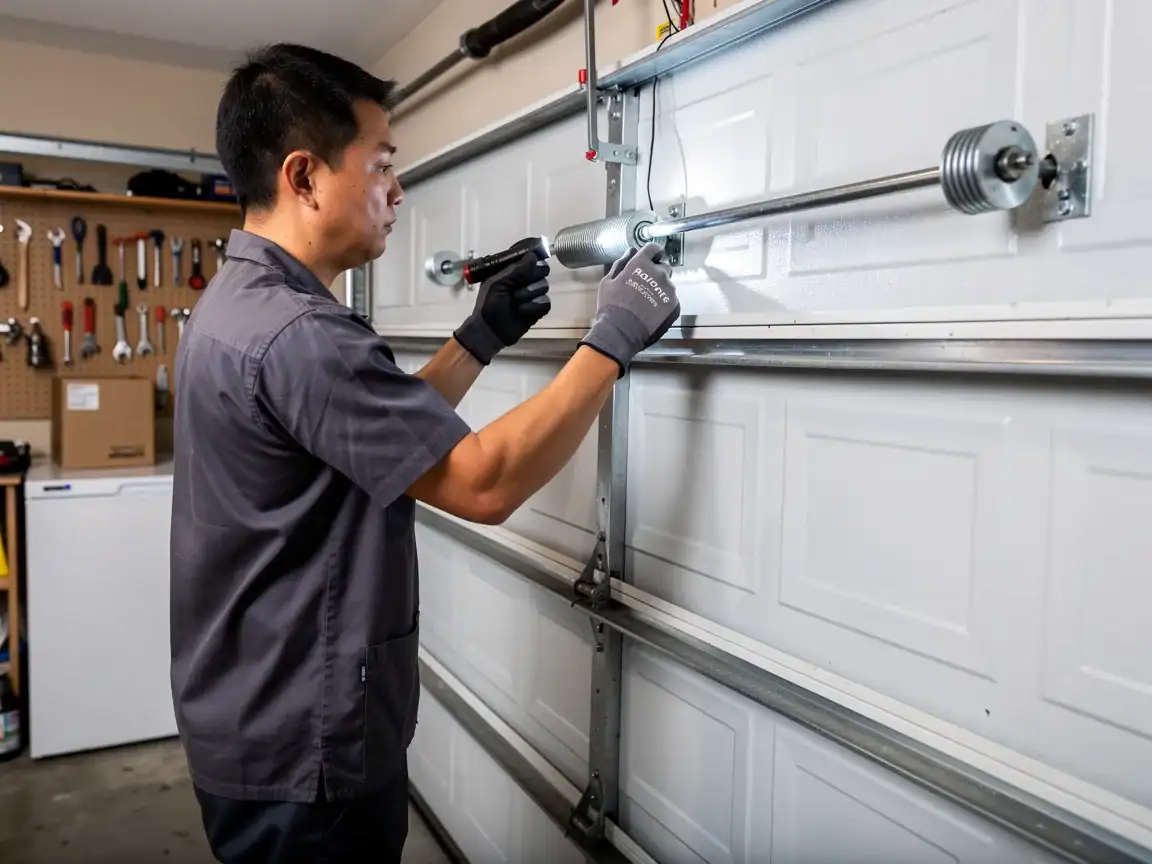
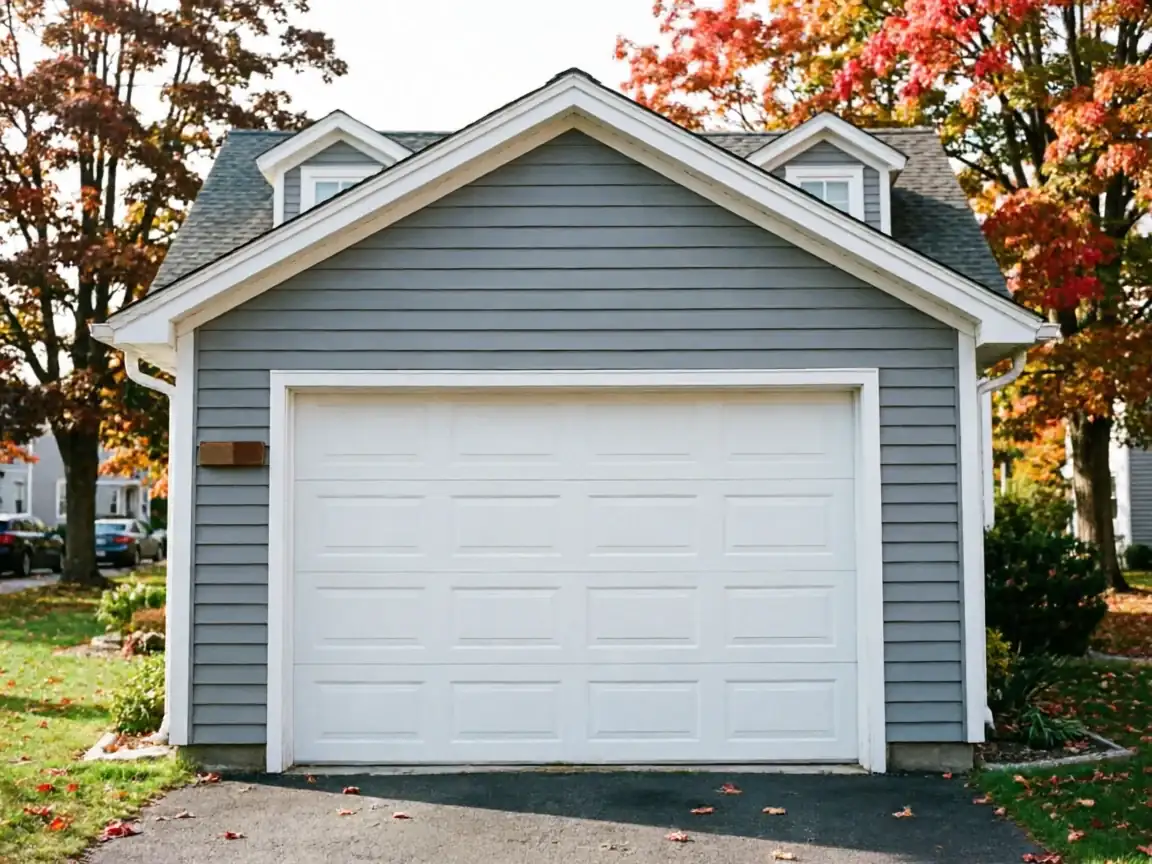
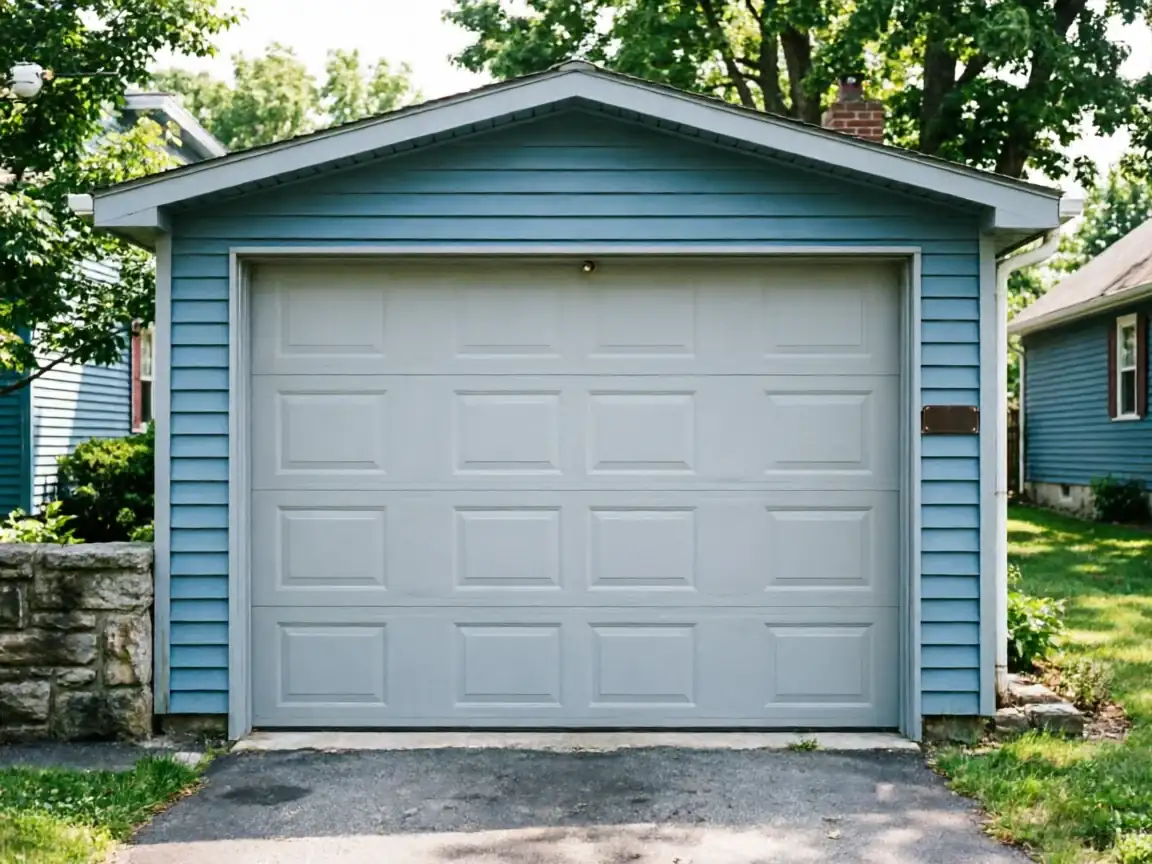
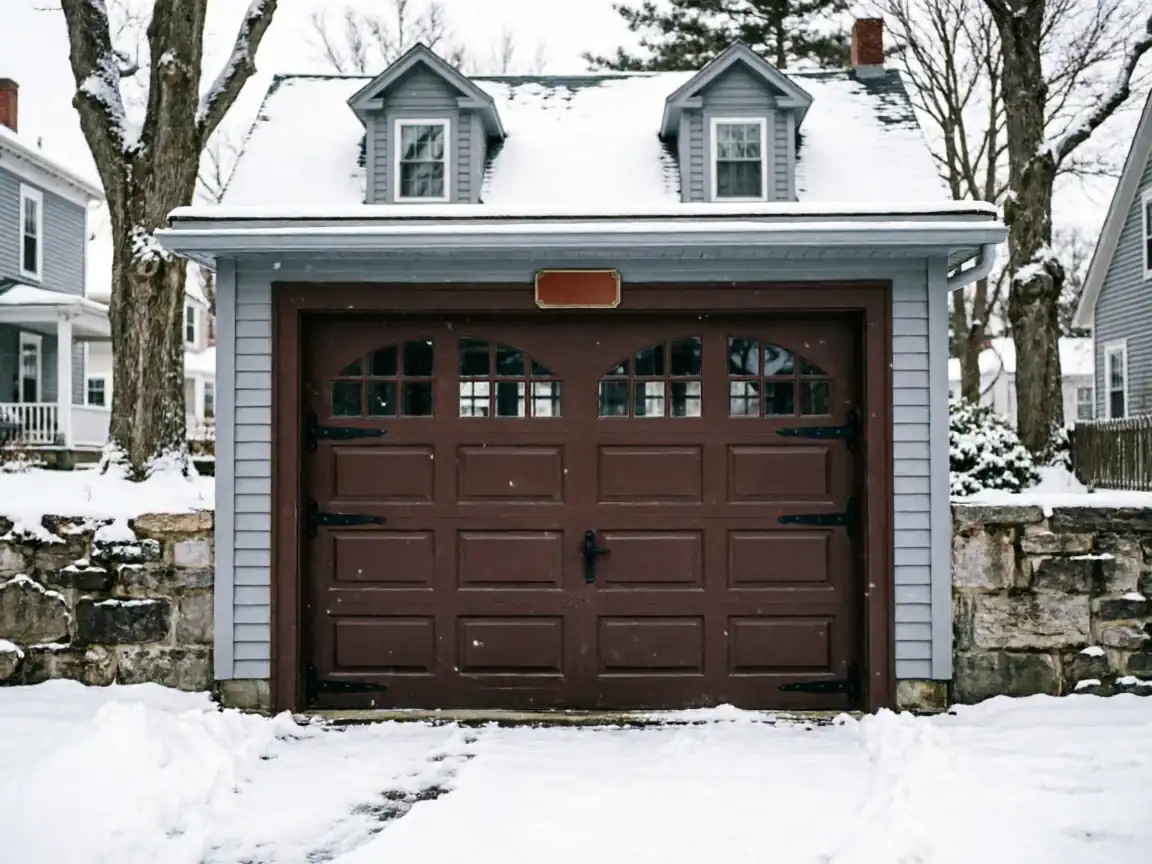
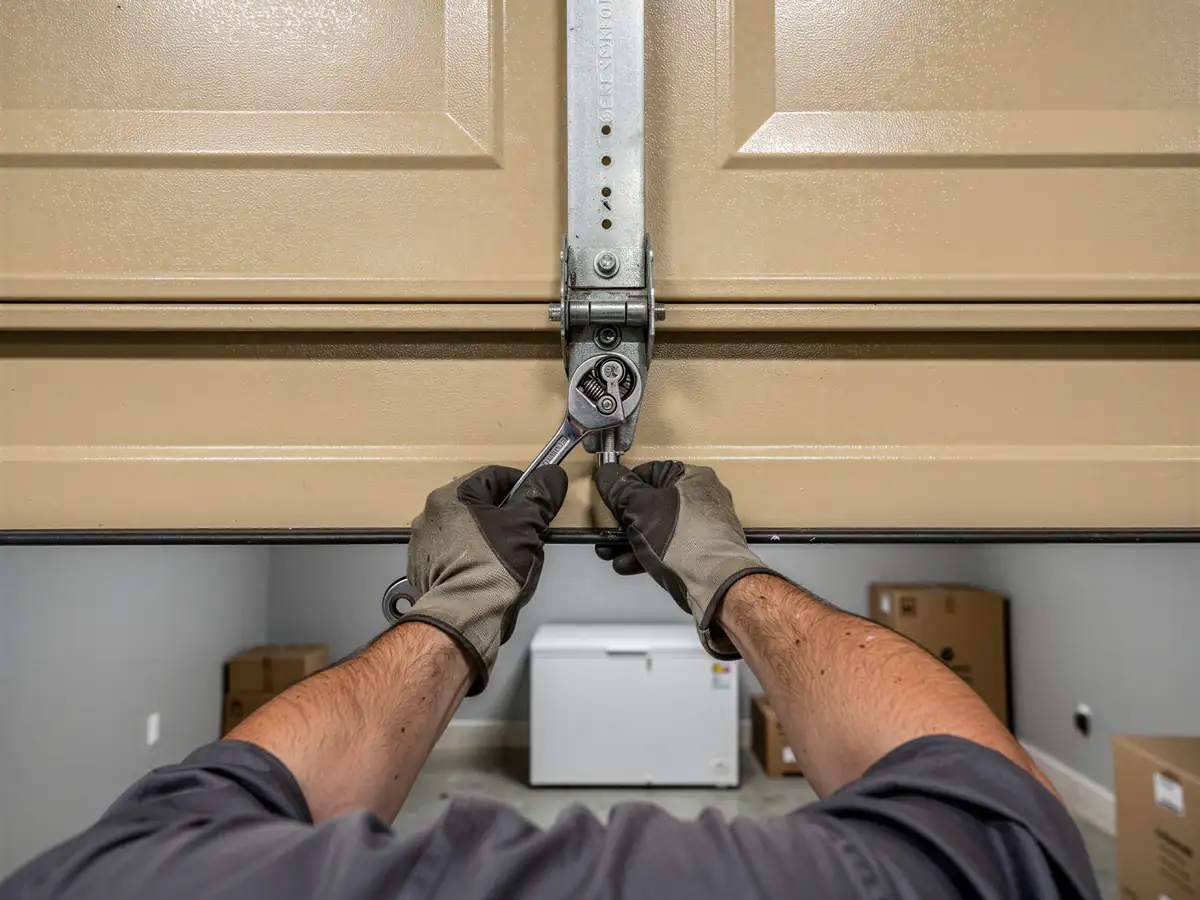
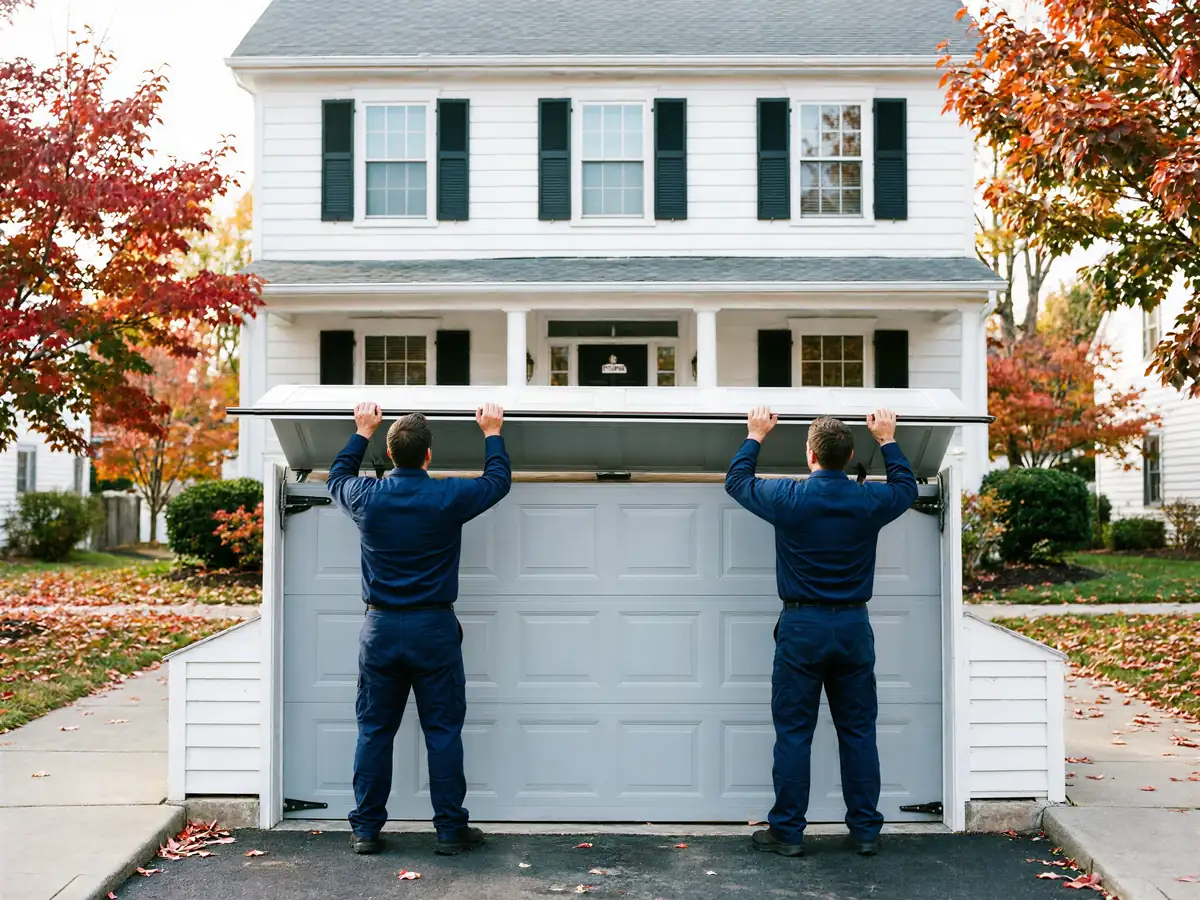
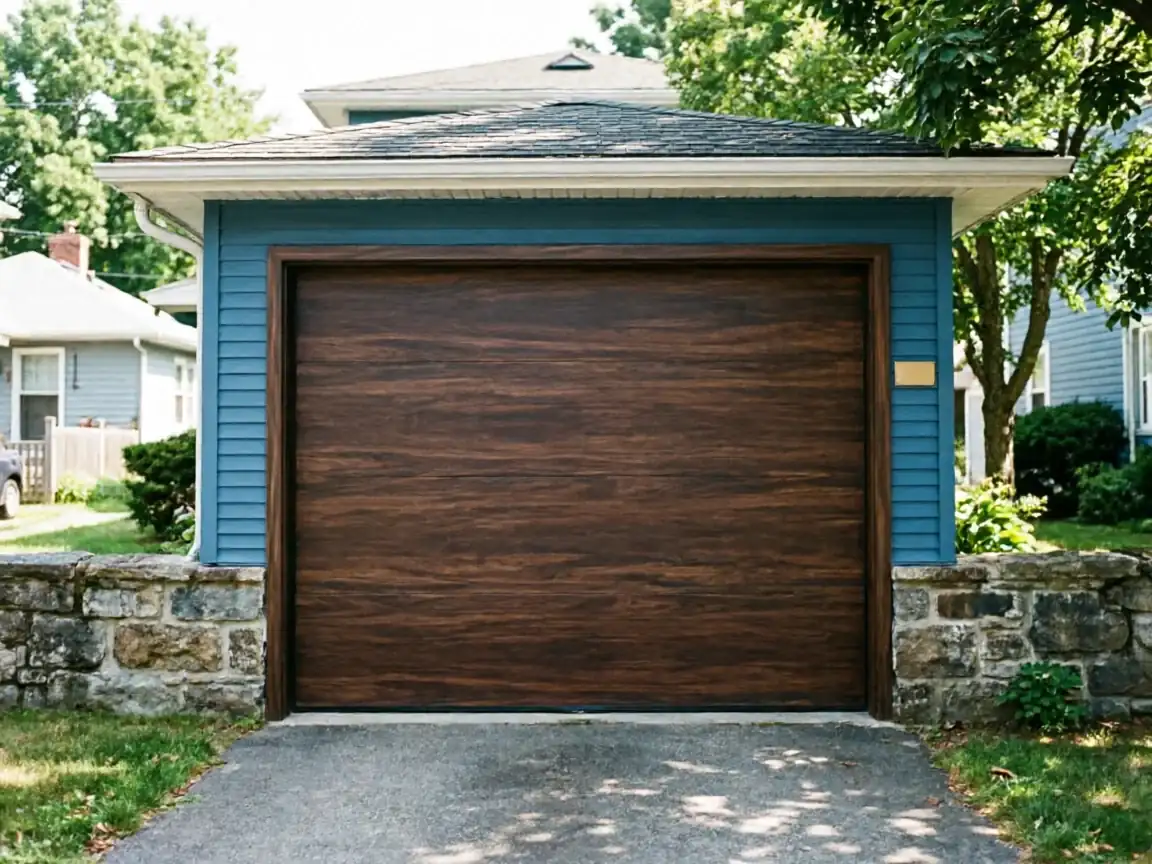
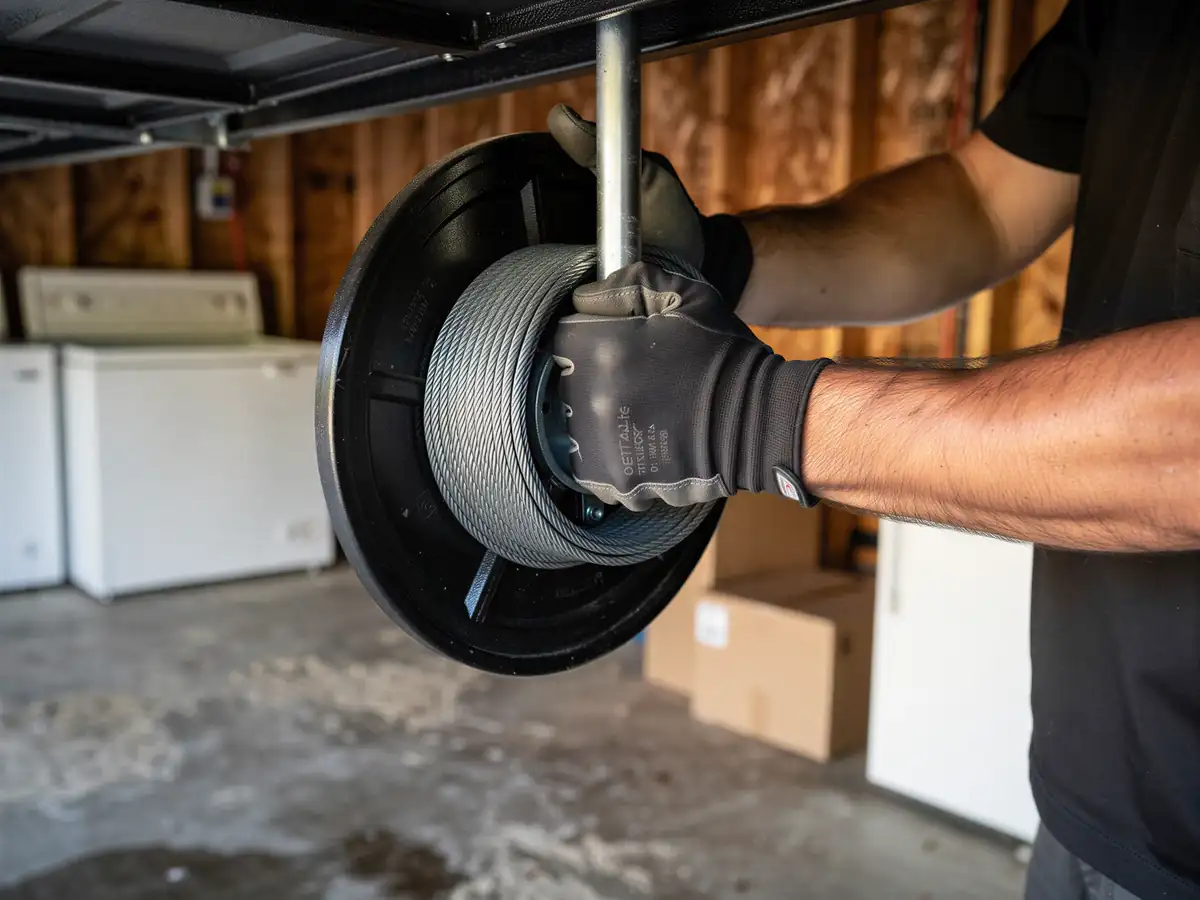
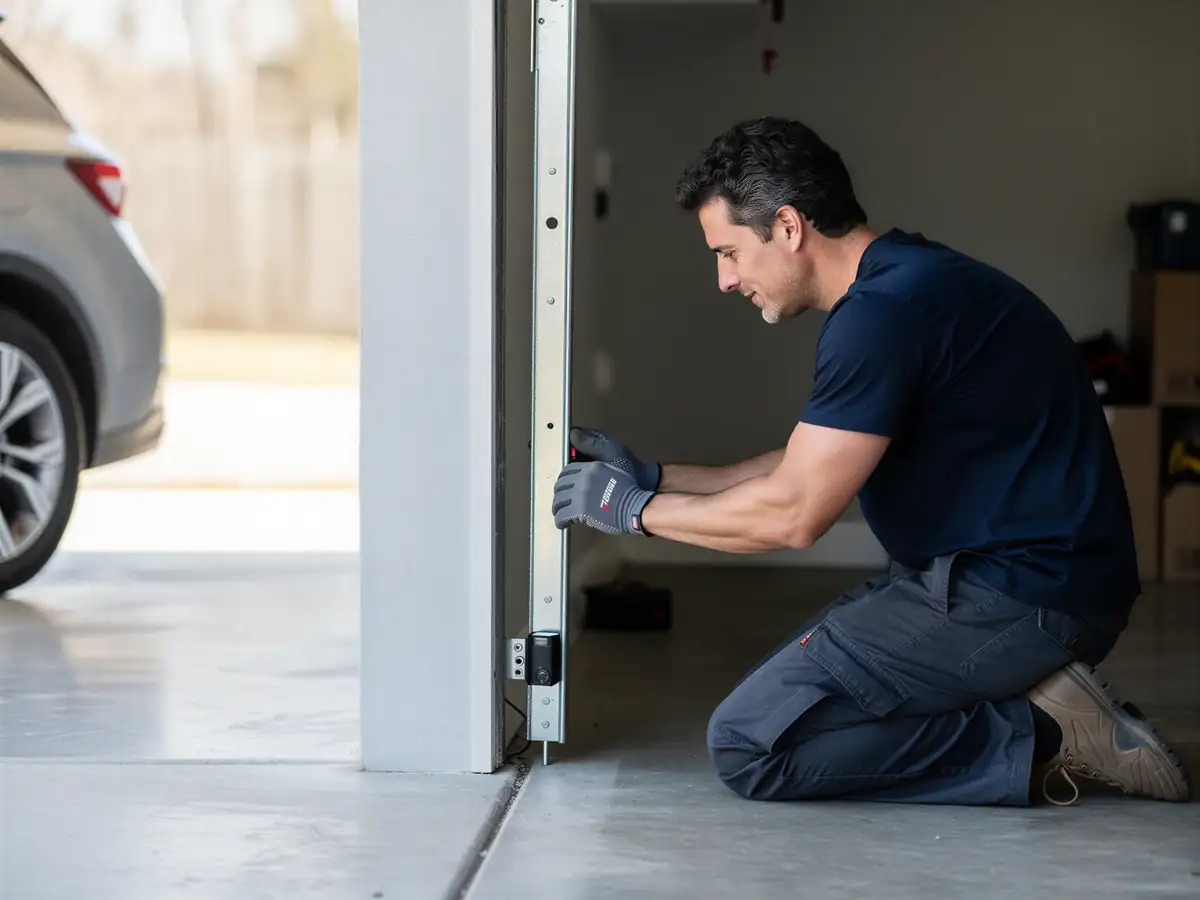
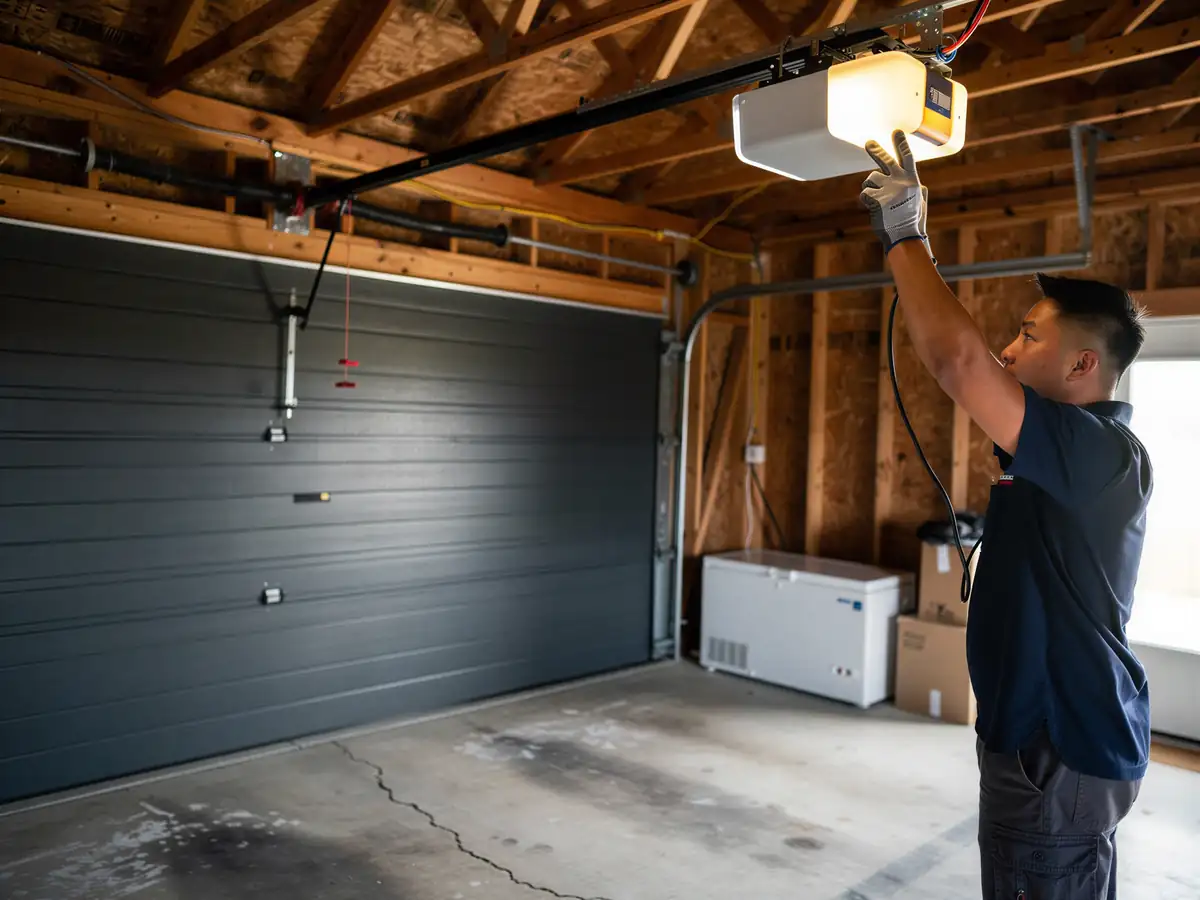
Belmont's median year built sits at 1938, which puts a large share of its garages well ahead of the 1966 median across the rest of the service area we cover from Waltham. A door from that period is usually a single narrow bay, often wood or early steel, hung on a short track with low headroom above the opening. That matters for an opener job because the bracket spacing, the rail length, and the clearance for a standard trolley head don't match what goes into a house built in 1975. We carry openers and low-headroom kits sized for these older openings, plus the shorter rail sections that a tight garage with minimal ceiling clearance needs. We also stock the reinforcement brackets that older wood doors usually need before an opener arm can be mounted safely, since the original door wasn't built with a motor in mind. If your garage was framed before plywood header reinforcement was standard, we check that first - mounting an opener to a header that can't take the pull is how you end up with a sagging track six months later.
How Long It Takes
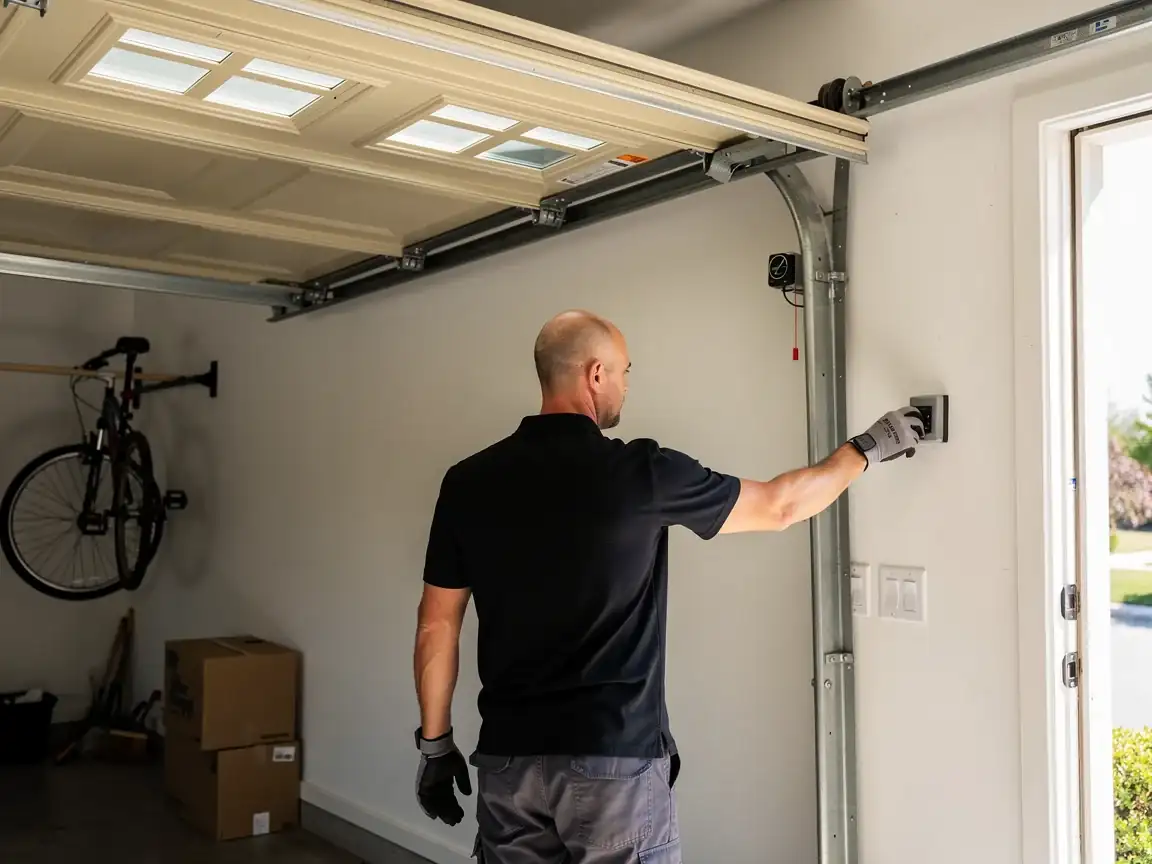
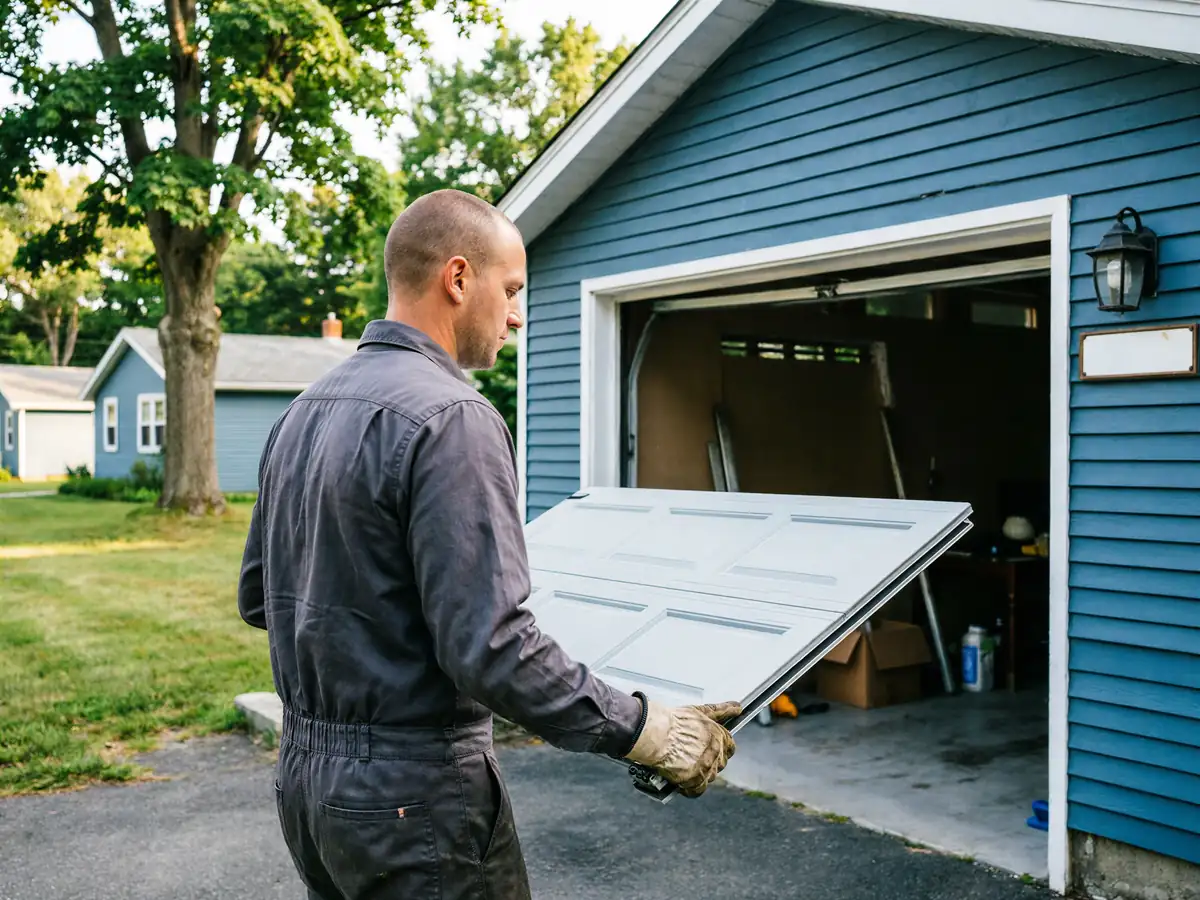
The job length depends more on what's already in the garage than on anything about the town. A straight swap, where the existing bracket, rail, and wiring are sound, is a different job than one where we're adding reinforcement to a door built before openers existed, which is common given Belmont's 1938 median build year. Low-headroom installs take longer because the rail has to be split and remounted along the side of the track instead of running straight back along the ceiling. If the garage has no existing power run to the opener location, that adds time too. We size up the door, the header, and the wiring on arrival before we tell you how long we'll be there - guessing at it over the phone gets the estimate wrong more often than not.
Why It Happens Here
Older openers in Belmont tend to fail for reasons tied to the housing stock, not bad luck. A door and header built in 1938 or close to it wasn't engineered to carry a motor pulling against a chain or belt every day, so the first sign of trouble is often a header starting to bow, not the opener itself failing. On top of that, the service area sits in a severe cold climate band, and a chain-drive unit without a cold-rated lubricant or a properly tensioned chain will bind up on the first hard freeze of the season, putting extra strain on gears that are already working against an undersized bracket. With roughly 10,358 households in Belmont, most on older lots with narrower garages, we see a lot of openers mounted on brackets that were never meant to hold anything heavier than a light fixture. That combination - old header, cold winters, and a motor added decades after the door was built - is what actually drives most of the opener calls we get from this side of the area.