Stocked Parts
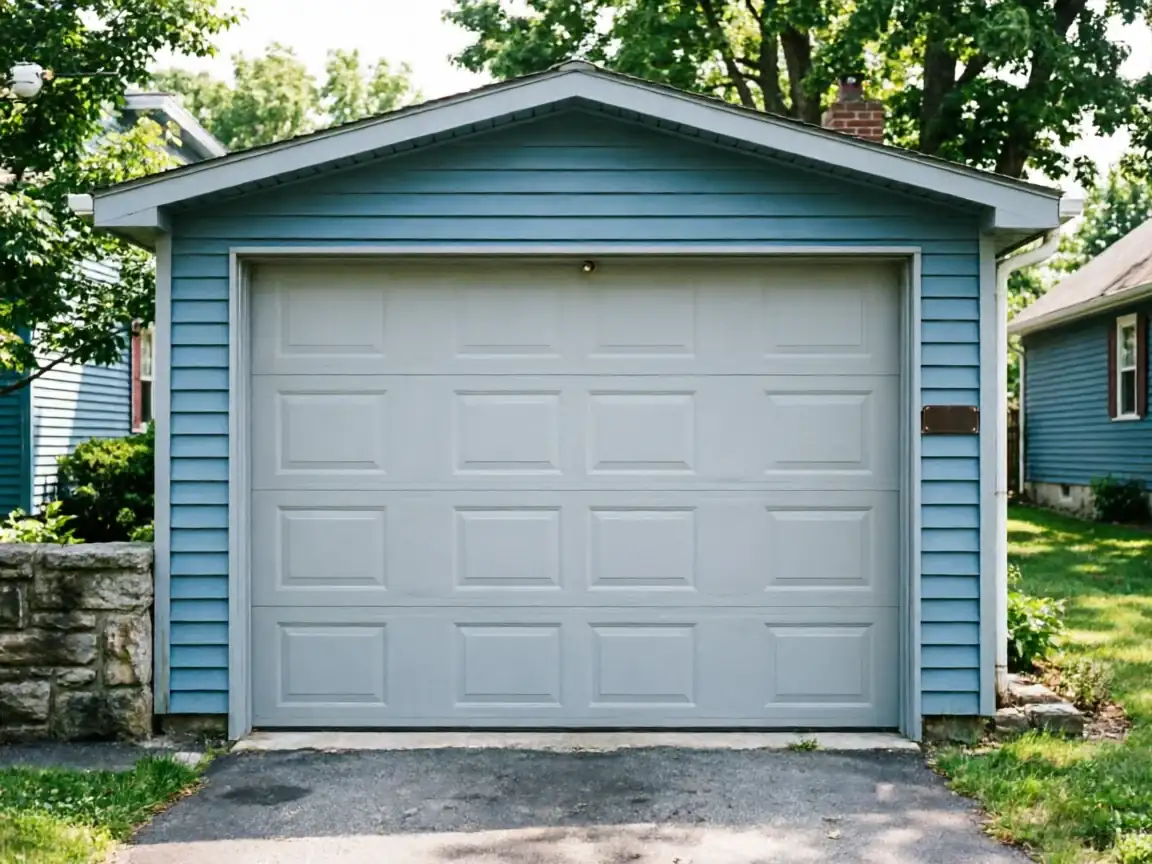
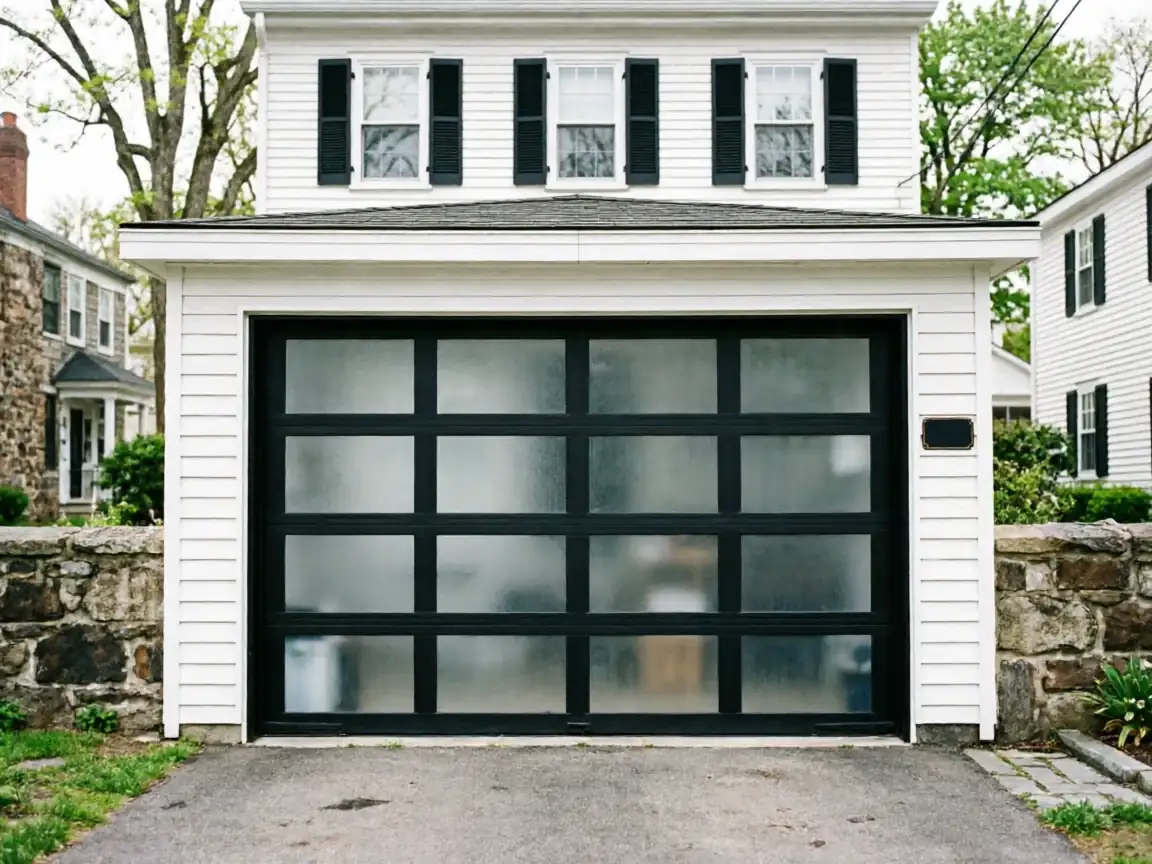
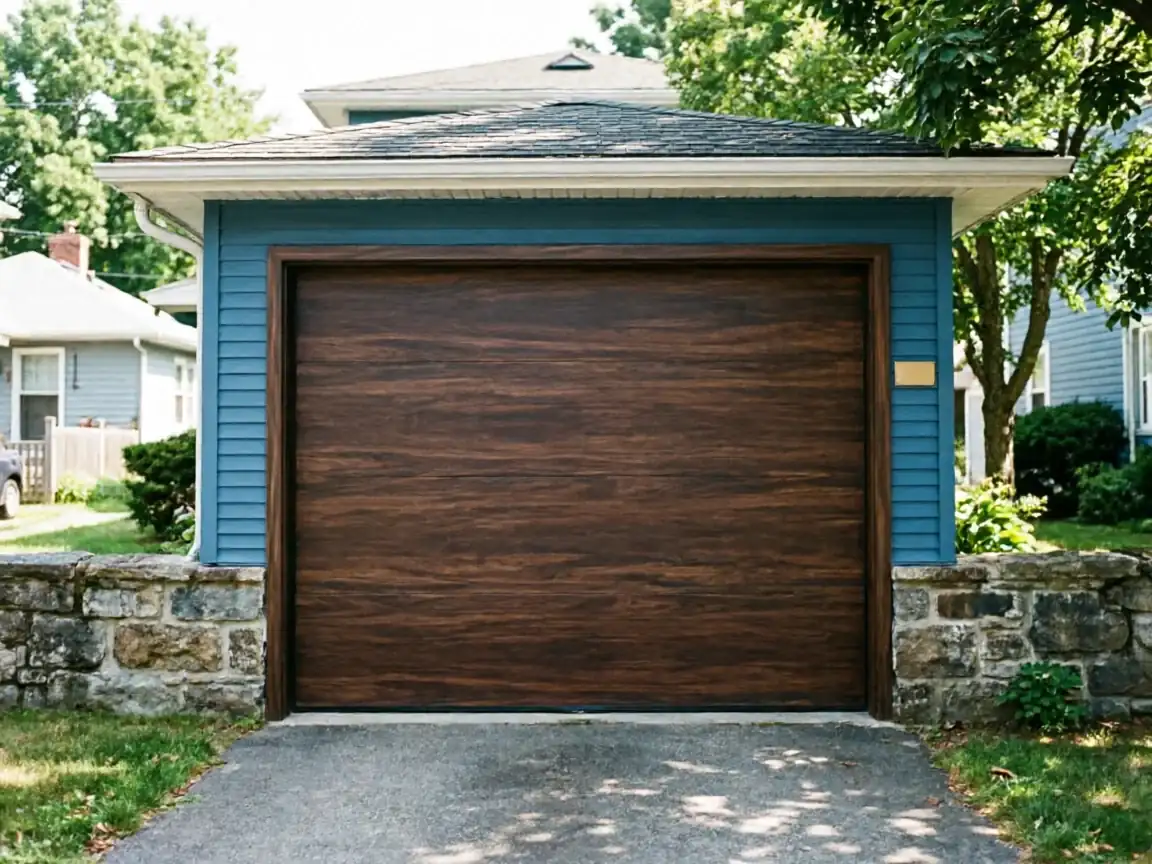
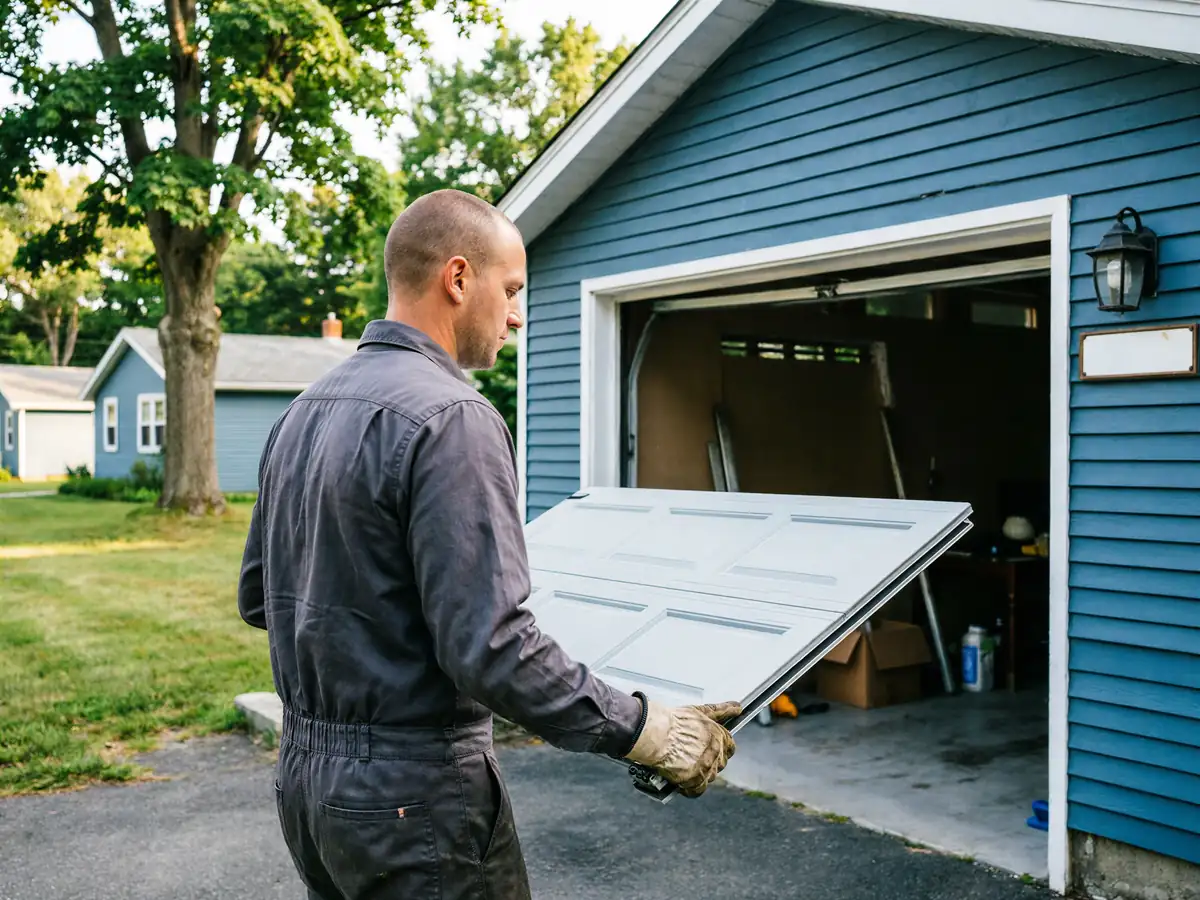
Belmont's median house went up in 1938, which puts a lot of this town's garages ahead of the wider service area's 1966 median. A door from that era, if it hasn't been swapped already, often runs narrower panel sections and lighter-gauge steel than anything sold today, set into tracks sized for a shorter radius turn. We carry standard 18" and 21" panel sections in a few common colors and finishes, plus the brackets and end stiles that go with modern track. What we don't carry on the truck is a one-off match for an original 1938 panel profile - those are special order, and we'll tell you the lead time before you commit rather than have you wait and wonder. If your garage is one of the later rebuilds from this town's broader construction wave, matching parts is usually same-visit.
How Long It Takes
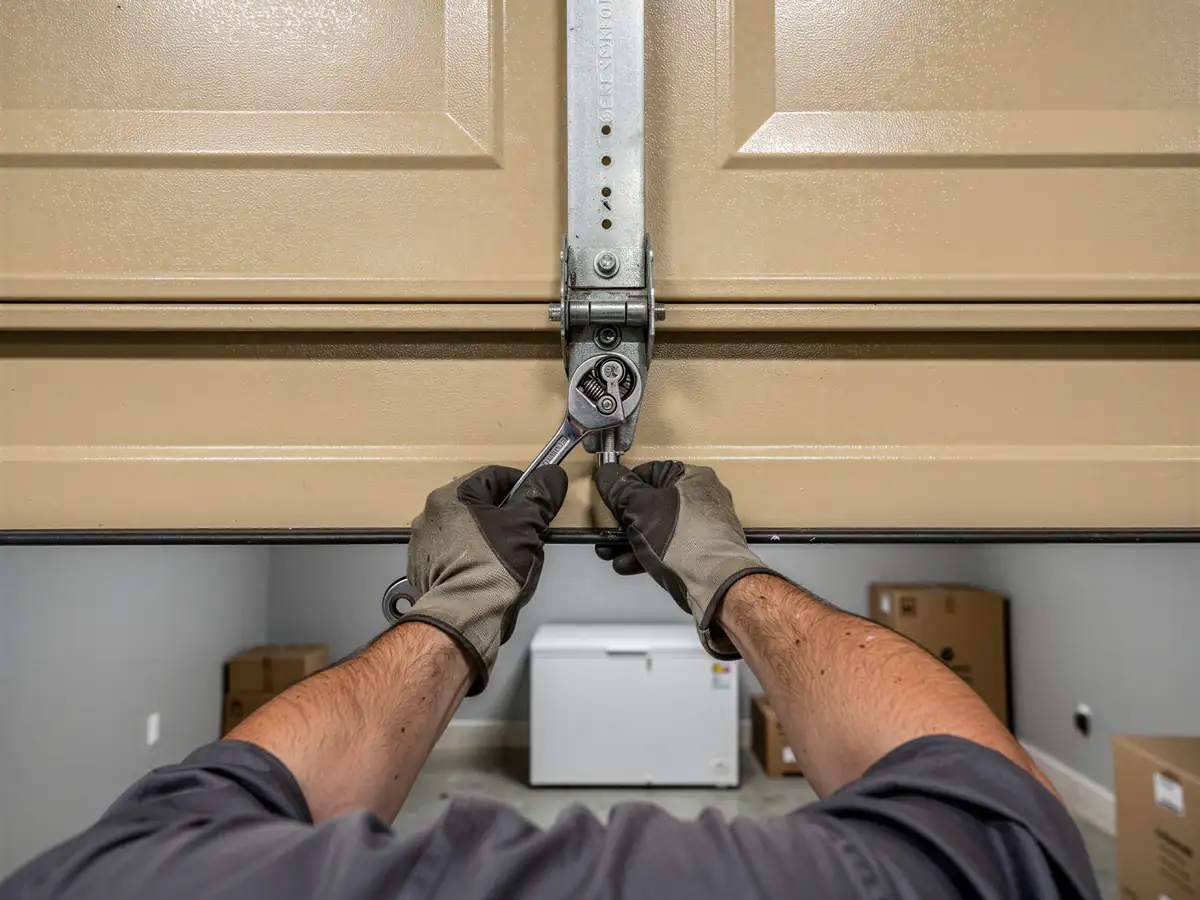
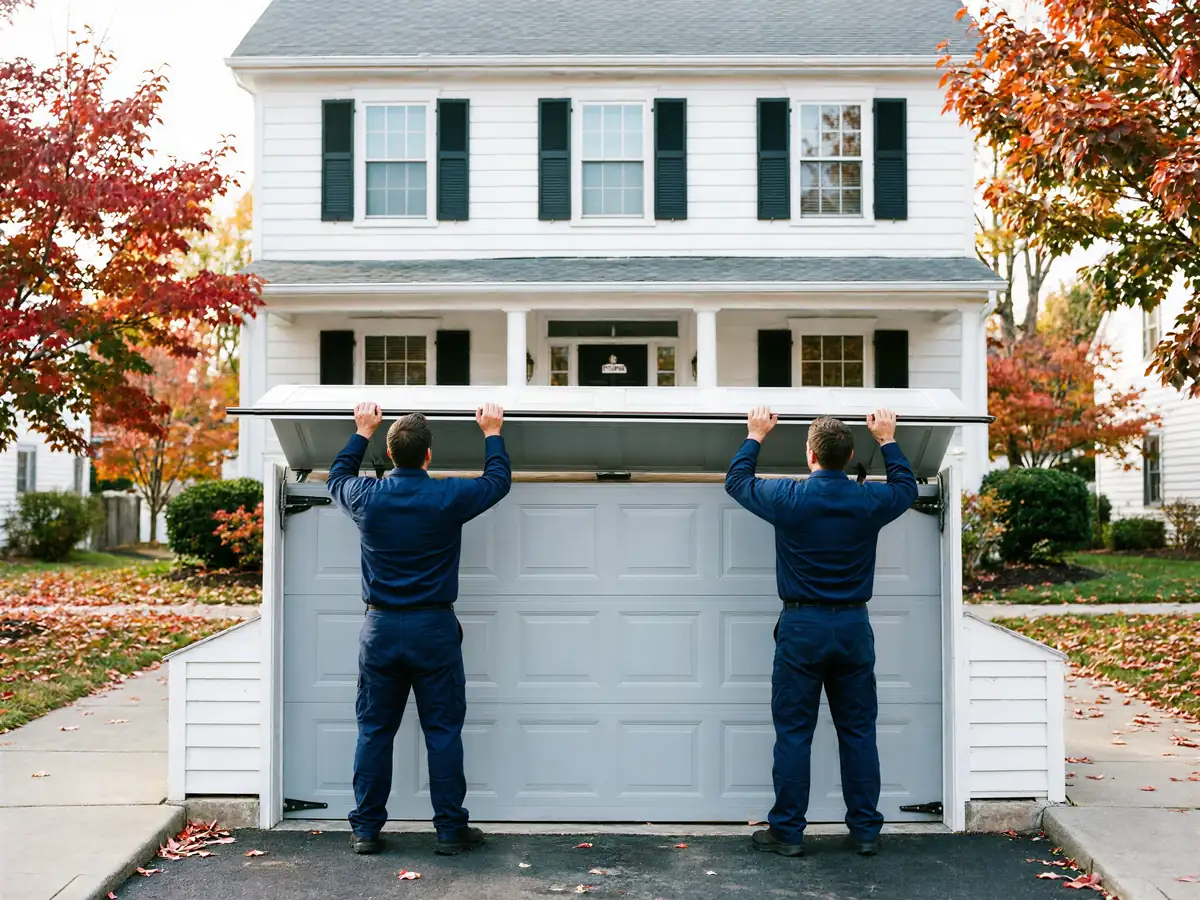
A straightforward single-section swap on standard track, done on a door that's already up to current hardware, is usually a same-day job once we're on site. Where it slows down is on houses holding onto original 1938 construction: if the panel we're removing is a non-standard width, or the track behind it has been patched over the decades, we spend more of the visit measuring and adapting than installing. We come from Waltham, 3 miles out, so travel isn't the variable here - the age and condition of what's behind the panel is. We'll tell you up front if a job looks like it needs a second visit for a special-order part.
Why It Happens Here
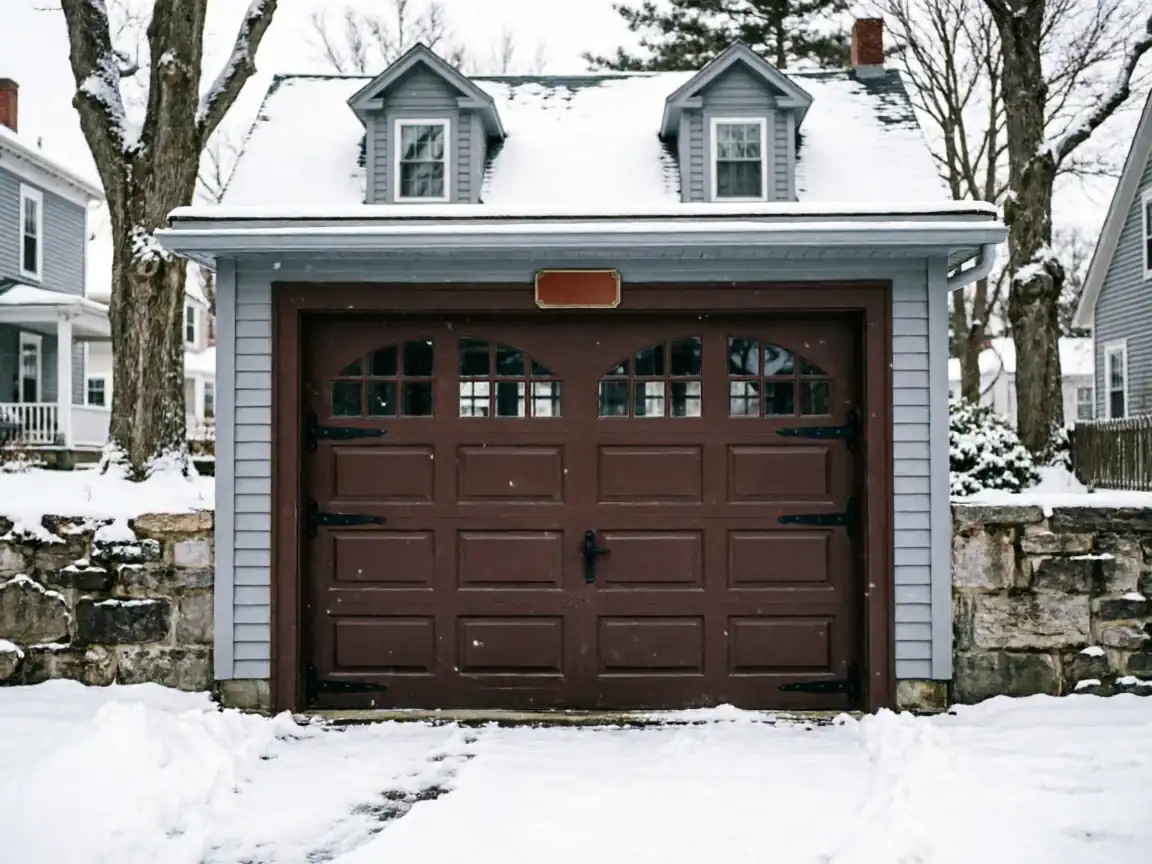
Panels fail for different reasons depending on when the door went up. Belmont's housing stock, with a median build year of 1938, predates most of the aluminum and steel composite panels common across the rest of the service area's 1960s-70s wave. Doors from that older stock were often built with thinner single-wall steel or wood-composite panels that dent, rot at the bottom rail, or crack at the hinge line decades before a modern insulated panel would. On top of that, this whole service area sits in a cold climate zone with real freeze-thaw cycling each winter, and that cycling works on any seam or dent until it's a crack. Older, thinner panels take that stress worse than newer ones, so Belmont's older housing stock shows panel damage earlier and more often per door than it would elsewhere in the service area.