Stocked Parts
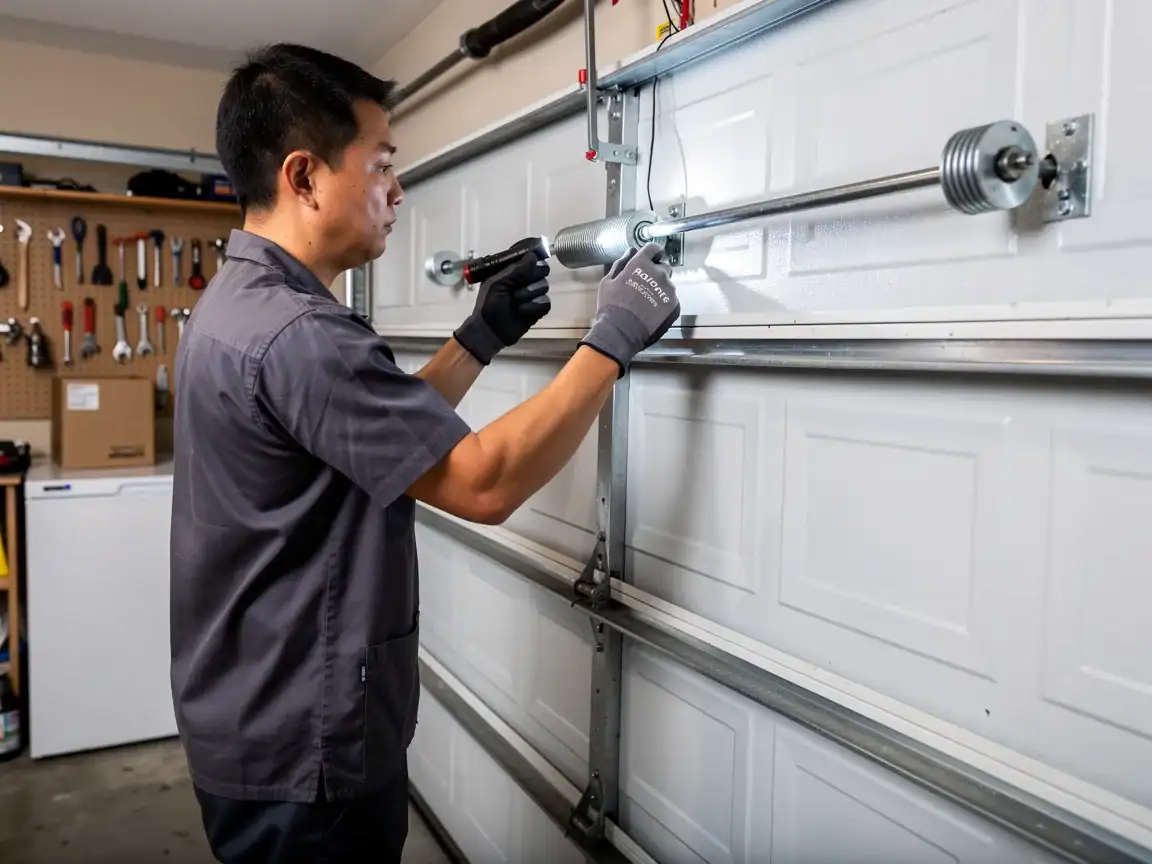
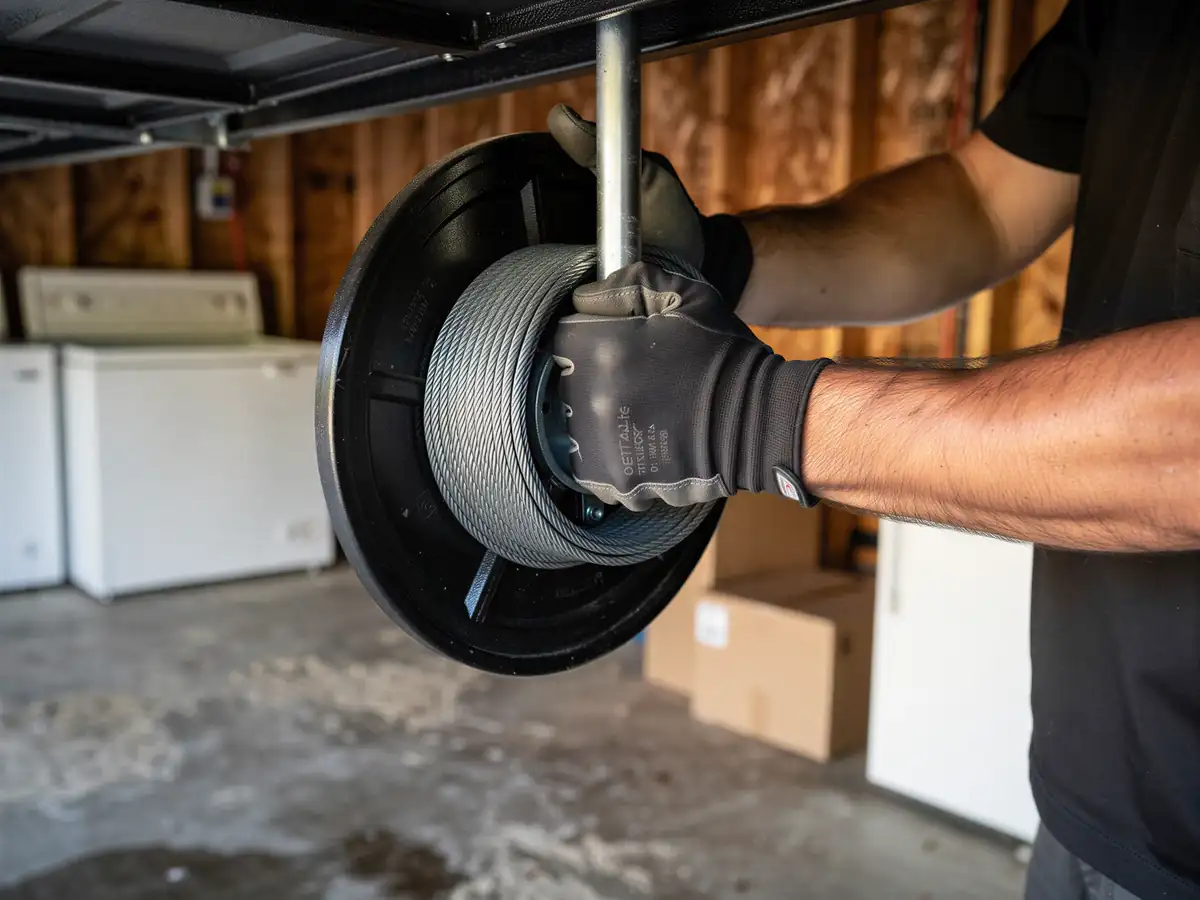
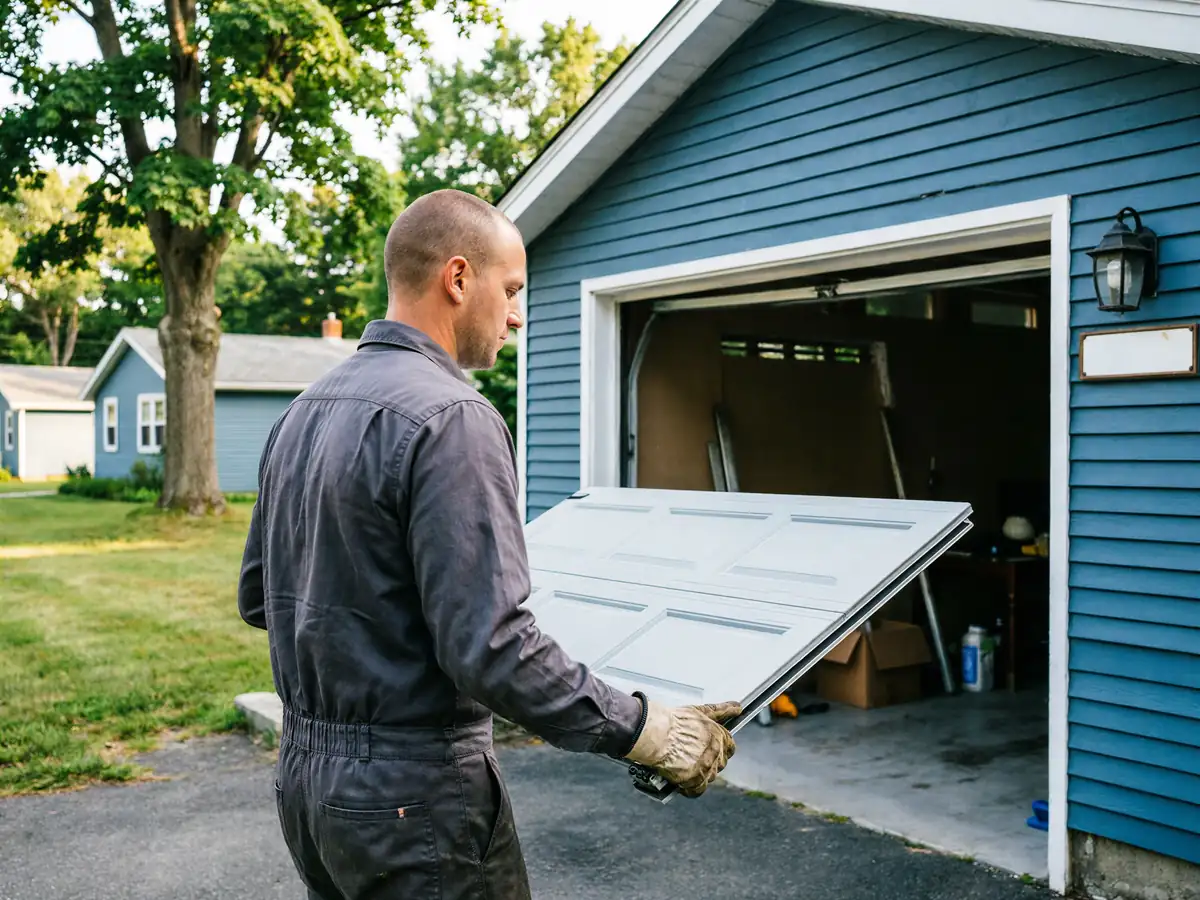
Belmont's median build year sits at 1938, which puts a chunk of its garage doors ahead of the postwar wave that shaped most of the towns we cover from Waltham. A door installed in a Belmont garage built in the late 1930s or 1940s is old enough that its original hardware predates a lot of the standardized torsion spring sizing that came later. That means when we find a spring, hinge, or roller bracket that's never been swapped, it's sometimes a size or mount pattern that doesn't match current stock on the truck. We carry the common modern wind and length specs for torsion springs, standard-gauge rollers, and universal hinge sets, which covers most jobs. What we don't carry is obsolete, discontinued hardware specific to a door that hasn't been touched since it was hung. If your door's track brackets or spring cones look original to a prewar build, tell us when you call so we can check compatibility before the truck leaves Waltham, 3 miles out.
We also stock weatherstripping and bottom seal in the profiles that fit most doors from the 1938-1993 range common across the wider area, since cold-climate seal failure is one of the most frequent maintenance calls we get.
How Long It Takes
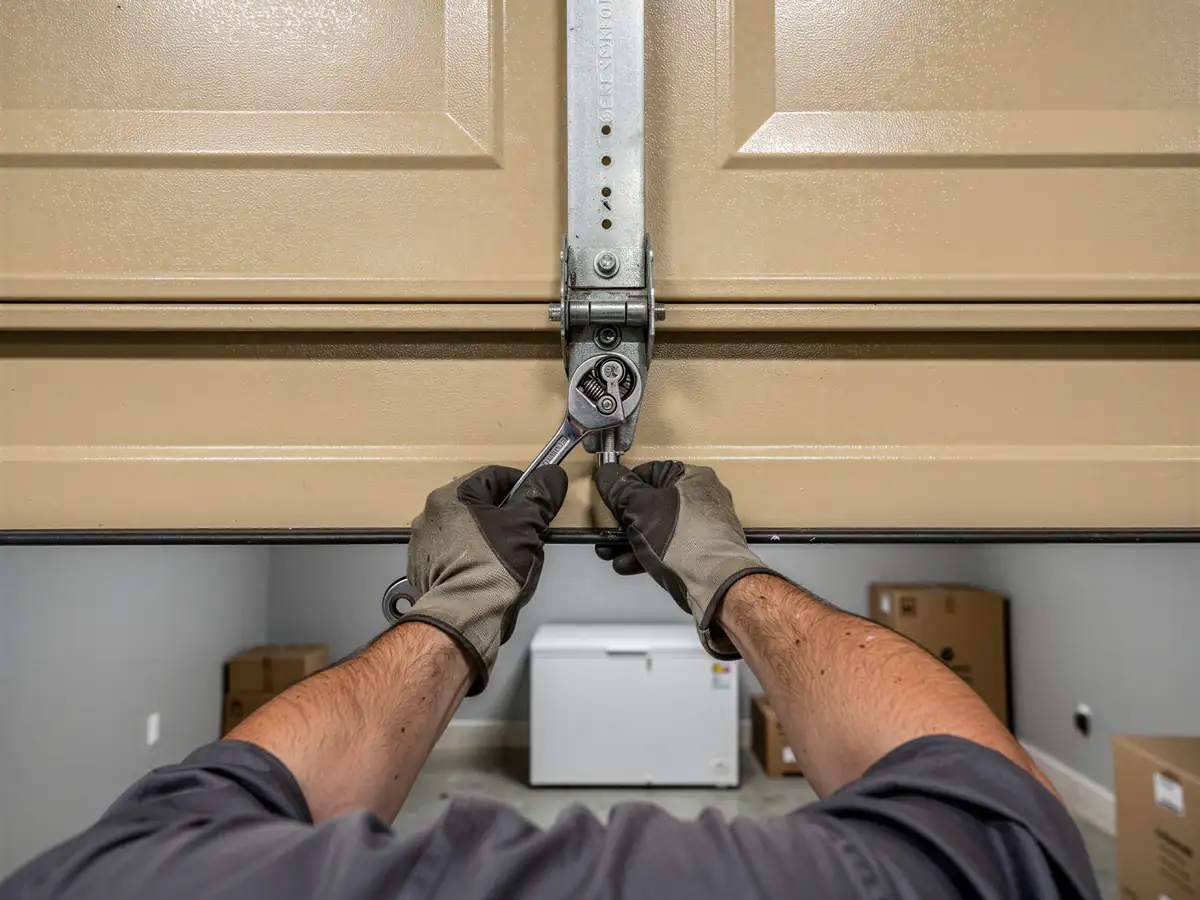
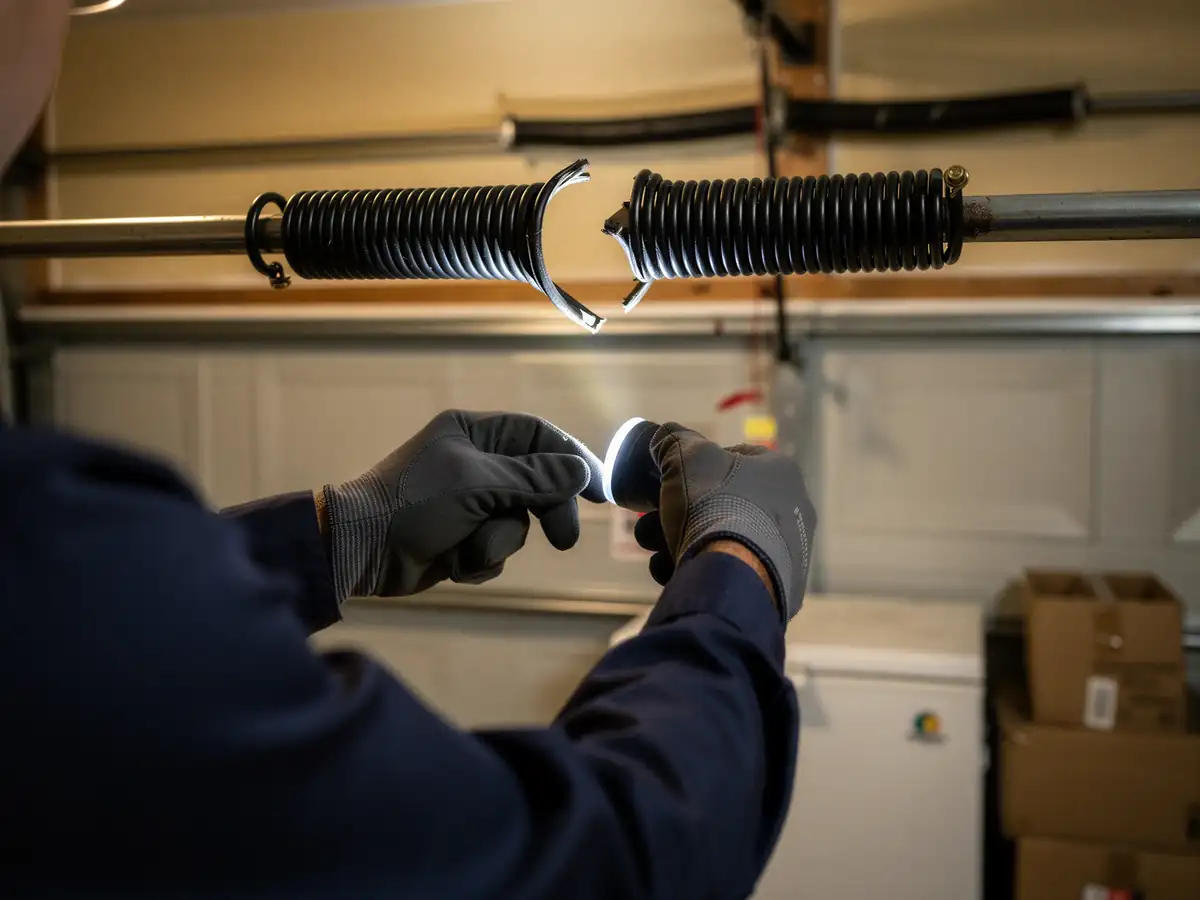
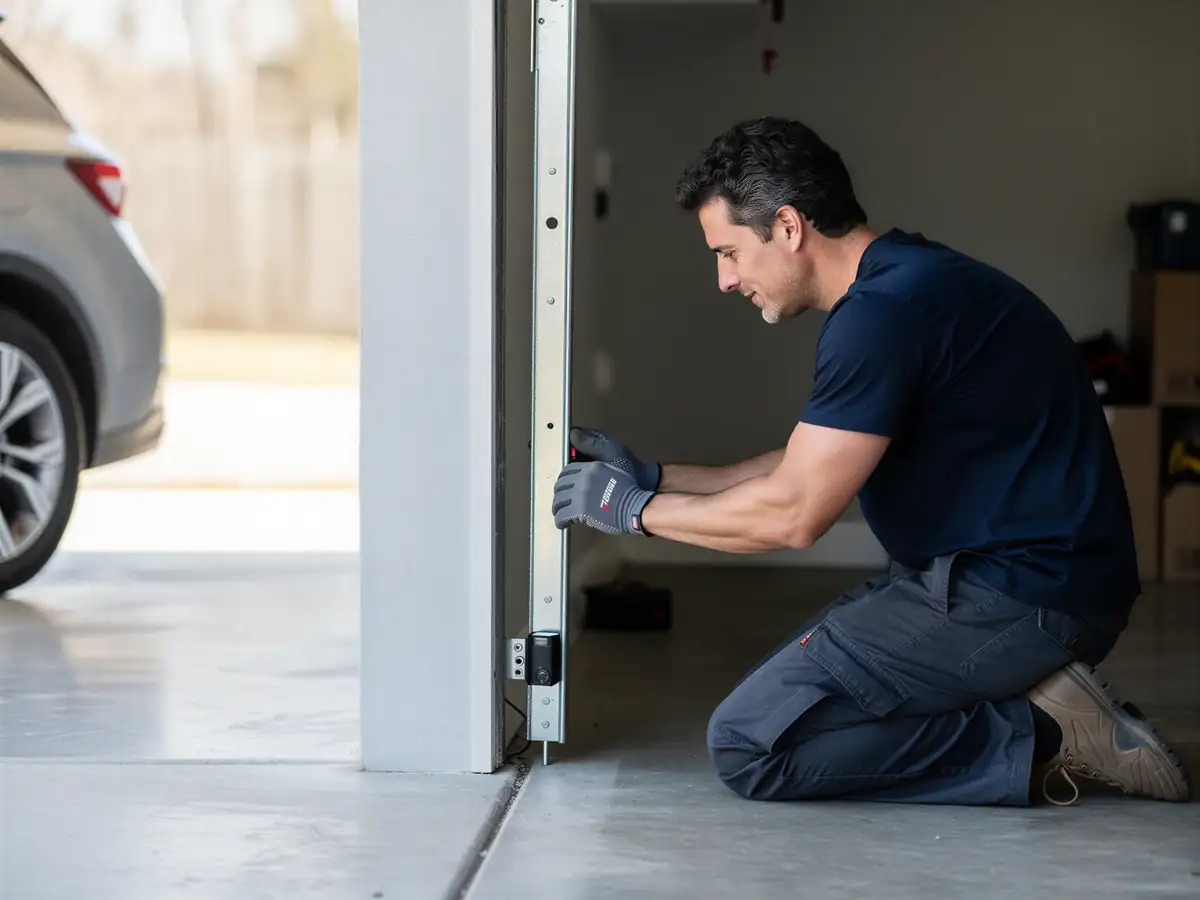
A standard maintenance visit, lubrication, hardware check, balance test, and seal inspection, runs under an hour on most doors. Belmont adds a variable: with a median build year of 1938, more of these doors have never had a full hardware swap, so the technician spends extra time checking spring wind, cable fray, and track alignment before touching anything. If we find a part at or past its service life during that check, we'll tell you on the spot rather than let it ride, since a spring that's original to a 1938-era garage has already outlived any reasonable expectation for a torsion spring. We travel the 3 miles from Waltham for every call, so scheduling runs on the same slots as the rest of the area - there's no separate Belmont crew or shorter wait tied to the town itself.
Why It Happens Here
Cold-climate severity is part of what wears down garage door hardware everywhere we work, but Belmont's age profile sharpens it. A door and spring system installed around 1938 has gone through roughly eight decades of winter cycling, and steel fatigues the same whether or not anyone's been opening the door daily. Combine that with the fact that this area, across its 243,594 owner-occupied houses, skews toward 1960s-70s stock overall - Belmont sits noticeably older than that average. Original hardware on a house this old wasn't engineered for the cycle counts and wind-load torsion springs are rated for today, so failures tend to show up as sudden spring breaks rather than gradual wear you'd catch early. Track misalignment is also more common here, since older framing has settled over more decades than a 1970s build has had the chance to.