Stocked Parts
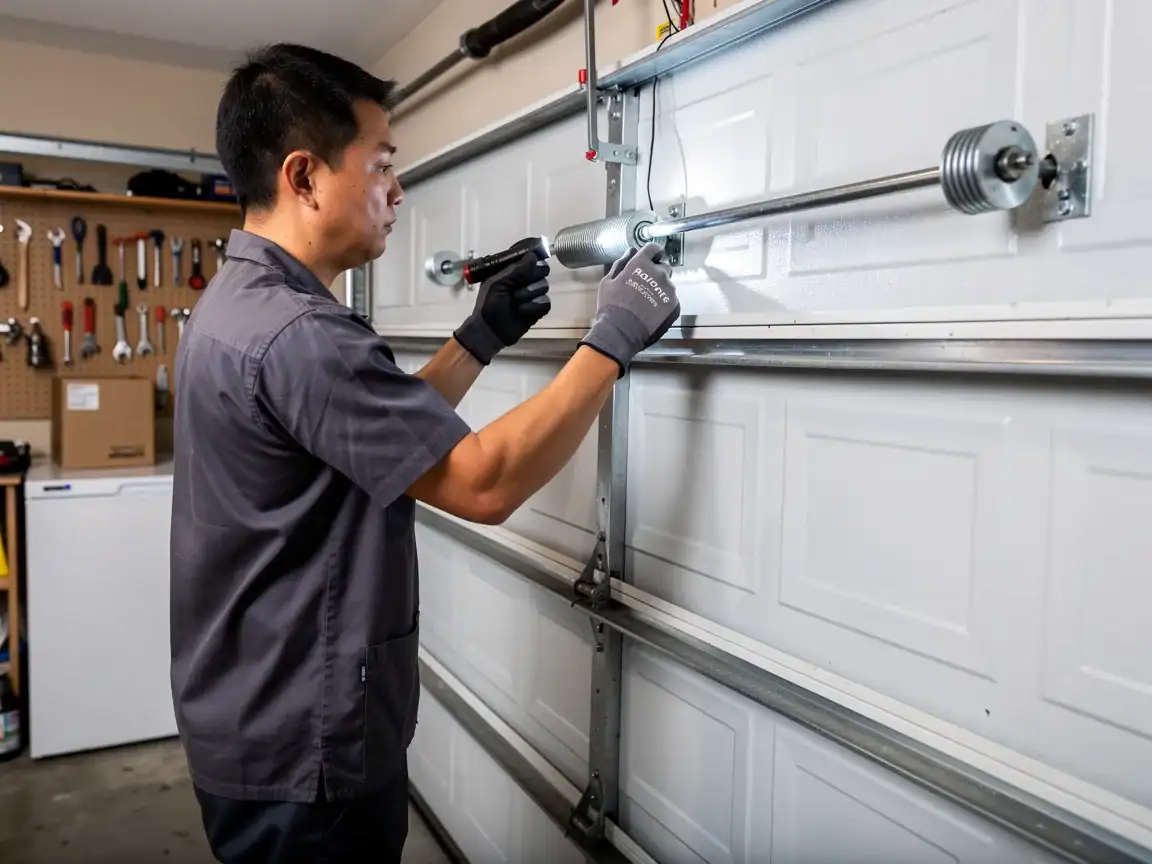
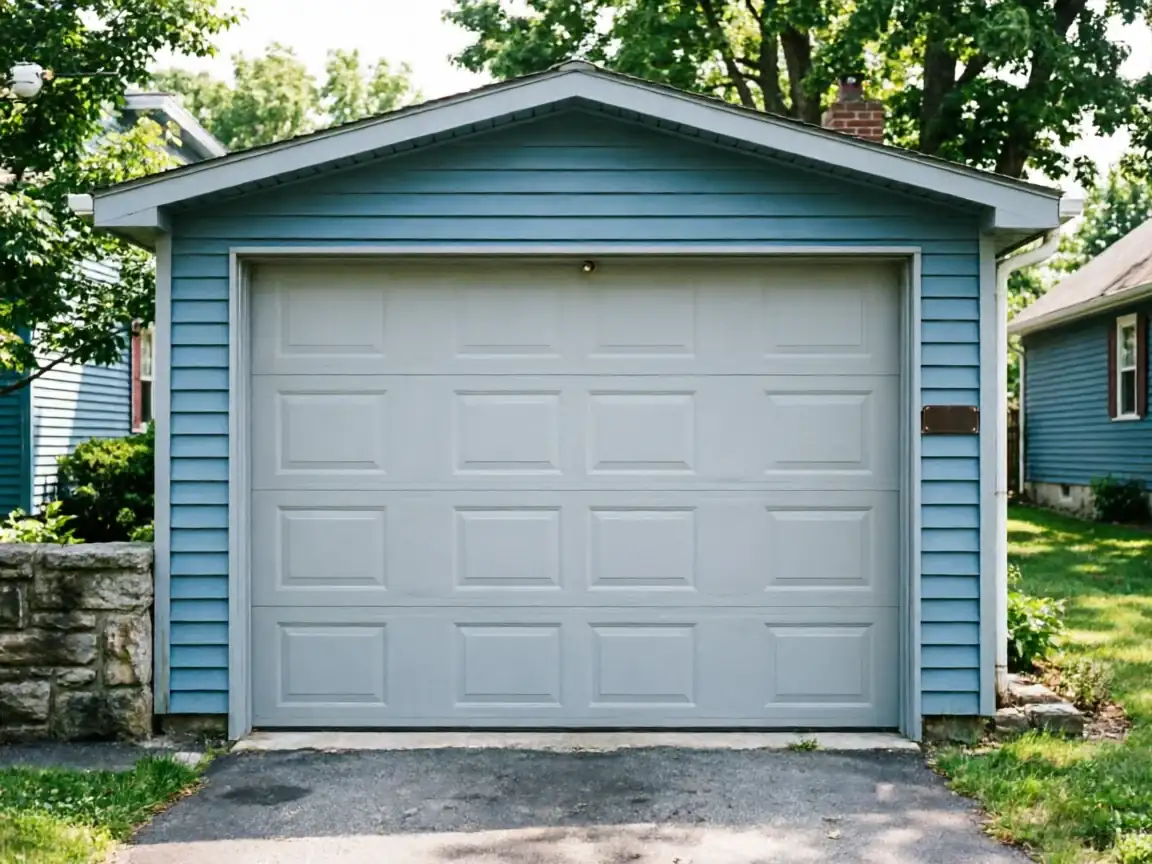
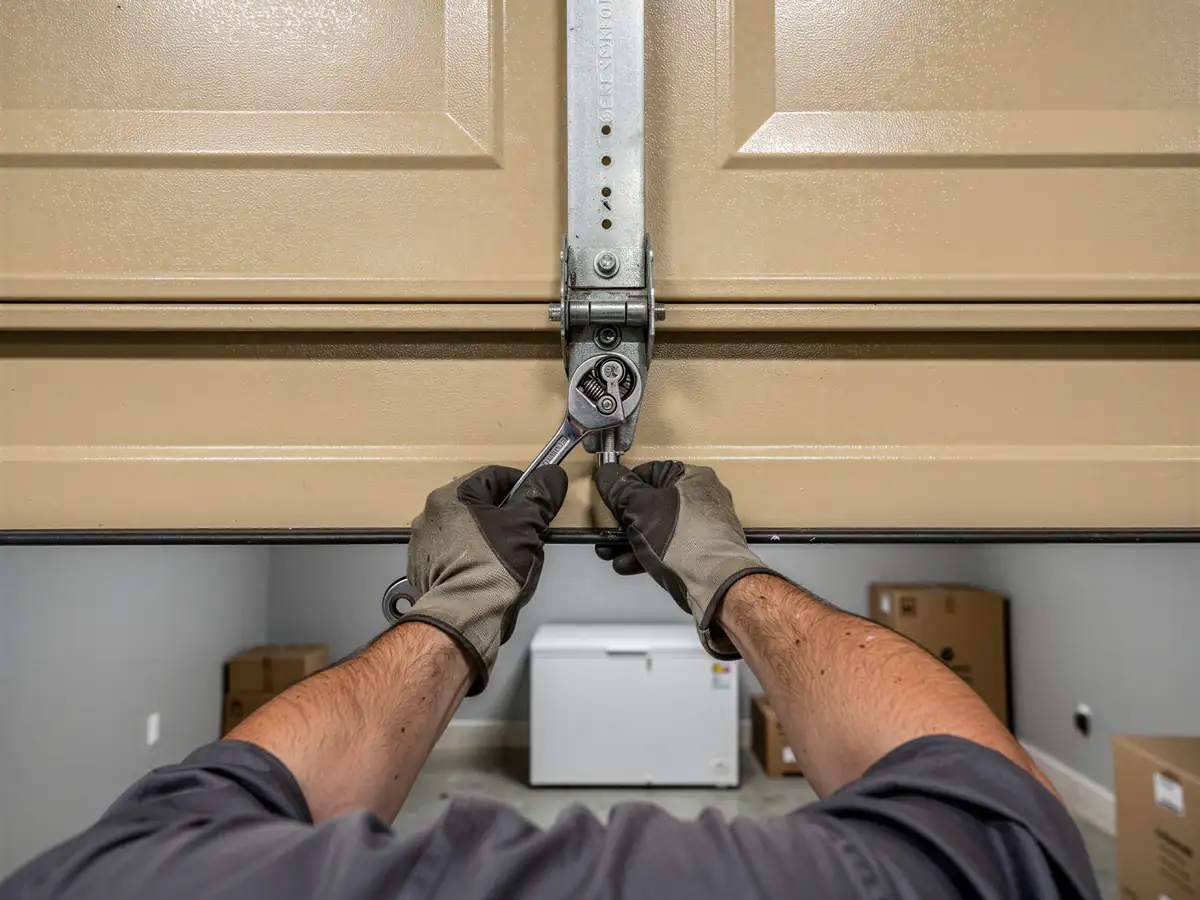
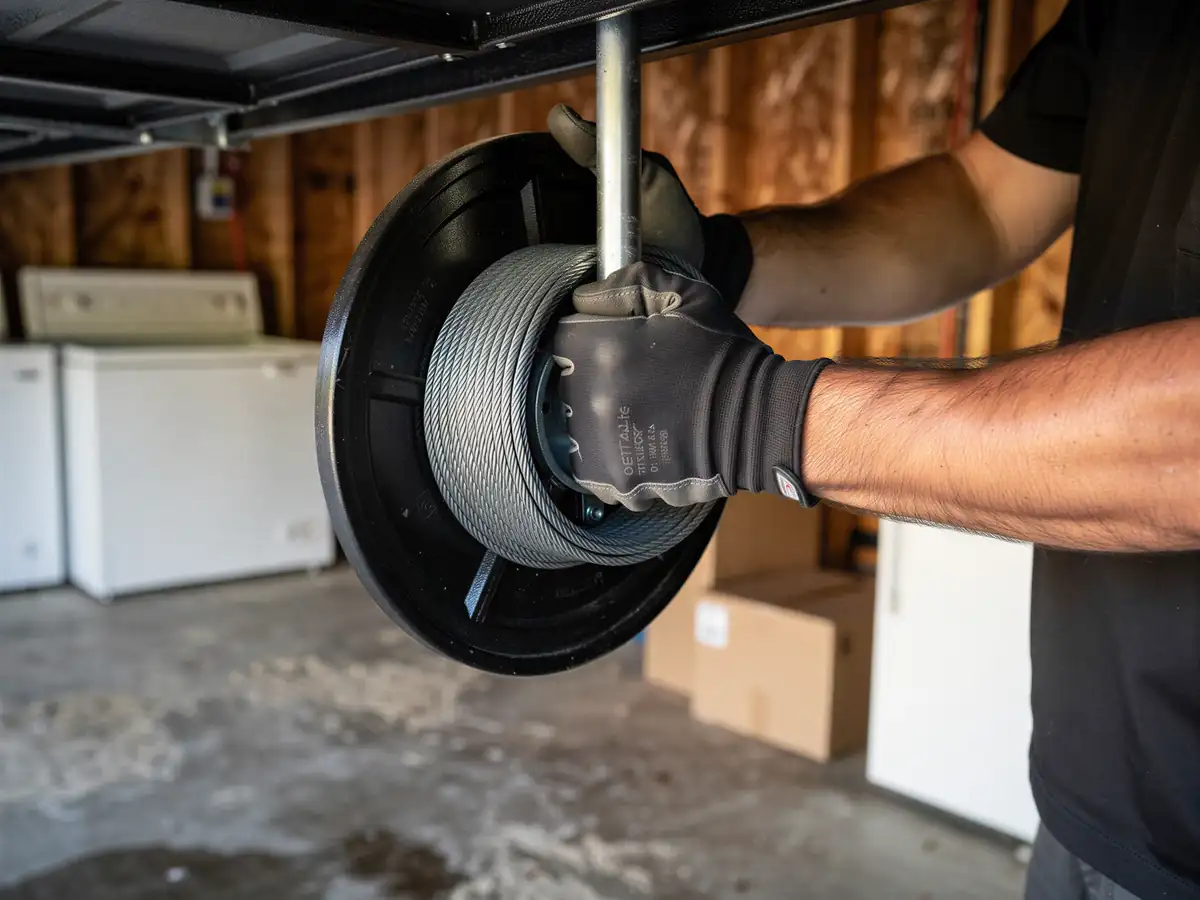
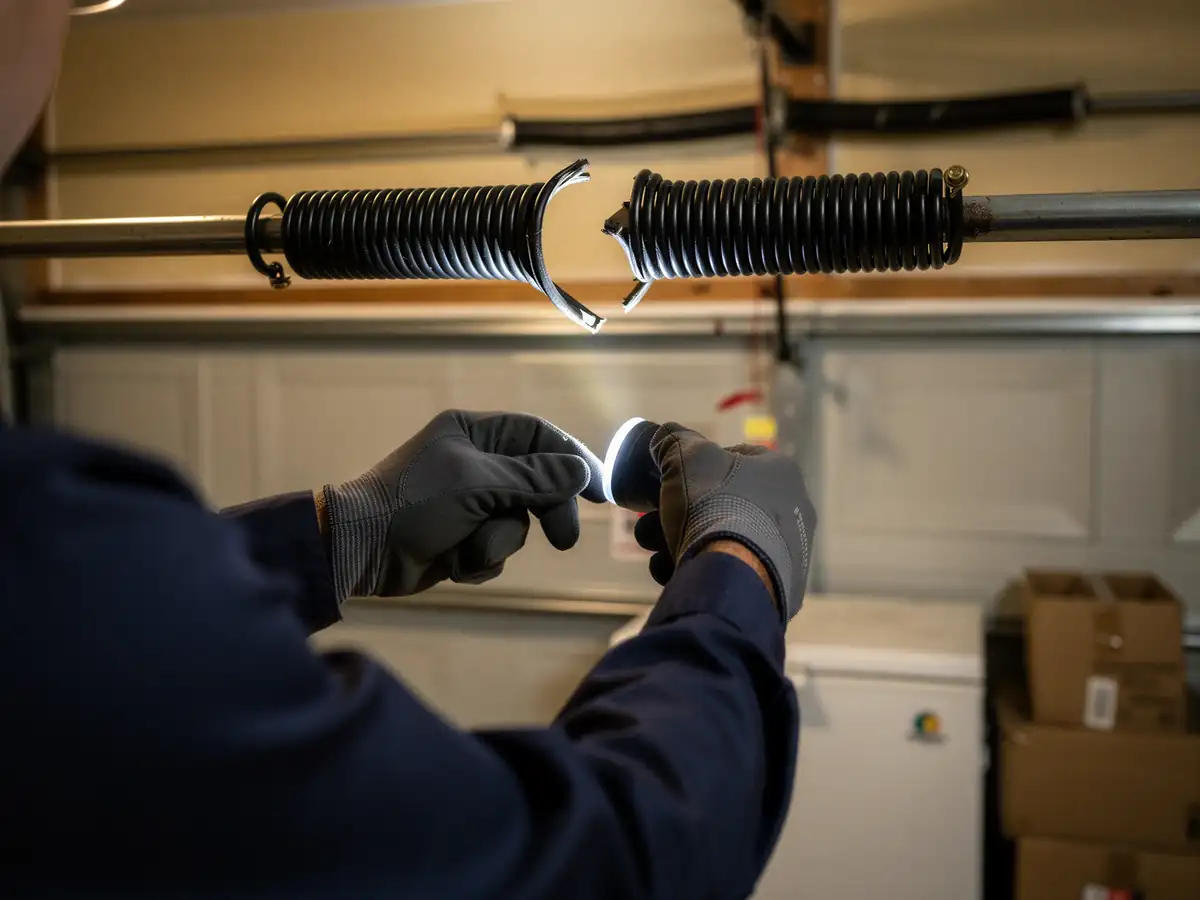
Belmont is a smaller town than most we cover, just over 10,000 households, and a lot of those houses went up well before the rest of the service area caught up - the town's median build year sits around 1938, a generation older than the 1966 median across the wider area. That matters for parts. Pre-war garages were often built for lighter doors on extension spring setups bolted straight to the header, not the torsion bar over the opening that became standard later. We carry both extension and torsion springs sized for older single-car openings, plus the shorter track radius kits that early garages needed because the ceiling clearance was tighter than modern builds allow. We also keep standard rollers and cable in stock, since those wear out regardless of the house's age. What we don't keep on the truck is anything proprietary to a specific old opener brand that stopped making parts decades ago - if a motor from that era fails outright, replacement is usually the only real option, and we'll say so rather than chase a part that doesn't exist anymore.
How Long It Takes
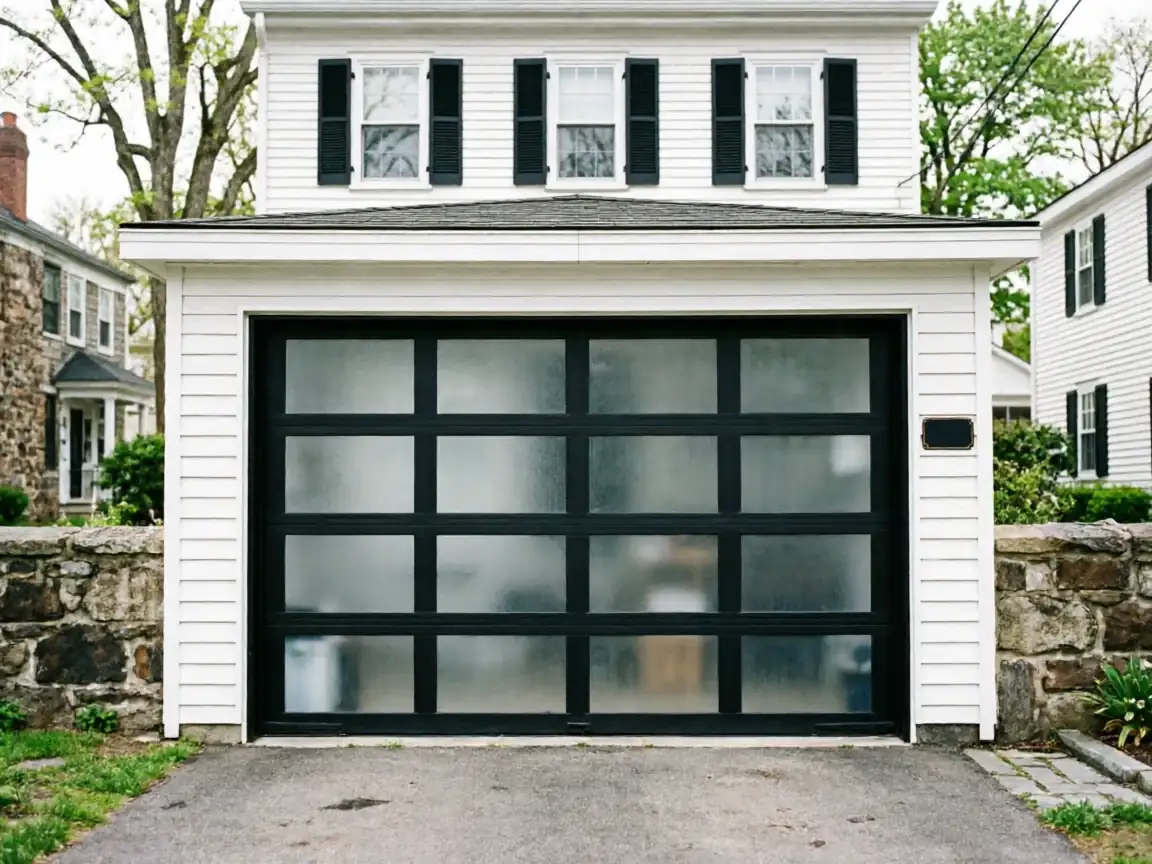
Most spring and cable repairs on the common hardware we stock finish in one visit, same as anywhere else we work. What slows a job down in Belmont specifically is age: a 1938-era door on original extension springs sometimes needs a bracket or a pulley that isn't a standard modern size, and that can mean a short wait while we source it. We won't pretend otherwise just to sound faster. A double door on current torsion hardware, which plenty of renovated or rebuilt Belmont houses now have, moves at normal speed because that's exactly the kind of job we stock for. The honest version is this: newer hardware in an old house goes fast, original hardware in an old house sometimes doesn't, and we'll tell you which one you've got before we start.
Why It Happens Here
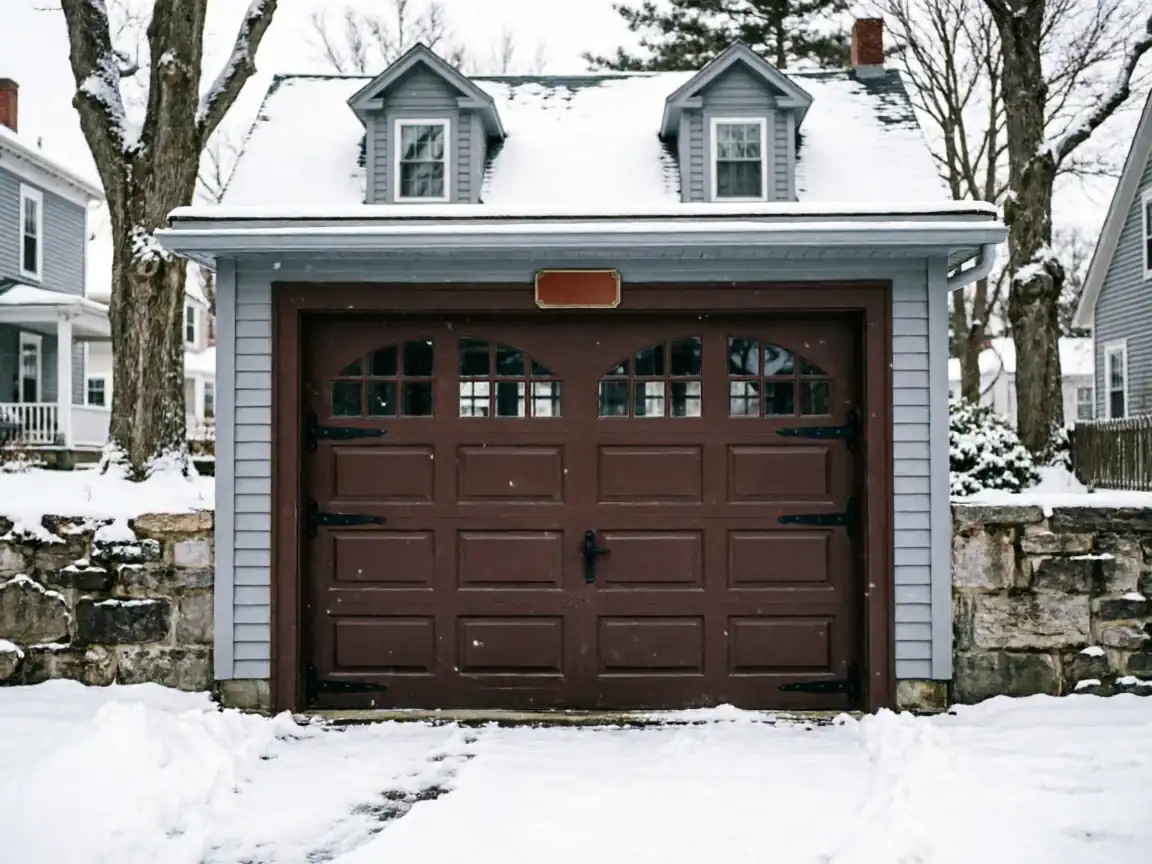
The region sits in a cold, severe winter climate zone, and that alone shortens the life of rubber seals, lubricant, and steel springs everywhere we work. In Belmont the effect compounds with age: a door and track system installed when the house was built in the late 1930s has had roughly eighty winters of contraction and expansion to work springs loose, pit cable ends, and dry out whatever grease was original to the hardware. Houses built decades later with torsion bar systems tend to fail differently - balance issues and opener strain more than snapped extension springs. Belmont's housing sits closer to the older end of what we see across the broader 1938-1993 range, which is part of why extension-spring failures and track misalignment show up here more than they do in postwar neighborhoods built on the newer end of that span.