Stocked Parts
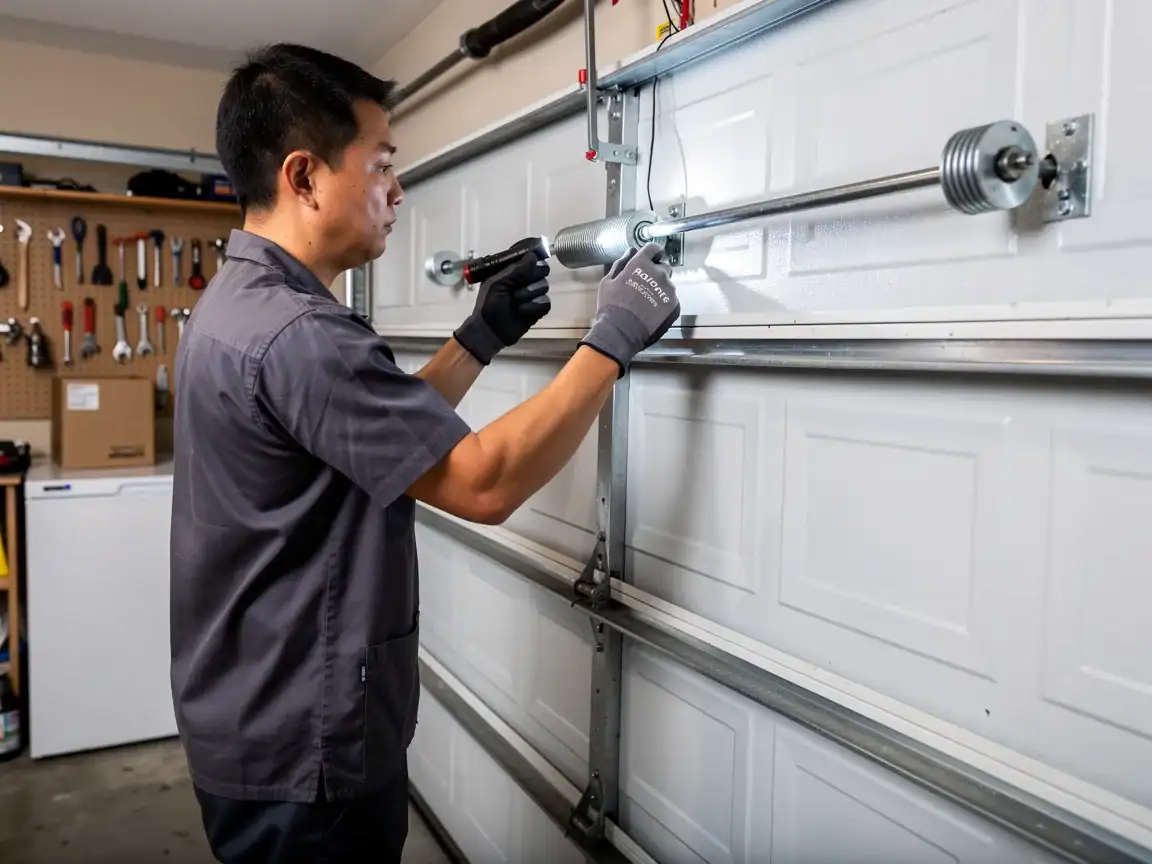
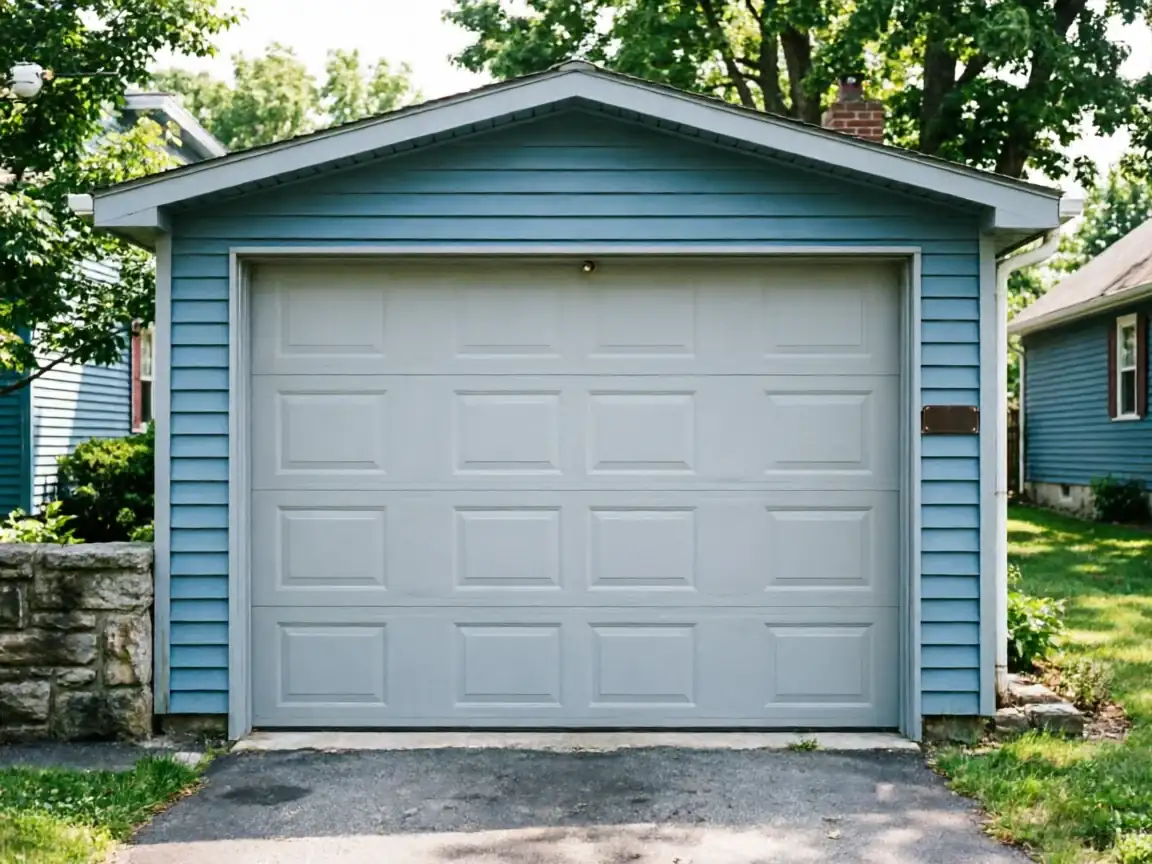
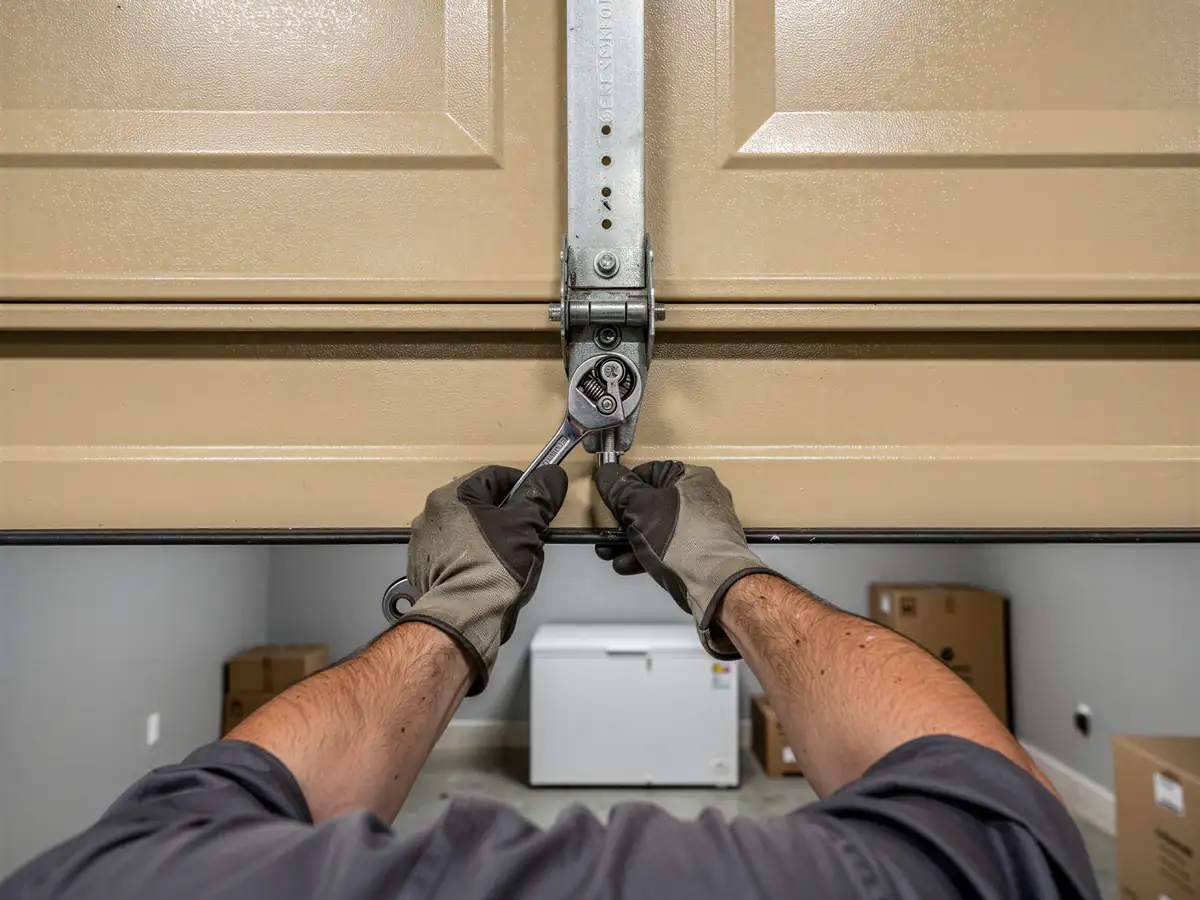
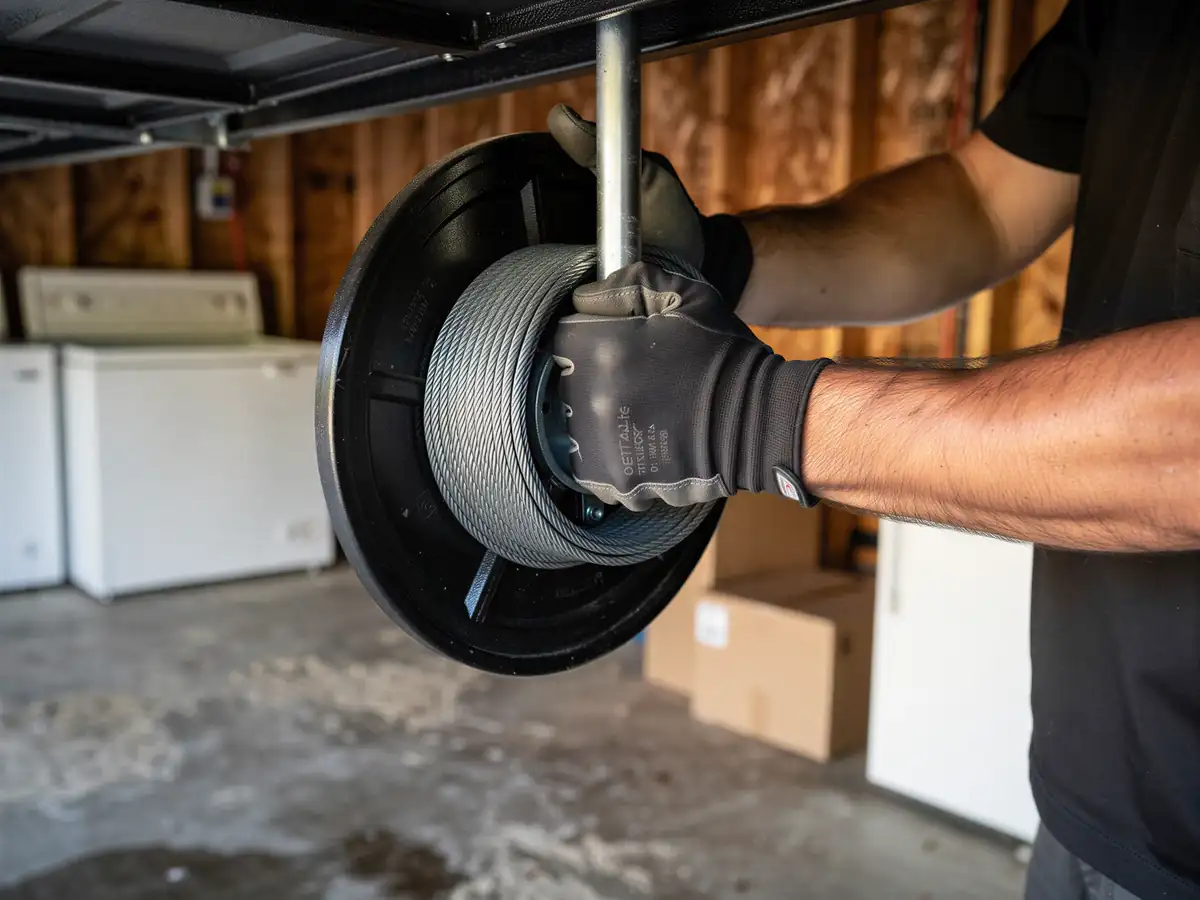
Belmont's median household income runs $178,188, well above the $150,820 median across the areas we cover out of Waltham. That number matters more than it sounds like it should, because it changes which call we expect to get. In lower-income pockets of the service area, a cracked panel or a dead opener often gets patched one more time. In Belmont, once a door is original to a house built in the late 1930s, most owners decide to replace rather than keep feeding parts into hardware that was never designed for a modern opener anyway. We stock torsion springs, standard-width panel sections, and track hardware sized for the 16-foot and 9-foot openings common across the broader area's 1960s-70s building boom - but Belmont's housing runs older than that median, so a fair share of the doors we pull here are narrower, single-car openings with side-mounted hardware that newer stock doesn't fit. We bring what a 1938-era opening needs, not just what the catalog says is standard, and we confirm the rough opening before we quote rather than after we show up.
How Long It Takes
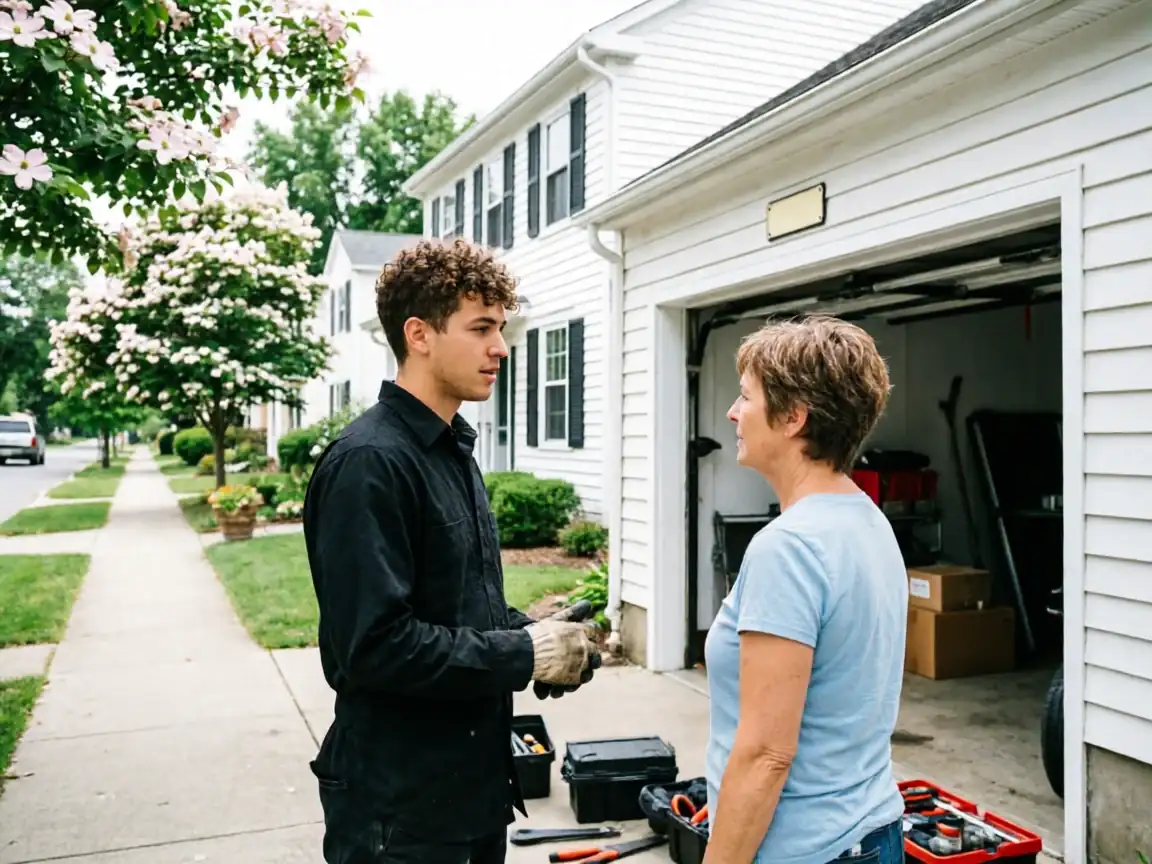
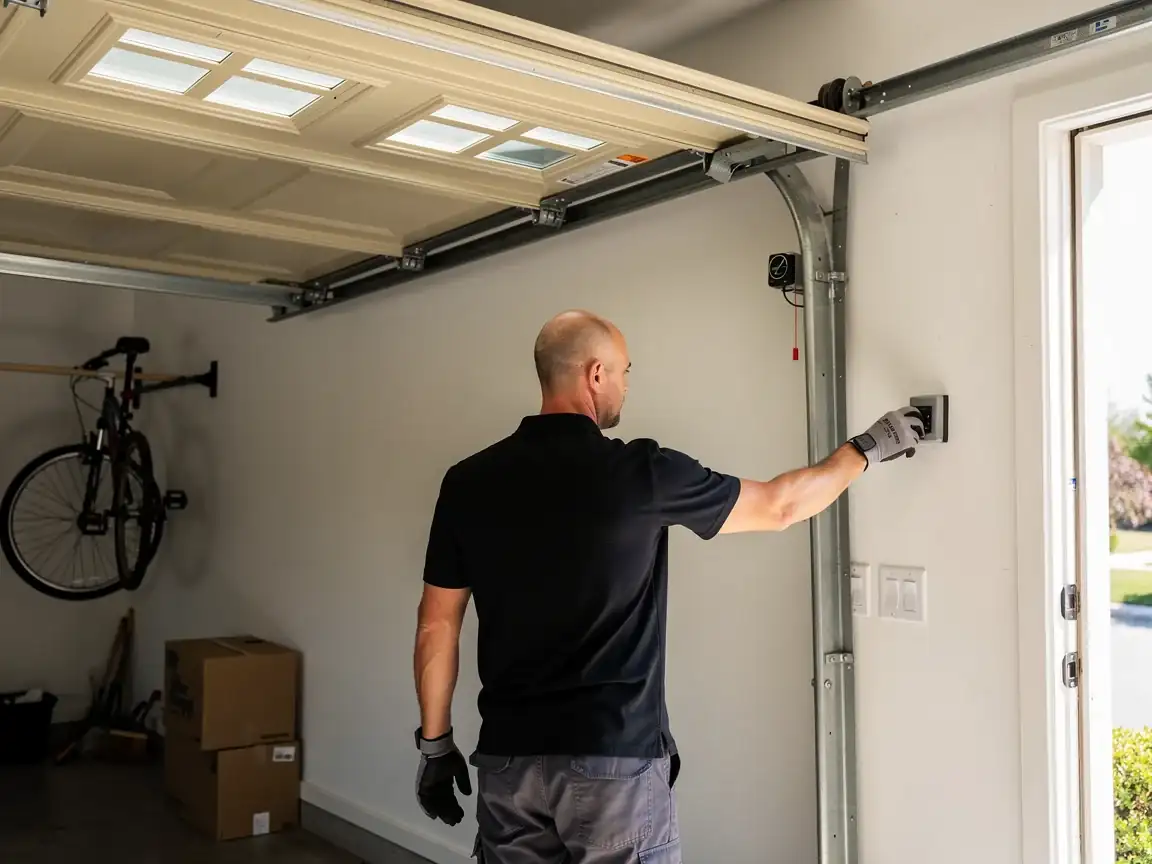
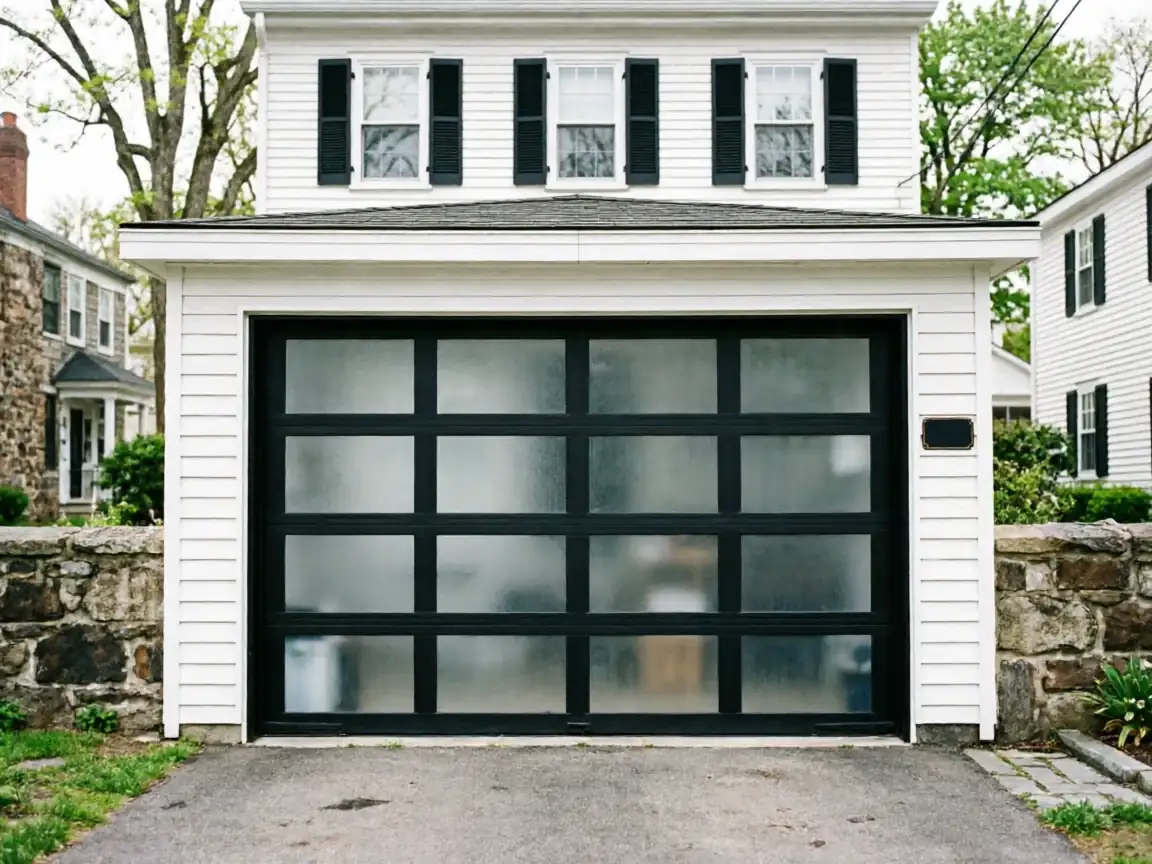
Belmont sits about 3 miles from our Waltham base, so travel isn't the bottleneck on a job here - parts availability is. A standard double door with common hardware is usually a same-visit install once the door's on the truck. Where it slows down is custom widths: homes with openings built to older, non-standard dimensions sometimes need a panel or track ordered rather than pulled off the shelf, and that's a lead-time question we answer honestly once we've measured, not before. We don't promise a same-day turnaround on a part we don't have in the truck. If your opening is standard width, expect a straightforward one-visit job. If it's not, we'll tell you what we need to order and roughly how long that takes before we schedule anything, so you're not guessing.
Why It Happens Here
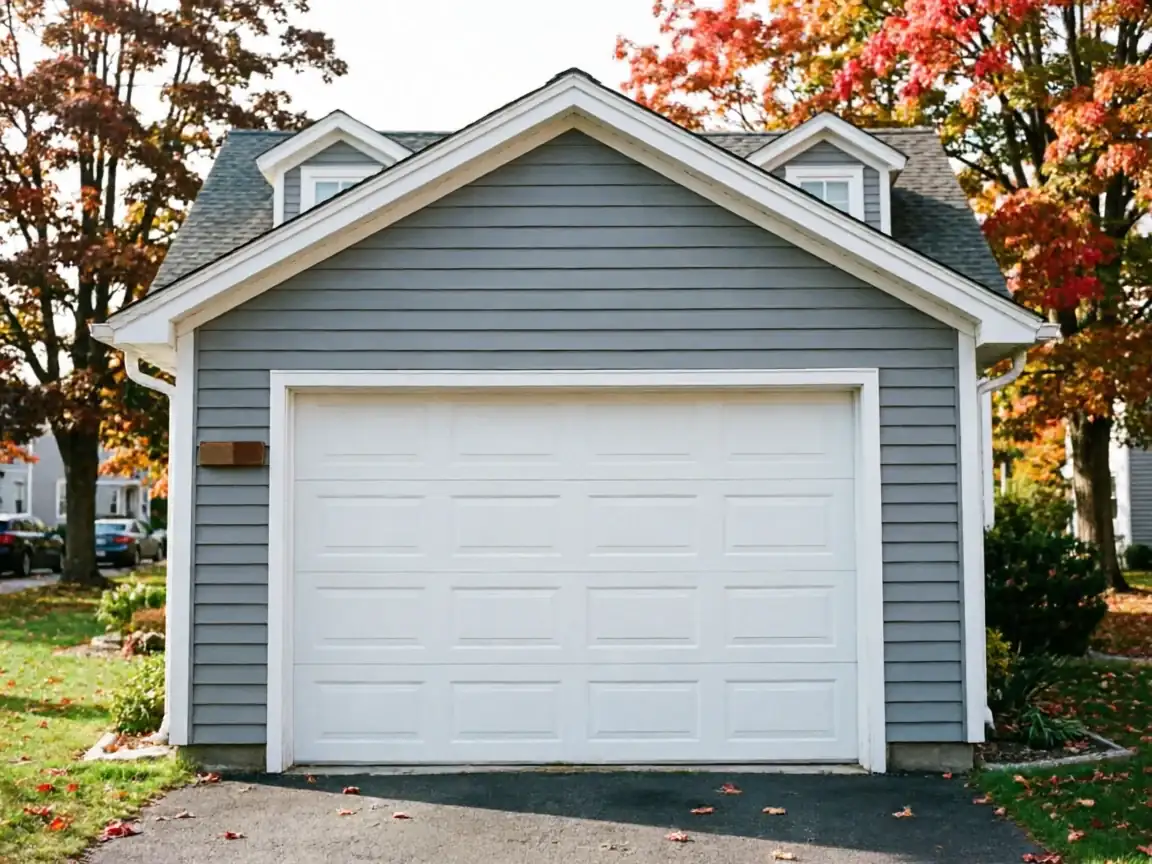
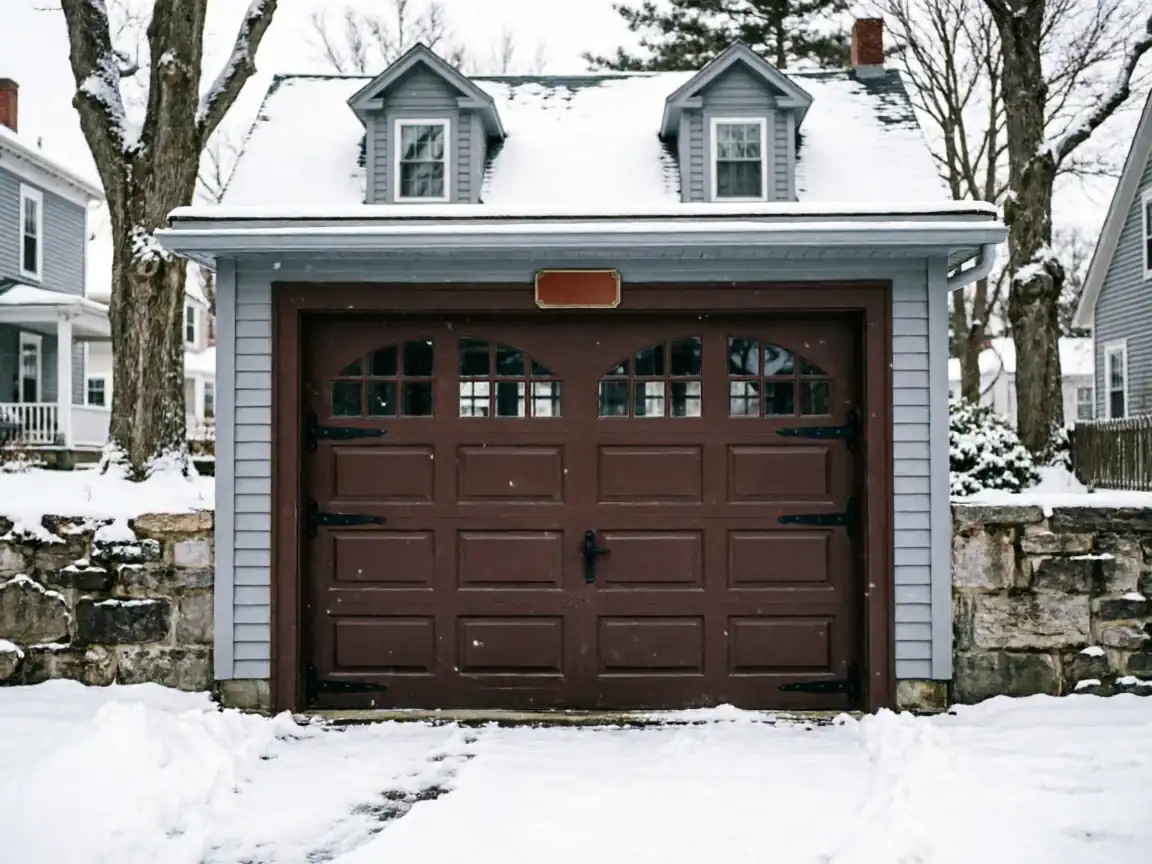
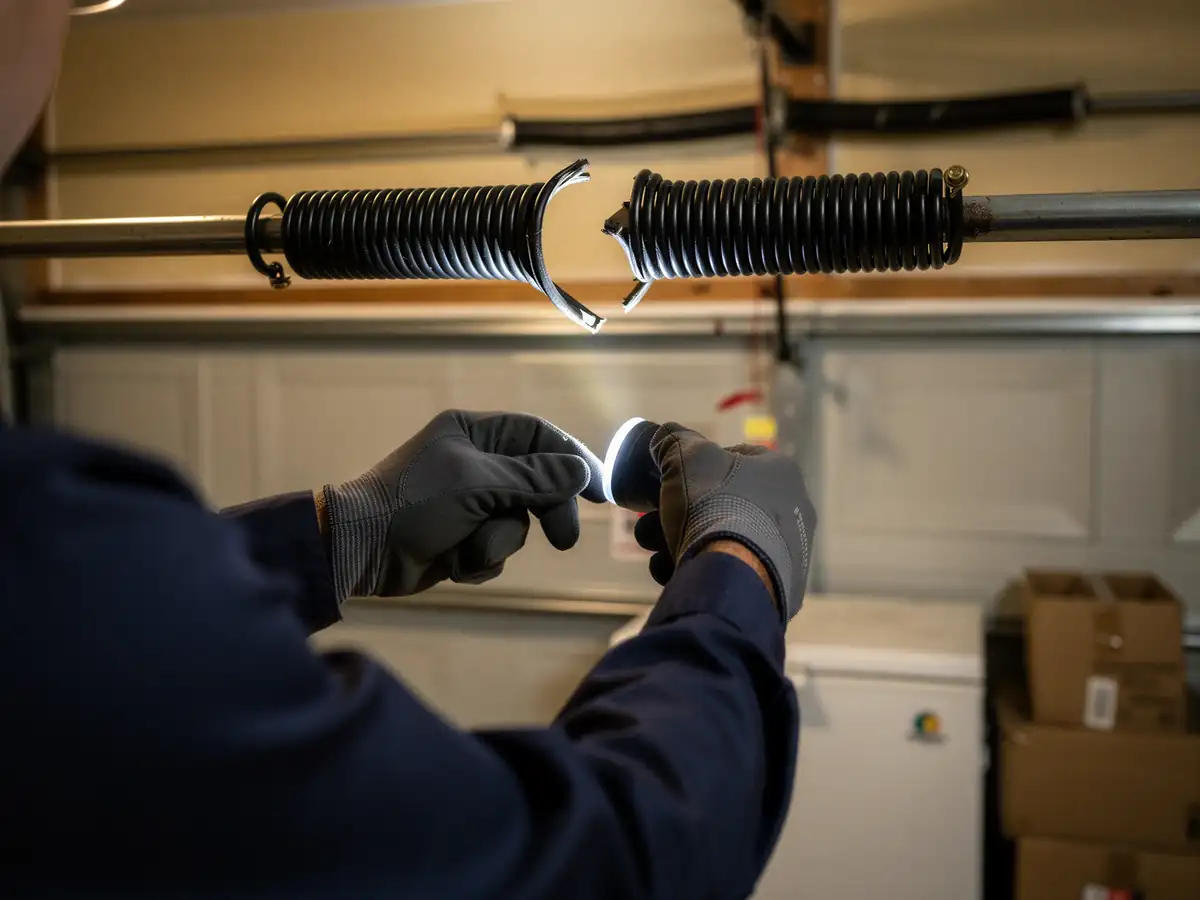
Across the broader service area, the median home was built in 1966, mostly 1960s-70s construction. Belmont's median build year runs earlier, back to 1938, which means a meaningful share of its housing predates even that older benchmark. Older openings were framed for lighter, narrower doors than most manufacturers build standard today, and a lot of that original hardware - side-mounted torsion springs, narrower track gauge - simply isn't something big-box suppliers carry anymore. Layer on the region's severe cold climate band and you get a second problem: steel panels and springs that have already outlived their design life get stressed harder by freeze-thaw cycling than they would somewhere milder. A spring that's marginal in October can snap outright on the first hard cold snap. Between the age of the housing stock and the climate, Belmont sees more full-door replacements triggered by a sudden failure than by a homeowner planning ahead - the hardware just doesn't give much warning before it goes.