Where This Job Goes Sideways
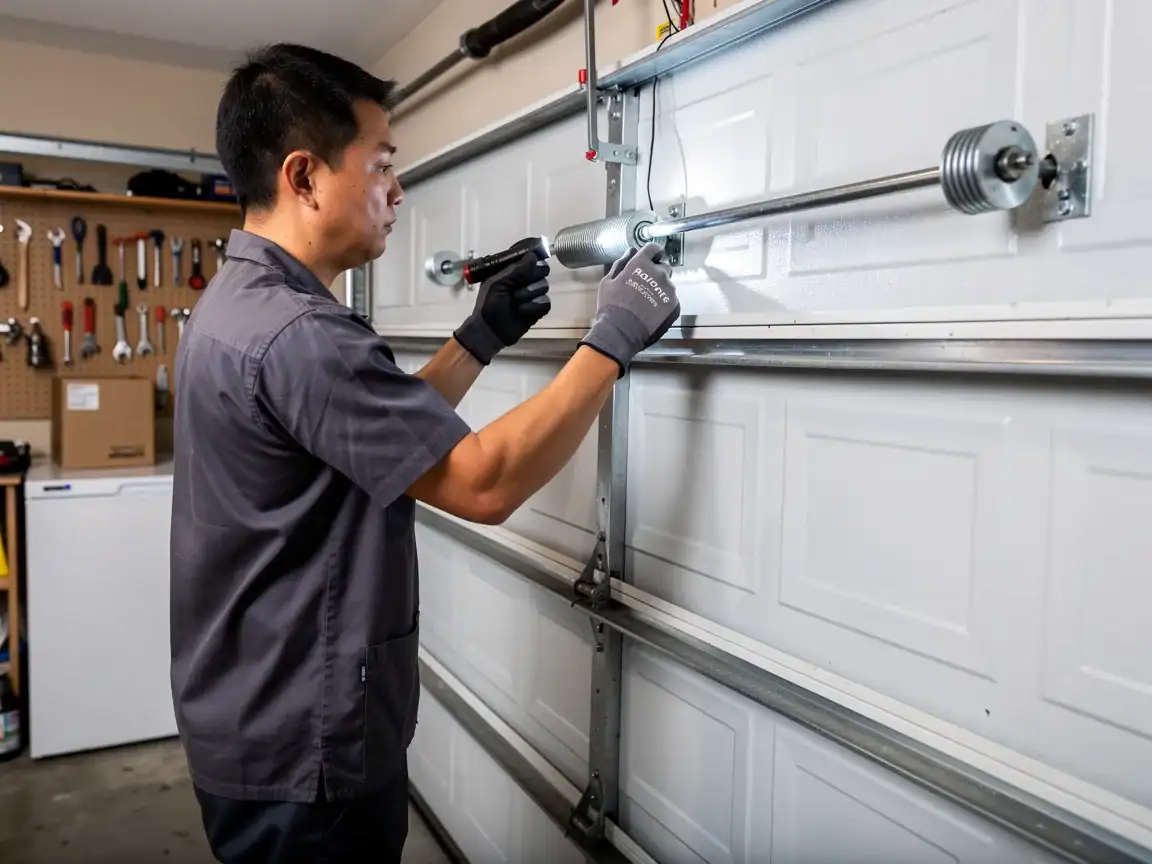
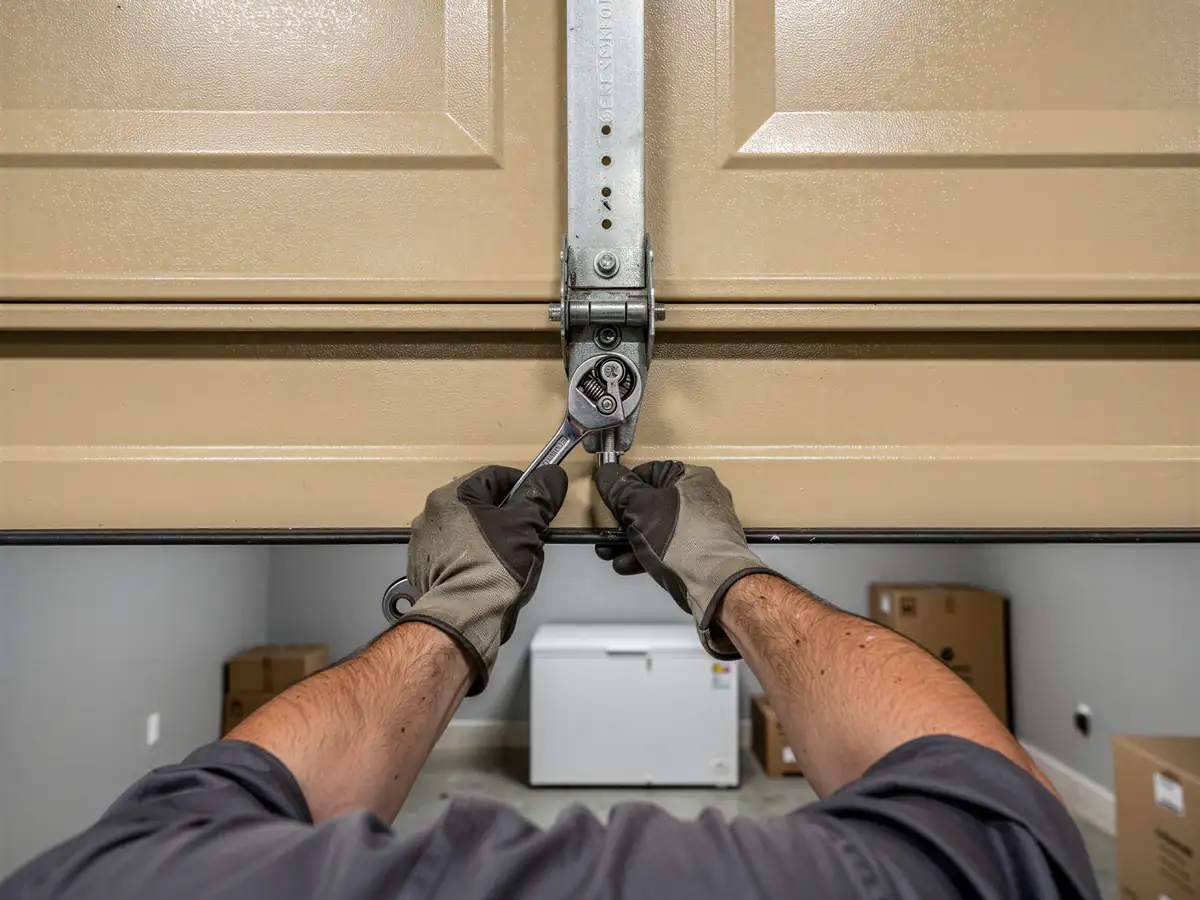
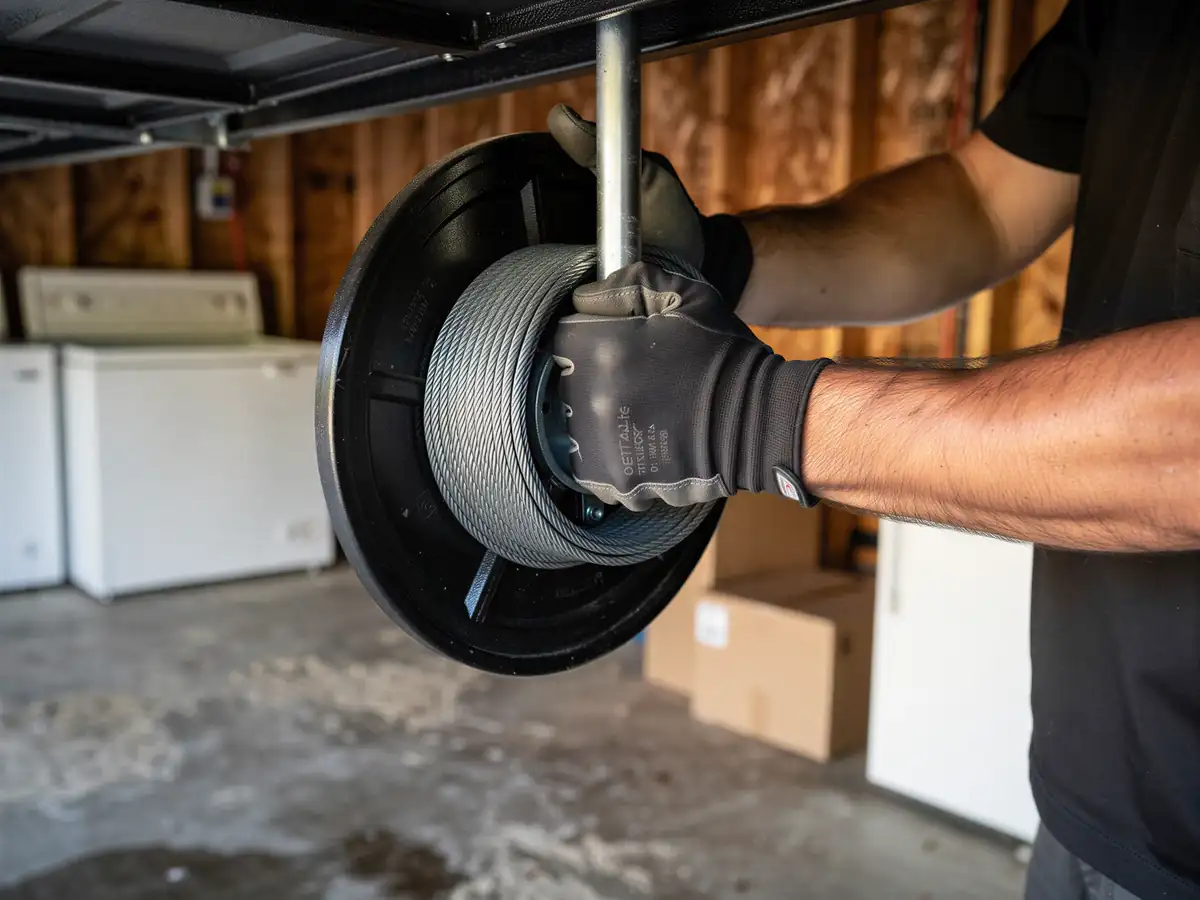
Most houses in Wellesley went up around 1954, and a lot of the garage door hardware behind the cables has never been swapped out. That matters because a cable doesn't fail on its own - it fails because something upstream of it was never updated. On a door this old, the drum the cable winds around is often the original stamped-steel piece, and after seventy years of winding and unwinding it develops a burr or a groove that chews through new cable in months instead of years. We've seen it go the other way too: a homeowner replaces the cable, feels good about it, and it snaps again within a season because nobody looked at the drum.
The other place this goes sideways is the track. If the track brackets are original, they've likely loosened or rusted at the mounting bolts, which throws the door slightly out of plumb. An out-of-plumb door puts uneven tension on both cables, so one frays faster than the other. Fix the cable without checking the track and you're back out here in a year. This isn't a Wellesley-specific defect - it's what happens to any door running on hardware older than most of the people using it.
Can You Do This Yourself
A broken garage door cable is under spring tension
And that tension doesn't care how careful you are. If the spring is still wound - which it usually is when a cable snaps - the door can drop or the drum can spin hard enough to take off a finger. We don't recommend DIY cable work on a torsion system, full stop.
What you can safely check yourself
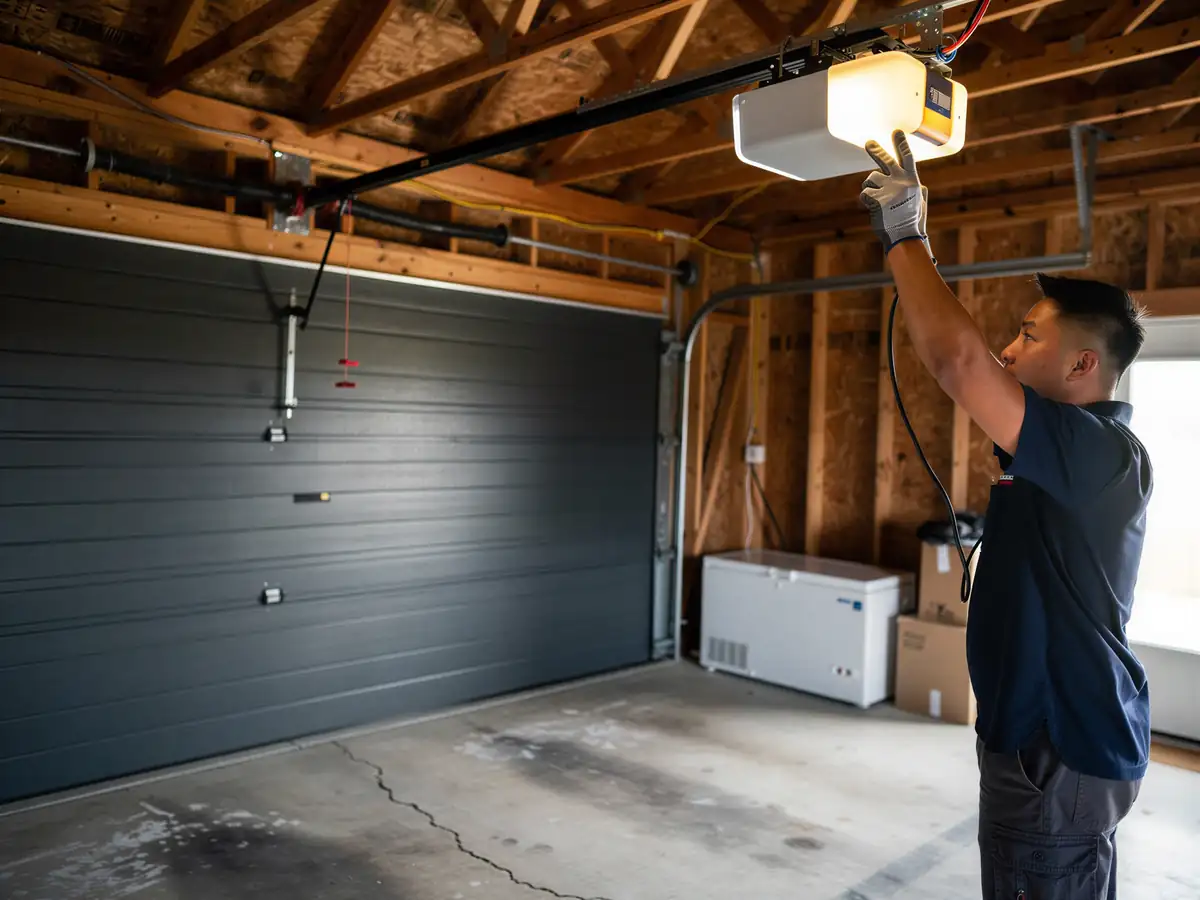
Look at the cable for fraying strands near the bottom bracket, and look at the drum for a visible groove or rust pitting. If you see either, that's useful information to tell whoever you call - it changes whether the job is 'replace cable' or 'replace cable and drum.' Beyond that, leave the door down, unplug the opener so nobody tries to open it, and don't try to release the tension yourself. On a house with original 1950s-era hardware, the parts holding that tension were never designed with today's load ratings in mind, and that's exactly where a DIY attempt turns into an ER visit instead of a repair.
What You Pay
We don't have a flat number to quote for Wellesley specifically, since cable repair cost depends on whether the drum, track, or spring needs attention alongside the cable itself. What we can tell you is what drives the price up on a house with this kind of age: original drums that need replacing cost more than the cable alone, and if the door is out of plumb from decades of settling, that's additional labor to correct before the new cable will hold.
The honest limitation here: if a door has enough original 1950s hardware still in play - old drums, old track, an original torsion spring well past its wind-cycle life - sometimes the smarter money is a hardware upgrade rather than a repeat cable fix every couple of years. We'll tell you straight if that's where your door is instead of selling you a patch job.
What You Are Seeing
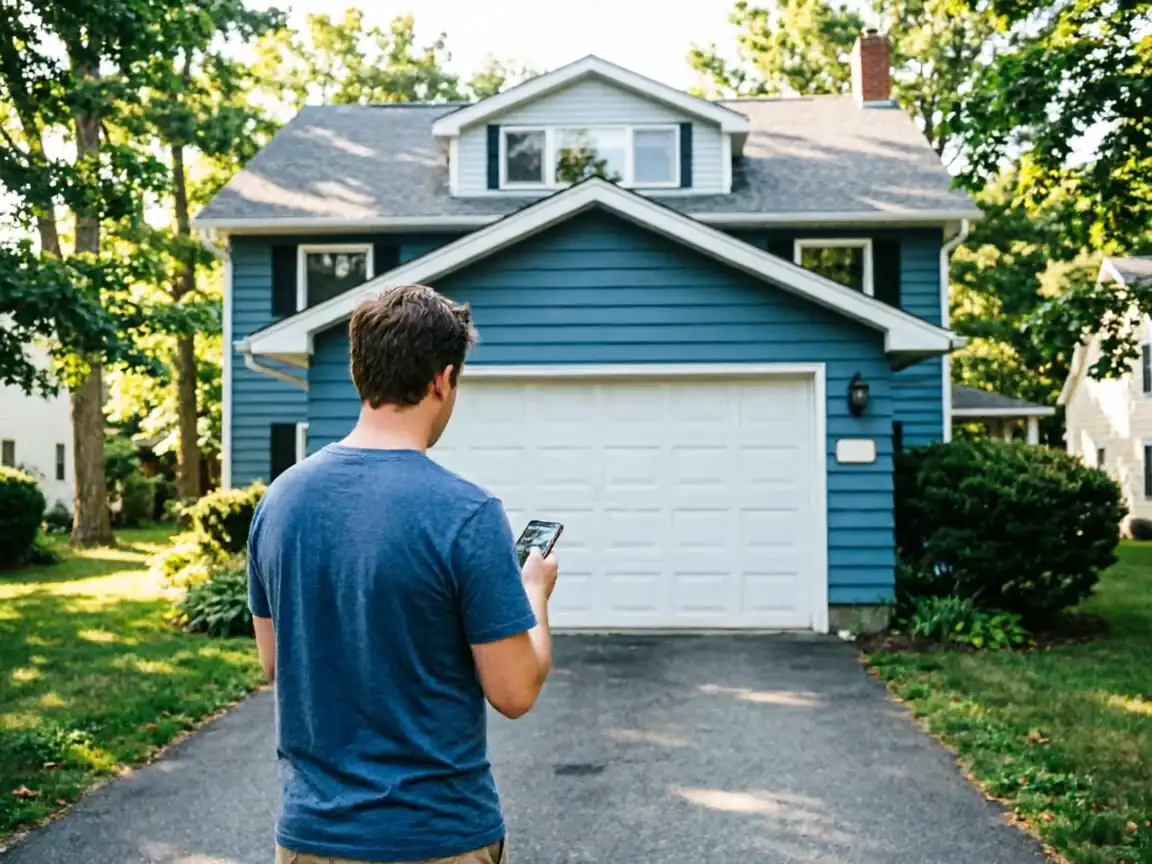
A door that drops suddenly on one side, or won't move at all and hangs crooked in the opening, usually means a cable has already let go. If you catch it before full failure, listen for a cable that sounds like it's rubbing or clicking against the drum on the way up or down - that's the fraying stage, and it's the window where a straight cable swap, without touching anything else, is still possible.
On Wellesley's older housing stock, we also see cables failing from the inside out - the strands look fine from a glance but the core has rusted where it wraps the drum, out of sight. That's a function of age and of the region's winters, which put the hardware through repeated freeze-thaw cycles for months at a stretch. A door that's gotten noticeably heavier to lift by hand, even before anything visibly breaks, is often the first sign the cable or drum is already compromised.