Where This Job Goes Sideways
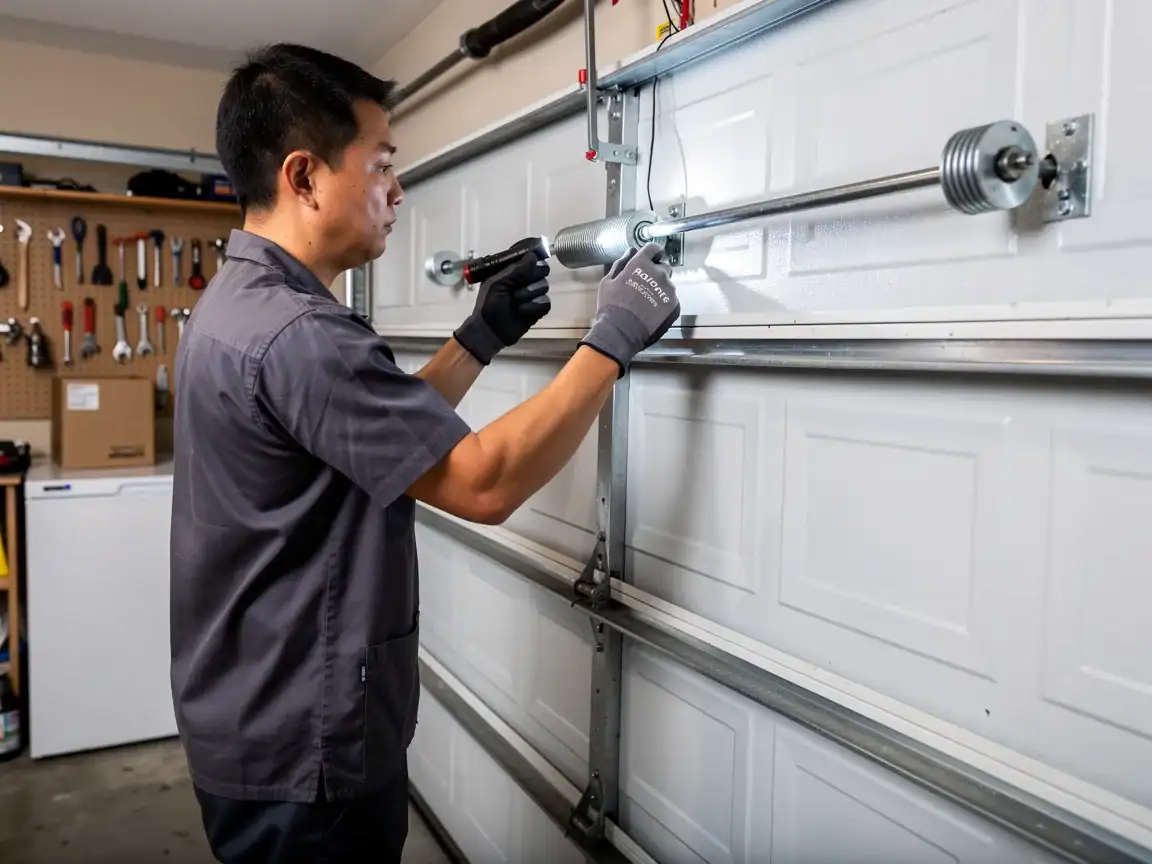
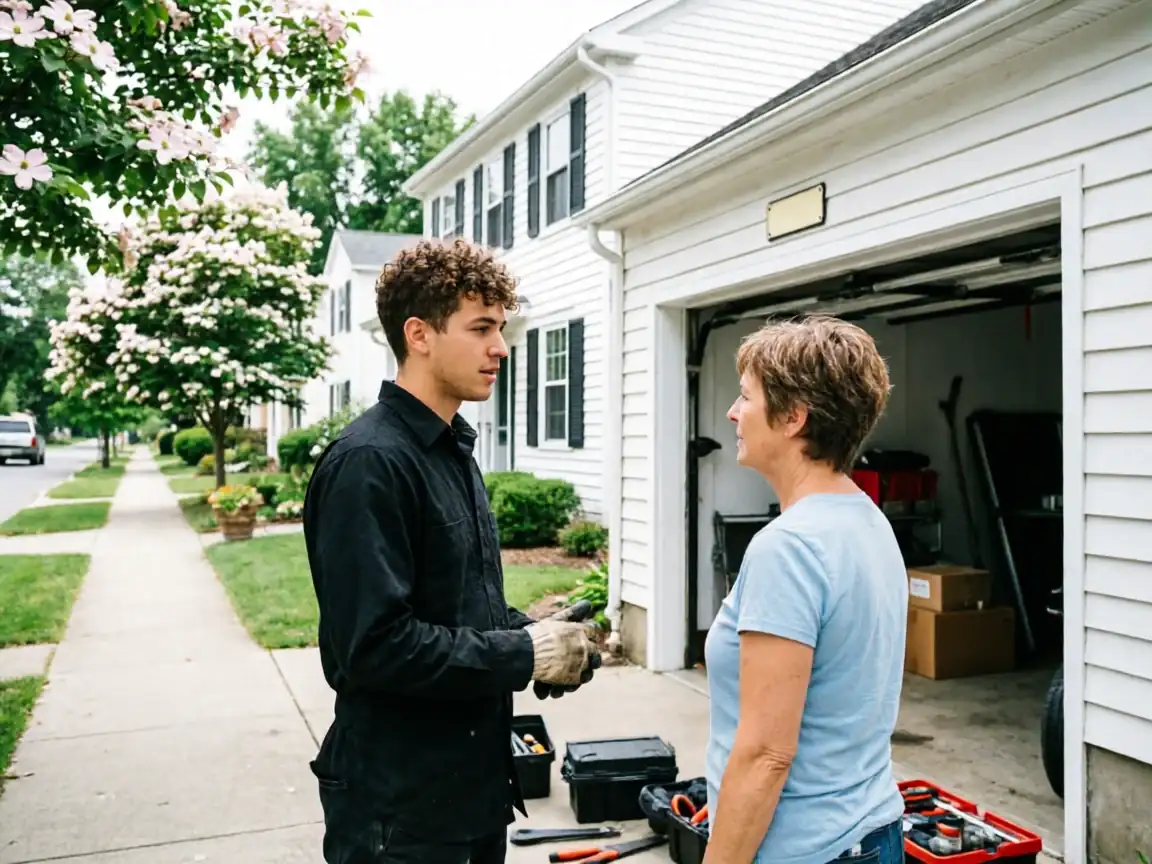
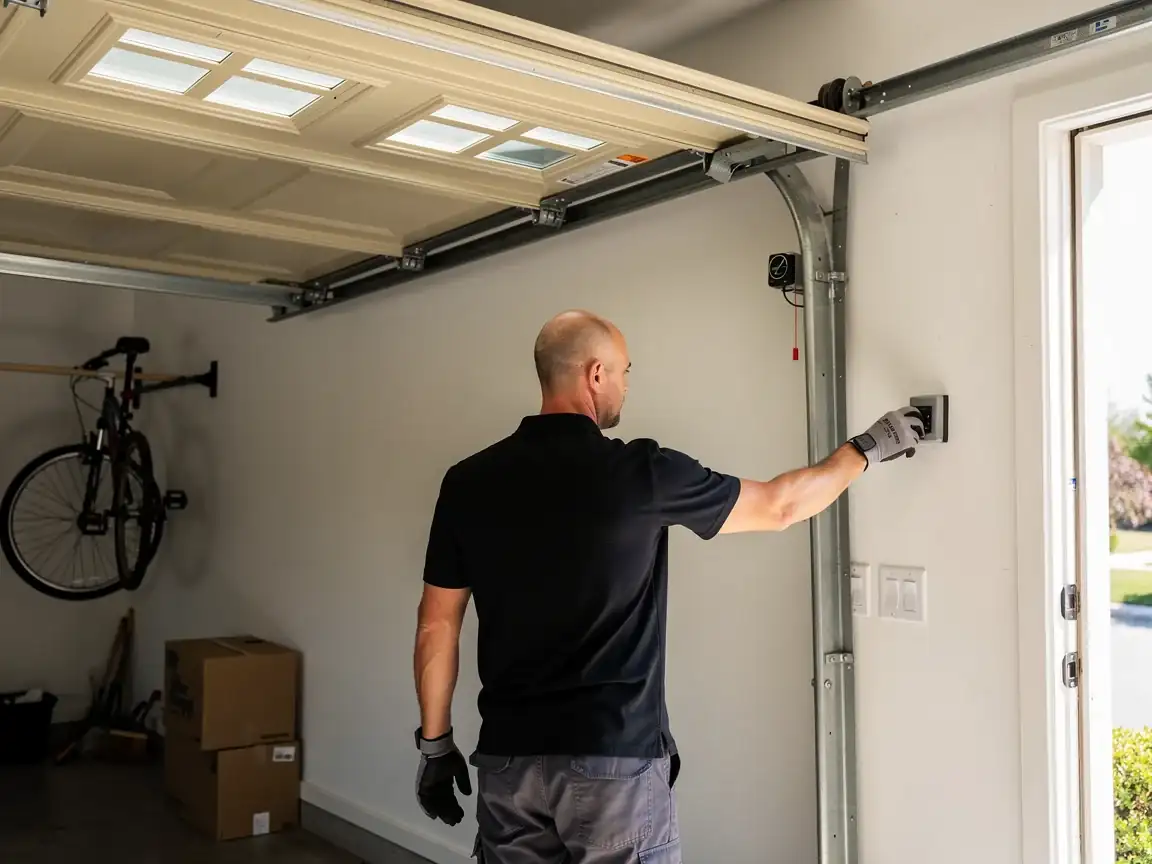
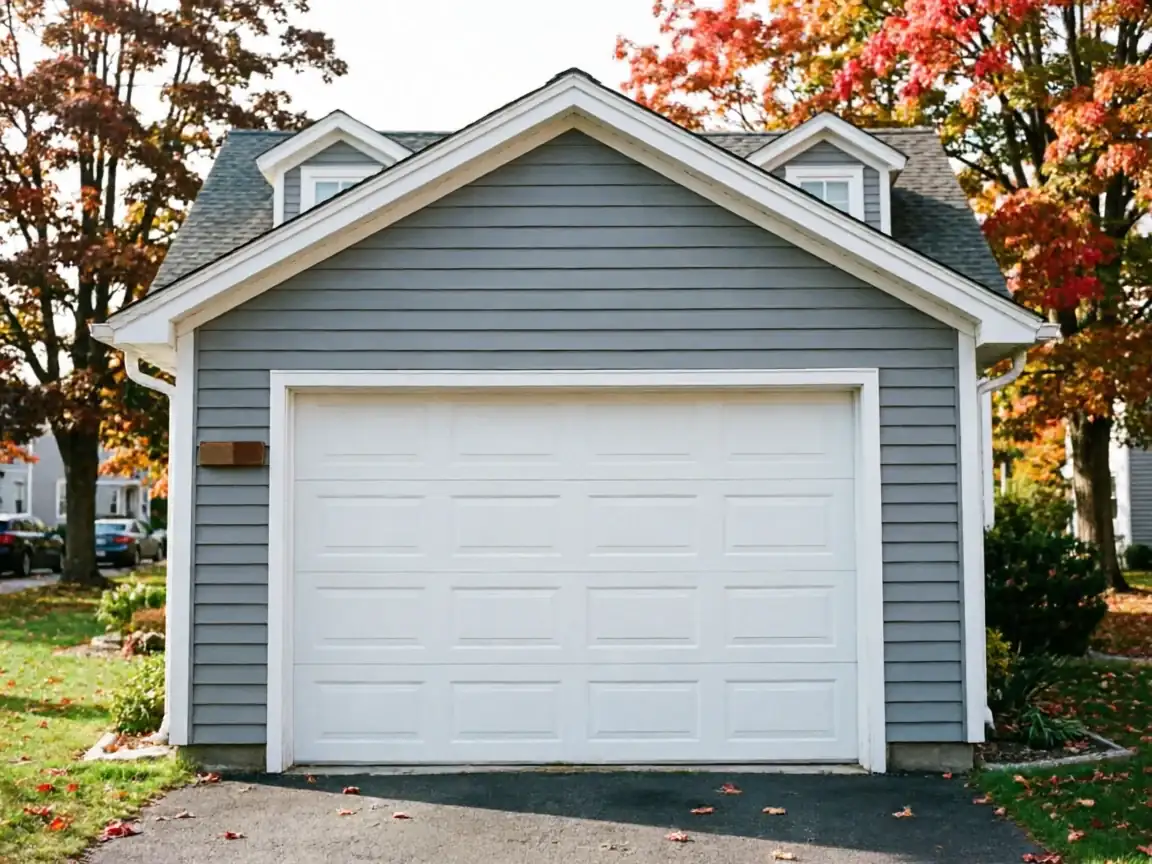
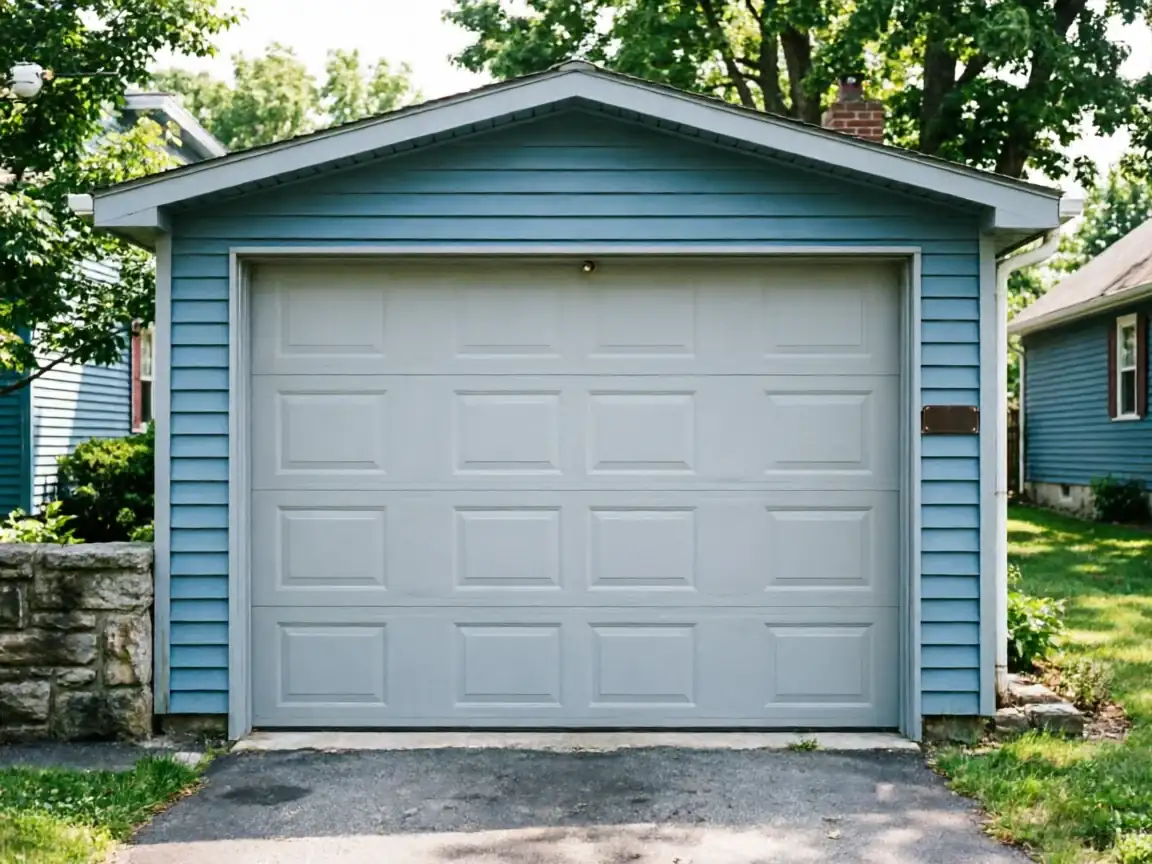
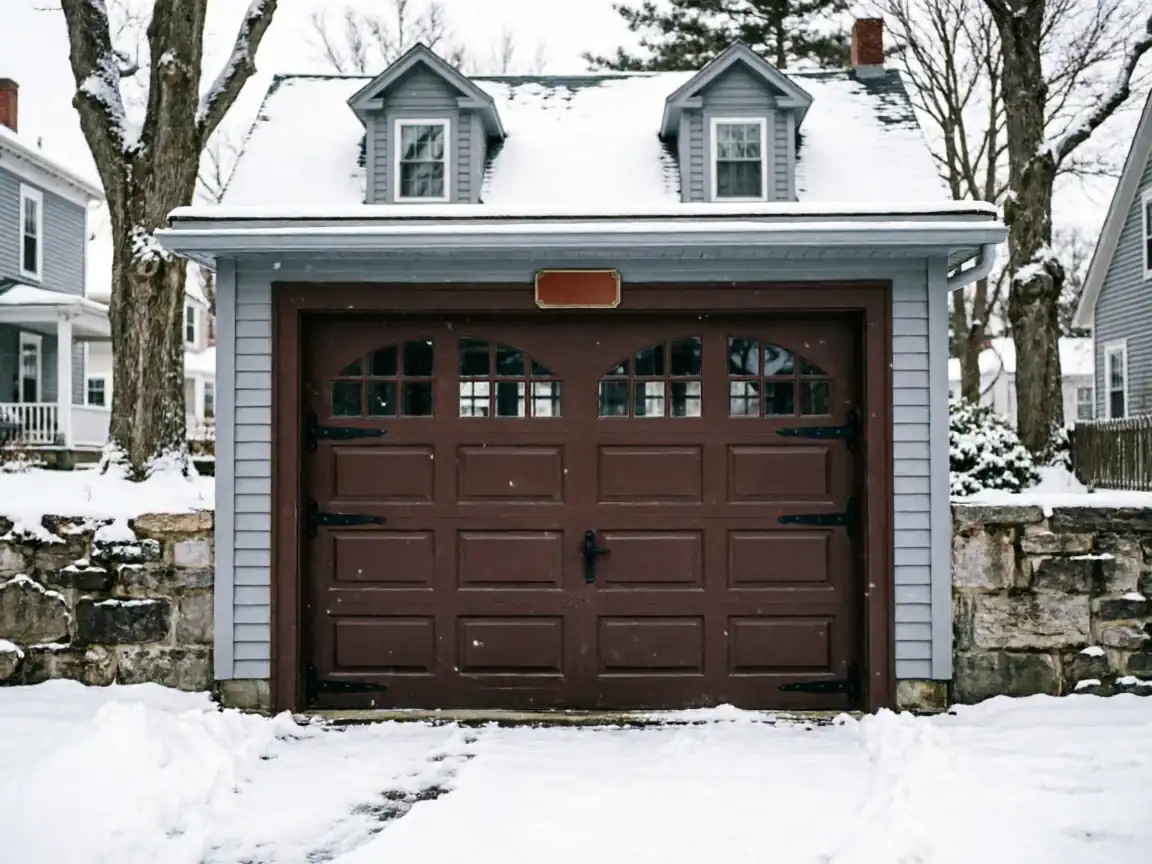
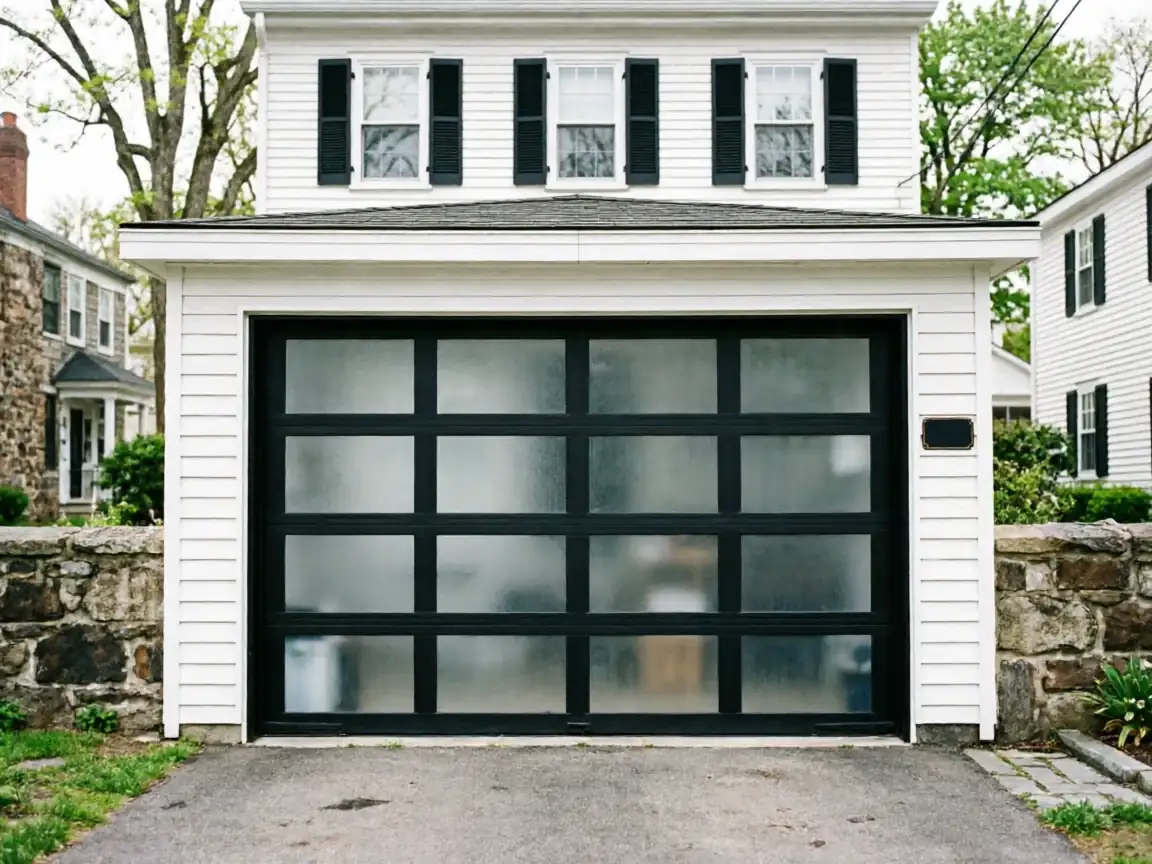
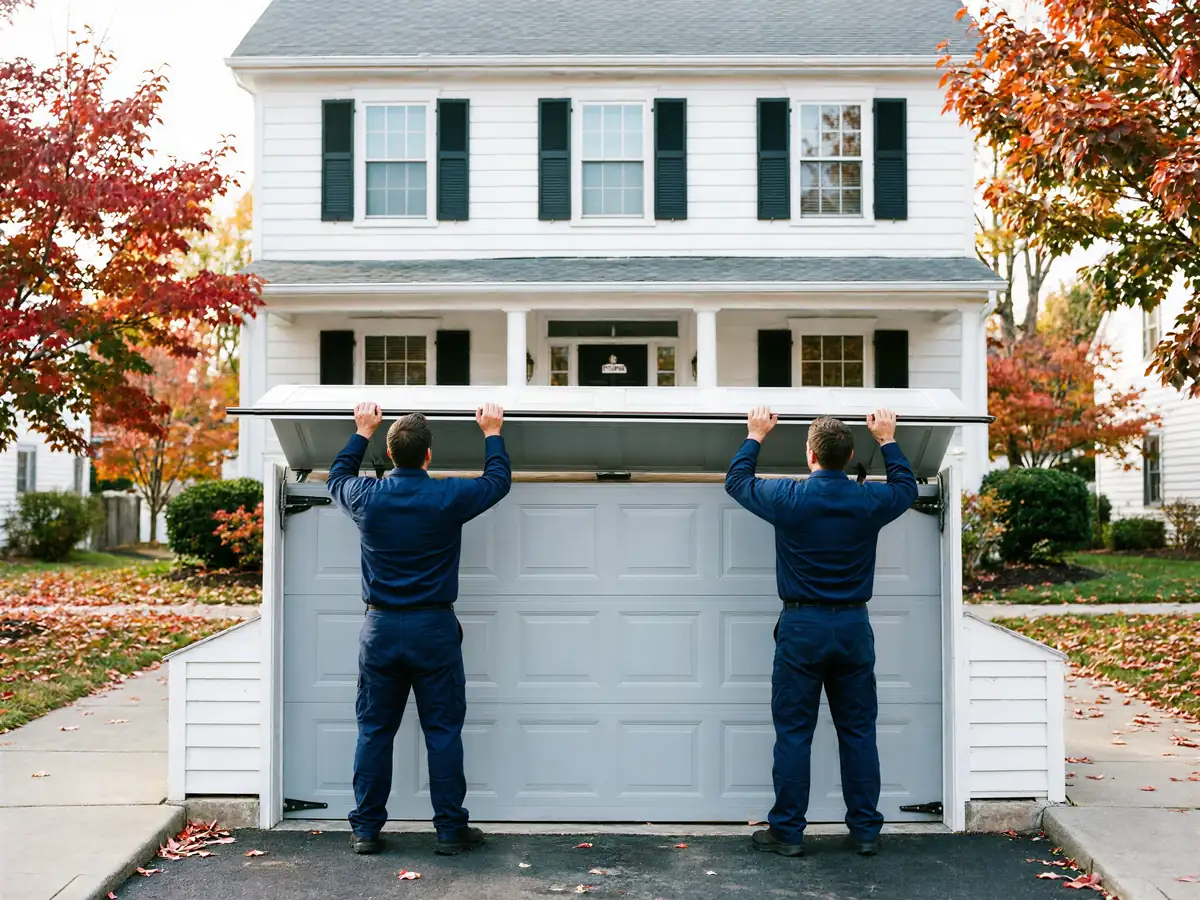
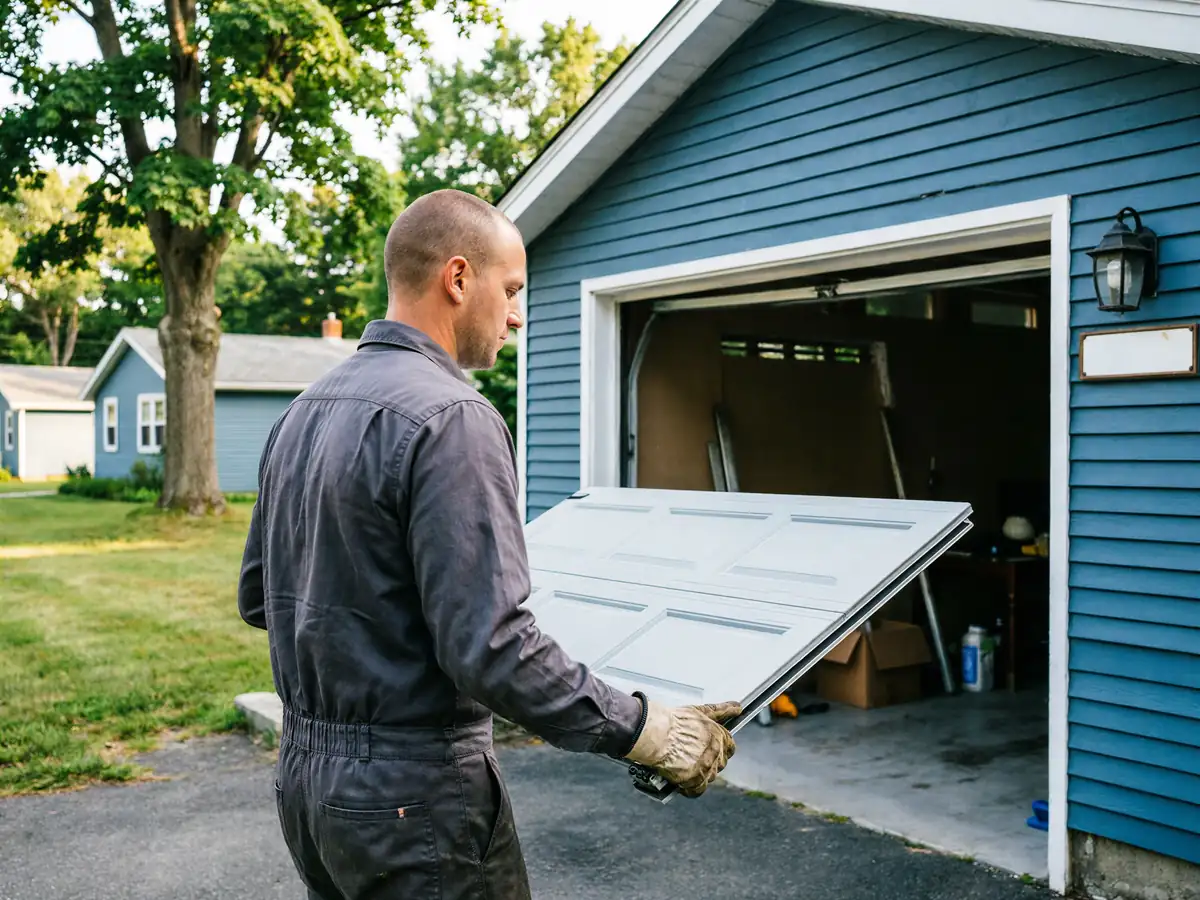
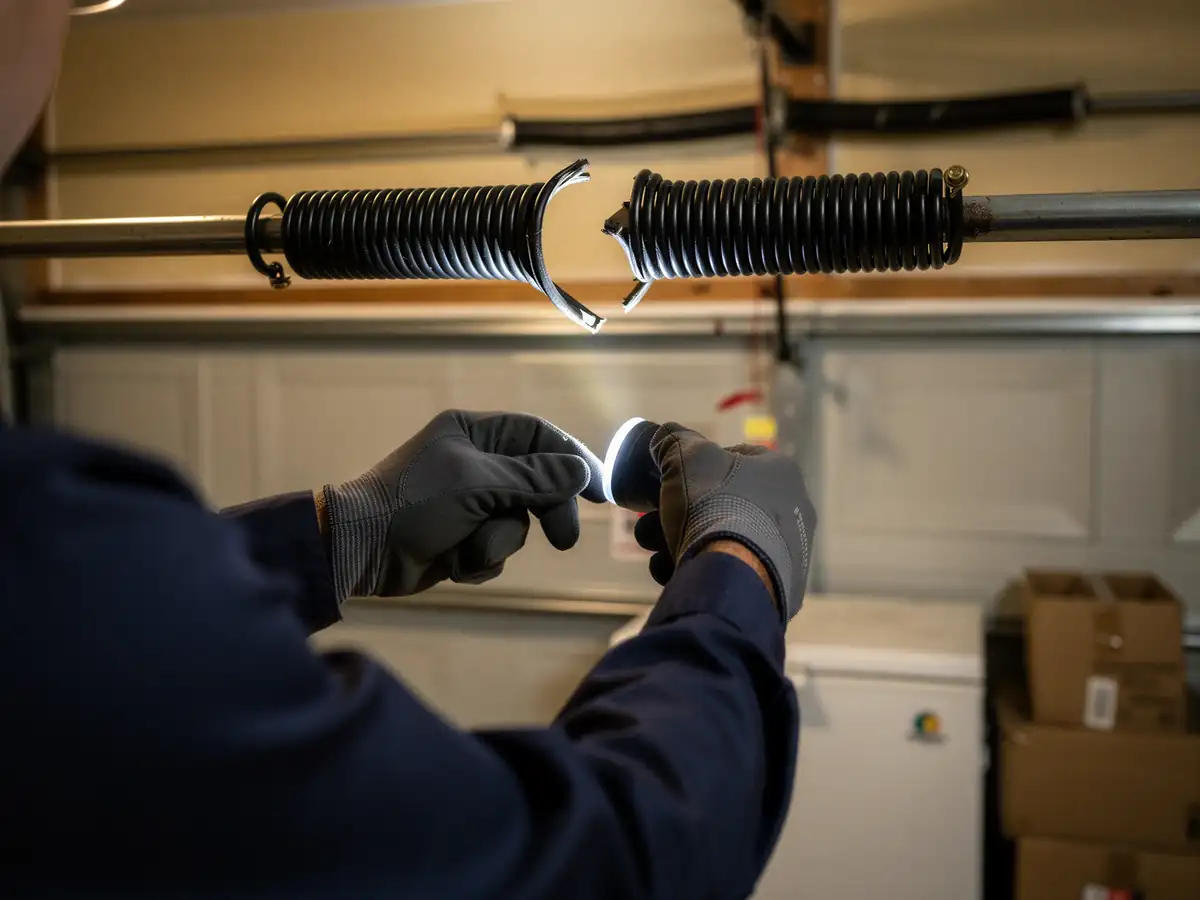
Most of Wellesley's housing dates to around 1954, which puts a lot of doors on hardware that was standard for that decade: single torsion springs sized light by today's standards, steel tracks that have seen seventy winters of New England cold, and in some cases the original panel hung on replacement rollers somebody swapped in without checking the rest of the system. That combination is where maintenance visits here go sideways if you skip the actual inspection and just lube a hinge. A spring rated for a lighter door in 1954 doesn't know the door's been reinforced or insulated since, and it fails quietly until the day it doesn't. The region sits in a cold-climate band with real seasonal swings, and that cycle of freeze and thaw works on cable ends, hinge pins, and the galvanizing on an old track faster than people expect. We're six miles out in Waltham, so when we come to Wellesley it's worth doing the full check rather than a single fix, because a callback on an old system usually means we missed something upstream of the part that broke. The honest version: if your door is original to a 1954 build and hasn't been serviced in years, a tune-up visit often turns into a conversation about what's worth replacing instead.
What You Pay
We don't have a Wellesley-specific price list to quote here, and giving you a number without seeing the door would be a guess dressed up as a fact. What does affect the estimate is the age of the hardware: a door with its original 1954-era track and a single spring usually needs more time on-site than a newer double-spring setup, simply because there's more to check and more worn parts to flag. Median household income in the broader service area runs well above $150,000, and Wellesley itself sits meaningfully higher than that - which doesn't change what the job costs, but it does mean replacement parts rated for a longer service life are usually the better buy here rather than a patch job. We travel from Waltham for every visit, so there's no local branch adding to the bill, just the drive. Ask for a number when you call; we'd rather look at the actual door first.
What You Are Seeing
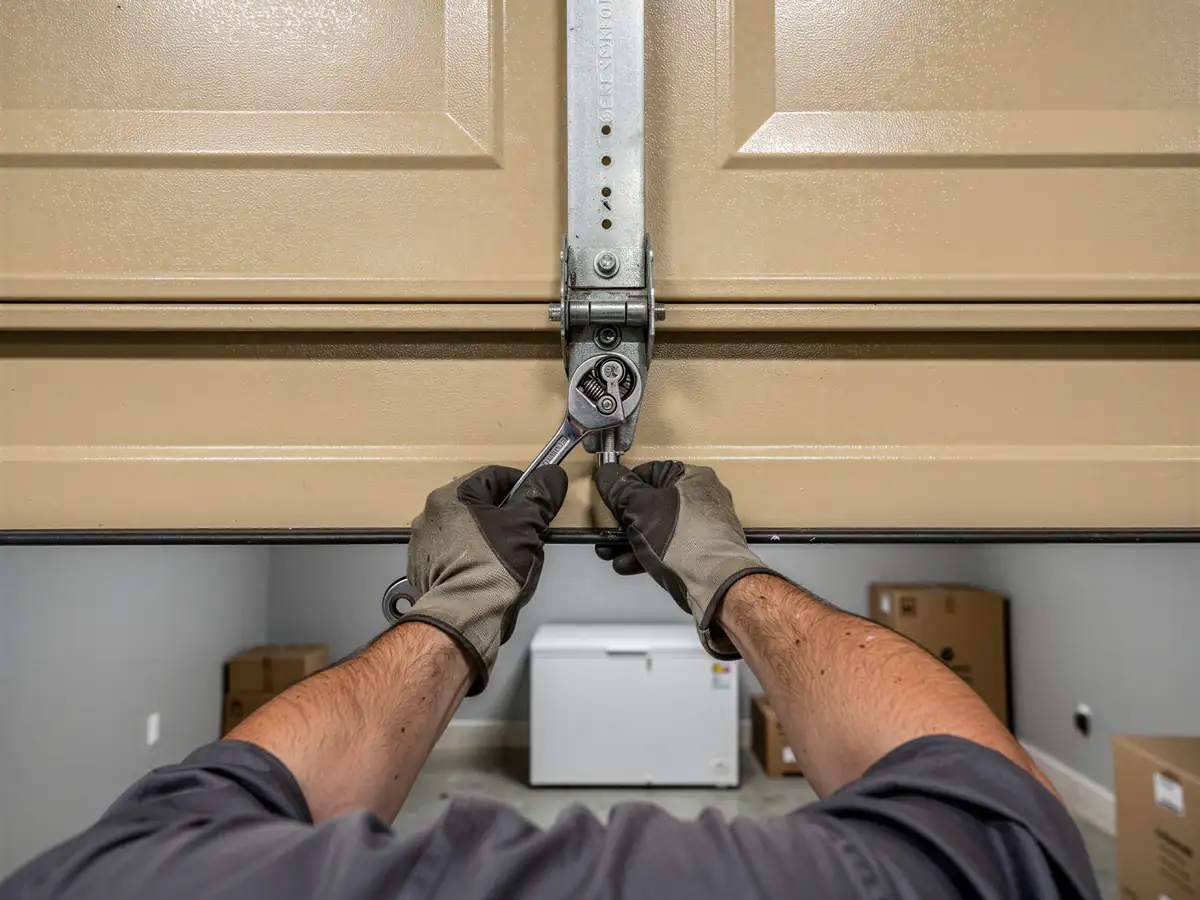
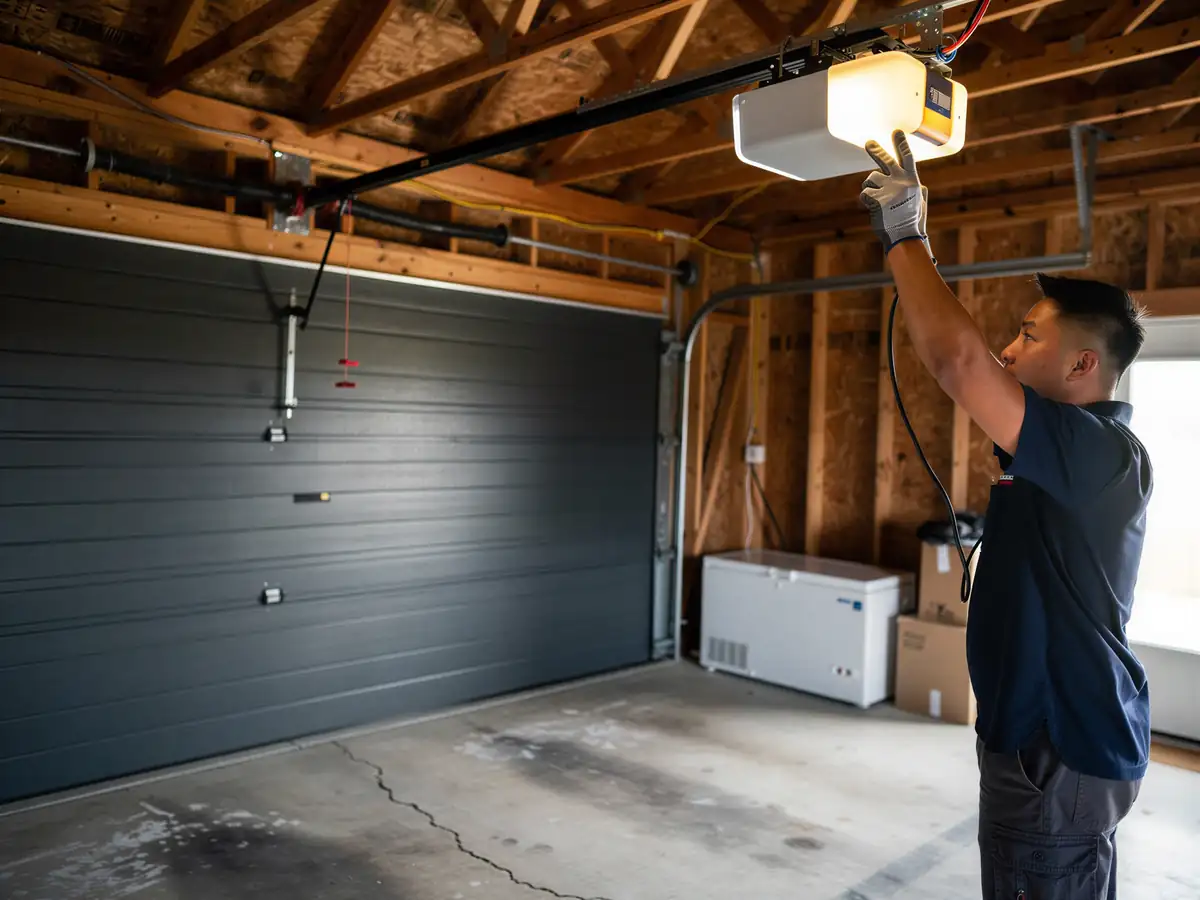
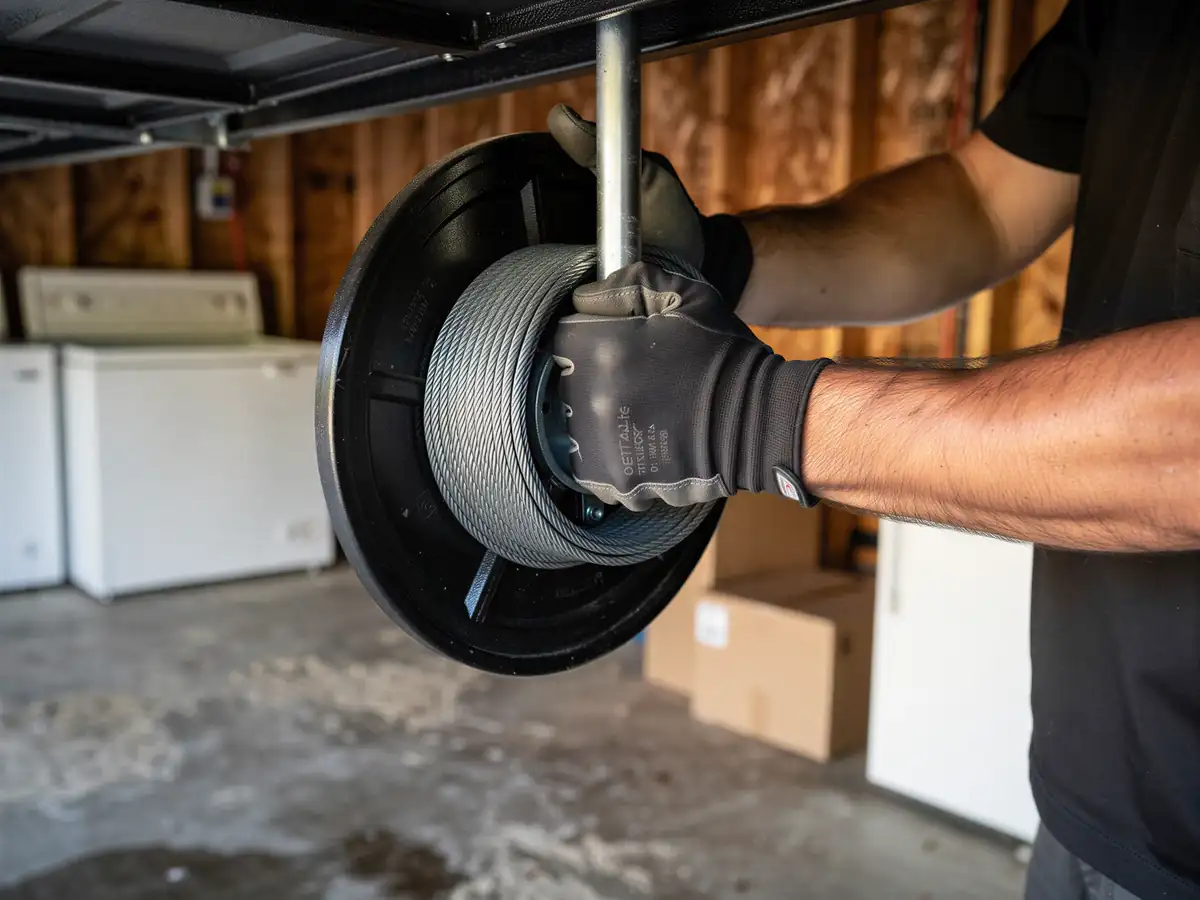
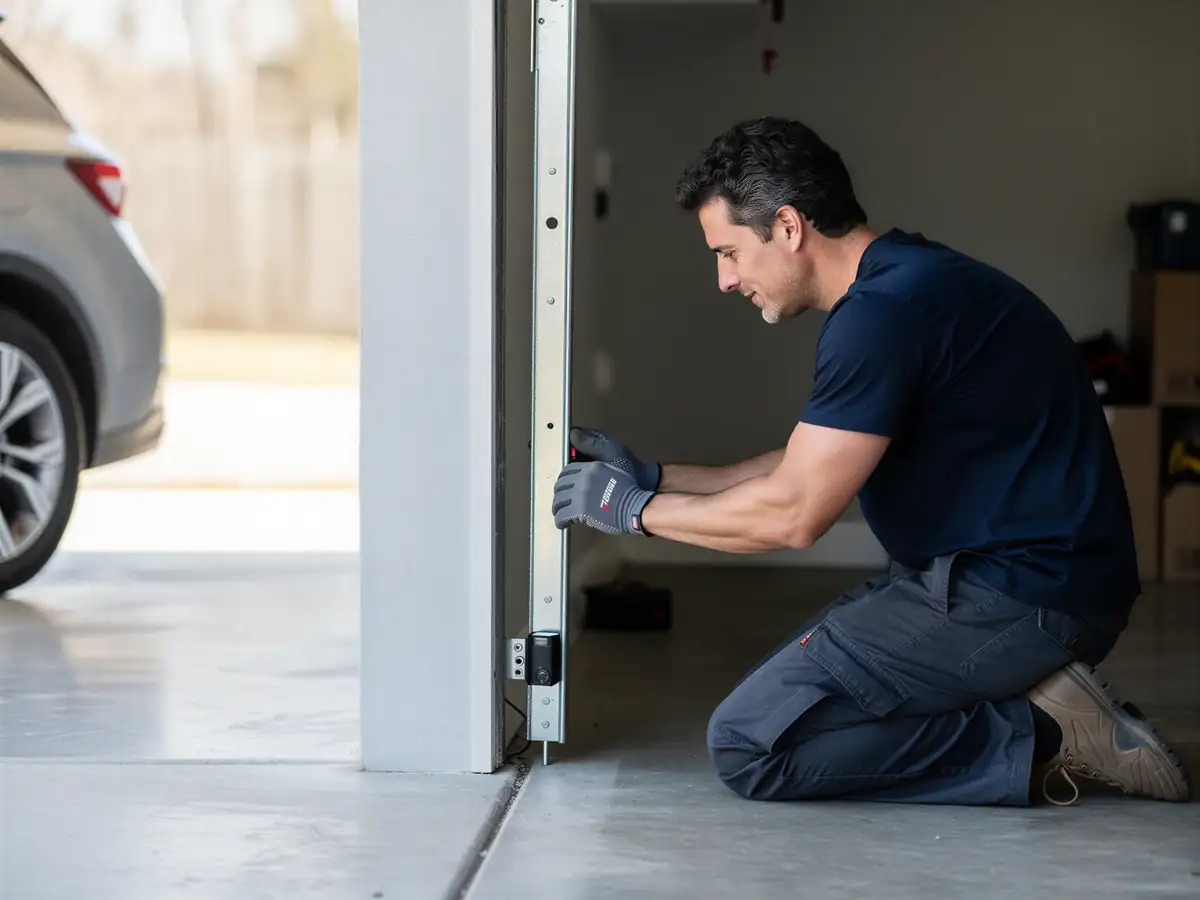
A door that drops the last foot instead of settling is usually a spring that's lost tension, common on a system this old. Grinding or popping when the opener runs often points to a track that's shifted slightly out of alignment over decades of settling, which happens more in houses built mid-century than in newer construction. If the door feels heavier than it used to when you lift it manually, that's the spring again, and it's worth having it checked before it lets go on its own. Rust streaks on the track or cables, especially after a hard winter, are consistent with the area's cold climate working on original galvanized hardware that was never swapped out. None of these symptoms mean the door needs full replacement, but on a house from the 1950s, they're worth a real look rather than a guess.