Where This Job Goes Sideways
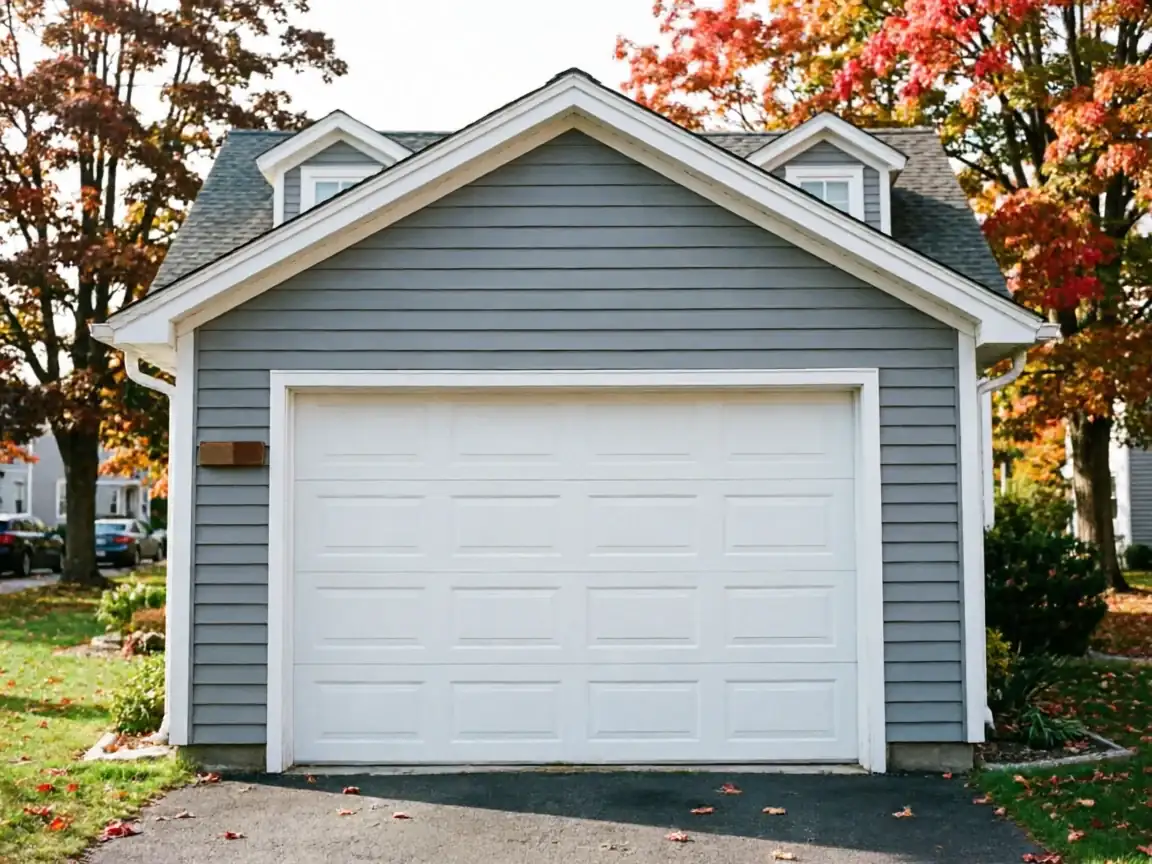
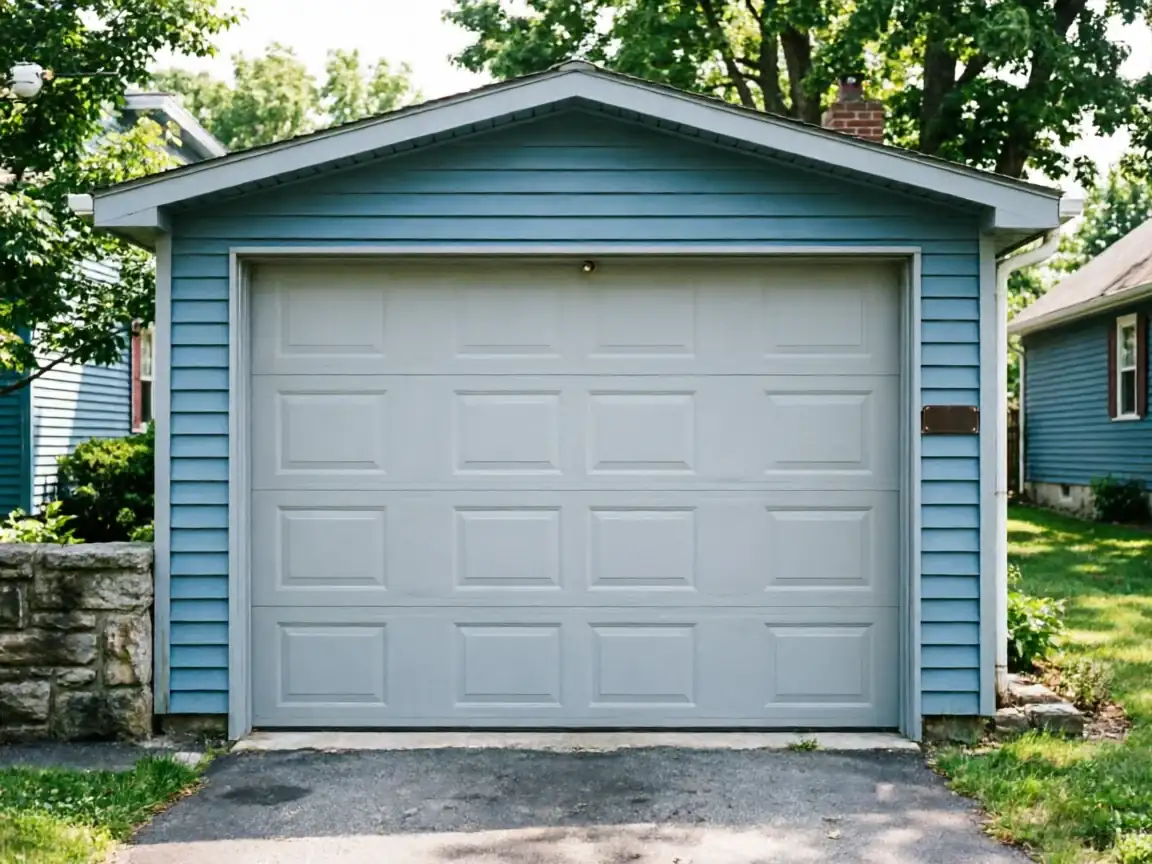
Across the towns we cover out of Waltham, the median house went up around 1966. Wellesley skews older - median build year here is 1954. That gap matters more than it sounds. A house built in the early-to-mid 1950s was framed before garage doors were a standard feature of new construction in this area, which means a lot of these openings were added or retrofitted later, sometimes by a contractor who wasn't thinking about torsion spring sizing or headroom clearance for a modern opener. We see jamb widths that don't match factory door sizes, and track mounted on framing that was never built to carry it.
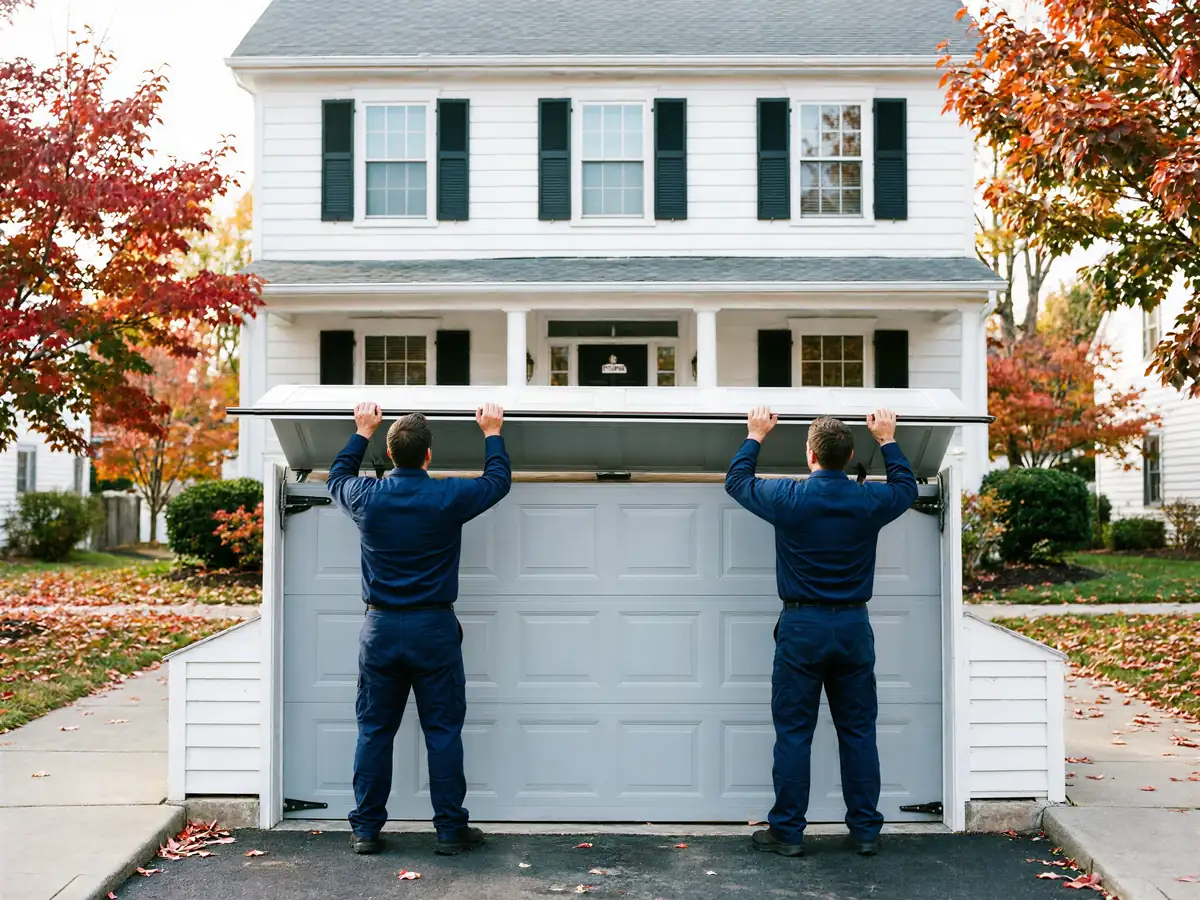
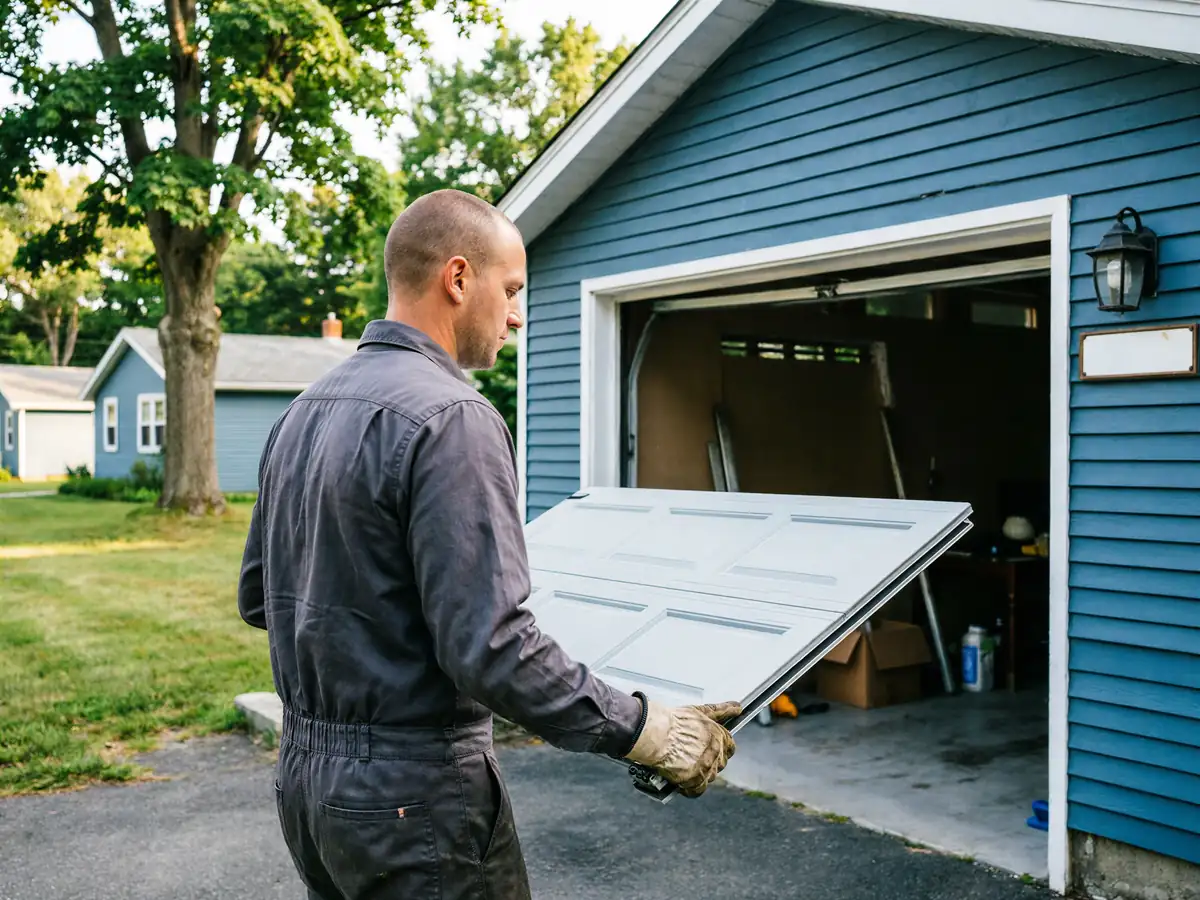
That's the sideways part: a tech shows up expecting a standard 1960s-70s steel panel door on a torsion system sized to match, and instead finds an older opening with hardware from three different decades stacked on top of each other. The fix isn't harder, but it takes longer to diagnose, because nothing is where the parts catalog says it should be. We drive the 6 miles from Waltham assuming we'll need to measure twice before we order anything - we don't quote a repair here off a phone description alone if the house predates the 1960s wave.
Can You Do This Yourself
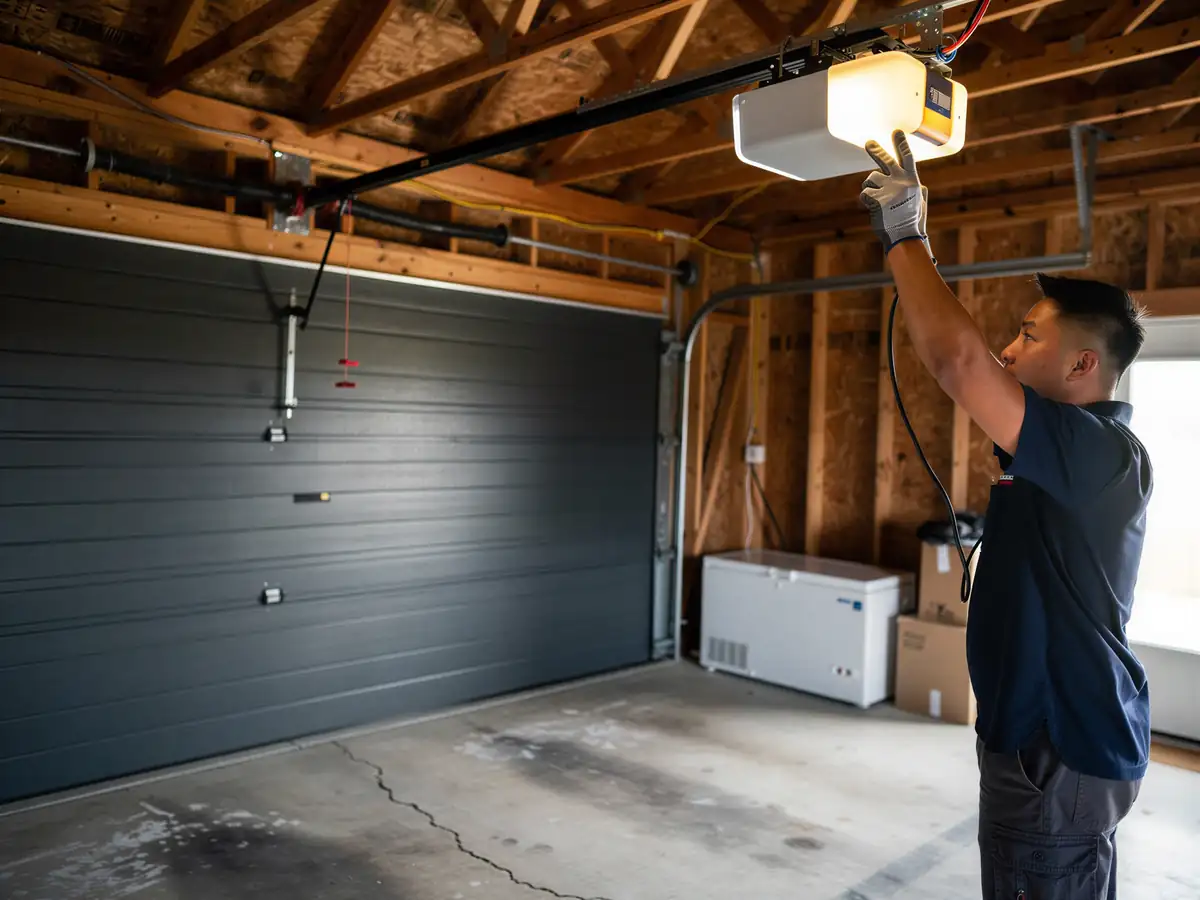
If the opener won't respond or the remote needs a battery, that's yours to handle
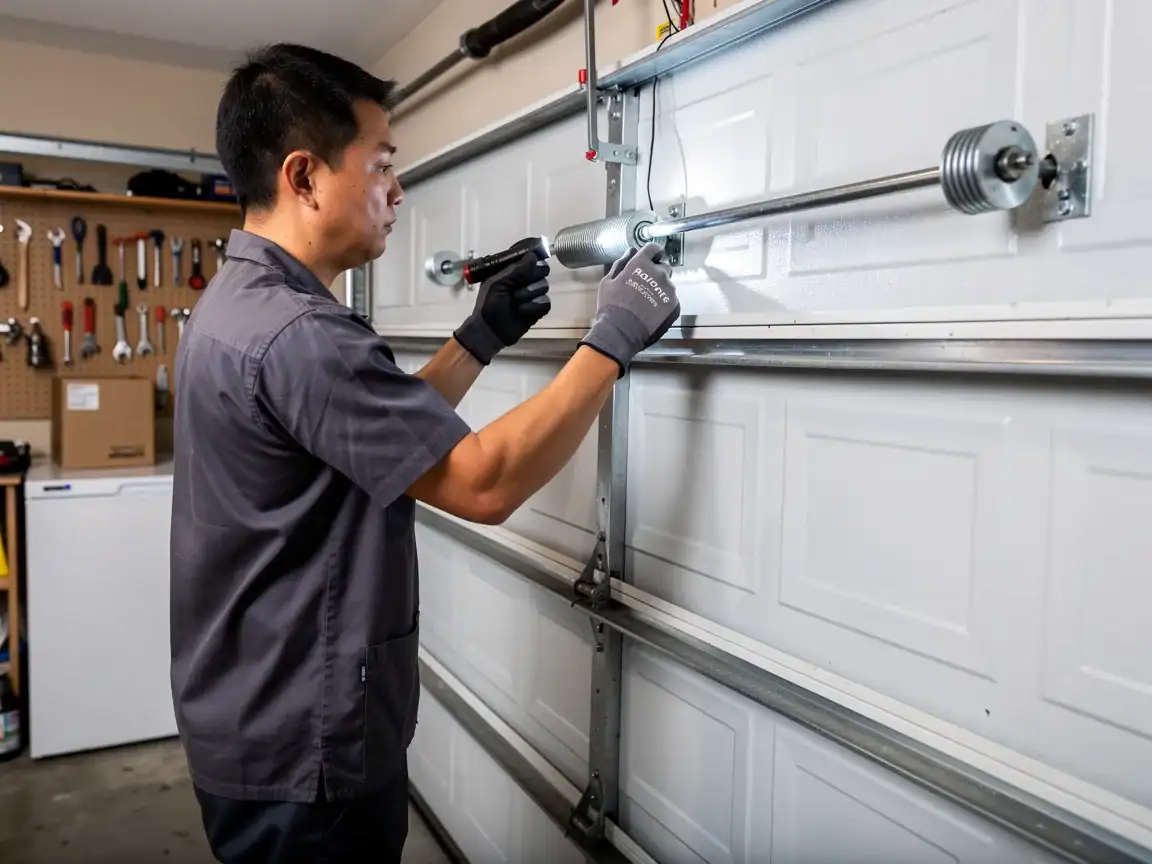
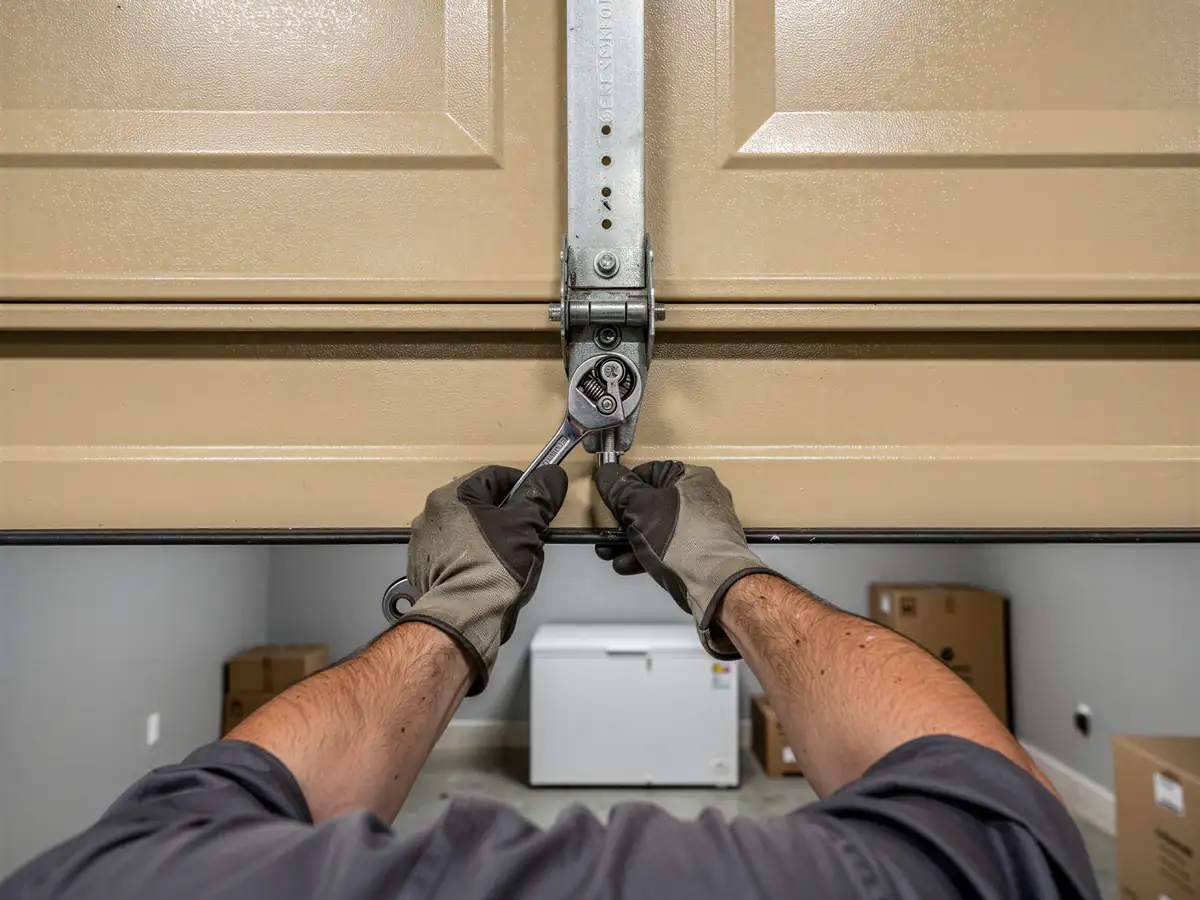
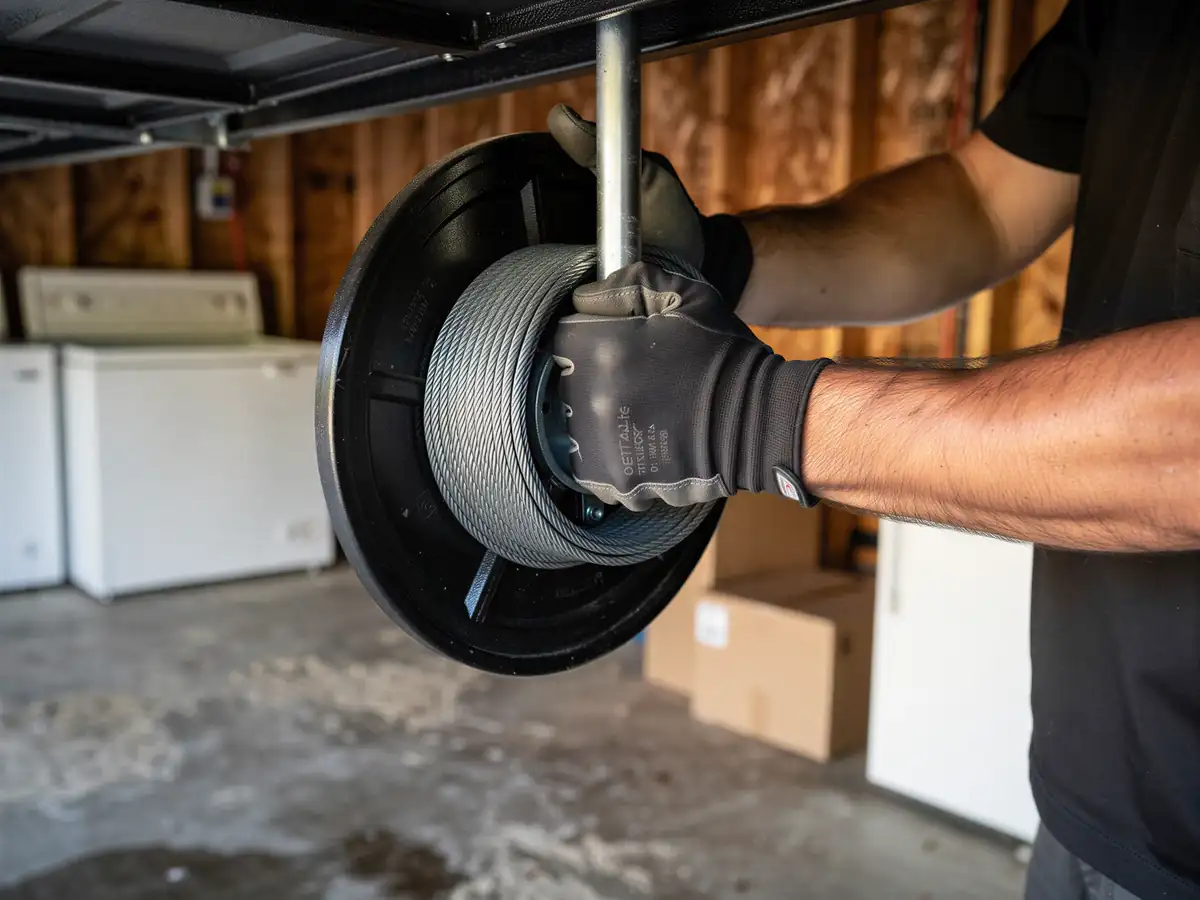
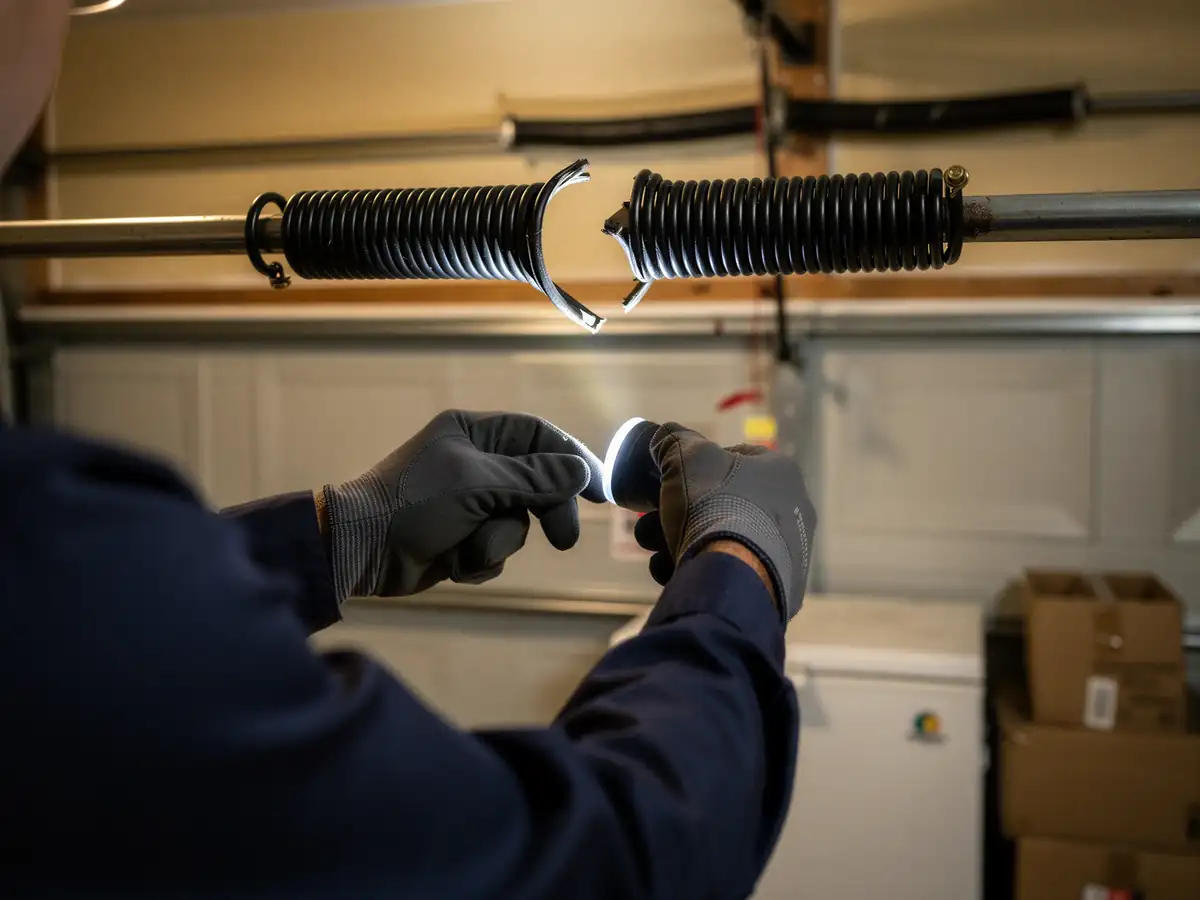
No reason to call anyone for that. Where we draw the line is torsion springs and anything involving the cables under them. On an older Wellesley opening, that line matters even more, because the spring on a retrofitted 1950s-era door is often not a stock size. Guessing wrong means a spring that's under-wound, which puts the strain back on the opener motor and burns it out early, or over-wound, which is a genuine injury risk.
Track alignment is the other one people try and shouldn't
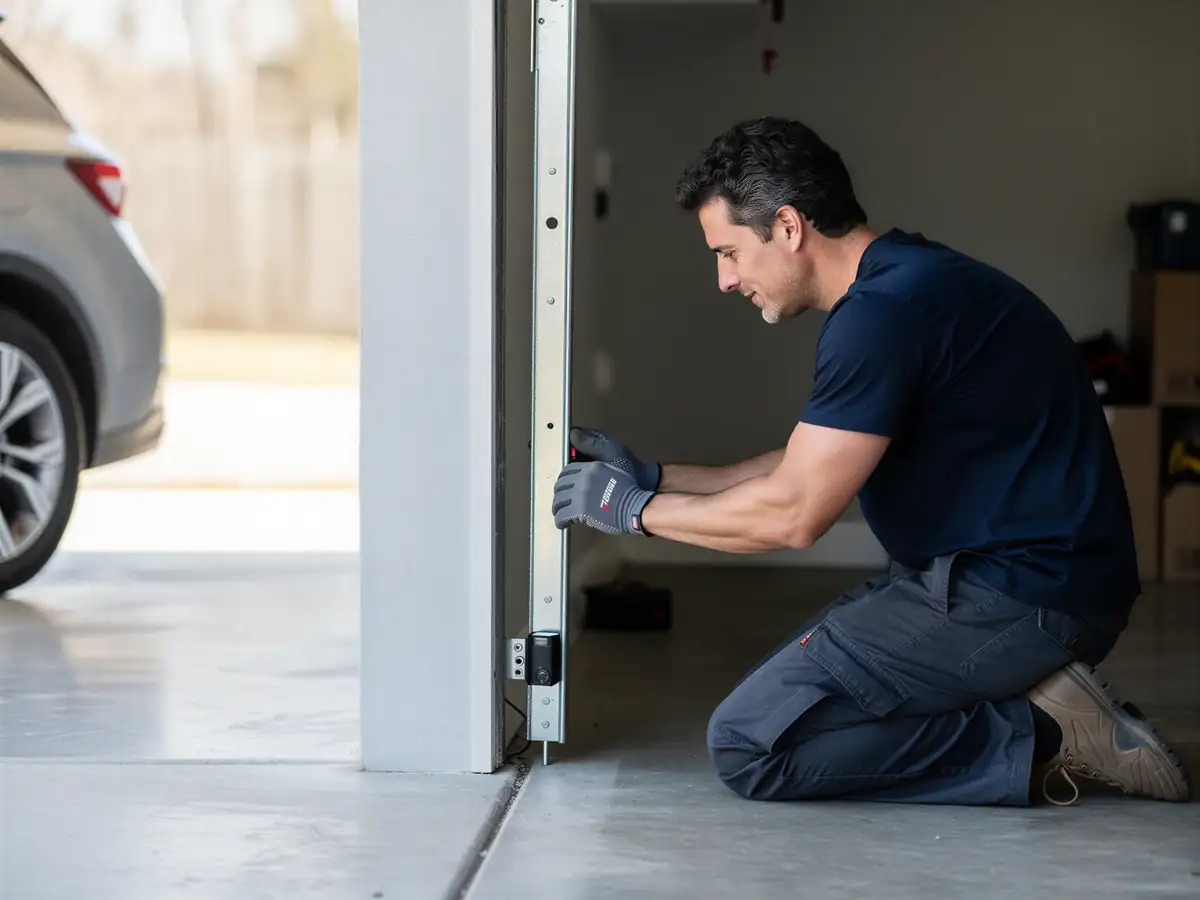
On original framing from this era, the track brackets are sometimes shimmed in ways that aren't obvious until you start loosening bolts, and a misaligned track under tension can come down fast. If you're comfortable with a ladder and a screwdriver, lubricating rollers and hinges, tightening visible hardware, and clearing the photo-eye sensors are all fair game. Springs, cables, and anything that requires removing the door from the track - leave it.
What You Pay
We don't have a Wellesley-specific price list to hand out, and pricing depends on what the door actually needs once we're looking at it, not a phone estimate. What we can tell you is what shapes the number on an older opening like the ones common here: nonstandard spring sizing costs more because it's not a shelf part, and if the track or jamb needs reframing to take a modern door, that's additional labor beyond a straight swap.
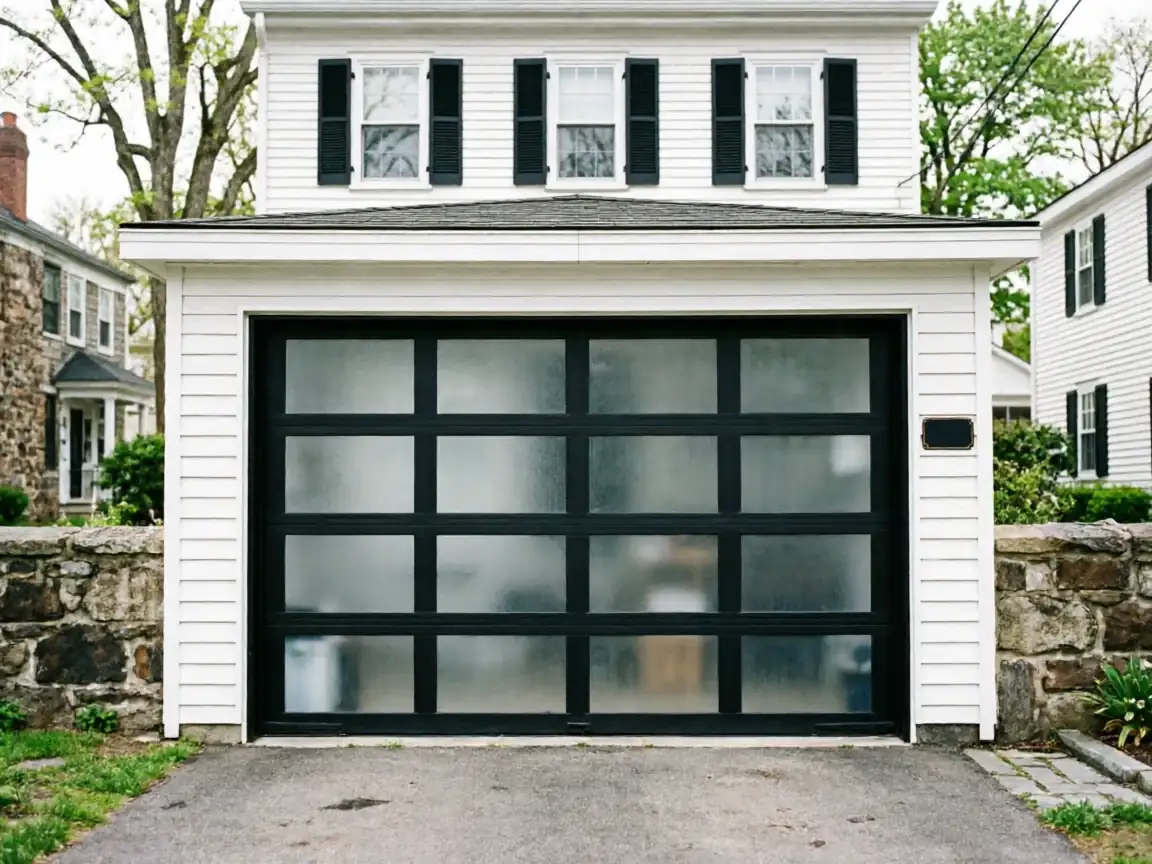
Household income in this part of the service area runs well above the broader area median, and that does show up in what homeowners choose - we see more requests for insulated steel or composite doors here than bare single-layer panels, which costs more upfront but holds up better against the cold-climate swings this region gets. We won't push a full replacement if a repair gets the door back to solid working order; we'll tell you when the door's old enough that spending on repeat repairs stops making sense.
What You Are Seeing
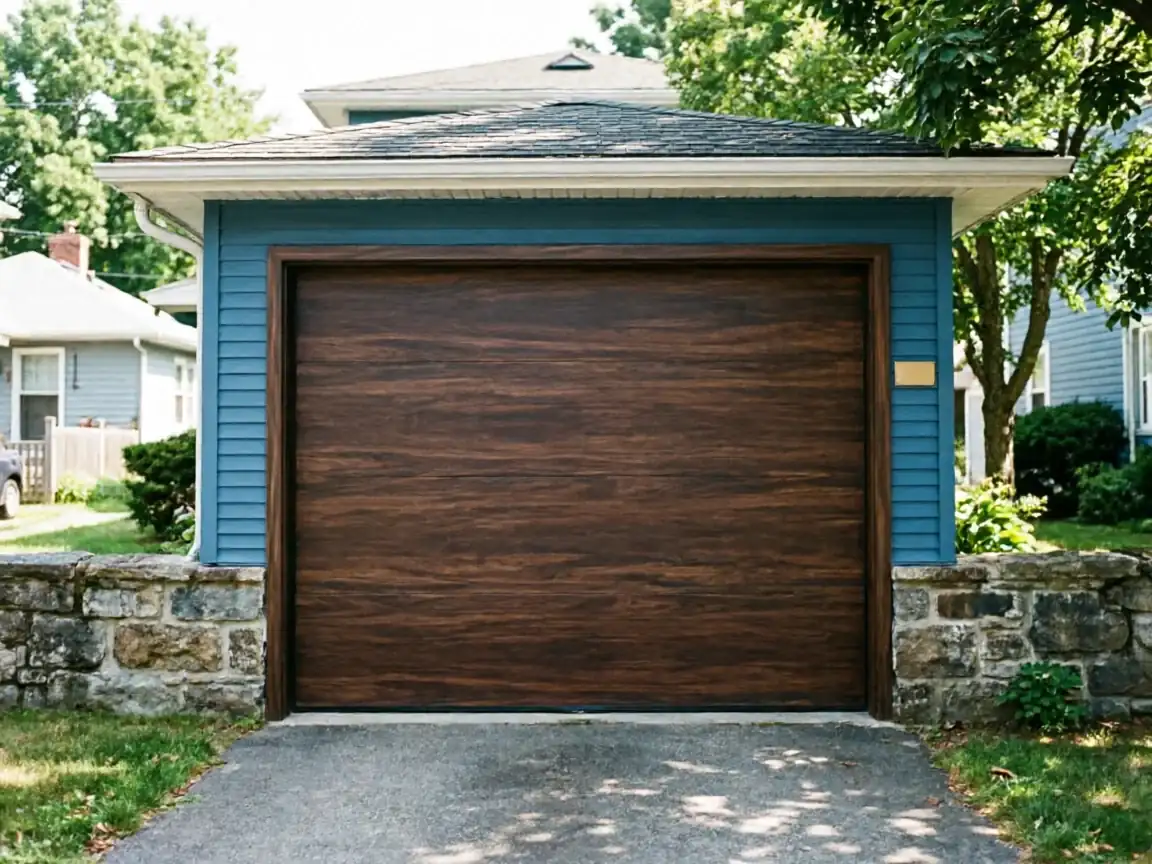
The complaint we hear most from this area isn't a door that won't open - it's a door that's noisy, slow, or seems to bind partway through the cycle. On a mid-1950s opening with hardware added later, that's almost always a track or jamb alignment issue rather than a worn part. The symptoms look like they could be a bad roller or a tired opener, but the real cause is the frame the door was hung on.
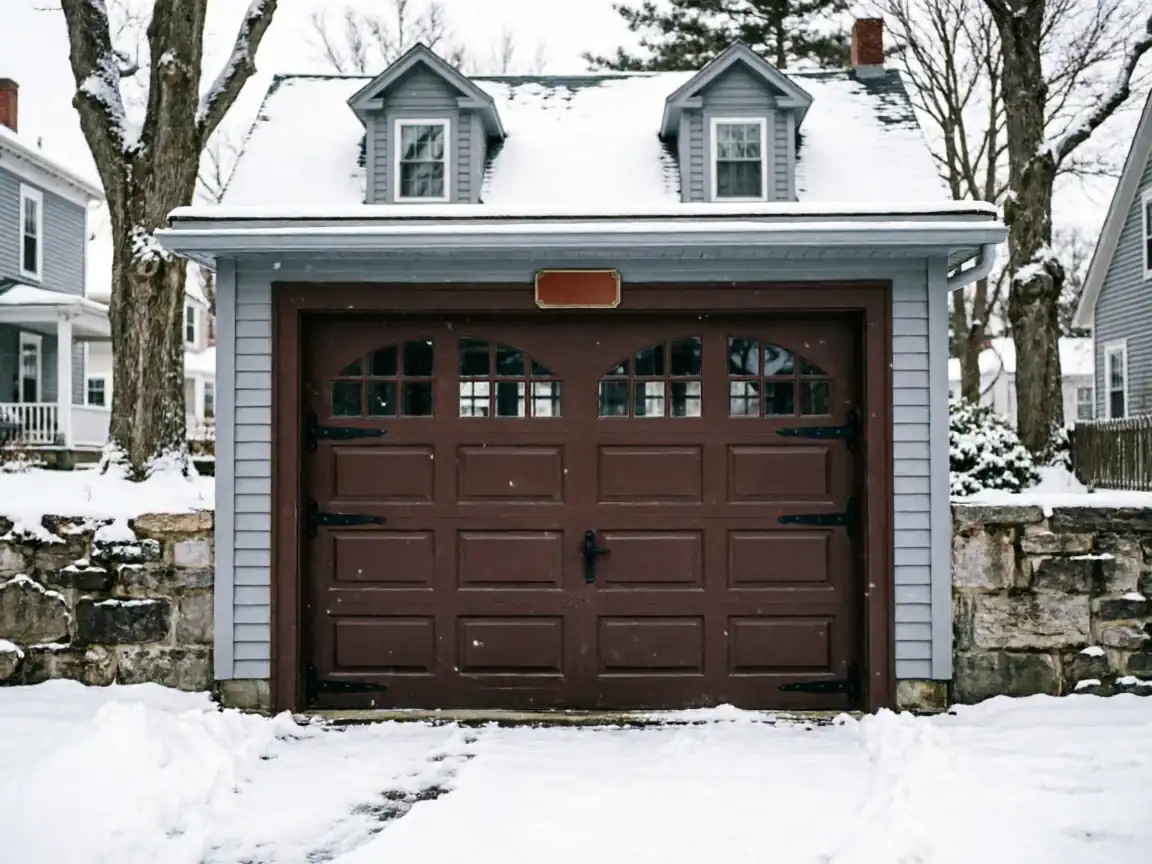
Cold is the other factor. This area sits in a cold climate zone with real seasonal swings, and old grease on original hardware - where it's survived this long - stiffens up hard in winter. That shows up as a door that worked fine in October and groans or stalls in January. It's not usually the spring failing; it's lubricant that's decades past useful and metal that's contracted just enough to bind. Swapping to a lubricant rated for the cold and checking alignment before winter catches most of this before it becomes a stuck door on a 10-degree morning.