Where This Job Goes Sideways
Median household income in Wellesley runs near $250,001, well above the $150,820 median across the rest of the Waltham service area. At that income level the repair-or-replace line shifts: a $300 spring swap stays a repair almost every time, but a door with a bent track, a cracked panel, and an opener pushing twenty years old turns into a replacement conversation faster than it does in lower-income corners of the territory.
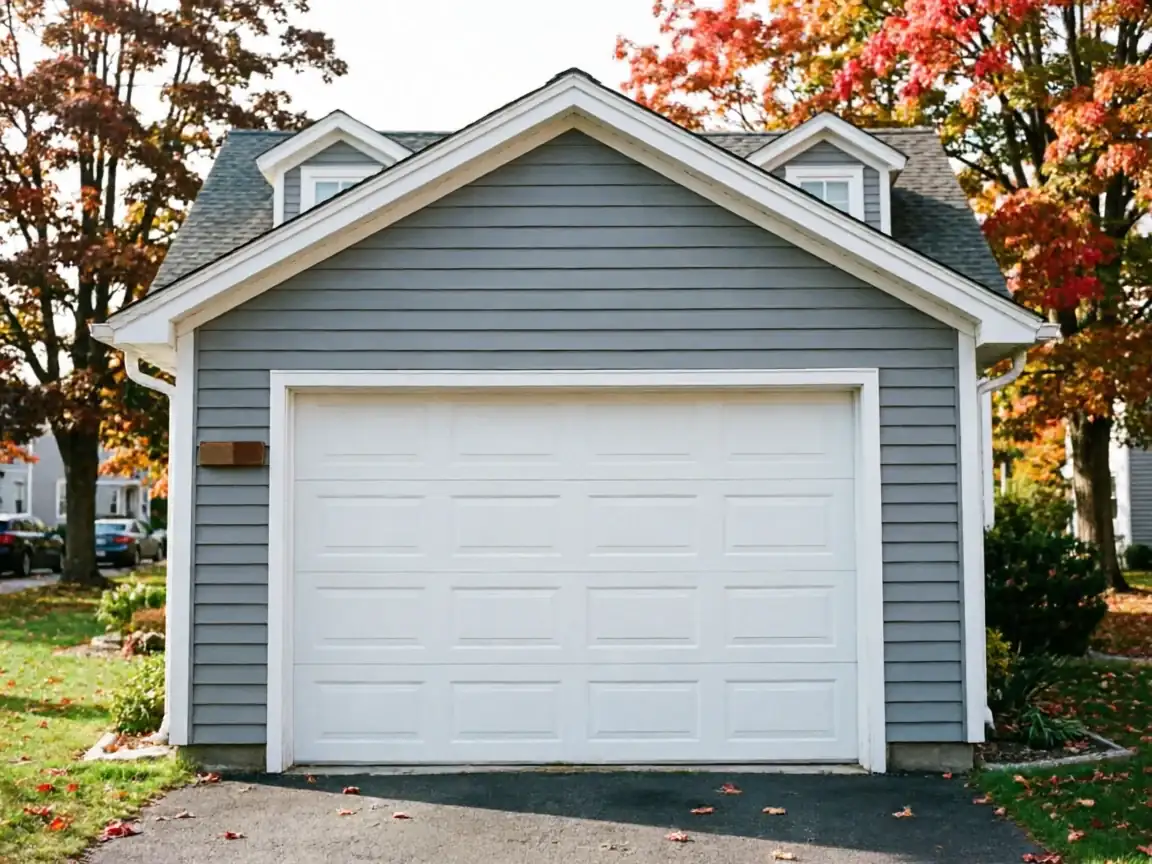
The housing stock pulls the other way. Wellesley's median build year sits near 1954, a decade ahead of the 1966 median for the rest of the service area. A house framed in the early 1950s predates the era when torsion springs became standard on tract construction. Plenty of these doors still run extension springs along the horizontal track, or a torsion conversion bolted on later with hardware that doesn't match anything on a parts truck today. That's where the job goes sideways - a tech expects a standard torsion header and finds a jackshaft opener wired to a wall bracket from another decade.
Add the climate. This part of Massachusetts sits in a severe cold band. Steel contracts, grease stiffens, and a cable that frayed all summer lets go the first hard freeze. That failure pattern, paired with 1950s-era hardware, is specific to houses like these - not a general garage door complaint.
Can You Do This Yourself
Some of this is fair game for a homeowner with patience and the right tools
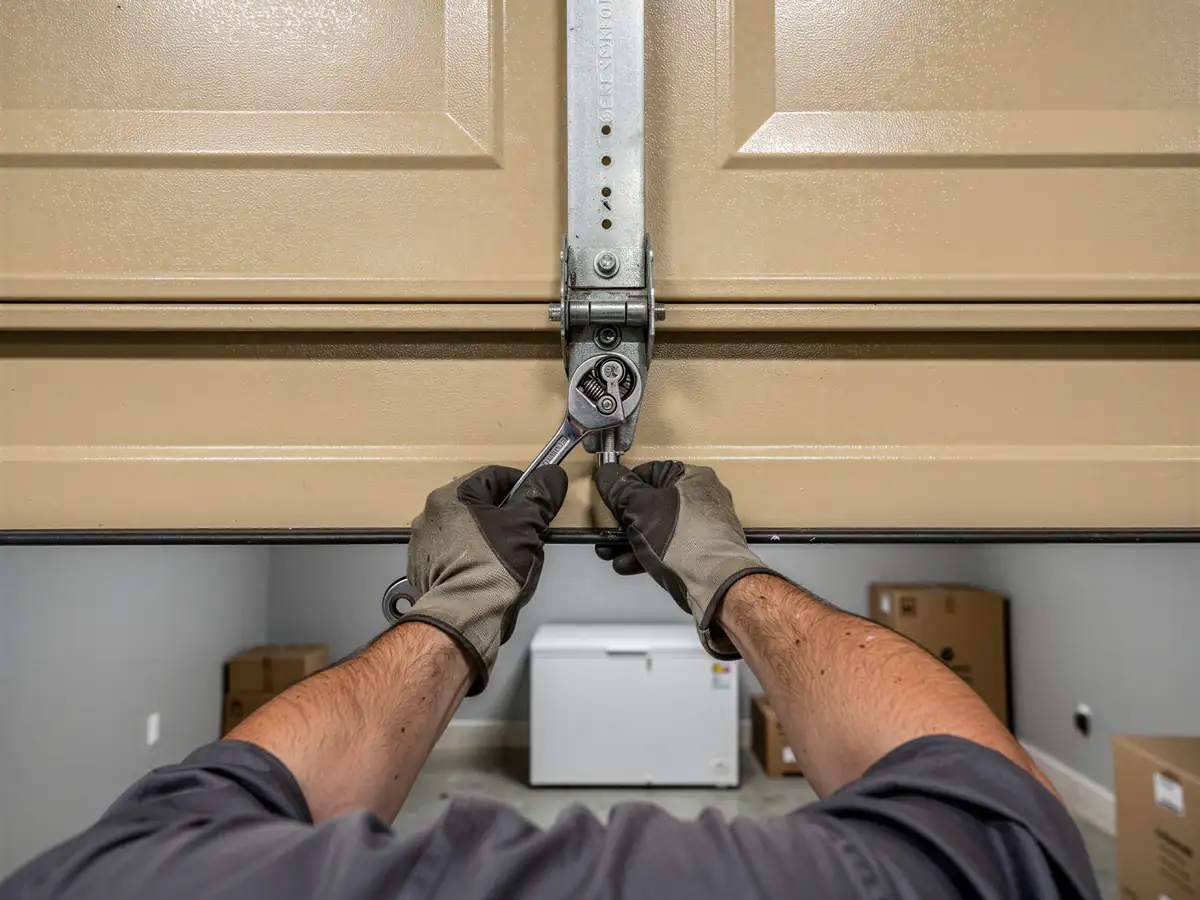
Lubricating rollers and hinges, tightening loose track bolts, replacing worn weatherstripping, and swapping a remote battery are all reasonable weekend jobs. None of it requires touching a spring.
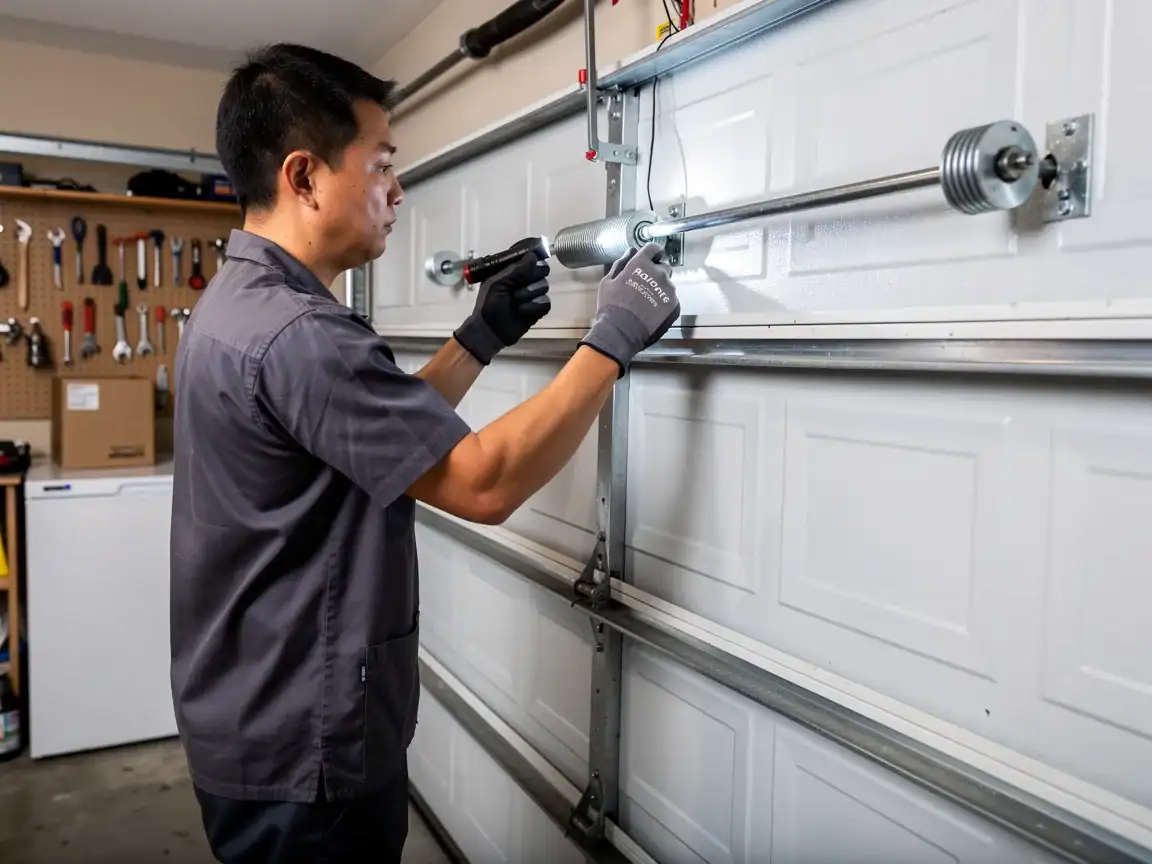
Torsion and extension springs are a different matter
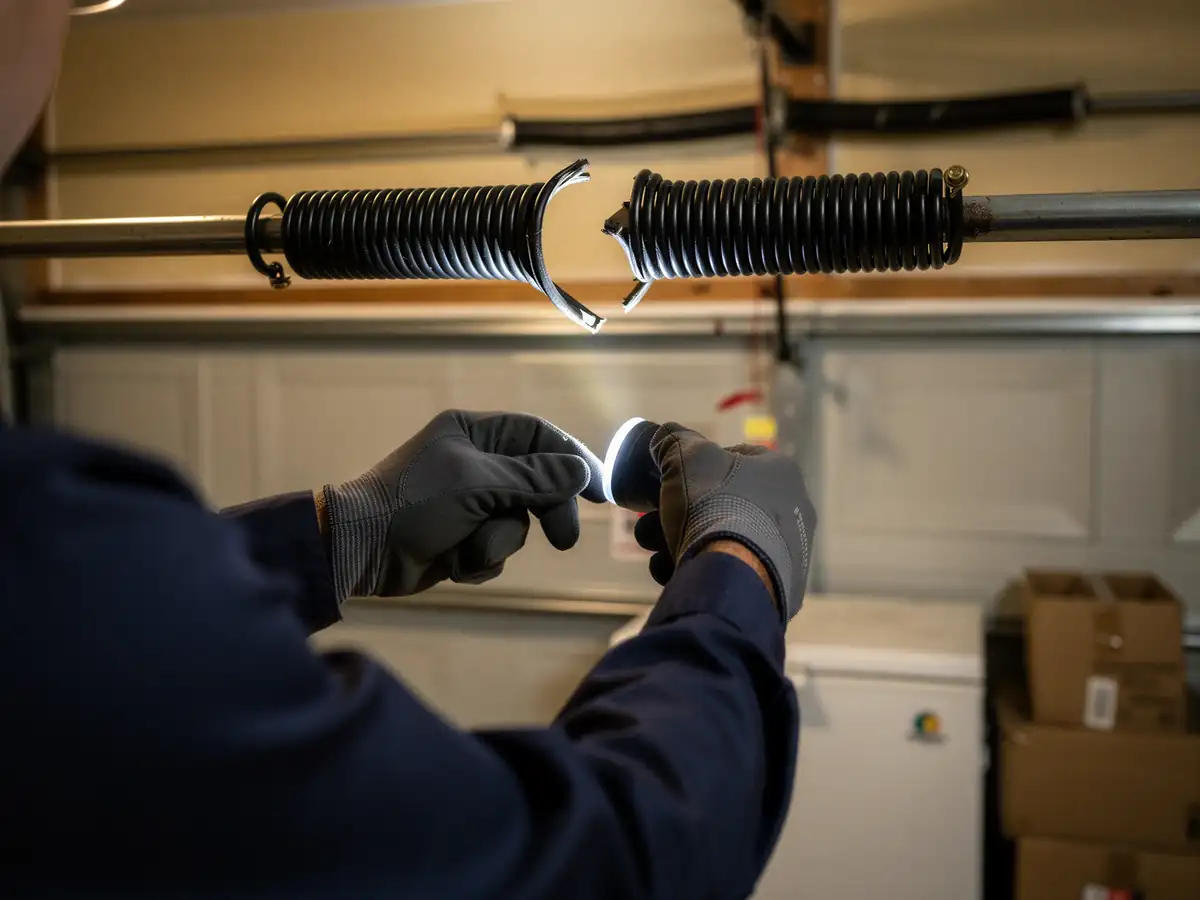
And on a house built around 1954 the spring is more likely to be an older style with wind tension that doesn't match what's printed on a box at a hardware store. These springs store enough force to break a wrist or worse if the winding bar slips. We don't recommend DIY spring work on any door, and we especially don't recommend guessing at wind tension on hardware this old without knowing what you're looking at first.
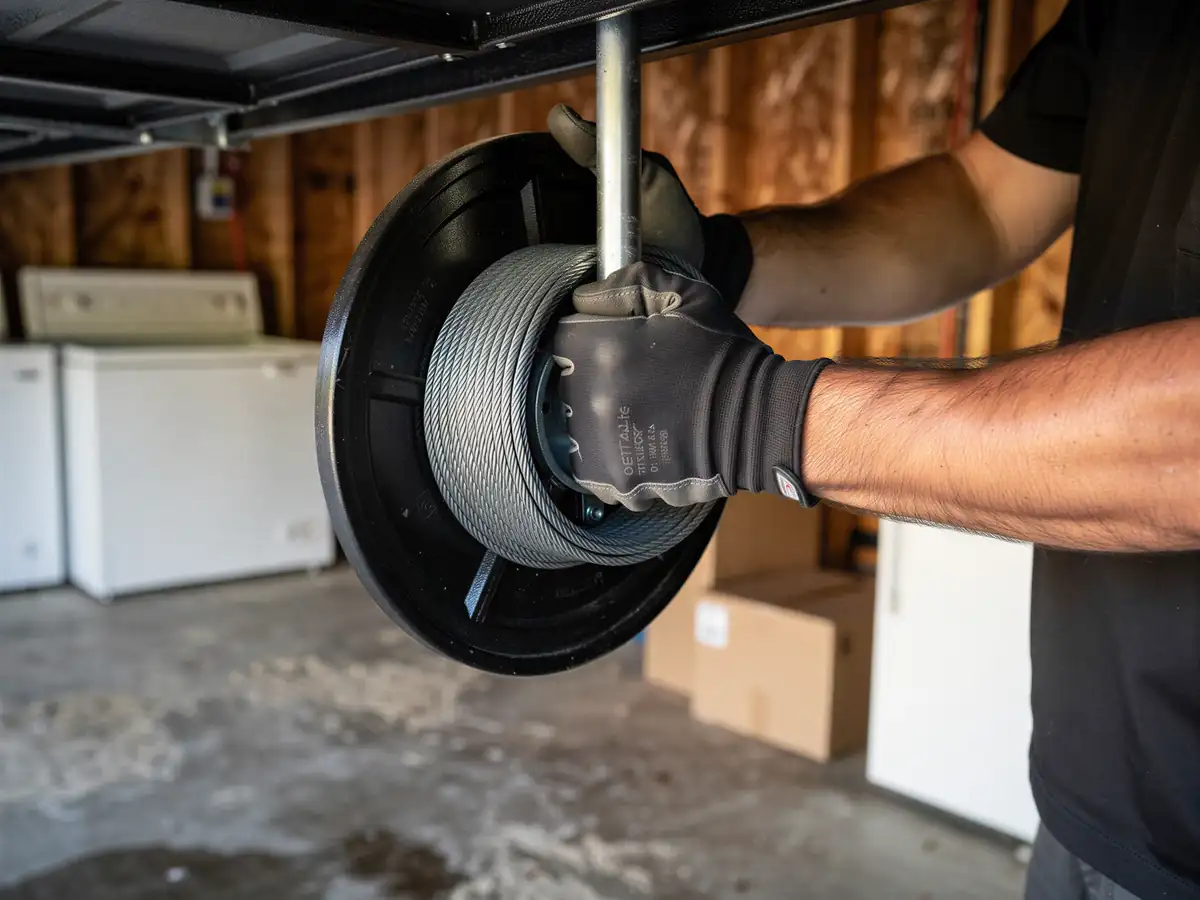
Cable replacement carries the same risk
The cable is under load from the spring system, not just the door's weight. If a cable has frayed, that's a call, not a project.
The honest limit on our side
We can't always get a matching replacement spring for older or oddball hardware same-day. Some of what's still running in older Wellesley houses was sized for doors and openers no longer made, and that means a special order and a wait, not a same-visit fix. We'll tell you that up front rather than promise a fix we can't deliver that day.
What You Pay
We don't have a flat number to print here, and quoting one without seeing the door would be a guess, not a price. What we can tell you is how the decision usually breaks down in a town where the median household income sits near $250,001 and the housing dates mostly to the 1950s.
A broken spring, a misaligned sensor, or a worn roller is a repair, full stop - the door, opener, and track are otherwise sound and the fix doesn't touch the frame. Where it gets more expensive is hardware sourcing: a door built around 1954 may need a spring or cable sized for equipment that's no longer standard stock, and that part has to be ordered rather than pulled off the truck.
At the other end, a panel that's rusted through, a track that's bent past straightening, or an opener motor that's seized usually means replacement, not repair - and replacement on an older door sometimes means replacing hardware the current door depends on even if the panels themselves are fine. Given the income level in this area, we see more owners choose full replacement over patching an aging door than we do in less affluent parts of the territory, simply because the cost difference matters less to the decision.
We'll always give you the repair option first if the door and track support it. Replacement gets recommended when the repair would cost nearly as much and leave old hardware in place anyway.
What You Are Seeing
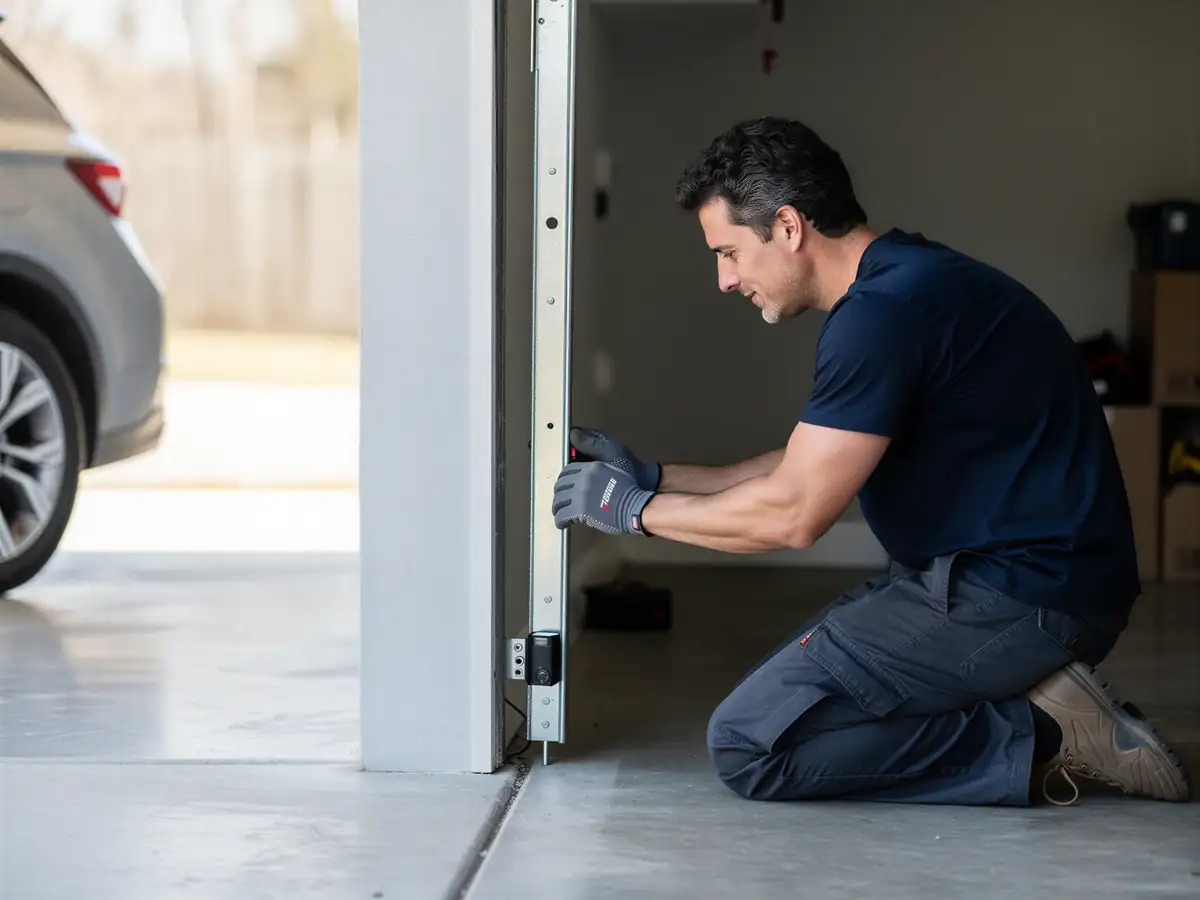
If your door is sticking partway up or down, check the track first - on houses from the 1950s, tracks were often installed slightly out of plumb by standards nobody follows anymore, and decades of settling make that worse. A door that binds at the same spot every time is usually a track problem, not a spring problem.
A door that won't stay up on its own, or that slams down fast when you release it by hand, points to a spring that's lost tension or broken outright. On older extension-spring setups common in this housing stock, that often shows up as one side of the door hanging lower than the other, since the two springs rarely fail at the same time.
Grinding or popping noises in cold weather are usually grease that's stiffened in the cold band this area sits in, combined with rollers that were due for replacement before the freeze hit. That's a maintenance call most of the year and a breakdown call in January.
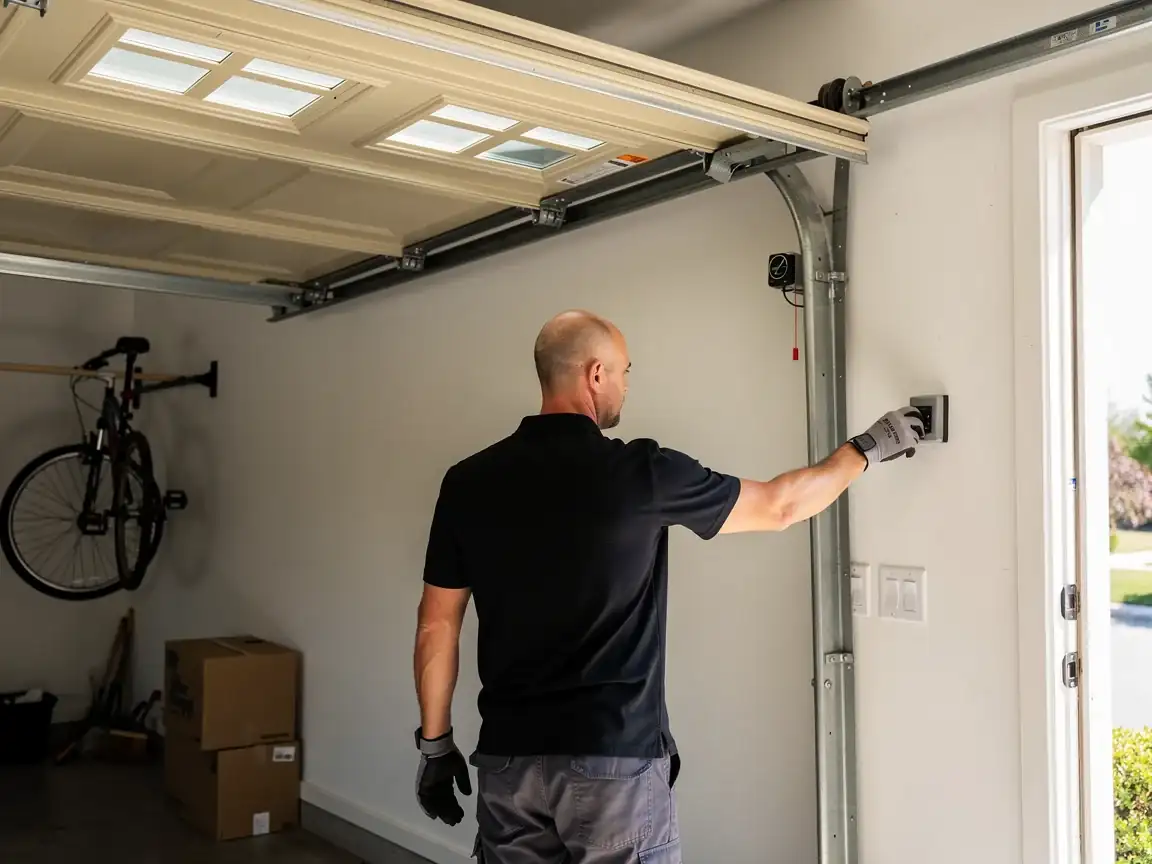
An opener that runs but the door doesn't move, or moves then reverses, is often a limit switch or a worn drive gear - common on units old enough to predate today's safety sensor standards, which turns up more often on original equipment from 1950s-era houses that was never swapped out.