Where This Job Goes Sideways
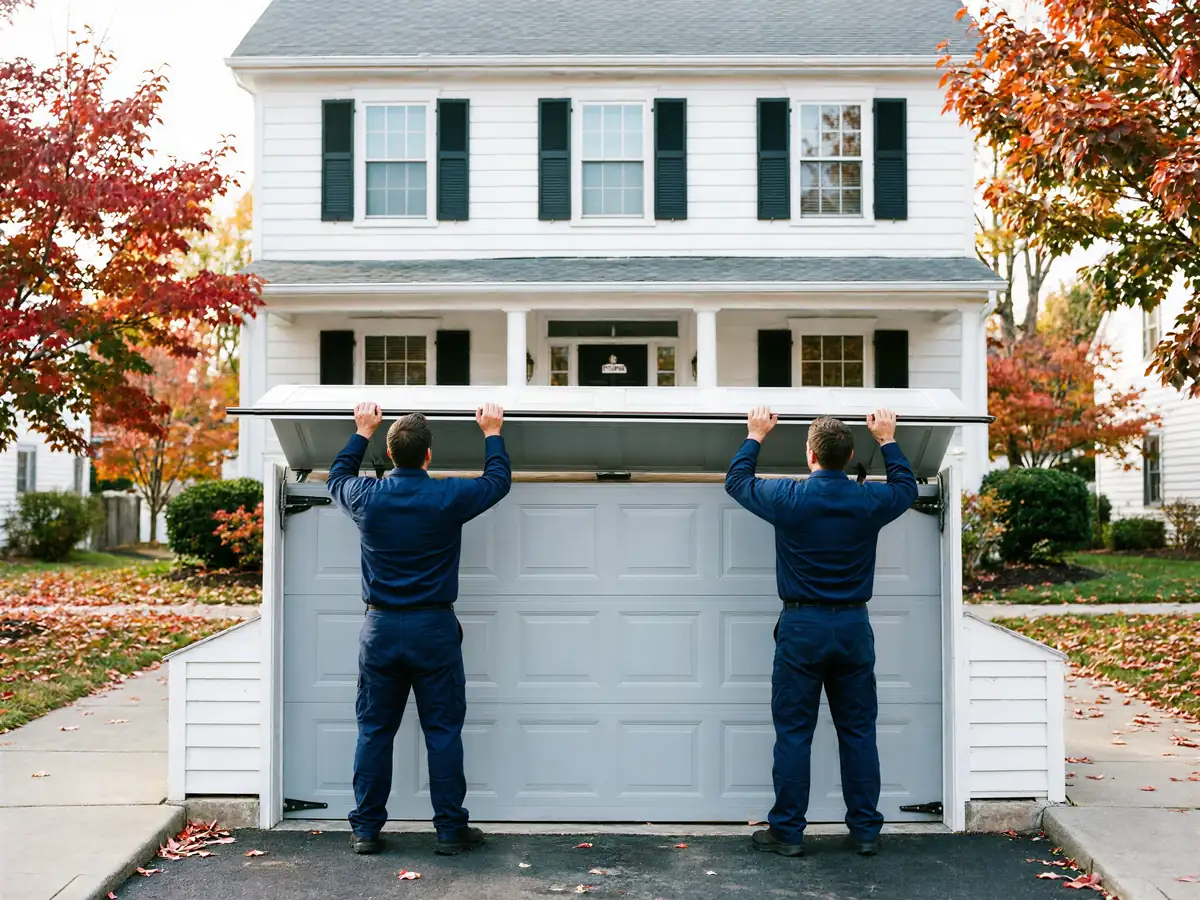
Wellesley sits six miles out, and that drive puts a different set of houses in front of us than the stock closer to Waltham. We're not based in town, so every opener job here starts with a trip - not a big one, but it shapes how we schedule and quote, since we're not swinging back twice for a part we should have brought the first time.
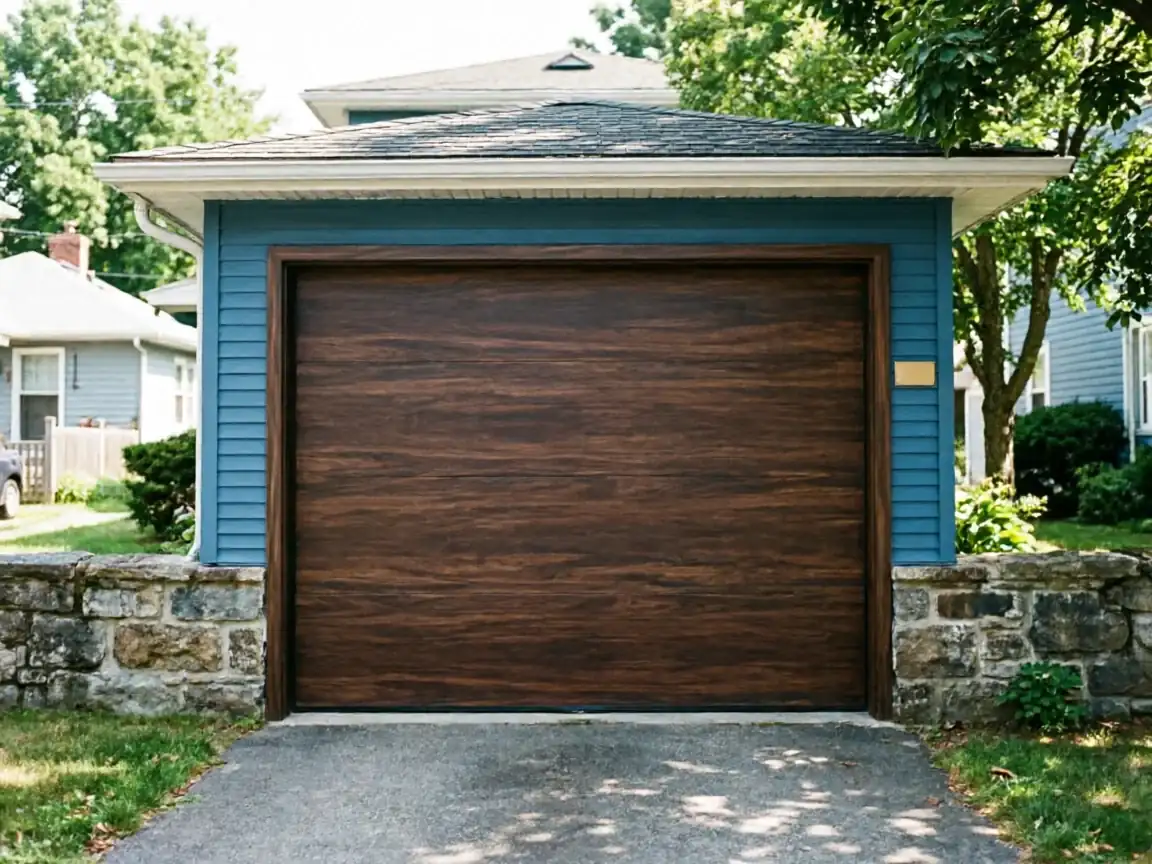
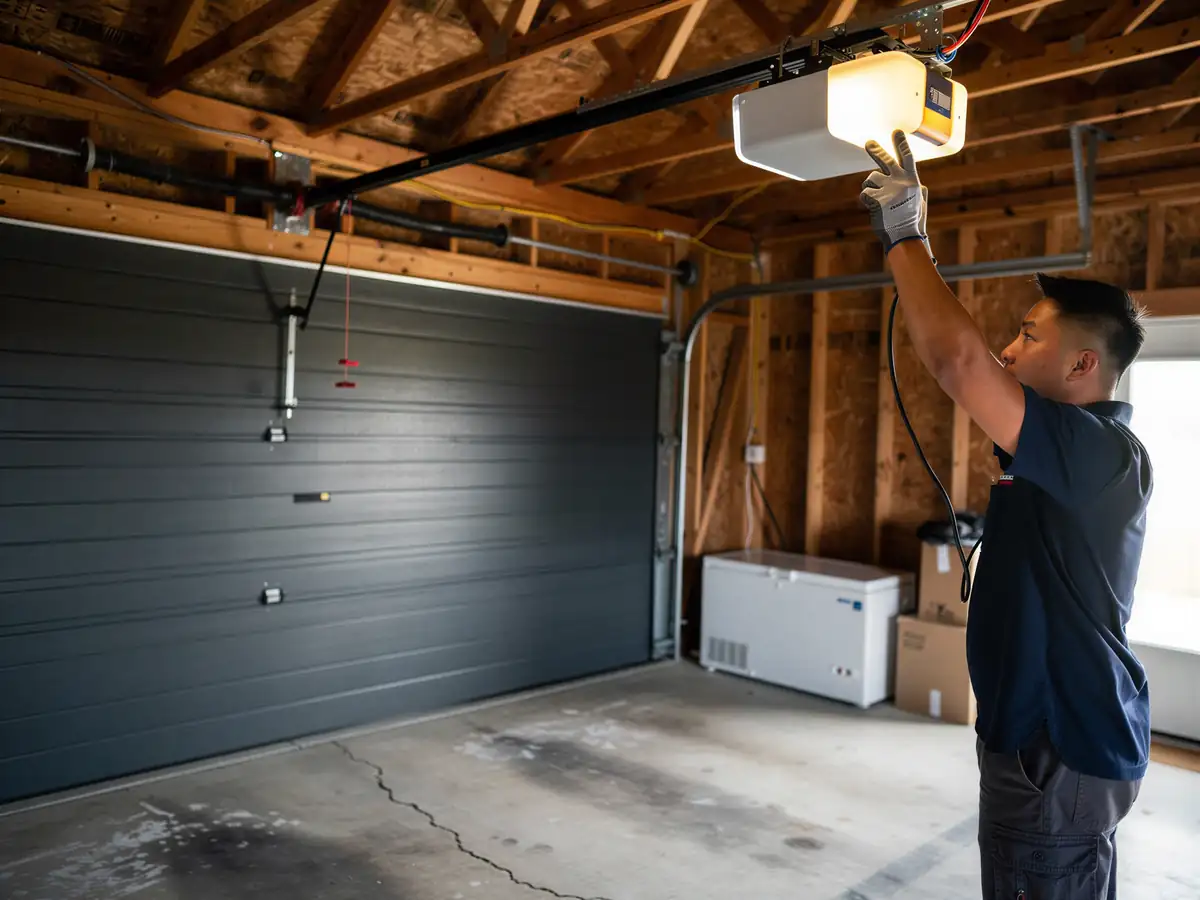
Houses here run older than the service area median - 1954 versus the 1966 midpoint we see across the rest of the territory. That matters for openers specifically: a lot of these garages were built before anyone made a belt-drive opener, let alone a smart one with a wall-mounted camera. The header above the door, the clearance for the rail, the gauge of wire already run to the wall switch - none of it was sized for what's sold today. Where this goes sideways is when a homeowner orders an opener online, we show up, and the mounting bracket or the header clearance doesn't match the unit in the box. We catch that on the phone now, before the truck leaves Waltham, by asking about the door's age and garage ceiling height up front.
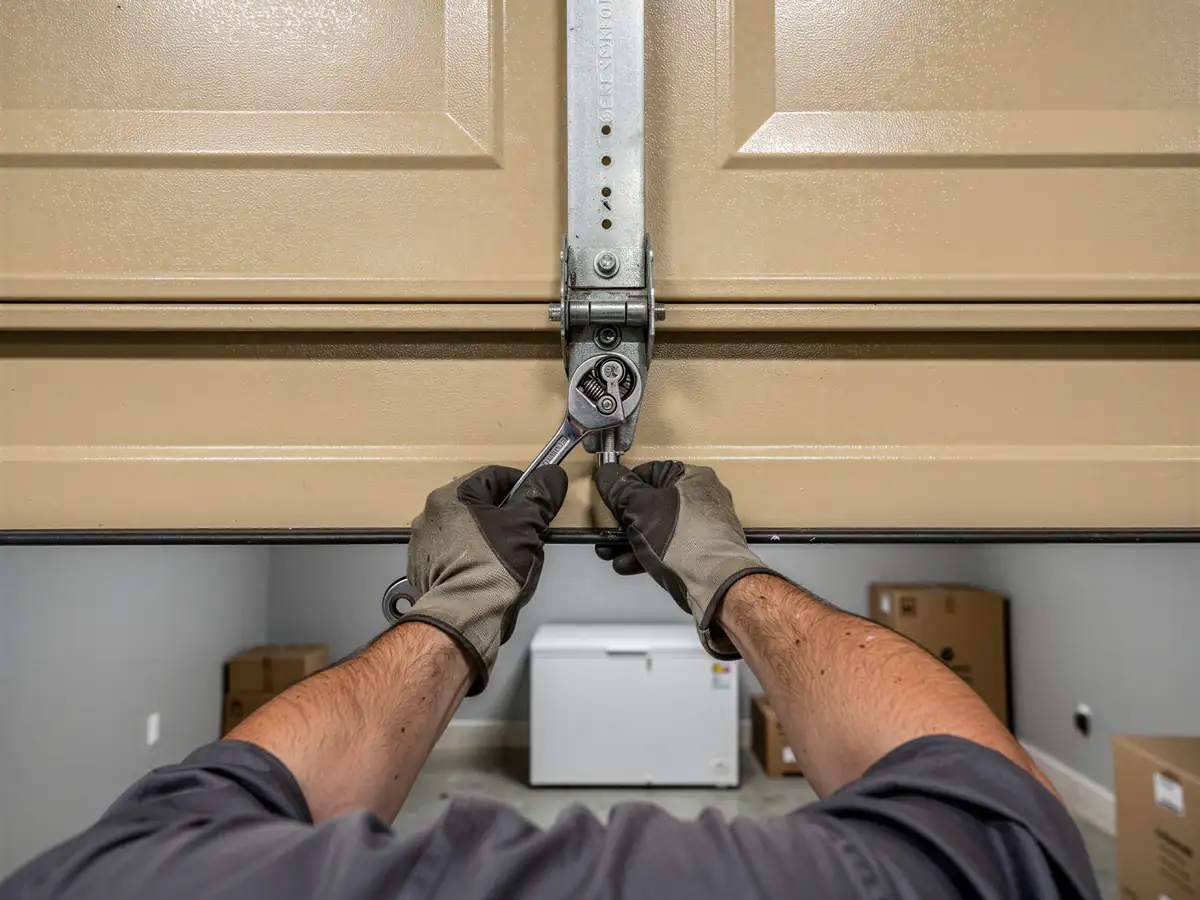
Cold-climate installs also mean we're not just hanging a motor - we're checking that the door itself can take the load a modern opener puts on old hardware, especially on a 1950s-era door that's heavier than it looks.
Can You Do This Yourself
You can hang an opener yourself if the garage is already wired, the header has clear framing
And the door is in good working order. None of that is guaranteed on a 1954-era garage. The bracket location, the wire gauge behind the wall switch, and the condition of the track all vary house to house in this age of building, and a mismatch is the single most common reason a DIY opener install stalls halfway through.
The other piece is the door itself
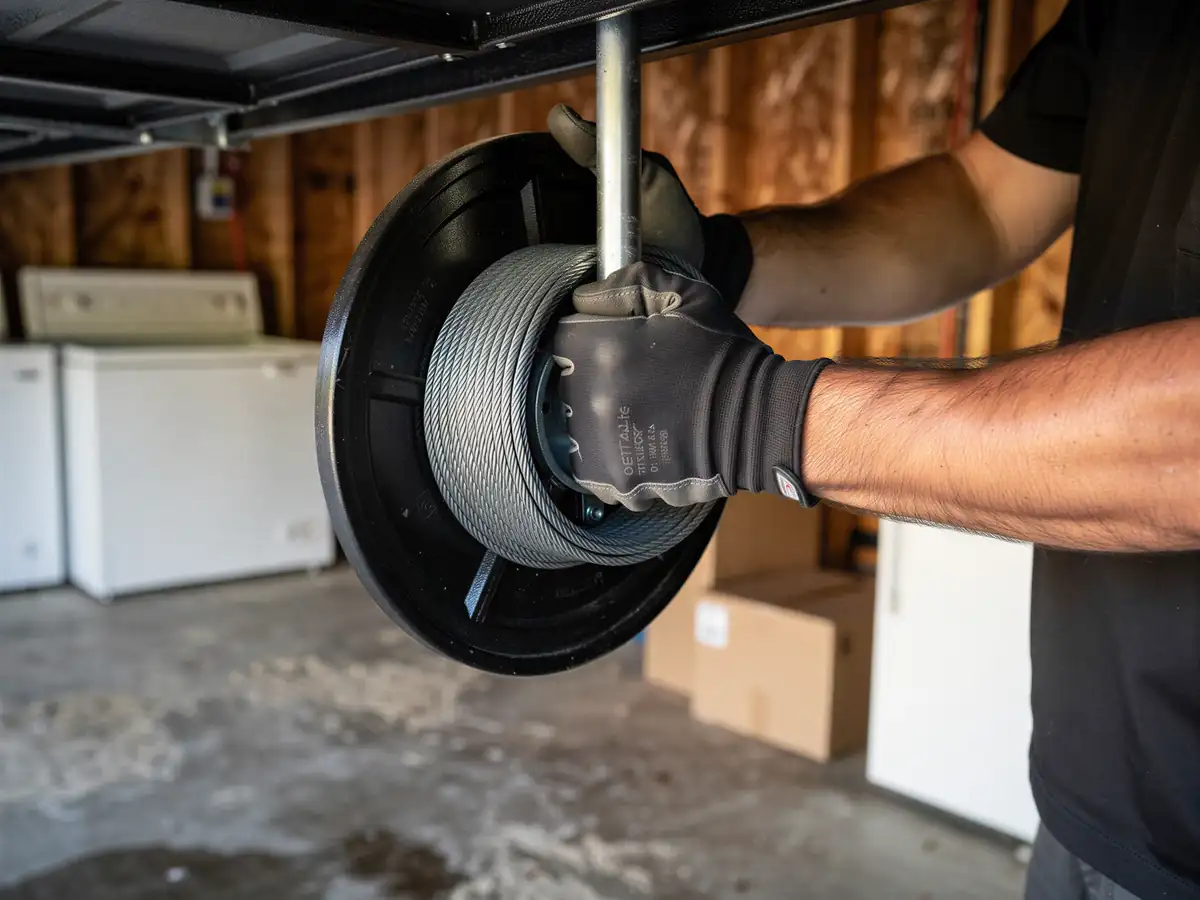
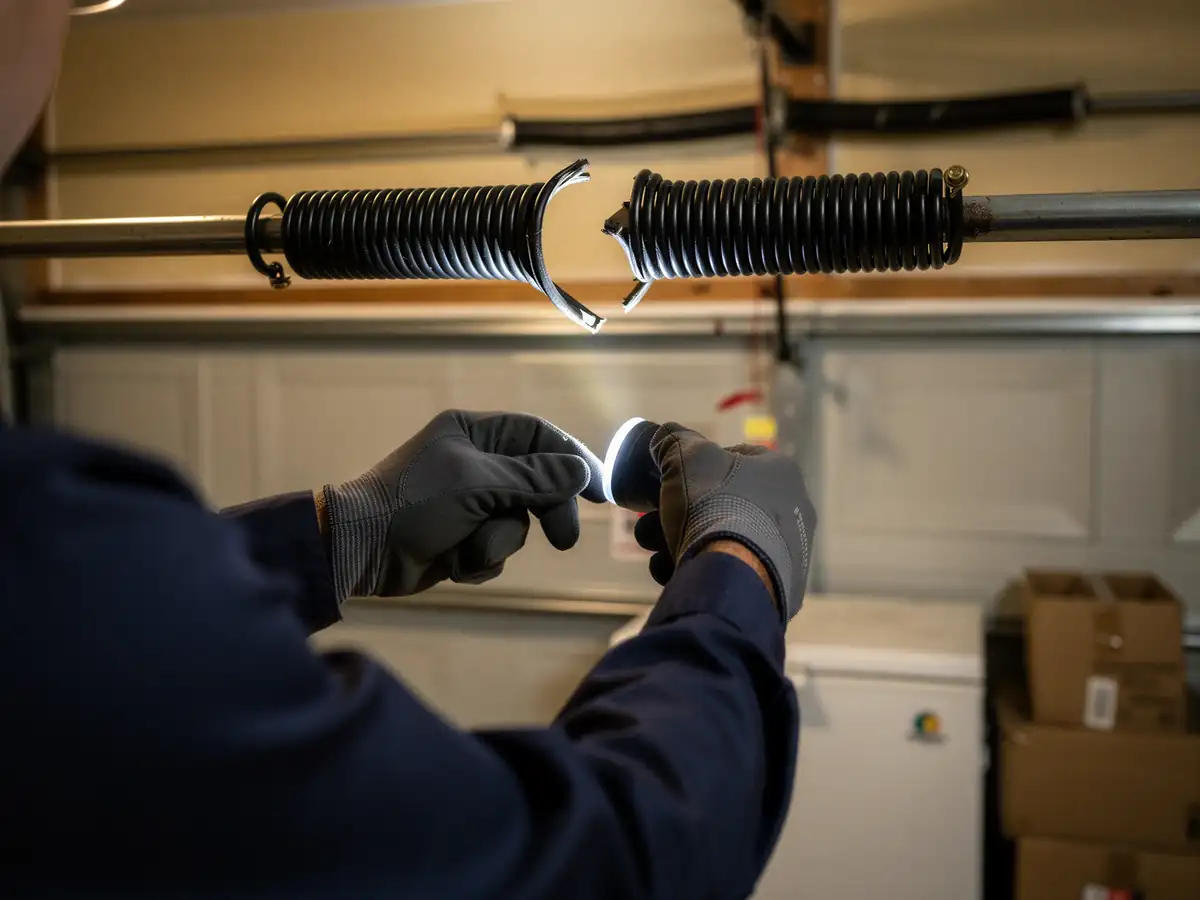
An opener doesn't fix a door that's out of balance or a spring that's already fatigued - it just exposes the problem faster, usually by burning out the new motor in under a year. If your door is original to a 1954-54 build and it's never had the springs replaced, that's worth a look before you spend money on an opener to go with it.
We're honest that this isn't always a call-us job
If your door is newer, your garage is wired, and you're comfortable on a ladder, a basic chain-drive opener is a reasonable weekend project. Where we earn the trip from Waltham is the older stock, the belt-drive and smart-opener installs that need the header reinforced first, or anything where the existing wiring predates grounded outlets.
What You Pay
At $250,001, the median household income here is well above the $150,820 figure for the territory as a whole, and that shows up in what homeowners in Wellesley tend to order - more belt-drive and smart-opener installs, fewer bare-bones chain units, than we see on average across the rest of the territory we cover from Waltham.
We don't have a published price list for this page, and we're not going to invent one. What we can tell you is that the quote changes with the door's age and header condition, not just the opener model - a straightforward swap on a newer door costs less than an install on an older 1954-era garage that needs bracket or wiring work first. We price that on the call, after we know what's actually behind your door.
What You Are Seeing
With roughly 9,101 households in town, this isn't a high-volume route for us the way some of the closer suburbs are, but the pattern we see is consistent: openers failing not from age alone but from being asked to run doors that were never balanced for the load. A 1954-era opener bracket wasn't built for today's belt-drive units, and we see that mismatch more in this town than in the newer pockets of the territory.
Signs you're heading toward a replacement rather than a repair: the opener runs but the door lags behind it, the motor strains audibly on a cold morning, or the remote works inconsistently even with a fresh battery. In a severe-cold climate band like this one, metal housings and plastic gears both get more brittle in winter, and that's often when a marginal opener finally quits. If the door itself still closes square and the springs are sound, a new opener on existing hardware is usually the right call. If the door's been fighting the old opener for years, replacing just the motor is sometimes money spent on the wrong problem.